

Published: 27 March 2026
This article is periodically reviewed and updated to reflect current scientific understanding by Vic George.

What Are Wax Beans?
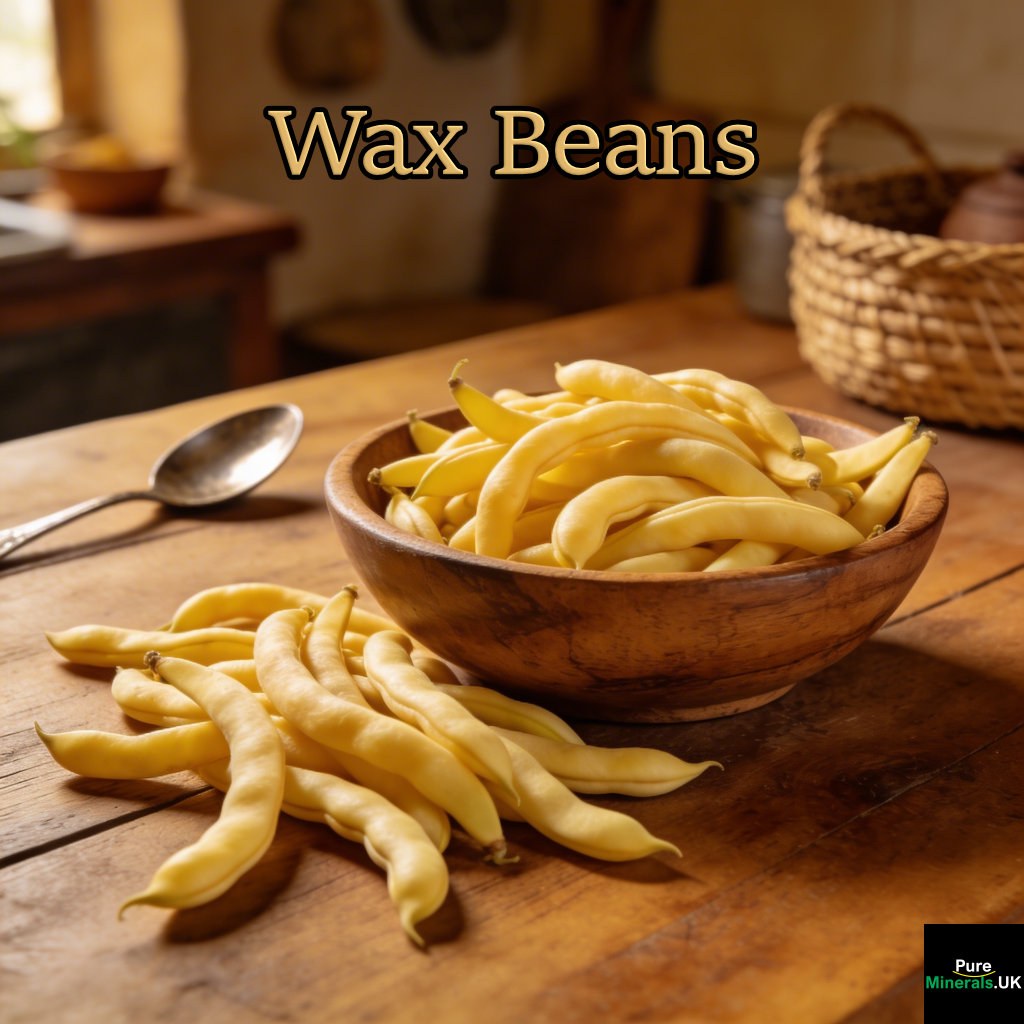
Wax beans are a variety of Phaseolus vulgaris cultivated for their edible immature pods, which are typically yellow in color. They are valued for their tender texture, mild flavor, and nutritional content, including fiber, vitamins, and plant-derived compounds.
Definition
Wax beans are the edible immature pods of Phaseolus vulgaris, a member of the Fabaceae family, consumed as a vegetable. They are grown commercially by a mix of large-scale international producers and specialized regional farms. France, Italy, and Germany are major markets, with significant imports from Kenya, Egypt, and Morocco to meet off-season demand.
Extended Definition
Wax beans belong to the Fabaceae family, which includes legumes such as peas, lentils, chickpeas, and soybeans. They are closely related to green beans but are distinguished by their pale yellow or golden coloration.
The pods are harvested while still immature, before the seeds inside fully develop. At this stage, both the pod and the undeveloped seeds are tender and suitable for consumption. This places wax beans in the category of edible pod vegetables.
Nutritionally, wax beans provide dietary fiber, vitamin C, vitamin K, folate, and small amounts of potassium and magnesium. Vitamin C contributes to antioxidant processes and normal immune function, while fiber supports digestive health.
Wax beans also contain flavonoids, carotenoids, and phenolic compounds that contribute to plant defense mechanisms and biochemical stability. Their yellow coloration is partly due to differences in pigment composition compared with green bean varieties.
Due to their low energy density and high water content, wax beans are commonly used in light, nutrient-balanced meals. They can be consumed steamed, boiled, sautéed, or incorporated into salads and side dishes.
Commercial growers prioritize high-yield, disease-resistant, and machine-harvestable varieties. Common commercial choices include:
- Indie Gold: Frequently used in the commercial frozen food industry due to its superior productivity.
- Cherokee Wax: A classic, heavy-yielding bush variety first introduced in 1947.
- Gold Rush: Known for being bushy and highly productive in good seasons.
- Rocdor: A hybrid favored for its vigorous growth and consistent production.
- Capitano: A heavy-yielding bush Romano type with flat yellow pods.
Key Facts
Botanical name: Phaseolus vulgaris
Plant family: Fabaceae
Common classification: Edible pod vegetable (legume)
Origin: Central and South America
Edible part: Immature pods and undeveloped seeds
Typical color: Yellow or pale gold
Primary nutrients: Fiber, vitamin C, vitamin K, folate
Key phytonutrients: Flavonoids, carotenoids, phenolic compounds
Energy density: Very low
Notable compounds: Plant antioxidants common to legume vegetables
Culinary uses: Steaming, boiling, sautéing, salads, and side dishes
Key Takeaways
- Wax beans deliver a surprisingly dense nutritional profile — offering fiber, vitamins C and K, folate, and key minerals in a very low-calorie package.
- One cup of cooked wax beans contains roughly 44 calories, 4 grams of fiber, and virtually no fat, making them one of the most nutrient-efficient vegetables you can eat.
- Wax beans contain plant compounds including flavonoids and carotenoids that support inflammation control and free radical protection — details covered further in this article.
- Despite their pale yellow color, wax beans are nearly identical in nutritional value to green beans, with some differences in specific antioxidant concentrations.
- How you cook wax beans directly affects how many nutrients survive to your plate — and the best method might surprise you.
Wax beans are one of the most underrated vegetables in the produce aisle — and once you see their full nutritional breakdown, it’s hard to keep overlooking them.
They go by a few names — yellow wax beans, butter beans (in some regions), or simply wax beans — but they all refer to the same pod vegetable that belongs to the Phaseolus vulgaris species, the same plant family as green beans. The difference is a natural genetic mutation that removes the chlorophyll, resulting in that distinctive pale yellow color. Wax beans are recognized as a versatile culinary ingredient with a well-documented nutritional identity worth understanding in depth.
Wax Beans Pack More Nutrition Than Most People Realize
Most people treat wax beans as a side dish filler — something mild, soft, and unremarkable. That assumption undersells them significantly. These pods are low in calories but high in micronutrient density, which means you get a strong return on vitamins and minerals relative to the calories consumed. They also carry meaningful amounts of dietary fiber and a range of plant compounds that contribute to long-term health in ways that go well beyond basic nutrition.
Wax Beans Nutritional Profile
The numbers below reflect a standard one-cup serving of cooked wax beans (approximately 125 grams), based on USDA nutritional data.
Nutrient | Amount Per 1 Cup Cooked (~125g) | % Daily Value |
|---|---|---|
Calories | 44 kcal | 2% |
Total Carbohydrates | 9.8 g | 4% |
Dietary Fiber | 4.0 g | 14% |
Total Sugars | 2.1 g | — |
Protein | 2.4 g | 5% |
Total Fat | 0.3 g | <1% |
12.2 mg | 14% | |
16.4 mcg | 14% | |
41.3 mcg | 10% | |
Vitamin A (as carotenoids) | 142 IU | 3% |
58 mg | 6% | |
1.6 mg | 9% | |
28 mg | 7% | |
374 mg | 8% | |
48 mg | 5% | |
Source: USDA FoodData Central. % Daily Values based on a 2,000-calorie diet. |
What stands out immediately is how much nutritional value fits into just 44 calories. The fiber alone covers 14% of your daily needs, while potassium comes in at 374 mg per cup — a meaningful contribution toward the 4,700 mg daily target recommended by health authorities. That combination of low energy density and high micronutrient content makes wax beans a strong choice for anyone managing weight, blood pressure, or general diet quality.
Macronutrients: Calories, Protein, and Carbohydrates
Wax beans are a low-calorie, low-fat vegetable with a carbohydrate profile that’s primarily driven by fiber rather than sugar. Of the 9.8 grams of total carbohydrates per cooked cup, 4 grams come from fiber and only 2.1 grams from natural sugars. That low sugar load, combined with the fiber content, results in a relatively slow release of glucose — a point that matters for blood sugar management.
The 2.4 grams of protein per cup won’t replace a protein source in your meal, but it adds up, especially if you’re eating plant-forward and stacking multiple vegetable servings throughout the day. Wax beans are not a complete protein on their own, meaning they don’t contain all nine essential amino acids in sufficient amounts, but they contribute meaningfully as part of a varied diet.
Essential Vitamins in Wax Beans
Wax beans are a reliable source of three vitamins worth highlighting: vitamin C, vitamin K, and folate. Vitamin C supports immune defense and collagen synthesis, delivering 14% of the daily value per cup. Vitamin K plays a direct role in blood clotting and bone metabolism, and folate — at 41.3 mcg per cup — is especially important during early pregnancy for neural tube development. These three together make wax beans a quietly valuable addition to a diet that might otherwise fall short in these micronutrients.
Mineral Content of Wax Beans
The mineral lineup in wax beans is well-rounded. Potassium leads at 374 mg per cup, supporting blood pressure regulation and proper muscle function. Iron at 1.6 mg contributes to oxygen transport through the blood, while magnesium supports over 300 enzymatic reactions in the body, including energy production and nerve signaling. Calcium at 58 mg isn’t a replacement for dairy, but it stacks consistently with other plant sources across the day, similar to how snap peas can complement your diet.
Phosphorus, often overlooked, contributes 48 mg per cup and plays a key role in bone structure and energy metabolism via ATP production. For a vegetable this low in calories, the mineral breadth of wax beans is genuinely impressive.
Fiber Content and Why It Matters
Fiber is one of the most underconsumed nutrients in modern diets, with most adults falling well short of the recommended 25–38 grams per day. Wax beans address that gap more efficiently than most vegetables, delivering 4 grams of fiber per cooked cup at a minimal caloric cost.
How Much Fiber Is in Wax Beans
Four grams of dietary fiber per cup cooked represents 14% of the daily value in a single serving. To put that in context, you’d need to eat roughly two and a half cups of iceberg lettuce to get the same amount of fiber. Wax beans deliver it in a far more compact and calorie-efficient portion.
Soluble vs. Insoluble Fiber in Wax Beans
Wax beans contain both soluble and insoluble fiber, each with distinct functions. Soluble fiber dissolves in water to form a gel-like substance in the digestive tract, which slows glucose absorption and helps lower LDL cholesterol. Insoluble fiber does not dissolve — it adds bulk to stool and promotes regular bowel movement by speeding transit through the intestines. Having both types in one food means wax beans support multiple aspects of digestive and metabolic health simultaneously.
How Wax Bean Fiber Supports Gut Health
The soluble fiber in wax beans acts as a prebiotic — it feeds beneficial bacteria in the colon, particularly strains like Bifidobacterium and Lactobacillus, which are associated with reduced inflammation and improved gut barrier function. A well-fed gut microbiome is increasingly linked in research to outcomes beyond digestion, including immune regulation, mood, and metabolic health. Regular consumption of fiber-rich foods like wax beans is one of the most direct dietary levers for supporting microbial diversity.
Fiber and Blood Sugar Regulation
Soluble fiber slows the rate at which glucose enters the bloodstream after a meal, which blunts post-meal blood sugar spikes. This mechanism is particularly relevant for people managing type 2 diabetes or insulin resistance, where controlling glycemic response is a core dietary goal.
Wax beans’ combination of low natural sugar content (2.1 g per cup), meaningful fiber (4 g per cup), and minimal caloric load gives them a favorable glycemic profile. They can be included freely in low-glycemic eating patterns without the concern of driving blood sugar elevation the way starchy vegetables or refined carbohydrates might.
Plant Compounds Found in Wax Beans
Beyond vitamins and minerals, wax beans contain a range of bioactive plant compounds that work at the cellular level to protect against oxidative stress and chronic inflammation. These compounds don’t show up on a standard nutrition label, but their impact on long-term health is well-documented in nutritional research.
Flavonoids and Their Role in Reducing Inflammation
Wax beans contain flavonoids — a broad class of polyphenolic compounds found throughout the plant kingdom. The primary flavonoids identified in Phaseolus vulgaris pods include quercetin and kaempferol, both of which have demonstrated anti-inflammatory activity in research settings. These compounds work by inhibiting pro-inflammatory signaling pathways, particularly those involving nuclear factor kappa B (NF-κB), a key regulator of inflammatory gene expression.
Chronic low-grade inflammation is a driving factor behind conditions including cardiovascular disease, type 2 diabetes, and certain cancers. While wax beans alone won’t prevent disease, consistently incorporating flavonoid-rich vegetables like wax beans as part of an anti-inflammatory dietary pattern contributes meaningfully to lowering that baseline inflammatory load over time.
Carotenoids in Wax Beans
Despite their pale yellow color, wax beans do contain carotenoids — the same pigment compounds found in higher concentrations in orange and dark green vegetables. The carotenoids present in wax beans include lutein and zeaxanthin, two compounds that accumulate specifically in the macula of the eye and are directly associated with reduced risk of age-related macular degeneration (AMD) and cataracts.
Lutein and zeaxanthin function as internal filters for high-energy blue light and also neutralize free radicals in ocular tissue. The concentration in wax beans is modest compared to kale or spinach, but for people who already eat a variety of vegetables, wax beans add a consistent additional source of these eye-protective compounds without requiring any dietary overhaul.
Antioxidant Activity and Free Radical Protection
Free radicals are unstable molecules produced as byproducts of normal metabolism, as well as from external sources like pollution, UV radiation, and processed food. Left unchecked, they damage cell membranes, proteins, and DNA through a process called oxidative stress. Antioxidants — including the vitamin C, flavonoids, and carotenoids found in snap peas and wax beans — neutralize free radicals by donating electrons without becoming unstable themselves.
The combined antioxidant activity in wax beans is moderate rather than exceptional, but consistent dietary exposure to multiple antioxidant sources is more effective than sporadic high doses from supplements. Wax beans fit well into the “eat the rainbow” framework precisely because they extend antioxidant coverage into the yellow spectrum of produce.
Golden Wax Bean
How Wax Beans Compare to Green Beans
The most common question about wax beans is simple: are they nutritionally different from green beans? The honest answer is — barely. Both come from Phaseolus vulgaris, share the same pod structure, and deliver nearly identical macronutrient and micronutrient profiles per serving. The absence of chlorophyll in wax beans slightly reduces their chlorophyll-derived antioxidant content, but this difference is nutritionally minor.
Nutrient (per 1 cup cooked) | Wax Beans | Green Beans |
|---|---|---|
Calories | 44 kcal | 44 kcal |
Fiber | 4.0 g | 4.0 g |
Vitamin C | 12.2 mg | 12.1 mg |
Vitamin K | 16.4 mcg | 20.4 mcg |
Folate | 41.3 mcg | 41.8 mcg |
Potassium | 374 mg | 373 mg |
Lutein + Zeaxanthin | Moderate | Higher |
Chlorophyll | Absent | Present |
Source: USDA FoodData Central. Values are approximate. |
Green beans edge ahead slightly in vitamin K and lutein concentration due to their chlorophyll content. But for all practical purposes, wax beans and green beans are interchangeable from a nutritional standpoint. The choice between them comes down to taste preference, texture, and what’s available fresh at the market.
Culinary Uses of Wax Beans
Wax beans have a slightly milder, more buttery flavor than green beans, with a tender-crisp texture that holds up well across a range of cooking methods. Their neutral flavor profile makes them easy to pair with bold seasonings, acids like lemon or vinegar, and rich fats like olive oil or butter without overpowering the dish.
They work in hot preparations — steamed, roasted, sautéed, or blanched — as well as cold applications like salads and grain bowls where their firm pod texture adds satisfying contrast. Unlike some delicate vegetables that turn mushy quickly, properly cooked wax beans maintain their structure well, making them a reliable choice for meal prep.
Raw vs. Cooked: Which Preserves More Nutrients
Raw wax beans retain the highest levels of heat-sensitive nutrients, particularly vitamin C and certain B vitamins, including folate, both of which degrade with prolonged heat exposure. However, light cooking — specifically brief steaming or blanching — actually improves the bioavailability of some carotenoids by breaking down cell walls that otherwise limit absorption. The practical takeaway: short cooking times at moderate heat give you the best of both worlds, preserving water-soluble vitamins while enhancing fat-soluble compound absorption.
Best Cooking Methods for Wax Beans
Not all cooking methods treat wax beans equally from a nutritional standpoint. Here’s how the most common methods rank:
- Steaming (5–7 minutes): Best overall method for nutrient retention. Minimal water contact means water-soluble vitamins such as vitamin C and folate stay in the beans rather than leaching into cooking liquid.
- Blanching (2–3 minutes, then ice bath): Preserves color, texture, and most nutrients. Ideal for salads or meal prep where you want a just-cooked texture without full softening.
- Roasting (400°F / 205°C for 15–20 minutes): Concentrates flavor through water evaporation and Maillard browning. Some vitamin C loss occurs, but fat-soluble compound absorption improves when a small amount of olive oil is used.
- Boiling: Least recommended for nutrient preservation. Water-soluble vitamins leach heavily into cooking water, which is typically discarded. If boiling, use minimal water and keep cooking time under 5 minutes.
- Microwaving (3–4 minutes with minimal water): Surprisingly effective — short cook time and minimal water contact result in good vitamin retention comparable to steaming.
How to Select and Store Wax Beans
Fresh wax beans should be firm, smooth, and have a consistent pale yellow to golden color with no dark spots, wrinkled skin, or visible limpness. The pod should snap cleanly when bent — that snap is the clearest indicator of freshness and optimal moisture content. Avoid beans that feel rubbery or have begun to dry at the tips, as these are past peak quality.
Store unwashed wax beans in a perforated plastic bag or loosely wrapped in a slightly damp paper towel inside the refrigerator’s crisper drawer. Used within 4–5 days, they retain both flavor and nutritional quality. For longer storage, blanch for 2–3 minutes, cool in an ice bath, pat dry, and freeze in airtight bags for up to 10–12 months without significant nutrient degradation.
Wax Bean Recipes Worth Trying
Wax beans shine most when the preparation is simple enough to let their natural buttery flavor come through. The three recipes below range from a two-minute weeknight side to a shareable summer salad, each designed to highlight the bean rather than mask it.
Simple Steamed Wax Beans With Garlic and Olive Oil

This is the fastest way to get wax beans on the table without sacrificing flavor or nutrition. Trim the ends off 1 pound of fresh wax beans, then steam them over boiling water for 5–7 minutes until just tender but still with a slight bite. While they steam, warm 2 tablespoons of extra-virgin olive oil in a small pan over medium-low heat with 3 minced garlic cloves — just until fragrant, about 60 seconds. Toss the steamed beans in the garlic oil, season with flaky sea salt and cracked black pepper, and finish with a squeeze of fresh lemon juice. Done in under 15 minutes, and the steaming method keeps the vitamin C and folate intact.
Wax Bean and Tomato Summer Salad

Blanch 1 pound of trimmed wax beans for 2–3 minutes, then transfer immediately to an ice bath to stop cooking and lock in color and texture. Halve 1 cup of cherry tomatoes and thinly slice half a red onion. Whisk together 3 tablespoons of olive oil, 1.5 tablespoons of red wine vinegar, 1 teaspoon of Dijon mustard, salt, and pepper for the dressing.
Combine the beans, tomatoes, and onion in a large bowl, pour the dressing over, and toss to coat. Let it sit for 10 minutes before serving — the brief marinating time softens the onion and pulls the flavors together. A handful of fresh basil or parsley added just before serving elevates it further. This salad works warm, room temperature, or cold from the fridge, making it ideal for meal prep.
Roasted Wax Beans With Parmesan

Preheat your oven to 205°C (400°F ). Toss 1 pound of trimmed wax beans with 2 tablespoons of olive oil, a generous pinch of salt, black pepper, and a pinch of red pepper flakes. Spread them in a single layer on a parchment-lined baking sheet — overcrowding causes steaming rather than roasting, so use two sheets if needed. Roast for 15–20 minutes until the edges begin to blister and char lightly. Pull them from the oven and immediately scatter 3 tablespoons of finely grated Parmesan over the top. The residual heat melts the cheese into the beans as it cools slightly. Serve as a side or pile them over cooked farro or quinoa for a complete light meal.
Wax Beans Are a Simple Upgrade to Any Diet
Wax beans earn their place on the plate not through novelty but through consistency — they are low in calories, high in fiber, rich in key micronutrients, and easy to cook well. Whether you’re optimizing for gut health, blood sugar management, cardiovascular support, or simply trying to eat more vegetables without overthinking it, wax beans deliver reliable nutritional value with very little effort. Add them to your regular rotation and treat them with the same respect you’d give any other high-quality whole food.
Important note: Wax Beans
Wax beans are widely recognized as safe when consumed as a food. As with other raw vegetables, proper washing and handling are recommended to reduce the risk of microbial contamination. This article is provided for educational purposes only and does not constitute medical advice. Individuals with specific dietary concerns should consult a qualified healthcare professional before making significant dietary changes.
Frequently Asked Questions
Wax beans generate a consistent set of questions, particularly around how they compare to other beans, their safety when eaten raw, and their suitability for specific health conditions. The answers below address the most common ones directly.
Are Wax Beans and Yellow Beans the Same Thing?
Yes — wax beans and yellow beans refer to the same vegetable. The name “wax bean” comes from the waxy sheen of the pod’s surface, while “yellow bean” simply describes the color. You may also see them labeled as butter beans in certain regions, though this name is more commonly used for a variety of lima beans in other parts of the world, which can cause confusion.
All of these names — when referring to the slender yellow pod vegetable found in the produce section — point to Phaseolus vulgaris, the same species as green beans. The yellow color results from the absence of chlorophyll, driven by a natural genetic variation rather than any difference in ripeness or quality.
Are Wax Beans Safe to Eat Raw?
Raw wax beans are generally safe to eat in small amounts, but they do contain a naturally occurring compound called phytohaemagglutinin (PHA) — a type of lectin found in raw legumes. In wax beans and other fresh pod beans (as opposed to dried kidney beans), the concentration of PHA is low enough that eating a small handful raw is unlikely to cause issues for most people.
That said, consuming large quantities of raw wax beans may cause digestive discomfort, including nausea, bloating, or cramping in sensitive individuals. Brief cooking — even just 2–3 minutes of blanching — effectively neutralizes PHA and removes any concern. From a nutritional standpoint, lightly cooked wax beans are both safer and more digestible than eating them fully raw.
How Many Calories Are in a Cup of Wax Beans?
One cup of cooked wax beans (approximately 125 grams) contains around 44 calories, with 9.8 grams of carbohydrates, 4 grams of fiber, 2.4 grams of protein, and 0.3 grams of fat. Raw wax beans come in slightly lower at approximately 38–40 calories per cup due to higher water content before cooking. Either way, wax beans are one of the most calorie-efficient vegetables available.
Do Wax Beans Contain Lectins?
Yes, wax beans contain lectins — specifically phytohaemagglutinin — as do all members of the Phaseolus vulgaris family. However, the lectin content in fresh wax beans is dramatically lower than in dried or undercooked kidney beans, which are the primary concern in lectin-related food safety discussions.
Cooking wax beans thoroughly, which most people do naturally, denatures the lectins and eliminates any meaningful risk. The lectin concern that applies to improperly prepared dried beans does not meaningfully apply to properly cooked fresh wax beans. People following low-lectin diets who are particularly sensitive can simply ensure their beans are fully cooked before eating — steaming or blanching until tender is sufficient.
Can You Eat Wax Beans if You Have Diabetes?
Wax beans are an excellent choice for people managing type 2 diabetes or prediabetes. Their carbohydrate content is modest at 9.8 grams per cup, and the majority of that comes from fiber rather than sugar — leaving only about 5.8 grams of net carbohydrates per serving. That low net carb load, combined with the glucose-slowing effect of soluble fiber, makes wax beans a vegetable that supports rather than disrupts blood sugar control.
The fiber in wax beans slows gastric emptying and blunts the post-meal glycemic response, which is precisely the mechanism that dietitians and diabetes educators target when recommending high-fiber, low-glycemic foods. Including wax beans as a regular vegetable component of meals — alongside lean proteins and healthy fats — aligns directly with evidence-based dietary guidance for blood sugar management.
Wax Beans at a Glance for Blood Sugar Management:
Factor
Value / Impact
Total Carbohydrates (1 cup cooked)
9.8 g
Dietary Fiber
4.0 g
Net Carbohydrates
~5.8 g
Natural Sugars
2.1 g
Glycemic Impact
Low
Fiber Type
Soluble + Insoluble
Suitable for Low-GI Diets
Yes
Source: USDA FoodData Central. Net carbs calculated as total carbs minus fiber.
One practical consideration for people with diabetes: cooking method matters. Steamed or lightly roasted wax beans will have a lower glycemic impact than heavily processed or canned versions that may contain added sodium or sugar. Always check labels on canned wax beans and opt for no-salt-added varieties when fresh beans aren’t available.