

Published: 14 March 2026
This article is periodically reviewed and updated to reflect current scientific understanding by Vic George.
Fact-Checked: 2 other authoritative medical/scientific references. See our Editorial Policy.
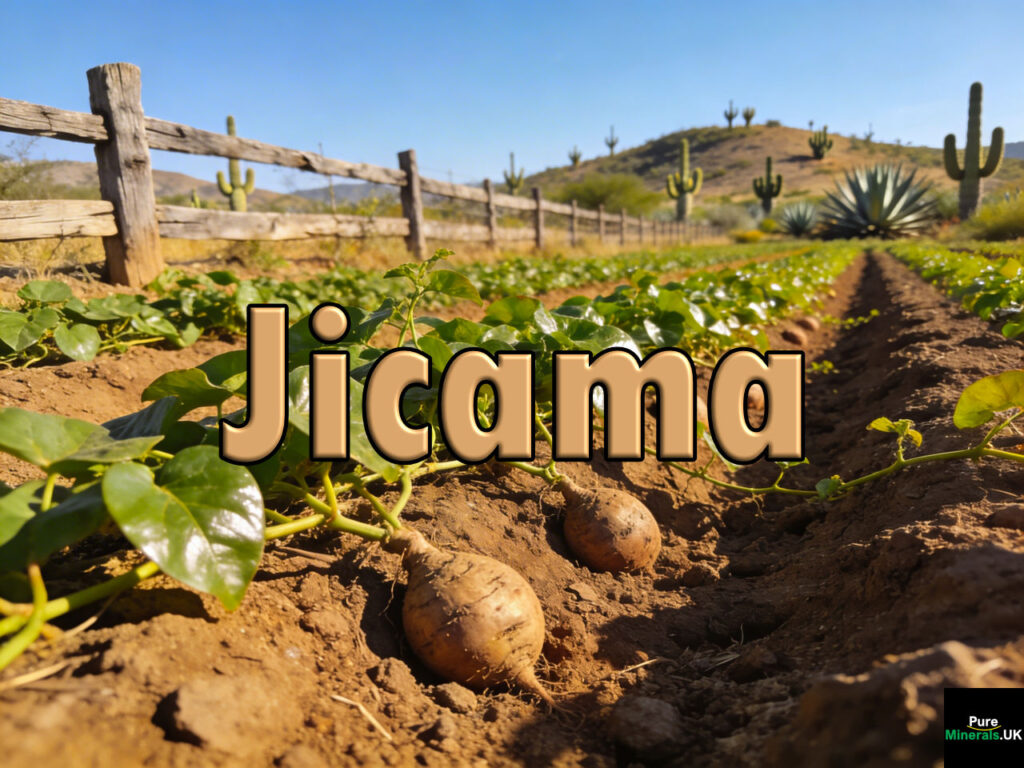
What Is Jicama?
Jicama (pronounced hee-kah-mah) is the edible tuberous root of Pachyrhizus erosus, a climbing legume plant cultivated for its crisp texture, mild sweetness, and high water content. Although the plant belongs to the legume family, the root is consumed as a root vegetable and is valued for its fiber and hydrating properties.
Definition
Jicama is the edible storage root of Pachyrhizus erosus, a member of the Fabaceae family, consumed as a root vegetable. is a crunchy, slightly sweet root vegetable native to Mexico, frequently called a Mexican turnip or potato. It has a thick, brown, inedible skin and crunchy white flesh, similar to a water chestnut or apple. It is widely eaten raw in salads or with chili-lime seasoning, but can also be fried, stir-fried, or used in soups.
Extended Definition
Jicama belongs to the Fabaceae family, the same plant family that includes beans, lentils, peas, and soybeans. Unlike most legumes that are cultivated for their seeds, jicama is grown primarily for its large underground tuberous root.
The root develops as a nutrient storage organ, containing complex carbohydrates, dietary fiber, and a high percentage of water. Its crisp, juicy texture and mild sweetness make it distinct from many other root vegetables.
One of the most notable nutritional features of jicama is its content of inulin, a type of soluble dietary fiber classified as a fructan. Inulin functions as a storage carbohydrate in plants and contributes to the root’s slightly sweet taste.
Jicama also provides vitamin C, potassium, and small amounts of folate and magnesium. Vitamin C contributes to antioxidant processes and normal immune function, while potassium supports fluid balance and nerve signaling.
While the root is edible, other parts of the jicama plant contain naturally occurring compounds such as rotenone, a substance used by the plant as a natural defense mechanism. For this reason, only the peeled root is consumed.
Jicama is typically eaten raw in salads and snack dishes, although it may also be lightly cooked in stir-fries and other culinary preparations.
Key Facts
Botanical name: Pachyrhizus erosus
Plant family: Fabaceae
Common classification: Root vegetable (legume root)
Origin: Mexico and Central America
Edible part: Tuberous root
Typical color: Brown outer skin with crisp white interior
Primary nutrients: Fiber, vitamin C, potassium
Key phytonutrients: Inulin, polyphenols
Energy density: Low
Notable compounds: Inulin (soluble fiber), natural plant defense compounds in non-edible plant parts
Culinary uses: Raw snacks, salads, slaws, stir-fries
Key Takeaways
- Jicama is packed with fiber — one cup delivers 6.4 grams, with a significant portion coming from inulin, a prebiotic fiber that directly feeds beneficial gut bacteria.
- It’s low in calories but nutrient-dense, making it one of the best root vegetables for weight management and blood sugar control.
- Jicama contains powerful antioxidants, including vitamin C, that protect against cell damage and reduce the risk of chronic disease.
- One surprising fact about jicama: only the root is safe to eat — the leaves, skin, and seeds contain a toxic compound called rotenone.
- Jicama fits into nearly every diet, including keto, paleo, diabetic-friendly, and vegan eating plans, thanks to its low glycemic index and versatile flavor profile.
Jicama Is One of the Most Underrated Vegetables You Can Eat
Most people walk right past it at the grocery store without a second glance — but jicama might be one of the most nutritionally valuable root vegetables you’re not eating.
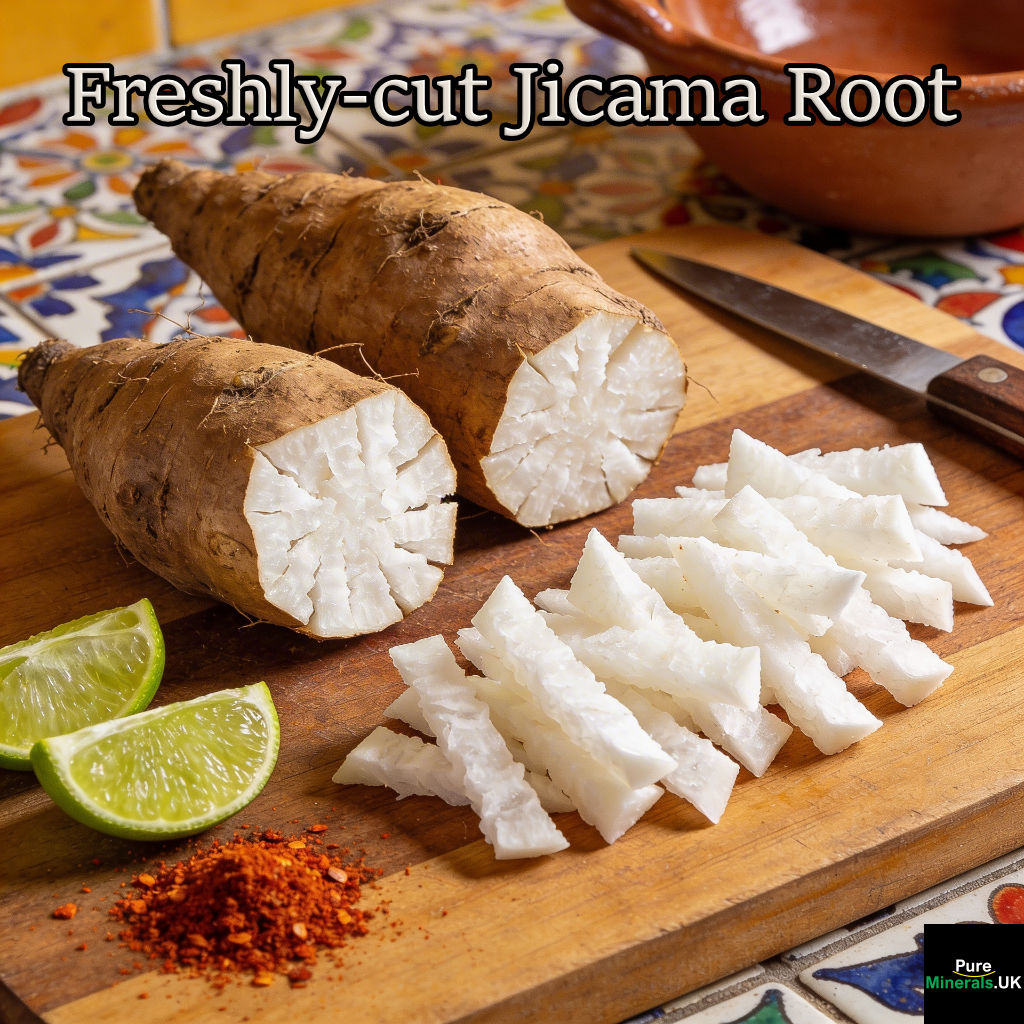
Jicama is a globe-shaped root vegetable native to Mexico and Central America. It has a tough, papery brown skin on the outside and crisp, white, mildly sweet flesh on the inside — think of it as a cross between an apple and a water chestnut. It goes by several other names depending on where you are in the world: yam bean, Mexican potato, Mexican water chestnut, and Chinese turnip.
What makes jicama worth paying attention to isn’t just its unique texture or flavor — it’s what’s packed inside. From prebiotic fiber and vitamin C to potassium and antioxidants, jicama delivers a wide range of nutrients in a low-calorie, high-water package. Nutrition-focused resources like Dr. Axe highlight it as a standout high-fiber food that supports everything from gut health to heart function.
Jicama’s Nutritional Profile at a Glance
Before diving into the specific benefits, it helps to understand exactly what you’re getting when you eat jicama. The numbers tell a clear story.
Calories, Carbs, and Macronutrients Per Cup
One cup (130 grams) of raw jicama is surprisingly light in calories while still being filling. Most of its calories come from carbohydrates, but those carbs are largely made up of fiber — which means jicama doesn’t spike blood sugar the way other starchy vegetables do. A medium-sized whole jicama contains approximately 250 calories, 58 grams of carbs, 32 grams of fiber, 12 grams of sugar, and 4 grams of protein. Fat content is negligible.
Key Vitamins and Minerals in Jicama
Jicama’s micronutrient profile is where it really earns its place on your plate. One cup of raw jicama provides approximately 26.3 mg of vitamin C — nearly one-third of the recommended daily allowance. It also contains meaningful amounts of potassium, magnesium, and manganese, all of which play roles in cardiovascular health, muscle function, and metabolic regulation. The iron content, while modest, adds to jicama’s overall nutritional value as a plant-based food.
How Jicama Compares to Other Root Vegetables
Root Vegetable | Calories (1 cup) | Fiber (g) | Vitamin C (mg) | Glycemic Index |
|---|---|---|---|---|
Jicama | ~46 | 6.4 | 26.3 | Low |
Sweet Potato | ~114 | 3.9 | 22.3 | Medium |
White Potato | ~130 | 2.4 | 17.4 | High |
Turnip | ~36 | 2.3 | 18.0 | Low |
Jicama stands out clearly when compared side by side with other common root vegetables. It delivers more fiber per cup than sweet potato and white potato, with far fewer calories than either, and it maintains a low glycemic index that makes it the safer choice for blood sugar management.
Jicama’s Fiber Content Is Exceptionally High
Fiber is arguably jicama’s most impressive nutritional feature, and it’s the reason this vegetable shows up in conversations about gut health, weight loss, and diabetes management all at once.
Most adults in the United States fall well short of the recommended daily fiber intake. Jicama is one of the most efficient ways to close that gap without loading up on calories.
How Much Fiber Is Actually in Jicama
A single cup (130 g) of raw jicama contains 6.4 grams of dietary fiber. That’s roughly 25 percent of the average adult’s daily fiber target in a single serving. Scale that up to a medium whole jicama, and you’re looking at 32 grams of fiber — which exceeds the daily recommended intake for most adults in one vegetable.
That fiber content isn’t just high in quantity — it’s also diverse in type. Jicama contains both soluble and insoluble fiber, meaning it supports digestion from multiple angles. Soluble fiber slows digestion and helps regulate blood sugar and cholesterol. Insoluble fiber adds bulk to stool and keeps things moving through the digestive tract efficiently.
Here’s a quick breakdown of why jicama’s fiber content matters in practical terms:
- 6.4g of fiber per cup — roughly 25% of the daily recommended intake for adults
- 32g of fiber in one medium jicama — exceeds most adults’ daily fiber goals
- Both soluble and insoluble fiber support blood sugar, cholesterol, and digestion simultaneously
- Low calorie-to-fiber ratio — one of the most fiber-efficient foods available
- High water content (85%) — fiber works more effectively when paired with adequate hydration
Inulin: The Prebiotic Fiber That Sets Jicama Apart
What truly separates jicama from other high-fiber vegetables is its concentration of inulin — a specific type of soluble, prebiotic fiber. Inulin isn’t digested by the human body in the traditional sense. Instead, it travels intact to the large intestine, where it acts as fuel for beneficial gut bacteria like Bifidobacterium and Lactobacillus.
Research published and referenced via PubMed indicates that inulin may help relieve constipation, lower blood sugar levels, and reduce systemic inflammation. Unlike probiotic supplements that deliver live bacteria directly, inulin works by creating the ideal environment for those bacteria to thrive on their own — making it a foundational tool for long-term gut health rather than a temporary fix.
What Jicama’s Fiber Does for Your Body
The fiber in jicama doesn’t just check a nutritional box — it actively drives measurable improvements across multiple body systems. Digestion, immunity, blood sugar control, and weight management are all directly influenced by the type and amount of fiber jicama delivers.
Understanding exactly how jicama’s fiber works helps explain why nutrition researchers and dietitians consistently recommend it as more than just a crunchy snack.
Improved Digestion and Constipation Relief
Jicama’s insoluble fiber adds bulk to stool and accelerates transit time through the digestive tract. This makes it particularly effective for anyone dealing with sluggish digestion or chronic constipation. Combined with jicama’s 85% water content, the fiber works even more efficiently — hydration is essential for fiber to do its job properly, and jicama delivers both in one food. Regular consumption can help establish more consistent digestive patterns without the need for supplements or laxatives.
Stronger Gut Bacteria and Microbiome Support
The inulin in jicama is one of the most well-researched prebiotic compounds available from a whole food source. When inulin reaches the large intestine, it selectively feeds beneficial bacterial strains, particularly Bifidobacterium and Lactobacillus. A healthier microbiome is linked to stronger immune function, better mood regulation, reduced inflammation, and improved nutrient absorption. Eating jicama regularly is one of the most direct dietary strategies for supporting the gut microbiome through food rather than supplementation.
Blood Sugar Regulation and Insulin Sensitivity
Jicama has a low glycemic index, which means it causes a slower, more gradual rise in blood sugar compared to high-GI foods like white potatoes or white rice. The soluble fiber in jicama — particularly inulin — slows the absorption of glucose in the small intestine, blunting blood sugar spikes after meals. This makes jicama an especially smart carbohydrate choice for people managing type 2 diabetes or insulin resistance. It satisfies the craving for something starchy without the blood sugar consequences that come with most starchy vegetables.
Weight Loss Support Through Appetite Control
Jicama supports weight loss through a straightforward mechanism: it fills you up without filling you out. At roughly 46 calories per cup with 6.4 grams of fiber, it creates strong satiety signals that help reduce overall calorie intake throughout the day. The fiber slows gastric emptying, which means you stay fuller for longer after eating jicama than you would after eating the same volume of a low-fiber food.
Why jicama works for weight management:
- Only ~46 calories per cup — one of the lowest calorie-to-volume ratios of any root vegetable
- 6.4g of fiber per cup slows digestion and prolongs satiety
- 85% water content adds physical bulk without adding calories
- Low glycemic index prevents insulin spikes that trigger fat storage
- Prebiotic fiber supports a gut microbiome linked to healthier body weight
Jicama is also a nutrient-dense food by definition — it delivers a wide range of vitamins, minerals, and beneficial compounds relative to its calorie count. This makes every calorie you consume from jicama far more valuable nutritionally than empty-calorie snack alternatives.
For anyone trying to reduce calorie intake while still feeling satisfied, replacing higher-calorie snacks or side dishes with raw or lightly cooked jicama is one of the simplest and most sustainable dietary swaps available.
Jicama’s Role in a Balanced Diet
Knowing jicama’s nutritional profile is one thing — knowing how to actually use it day to day is what makes it a practical addition to your diet rather than just an interesting fact. Fortunately, jicama is one of the most flexible vegetables you can work with in the kitchen.
How to Eat Jicama Raw, Cooked, or Juiced
Always start by removing jicama’s tough outer skin — it’s inedible and should be peeled away completely before eating. Once peeled, the crisp white flesh can be sliced into sticks and eaten raw with a squeeze of lime and chili powder (the most traditional way to enjoy it in Mexico), cubed and tossed into slaws or salads, stir-fried as a low-carb substitute for water chestnuts, roasted alongside other root vegetables, or spiralized into noodles as a grain-free pasta alternative. Its mild, slightly sweet flavor absorbs surrounding seasonings well, which makes it adaptable across cuisines from Mexican to Asian-inspired dishes.
Diets Jicama Fits Into Naturally
Jicama’s nutritional makeup makes it compatible with a surprisingly wide range of eating styles. Its low net carb content — given the high fiber offset — makes it workable for many people following a ketogenic diet, while its whole-food, unprocessed nature makes it a natural fit for paleo eating. It’s 100% plant-based, so it works for vegan and vegetarian diets without any modification. Its low glycemic index makes it one of the recommended starchy vegetables for diabetic-friendly meal planning. And for anyone simply following a whole-food, high-fiber diet, jicama is an easy, versatile staple that adds crunch, hydration, and nutrition to nearly any meal.
Jicama Also Protects Your Heart and Fights Disease
Beyond digestion and weight management, jicama delivers real cardiovascular benefits that are worth understanding. Its dietary fiber directly supports heart health by helping lower LDL (bad) cholesterol levels — soluble fiber binds to cholesterol in the digestive tract and removes it from the body before it can be absorbed into the bloodstream. This is one of the most well-established mechanisms through which high-fiber diets reduce the risk of heart disease.
Jicama’s potassium content adds another layer of heart protection. Potassium is a key electrolyte that helps regulate blood pressure by counteracting the effects of sodium and relaxing blood vessel walls. Combined with the anti-inflammatory power of vitamin C — at 26.3 mg per cup, nearly one-third of your daily needs — jicama actively works against the oxidative stress and arterial inflammation that contribute to cardiovascular disease over time.
The antioxidants in jicama extend beyond vitamin C. Jicama contains several beneficial plant compounds that neutralize free radicals — unstable molecules that damage cells and contribute to chronic diseases, including cancer, type 2 diabetes, and cognitive decline. Eating a diet consistently rich in antioxidant foods is one of the most evidence-supported strategies for reducing long-term disease risk, and jicama is one of the most efficient whole-food sources available, given its low calorie count.
Add Jicama to Your Diet and Feel the Difference
Jicama is one of those rare foods that delivers across every nutritional category that matters — fiber, antioxidants, hydration, blood sugar control, and heart health — all in a low-calorie, versatile package that works raw, cooked, or anywhere in between. Start with a simple swap: replace your usual afternoon snack with jicama sticks and lime, or toss cubed jicama into your next salad for an unexpected crunch. The results — better digestion, steadier energy, and improved satiety — tend to speak for themselves within the first week of consistent use.
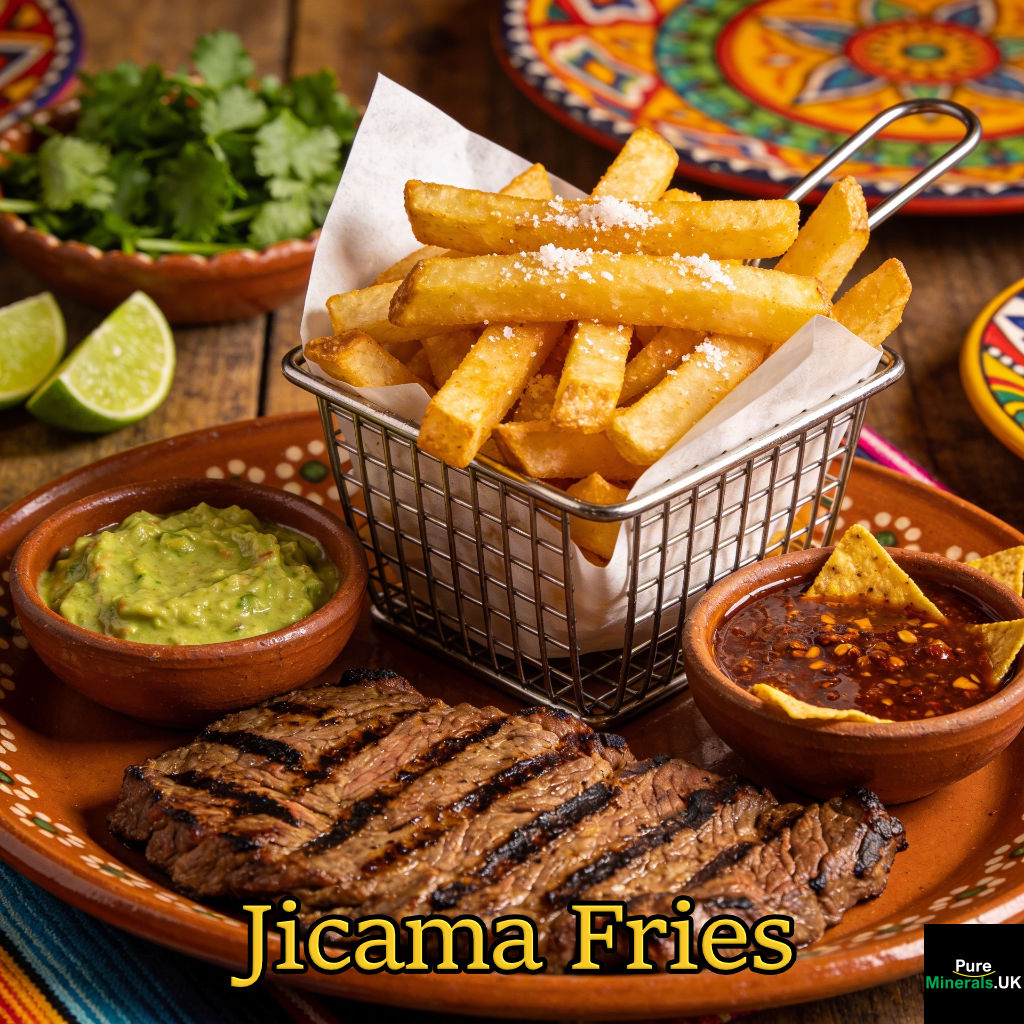
Jicama can be fried and serves as an excellent low-carb, crispy alternative to French fries. Because jicama is dense and watery, it is best to boil or steam the sticks for 10–20 minutes to soften them, then pat them completely dry before air-frying, baking, or pan-frying to achieve a crispy texture.
Important note: Jicama
Only the peeled root of jicama is considered edible. Other parts of the plant, including the seeds and leaves, contain naturally occurring compounds that may be toxic if consumed. This article is provided for educational purposes only and does not constitute medical advice. Individuals with specific dietary concerns should consult a qualified healthcare professional before making significant dietary changes.
Frequently Asked Questions
Here are answers to the most common questions people have about jicama’s nutrition and how to incorporate it into a healthy diet.
Is Jicama Safe to Eat Every Day?
Yes — the root flesh of jicama is completely safe to eat daily as part of a balanced diet. The key word here is root. The leaves, seeds, and skin of the jicama plant contain a naturally occurring toxic compound called rotenone, which is harmful to humans and animals. As long as you’re eating only the peeled white flesh, jicama poses no known health risks when consumed regularly. Its high fiber content means that dramatically increasing your intake too quickly could cause temporary bloating or gas. So, if you’re new to jicama, introduce it gradually to give your digestive system time to adjust.
Does Jicama Have More Fiber Than Sweet Potato?
Yes, jicama contains more fiber per cup than sweet potato. One cup of raw jicama provides 6.4 grams of fiber, compared to approximately 3.9 grams in a comparable serving of sweet potato. That’s a significant difference — jicama delivers roughly 64% more fiber per cup while also coming in at fewer calories. Learn more about jicama’s nutritional benefits.
What makes this comparison even more notable is the type of fiber involved. Jicama contains inulin, a prebiotic fiber with specific gut microbiome benefits that sweet potato does not provide in the same concentration. So jicama doesn’t just win on quantity — the quality and functional impact of its fiber is also superior for digestive and metabolic health.
Can Jicama Help With Weight Loss?
Jicama is genuinely useful for weight loss, and not just because it’s low in calories. Its combination of high fiber, high water content, and low glycemic index creates strong, lasting satiety — you feel full sooner and stay full longer, which naturally reduces overall calorie intake without requiring strict portion control or calorie counting.
The prebiotic fiber in jicama also supports a healthy gut microbiome, and emerging research increasingly links a well-balanced microbiome to healthier body weight and reduced fat storage. Replacing higher-calorie, lower-nutrient snacks with jicama is one of the simplest dietary adjustments you can make when working toward a sustainable calorie deficit.
Is Jicama Good for People With Diabetes?
Jicama is one of the best starchy vegetable options for people managing diabetes or insulin resistance. Its low glycemic index means it causes a slow, gradual rise in blood glucose rather than a sharp spike. The inulin fiber specifically slows the absorption of glucose in the small intestine, which directly helps with post-meal blood sugar management. Jicama satisfies the desire for something with substance and mild sweetness without the glycemic consequences of higher-GI alternatives like white potatoes or corn.
Where Can You Buy Jicama?
Jicama is increasingly available beyond specialty stores. Your best chances of finding it are at larger grocery chains, Latin American or Asian supermarkets, and farmers’ markets in warmer regions. If you’re exploring similar options, you might also want to check out escarole at these locations. Here’s where to look:
- Latin American grocery stores — the most reliable source year-round, often at the best price
- Asian supermarkets — commonly stocked, sometimes labeled as Chinese turnip or yam bean
- Whole Foods and natural grocery stores — typically available in the produce section
- Large chain supermarkets — availability varies by region; more common in the Southwest U.S.
- Farmers’ markets — seasonal availability, especially in warmer climates
When selecting jicama, look for firm, unblemished roots that feel heavy for their size. Avoid any with soft spots, shriveled skin, or visible mold. Smaller jicamas tend to be sweeter and more tender, while larger ones can become more starchy and fibrous.
Once you bring it home, store uncut jicama at room temperature for up to two weeks. Once peeled and cut, store it in an airtight container in the refrigerator for up to one week. It holds its crunch well even after several days in the fridge, making it an easy prep-ahead snack or meal ingredient.
Jicama is a root vegetable that is known for its crisp texture and slightly sweet flavor. It is often used in salads, slaws, and as a crunchy addition to various dishes. Jicama is low in calories but rich in essential nutrients, making it a popular choice for those looking to maintain a healthy diet.