

Published: 3 March 2026
This article is periodically reviewed and updated to reflect current scientific understanding by Vic George.
Fact-Checked: 4 other authoritative medical/scientific references. See our Editorial Policy.
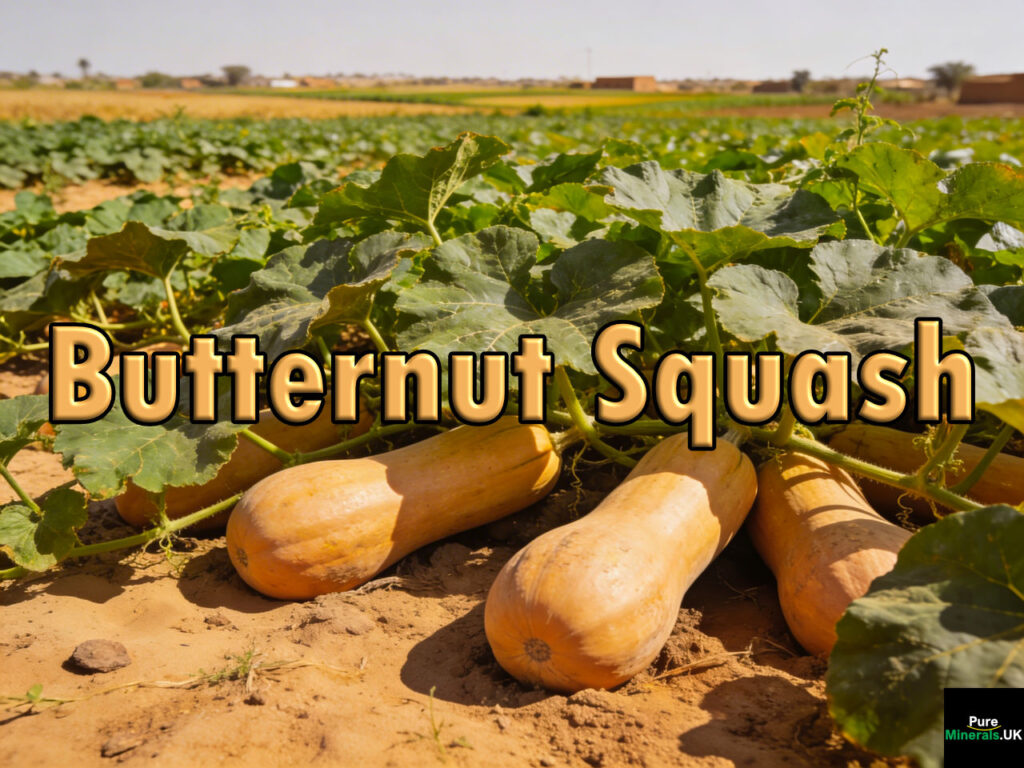
What Is Butternut Squash?
Butternut squash is a winter squash belonging to the species Cucurbita moschata, valued for its sweet, orange flesh and concentration of carotenoids, fiber, potassium, and vitamin C. Although botanically a fruit, it is classified nutritionally and culinarily as a starchy vegetable and serves as a seasonal source of complex carbohydrates and micronutrients.
Definition
Butternut squash is the mature, edible fruit of Cucurbita moschata, harvested when fully developed and consumed as a starchy vegetable.
Extended Definition
Butternut squash is a member of the Cucurbitaceae family, which includes pumpkins, gourds, and other squash varieties. Unlike summer squash, which are harvested immature, butternut squash is allowed to mature fully on the vine. This maturation permits the accumulation of starches and carotenoids, giving the flesh its characteristic orange color and mild sweetness.
The orange pigmentation is primarily due to provitamin A carotenoids, especially beta-carotene. These compounds function as antioxidants in plants and act as precursors to vitamin A in human metabolism. The squash also contains lutein and zeaxanthin, carotenoids associated with plant photoprotection.
Nutritionally, butternut squash provides complex carbohydrates, dietary fiber, potassium, vitamin C, and vitamin B6. Potassium contributes to normal fluid balance and nerve signaling, while vitamin C supports antioxidant processes and normal immune function. The fiber content supports digestive regularity.
Its relatively low fat content and moderate energy density make it a common ingredient in balanced dietary patterns. The seeds are also edible and contain additional protein, healthy fats, and minerals.
Due to its hard rind and low moisture content, butternut squash stores well for several months under appropriate conditions, historically making it an important winter staple.
Key Facts
Botanical name: Cucurbita moschata
Plant family: Cucurbitaceae
Common classification: Starchy vegetable (botanical fruit)
Origin: Central and South America
Edible part: Mature fruit flesh and seeds
Typical color: Beige exterior; bright orange interior
Primary nutrients: Carbohydrates, fiber, potassium, vitamin C, vitamin B6
Key phytonutrients: Beta-carotene, lutein, zeaxanthin
Energy density: Moderate
Storage capability: Excellent; stores for several months
Culinary uses: Roasting, soups, purees, stews, and baked dishes
Butternut squash grows on long, crawling vines (up to 10-15 feet) in warm, sunny, and nutrient-rich soil. Originally from South America, they thrive globally in temperate climates during the summer, requiring a long, frost-free growing season of 90-120 days. They are commonly grown in raised beds or mounds, requiring significant space.
Butternut Hunter is a British-bred hybrid variety of butternut squash, developed for superior garden performance in the UK. These produce early and prolific plants with good-sized fruits with sweet-tasting, bright orange inner flesh and a pale orange/tan skin color. Each plant produces 6-7 squashes. Butternut Pumpkin is called butternut squash in the US, UK, and pretty much the rest of the world, other than in Australia and New Zealand.
Key Takeaways
- Butternut squash delivers only 82 calories per 100g while packing in significant amounts of vitamin A, vitamin C, potassium, and dietary fiber — making it one of the most nutrient-efficient foods you can eat.
- The orange flesh of butternut squash gets its color from carotenoids — specifically alpha-carotene, beta-carotene, and beta-cryptoxanthin — powerful antioxidants linked to reduced inflammation and better long-term health outcomes.
- One serving of butternut squash can cover your entire recommended daily intake of vitamin A, which plays a direct role in immune function, vision, and skin health.
- Pairing butternut squash with a healthy fat like olive oil dramatically improves how well your body absorbs its fat-soluble carotenoids — a simple trick most people overlook.
- Keep reading to find out how butternut squash compares to sweet potato nutritionally, and which cooking method preserves the most nutrients.
Butternut squash is one of those rare foods that tastes indulgent but works hard for your health behind the scenes.
Its sweet, nutty flavor makes it easy to work into soups, salads, and roasted dishes, but the real story is what’s happening at the nutritional level. Few vegetables pack this many vitamins, minerals, and antioxidants into such a low-calorie package. For anyone looking to understand exactly what they’re getting when they eat butternut squash — and how to get the most out of it — this guide breaks it all down. Nutrition researchers and dietitians consistently highlight it as a standout among winter squashes, and the data backs that up completely.
Butternut Squash Is One of the Most Nutrient-Dense Winter Squashes You Can Eat
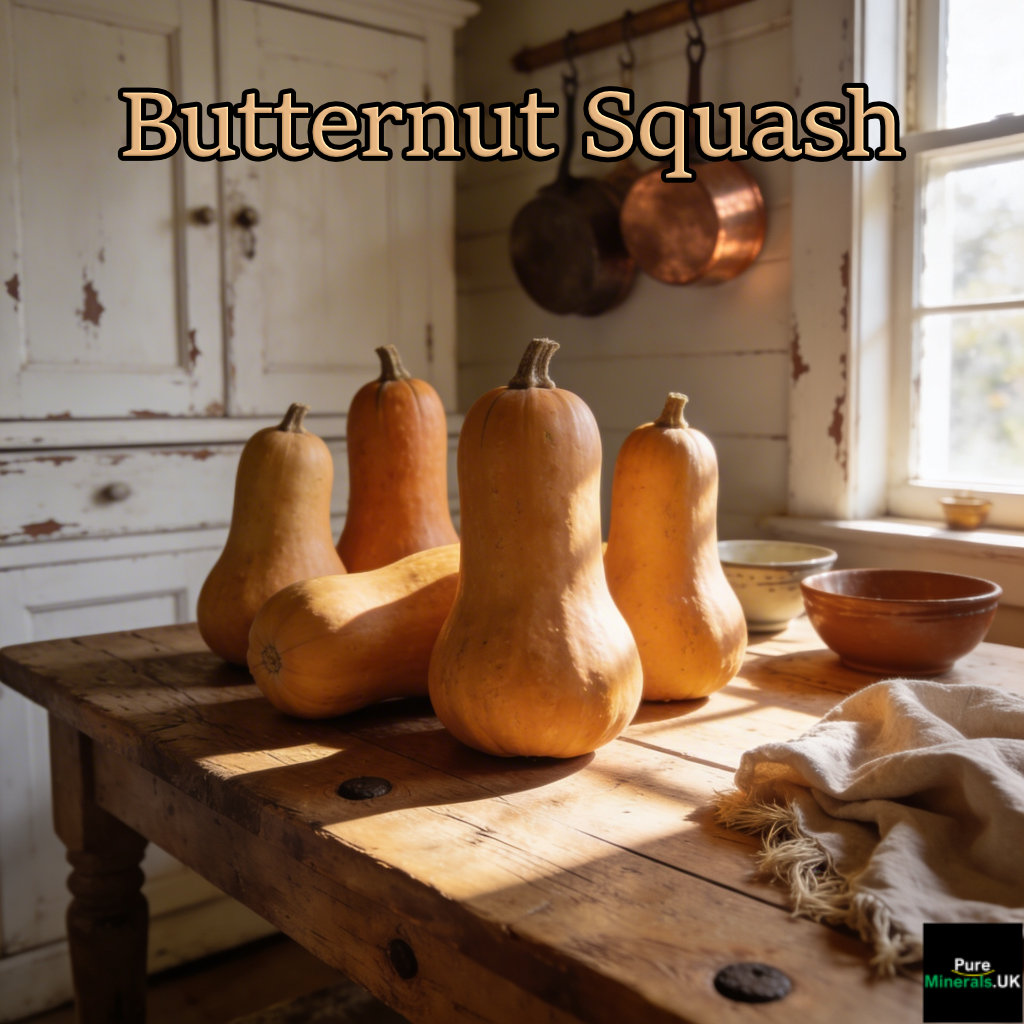
Nutrient density refers to how many beneficial nutrients a food delivers relative to its calorie count. By that measure, butternut squash is exceptional. It belongs to the Cucurbita moschata species of winter squash, and its deep orange flesh signals a high concentration of carotenoid antioxidants — the same compounds that give carrots and sweet potatoes their color. What separates butternut squash from many other vegetables is the sheer range of nutrients it provides in a single cup-sized serving: vitamins, minerals, fiber, and antioxidants all in one food.
Butternut Squash Nutrition Facts
Here is a full breakdown of what you get in 100 grams of raw butternut squash, based on USDA data:
Nutrient | Amount per 100g (Raw) |
|---|---|
Calories |
45 kcal |
Water |
86.4g |
Carbohydrates |
11.7g |
Dietary Fiber |
2g |
Sugars |
2.2g |
Protein |
1g |
Fat |
0.1g |
Vitamin A |
532 mcg |
Vitamin C |
21mg |
Potassium |
352mg |
Magnesium |
34mg |
Calcium |
48mg |
Folate |
27 mcg |
One baked cup (approximately 205g) delivers around 82 calories and substantially higher amounts of each nutrient listed above, particularly vitamin A, which can reach well over 1,100 mcg RAE — exceeding the daily recommended intake for most adults in a single serving.
Calories, Macronutrients, and Fiber Content
Butternut squash is primarily a carbohydrate-based food, but those carbs come with meaningful fiber — about 6.6g per baked cup. That fiber slows digestion, supports stable blood sugar, and keeps you feeling full longer. The protein and fat content are both minimal, which means butternut squash works best as a supporting player in a balanced meal rather than a standalone protein source.
The low fat content is worth noting for a specific reason: butternut squash’s most powerful nutrients — its carotenoids — are fat-soluble. That means eating it plain without any fat actually limits how much your body can absorb. More on that shortly.
Vitamins and Minerals Per Serving
Beyond vitamin A, butternut squash is a solid source of several other micronutrients that often go unnoticed:
- Vitamin C: Supports immune defense and collagen production
- Potassium: Helps regulate blood pressure and muscle function
- Magnesium: Involved in over 300 enzymatic reactions in the body
- Folate: Essential for DNA synthesis and particularly important during pregnancy
- Calcium: Contributes to bone density and nerve signaling
- Vitamin B6: Supports brain health and red blood cell production
Raw vs. Cooked: Does Nutrition Change?
Cooking butternut squash does change its nutritional profile — but not always negatively. Here is what the evidence shows:
- Vitamin C is heat-sensitive and decreases with cooking, particularly boiling
- Beta-carotene actually becomes more bioavailable after cooking because heat breaks down cell walls
- Roasting preserves more nutrients than boiling, which leaches water-soluble vitamins into the cooking liquid
- Steaming is the next best option after roasting for retaining the full vitamin profile
The takeaway is straightforward: roast or steam butternut squash when possible, and always pair it with a source of healthy fat to maximize carotenoid absorption. For a similar nutritious vegetable option, consider trying acorn squash as well.
Carotenoids in Butternut Squash
Carotenoids are the headline nutrient in butternut squash — and they deserve their own section because their impact on health goes far beyond what most people realize. That vibrant orange color you see when you cut open a butternut squash? That is a direct visual indicator of carotenoid concentration. The deeper and richer the orange, the more carotenoids are present.
What Carotenoids Are and Why They Matter
Carotenoids are a class of fat-soluble pigments found in plants. They function as antioxidants in the body, neutralizing free radicals that damage cells and contribute to chronic disease. Some carotenoids — specifically alpha-carotene, beta-carotene, and beta-cryptoxanthin — are also provitamin A carotenoids, meaning your body can convert them directly into vitamin A (retinol) as needed.
The main carotenoids found in butternut squash include:
- Beta-carotene — the most abundant and the primary source of butternut squash’s vitamin A activity
- Alpha-carotene — converts to vitamin A at roughly half the rate of beta-carotene
- Beta-cryptoxanthin — a lesser-known carotenoid associated with reduced inflammation and joint health
Researchers have recommended butternut squash as a high-antioxidant food specifically because of this carotenoid profile. The combination of three different provitamin A carotenoids in a single food source is relatively uncommon and gives butternut squash a nutritional edge over many other vegetables.
Alpha-Carotene, Beta-Carotene, and Beta-Cryptoxanthin
Beta-carotene gets most of the attention, but the full trio works together in meaningful ways. Alpha-carotene has shown associations with reduced risk of certain chronic diseases in observational research. Beta-cryptoxanthin, meanwhile, has been studied for its potential role in reducing markers of inflammation — particularly relevant for conditions like arthritis. Together, these three carotenoids make butternut squash one of the most well-rounded antioxidant sources in the vegetable category.
How Fat Improves Carotenoid Absorption
Because carotenoids are fat-soluble, they require dietary fat present in the digestive tract to be properly absorbed into the bloodstream. Eating butternut squash with olive oil, avocado, nuts, or even a small amount of butter significantly improves bioavailability. A dry, plain preparation without fat is far less effective at delivering the carotenoid benefits that make butternut squash so nutritionally valuable.
Carotenoids and Cognitive Health
Emerging research has pointed to a connection between carotenoid-rich diets and better cognitive outcomes. Higher dietary intake of carotenoids like beta-carotene has been associated with slower cognitive decline in older adults, though this is an area where research is still developing. What is well-established is that the antioxidant activity of carotenoids helps reduce oxidative stress, which is a known contributor to neurological aging. For more information on the benefits of carotenoids, you can explore this article on butternut squash health benefits.
Health Benefits of Butternut Squash
Butternut squash does more than fill a nutritional checklist — its combination of antioxidants, fiber, vitamins, and minerals translates into real, measurable effects on how the body functions day to day.
Anti-Inflammatory and Antioxidant Properties
Chronic inflammation sits at the root of most major diseases, including heart disease, type 2 diabetes, and certain cancers. Butternut squash addresses this directly through its high concentration of antioxidants — particularly its carotenoids and vitamin C — which work to neutralize the free radicals that trigger inflammatory responses in the body.
Beta-cryptoxanthin, one of the three carotenoids found in butternut squash, has been specifically studied for its anti-inflammatory effects. Research published in studies on dietary carotenoids has highlighted its potential role in reducing systemic inflammation markers, making butternut squash particularly useful for people managing inflammatory conditions.
- Vitamin C neutralizes free radicals and supports the body’s natural antioxidant defense systems
- Beta-carotene reduces oxidative stress in cells, lowering long-term disease risk
- Beta-cryptoxanthin has been associated with reduced inflammatory markers in observational research
- Alpha-carotene has shown links to reduced risk of certain chronic diseases in population studies
The antioxidant load in butternut squash is substantial enough that researchers have explicitly recommended it as a high-antioxidant food choice — a designation that puts it in the same category as blueberries, leafy greens, and other widely celebrated functional foods.
Digestive Health and Weight Management
A single baked cup of butternut squash delivers approximately 6.6 grams of dietary fiber. That fiber serves two critical functions simultaneously: it feeds beneficial gut bacteria that support a healthy microbiome, and it slows the rate at which food moves through the digestive system, keeping you fuller for longer. For anyone managing their weight, that satiety effect is particularly valuable in a food that only contributes around 82 calories per cup.
The high water content of butternut squash — roughly 86% water by weight in its raw form — adds to that fullness effect without adding calories. Combined with fiber, this makes butternut squash one of the more effective whole foods for managing hunger between meals without resorting to calorie-dense options. For a similar nutritional profile, you might also consider acorn squash as an alternative.
Heart Health Support
Butternut squash contributes to cardiovascular health through several overlapping mechanisms. Its potassium content — 352mg per 100g raw — helps counteract the blood-pressure-raising effects of sodium in the diet by relaxing blood vessel walls. Its fiber helps reduce LDL cholesterol levels by binding to cholesterol in the digestive tract and carrying it out of the body before it can be absorbed. And its antioxidant profile reduces oxidative damage to arterial walls, which is one of the earliest steps in the development of atherosclerosis.
Immune System and Eye Health
Vitamin A is essential for maintaining the integrity of mucosal barriers — the first line of defense against pathogens in the respiratory and digestive tracts. Butternut squash delivers more than enough provitamin A carotenoids in a single serving to meet the full daily recommended intake for most adults, directly supporting immune readiness. On the vision side, beta-carotene converts to retinol in the body, which is required for the production of rhodopsin — the pigment in the eye responsible for low-light vision. Regular intake of beta-carotene-rich foods like butternut squash has been associated with a reduced risk of age-related macular degeneration and night blindness.
How Butternut Squash Fits Into a Healthy Diet
Butternut squash is flexible enough to fit virtually any dietary pattern — Mediterranean, plant-based, paleo, or standard balanced eating. It works as a side dish, a base for soups, a salad topper, or a filling for grain bowls. Its mild sweetness pairs well with both savory and warm spice profiles, which makes it easier to incorporate consistently without getting bored.
Recommended Serving Sizes
A standard serving of butternut squash is typically one cup cubed, which equates to roughly 140g raw or 205g baked. This serving size is where you get the full nutrient profile — meeting or exceeding your daily vitamin A needs and providing meaningful amounts of fiber, potassium, and vitamin C. Eating it two to four times per week is a practical target for most people looking to benefit from its nutritional properties without overloading on any single nutrient, similar to other nutrient-rich vegetables like bok choy.
Pairing Butternut Squash With Other Foods for Maximum Nutrition
Because butternut squash is low in protein and fat, it works best when paired with foods that fill those gaps. Strategic pairing also enhances the absorption of its fat-soluble carotenoids, turning a good meal into a genuinely optimized one.
- Olive oil or avocado: Adds healthy monounsaturated fat to improve carotenoid bioavailability
- Lentils or chickpeas: Provide plant-based protein and additional fiber to round out the meal
- Leafy greens like spinach or arugula: Complement butternut squash’s vitamin A with additional folate, iron, and vitamin K
- Grilled chicken or salmon: Adds lean protein and, in the case of salmon, omega-3 fatty acids that further support the anti-inflammatory benefits
- Pumpkin seeds: A natural pairing that adds zinc, magnesium, and healthy fat in one crunchy addition
- Whole grains like farro or quinoa: Balance the meal with complex carbohydrates and complete amino acid profiles
One of the simplest and most effective combinations is roasted butternut squash tossed in olive oil served over a bed of arugula with grilled salmon and pumpkin seeds. Every element of that meal actively enhances the nutritional value of the others — fat improves carotenoid absorption, protein supports satiety and muscle maintenance, and the greens add micronutrients that butternut squash doesn’t cover on its own.
For plant-based eaters, swapping the salmon for a scoop of seasoned lentils and adding a tahini dressing achieves a similar nutritional result with no animal products required. The fat in the tahini handles the carotenoid absorption, while the lentils cover protein and iron.
Butternut Squash Recipes
Cooking butternut squash doesn’t need to be complicated. The following recipes highlight different ways to use it while preserving its nutritional value — roasting remains the method of choice since it concentrates flavor without leaching water-soluble vitamins the way boiling does.
Roasted Butternut Squash
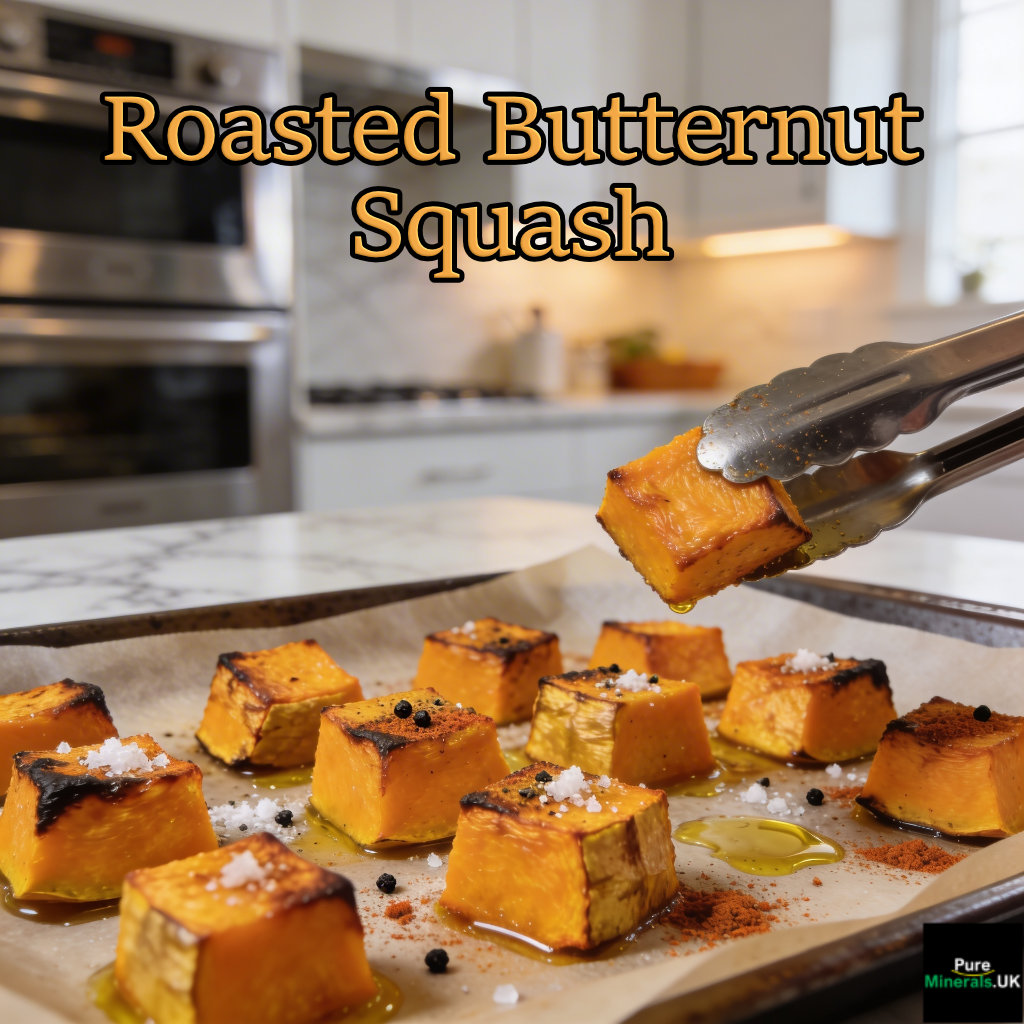
Preheat your oven to 400°F (200°C). Peel and cube one medium butternut squash into roughly 1-inch pieces, toss with two tablespoons of extra-virgin olive oil, a pinch of sea salt, cracked black pepper, and a light dusting of smoked paprika. Spread in a single layer on a parchment-lined baking sheet — overcrowding steams rather than roasts — and bake for 25 to 30 minutes, flipping once halfway through. The result is caramelized edges, a tender interior, and maximized carotenoid absorption thanks to the olive oil coating every piece.
Butternut Squash Soup
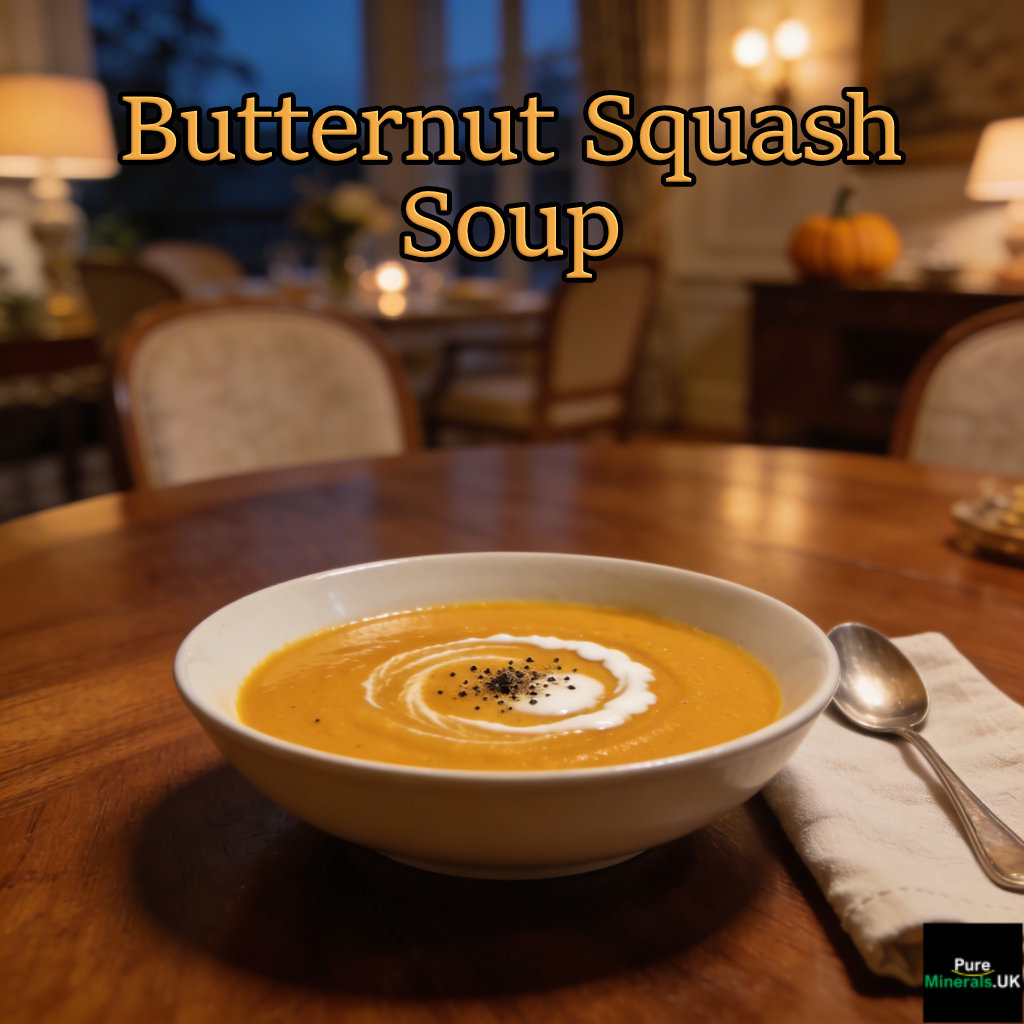
This is the most popular preparation for butternut squash, and for good reason — blending it into a soup produces a naturally creamy texture without needing heavy cream. Start by roasting your cubed squash at 400°F until tender and lightly caramelized. In a large pot, sauté one diced onion and three garlic cloves in olive oil until soft, then add the roasted squash, four cups of low-sodium vegetable or chicken broth, one teaspoon of ground cumin, half a teaspoon of cinnamon, and a pinch of cayenne.
Blend until completely smooth using an immersion blender, then finish with a swirl of coconut cream and fresh cracked pepper. The roasting step is non-negotiable — it develops a depth of flavor that raw or boiled squash simply cannot match.
Butternut Squash Salad With Arugula and Chicken
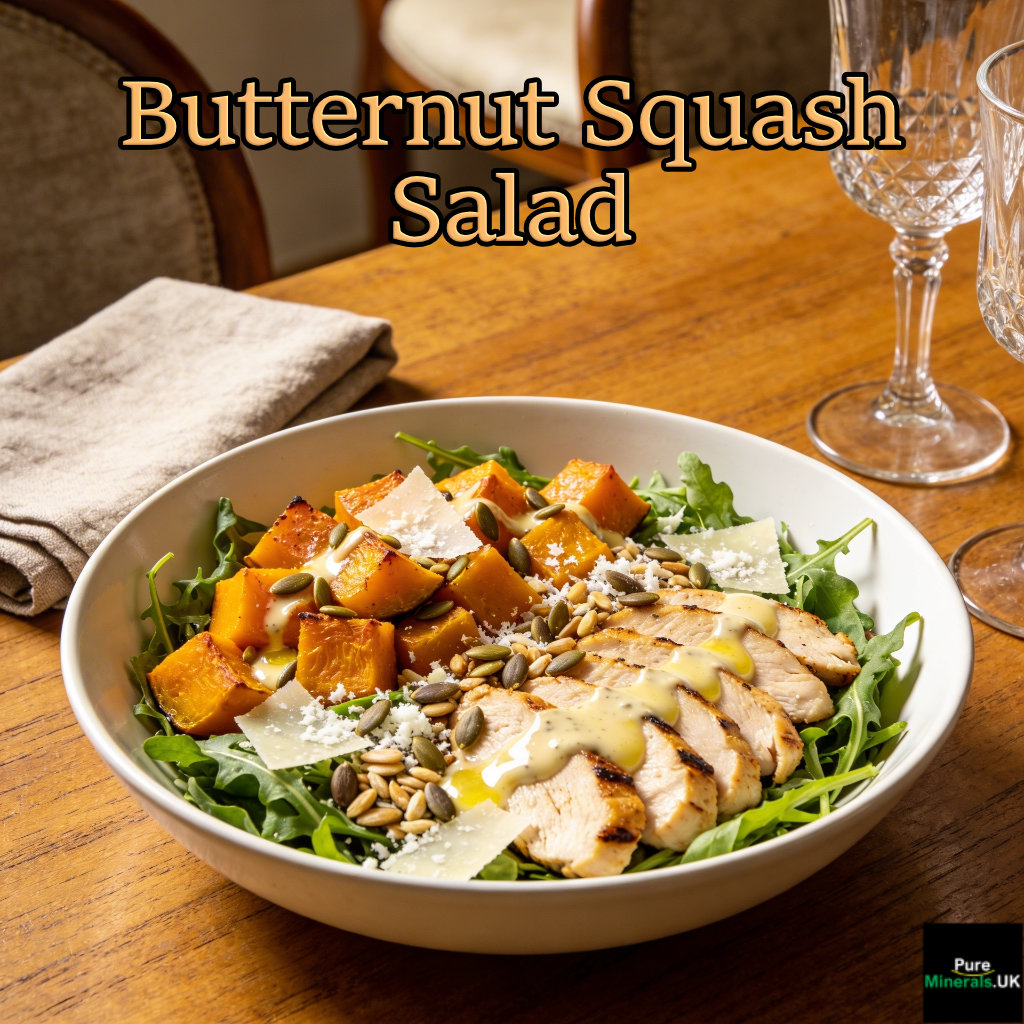
Combine roasted butternut squash cubes with a generous bed of fresh arugula, sliced grilled chicken breast, a handful of toasted pumpkin seeds, and shaved parmesan. Dress with a lemon-tahini vinaigrette made from two tablespoons of tahini, the juice of one lemon, one teaspoon of Dijon mustard, one minced garlic clove, and enough water to thin it to a pourable consistency. The fat in the tahini dressing and the pumpkin seeds directly improves how your body absorbs the carotenoids from the squash — making this not just a good-tasting salad but a genuinely well-optimized one from a nutritional standpoint.
Baked Butternut Squash With Lentils
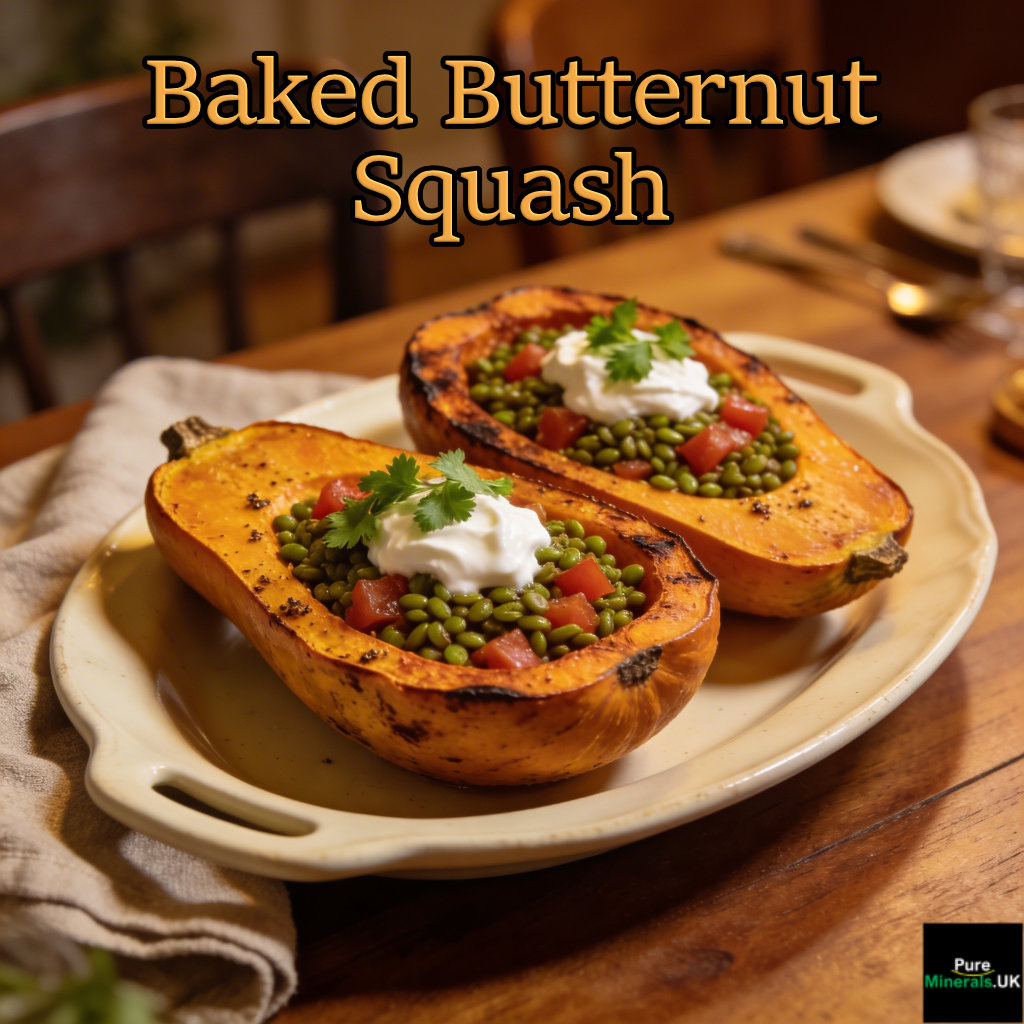
Halve a butternut squash lengthwise, brush the cut sides with olive oil, and bake face-down at 375°F for 45 minutes until completely tender. While the squash bakes, simmer one cup of green or black lentils in seasoned broth with diced tomatoes, cumin, turmeric, and a bay leaf until soft. Scoop the lentil mixture into the hollowed squash halves and return to the oven for 10 minutes. Finish with a dollop of plain Greek yogurt and fresh cilantro. This recipe delivers a complete meal — the lentils provide plant-based protein and iron, the squash contributes fiber and provitamin A carotenoids, and the olive oil ensures you absorb as much of that beta-carotene as possible.
Butternut Squash Is a Simple Upgrade to Almost Any Meal
Very few vegetables can match the combination of versatility, flavor, and nutritional output that butternut squash offers. It works across breakfast grain bowls, lunch salads, dinner soups, and everything in between — and it does so while delivering one of the most impressive micronutrient profiles of any commonly available winter vegetable.
The key to getting the most from it comes down to two consistent habits: roast it instead of boiling it, and always pair it with a source of healthy fat. Those two steps alone significantly increase the nutritional return on every serving. Whether that fat comes from olive oil, avocado, tahini, nuts, or salmon doesn’t matter — what matters is that it’s present when you eat the squash.
Adding butternut squash to your regular meal rotation two to four times per week is a practical, low-effort way to consistently hit your vitamin A targets, support gut health through dietary fiber, and take in a broad spectrum of antioxidants that most people fall short on. It requires no supplements, no complicated preparation, and no significant expense — just a vegetable that genuinely earns its place on the plate every single time.
Important note: Butternut Squash
Butternut squash is widely recognized as safe for consumption as a food. This article is provided for educational purposes only and does not constitute medical advice. Individuals with specific dietary conditions or allergies should consult a qualified healthcare professional before making significant dietary changes.
Frequently Asked Questions
Here are answers to the most common questions people have about butternut squash nutrition, benefits, and preparation.
Is Butternut Squash a Superfood?
It depends. Butternut squash qualifies as a superfood by any practical definition of the term. It delivers exceptional amounts of provitamin A carotenoids, vitamin C, potassium, magnesium, folate, and dietary fiber in a low-calorie, naturally sweet package. Researchers have explicitly recommended it as a high-antioxidant food choice, placing it alongside better-known superfoods like blueberries and leafy greens. The term “superfood” has no strict scientific definition, but butternut squash’s nutrient density and antioxidant concentration make the label entirely appropriate.
Is Butternut Squash Better for You Than Sweet Potato?
Both are excellent foods, and comparing them nutritionally reveals that each has specific strengths depending on your dietary goals.
Butternut squash is lower in calories and carbohydrates, making it a better option for blood sugar management and calorie-conscious eating. A 100g serving of butternut squash contains approximately 45 calories and 11.7g of carbohydrates, while the same amount of bok choy delivers around 86 calories and 20g of carbohydrates.
Sweet potato has a slight edge on potassium and vitamin B6, and its higher calorie count makes it more suitable as an energy-dense carbohydrate for active individuals. That said, butternut squash outperforms sweet potato on its carotenoid profile — specifically the combination of alpha-carotene, beta-carotene, and beta-cryptoxanthin — and comes in meaningfully lower on the glycemic scale.
- Lower in calories: Butternut squash wins — roughly half the calories of sweet potato per 100g
- Lower in carbohydrates: Butternut squash wins — better for blood sugar management
- Carotenoid variety: Butternut squash wins — three provitamin A carotenoids versus sweet potato’s predominantly beta-carotene profile
- Energy density: Sweet potato wins — better for athletes and those with higher caloric needs
- Potassium content: Roughly comparable, with sweet potato having a slight edge
- Taste versatility: Both are highly versatile; sweet potato trends slightly sweeter, butternut squash slightly more savory-compatible
Can You Eat Butternut Squash Every Day?
Yes, eating butternut squash daily is safe for most people and can be a genuinely beneficial dietary habit. The main consideration with very high daily intake is beta-carotene — consuming very large amounts over time can lead to carotenodermia, a harmless condition where the skin takes on a slightly orange tint. This is not harmful and reverses when intake is reduced. Since beta-carotene is converted to vitamin A only as the body needs it, toxicity from overconsumption is not a concern in the way it is with preformed vitamin A from supplements or liver.
Is Butternut Squash High in Sugar?
Butternut squash contains approximately 2.2 grams of naturally occurring sugar per 100 grams raw — a relatively modest amount despite its sweet flavor. A full baked cup contains around 4 grams of sugar, which is far lower than most fruits and even some other root vegetables. The fiber content slows the absorption of that sugar, resulting in a moderate glycemic impact rather than a rapid blood sugar spike. People managing type 2 diabetes or insulin resistance can generally include butternut squash in their diet without issue, though portion size and what it is paired with still matter.
What Is the Best Way to Cook Butternut Squash to Preserve Nutrients?
Roasting is consistently the best cooking method for butternut squash when the goal is nutrient preservation combined with maximum bioavailability. Here is how different methods compare:
- Roasting at 400°F: Best overall — preserves water-soluble vitamins, concentrates flavor, and caramelizes natural sugars without nutrient loss into cooking liquid
- Steaming: Second best — retains vitamin C and B vitamins better than boiling, though less flavor development than roasting
- Microwaving: Surprisingly effective — short cooking times mean less nutrient degradation, particularly for vitamin C
- Boiling: Least recommended — water-soluble vitamins like vitamin C and folate leach into the cooking water; if you boil, use the cooking liquid in soups or sauces
- Air frying: Comparable to roasting — high heat with circulating air produces similar caramelization and nutrient retention in less time
Regardless of which method you choose, always add a source of healthy fat during or after cooking to maximize carotenoid absorption. A drizzle of extra-virgin olive oil, a spoonful of tahini, or a few slices of avocado alongside your serving are all effective options. For more information on the nutritional benefits of butternut squash, check out this comprehensive guide.
One final tip worth noting: don’t discard the seeds. Butternut squash seeds can be rinsed, seasoned, and roasted at 325°F for 10 to 15 minutes to produce a crunchy, nutrient-dense topping rich in magnesium, zinc, and healthy fats — the same nutrients that happen to enhance the absorption of the squash itself.
Butternut squash is one of those foods where the more you understand the nutritional science behind it, the more compelling it becomes as a regular part of your diet. It isn’t a trend or a fad — it’s a genuinely well-rounded vegetable with decades of research supporting its health benefits, a flavor profile that works in almost any cuisine, and a preparation simplicity that makes it accessible regardless of cooking skill level. For more information on similar vegetables, you might want to explore acorn squash and its benefits.
If you’re looking to build a diet that’s higher in antioxidants, better for long-term cardiovascular and immune health, and lower in empty calories, butternut squash is one of the easiest and most effective additions you can make — starting with your very next meal. For more evidence-based nutrition guidance and deep dives into functional foods like butternut squash, Healthline Nutrition provides expertly reviewed resources to help you make informed dietary decisions with confidence.