

Published: 27 February 2026
Last Updated: 4 May 2026
This article is periodically reviewed and updated to reflect current scientific understanding by Vic George.
Fact-Checked: 2 other authoritative medical/scientific references. See our Editorial Policy.
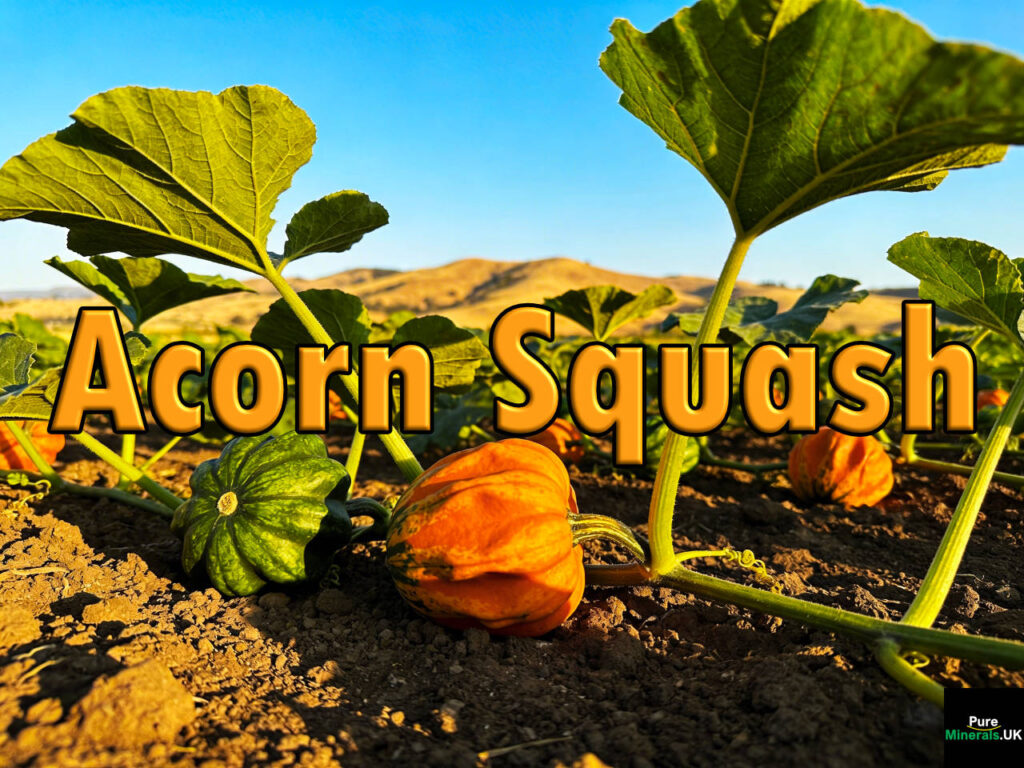
What Is Acorn Squash?
Acorn squash is a winter squash belonging to the species Cucurbita pepo, valued for its dense flesh, mild sweetness, and rich supply of carotenoids, potassium, and complex carbohydrates. Botanically a fruit but nutritionally classified as a vegetable, it serves as an important seasonal food crop and provides a stable source of energy, fiber, and essential micronutrients.
Definition
Acorn squash is the edible fruit of Cucurbita pepo, characterized by its acorn-like shape, hard rind, and orange-yellow flesh, commonly consumed as a cooked starchy vegetable.
Extended Definition
Acorn squash is a member of the Cucurbitaceae family, which includes pumpkins, gourds, and other squash varieties. It develops from the fertilized ovary of the plant’s flower, making it botanically a fruit, but its culinary and nutritional role places it firmly among vegetables.
Unlike summer squash, which are harvested immature, acorn squash is a winter squash harvested at full maturity. This allows for the accumulation of starches, carotenoids, and storage carbohydrates that support long shelf life and nutritional density.
The flesh contains significant amounts of provitamin A carotenoids, particularly beta-carotene, which gives the squash its orange coloration. These carotenoids function as antioxidant compounds in plants and serve as precursors to vitamin A in human metabolism.
Acorn squash also provides complex carbohydrates, dietary fiber, potassium, and vitamin C. Its potassium content supports electrolyte balance, while fiber contributes to normal digestive function. The carbohydrate content makes it a useful source of slow-release energy compared to refined carbohydrate foods.
Because of its hard protective rind and low moisture content, acorn squash can be stored for several months under proper conditions, making it historically important as a winter food source.
Key Facts
Botanical name: Cucurbita pepo
Plant family: Cucurbitaceae
Common classification: Starchy vegetable (botanical fruit)
Origin: Central and North America
Edible part: Mature fruit flesh and seeds
Typical color: Dark green exterior; orange-yellow interior
Primary nutrients: Carbohydrates, fiber, potassium, vitamin C, provitamin A carotenoids
Key phytonutrients: Beta-carotene, lutein, zeaxanthin
Energy density: Moderate
Storage capability: Excellent; stores for several months
Culinary uses: Roasting, baking, steaming, soups, and purees
Article At A Glance
- Acorn squash is a nutrient-dense winter squash loaded with fiber, vitamin C, potassium, and magnesium — all in a single cup serving.
- The carotenoid antioxidants in acorn squash, including beta-carotene, lutein, and zeaxanthin, actively help protect against chronic disease.
- Raw and cooked acorn squash have different nutritional profiles — eating both forms helps you get the most out of this vegetable.
- Its fiber content and low glycemic impact make it a smart carbohydrate choice for blood sugar balance and digestive health.
- There’s one cooking method that actually increases the nutritional value of acorn squash — and most people don’t know which one it is.
Acorn squash has been quietly delivering serious nutrition since Native Americans first made it a dietary staple — and modern science backs up every reason to keep eating it.
This small, ridged winter squash punches well above its weight class when it comes to vitamins, minerals, antioxidants, and fiber. Whether you’re building a cleaner plate or optimizing for long-term health, acorn squash belongs in regular rotation.
Acorn Squash Packs More Nutrition Than Most People Realize
Most people reach for kale or spinach when they think “nutrient-dense vegetable.” Acorn squash rarely gets that same recognition — but it should. It delivers a wide spectrum of essential nutrients across vitamins, minerals, antioxidants, and dietary fiber, all wrapped in a naturally sweet, satisfying package with a relatively modest calorie load.
What makes acorn squash particularly interesting is how its nutritional profile shifts depending on whether you eat it raw or cooked. Cooking, especially baking, significantly increases the bioavailability and concentration of several key vitamins and minerals. That makes it one of the few vegetables where the preparation method genuinely changes your nutritional outcome.
Acorn Squash Nutrition Facts
Acorn squash belongs to the Cucurbita pepo species, the same botanical family as zucchini and pumpkin. It’s classified as a winter squash, meaning it’s harvested in fall when its outer shell has fully hardened — and that tough skin locks in a dense concentration of nutrients.
Calories, Carbs, and Macronutrients Per Cup
A one-cup serving of raw acorn squash (approximately 140 grams) is light on calories but rich in complex carbohydrates and fiber. Here’s what you’re working with:
Nutrient | Raw (1 cup / 140g) | Baked (1 cup / 205g) |
|---|---|---|
Calories | 56 | 115 |
Carbohydrates | 14.6g | 29.9g |
Dietary Fiber | 2.1g | 9g |
Protein | 1.1g | 2.3g |
Fat | 0.1g | 0.3g |
Sugar | 3g | — |
The jump in fiber from raw to baked is significant. Nine grams of fiber per cup of baked acorn squash represents roughly 32% of the recommended daily intake for adults — a substantial contribution from a single food.
Vitamins and Minerals Breakdown
Acorn squash is particularly strong in a handful of micronutrients that most diets fall short on. A one-cup baked serving provides notable amounts of:
- Vitamin C: A powerful antioxidant and immune support nutrient
- Potassium: Critical for blood pressure regulation and cardiovascular function
- Magnesium: Involved in over 300 enzymatic reactions in the body
- Vitamin B6: Supports brain health and red blood cell production
- Thiamine (B1): Essential for energy metabolism
- Folate: Supports cell division and DNA synthesis
- Iron and Manganese: Present in meaningful amounts for a plant food
It also contains beta-carotene, lutein, and zeaxanthin — carotenoid compounds that give the flesh its orange-yellow color and act as potent antioxidants in the body.
Raw vs. Cooked: How Nutrition Changes
Here’s the nuance most nutrition guides skip: water-soluble nutrients like vitamin C can degrade with heat, while the concentration of other nutrients — particularly fiber and certain minerals — increases per serving when water evaporates during cooking. Baking acorn squash increases the measured nutritional density across nearly every category compared to the raw form. Eating it both ways across the week is the practical way to capture the full spectrum of what it offers.
Health Benefits Backed by Its Nutritional Profile
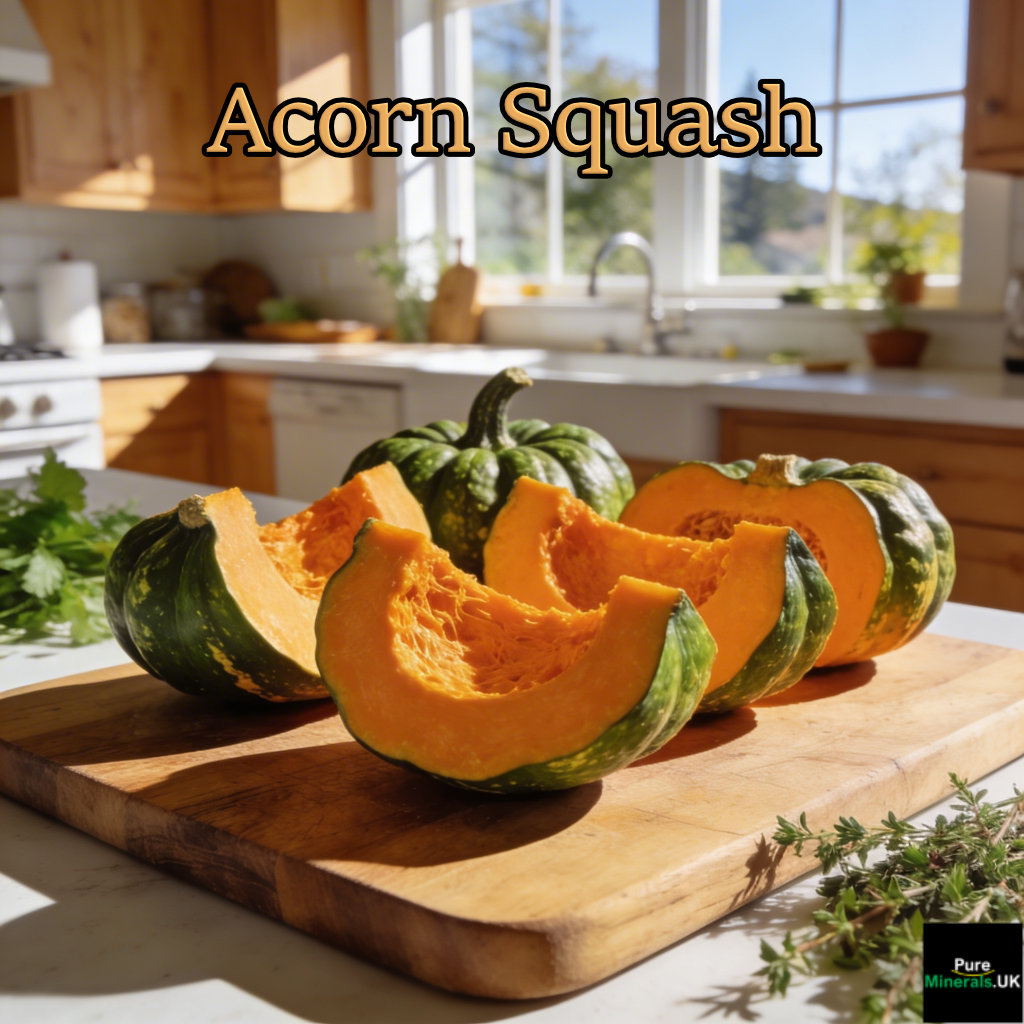
The nutrients in acorn squash don’t exist in isolation — they work together in ways that translate into real, measurable health outcomes. Research on the individual compounds found in acorn squash consistently points toward benefits across digestion, immunity, cardiovascular health, and chronic disease prevention.
Antioxidants That Fight Chronic Disease
Acorn squash is particularly rich in carotenoids — plant pigments with powerful antioxidant effects, according to Healthline. Beta-carotene converts to vitamin A in the body and plays a key role in immune function, skin integrity, and vision. Lutein and zeaxanthin are concentrated in the eye and are strongly associated with a reduced risk of macular degeneration and cataracts. These compounds neutralize free radicals, reducing oxidative stress that drives chronic disease development over time, similar to the benefits found in papaya.
Fiber Content and Digestive Health
The 9 grams of fiber in a cup of baked acorn squash support gut motility, feed beneficial gut bacteria, and help maintain a healthy intestinal lining. Both soluble and insoluble fiber are present, making it effective for a range of digestive functions — from softening stool to slowing glucose absorption in the small intestine.
Blood Pressure and Metabolic Syndrome
Potassium and magnesium — two minerals acorn squash delivers in meaningful amounts — are both directly linked to healthy blood pressure regulation. Potassium counteracts the blood pressure-raising effects of sodium by relaxing blood vessel walls. Magnesium supports vascular tone and insulin sensitivity. Together, these minerals contribute to a nutritional profile that supports cardiovascular health and helps protect against the cluster of conditions known as metabolic syndrome.
Immune System Support
Vitamin C is one of acorn squash’s most celebrated nutrients, and for good reason. It’s a water-soluble antioxidant that stimulates the production and function of white blood cells, strengthens the skin’s barrier against pathogens, and has long been recognized for its role in immune defense. A single cup of baked acorn squash provides a solid contribution toward your daily vitamin C needs — particularly valuable during fall and winter when acorn squash is in peak season, and immune challenges are at their highest. For more vitamin C sources, consider fruits like pineapple, which can also boost your immune system.
How Acorn Squash Fits Into Your Diet
Acorn squash sits in an interesting nutritional middle ground — it’s a starchy vegetable, but one with a fiber content and micronutrient density that sets it far apart from refined carbohydrates. It works well as a primary carbohydrate source in a meal, replacing grains or legumes while delivering more vitamins and minerals per calorie. For anyone eating whole foods, managing weight, or simply trying to eat more vegetables without sacrificing satisfaction, acorn squash is a practical and genuinely enjoyable choice.
Calorie Density and Weight Management
At roughly 115 calories per cup baked, acorn squash delivers substantial volume and satiety for a relatively small caloric investment. The combination of fiber and water content means it takes up significant space in the stomach, triggering fullness signals without loading up on calories. This makes it particularly useful as a base or side dish when the goal is eating satisfying, nutrient-rich meals without overeating.
Blood Sugar Balance and Carbohydrate Quality
Acorn squash does contain natural sugars and starch, which means carbohydrate intake is worth considering for those managing blood sugar. However, its high fiber content slows glucose absorption, blunting the blood sugar spike that comes from lower-fiber carbohydrate sources. The quality of carbohydrate matters as much as the quantity, and acorn squash consistently delivers on both counts. Pairing it with protein or healthy fat further moderates the glycemic response, making it a workable option even for those monitoring insulin sensitivity.
Culinary Uses of Acorn Squash
Acorn squash is one of the most versatile vegetables in a fall and winter kitchen. The vegetable’s naturally sweet, nutty flavor deepens with heat, making it exceptionally well-suited to dry-heat cooking methods like roasting and baking. The flesh softens into a creamy texture that works in both savory and sweet applications — from stuffed halves with wild rice to pureed soups and spiced side dishes.
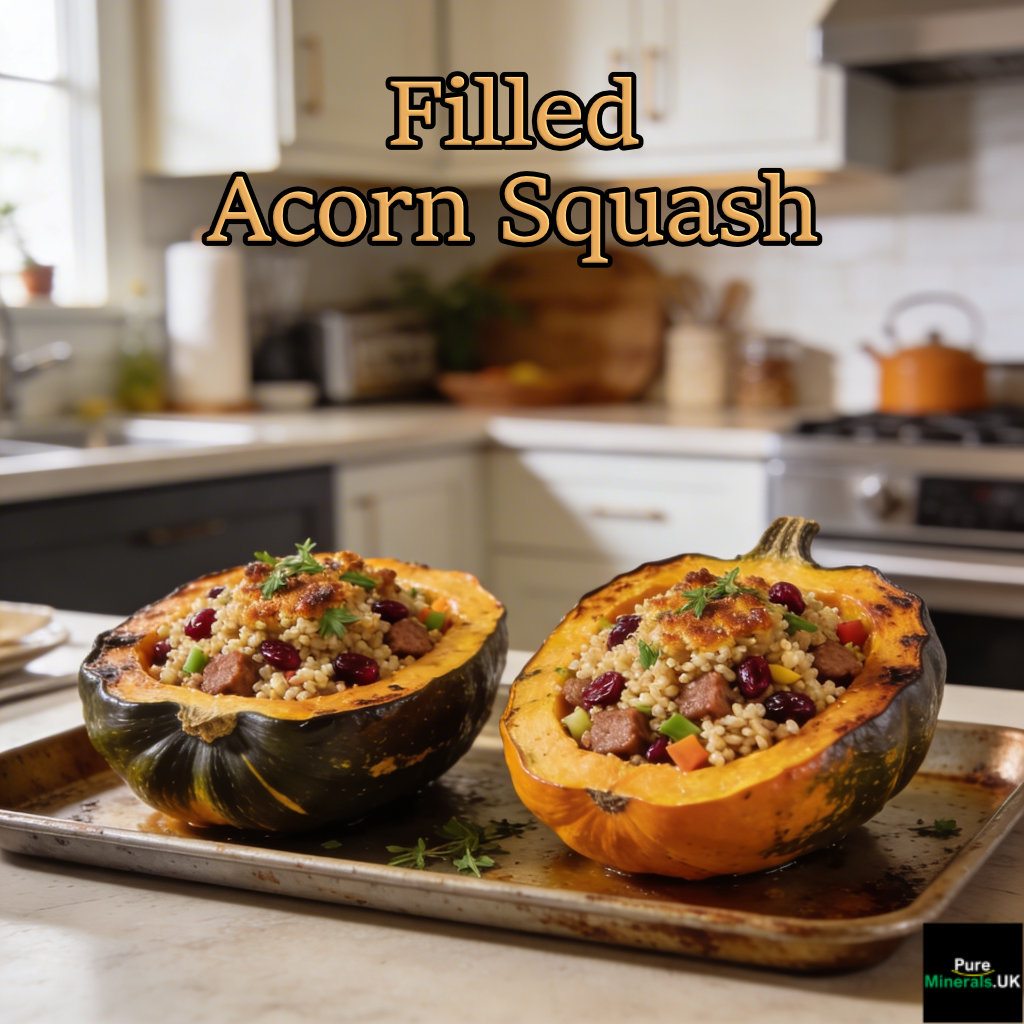
One underrated advantage of acorn squash is its built-in portion size. Cut in half, each half becomes a natural bowl for stuffing with grains, legumes, ground meat, or roasted vegetables. This makes meal prep intuitive and visually appealing without requiring extra equipment or complicated techniques.
Roasting, Stuffing, and Souping: Best Cooking Methods
Roasting is the gold standard for acorn squash. Cut it in half, brush the flesh with olive oil, season with salt and pepper, and roast cut-side down at 400°F (200°C) for 35 to 45 minutes until the flesh is completely tender and the edges begin to caramelize.
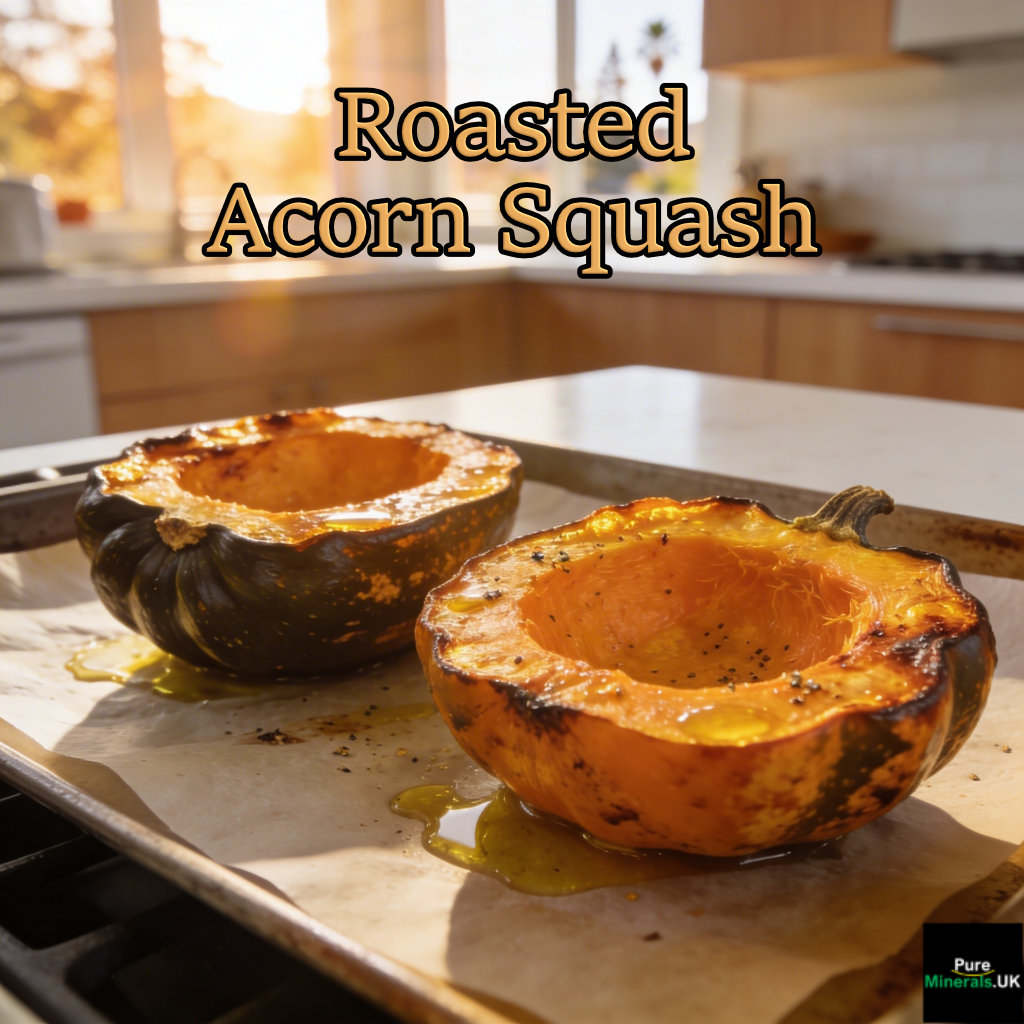
For stuffed acorn squash, flip the halves cut-side up after the first 25 minutes, add your filling, and return to the oven until everything is heated through.
For soups, cube the raw flesh and simmer in vegetable or chicken broth with aromatics like ginger, garlic, and onion, then blend until smooth.
Each method produces a completely different texture and flavor profile from the same ingredient.
Flavor Pairings That Work
Acorn squash has a natural affinity for warm spices — cinnamon, nutmeg, smoked paprika, cumin, and chili flakes all complement its sweetness without overpowering it. On the savory side, it pairs beautifully with sage, thyme, rosemary, and miso. Ingredient pairings that consistently work well include:
- Grains: Wild rice, farro, quinoa, and brown rice for stuffed preparations
- Proteins: Italian sausage, ground turkey, black beans, and chickpeas
- Cheeses: Goat cheese, parmesan, and gruyère for richness and contrast
- Nuts and seeds: Toasted pecans, pepitas, and walnuts for crunch and healthy fats
- Sweeteners: Maple syrup and honey for glazed or caramelized preparations
The natural sweetness of acorn squash means it needs very little added sugar to read as a “sweet” dish — a small drizzle of maple syrup goes a long way when the squash itself is roasted to caramelization.
Eating It Raw: When and How
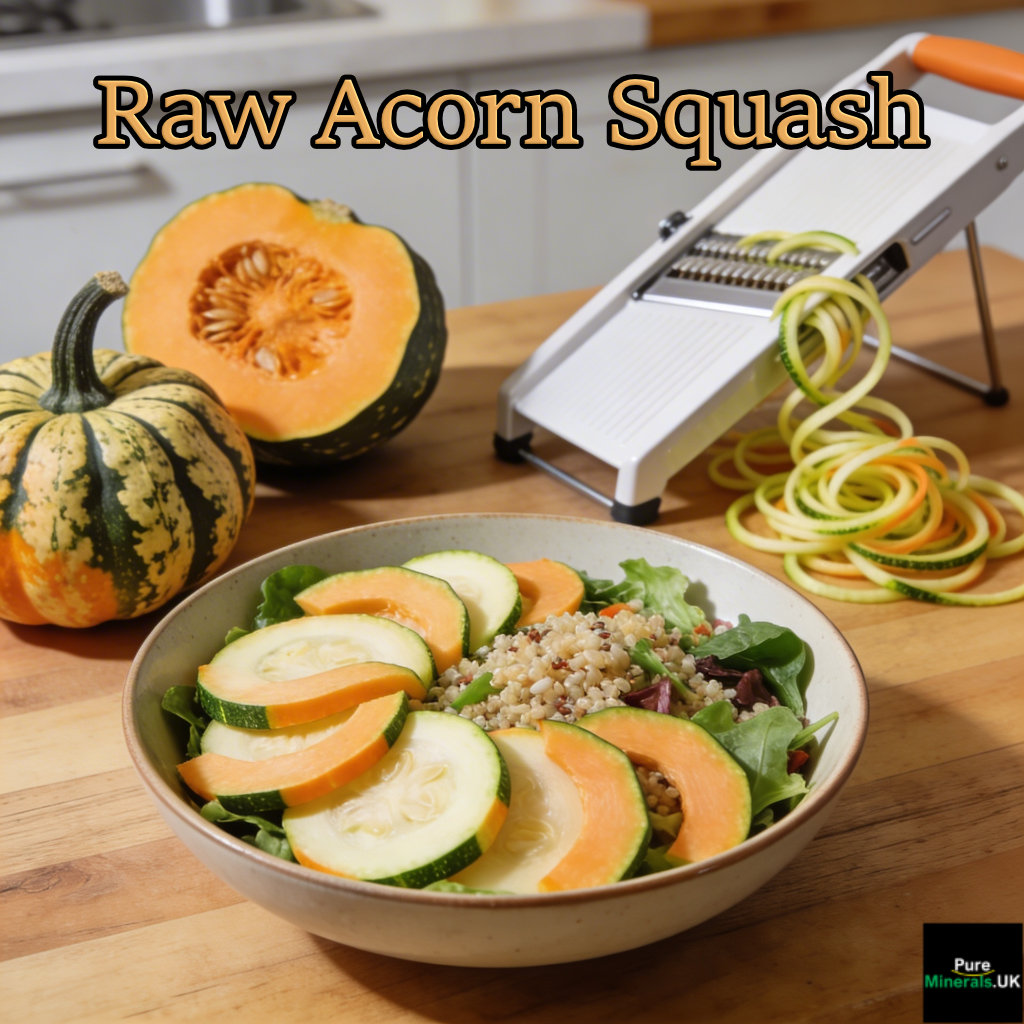
Raw acorn squash is edible, though its firm texture makes it less approachable than the cooked version. Thinly sliced or shaved on a mandoline, it can be added to salads or grain bowls where it contributes a mild, slightly sweet crunch. It also works well spiralized or julienned as a raw vegetable noodle base.
The nutritional case for eating it raw is specific: vitamin C and other heat-sensitive compounds like lutein and zeaxanthin are better preserved without cooking. Rotating between raw preparations and cooked ones across the week is a practical strategy for capturing the broadest nutritional benefit from this vegetable.
How to Select, Store, and Buy Acorn Squash
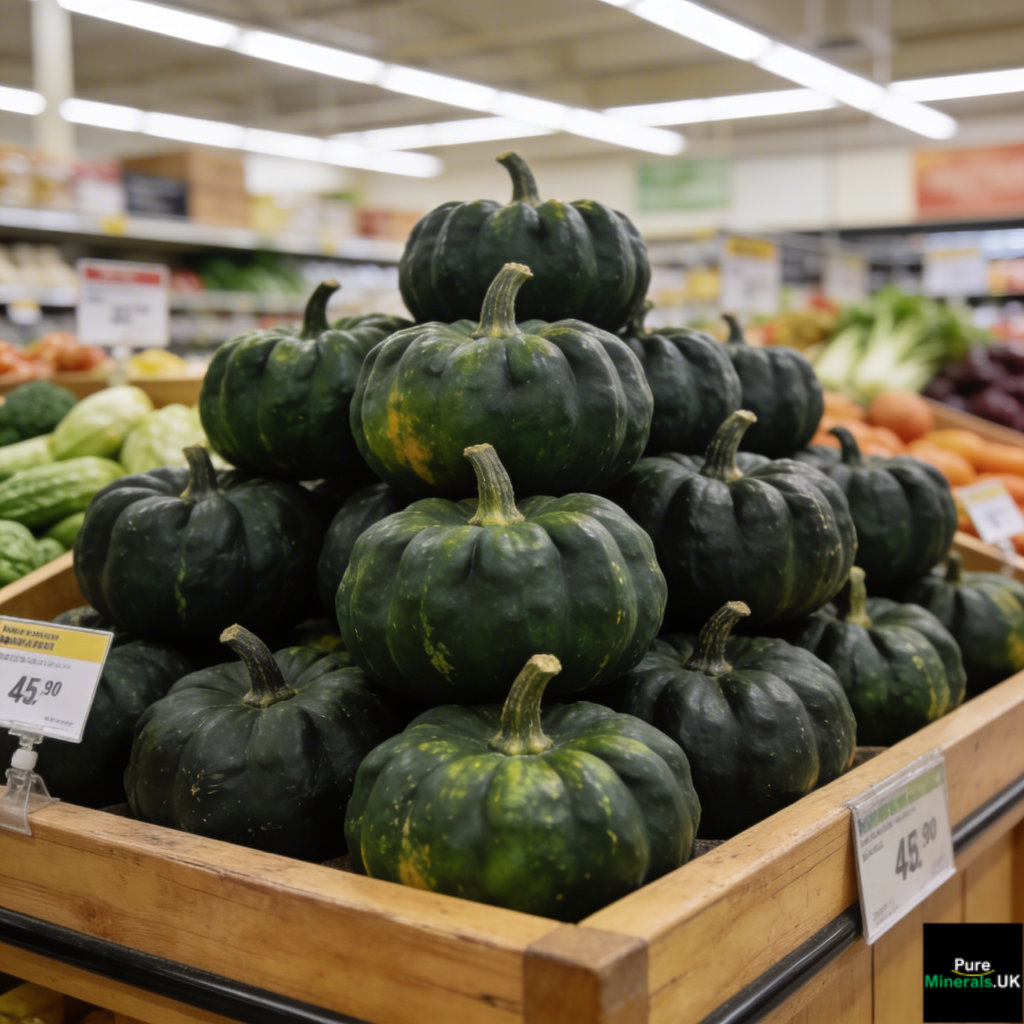
Getting the most out of acorn squash starts before you ever turn on the oven. Selecting a high-quality squash at the store and storing it correctly at home directly affects its flavor, texture, and nutritional integrity. The good news is that acorn squash has a naturally long shelf life compared to most fresh vegetables — handled correctly, it can last for weeks.
Why Buying Organic Matters for Acorn Squash
Acorn squash has an edible skin that contains fiber and nutrients — and if you plan to eat it, organic matters. Conventionally grown squash may carry pesticide residues on the outer rind, which transfer to the flesh during cooking. Buying organic eliminates that concern and allows you to get the full nutritional benefit of the skin without reservation. If organic isn’t available or accessible, scrubbing the outer rind thoroughly under running water before cooking is the next best step.
What to Look for When Picking One at the Store
A ripe, high-quality acorn squash should feel heavy for its size — that density signals moisture-rich, nutrient-packed flesh inside. Look for a deep green rind with a small orange patch where the squash rested on the ground. That orange spot is normal and actually indicates ripeness. Avoid squash with soft spots, cracks, or a dull, shriveled appearance — these are signs of age or improper storage. For a similar selection process, you might also consider how to choose pears at the store.
The stem is another reliable quality indicator. A dry, cork-like stem that’s firmly attached means the squash was harvested at the right time and has been properly cured. A missing or mushy stem is a red flag — it creates an entry point for bacteria and shortens shelf life significantly.
Storage Tips to Maximize Shelf Life
Whole, uncut acorn squash stores remarkably well in a cool, dry, well-ventilated space — think a pantry, basement, or countertop away from direct sunlight. At room temperature between 50–55°F (10–13°C), a whole acorn squash can last anywhere from one to three months. Avoid refrigerating whole squash, as temperatures below 50°F can actually accelerate deterioration. Once cut, wrap the exposed flesh tightly in plastic wrap or store it in an airtight container in the refrigerator and use it within four to five days. For additional tips on storing fruits, you might find plum storage advice useful as well.
Acorn Squash Is One of Fall’s Most Underrated Superfoods
Acorn squash rarely gets the spotlight that kale, sweet potatoes, or blueberries command — but its nutritional resume is just as impressive. A single vegetable delivering meaningful amounts of fiber, vitamin C, potassium, magnesium, B vitamins, and a full roster of carotenoid antioxidants is genuinely hard to beat, especially one that tastes this good and costs this little.
It stores for months, cooks in under an hour, and adapts to almost any flavor direction you want to take it. If you’re building a whole-food eating pattern that’s actually sustainable and satisfying, acorn squash deserves a permanent place in your kitchen from September through March.
Important note: Acorn Squash
Acorn squash is widely recognized as safe for consumption as a food. This article is provided for educational purposes only and does not constitute medical advice. Individuals with specific dietary conditions, allergies, or metabolic disorders should consult a qualified healthcare professional before making significant dietary changes.
Acorn Squash Infographic
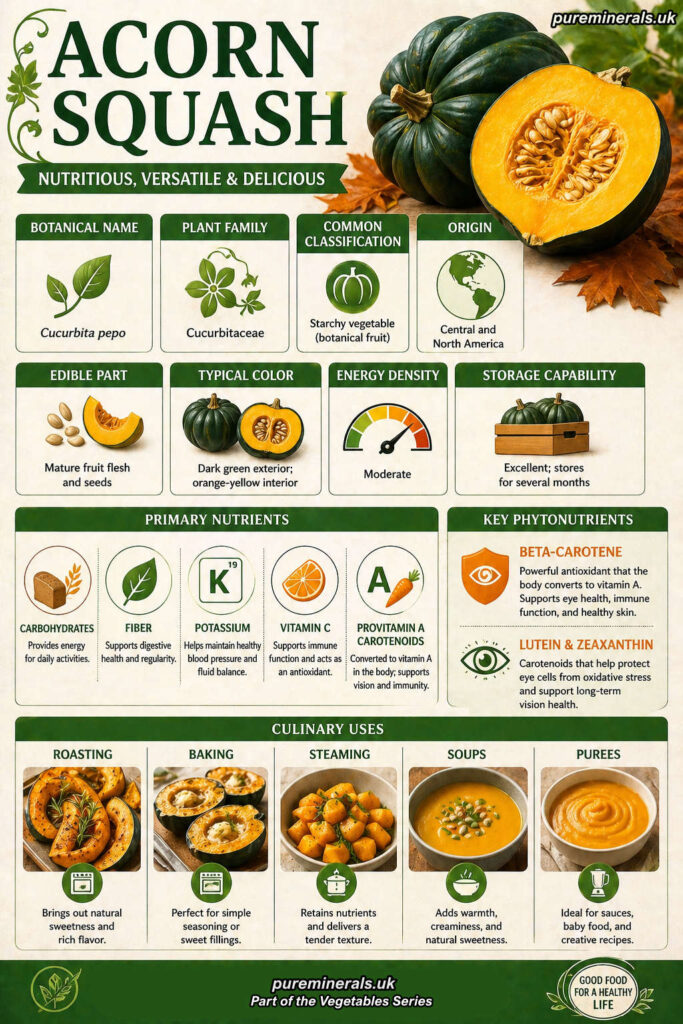
Download the full high-resolution Acorn Squash infographic for offline reference.
Explore more minerals in the full Vegetables Hub
Frequently Asked Questions
Acorn squash generates a lot of questions — mostly because people underestimate how nutritionally complex this simple-looking vegetable actually is. The answers below address the most common points of confusion around its health benefits, preparation, and dietary role.
Whether you’re new to cooking with winter squash or just looking to get more out of it, these answers will help you use it with more confidence and intention.
Is acorn squash healthier than butternut squash?
Both are nutritional powerhouses, but they have different strengths. Butternut squash contains significantly more beta-carotene, giving it a deeper orange color and a stronger vitamin A profile. Acorn squash, on the other hand, delivers more fiber per serving and a broader range of B vitamins, including thiamine and B6. Neither is categorically “healthier” — they complement each other well, and rotating both through your diet gives you the broadest nutritional coverage from the winter squash family.
Can you eat acorn squash skin?
Yes — acorn squash skin is completely edible and actually worth eating. It contains fiber and additional nutrients, and when roasted at high heat, it softens enough to eat without difficulty. The skin of younger, smaller squash tends to be more tender after cooking, while larger squash may produce a tougher rind that some people prefer to scoop around. For more on nutrient-rich fruits, check out the benefits of black currants.
If you plan to eat the skin, buying organic is the smarter move to avoid pesticide residues on the outer surface. Scrub it thoroughly before cooking, regardless of whether it’s organic or conventional. When roasted properly, the skin develops a slightly chewy texture that adds contrast to the creamy flesh — many people find it one of the best parts.
How much fiber is in one cup of cooked acorn squash?
One cup of baked acorn squash contains approximately 9 grams of dietary fiber, which represents around 32% of the recommended daily intake for most adults. That’s a substantial amount from a single food — comparable to a serving of legumes in fiber density, which is unusual for a vegetable.
That fiber is split between soluble and insoluble types, meaning it supports both gut motility and the growth of beneficial gut bacteria. It also plays a direct role in slowing glucose absorption, which is why acorn squash has a more moderate glycemic impact than its natural sweetness might suggest.
Is acorn squash good for people with diabetes?
Acorn squash is a starchy vegetable, so portion size and context matter — but its high fiber content makes it a far better carbohydrate choice than refined grains or low-fiber starches. The fiber slows glucose absorption and helps prevent sharp blood sugar spikes. Pairing acorn squash with a source of protein and healthy fat further flattens the glycemic response. People managing type 2 diabetes or insulin resistance can generally include acorn squash in their diet as a whole-food carbohydrate source, though individual responses vary, and working with a registered dietitian is always the best approach for personalized guidance.
What is the best way to cook acorn squash to preserve nutrients?
The answer depends on which nutrients you’re prioritizing. Baking and roasting increase the concentration and bioavailability of fiber, potassium, magnesium, and several B vitamins — making baked acorn squash nutritionally denser per serving than raw in many categories. However, heat does degrade vitamin C and certain carotenoids like lutein and zeaxanthin.
Steaming is the best method for preserving heat-sensitive water-soluble nutrients, as it uses lower temperatures and shorter cooking times than roasting. Avoid boiling, which leaches water-soluble vitamins directly into the cooking water. For the most nutritionally complete approach, rotate between roasting for flavor and fiber concentration, and raw or lightly steamed preparations for vitamin C and carotenoid preservation.
Here’s a quick reference for how cooking method affects nutritional outcomes, such as when preparing fruits like plums:
Cooking Method
Best For
Nutrient Trade-Off
Baking / Roasting
Fiber, potassium, magnesium, flavor
Some vitamin C loss
Steaming
Vitamin C, carotenoids
Less flavor development
Boiling
Soft texture
Significant nutrient loss into water
Raw
Vitamin C, lutein, zeaxanthin
Lower digestibility of some compounds
Microwaving
Speed, reasonable nutrient retention
Texture less appealing than roasted
No single cooking method captures everything acorn squash has to offer — but rotating between roasting and raw or steamed preparations across the week is the most practical strategy for maximizing the full nutritional value of this vegetable.