

Published: 29 January 2026
Last Updated: 25 February 2026
This article is periodically reviewed and updated to reflect current scientific understanding by Vic George.
Fact-Checked: 1 other authoritative medical/scientific reference. See our Editorial Policy.

What Are Cress and Watercress, and Why Are They Valued for Nutrition, Digestion, and Antioxidant Support?
Cress and watercress are fast-growing leafy greens valued for their peppery flavour, high nutrient density, and digestive-stimulating properties. They are rich in vitamins, minerals, and plant compounds associated with antioxidant and detox-support functions. These plants are most commonly eaten fresh in salads, sandwiches, soups, and garnishes, where their crisp texture and pungent taste are preserved.
Definition:
Cress refers to several edible mustard-family plants, including garden cress (Lepidium sativum), upland cress (Barbarea verna), and watercress (Nasturtium officinale). These leafy greens are used as culinary herbs and functional vegetables with high micronutrient content.
Extended Definition:
Cress plants belong to the Brassicaceae (mustard) family, which is known for producing glucosinolates and related sulphur-containing compounds associated with detox enzyme activation and cellular protection. This gives cress its characteristic peppery flavour and contributes to its traditional reputation as a “cleansing” green.
Watercress has been valued since antiquity and was traditionally used as a spring tonic to restore vitality after winter. Garden cress and upland cress are similarly rich in nutrients and are easy to grow, making them popular in home gardens and indoor sprouting trays.
These plants provide high levels of vitamin C, vitamin K, beta-carotene, folate, and minerals such as calcium and iron. They also contain polyphenols and isothiocyanates that contribute to antioxidant defence and metabolic health. Because they are eaten raw or lightly cooked, much of their nutrient content is retained.
Cress is often included in diets aimed at improving digestion and appetite, as its pungent compounds stimulate digestive secretions. It also pairs well with protein-rich and fatty foods, helping balance heavier meals.
Overall, cress and watercress are best viewed as nutrient-dense culinary herbs, offering consistent health value through regular dietary inclusion rather than medicinal dosing.
Key Facts:
- Food type: Leafy green culinary herb / functional vegetable
- Botanical names: Lepidium sativum, Barbarea verna, Nasturtium officinale
- Key nutrients: Vitamin C, vitamin K, beta-carotene, folate, calcium, iron
- Key compounds: Glucosinolates, isothiocyanates, polyphenols
- Primary roles: Nutritional support, antioxidant protection, digestive stimulation
- Systems supported: Immune, digestive, cardiovascular, metabolic
- Best forms: Fresh leaves in salads, sandwiches, soups, smoothies, garnishes
- Use considerations: Best eaten fresh; flavour becomes bitter when overgrown
- Typical pairing: Often paired with eggs, cheese, fish, avocado, lemon, yoghurt, whole grains
Key Takeaways
- Watercress tops the CDC’s list of nutrient-dense “powerhouse vegetables” with exceptionally high levels of vitamins A, C, and K while being low in calories.
- Both cress and watercress contain potent antioxidants and phytochemicals that may help reduce cancer risk and fight inflammation.
- These cruciferous vegetables support heart health by potentially lowering blood pressure and reducing cholesterol levels.
- Experts recommend incorporating watercress into meals for its impressive omega-3 fatty acid content and immune-boosting properties.
- While highly nutritious, watercress contains goitrogenic compounds that should be consumed in moderation by individuals with thyroid conditions.
Tiny leaves, enormous benefits. Cress and watercress may be small in size, but they pack a nutritional punch that rivals many larger superfoods. These peppery greens have been cultivated for centuries, with watercress traditionally grown in pure spring water and garden cress thriving in various soil conditions. Their impressive nutrient profiles have earned them places of honor on the tables of health-conscious individuals worldwide.
According to nutrition experts, watercress consistently ranks at the top of the Centers for Disease Control and Prevention’s list of “powerhouse vegetables” due to its exceptional nutrient density. This classification isn’t just impressive – it’s a testament to the remarkable health benefits these small leafy greens offer. Whether you’re looking to boost your immune system, improve heart health, or simply add more nutrients to your diet, cress and watercress deserve your attention.
Powerful Nutrition in Tiny Leaves: Why Cress and Watercress Should Be on Your Plate
The history of cress and watercress consumption stretches back through centuries of traditional medicine and culinary applications. Watercress became a commercial crop in England around 1808, prized not just for its distinctive peppery flavor but for its remarkable nutritional properties. Ancient civilizations recognized these greens as healing foods long before modern nutritional science could explain why. Today, we understand that their impressive array of vitamins, minerals, and phytonutrients makes them true nutritional powerhouses.
Both varieties belong to the cruciferous vegetable family, alongside broccoli, kale, and cabbage. This plant family is renowned for its health-promoting compounds, particularly glucosinolates, which convert to isothiocyanates when the plants are chopped or chewed. These compounds are responsible for the slightly bitter, peppery taste that characterizes cress and watercress – and they’re also behind many of the health benefits these greens provide, similar to those found in salad burnet.
Nutritional Powerhouses: What Makes Cress and Watercress So Healthy
The nutritional profile of cress and watercress is impressive by any standard. Despite their low-calorie content, these leafy greens deliver a remarkable concentration of essential nutrients that support overall health. When compared ounce for ounce with other vegetables, few can match their nutritional density.
A single cup of raw watercress (approximately 34 grams) contains minimal calories while providing substantial amounts of vitamins A, C, and K – nutrients essential for immune function, vision, blood clotting, and bone health. What’s particularly notable is that these greens offer more than just vitamins; they contain a complex array of plant compounds that work synergistically to promote health.
Essential Vitamins and Minerals in Cress and Watercress
The vitamin content in cress and watercress is truly exceptional. Watercress contains more vitamin C than oranges, gram for gram, making it an excellent choice for immune support. Its vitamin K content is equally impressive, with a single cup providing well over the recommended daily intake. This makes these greens particularly valuable for bone health and proper blood clotting.
Mineral content shouldn’t be overlooked either. Both varieties contain calcium, magnesium, manganese, and potassium – minerals essential for bone structure, muscle function, and cardiovascular health. They also provide small but significant amounts of iron, zinc, and phosphorus. What makes these greens particularly valuable is the bioavailability of these nutrients – the body can efficiently absorb and utilize them.
Impressive Antioxidant Content
The deep green color of cress and watercress hints at their rich antioxidant content. These plants are loaded with compounds like flavonoids, carotenoids, and vitamin C that help neutralize harmful free radicals in the body. The antioxidant capacity of watercress is particularly noteworthy, with studies suggesting it may help reduce oxidative stress at a cellular level.
These antioxidants don’t just protect cells from damage; they play key roles in reducing inflammation and supporting overall immune function. Regular consumption of these antioxidant-rich greens may help maintain cellular health and potentially reduce the risk of chronic diseases associated with oxidative stress.
Protein and Fiber Profile
While not primarily known as protein sources, cress and watercress do contain modest amounts of plant protein – approximately 0.8 grams per cup for watercress. Though this amount is small, the protein quality is good, containing various amino acids that contribute to the body’s protein needs when consumed as part of a varied diet.
The fiber content in these greens supports digestive health and helps maintain healthy blood sugar levels. Though not as fiber-rich as some other vegetables, the combination of fiber with their high water content makes them satisfying additions to meals despite their low calorie count. This makes them excellent choices for those looking to increase nutrient intake without adding significant calories.
Perhaps most surprisingly, watercress contains a relatively high proportion of omega-3 polyunsaturated fatty acids, primarily in the form of alpha-linolenic acid (ALA). While the absolute amount is small, this plant-based omega-3 source can contribute to an anti-inflammatory diet pattern when consumed regularly.
Calorie Content: Low-Calorie Nutritional Density
One of the most remarkable aspects of cress and watercress is their extraordinary nutrient-to-calorie ratio. With just 4 calories per cup, watercress provides exceptional nutrition with minimal energy intake. This makes these greens perfect for those looking to increase nutrient density while managing caloric intake.
The concept of nutrient density refers to foods that provide substantial nutrition relative to their calorie content. By this measure, watercress stands out even among other vegetables, topping the CDC’s nutrient density list. This classification is based on the content of 17 nutrients of public health importance relative to calories, and watercress scores a perfect 100 on this scale.
Health Benefits That Make These Greens Worth Eating
The impressive nutrient profile of cress and watercress translates into tangible health benefits supported by both traditional wisdom and modern research. These cruciferous vegetables aren’t just nutritious—they actively contribute to preventing disease and promoting wellbeing through multiple biological mechanisms.
Cancer-Fighting Properties
One of the most studied benefits of cruciferous vegetables like cress and watercress is their potential role in cancer prevention. The isothiocyanates formed when we chew these vegetables have shown remarkable abilities to detoxify carcinogens, reduce inflammation, and even trigger apoptosis (programmed death) in cancer cells. Research suggests that compounds in watercress may help inhibit the activation of carcinogens and enhance the body’s natural detoxification processes.
Studies have particularly noted the potential benefits for breast, colorectal, and lung cancers. One small but notable study found that watercress consumption reduced DNA damage to lymphocytes, which could help prevent the initiation of cancer formation. While no single food can prevent cancer, including these nutritional powerhouses as part of a varied diet may contribute to an overall cancer-protective dietary pattern.
Heart Health Support
The cardiovascular benefits of cress and watercress stem from several mechanisms. Their nitrate content helps improve circulation by supporting the body’s production of nitric oxide, which helps blood vessels dilate properly. This may contribute to healthier blood pressure levels when these greens are consumed regularly.
Additionally, the antioxidants in these greens help reduce oxidative stress and inflammation in blood vessels, potentially decreasing atherosclerosis risk. The modest omega-3 fatty acid content in watercress, while not comparable to fatty fish, contributes to an anti-inflammatory profile that supports heart health. Regular consumption of these leafy greens fits perfectly into heart-healthy dietary patterns recommended by nutrition experts.
Anti-Inflammatory Effects
Chronic inflammation underlies many modern diseases, from arthritis to diabetes. The phytochemicals in cress and watercress have demonstrated anti-inflammatory effects in both laboratory and human studies. Compounds like phenethyl isothiocyanate (PEITC) in watercress have been shown to suppress inflammatory signaling pathways.
What makes these greens particularly valuable is that they provide anti-inflammatory benefits without side effects associated with anti-inflammatory medications. Including these peppery greens in your regular diet may help manage low-grade chronic inflammation naturally. For those with inflammatory conditions, these greens make a smart addition to an anti-inflammatory eating pattern.
Bone Health Benefits
The exceptional vitamin K content in cress and particularly watercress makes them valuable allies for bone health. Vitamin K plays a crucial role in calcium utilization, helping ensure that calcium is directed to bones rather than blood vessels. A single cup of watercress provides more than the daily recommended intake of this important vitamin.
Beyond vitamin K, these greens provide calcium, magnesium, and manganese—minerals essential for bone formation and maintenance. While dairy products often get the spotlight for bone health, including these nutrient-dense greens provides complementary nutrients that support skeletal integrity. The combination of these minerals with vitamin K creates a synergistic effect that may help reduce fracture risk and support bone density. Additionally, incorporating foods like red bell peppers can further enhance your intake of essential nutrients for bone health.
Skin and Eye Health Improvements
The vitamin A (as beta-carotene) and vitamin C in cress and watercress support healthy skin by promoting collagen production and providing antioxidant protection against UV damage. Regular consumption may help maintain skin elasticity and reduce signs of premature aging. These nutrients also support wound healing and tissue repair throughout the body.
For eye health, the carotenoids in these greens help protect the retina from oxidative damage. These compounds accumulate in eye tissues where they absorb harmful blue light and neutralize free radicals. While not as rich in lutein and zeaxanthin as some other greens, the overall antioxidant profile of cress and watercress contributes to long-term eye health protection.
Garden Cress vs. Watercress: Understanding the Differences
Though often mentioned together, garden cress and watercress are distinct plants with different growing requirements and slightly different nutritional profiles. Understanding these differences helps in selecting the right variety for your needs and growing conditions.
Botanical Origins and Appearance

Watercress (Nasturtium officinale) is a semi-aquatic perennial plant that naturally grows along slow-moving waterways. It features small, round leaves with a deep green color arranged on hollow, floating stems. True to its name, watercress requires consistent moisture and thrives when its roots are submerged in clean, flowing water.
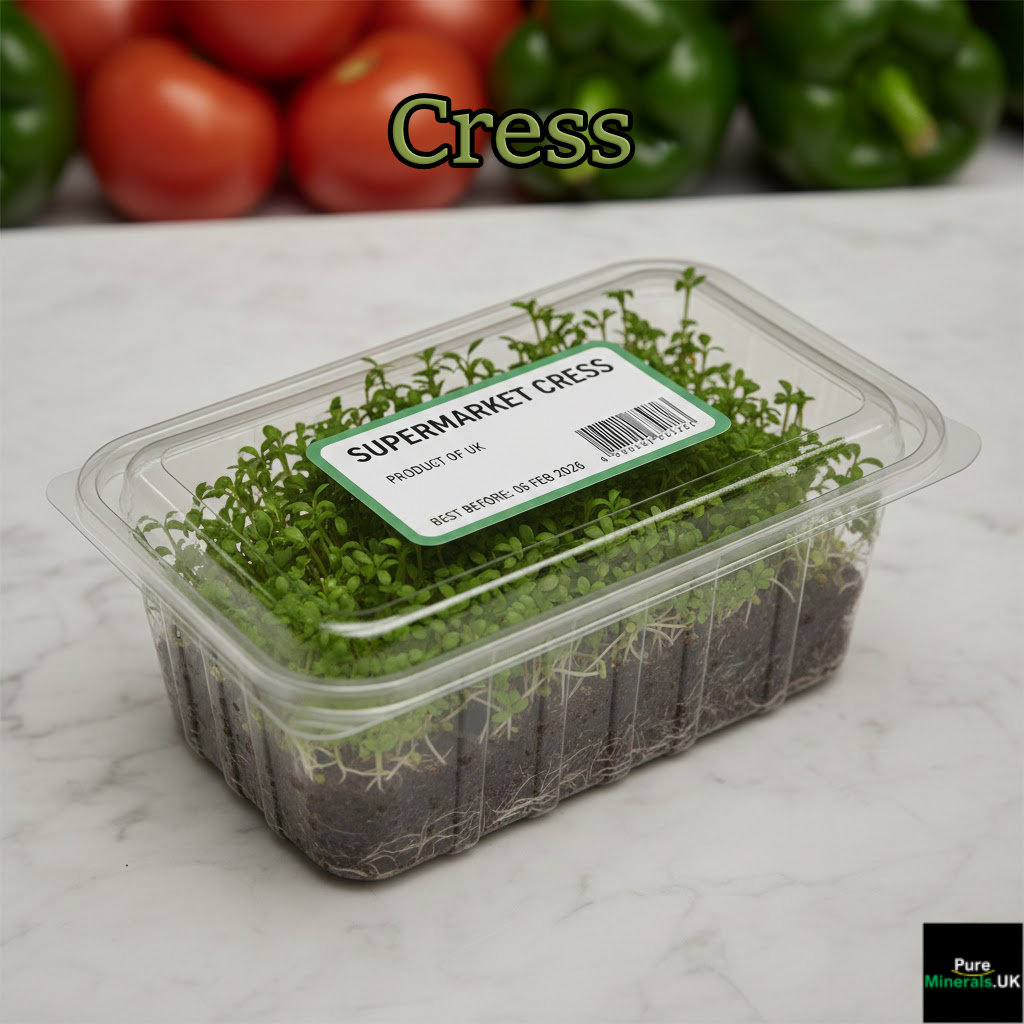
Garden cress (Lepidium sativum), sometimes called pepper cress, is a fast-growing annual that’s more drought-tolerant than its aquatic cousin. It produces slightly more elongated, serrated leaves on more upright stems. While both plants belong to the Brassicaceae family, they represent different genera and have adapted to different ecological niches.
Flavor Profile Comparisons
The flavor differences between these two varieties are subtle but distinct to the discerning palate. Watercress offers a more robust peppery punch that develops as the plant matures, with complex notes that include a slight bitterness and refreshing finish. Its flavor intensifies when grown in colder waters, making winter watercress particularly prized by chefs.
Garden cress presents a milder peppery flavor that’s often described as more lemony and less bitter than watercress. Its taste is more consistent throughout its growing cycle, making it more predictable in culinary applications. Young garden cress microgreens offer a gentler introduction to these flavors for those new to peppery greens.
Nutritional Differences
While both varieties offer excellent nutrition, watercress generally edges out garden cress in terms of vitamin and mineral density. Watercress contains higher levels of vitamin K, calcium, and potassium per serving. It also tends to have more concentrated antioxidant compounds, particularly when grown in optimal conditions with clean, flowing water.
Garden cress, however, contains slightly more iron and is an excellent source of folate, making it particularly valuable during pregnancy. It also provides a good amount of vitamin E, which complements the vitamin C in both varieties to provide synergistic antioxidant protection. Both greens offer exceptional nutrition, and including both in your diet provides complementary benefits.
Delicious Ways to Add Cress and Watercress to Your Meals
The distinct peppery flavor of cress and watercress makes them versatile ingredients that can elevate everyday dishes. Their crisp texture and bright taste work in countless applications, from the simplest sandwich to sophisticated cuisine. The key to enjoying these greens is understanding how to balance their assertive flavor with complementary ingredients.
Fresh Salad Combinations
Perhaps the most straightforward way to enjoy these nutritional powerhouses is in fresh salads. Their peppery kick pairs beautifully with sweet elements like sliced pears, apples, or mandarin oranges. For a classic combination, try watercress with thinly sliced fennel, orange segments, and a light citrus vinaigrette—the anise notes of fennel perfectly complement the pepper notes of the watercress.
For a more substantial salad, combine watercress with roasted beets, goat cheese, and toasted walnuts. The earthy sweetness of beets balances the pepper notes while the creamy cheese softens the overall impact. Garden cress works wonderfully in potato salads, adding bright notes that cut through the richness and adding nutritional value to a classic side dish.
Sandwich and Wrap Enhancements
Adding a handful of fresh cress or watercress to sandwiches and wraps introduces a flavor dimension that lettuce simply can’t match. These greens stand up particularly well to rich fillings like roast beef, smoked salmon, or avocado. The traditional British watercress sandwich—buttered bread, a sprinkle of salt, and a generous layer of watercress—demonstrates how these greens can shine even in the simplest preparations.
For wraps, combine watercress with hummus, roasted red peppers, and feta cheese for a Mediterranean-inspired lunch. The peppery greens provide a perfect counterpoint to the creamy hummus and sweet peppers. Garden cress pairs beautifully with egg salad, cutting through the richness while adding nutritional value.
Don’t overlook breakfast applications either—adding watercress to an egg sandwich or tucking garden cress into a breakfast burrito introduces nutrition and flavor to your morning meal. The slight heat from these greens can even reduce the need for added salt in many recipes.
Soup and Stew Additions
Both varieties shine in soups, whether as a featured ingredient or a last-minute addition. Classic watercress soup combines the peppery green with potatoes and onions for a silky, elegant first course. For a nutritional boost, add a handful of chopped watercress to nearly any soup just before serving—the heat will slightly wilt the greens while preserving their bright flavor and nutritional value.
Pesto and Sauce Ingredients
For a nutrient-packed alternative to traditional basil pesto, substitute half the basil with watercress or garden cress. The resulting sauce offers bright, peppery notes that pair beautifully with pasta, grilled fish, or roasted vegetables. For a simpler sauce, blend either variety with yogurt, lemon juice, and a touch of honey for a versatile condiment that works with grilled meats or as a vegetable dip.
Watercress makes an excellent addition to green sauces like chimichurri, adding complexity to the herb profile. Its peppery quality can reduce the need for black pepper in many recipes, while adding nutritional benefits. Even a simple butter sauce for fish or vegetables benefits from finely chopped cress added at the last moment.
For Asian-inspired dishes, watercress can be used in dipping sauces with soy, ginger, and sesame oil. Its natural peppery heat complements these flavors beautifully and adds fresh, green notes to the sauce profile.
5 Simple Cress and Watercress Recipes to Try Today
Ready to enjoy the benefits of these nutritional powerhouses in your kitchen? These five simple recipes showcase the versatility of cress and watercress while making it easy to incorporate them into your regular meal rotation. Each recipe highlights the unique flavors of these greens while pairing them with complementary ingredients.
1. Zesty Watercress Soup

This vibrant soup captures the essence of watercress while creating a satisfying meal that’s surprisingly creamy without heavy cream. In a large pot, sauté one diced potato, one leek (white part only), and a small onion in olive oil until softened. Add four cups of vegetable broth and simmer until potatoes are tender, about 15 minutes. Add four cups of fresh watercress and cook just until wilted, about one minute. Blend until smooth using an immersion blender, then season with salt, pepper, and a squeeze of lemon juice.
The soup can be served hot or chilled, making it versatile for any season. For extra nutrition and visual appeal, garnish with a swirl of yogurt and a few fresh watercress leaves. This soup freezes well, so consider making a double batch to enjoy later.
2. Garden Cress Pesto

This nutrient-packed pesto offers a peppery twist on the classic sauce. In a food processor, combine two cups of garden cress, one-half cup of toasted pine nuts or walnuts, two peeled garlic cloves, one-half cup of freshly grated Parmesan cheese, and one-quarter teaspoon of salt. Pulse until roughly chopped, then slowly drizzle in one-half cup of olive oil while processing until smooth. Adjust seasoning to taste.
This versatile sauce works beautifully tossed with pasta, spread on sandwiches, dolloped onto soups, or used as a flavorful marinade for chicken or fish. Store in an airtight container in the refrigerator for up to five days, or freeze in ice cube trays for convenient single servings.
3. Watercress and Orange Salad

This refreshing salad balances the peppery bite of watercress with sweet citrus and creamy avocado. In a large bowl, combine four cups of fresh watercress, two segmented oranges, one sliced avocado, and one-quarter cup of thinly sliced red onion. For the dressing, whisk together three tablespoons of olive oil, one tablespoon of fresh orange juice, one teaspoon of honey, and a pinch each of salt and pepper. Drizzle over the salad and toss gently to coat.
The contrast between the peppery watercress and sweet oranges creates a flavor profile that’s both satisfying and sophisticated. For added protein, top with grilled chicken or salmon to create a complete meal.
4. Cress and Avocado Sandwich

Elevate your lunch routine with this nutrient-dense sandwich that takes just minutes to prepare. Toast two slices of whole grain bread, then spread one slice with hummus and the other with mashed avocado (about half an avocado, seasoned with salt and a squeeze of lemon). Layer one cup of fresh garden cress or watercress on top of the hummus, add a few thin slices of cucumber for extra crunch, then close the sandwich with the avocado-spread slice.
The creamy avocado and hummus perfectly balance the peppery cress, while the cucumber adds refreshing texture. This sandwich packs impressive nutrition into a simple lunch option that travels well for work or school.
5. Stir-Fried Watercress with Garlic

This Asian-inspired side dish showcases watercress in a different light and takes just minutes to prepare. Heat one tablespoon of sesame oil in a wok or large skillet over high heat. Add three cloves of thinly sliced garlic and stir-fry for 30 seconds until fragrant. Add four cups of watercress stems and stir-fry for one minute. Add the watercress leaves and one tablespoon of soy sauce, then stir-fry for another 30 seconds until just wilted but still bright green.
The quick cooking preserves the nutrients while taming some of the peppery bite. Serve alongside grilled meats or tofu for a nutrient-packed side dish that provides a perfect contrast to richer main courses. A sprinkle of toasted sesame seeds adds a delightful finishing touch.
Growing Your Own Cress and Watercress at Home
Growing your own cress or watercress ensures the freshest possible greens while providing significant cost savings compared to store-bought varieties. These fast-growing plants are ideal even for beginning gardeners, and their compact growth habits make them suitable for small spaces.
Indoor Growing Methods
Garden cress is one of the easiest plants to grow indoors, making it perfect for introducing children to gardening. To grow garden cress, simply spread seeds over a container of moist potting soil, press lightly, and keep consistently moist. The seeds germinate within 24-48 hours, and you can harvest the microgreens within 7-10 days. For an even simpler method, grow cress on dampened paper towels or cotton wool—no soil required. For those interested in expanding their indoor garden, consider adding salad burnet to your collection.
Watercress requires more moisture but can still be grown indoors in containers. Fill a wide, shallow container with potting mix and create a depression in the center. Sow watercress seeds in this depression, water thoroughly, and place the container in a sunny location. The key to success is keeping the soil consistently wet—consider placing the growing container in a larger tray of water to maintain moisture. With proper care, indoor watercress can be harvested within 21-28 days of planting.
Outdoor Cultivation Tips
Garden cress thrives in cool weather, making it ideal for spring and fall gardens in most climates. Sow seeds directly in garden soil enriched with compost, spacing rows about 6 inches apart. Keep soil consistently moist but not waterlogged, and provide partial shade in warmer regions. Succession planting every 2-3 weeks ensures a continuous harvest throughout the growing season.
True to its name, watercress grows best in or near flowing water. If you have a small stream or water feature in your garden, you can establish watercress along the edges where it can access constant moisture. For conventional gardens, create a bog-like environment by lining a trench with plastic, filling it with rich soil, and keeping it consistently saturated. Watercress prefers slightly alkaline conditions, so adding crushed eggshells to the soil can enhance growth in more acidic gardens.
Harvesting and Storage Best Practices
For the most nutritious harvest, pick garden cress when leaves are young and tender, typically when plants reach 2-3 inches in height. Using scissors, cut the stems about an inch above soil level—this allows the plants to regrow for multiple harvests. Watercress can be harvested similarly, cutting stem tips with about 4 inches of growth when plants are robust but before they flower.
Harvest in the morning when plant cells are turgid and nutrient content is at its peak. For both varieties, washing immediately after harvest helps preserve freshness—submerge in cold water to remove any soil or debris, then gently pat dry or use a salad spinner. This immediate cleaning helps maintain crisp texture and extends storage life by removing potential sources of decay.
Buying and Storing Tips for Maximum Freshness and Nutrition
When you can’t grow your own, knowing how to select and store store-bought cress and watercress becomes essential for maximizing both flavor and nutritional benefits. These delicate greens require special attention to maintain their quality after purchase, similar to other fresh herbs like salad burnet.
What to Look for When Purchasing
Select cress or watercress with vibrant green leaves that show no signs of yellowing or wilting. The stems should be firm and crisp, snapping easily when bent. Avoid bunches with slimy stems or leaves with dark spots, which indicate decay has begun.
The aroma should be fresh and slightly peppery—avoid any bunches with a strong or unpleasant smell. When possible, choose watercress with the roots still attached, as this significantly extends freshness. Organic varieties may offer additional benefits by reducing exposure to pesticides, though thoroughly washing conventional varieties can remove most residues.
For maximum nutrition, consider the source and freshness. Locally grown watercress typically reaches markets more quickly after harvesting, preserving more nutrients. Some specialty markets offer living watercress with roots intact, which maintains peak nutrition until you’re ready to prepare it.
Storage Methods to Extend Shelf Life
To maintain freshness, wrap unwashed cress or watercress loosely in slightly damp paper towels, then place in a perforated plastic bag in the refrigerator’s crisper drawer. This method provides the humidity these greens need without causing them to become waterlogged. When stored this way, watercress typically remains fresh for 3-5 days, while garden cress may last slightly longer.
For watercress with roots attached, an alternative storage method mimics its natural growing conditions. Place the stems in a jar with about an inch of water, cover the leaves loosely with a plastic bag, and refrigerate. Change the water daily, and the watercress may remain fresh for up to a week—significantly longer than conventional storage methods. For additional tips on storing leafy greens, you might find this article on salad burnet helpful.
Safety Considerations and Potential Side Effects
While cress and watercress offer impressive health benefits, certain populations should exercise caution when consuming these greens regularly. Understanding potential interactions and contraindications helps ensure these nutritional powerhouses support rather than compromise your health.
Thyroid Health and Goitrogenic Properties
Like other cruciferous vegetables, cress and watercress contain compounds called goitrogens, which can interfere with thyroid function by inhibiting iodine uptake when consumed in large quantities. For most people with normal thyroid function, moderate consumption poses no risk. However, individuals with existing thyroid conditions, particularly hypothyroidism, should consume these greens in moderation and consider lightly cooking them, which reduces goitrogenic activity.
Medication Interactions
The high vitamin K content in watercress may interact with blood-thinning medications like warfarin (Coumadin) by reducing their effectiveness. Rather than avoiding these nutritious greens entirely, people taking such medications should maintain consistent intake and communicate with their healthcare providers about dietary habits.
Additionally, because watercress has mild diuretic properties, it may potentially enhance the effects of diuretic medications. Those taking diuretics should monitor for increased effects and consult with healthcare providers about appropriate consumption levels.
Safe Consumption During Pregnancy
Pregnant women should exercise particular caution with wild watercress due to the risk of contamination with harmful bacteria like Listeria. However, commercially grown watercress from reputable sources is generally safe and provides valuable nutrients, including folate, calcium, and iron, that support fetal development. As with any dietary change during pregnancy, consulting with a healthcare provider before significantly increasing intake is recommended.
Add These Nutritional Powerhouses to Your Diet Today
Whether you choose garden cress or watercress, incorporating these nutrient-dense greens into your regular meals provides exceptional nutritional value with minimal calories. Start with small additions to familiar dishes—a handful in your morning smoothie, a sprinkle on top of soup, or mixed into your favorite salad—and gradually explore the recipes and techniques that best suit your taste preferences. With their impressive nutrient profiles and versatile culinary applications, these peppery greens deserve a permanent place in your healthy eating repertoire.
Frequently Asked Questions
As these nutritional powerhouses gain popularity, many questions arise about their optimal use, safety, and benefits. Here are answers to the most common questions about cress and watercress.
Can cress and watercress help with weight loss?
Yes, both cress and watercress can be valuable additions to a weight management plan. Their exceptional nutrient density, combined with minimal calories (just 4 calories per cup for watercress) makes them perfect for creating satisfying meals without excess energy intake. The fiber content helps promote fullness, while their robust flavor profile adds satisfaction to meals that might otherwise seem restrictive. Additionally, the natural diuretic properties of watercress may help reduce water retention, though this represents temporary weight fluctuation rather than fat loss.
How much cress or watercress should I eat per day?
While there’s no official recommendation specifically for cress or watercress consumption, incorporating one to two cups several times weekly provides substantial benefits without concerns about excessive intake. For those with normal thyroid function, daily consumption is generally safe and beneficial. The nutrient density of these greens means even small amounts contribute significantly to vitamin and mineral requirements—just half a cup of watercress provides more than the daily requirement for vitamin K and substantial amounts of vitamins A and C.
Are microgreens and sprouts the same as cress?
While garden cress is often consumed as a microgreen (harvested at the cotyledon stage), it differs from sprouts in important ways. Microgreens are grown in soil or hydroponic medium and harvested above the root, while sprouts are germinated seeds, consumed roots and all. Nutritionally, cress microgreens typically contain higher concentrations of vitamins and minerals than sprouts of the same plant, with research suggesting they may contain up to 40 times the nutrients of their mature counterparts. From a safety perspective, microgreens also present a lower risk of bacterial contamination than sprouts due to their growing conditions and harvesting methods.
Is it safe to forage wild watercress?
Foraging for wild watercress requires extreme caution due to several significant risks. Wild watercress growing in natural waterways may be contaminated with liver flukes, harmful bacteria, agricultural runoff, or other pollutants. The parasite risk is particularly concerning—liver flukes can cause fascioliasis, a serious infection that damages the liver and bile ducts.
If you choose to forage, only collect from pristine spring-fed waterways well upstream from pastures or agricultural areas. Never harvest from stagnant water, and always thoroughly wash and cook wild watercress to kill potential pathogens. Even with these precautions, commercially grown watercress generally offers a safer alternative.
For those interested in wild foods, consider growing “wild” watercress in controlled conditions at home instead. This provides the same variety without the contamination risks associated with foraged plants. If you’re exploring other wild plants, you might also be interested in learning about mugwort and its uses.
Can children eat cress and watercress?
Yes, both cress and watercress are safe and nutritious additions to children’s diets, though their peppery flavor might need some introduction. Start with small amounts mixed into familiar foods—add finely chopped cress to egg salad, blend watercress into fruit smoothies, or incorporate it into soups where the flavor is less pronounced.
Growing garden cress makes an excellent educational project for children, with visible results in just days. This hands-on experience often increases willingness to try these nutritious greens. The high vitamin and mineral content makes these plants particularly valuable for growing children, supporting everything from bone development to immune function.
For very young children, consider pureeing watercress into sauces or dips to minimize any choking hazard while still providing the nutritional benefits. As with introducing any new food, watch for allergic reactions, though true allergies to these greens are rare.
When incorporated thoughtfully into balanced meals, these nutrient-dense greens can contribute significantly to meeting children’s nutritional needs—particularly important for picky eaters who might otherwise consume limited vegetable varieties.