

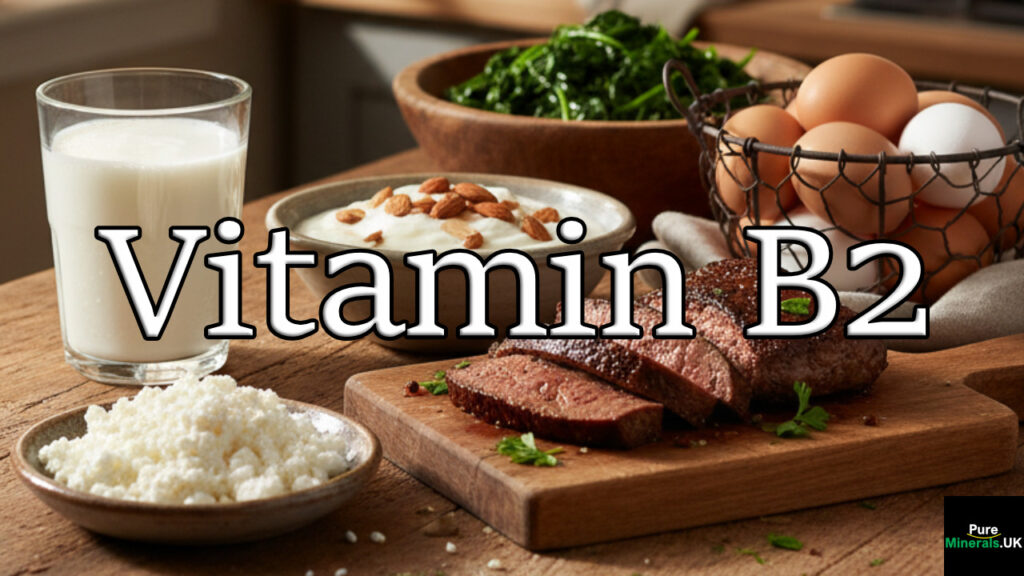
What Is Vitamin B2 (Riboflavin) and Why Is This Essential Water-Soluble Vitamin Important for Energy Production, Antioxidant Support, and Healthy Skin and Eyes?
Vitamin B2 (riboflavin) is a water-soluble nutrient required for energy production, cellular protection, and the maintenance of healthy skin, eyes, and nervous system function. In foods, riboflavin appears naturally in dairy, eggs, legumes, nuts, mushrooms, whole grains, and green vegetables. Adequate intake supports metabolism, antioxidant defence, and overall vitality.
Definition:
Vitamin B2 (riboflavin) is an essential nutrient that forms the coenzymes FMN and FAD, both of which are required for oxidation–reduction reactions, energy metabolism, and antioxidant enzyme activity. Riboflavin is widely available in plant and animal foods, including dairy products, leafy greens, mushrooms, nuts, seeds, legumes, and fortified grains.
Extended Definition:
Vitamin B2 operates through its active coenzyme forms FMN (flavin mononucleotide) and FAD (flavin adenine dinucleotide). These coenzymes participate in mitochondrial energy production, fat and amino acid metabolism, and the regeneration of antioxidants such as glutathione. Because riboflavin is water-soluble and not significantly stored, consistent dietary intake is essential. Deficiency can impair energy pathways, weaken antioxidant defences, and contribute to skin, eye, and mouth symptoms. Riboflavin-rich foods such as dairy, almonds, mushrooms, green vegetables, and whole grains help maintain optimal status.
Key Facts:
Nutrient type: Water-soluble B-vitamin
Biological forms: Riboflavin, FMN, FAD
Primary functions: Energy metabolism, antioxidant support, fat and amino acid metabolism
Systems supported: Metabolic, ocular, integumentary, nervous
Preferred dietary sources: Dairy, eggs, leafy greens, mushrooms, almonds, legumes, whole grains, fortified cereals
Deficiency considerations: Cracked lips, sore mouth, fatigue, light sensitivity, skin irritation
Interactions: Vitamin B2 works closely with B3 and B6 in energy pathways; supports regeneration of the antioxidant glutathione
Key Takeaways
- Vitamin B2 (riboflavin) is essential for energy production, cellular function, and skin health, with deficiency causing symptoms like cracked lips, sore throat, and sensitivity to light.
- The richest food sources of vitamin B2 include eggs, organ meats, dairy products, fortified cereals, leafy greens, and almonds—making it accessible through both animal and plant-based diets.
- Most adults need 1.1-1.3mg of vitamin B2 daily, with higher requirements during pregnancy, breastfeeding, or periods of intense physical activity.
- Riboflavin works synergistically with other B vitamins to maximize energy production and metabolic efficiency in your body.
- Though water-soluble and generally safe, proper cooking methods and storage practices help preserve vitamin B2 content in foods for optimal nutrition.
Your body is constantly working behind the scenes, converting the food you eat into usable energy. At the core of this intricate process sits vitamin B2 (riboflavin), an unsung hero that powers cellular energy production and renewal. This water-soluble vitamin is truly your metabolism’s best friend, acting as an essential coenzyme in numerous bodily functions.
Understanding where to find this vital nutrient can transform your energy levels and overall health. Nutrition Science, a leader in evidence-based nutritional research, emphasizes that maintaining adequate vitamin B2 levels is critical for preventing fatigue and supporting cellular repair processes. From dairy products to leafy greens, nature provides us with numerous delicious sources of this golden-yellow vitamin that your body requires daily.
B2 Deficiency Warning Signs: Why Your Body Needs This Essential Enzyme Helper
Your body speaks to you when vitamin levels fall below optimal thresholds, and riboflavin deficiency comes with distinct warning signals. While severe deficiency is relatively rare in developed countries thanks to food fortification programs, even mild inadequacies can impact your daily functioning. The most common early signs include persistent fatigue that doesn’t improve with rest, cracked corners of your mouth (angular cheilitis), and a sore, red tongue (glossitis). These seemingly unrelated symptoms all stem from vitamin B2’s critical role in tissue maintenance and cellular energy production.
Common Symptoms of Vitamin B2 Deficiency
When your body lacks sufficient riboflavin, a cascade of symptoms begins to appear. Beyond the characteristic changes to your mouth and lips, you might notice your skin becoming scaly, particularly around your nose and ears. Many people experience inflammation of the throat and mouth lining, making eating uncomfortable. Eye fatigue, burning, itching, and increased sensitivity to light are particularly common, as vitamin B2 plays a crucial role in maintaining eye health. In children, growth may slow, while adults often report persistent digestive issues and troublesome anemia that doesn’t respond to iron supplementation alone. These symptoms typically develop gradually over weeks or months as your body’s vitamin B2 stores become depleted.
Who Is Most at Risk for B2 Deficiency
Certain populations face a higher likelihood of developing riboflavin insufficiency. Pregnant and breastfeeding women top this list due to increased metabolic demands and the body’s prioritization of the developing baby’s needs. Athletes and those with physically demanding lifestyles require more vitamin B2 to support their heightened energy expenditure. Individuals with alcohol dependence often show deficiency patterns as alcohol interferes with riboflavin absorption and utilization. Those following restricted diets—particularly vegans who avoid dairy (one of the richest vitamin B2 sources)—must be vigilant about alternative sources. Additionally, the elderly frequently demonstrate suboptimal levels due to decreased food intake, reduced absorption efficiency, and medication interactions that can deplete this vital nutrient.
How Vitamin B2 Powers Your Body’s Energy Factory
At the cellular level, riboflavin transforms into two crucial coenzymes—flavin mononucleotide (FMN) and flavin adenine dinucleotide (FAD). These biochemical powerhouses serve as the molecular machinery that extracts energy from carbohydrates, fats, and proteins. Every cell in your body depends on this process, making riboflavin essential for basic life functions. When you consume vitamin B2-rich foods, you’re essentially refueling your body’s ability to produce energy efficiently.
The Chemistry Behind Vitamin B2’s Magic
The true brilliance of riboflavin lies in its chemistry. This yellow-orange compound participates in oxidation-reduction reactions, essentially transferring electrons between molecules—a fundamental process for energy generation. Your body converts Vitamin B2 into its active forms (FMN and FAD) that attach to proteins called flavoproteins. Together, they form enzyme systems that facilitate electron transport throughout your cells. This intricate dance of electrons allows your mitochondria—often called cellular powerhouses—to generate ATP, the universal energy currency your body uses to power everything from muscle contractions to brain function. Without sufficient riboflavin, this energy production becomes sluggish, resulting in the fatigue characteristic of deficiency states.
B2’s Role in Converting Food to Energy
When you consume a meal, a remarkable biochemical cascade begins. Riboflavin stands at the crossroads of carbohydrate, protein, and fat metabolism, making it indispensable for extracting energy from virtually everything you eat. Vitamin B2 participates in the electron transport chain—a series of reactions that generate most of your cellular energy. Without adequate riboflavin, this energy production system falters, leading to that all-too-familiar feeling of persistent fatigue that doesn’t improve with rest alone.
Vitamin B2’s involvement extends beyond basic energy production to the metabolism of other essential nutrients. It helps convert vitamin B6 and folate into their active forms and supports the conversion of tryptophan to niacin (vitamin B3). This interconnected network of B vitamins works together to maximize metabolic efficiency, highlighting why balance across the entire B complex is crucial for optimal energy levels. For more on this topic, explore our article on Vitamin A.
Cellular Renewal and Repair Mechanisms
Your body constantly rebuilds itself, with millions of cells regenerating daily. Riboflavin plays a critical role in this regeneration process through its support of protein synthesis and cell growth. In tissues with rapid turnover rates—like skin, the digestive tract lining, and blood cells—riboflavin’s impact becomes particularly noticeable. When vitamin B2 levels fall short, these renewal processes slow down, contributing to the characteristic skin problems, digestive issues, and anemia seen in deficiency states.
Beyond basic cellular maintenance, riboflavin contributes significantly to your body’s antioxidant defense systems. By supporting glutathione activity—one of your body’s master antioxidants—vitamin B2 helps protect cells from oxidative damage. This protective function becomes especially important during periods of stress, illness, or intense physical activity when free radical production increases substantially.
5 Major Health Benefits of Optimal Vitamin B2 Levels
1. Enhanced Energy Production
The most immediate benefit of sufficient riboflavin intake is sustained energy throughout your day. By optimizing the conversion of food into usable fuel, vitamin B2 helps eliminate the mid-afternoon energy crashes many people experience. This effect becomes particularly noticeable during times of increased physical demand or stress when energy needs surge. Athletes and highly active individuals often report improved endurance and reduced recovery time when their vitamin B2 levels are optimized.
The energy benefits extend beyond physical performance to mental clarity and focus. Your brain consumes approximately 20% of your body’s energy, making efficient energy metabolism essential for cognitive function. Many people notice improved concentration and mental stamina when correcting even mild riboflavin insufficiency.
2. Stronger Antioxidant Protection
Riboflavin strengthens your body’s internal defense system against oxidative damage. It serves as a critical component in the glutathione redox cycle—one of your primary antioxidant mechanisms for neutralizing harmful free radicals. By supporting glutathione regeneration, vitamin B2 helps protect your cells from oxidative stress that can lead to premature aging and disease development.
This antioxidant function becomes particularly valuable for protecting vulnerable tissues like the eyes, brain, and cardiovascular system from age-related degeneration. Research suggests that optimal riboflavin status may help reduce the risk of cataracts, certain neurological conditions, and cardiovascular issues by mitigating oxidative damage in these tissues.
3. Better Skin, Hair, and Eye Health
The visible benefits of adequate riboflavin often appear in your appearance. Vitamin B2 supports healthy skin by promoting cellular turnover, collagen production, and wound healing. People with optimal vitamin B2 levels typically experience fewer skin problems like dermatitis, rashes, and cracking at the corners of the mouth. For hair health, riboflavin contributes to follicle strength and may help prevent premature hair loss when combined with other nutrients. Learn more about the role of vitamin A in maintaining healthy skin and eyes.
Your eyes particularly rely on riboflavin for protection from oxidative damage caused by light exposure. Research indicates that sufficient B2 intake may reduce the risk of cataracts and certain types of light-induced damage to the retina. Many eye care professionals recommend adequate riboflavin intake as part of a comprehensive approach to preserving vision throughout life.
4. Improved Nervous System Function
Your nervous system depends heavily on B vitamins for optimal function, with riboflavin playing several critical roles. Vitamin B2 supports the formation and maintenance of myelin sheaths—protective coverings around nerve fibers that ensure efficient signal transmission. This maintenance function helps preserve cognitive abilities and motor coordination, particularly as you age. Additionally, riboflavin participates in neurotransmitter synthesis, influencing mood regulation and stress response.
Emerging research suggests riboflavin may offer particular benefits for migraine prevention. Studies show that high-dose riboflavin supplementation (typically 400mg daily) may reduce migraine frequency and severity in some individuals. While the exact mechanism remains under investigation, researchers believe it relates to riboflavin’s role in improving mitochondrial function and energy metabolism in brain cells.
5. Red Blood Cell Formation Support
Healthy red blood cell production and function require adequate riboflavin. These oxygen-carrying cells need optimal energy metabolism to maintain their shape and functionality, with vitamin B2 playing a central role in this process. Riboflavin deficiency can lead to normochromic, normocytic anemia—a condition characterized by reduced red blood cell count that doesn’t respond to iron supplementation alone.
Beyond basic red blood cell formation, riboflavin helps activate vitamin B6 and folate, both essential for proper blood cell development. This cooperative relationship between B vitamins highlights the importance of a balanced nutrient intake rather than focusing on single vitamins in isolation. For those with anemia that hasn’t responded to iron therapy, assessing and correcting riboflavin status often produces significant improvements.
Top Food Sources of Vitamin B2 to Add to Your Diet
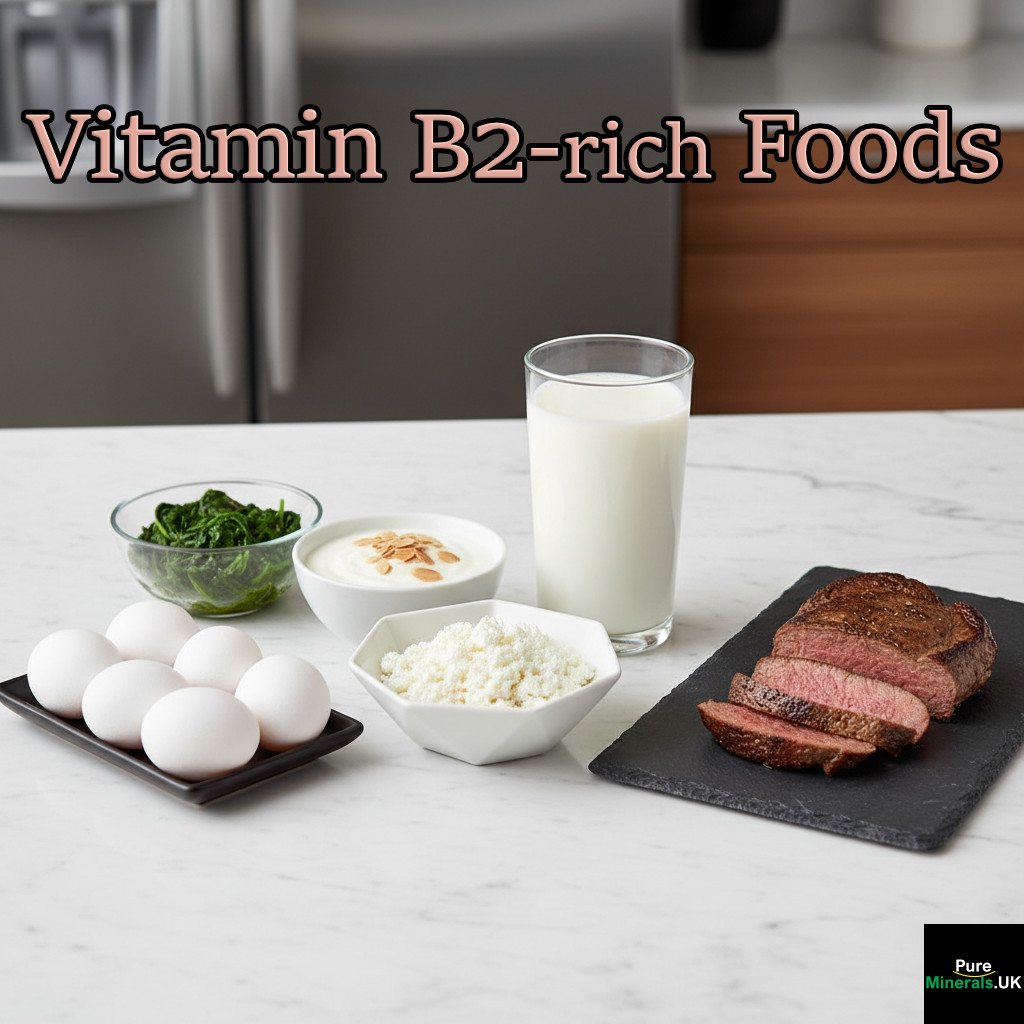
Richest Sources of Vitamin B2 (per 100g serving)
Beef Liver: 3.0mg (230% DV)
Lamb Liver: 2.8mg (215% DV)
Fortified Breakfast Cereals: 1.7mg (130% DV)
Almonds: 1.1mg (85% DV)
Natural Yogurt: 0.8mg (62% DV)
Eggs: 0.5mg (38% DV)
Spinach (cooked): 0.4mg (31% DV)
Milk: 0.4mg (31% DV)
Cottage Cheese: 0.4mg (31% DV)
Nature provides an abundance of riboflavin sources, making it relatively easy to meet your daily requirements through a varied diet. Both animal and plant foods contain this essential nutrient, though the concentration and bioavailability can vary significantly between sources. Understanding which foods deliver the most vitamin B2 per serving can help you make strategic dietary choices to optimize your levels.

Dairy products rank among the most reliable riboflavin sources in the typical Western diet. A single cup of milk provides about a quarter of the average adult’s daily requirement, while yogurt offers even higher concentrations. This explains why lactose intolerance or dairy avoidance can sometimes contribute to suboptimal vitamin B2 status without careful dietary planning.
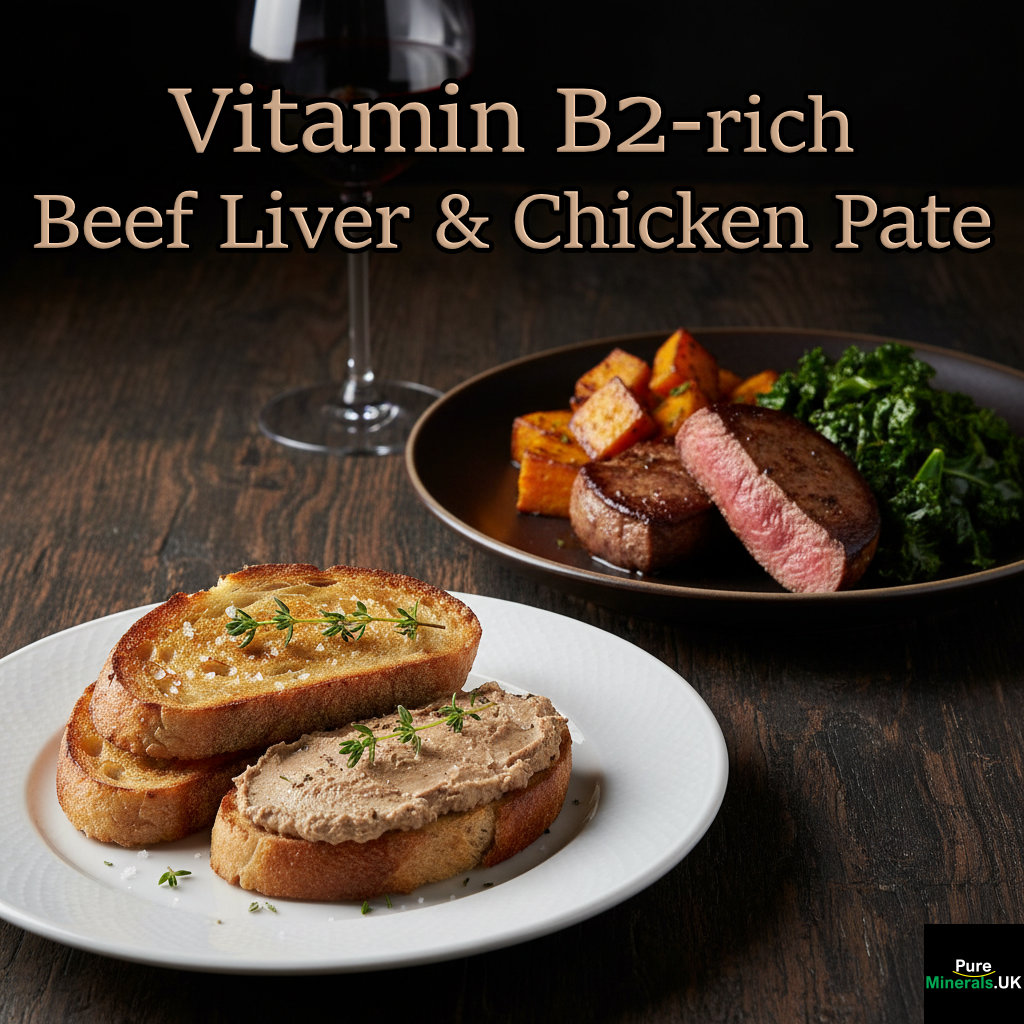
Meat—particularly organ meats like liver and kidney—contains exceptional concentrations of riboflavin. Just a three-ounce serving of beef liver supplies more than 200% of the daily value, making it one of the most potent natural sources available. Chicken liver pâté is rich in riboflavin because chicken liver is one of the best sources of this nutrient. A serving of chicken liver pâté can provide over 100% of the daily value for riboflavin. Regular consumption of eggs, lean meats, and poultry also contributes significantly to riboflavin intake for omnivores.
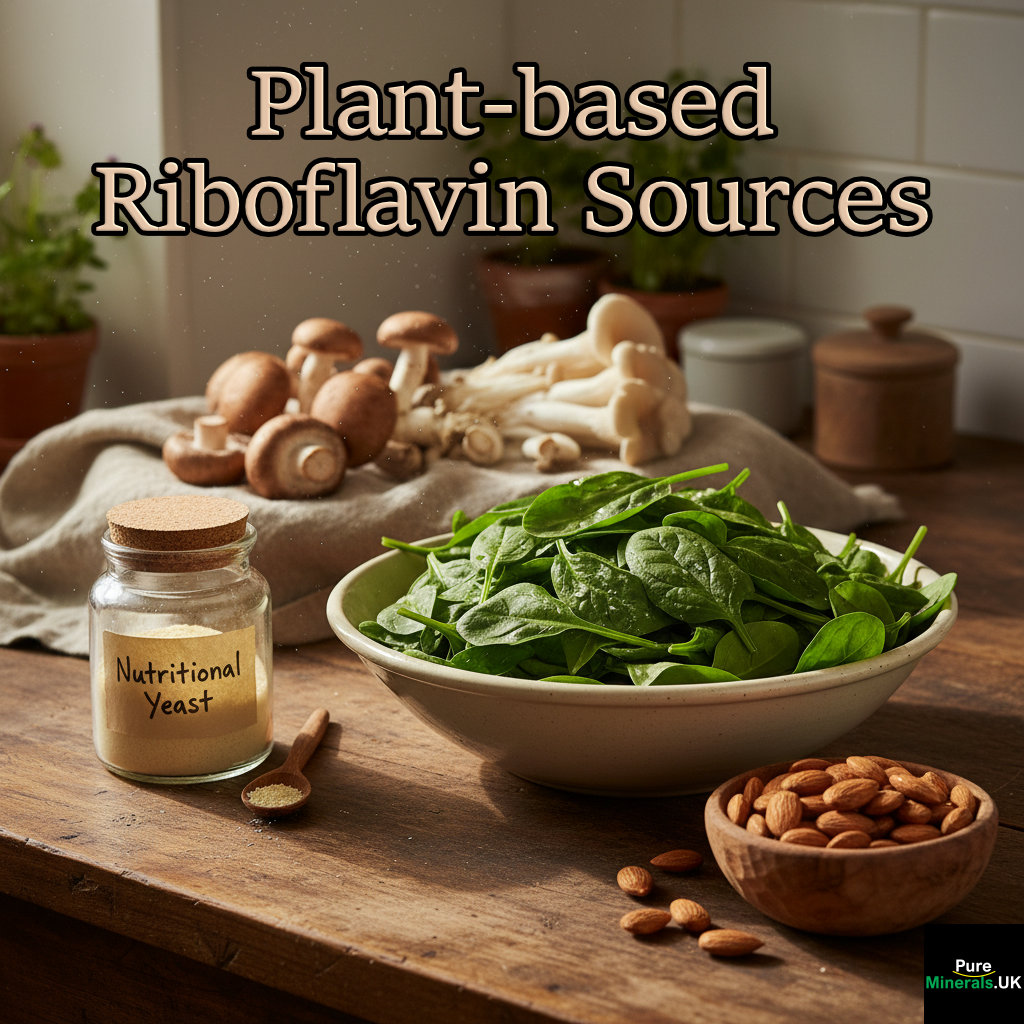
Plant foods generally contain lower concentrations of riboflavin compared to animal products, but several stand out as excellent sources. Dark leafy greens (especially spinach), mushrooms, almonds, and nutritional yeast provide substantial amounts of vitamin B2 per serving. For those following plant-based diets, combining these foods strategically helps ensure adequate intake without animal products.
Animal-Based Riboflavin Powerhouses
The animal kingdom provides the most concentrated sources of ready-to-use riboflavin. Organ meats top the list, with liver containing the highest levels—a single 3-ounce serving delivers several times the daily requirement. Dairy products follow closely, with milk, yogurt, and cheese providing substantial amounts in highly bioavailable forms. Eggs deserve special mention as well, with a single large egg providing about 15% of the daily value, primarily concentrated in the yolk. For those who consume seafood, certain varieties like mackerel, sardines, and clams offer respectable riboflavin content alongside their omega-3 fatty acids.
Plant-Based Options for Vegetarians and Vegans
Plant-based eaters can absolutely meet their riboflavin needs through strategic food choices. Leafy greens stand out as particularly valuable sources, with spinach, kale, and turnip greens leading the pack. Whole grains naturally contain modest amounts of vitamin B2, with the highest concentrations found in the germ and bran portions—making refined grain products significantly lower in this vital nutrient. Legumes, especially soybeans and their products like tempeh and tofu, provide reliable plant-based riboflavin.
Two exceptional plant sources deserve special attention. Nutritional yeast, a popular vegan flavor enhancer, contains substantial riboflavin—about two tablespoons provides around 9.7 mcg (almost 80% of the daily requirement). Additionally, almonds rank as the most riboflavin-rich nut, with a quarter-cup serving delivering about 25% of the daily value. For vegans concerned about vitamin B2 intake, incorporating these foods regularly makes meeting requirements entirely feasible.
Cooking Methods That Preserve Vitamin B2 Content
Riboflavin’s vulnerability to light exposure necessitates thoughtful food handling to maximize nutritional value. This light sensitivity explains why milk traditionally comes in opaque containers—exposure to sunlight or fluorescent lighting can destroy up to 50% of riboflavin content within just two hours. Store dairy products in light-resistant packaging and keep them in dark refrigerator compartments whenever possible. For maximum preservation, consume riboflavin-rich foods fresh rather than storing them for extended periods.
While cooking inevitably causes some nutrient loss, certain methods minimize riboflavin degradation. Steaming and microwaving typically preserve more vitamin B2 than boiling, as water-soluble vitamins leach into cooking water. When boiling riboflavin-rich vegetables, consider using the cooking liquid in soups or sauces to recapture some of the dissolved nutrients. Quick-cooking methods generally preserve more nutrients than extended cooking times, making stir-frying an excellent option for retaining maximum riboflavin content in vegetables. For more on maintaining nutrient levels, explore the benefits of selenium nutrition in your diet.
Correct Dosage: How Much Vitamin B2 Do You Actually Need?
Understanding your personal riboflavin requirements helps ensure you’re getting enough without unnecessary supplementation. The Recommended Dietary Allowance (RDA) for vitamin B2 varies by age, gender, and life stage, with most adults needing between 1.1 and 1.3 mg daily. Men generally require slightly more (1.3 mg) than women (1.1 mg) due to differences in average body size and composition. These recommendations increase during pregnancy (1.4 mg) and breastfeeding (1.6 mg) to support both maternal health and infant development.
Children’s requirements scale with growth, starting at 0.3 mg for infants and gradually increasing through childhood and adolescence. By the teenage years, requirements nearly match adult levels, reflecting the significant growth and development occurring during this period. Remember that these recommendations represent minimum amounts needed to prevent deficiency, not necessarily optimal intake for ideal health. Many nutrition experts suggest slightly higher intakes for those leading particularly active lifestyles or facing increased metabolic demands.
Daily Vitamin B2 Requirements by Age and Gender
Recommended Dietary Allowances (RDAs) for Riboflavin
Infants (0-6 months): 0.3 mg/day*
Infants (7-12 months): 0.4 mg/day*
Children (1-3 years): 0.5 mg/day
Children (4-8 years): 0.6 mg/day
Children (9-13 years): 0.9 mg/day
Boys (14-18 years): 1.3 mg/day
Girls (14-18 years): 1.0 mg/day
Men (19+ years): 1.3 mg/day
Women (19+ years): 1.1 mg/day
Pregnancy: 1.4 mg/day
Breastfeeding: 1.6 mg/day
*Adequate Intake (AI), not RDA
Signs You Might Need More Than the Vitamin B2 RDA
Certain conditions and lifestyle factors can increase your riboflavin requirements beyond standard recommendations. Physical activity significantly impacts vitamin B2 needs—athletes and those with physically demanding jobs may require up to 30% more riboflavin to support increased energy metabolism and muscle repair. Periods of growth, including childhood, adolescence, pregnancy, and lactation, naturally demand higher intake to support new tissue development and maintenance.
Several health conditions may warrant increased riboflavin intake. Those with malabsorption disorders like celiac disease or inflammatory bowel conditions often need higher amounts to compensate for reduced absorption efficiency. Individuals recovering from surgery, burns, or major illnesses benefit from additional riboflavin to support tissue repair and immune function. Additionally, certain medications—particularly antidepressants, anti-psychotics, anti-malarials, and some antibiotics—can interfere with riboflavin metabolism, potentially necessitating higher intake.
Vitamin B2 Supplements: When and How to Take Them
While obtaining nutrients from whole foods generally provides optimal bioavailability and complementary nutrients, supplements offer a valuable solution when dietary intake falls short. Riboflavin supplements come in various forms and potencies, allowing for personalized supplementation based on individual needs. Standard riboflavin supplements typically provide 25-100 mg per dose—well above the RDA but generally considered safe due to the vitamin’s water-solubility and efficient excretion of excess amounts.
For general wellness and prevention of deficiency, a B-complex supplement often proves more beneficial than isolated riboflavin. This approach honors the synergistic relationships between B vitamins that work together in many metabolic pathways. For specific therapeutic purposes, like migraine prevention, higher-dose riboflavin supplements (typically 400 mg daily) may be recommended under healthcare supervision. These therapeutic doses far exceed nutritional requirements but have shown beneficial effects in clinical studies with minimal risk of adverse effects.
Types of Riboflavin Supplements Available
Supplement manufacturers offer riboflavin in several forms, each with particular advantages. Standard riboflavin supplements provide the basic vitamin form at various potencies, typically ranging from 25-100 mg per capsule or tablet. For those concerned about absorption efficiency, riboflavin-5-phosphate supplements provide a pre-converted, active form that bypasses one metabolic step, potentially improving utilization in people with certain genetic variations or digestive limitations.
Beyond standalone riboflavin supplements, B-complex formulations and multivitamins offer comprehensive nutrient support with balanced ratios of related vitamins. These combination products typically contain riboflavin at or slightly above the RDA, supporting general wellness rather than addressing specific therapeutic goals. For those following plant-based diets, look for supplements labeled “vegan” to ensure the riboflavin comes from non-animal sources and the capsule materials contain no animal-derived ingredients like gelatin.
Best Times to Take Vitamin B2 for Maximum Absorption
Optimizing the timing and method of riboflavin supplementation can significantly impact its absorption and utilization. Most nutrition experts recommend taking riboflavin supplements with meals rather than on an empty stomach. Food enhances absorption by stimulating digestive processes and providing complementary nutrients that support B2 metabolism. Morning or midday supplementation often works best, as the energy-boosting properties may interfere with sleep if taken too late in the day.
Dividing larger doses into smaller amounts taken throughout the day can improve overall absorption compared to a single large dose. This approach maintains more consistent blood levels and reduces the amount excreted unused. For those taking multiple supplements, be aware that large doses of certain minerals like calcium, magnesium, and iron can potentially interfere with riboflavin absorption when taken simultaneously. Spacing these supplements by at least two hours often provides a practical solution to this potential interaction.
Potential Interactions with Medications
Several medication classes can affect riboflavin status or have their effectiveness altered by riboflavin supplementation. Certain antidepressants (particularly tricyclic antidepressants and MAO inhibitors) may reduce riboflavin absorption or increase requirements. Similarly, some antipsychotic medications, particularly phenothiazines like chlorpromazine, can increase riboflavin metabolism, potentially leading to higher needs. Proton pump inhibitors and other acid-reducing medications may impair riboflavin absorption by altering stomach acidity, a factor worth considering for long-term users of these medications. For more on related nutrients, you might explore vitamin B1 sources.
On the flip side, riboflavin supplements can sometimes affect medication effectiveness. The most documented interaction involves doxorubicin (a chemotherapy drug), where riboflavin may reduce treatment efficacy through specific metabolic pathways. Additionally, high-dose riboflavin supplements might theoretically reduce the effectiveness of certain antibiotics, including tetracyclines and fluoroquinolones, though clinical significance varies. Always consult with healthcare providers about potential supplement-medication interactions, particularly with prescribed medications for serious conditions.
Vitamin B2’s Teamwork with Other Nutrients
Riboflavin doesn’t work in isolation within your body—it functions as part of an intricate network of nutrients that support each other. This interconnectedness explains why balanced nutrition typically produces better results than isolated supplementation. Riboflavin particularly relies on adequate vitamin B6, folate, niacin, and iron to fulfill its metabolic roles effectively. Conversely, these nutrients depend on riboflavin for their activation and utilization.
The relationship between riboflavin and iron exemplifies this nutritional teamwork. B2 helps convert iron into forms your body can use efficiently, explaining why riboflavin deficiency can contribute to anemia even when iron intake seems adequate. Similarly, vitamin B2 participates in converting tryptophan (an amino acid) into niacin (vitamin B3), creating a nutritional bridge between protein consumption and B-vitamin availability. Understanding these relationships highlights why comprehensive nutrition typically produces better outcomes than focusing on single nutrients.
Beyond its relationships with other vitamins and minerals, riboflavin interacts with various antioxidant systems in your body. It helps regenerate glutathione—one of your body’s master antioxidants—and supports the enzyme systems that protect cells from oxidative damage. This protective function becomes particularly important during illness, stress, or increased metabolic demands when free radical production accelerates. The collaborative nature of these protective systems explains why diets rich in various antioxidant nutrients typically offer more protection than isolated supplements. Learn more about the role of selenium in nutrition and its antioxidant properties.
Riboflavin’s Key Nutrient Partners
Vitamin B6: Riboflavin helps convert B6 to its active form; together they support amino acid metabolism
Folate: B2 activates folate-dependent enzymes essential for DNA synthesis and repair
Vitamin B3 (Niacin): Riboflavin helps convert tryptophan to niacin when direct niacin intake is low
Iron: B2 supports iron absorption and utilization, preventing certain types of anemia
Zinc: Works with riboflavin in antioxidant enzyme systems and immune function
Vitamin B12: Functions alongside riboflavin in red blood cell formation and nervous system health
This synergistic relationship between nutrients explains why whole food sources of riboflavin typically produce better health outcomes than isolated supplements. Foods naturally rich in B2 generally contain complementary nutrients that enhance their absorption and utilization. This natural packaging of nutrients reflects evolutionary adaptations to support optimal metabolism and cellular function. While supplements certainly have their place, particularly for correcting deficiencies, prioritizing nutrient-dense whole foods provides the full spectrum of cofactors that maximize riboflavin’s benefits.
The B-Complex Connection
The B vitamins function as a collaborative team, with each member supporting the others in essential metabolic processes. Riboflavin plays a particularly central role by helping convert several other B vitamins into their active forms. It participates in activating vitamin B6 (pyridoxine) to pyridoxal-5-phosphate, its functionally active form necessary for protein metabolism and neurotransmitter production. Similarly, vitamin B2 supports the conversion of folate into its various active forms required for DNA synthesis and cell division. This interdependence explains why deficiencies rarely occur in isolation—inadequate riboflavin often cascades into functional deficiencies of other B vitamins even when their intake appears adequate.
Mineral Partnerships That Boost Vitamin B2 Effectiveness
Several minerals work alongside riboflavin to optimize metabolic function and energy production. Iron stands out as particularly significant, with riboflavin facilitating its conversion between different oxidation states necessary for oxygen transport and energy metabolism. This relationship explains why some cases of iron-deficiency anemia respond favorably to riboflavin supplementation alongside iron. The mineral zinc also partners with vitamin B2 in numerous enzyme systems, particularly those involved in antioxidant protection and immune function.
Magnesium deserves special mention for its extensive collaboration with riboflavin-dependent enzymes. Over 300 enzyme systems require magnesium, many of which also depend on FAD or FMN (riboflavin’s active forms) as cofactors. This partnership becomes particularly evident in energy metabolism, where magnesium and riboflavin work together to convert carbohydrates and fats into usable energy. For optimal metabolic function, ensuring adequate levels of both nutrients typically produces better results than focusing on either in isolation.
Unlock Your Body’s Full Potential with Balanced Vitamin B2 Levels
Maintaining optimal riboflavin status represents a foundational aspect of supporting your body’s energy production, cellular renewal, and protective mechanisms. By incorporating a variety of vitamin B2-rich foods into your daily meals and addressing factors that might increase your requirements, you provide your body with the enzymatic support needed for countless metabolic processes. Remember that balance remains key—riboflavin works as part of an intricate network of nutrients that support and enhance each other’s functions. For personalized guidance on optimizing your riboflavin intake based on your unique health situation, lifestyle, and goals, consider consulting with a qualified nutrition professional who can develop recommendations tailored to your specific needs.
Frequently Asked Questions
The complex role of riboflavin in human health generates many questions about its functions, sources, and therapeutic applications. The following answers address some of the most common inquiries about this essential nutrient, providing evidence-based information to help you make informed decisions about your nutrition. Keep in mind that while general guidelines apply to most people, individual variations in metabolism, health conditions, and lifestyle factors can influence your personal riboflavin requirements and response to supplementation.
For specific medical concerns or personalized recommendations, always consult with healthcare professionals who understand your complete health picture. They can provide targeted advice that considers your unique circumstances, potential medication interactions, and overall wellness goals.
Can vitamin B2 help with migraines?
Research supports riboflavin’s potential for migraine prevention in many sufferers. Multiple clinical trials have demonstrated that high-dose riboflavin supplementation (typically 400mg daily) can reduce migraine frequency and severity in some individuals. A landmark study published in the journal Neurology found that after three months of treatment, participants taking riboflavin experienced approximately 50% fewer migraine attacks compared to those taking a placebo. This benefit appears to build gradually, with maximum improvement typically observed after 2-3 months of consistent supplementation. For more information on related nutrients, you can explore trace minerals and their benefits.
The mechanism behind riboflavin’s antimigraine effects likely involves improving mitochondrial function in brain cells. Researchers theorize that migraines may partially result from energy deficits in certain brain regions, and by enhancing cellular energy production, riboflavin helps stabilize neurological function. This theory explains why consistent supplementation produces better results than as-needed usage—the benefit comes from improving baseline cellular metabolism rather than addressing acute symptoms.
While riboflavin shows promise for many migraine sufferers, individual results vary considerably. Some people experience dramatic reductions in frequency and intensity, while others notice more modest benefits or no improvement. Factors affecting response include migraine type, individual metabolism, concurrent treatments, and possibly genetic variations in riboflavin-metabolizing enzymes. For best results, most neurologists recommend giving riboflavin therapy at least three months before evaluating effectiveness.
For those considering riboflavin for migraine management, several practical considerations apply. The therapeutic dose (400mg) far exceeds nutritional requirements and should be taken under healthcare supervision. Some individuals experience better results when combining riboflavin with other preventive approaches like magnesium, CoQ10, and lifestyle modifications. Additionally, riboflavin serves as a complementary approach rather than a replacement for prescribed medications in cases of severe or complex migraine conditions.
- Start with 400mg daily, typically divided into two 200mg doses
- Allow 2-3 months for maximum benefit to develop
- Track migraine frequency, intensity, and duration to objectively assess results
- Consider combining with magnesium (400-600mg) and CoQ10 (100-200mg) for enhanced effects
- Continue effective preventive medications while adding riboflavin (discuss with your healthcare provider)
Does riboflavin cause the bright yellow color in urine?
Yes, the distinctive bright yellow or sometimes neon yellow-green color that appears in urine after taking B-complex supplements or multivitamins directly results from riboflavin. This water-soluble vitamin naturally has a yellow-orange color, and when consumed in amounts exceeding your body’s immediate needs, the excess is efficiently filtered by your kidneys and excreted in urine. This color change typically becomes noticeable with supplemental doses above 5-10mg and becomes particularly prominent with higher therapeutic doses like those used for migraine prevention. Importantly, this colorful phenomenon is completely harmless and simply represents your body’s normal processing of excess water-soluble vitamins—a vivid reminder of riboflavin’s efficient absorption and your kidneys’ proper filtration function.
Is it possible to get too much vitamin B2?
Safety Profile of Riboflavin Supplementation
No Tolerable Upper Intake Level (UL) established due to no observed adverse effects at high doses
No toxicity symptoms documented even at doses exceeding 400mg daily
Water-solubility ensures efficient excretion of excess amounts
High-dose therapy (400mg) for migraines shows excellent safety profile in clinical trials
Temporary harmless side effects may include bright yellow urine, mild digestive upset
Theoretical interactions with certain medications possible but rarely clinically significant
Riboflavin stands out among vitamins for its exceptional safety profile. Unlike fat-soluble vitamins that can accumulate to potentially toxic levels in body tissues, water-soluble vitamin B2 gets efficiently excreted when intake exceeds needs. This self-regulating mechanism has led researchers and regulatory bodies to conclude that riboflavin has no established Tolerable Upper Intake Level (UL)—meaning no maximum daily intake level has been identified where adverse effects begin to appear. Even therapeutic doses used for migraine prevention (typically 400mg daily, or roughly 300 times the RDA) have demonstrated excellent safety profiles in clinical trials lasting several months.
While true toxicity appears virtually non-existent, some individuals may experience mild side effects with high-dose supplementation. Occasional digestive discomfort, including diarrhea or increased urination, has been reported with very large doses. Some people notice temporary itching, numbness, burning, or prickling sensations, particularly when initiating high-dose therapy. These effects typically resolve as the body adjusts to the higher intake levels. For most people, the only noticeable “side effect” remains the characteristic bright yellow urine—a harmless indicator of efficient riboflavin processing.
Despite this favorable safety profile, reasonable caution remains advisable. Those with rare genetic disorders affecting riboflavin metabolism should consult healthcare providers before high-dose supplementation. Similarly, individuals taking medications with potential interactions (particularly certain antibiotics, antipsychotics, or chemotherapy drugs) should seek medical guidance. Pregnant women should generally avoid exceeding recommended prenatal vitamin doses without specific medical direction, though no adverse effects have been documented at higher intakes.
How quickly can I notice improvements after correcting a vitamin B2 deficiency?
The timeline for experiencing benefits after addressing riboflavin deficiency varies considerably depending on deficiency severity, dosage used, individual metabolism, and the specific symptoms being monitored. For mild deficiencies, some people report improved energy levels and reduced fatigue within days of beginning supplementation. Visual symptoms like reduced light sensitivity and eye fatigue often improve within 1-2 weeks. Skin manifestations, including cracking at the corners of the mouth, dermatitis, and inflammation of the tongue, typically begin resolving after 2-4 weeks of consistent supplementation.
More significant deficiencies may require 1-3 months for complete resolution, particularly for symptoms involving tissue repair and regeneration. For best results, nutrition experts generally recommend continuing supplementation for at least 1-2 months beyond symptom resolution to fully replenish body stores and support optimal enzyme function.
Can children take vitamin B2 supplements?
Children can safely take riboflavin supplements when properly dosed according to age and weight, though dietary sources should always be the first approach for meeting nutritional needs. Pediatric multivitamins typically contain age-appropriate riboflavin amounts that align with established RDAs for different developmental stages. These formulations have excellent safety records when used as directed and can help bridge nutritional gaps for picky eaters or children with restricted diets. For specific conditions like migraine headaches in children, higher therapeutic doses may sometimes be recommended under pediatric healthcare supervision.
Parents should recognize that children’s riboflavin requirements change throughout development. Infants need as little as 0.3-0.4mg daily, while requirements gradually increase through childhood and adolescence, eventually reaching adult levels during the teenage years. Most children with access to varied diets that include dairy products, enriched grains, eggs, and lean meats naturally consume adequate riboflavin without supplementation. However, certain situations may warrant supplemental support, including restricted diets (particularly dairy-free or vegan approaches), malabsorption conditions, or increased metabolic demands during rapid growth phases or recovery from illness.
When supplementation becomes necessary, several practical considerations can guide appropriate use. Choose pediatric-specific formulations with precise, age-appropriate dosing rather than breaking or crushing adult supplements. Look for clean formulations without unnecessary additives, artificial colors, or excessive sugar content. For children who cannot swallow tablets, liquid formulations or chewable options offer convenient alternatives. Most importantly, store all supplements safely out of children’s reach, as the appealing colors and flavors of children’s vitamins can lead to accidental overconsumption if accessible.