

Published: 19 November 2025
Last Updated: 25 February 2026
This article is periodically reviewed and updated to reflect current scientific understanding by George Wesler.
Fact-Checked: 2 other authoritative medical/scientific references. See our Editorial Policy.

Updated 19 November 2025 with further information about turmeric.
What Is Turmeric and Why Is It Valued for Its Golden Colour, Distinct Earthy Aroma, and Traditional Anti-Inflammatory and Digestive Benefits?
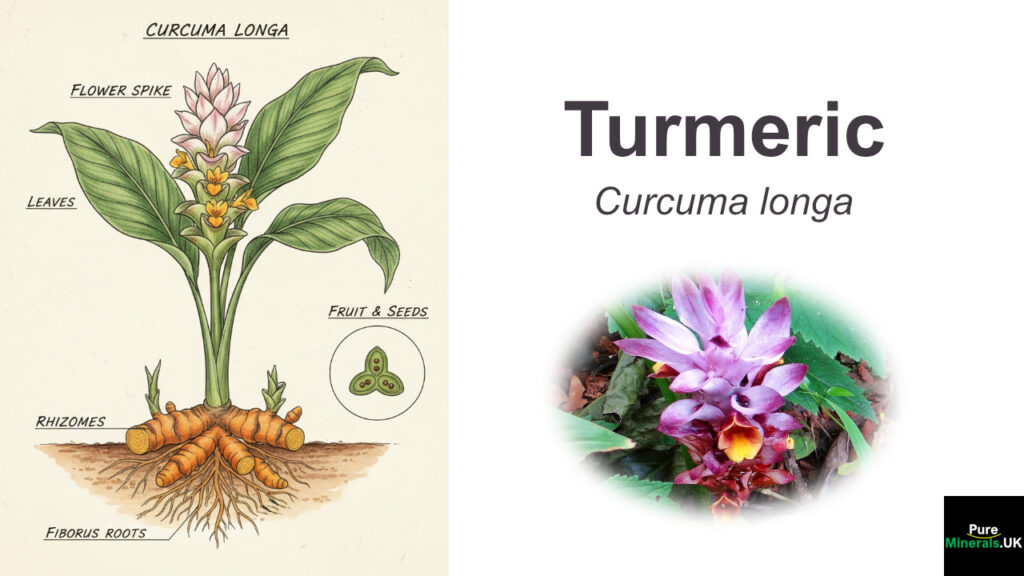
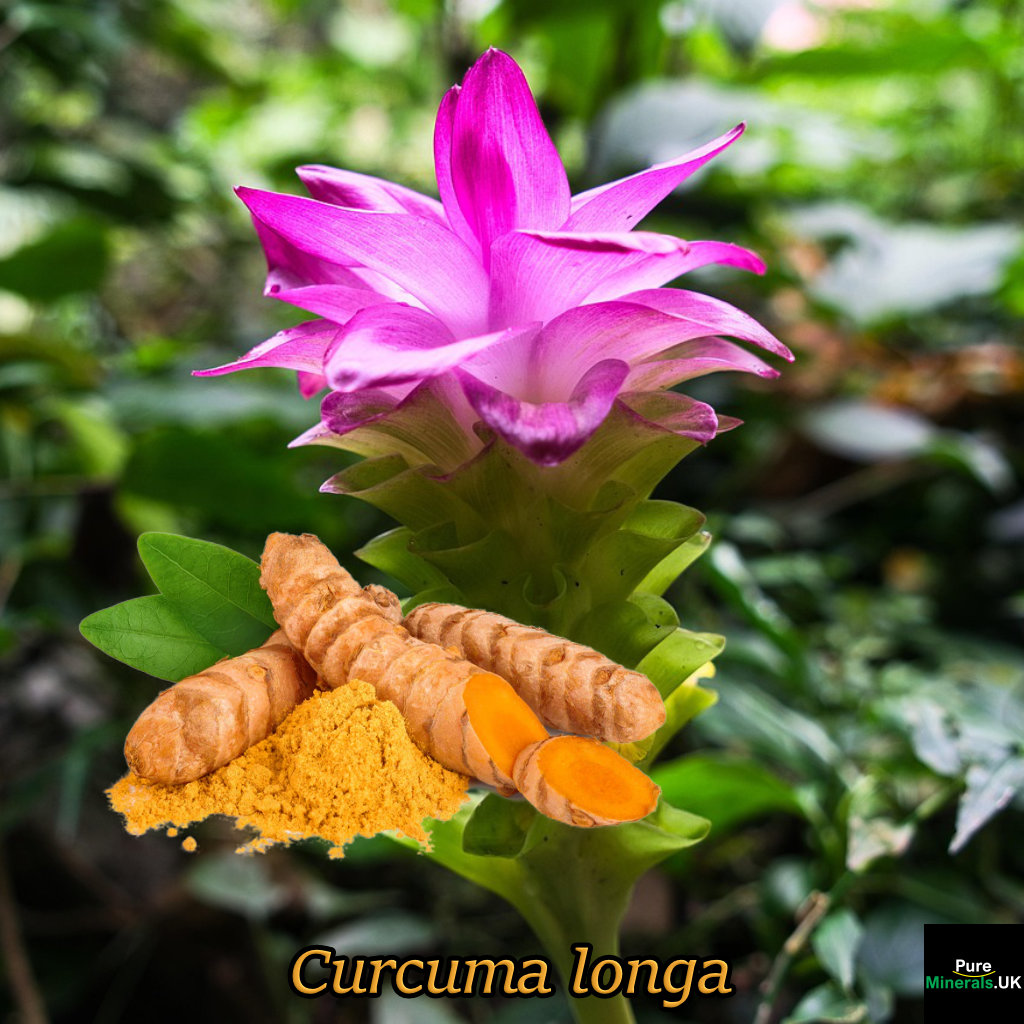
Turmeric (Curcuma longa) is a bright yellow rhizome renowned for its warm, earthy flavour and long-standing use in supporting digestion, joint comfort, and overall wellness. Rich in curcuminoids—especially curcumin—turmeric has been a central spice and herbal remedy in South Asian traditions for centuries, appearing in curries, teas, tonics, and natural health preparations.
Definition:
Turmeric is a perennial plant in the Zingiberaceae (ginger) family, cultivated primarily for its underground rhizomes. These contain curcumin, demethoxycurcumin, bisdemethoxycurcumin, and volatile oils that contribute to its colour, aroma, and traditional wellness effects. Turmeric is used fresh or dried in culinary dishes, herbal infusions, and supplemental preparations.
Key Facts:
- Botanical name: Curcuma longa
- Family: Zingiberaceae
- Parts used: Rhizome (fresh, dried, powdered)
- Primary compounds: Curcumin, demethoxycurcumin, bisdemethoxycurcumin, essential oils
- Flavour/aroma profile: Earthy, warm, slightly bitter, mildly peppery
- Primary functions: Anti-inflammatory support, digestive aid, antioxidant activity
- Traditional regions: India, Southeast Asia
Key Takeaways
- Turmeric contains curcumin, a powerful anti-inflammatory compound that can match the effectiveness of some pharmaceutical drugs without the harsh side effects.
- Boosting turmeric absorption is essential – combining it with black pepper enhances bioavailability by up to 2000%, while consuming it with healthy fats maximizes its benefits.
- Beyond inflammation, turmeric offers remarkable benefits for joint health, digestion, brain function, heart health, and skin conditions.
- Daily consumption of 500-1000mg of curcumin (with proper absorption enhancers) is typically recommended for therapeutic effects.
- While generally safe, turmeric may interact with blood thinners, diabetes medications, and acid-reducers, making consultation with healthcare providers important.
NOTE: The bioavailability of curcumin can be substantially boosted by adding a pinch of black pepper together with turmeric powder.
Turmeric, sometimes known as the “Golden Spice” because of its distinctive yellow-orange hue, is the powdered spice that gives curry its bright yellow appearance. Turmeric root powder is obtained from the rhizome, or rootstalk, of the Curcuma longa plant, which is then ground into a fine powder for increased bioavailability. A member of the ginger family, turmeric can be found growing wild in Southeast Asia, the Indian Subcontinent, and Hawaii. Turmeric plants thrive in humid, tropical climates, producing the tasty, nutrient-dense spice.
That vibrant yellow powder sitting in your spice cabinet might be doing a lot more than adding color to your curry. Turmeric, with its active compound curcumin, has been quietly revolutionizing natural health approaches for thousands of years.
As modern research catches up with ancient wisdom, the benefits of this golden spice are becoming impossible to ignore. Its remarkable ability to combat inflammation sits at the heart of most of its healing properties—making turmeric one of nature’s most powerful tools for promoting whole-body wellness.
Researching natural anti-inflammatory compounds shows turmeric outperforming many other botanical remedies for chronic pain and inflammation reduction.
The Ancient Golden Healer: What Makes Turmeric Special
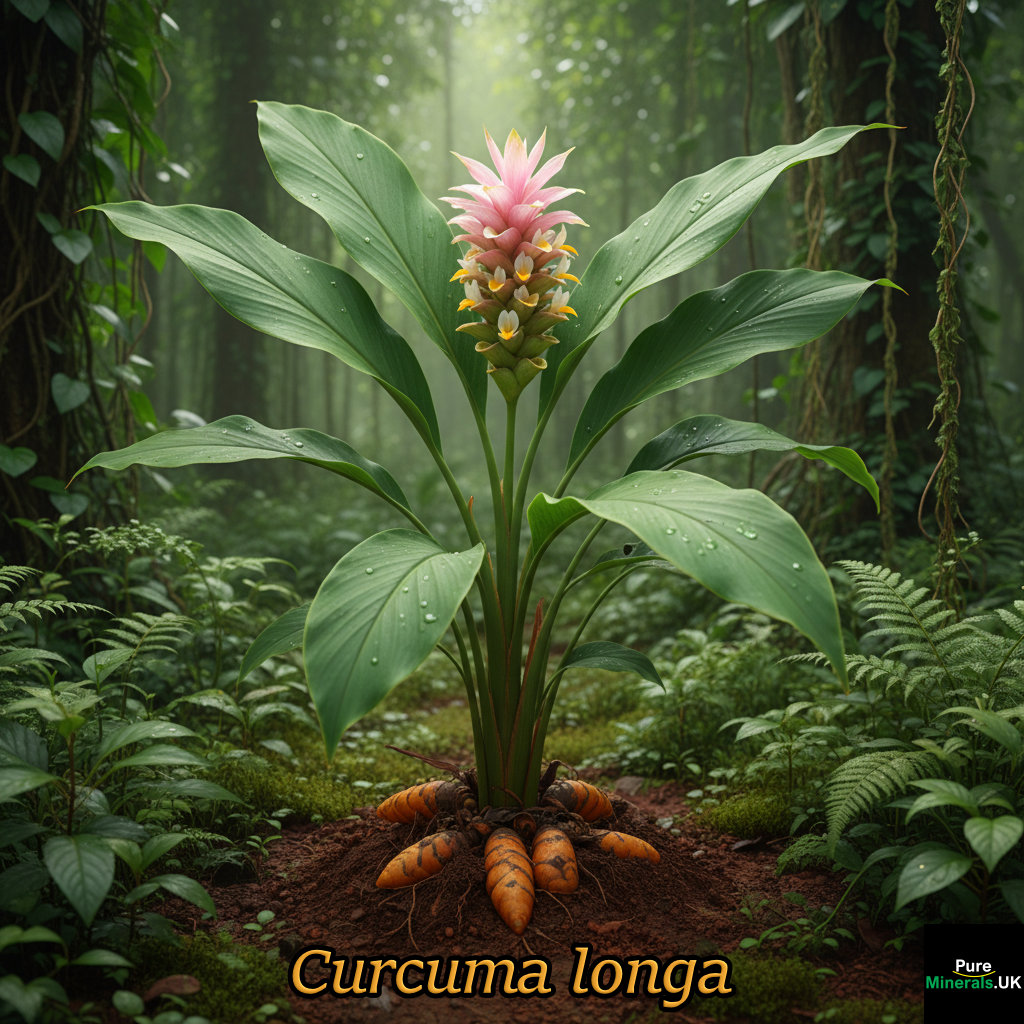
Turmeric (Curcuma longa) has a storied history stretching back nearly 4,000 years in Indian Ayurvedic medicine. This vibrant rhizome, related to ginger, was used not only as a culinary staple but as a treatment for respiratory issues, digestive disorders, pain, and countless other ailments. What ancient healers understood through observation, modern science now confirms through rigorous study. Learn more about related spices like sumac and their uses in traditional medicine.
The magic of turmeric lies primarily in curcumin, the polyphenol compound that gives the spice its characteristic golden hue. Though curcumin makes up only about 3-5% of turmeric by weight, this powerful compound is responsible for most of the spice’s impressive health benefits. It’s worth noting that turmeric contains over 200 additional active compounds that work synergistically with curcumin, often providing benefits that isolated curcumin supplements cannot.
What makes turmeric truly exceptional is its remarkable safety profile. Unlike many pharmaceutical anti-inflammatories that can damage the liver, kidneys, or digestive tract with long-term use, turmeric has been consumed daily in many cultures for generations with minimal side effects. This combination of potency and gentleness makes it an increasingly popular option for those seeking natural alternatives for managing chronic conditions.
How Turmeric Fights Inflammation in Your Body
Inflammation isn’t inherently bad – it’s your body’s natural response to injury and infection. When you cut your finger or catch a cold, acute inflammation helps heal tissues and fight pathogens. The problem arises when inflammation becomes chronic, silently damaging healthy tissues throughout your body and potentially leading to serious disease.
Turmeric tackles inflammation through multiple pathways simultaneously. While most anti-inflammatory drugs target just one or two inflammation pathways, curcumin works on several molecular targets, making it particularly effective at addressing complex inflammatory conditions.
The Science Behind Curcumin’s Anti-Inflammatory Properties
At the molecular level, curcumin blocks NF-kB, a molecule that travels into cell nuclei and triggers genes related to inflammation. NF-kB is believed to play a major role in many chronic diseases, and curcumin’s ability to suppress its activity helps explain why the spice has such wide-ranging health benefits. Additionally, curcumin inhibits enzymes like COX-2 and 5-LOX that promote inflammation, and it reduces the production of inflammatory cytokines – the signaling molecules that tell your body to ramp up its inflammatory response. This multi-targeted approach is what makes turmeric such a powerful anti-inflammatory agent compared to single-action pharmaceutical drugs.
How Turmeric Compares to Over-the-Counter Anti-Inflammatory Drugs
Several clinical studies have found curcumin to be comparable to non-steroidal anti-inflammatory drugs (NSAIDs) like ibuprofen for managing certain inflammatory conditions. In one noteworthy study with arthritis patients, curcumin improved symptoms more effectively than diclofenac sodium (a common prescription NSAID), while producing none of the stomach discomfort often associated with NSAID use. Unlike NSAIDs, which can damage the gut lining and increase intestinal permeability with regular use, turmeric actually supports gut health – making it a gentler option for long-term inflammation management. For more natural remedies, you might also explore the benefits of saffron in supporting overall health.
The Connection Between Chronic Inflammation and Disease
Scientists now recognize chronic inflammation as a common denominator in most age-related diseases, including heart disease, diabetes, Alzheimer’s, and even cancer. By addressing this underlying inflammation, turmeric may help reduce disease risk on multiple fronts simultaneously. Research suggests that populations with high turmeric consumption have noticeably lower rates of certain inflammatory diseases. In India, where turmeric is consumed daily, Alzheimer’s rates are among the lowest in the world – about 4.4 times lower than in the United States, where turmeric consumption is minimal.
7 Health Benefits of Turmeric Beyond Inflammation
- Joint pain relief and arthritis management
- Digestive system support and gut health
- Brain function enhancement and mood regulation
- Heart disease prevention and improved circulation
- Skin health improvement and anti-aging effects
- Potential cancer prevention and complementary treatment
- Immunity support and antioxidant protection
While turmeric’s anti-inflammatory effects are well-documented, this golden spice offers a much broader spectrum of health benefits. Its therapeutic potential spans virtually every system in the body, making it one of nature’s most versatile healing agents.
Many of these benefits stem from curcumin’s dual role as both an anti-inflammatory and a powerful antioxidant. By neutralizing free radicals while also suppressing inflammatory pathways, turmeric helps address the root causes of many chronic conditions rather than just masking symptoms.
Research continues to uncover new potential applications for this ancient remedy, with promising studies suggesting benefits for conditions ranging from metabolic syndrome to autoimmune disorders. The most robust evidence, however, centers around several key areas where turmeric consistently demonstrates therapeutic effects.
Joint Pain Relief and Arthritis Management
For those suffering from joint pain and stiffness, turmeric offers particularly compelling benefits. Multiple clinical trials have shown that curcumin can reduce pain and improve physical function in people with osteoarthritis almost as effectively as ibuprofen. In rheumatoid arthritis patients, curcumin has been shown to reduce joint swelling and tenderness while decreasing inflammatory markers in the blood. Most impressively, these benefits come without the digestive, cardiovascular, and renal risks associated with conventional anti-inflammatory medications.
The joint-protective effects of turmeric extend beyond symptom management to potentially address underlying disease processes. Research suggests curcumin may help preserve joint structure by protecting cartilage from degradation and even stimulating new cartilage production in some cases. This makes it not just a pain reliever but potentially a disease-modifying treatment for those with arthritis.
Digestive System Support
Turmeric has been used for centuries to aid digestion, and modern research confirms its benefits for gut health. The spice stimulates bile production in the liver, which helps break down dietary fats and supports healthy digestion. For those with digestive disorders like irritable bowel syndrome (IBS), inflammatory bowel disease (IBD), or acid reflux, turmeric’s anti-inflammatory properties can help reduce gut inflammation and associated symptoms. Additionally, the saffron spice is also known for its digestive benefits and can complement turmeric’s effects.
Perhaps most promising is turmeric’s potential to support a healthy gut microbiome – the trillions of beneficial bacteria that influence everything from digestion to immunity and even mental health. Studies show that curcumin can promote the growth of beneficial gut bacteria while inhibiting the growth of pathogenic species, essentially acting as a prebiotic. This microbiome-balancing effect may explain why regular turmeric consumption is associated with lower rates of digestive disorders in populations where it’s a dietary staple.
Brain Health and Mood Enhancement
The connection between turmeric and brain health is one of the most exciting areas of current research. Curcumin crosses the blood-brain barrier, allowing it to directly interact with brain cells and exert neuroprotective effects. It boosts levels of brain-derived neurotrophic factor (BDNF), a growth hormone that helps brain cells form new connections and may delay or even reverse brain diseases and age-related decreases in brain function. Low BDNF levels have been linked to conditions like depression and Alzheimer’s disease, which may explain why curcumin supplementation has shown promise for both.
In studies on depression, curcumin has performed comparably to some antidepressant medications, particularly for mild to moderate depression. Its ability to boost serotonin and dopamine levels while reducing inflammation in the brain may account for these mood-enhancing effects. For cognitive function, both short and long-term studies suggest that regular curcumin consumption can improve memory and attention in both healthy adults and those experiencing age-related cognitive decline. Learn more about the benefits of saffron, another spice known for its potential mood-enhancing properties.
Heart Disease Prevention
Cardiovascular disease remains the world’s leading cause of death, and turmeric addresses multiple risk factors simultaneously. It improves endothelial function (the health of the thin membrane that covers the inside of the heart and blood vessels), which is critical for regulating blood pressure and preventing blood clotting. Research shows curcumin supplementation can reduce total cholesterol, LDL (“bad”) cholesterol, and triglycerides while increasing HDL (“good”) cholesterol – changes associated with reduced heart disease risk.
Beyond these traditional risk factors, turmeric also combats the oxidative stress and inflammation that contribute to atherosclerosis (plaque buildup in arteries). By addressing these root causes, regular turmeric consumption may help prevent the progression of heart disease rather than simply managing symptoms after they develop.
Skin Health Improvement
Turmeric’s benefits extend to our largest organ – the skin. Its anti-inflammatory and antioxidant properties make it effective for conditions like psoriasis, eczema, and acne. When applied topically, turmeric can accelerate wound healing, reduce scarring, and even diminish hyperpigmentation due to its ability to inhibit excess melanin production. For aging skin, curcumin helps protect against UV damage and environmental pollutants that accelerate the appearance of fine lines and wrinkles.
Why Most People Don’t Get Turmeric’s Benefits – And How To Fix It
- Poor absorption of curcumin in its natural state
- Rapid metabolism and elimination from the body
- Inadequate dosage in typical culinary use
- Lack of proper absorption enhancers
- Inconsistent supplement quality and formulation
Despite turmeric’s impressive potential, there’s a significant catch – your body struggles to absorb and utilize curcumin effectively. This poor bioavailability is why many people don’t experience noticeable benefits from simply adding turmeric to their food occasionally or taking basic supplements. Understanding and overcoming these absorption barriers is crucial for unlocking turmeric’s therapeutic potential.
In its natural state, curcumin is poorly absorbed in the intestinal tract, rapidly metabolized by the liver, and quickly eliminated from the body. Studies show that after oral consumption, blood levels of curcumin remain very low – often too low to exert therapeutic effects. This explains why traditional cultures developed specific ways of preparing turmeric that enhance its bioavailability.
Fortunately, several simple strategies can dramatically increase how much curcumin your body absorbs and utilizes. These approaches aren’t just theoretical – they’re backed by research showing significant increases in blood levels of curcumin when properly implemented. By addressing the bioavailability issue, you can maximize turmeric’s health benefits even at lower doses.
The Bioavailability Problem
The primary reason curcumin is poorly absorbed is its hydrophobic nature – it doesn’t dissolve well in the water-based environment of your digestive tract. Additionally, curcumin molecules are relatively large and struggle to pass through the intestinal wall into the bloodstream. Once in the bloodstream, curcumin is quickly metabolized by the liver and eliminated before it can reach tissues throughout the body. In one revealing study, participants consumed 2 grams of curcumin powder, but their blood tests showed almost undetectable levels – clear evidence of this bioavailability challenge.
Modern research has identified specific compounds that can dramatically enhance curcumin absorption by addressing these barriers. When combined with these bioavailability enhancers, studies show curcumin levels in the blood can increase by as much as 2,000%, making therapeutic effects much more achievable. This is why simply sprinkling turmeric on food occasionally typically won’t produce significant health benefits.
Black Pepper: The Essential Companion to Turmeric
Black pepper contains piperine, a compound that inhibits the liver enzymes that would otherwise rapidly break down curcumin. This simple addition can increase curcumin bioavailability by an astonishing 2,000%. This powerful synergy explains why traditional curry recipes almost always contain both turmeric and black pepper. Even a small amount – just a quarter teaspoon of black pepper – is enough to significantly boost absorption when consumed alongside turmeric.
Beyond piperine’s enzyme-inhibiting effects, it also stimulates the digestive tract to more efficiently absorb curcumin and other nutrients. This two-pronged approach to enhancing bioavailability makes black pepper perhaps the most important addition to any turmeric regimen. High-quality turmeric supplements almost always contain piperine or its standardized extract, BioPerine®, to leverage this powerful synergy.
Fat-Soluble Nature: Why to Take Turmeric with Meals
As a fat-soluble compound, curcumin dissolves in oil rather than water, which means consuming it with healthy fats dramatically increases absorption. When mixed with fats like coconut oil, olive oil, or avocado, curcumin can form tiny droplets called micelles that facilitate passage through the intestinal membrane and into the lymphatic system, bypassing immediate liver metabolism. This explains the traditional practice of combining turmeric with ghee (clarified butter) in Indian cooking and why golden milk recipes typically include coconut oil or other healthy fats. For maximum benefit, always consume turmeric with a meal containing some healthy fats or specifically add a fat source to your turmeric preparation.
How Much Turmeric Do You Need Daily?
Finding the right turmeric dosage can be challenging since needs vary based on your health goals and individual factors. Most research showing therapeutic benefits has used curcumin doses ranging from 500-2,000mg daily, which is significantly more than you’d typically consume through diet alone. A teaspoon of ground turmeric contains approximately 200mg of curcumin—meaning you’d need multiple tablespoons daily to reach therapeutic levels through cooking alone. For those interested in exploring other herbs, you might consider learning about saffron and its benefits.
For general wellness and preventative benefits, lower doses around 500mg of curcumin daily may be sufficient when properly absorbed. For managing specific conditions like arthritis or inflammatory bowel disease, higher doses of 1,000-1,500mg daily, split into multiple doses, often show better results in clinical studies. Remember that these recommendations refer to curcumin content, not total turmeric powder, which contains only about 3-5% curcumin by weight.
Effective Dosage Guidelines for Different Conditions
Research indicates that optimal dosages vary significantly depending on what you’re trying to address. For osteoarthritis, studies show benefits at 500mg of curcumin taken twice daily. Those seeking cognitive benefits might need 400-500mg daily, while digestive issues may respond to as little as 375mg taken three times daily. For serious inflammatory conditions, doses up to 2,000mg daily have been used in clinical settings. Start with a lower dose and gradually increase to find your optimal level, paying attention to how your body responds. For more information on herbal remedies, consider exploring the benefits of sage.
Timing also matters—curcumin has a relatively short half-life in the body, meaning benefits may be greater when divided into multiple doses throughout the day rather than taking everything at once. This approach helps maintain more consistent blood levels of the active compounds. Taking your turmeric supplement with or just after meals containing healthy fats will maximize absorption regardless of when you choose to take it.
Supplements vs. Whole Turmeric Root
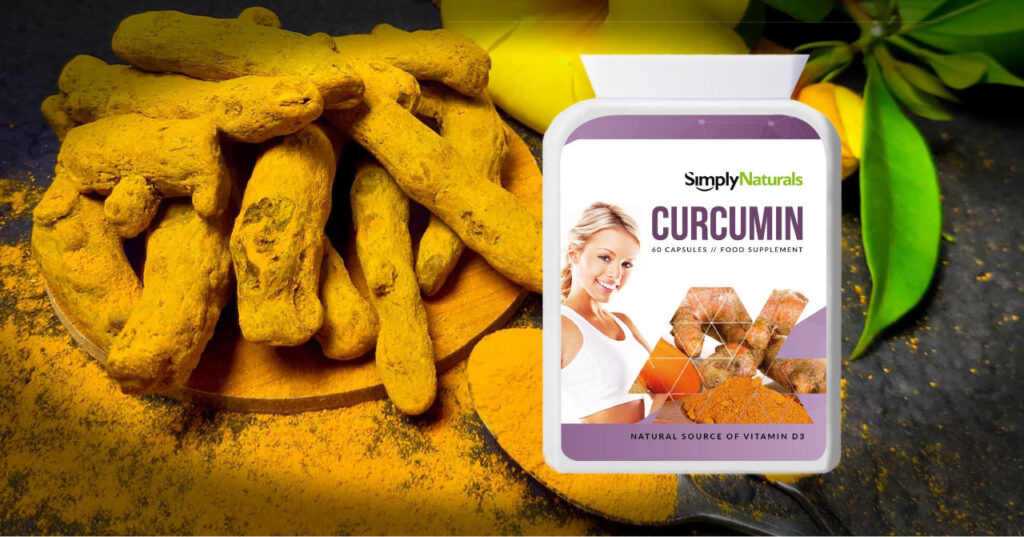
While supplements offer convenience and higher concentrations of curcumin, whole turmeric contains hundreds of beneficial compounds beyond curcumin that work synergistically. Some evidence suggests these additional compounds may provide benefits that isolated curcumin cannot. High-quality supplements often use turmeric extract standardized to contain 95% curcuminoids, providing a concentrated dose that would be difficult to achieve through diet alone. Many advanced formulations also include bioavailability enhancers like black pepper extract or phospholipid complexes that dramatically improve absorption.
The best approach may be complementary—using turmeric liberally in cooking for its full spectrum of beneficial compounds while supplementing with a high-quality curcumin product that ensures therapeutic levels of the most active ingredient. This gives you both the concentrated curcumin and the benefit of turmeric’s many other bioactive compounds. Look for supplements that clearly state curcuminoid content and include specific bioavailability enhancers on the label.
Delicious Ways to Add Turmeric to Your Daily Diet
Incorporating turmeric into your daily diet doesn’t have to mean endless curry dishes. This versatile spice can be integrated into a wide variety of foods and beverages, making daily consumption both easy and enjoyable. While dietary turmeric alone may not provide therapeutic levels of curcumin, it certainly contributes to your overall intake and provides numerous benefits from the whole spectrum of compounds in the spice.
1. Golden Milk: The Traditional Healing Drink
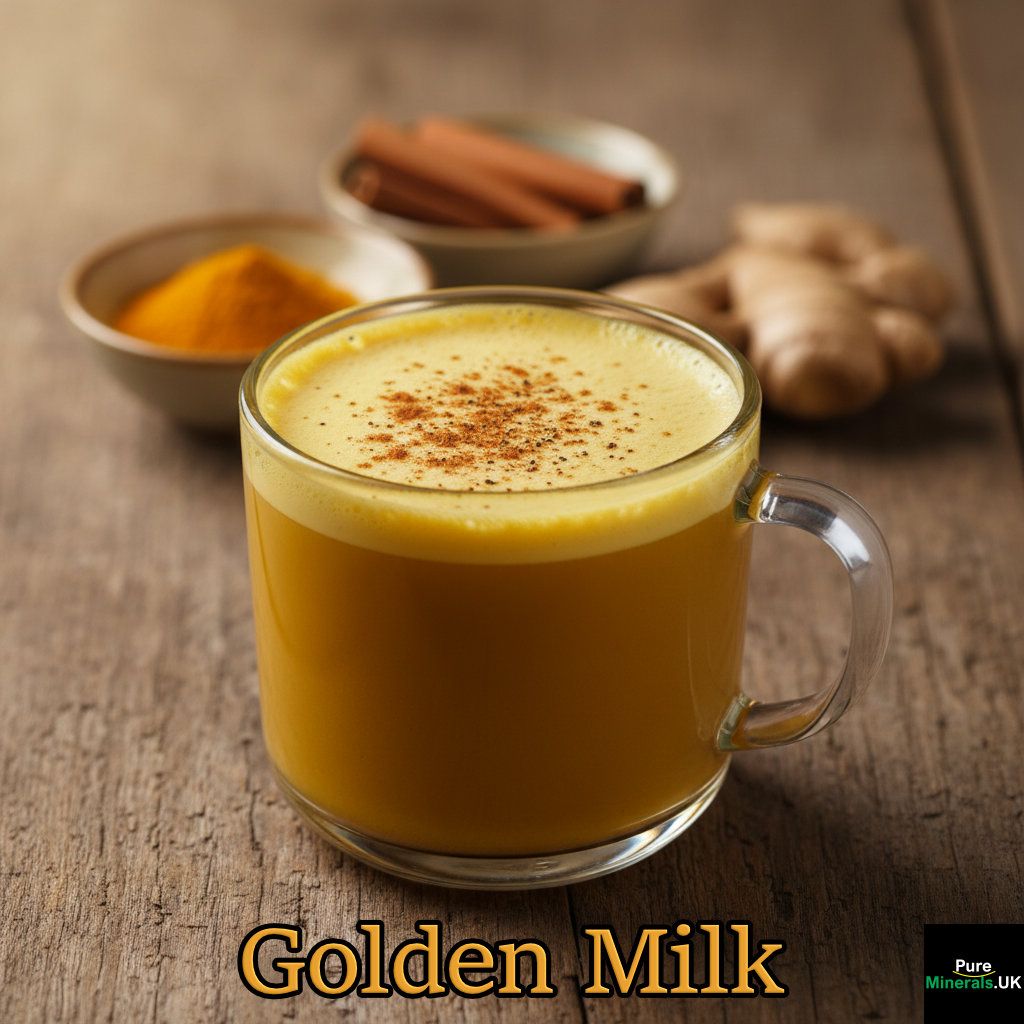
Golden milk, or turmeric latte, combines the bioavailability-boosting powers of both fat and black pepper in one delicious beverage. The traditional recipe includes warming spices that complement turmeric’s earthy flavor while adding their own health benefits. To make golden milk, warm 1 cup of milk (dairy or plant-based) with ½ teaspoon turmeric powder, a pinch of black pepper, ¼ teaspoon cinnamon, a small piece of grated ginger, and a teaspoon of honey or maple syrup. For enhanced absorption, add ½ teaspoon of coconut oil or ghee. This soothing drink is perfect before bed, as curcumin may help promote healthy sleep patterns while reducing inflammation overnight.
2. Anti-Inflammatory Turmeric Smoothies
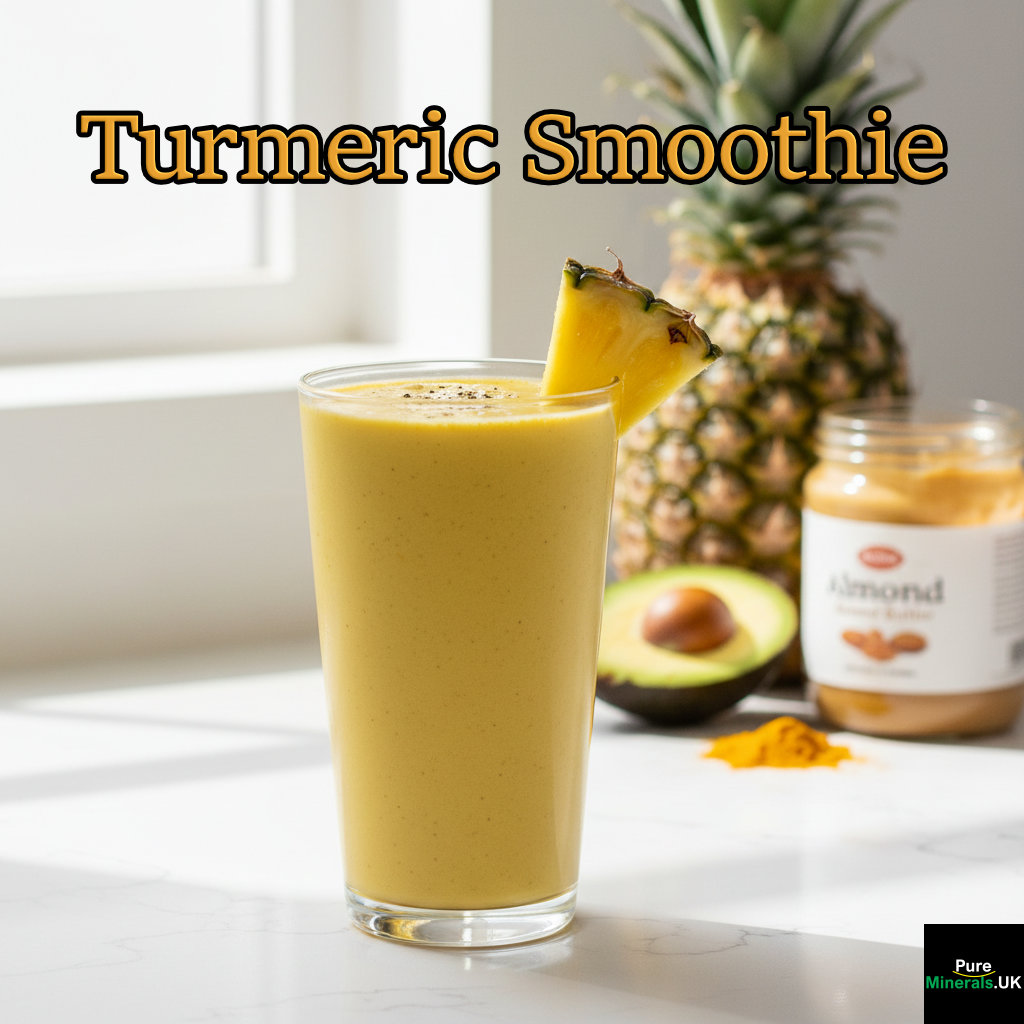
Morning smoothies offer another excellent opportunity to incorporate turmeric. The natural fats in ingredients like avocado, nut butter, or full-fat yogurt help maximize curcumin absorption. Try blending 1 cup of pineapple (which contains bromelain, another absorption enhancer), half an avocado, 1 teaspoon of turmeric, a pinch of black pepper, a tablespoon of almond butter, and your choice of liquid base. The sweetness of the fruit effectively masks turmeric’s stronger flavors, making this an excellent option for those new to the spice.
3. Cooking with Turmeric: Beyond Curry
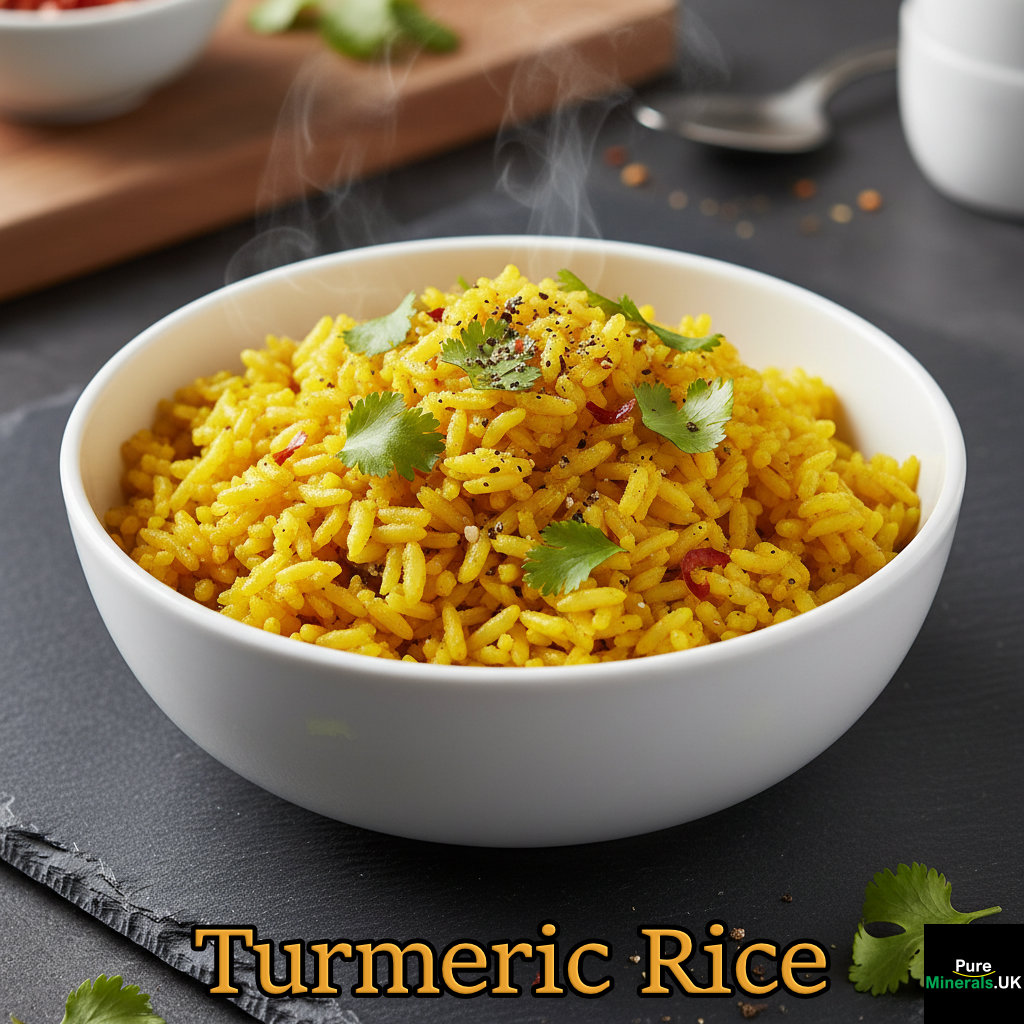
Turmeric’s earthy flavor profile works surprisingly well in many dishes beyond traditional Indian cuisine. Add it to scrambled eggs or tofu, blend it into salad dressings with olive oil, stir it into soups and stews, or mix it into rice while cooking. For a simple turmeric rice, sauté 1 teaspoon of turmeric with 1 cup of rice before adding water and cooking as usual. The possibilities are nearly endless—turmeric can enhance roasted vegetables, grain bowls, and even baked goods like muffins or energy bars. Combining turmeric with black pepper and some form of healthy fat in these recipes will maximize the bioavailability of its beneficial compounds.
4. DIY Turmeric Teas and Elixirs
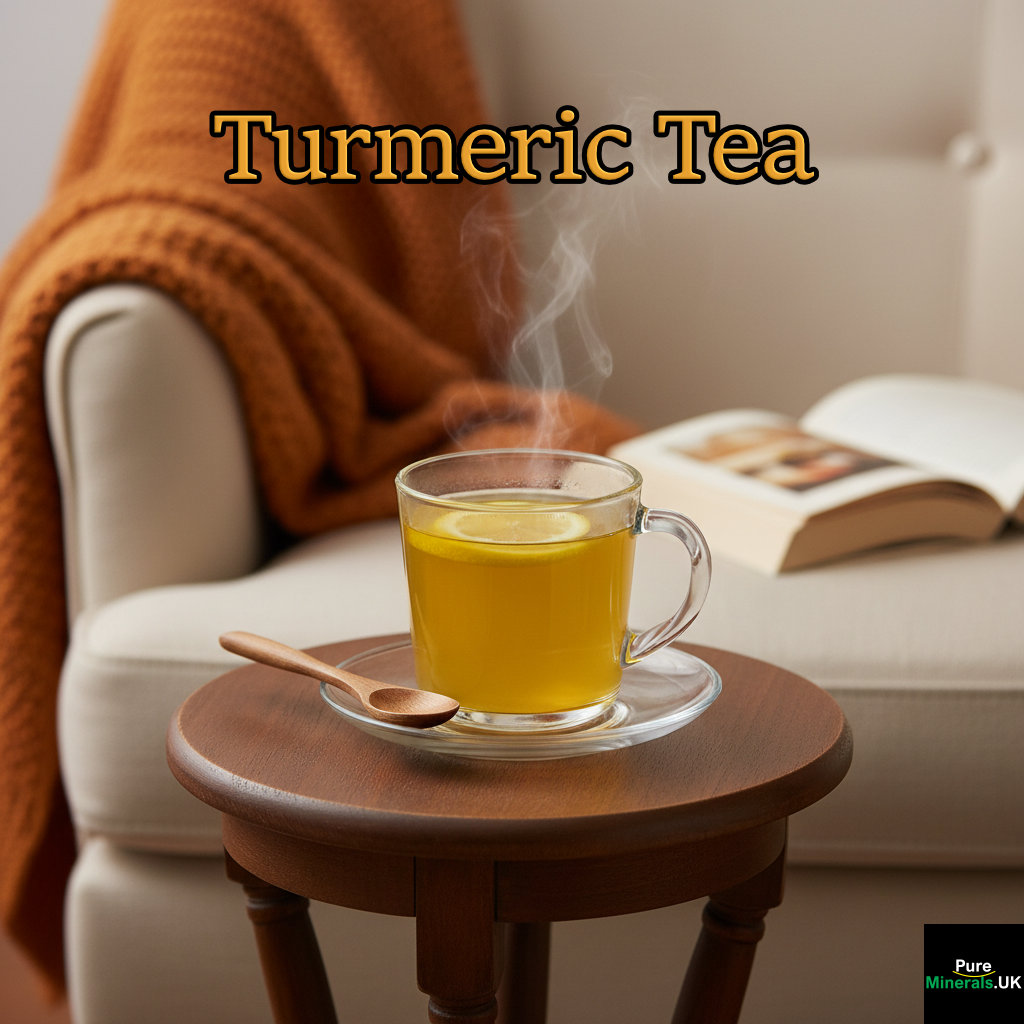
For a simpler alternative to golden milk, turmeric tea can be made by steeping 1 teaspoon of ground turmeric in hot water for 5-10 minutes. Adding a slice of lemon adds vitamin C and helps with iron absorption, while a teaspoon of honey makes the bitter notes more palatable. For a more potent elixir, try combining turmeric with apple cider vinegar, honey, and warm water as a morning tonic. These simple preparations can be consumed multiple times daily for a consistent intake of turmeric’s beneficial compounds.
Who Should Be Careful with Turmeric
While turmeric is remarkably safe for most people, certain populations should exercise caution or consult healthcare providers before using it therapeutically. The same properties that make turmeric beneficial can sometimes interfere with medications or exacerbate specific health conditions. Understanding these potential interactions helps ensure you can enjoy turmeric’s benefits safely and avoid unintended consequences.
Medication Interactions to Watch For
Turmeric can act as a natural blood thinner by inhibiting platelet aggregation, which means it may enhance the effects of anticoagulant and antiplatelet medications like warfarin, clopidogrel, and aspirin. If you’re taking these medications, consult your doctor before beginning a turmeric regimen, as dosage adjustments may be necessary. Monitor for signs of increased bleeding, such as easier bruising or prolonged bleeding from cuts.
Other common medications that may interact with turmeric include certain diabetes drugs, as curcumin can increase insulin sensitivity and potentially cause hypoglycemia when combined with diabetes medications. Acid reducers may also be affected, as turmeric stimulates stomach acid production and could potentially reduce the effectiveness of H2 blockers or proton pump inhibitors. Always inform your healthcare provider about all supplements you’re taking, including turmeric, to avoid potential interactions.
Pre-Surgery Considerations
Due to its blood-thinning effects, turmeric supplements should typically be discontinued at least two weeks before any scheduled surgery. This precaution helps prevent excessive bleeding during and after surgical procedures. Even turmeric, used liberally in cooking, should be mentioned to your surgeon during pre-operative consultations.
The same caution applies to dental procedures, particularly those involving extraction or extensive tissue manipulation. If you regularly consume therapeutic doses of turmeric or curcumin, inform all healthcare providers involved in your surgical care. After surgery, wait until your doctor approves reintroducing turmeric supplements to your routine.
Pregnancy and Breastfeeding Precautions
While culinary amounts of turmeric are generally considered safe during pregnancy, medicinal or supplement doses should be approached with caution. Some evidence suggests that high doses of curcumin could stimulate the uterus or promote menstrual flow, potentially increasing risk during pregnancy. Until more definitive research exists, pregnant women should stick to food-based consumption of turmeric rather than concentrated supplements. Similar considerations apply during breastfeeding, as there’s limited data on how concentrated curcumin might affect nursing infants.
The Golden Promise: Making Turmeric Part of Your Wellness Routine
Incorporating turmeric into your daily life represents one of the simplest yet most powerful steps you can take toward better health. This golden spice offers an extraordinary combination of safety, affordability, and wide-ranging benefits that few natural or pharmaceutical options can match. Whether you’re seeking to manage a specific health condition or simply invest in long-term wellness, turmeric’s anti-inflammatory and antioxidant properties provide foundational support for whole-body health. Start with small, consistent additions to your routine, being mindful of proper absorption techniques, and you may soon discover why this ancient spice has earned its reputation as one of nature’s most effective medicines.
Important Note:
Turmeric is generally safe. High doses may interact with anticoagulants or gallbladder conditions. This information is for educational purposes only and is not intended to diagnose, treat, cure, or prevent disease.
Frequently Asked Questions
The growing popularity of turmeric has generated numerous questions about its use, benefits, and potential concerns. Here are evidence-based answers to some of the most common questions people have about incorporating turmeric into their wellness routines.
These insights reflect the current scientific understanding of turmeric and curcumin, though research continues to evolve as interest in this remarkable spice grows. For more detailed information, you can refer to this scientific article. Always consult healthcare providers for personalized advice, especially when using turmeric therapeutically.
Can turmeric help me lose weight?
Turmeric may support weight management through several mechanisms, though it’s not a magic solution for weight loss. Research suggests curcumin can help regulate fat tissue hormones, reduce inflammation associated with obesity, and potentially improve insulin sensitivity. Some studies have shown that curcumin supplementation can help reduce weight gain and suppress fat tissue growth. For best results, combine turmeric with a balanced diet and regular exercise rather than relying on it as a standalone weight loss solution. Additionally, exploring other herbs like sage might complement your weight management efforts.
How quickly will I notice benefits from taking turmeric?
The timeline for experiencing turmeric’s benefits varies widely depending on what you’re addressing and your individual biochemistry. For acute inflammation and pain, some people report improvements within days, particularly with bioavailability-enhanced formulations. Digestive benefits may become apparent within 1-2 weeks of consistent use.
For chronic conditions like arthritis or long-standing inflammatory issues, it typically takes 4-8 weeks of consistent use to notice significant changes. Preventative benefits for heart health, brain function, and cancer prevention develop over months and years rather than days or weeks. Patience and consistency are key—turmeric works by gradually addressing underlying imbalances rather than masking symptoms.
Is it better to take turmeric supplements or use the spice in cooking?
Both approaches offer distinct advantages. Cooking with turmeric provides the full spectrum of beneficial compounds found in the whole spice, which may work synergistically in ways isolated curcumin cannot. The tradition of using turmeric in cooking also naturally incorporates the bioavailability enhancers of fat and often black pepper that help with absorption.
Supplements, however, provide concentrated amounts of curcuminoids that would be difficult to achieve through diet alone. For therapeutic purposes, supplements are often necessary to reach effective doses. The ideal approach combines both—using turmeric liberally in cooking while supplementing with a high-quality, bioavailability-enhanced curcumin product when addressing specific health concerns.
Can I apply turmeric directly to my skin for inflammation?
Yes, topical turmeric applications have been used for centuries to address skin inflammation, acne, and wound healing. Turmeric face masks, pastes for inflammatory skin conditions, and even wound dressings containing curcumin have shown benefits in both traditional use and modern studies. To make a simple turmeric paste, mix ½ teaspoon of turmeric powder with enough water, honey, or plain yogurt to form a smooth consistency. Apply to the affected area for 10-20 minutes before rinsing thoroughly. Be aware that turmeric will temporarily stain the skin yellow and may permanently stain clothing or countertops.
Does turmeric stain teeth when consumed regularly?
While turmeric ironically has traditional uses as a tooth-cleaning agent, its intense yellow pigment can potentially cause temporary staining with regular consumption, particularly in beverages like golden milk or turmeric tea. The risk is higher if you already have porous enamel or existing stains. To minimize staining, consider drinking turmeric beverages through a straw, rinsing your mouth afterward, or brushing your teeth about 30 minutes after consumption. Any minor staining from dietary turmeric can usually be addressed through regular dental cleaning and proper oral hygiene practices.
Remember that while aesthetic concerns are valid, the potential health benefits of regular turmeric consumption generally outweigh the minimal risk of temporary tooth discoloration. Professional dental cleanings can easily remove any surface staining that might occur.
From ancient Ayurvedic traditions to modern scientific validation, turmeric continues to prove itself as one of nature’s most powerful healing agents. By understanding how to properly incorporate this golden spice into your daily routine, you can tap into its remarkable potential to reduce inflammation, support whole-body health, and potentially prevent a wide range of chronic conditions.