

Published: 13 December 2025
Last Updated: 25 February 2026
This article is periodically reviewed and updated to reflect current scientific understanding by George Wesler.
Fact-Checked: 2 other authoritative medical/scientific references. See our Editorial Policy.
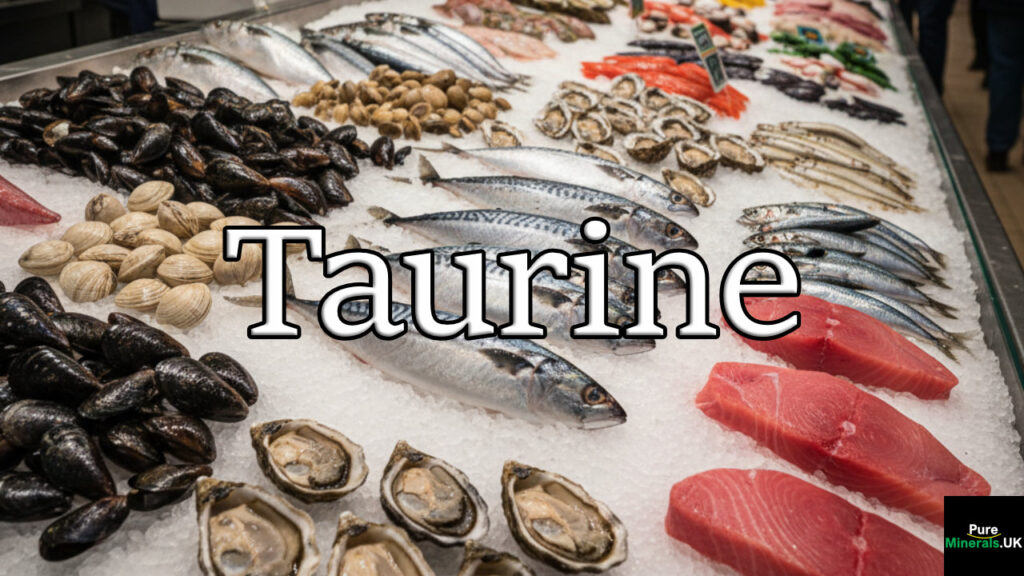
What Is Taurine and Why Is This Vitamin-Associated Nutrient Important for Nervous System Balance, Cardiovascular Health, and Bile Acid Function?
Taurine is a vitamin-associated amino acid required for nervous system regulation, cardiovascular function, bile acid formation, and cellular stability. Unlike most amino acids, taurine is not used to build proteins but instead supports membrane integrity, electrolyte balance, and neurotransmission. It occurs naturally in legumes, nuts, seeds, whole grains, seafood, and animal-derived foods. Adequate taurine levels contribute to metabolic balance, nerve signalling, and overall cellular resilience.
Definition:
Taurine is a sulphur-containing amino acid–like compound involved in bile acid conjugation, calcium signaling, and nervous system support. It helps regulate fluid balance within cells and contributes to normal cardiovascular and neurological function. Taurine is found in both plant and animal foods, with higher concentrations in seafood and animal-derived sources.
Extended Definition:
Taurine plays a critical role in forming bile salts, which are essential for the digestion and absorption of dietary fats and fat-soluble vitamins. In the nervous system, taurine influences neurotransmitter balance and helps regulate calcium movement across cell membranes, supporting stable nerve and muscle function. It also contributes to antioxidant defence and helps protect cells from oxidative and osmotic stress. Although the body can synthesize taurine from the amino acids cysteine and methionine, this process depends on adequate vitamin B6 and overall sulphur amino acid availability. Dietary intake supports optimal taurine status, particularly during periods of increased metabolic or physiological demand.
Key Facts:
- Nutrient type: Vitamin-associated amino acid–like compound
- Biological form: Taurine
- Primary functions: Bile acid formation, nervous system regulation, cardiovascular support
- Systems supported: Nervous, cardiovascular, digestive, cellular
- Preferred dietary sources: Seafood, legumes, nuts, seeds, whole grains, animal-derived foods
- Deficiency considerations: No formal deficiency; low levels may affect bile function, nerve balance, or cardiovascular resilience
- Interactions: Synthesised with support from vitamin B6; supports fat digestion and works alongside electrolyte-regulating nutrients
Key Takeaways
- Taurine is a conditionally essential amino acid that plays critical roles in maintaining cellular health, electrolyte balance, and nervous system function.
- Regular taurine consumption may help reduce blood pressure, improve exercise performance, and protect against oxidative stress damage.
- The highest natural sources of taurine are found in animal products, particularly seafood, dark meat, and organ meats.
- Those under chronic stress, elderly individuals, and people with certain health conditions may benefit from increased taurine intake.
- Supplementation may be beneficial for specific health goals, but most healthy individuals can obtain adequate taurine through diet.
Taurine might be the most underrated amino acid for your health. While it doesn’t build proteins like other amino acids, it’s involved in nearly every cellular process that keeps your body functioning optimally. Found naturally in your tissues and supported by certain foods in your diet, taurine deserves more attention for its comprehensive health benefits.
At NutritionWell, we believe understanding the full spectrum of taurine’s benefits can help you make informed choices about your health. This powerful compound works silently behind the scenes, supporting everything from your heart health to athletic performance and even your eye health.
What Is Taurine? The Powerful Amino Acid Your Body Needs
Taurine is a conditionally essential sulfur-containing amino acid abundant in your brain, eyes, heart, and muscles. Unlike most amino acids, it doesn’t build proteins but instead exists freely in body tissues. Your body can synthesize small amounts of taurine from other amino acids like methionine and cysteine, with the help of vitamin B6.
The term “conditionally essential” means that while your body produces taurine naturally, during periods of illness, extreme stress, or intense physical exertion, your needs may exceed production capacity. This is particularly true for infants, whose ability to synthesize taurine is limited, which is why taurine is added to infant formulas.
This remarkable compound was first isolated from bull bile in 1827 (taurus is Latin for bull), leading to the misconception that energy drinks contain bull urine. They don’t—commercial taurine is synthetically produced. What makes taurine special is its unique chemical structure that allows it to function as an osmolyte, helping regulate fluid balance within cells.
“Taurine is one of the most abundant amino acids in the body, accounting for approximately 0.1% of total body weight. Its concentration is particularly high in excitable tissues, suggesting its critical role in cellular function regulation.” – Journal of Biomedical Science
6 Major Health Benefits of Taurine
The versatility of taurine in supporting bodily functions makes it a cornerstone of cellular health. From maintaining proper hydration to protecting against oxidative damage, taurine’s benefits extend throughout multiple body systems.
1. Maintains Cell Hydration and Electrolyte Balance
One of taurine’s primary functions is regulating water and electrolyte levels within your cells. As an osmolyte, it helps control fluid movement across cell membranes, preventing cells from dehydrating or swelling excessively. This function is particularly critical in your brain, heart, and muscles, where precise fluid balance is essential for optimal performance.
During exercise or heat stress, taurine helps your body retain the proper minerals needed for muscle contraction and nerve impulse transmission. This balance is what allows your muscles to fire efficiently during workouts and recover properly afterward. Studies show that maintaining adequate taurine levels may even help reduce muscle cramps and improve exercise capacity.
2. Protects Cells Through Antioxidant Defense
Free radicals and oxidative stress accelerate aging and contribute to numerous chronic diseases. Taurine acts as a powerful antioxidant, neutralizing harmful free radicals and preventing oxidative damage to cells. Its antioxidant properties are especially beneficial for protecting mitochondria—your cells’ power plants—from damage during energy production.
Unlike many other antioxidants that work in specific cellular compartments, taurine provides widespread protection throughout various tissues. Research shows it’s particularly effective at protecting heart cells and neurons from oxidative injury. This protective function may explain why higher taurine levels are associated with greater longevity in some studies.
Additionally, taurine helps regenerate other antioxidants in your body, creating a synergistic effect that enhances your overall antioxidant defense system. This property makes it valuable for combating inflammatory conditions and supporting healthy aging.
3. Supports Nervous System Function
Taurine plays a crucial role in neurotransmission, acting as a neuromodulator that helps regulate brain activity. It binds to GABA receptors, promoting inhibitory actions that can help calm an overactive nervous system. This mechanism explains why taurine supplementation may help reduce anxiety and improve sleep quality for some individuals.
Research indicates that taurine is particularly important for brain development in infants and children. It supports the growth of new neurons and helps establish proper synaptic connections. For adults, maintaining adequate taurine levels may help protect against age-related cognitive decline and neurodegenerative conditions by reducing neuroinflammation and supporting healthy neuroplasticity. For more information on related compounds, explore the benefits of carnitine in supporting brain health.
4. Improves Heart Health and Blood Pressure
Your cardiovascular system greatly benefits from optimal taurine levels. Studies show that taurine can lower blood pressure by reducing arterial resistance and improving the elasticity of blood vessels. This effect is particularly beneficial for individuals with hypertension or those at risk for heart disease.
Taurine also supports heart muscle function by regulating calcium levels within cardiac cells. This regulation helps maintain a steady heartbeat and efficient cardiac contraction. Some research suggests that taurine supplementation may even help reduce cholesterol levels and decrease the risk of atherosclerosis by preventing the oxidation of LDL cholesterol.
Perhaps most impressive is taurine’s ability to improve outcomes after cardiac events. Studies have found that patients who receive taurine supplementation after heart attacks show better recovery and reduced complications compared to those who don’t receive taurine.
5. Enhances Athletic Performance
Athletes and fitness enthusiasts often turn to taurine for its performance-enhancing properties. By improving calcium handling in muscles, taurine can enhance muscle contraction strength and delay fatigue during intense exercise. Multiple studies demonstrate that taurine supplementation can increase time to exhaustion and overall exercise capacity.
Beyond immediate performance benefits, taurine may also accelerate post-workout recovery by reducing exercise-induced muscle damage and inflammation. Its antioxidant properties help neutralize the increased free radicals produced during intense physical activity, potentially reducing delayed onset muscle soreness (DOMS) and shortening recovery times between training sessions.
6. Helps Control Blood Sugar Levels
Maintaining stable blood glucose levels is essential for overall health, and taurine appears to play a beneficial role in glucose metabolism. Research shows that taurine may improve insulin sensitivity and help cells respond more effectively to insulin signals, potentially reducing the risk of developing insulin resistance and type 2 diabetes.
In individuals who already have diabetes, taurine supplementation has been shown to help reduce fasting blood sugar levels and improve glycemic control. These benefits may stem from taurine’s ability to reduce inflammation in pancreatic cells and protect them from oxidative damage, thereby supporting healthy insulin production and function.
Top Food Sources of Taurine
While your body can synthesize taurine, dietary sources provide a significant portion of your daily needs. Incorporating taurine-rich foods into your diet ensures adequate levels of this important amino acid without necessarily requiring supplementation.
Seafood Options High in Taurine
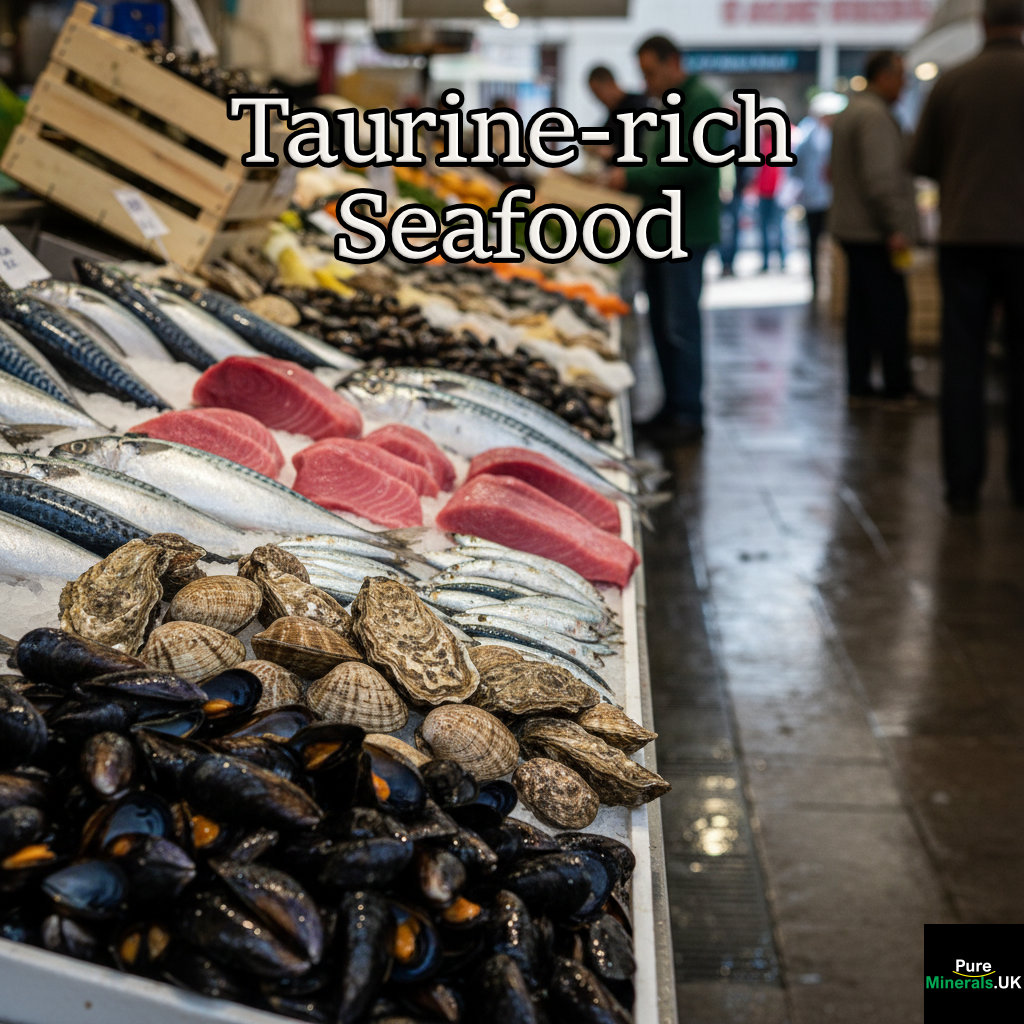
Seafood ranks among the richest natural sources of dietary taurine. Shellfish like mussels, clams, and oysters contain particularly high concentrations, with a 3-ounce serving providing up to 650mg of taurine. Fish like mackerel, sardines, and tuna are also excellent sources, offering between 300-500mg per serving, while also providing heart-healthy omega-3 fatty acids.
Dark meat fish generally contain more taurine than white fish, making options like salmon and cod valuable additions to your diet if you’re looking to increase taurine intake naturally. Including seafood in your meals 2-3 times per week can significantly contribute to maintaining optimal taurine levels while providing numerous other nutritional benefits.
Meat Sources for Taurine Intake
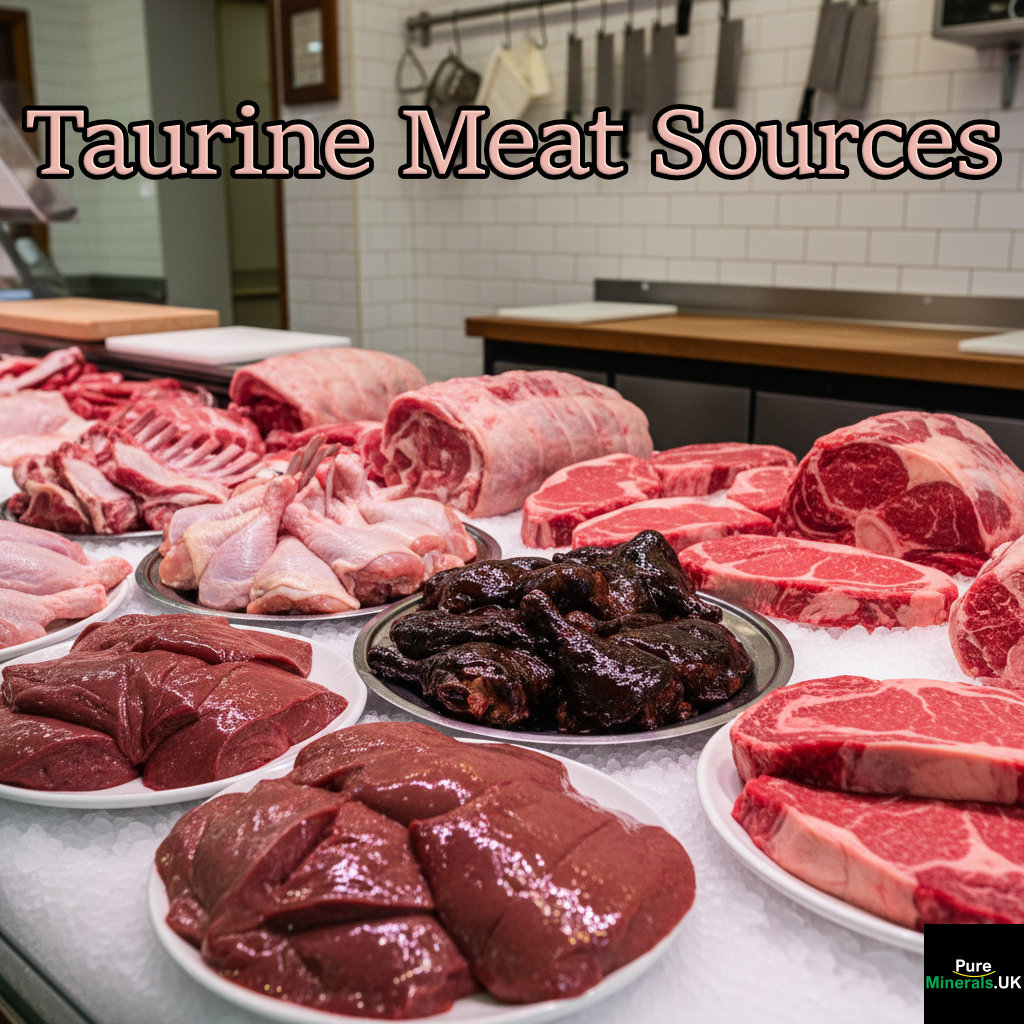
Animal proteins, particularly organ meats, provide substantial amounts of taurine. Beef liver contains approximately 240mg of taurine per 100g serving, making it one of the most concentrated land-animal sources. Dark meat poultry, lamb, and beef also contain moderate amounts of taurine, ranging from 30-160mg per serving depending on the cut and preparation method.
Interestingly, the taurine content in meat increases during cooking processes like braising and stewing, as these methods help release taurine from muscle fibers. However, excessive heat can degrade taurine, so moderate cooking temperatures are ideal for preserving this valuable amino acid.
Dairy Products with Taurine

While dairy products contain less taurine than meat and seafood, they still contribute to your overall intake. Milk contains modest amounts of taurine, with higher concentrations found in certain cheeses. Dairy can be especially important for vegetarians who include animal products in their diet but avoid meat. For those interested in learning about other nutrients that support cellular health, you might explore carnitine as well.
Some fermented dairy products like certain yogurts may have slightly enhanced taurine levels due to the fermentation process. For those who rely heavily on dairy as a protein source, ensuring variety in your dairy consumption can help maximize your taurine intake from these foods. Additionally, exploring other sources like carnitine supplements can further support your nutritional needs.
When Your Body Needs More Taurine
While healthy adults generally produce sufficient taurine, certain conditions and life stages may increase your requirements. Understanding when your body might need extra support can help you make informed dietary choices.
Stress and Illness Increase Requirements
Physical and emotional stress depletes taurine reserves as your body uses this amino acid to combat inflammation and oxidative stress. Chronic illness, recovery from surgery, or prolonged intense exercise can all increase taurine requirements beyond what your body naturally produces.
Aging also affects taurine status, with levels typically declining as we get older. This reduction may contribute to some age-related health issues, including cognitive decline and increased susceptibility to oxidative damage. Research suggests that maintaining adequate taurine levels may support healthy aging and protect against age-related disease. For instance, carnitine is another compound that has been studied for its potential benefits in supporting healthy aging.
Certain medications, particularly some diuretics and chemotherapy drugs, can deplete taurine levels. If you’re taking these medications, discussing taurine status with your healthcare provider may be beneficial.
Signs You Might Have Low Taurine Levels
Severe taurine deficiency is rare in healthy adults, but suboptimal levels may manifest in subtle ways. Persistent fatigue that doesn’t improve with rest, unusual muscle cramps or weakness, and increased susceptibility to stress may indicate insufficient taurine levels.
Vision changes, particularly difficulty seeing in dim light, can sometimes relate to taurine insufficiency, as the retina contains high concentrations of this amino acid. Cardiovascular symptoms like irregular heartbeat or blood pressure fluctuations might also have connections to taurine status, though these symptoms can have many causes and should always be evaluated by a healthcare professional. For more on related nutrients, explore the role of CoQ10 in cardiovascular health.
Taurine Supplements: What You Need to Know
For those unable to obtain sufficient taurine from diet alone, supplements provide a convenient alternative. Commercial taurine supplements are synthetically produced and typically available in powder or capsule form. Most are derived from vegetarian sources, making them suitable for those avoiding animal products.
Effective Dosages for Different Health Goals
Taurine dosages vary based on your specific health objectives. For general health maintenance, 500-1000mg daily appears sufficient for most adults. Athletic performance benefits typically require higher doses, with research showing improvements at 1-3g daily taken before exercise.
Therapeutic applications for specific health conditions often utilize higher doses under medical supervision. For cardiovascular support, studies have used 1-3g daily, while neurological applications may employ 3-6g daily divided into multiple doses. It’s important to note that higher doses should only be taken with professional guidance.
Start with lower doses and gradually increase to assess tolerance. Most research indicates that taurine supplements are well-tolerated even at higher doses, but individual responses can vary.
Best Times to Take Taurine
Timing your taurine intake can optimize its benefits. For exercise performance, taking taurine 1-2 hours before workout sessions appears most effective. This timing allows for peak blood levels during physical activity, potentially enhancing endurance and reducing exercise-induced oxidative stress.
For sleep support, taking taurine in the evening may be beneficial due to its calming effects on the nervous system. Those using taurine for blood pressure management often find dividing doses throughout the day provides more consistent benefits than a single large dose.
Safety Considerations and Side Effects
Taurine has an excellent safety profile with minimal reported side effects. The European Food Safety Authority has concluded that doses up to 6g daily are safe for healthy adults. Most adverse reactions are mild and may include nausea or headaches when starting supplementation, which typically resolve as your body adjusts.
Despite being included in many energy drinks, taurine itself does not cause the jittery or stimulant effects associated with these beverages. These effects come from other ingredients like caffeine. In fact, taurine may help mitigate some of caffeine’s negative effects by supporting nervous system regulation, similar to how carnitine supports energy production and muscle function.
Pregnant and nursing women should consult healthcare providers before supplementing, as research on taurine safety during these periods is limited. Similarly, those with kidney disease should use caution, as kidneys play a role in taurine metabolism.
Taurine for Specific Health Conditions
Research continues to uncover taurine’s therapeutic potential for various health conditions. While not a replacement for medical treatment, taurine may offer supportive benefits for several common health concerns. For more information on taurine’s benefits, you can refer to WebMD’s guide on taurine.
Taurine and Diabetes Management
For those with diabetes or insulin resistance, taurine shows promising benefits. Studies indicate that taurine supplementation may improve insulin sensitivity and help regulate blood glucose levels. It appears to work by enhancing insulin receptor function and protecting pancreatic beta cells from oxidative damage.
Taurine may also help prevent some common diabetic complications. Research suggests it can improve circulation and protect small blood vessels, potentially reducing the risk of diabetic retinopathy and nephropathy. For diabetes management, doses of 1.5-3g daily have shown beneficial effects in clinical studies, though always discuss supplementation with your healthcare provider before beginning.
Beyond blood sugar control, taurine’s antioxidant properties may help combat the increased oxidative stress associated with diabetes, providing comprehensive support for metabolic health.
Eye Health Benefits
Your eyes contain some of the highest concentrations of taurine in your body, highlighting its importance for vision. Taurine helps protect retinal cells from damage and supports the proper development and function of photoreceptors responsible for vision.
Research indicates that taurine supplementation may help prevent or slow the progression of certain eye conditions, including age-related macular degeneration and diabetic retinopathy. Its protective effects stem from its ability to reduce oxidative stress and inflammation in delicate eye tissues.
For those experiencing eye fatigue from prolonged screen time, taurine may offer relief by supporting tear production and maintaining proper hydration of the eye surface. Some studies suggest that combining taurine with other nutrients like zinc and omega-3 fatty acids provides synergistic benefits for overall eye health.
Liver Protection Properties
The liver contains significant amounts of taurine, which helps protect this vital organ from damage. Taurine supports liver health by aiding in bile acid conjugation, a process essential for proper fat digestion and the elimination of toxins from the body.
Studies show that taurine supplementation may help protect liver cells from damage caused by alcohol consumption, certain medications, and environmental toxins. Its protective effects appear strongest when taken before exposure to these harmful substances, suggesting a potential preventive benefit.
For those with non-alcoholic fatty liver disease (NAFLD), research indicates that taurine may help reduce liver fat accumulation and improve liver enzyme profiles. These benefits likely stem from taurine’s ability to improve insulin sensitivity and reduce inflammation in liver tissue.
Taurine Myths Debunked
Despite its well-documented benefits, taurine has been subject to numerous misconceptions that can prevent people from recognizing its value for health. Separating fact from fiction helps make informed decisions about this important nutrient.
The Energy Drink Misconception
Perhaps the most persistent myth about taurine is that it’s responsible for the stimulant effects of energy drinks. In reality, taurine does not provide direct stimulation or “energy” in the way caffeine does. It’s included in energy drinks primarily for its protective effects against some of the negative impacts of caffeine and to support overall cellular function.
Another common misconception is that commercial taurine comes from bull urine or bile. While taurine was first isolated from bull bile (hence its name, derived from “taurus,” the Latin word for bull), all commercial taurine is synthetically produced and suitable for vegetarians.
Some people incorrectly believe that taurine is addictive or produces a “high.” There is no scientific evidence supporting this claim. Taurine does not activate reward pathways in the brain associated with addictive substances and has no known potential for dependence or abuse.
- Taurine is NOT a stimulant – it may actually have calming effects on the nervous system
- Commercial taurine is synthetically produced, not derived from animals
- Taurine has no addictive properties or potential for abuse
- Taurine does not cause jitteriness or anxiety – it may actually help reduce these symptoms
- The amounts in energy drinks (typically 500-1000mg) are within the range naturally consumed in diets high in animal products
Taurine vs. Caffeine: Understanding the Difference
Though often paired in energy drinks, taurine and caffeine have fundamentally different mechanisms and effects on your body. While caffeine blocks adenosine receptors to create alertness and stimulation, taurine works by supporting cellular health and regulating neurotransmission. Many of taurine’s effects actually counteract caffeine’s negative impacts, such as jitteriness and anxiety, which is why they’re often combined in formulations.
How to Add More Taurine to Your Daily Routine
Incorporating more taurine into your lifestyle doesn’t necessarily require supplements. For omnivores, including seafood 2-3 times weekly, particularly shellfish and dark meat fish, can significantly boost taurine intake. Adding heart-healthy organ meats like liver to your diet once weekly provides concentrated amounts of taurine along with numerous other nutrients. For vegetarians and vegans, dairy products offer some taurine, while supplements may be necessary to achieve optimal levels. Even cooking methods matter—gentle cooking preserves more taurine than high-heat methods, and utilizing the cooking liquid from meat dishes can help capture taurine that leaches out during preparation. For more information on other beneficial nutrients, consider exploring the benefits of trace minerals.
Frequently Asked Questions
As interest in taurine grows, so do questions about its use and benefits. The following answers address some of the most common inquiries about this versatile amino acid and can help guide your decisions about incorporating it into your health regimen. For those interested in other amino acids, you might also want to learn more about carnitine and its benefits.
Below are evidence-based responses to frequently asked questions about taurine supplementation and its effects on various aspects of health.
Is taurine safe to take every day?
Yes, taurine is generally considered safe for daily consumption. Research indicates that daily doses up to 3g are well-tolerated by most adults with no significant adverse effects. Studies examining higher doses (up to 6g daily) over extended periods have reported good safety profiles. As with any supplement, starting with lower doses and monitoring your individual response is recommended. If you have existing health conditions, especially kidney disease, consulting a healthcare provider before starting daily supplementation is advisable. For more detailed information, you can read about what taurine is and its benefits.
Can vegetarians and vegans get enough taurine?
Vegetarians and vegans typically have lower taurine levels than omnivores because plant foods contain negligible amounts of taurine. However, healthy adults can synthesize taurine from other amino acids like methionine and cysteine, which are available in plant proteins. To support optimal taurine production, vegetarians and vegans should ensure adequate intake of these precursor amino acids through foods like legumes, nuts, and seeds, along with vitamin B6 from whole grains and vegetables. For those concerned about taurine status, supplements offer a convenient solution, as commercial taurine is synthetically produced and suitable for vegetarian and vegan diets.
Does taurine help with weight loss?
While not a direct weight loss agent, taurine may support weight management through several mechanisms. Research indicates that taurine can improve insulin sensitivity and glucose metabolism, potentially helping regulate appetite and reduce cravings. Animal studies suggest taurine might increase fat burning during exercise and protect against diet-induced obesity.
Additionally, by supporting exercise performance and recovery, taurine may indirectly contribute to weight management by enhancing workout capacity and consistency. However, these effects are likely modest, and taurine works best as part of a comprehensive approach to weight management that includes a balanced diet and regular physical activity rather than as a standalone solution for weight loss.
Will taurine interact with my medications?
Taurine has few known drug interactions, but caution is warranted with certain medications. If you’re taking lithium, taurine might affect its clearance from the body. Those using anticonvulsant medications should consult their healthcare provider, as taurine may influence seizure thresholds. Blood thinners like warfarin warrant special consideration, as taurine’s effects on cardiovascular function could potentially influence their efficacy. Always inform your healthcare providers about all supplements you’re taking, including taurine, especially before surgery or when starting new medications.
How quickly can I notice benefits from taurine supplements?
The timeline for experiencing taurine’s benefits varies depending on your health status and the specific benefits you’re seeking. For exercise performance, some people report noticeable improvements within 1-2 weeks of consistent supplementation. Cardiovascular benefits like blood pressure reduction typically require 2-4 weeks of regular use to become apparent. Neurological effects, including potential improvements in sleep quality or stress response, often develop gradually over 3-6 weeks as taurine levels build up in tissues.
Factors that can influence how quickly you notice benefits include your baseline taurine status, dosage, overall diet quality, and individual metabolism. Consistent daily supplementation generally produces more reliable results than intermittent use, and combining supplementation with taurine-rich foods may enhance outcomes.
For optimal results, approach taurine supplementation as a long-term health strategy rather than a quick fix. Document any changes you notice in your well-being to help determine if taurine is providing your desired benefits. Additionally, consider exploring the benefits of carnitine as a complementary supplement to support your health goals.