

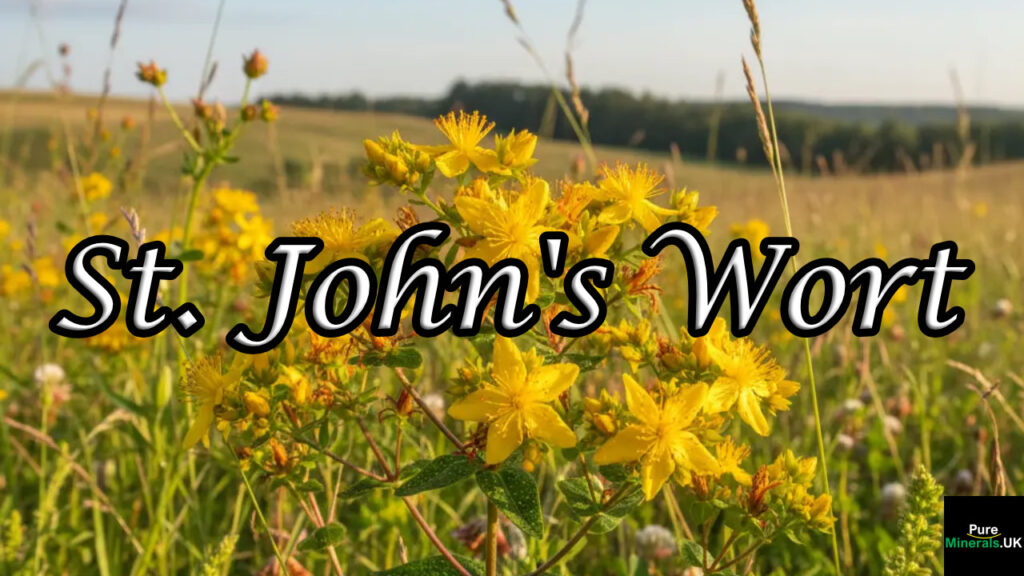
What Is St John’s Wort and Why Is This Traditional Herb Used for Mood Support and Nervous System Balance?
St John’s wort is a traditional medicinal herb widely used to support mood balance and nervous system wellbeing. With a long history in European herbal medicine, it has been used particularly during periods of low mood, emotional strain, and seasonal changes. St John’s wort is typically used as a standardised extract rather than as a food herb and is approached with greater caution than many other calming plants due to its known interactions.
Definition:
St John’s wort is a medicinal plant whose flowering tops contain bioactive compounds associated with mood regulation and nervous system support. The most commonly used species is Hypericum perforatum. Herbal preparations are usually standardised to key constituents to ensure consistent activity.
Extended Definition:
St John’s wort is best known for its traditional use in supporting emotional balance and psychological wellbeing. Its primary active compounds include hypericin, hyperforin, and flavonoids, which are associated with neurotransmitter modulation involved in mood regulation. Unlike sedative herbs, St John’s wort is typically described as uplifting rather than calming and has historically been used during prolonged periods of low mood rather than acute stress.
Because St John’s wort influences metabolic enzyme pathways in the liver, it can affect the breakdown of various medications. For this reason, it is not generally used casually or combined freely with other therapies. Traditional use emphasises consistency, careful dosing, and awareness of interactions. Effects are gradual and typically observed over weeks rather than days.
Key Facts:
- Herb name: St John’s Wort
- Botanical name: Hypericum perforatum
- Herb type: Traditional mood-support herb
- Key compounds: Hypericin, hyperforin, flavonoids
- Primary uses: Mood balance, emotional well-being, nervous system support
- Systems supported: Nervous
- Common forms: Flowering-top extracts, capsules, tablets, tinctures
- Use considerations: Known interactions with medications; photosensitivity reported in some individuals
- Typical pairing: Often used alone rather than combined due to interaction potential
Important Safety Notice:
St John’s wort is known to interact with a wide range of prescription and over-the-counter medicines by altering liver enzyme activity. It may reduce the effectiveness of medications, including antidepressants, hormonal contraceptives, anticoagulants, immunosuppressants, and others. It should not be used alongside antidepressant medication or without professional guidance. This information is not intended to diagnose, treat, cure, or prevent disease.
Key Takeaways
- St. John’s Wort works primarily by regulating neurotransmitters like serotonin, dopamine, and norepinephrine to support positive mood balance.
- Clinical studies have demonstrated St. John’s Wort’s effectiveness for mild to moderate depression with fewer side effects than many conventional treatments.
- The herb provides multifaceted support for nervous system health, addressing both mood disorders and nerve-related pain.
- Important precautions must be taken when using St. John’s Wort as it interacts with many medications, including birth control, blood thinners, and prescription antidepressants.
- Beyond mood support, St. John’s Wort shows promise for seasonal affective disorder and menopausal mood changes, highlighting its versatility as a natural remedy.
St. John’s Wort is nature’s gentle mood lifter with a remarkable ability to brighten emotional health. This sunshine-colored flowering herb has been used for centuries across different cultures and continues to be one of the most researched natural remedies for mood support. With growing interest in alternatives to conventional antidepressants, St. John’s Wort stands out as a plant ally that works with your body’s chemistry to restore emotional balance naturally.
Named after St. John the Baptist (as it typically flowers around his feast day), this herb offers more than just folklore appeal. Modern research confirms what traditional herbalists have long observed – St. John’s Wort contains powerful compounds that positively affect brain chemistry and nervous system function. St. John’s Wort provides comprehensive support for both emotional well-being and nervous system health, making it a valuable tool for those seeking natural mood support solutions.
Natural Mood Enhancement: How St. John’s Wort Works
The effectiveness of St. John’s Wort for mood support isn’t mysterious or magical – it’s rooted in solid biological mechanisms. This remarkable herb functions similarly to conventional antidepressants but through gentler pathways that often result in fewer side effects. Its primary action involves modulating neurotransmitters – the chemical messengers that regulate our mood, thoughts, and emotional responses. By enhancing the availability and activity of these crucial brain chemicals, St. John’s Wort helps create a more balanced emotional state.
The Science Behind Neurotransmitter Support
St. John’s Wort’s mood-enhancing effects stem from its ability to influence multiple neurotransmitter systems simultaneously. Unlike many single-target pharmaceuticals, this herb gently inhibits the reuptake of serotonin, dopamine, and norepinephrine – three key neurotransmitters involved in mood regulation. This means these “feel-good” chemicals remain active in the brain for longer periods, promoting improved mood and emotional stability. Additionally, research suggests St. John’s Wort may interact with GABA receptors, which helps explain its calming and anxiety-reducing properties.
What makes St. John’s Wort particularly noteworthy is its multi-modal approach to mood support. Beyond neurotransmitter modulation, the herb appears to reduce inflammatory processes in the brain, which emerging research links to depression and mood disorders. It also helps regulate the hypothalamic-pituitary-adrenal (HPA) axis, a complex system that manages our stress response. This comprehensive approach addresses multiple underlying factors contributing to mood imbalances rather than targeting a single pathway.
Key Active Compounds: Hypericin and Hyperforin
The therapeutic properties of St. John’s Wort can be traced to its rich array of bioactive compounds, with hypericin and hyperforin being the most well-studied. Hypericin, which gives the plant’s oil its characteristic red color when crushed, was initially thought to be the primary mood-supporting compound. However, more recent research has identified hyperforin as potentially more significant for the herb’s antidepressant effects. This compound appears particularly effective at influencing serotonin, norepinephrine, and dopamine levels through unique mechanisms distinct from conventional antidepressants.
Beyond these star compounds, St. John’s Wort contains numerous flavonoids, xanthones, and other phytochemicals that work synergistically to enhance its therapeutic effects. This natural complexity is what sets herbal remedies apart from isolated pharmaceutical compounds – the whole herb provides a balanced approach that targets multiple aspects of mood regulation simultaneously. The presence of these supporting compounds may also help reduce potential side effects while enhancing overall efficacy.
St. John’s Wort Benefits for Mental Wellness
- Enhances mood and reduces symptoms of mild to moderate depression
- Helps alleviate anxiety and restlessness
- Supports emotional balance during seasonal changes
- Reduces mood swings associated with hormonal fluctuations
- Improves sleep quality and patterns
- Supports overall nervous system health and resilience
The benefits of St. John’s Wort extend beyond simple mood enhancement. Its comprehensive approach to mental wellness addresses various aspects of psychological health, making it a versatile herb for emotional support. When incorporated into a holistic wellness plan, St. John’s Wort can serve as an effective cornerstone for maintaining emotional equilibrium and mental clarity.
Relief for Mild to Moderate Depression
The most well-established and researched benefit of St. John’s Wort is its effectiveness for mild to moderate depression. Multiple meta-analyses have demonstrated that standardized St. John’s Wort extracts perform comparably to conventional antidepressants for these conditions, but with a significantly reduced side effect profile. A comprehensive review published in the Journal of Affective Disorders found that St. John’s Wort was as effective as selective serotonin reuptake inhibitors (SSRIs) for treating mild to moderate depression while being better tolerated by patients.
“St. John’s wort extracts have consistently outperformed placebo and shown comparable efficacy to standard antidepressants in mild to moderate depression… with only 1/4 to 1/2 the side effects of conventional treatments.” – Meta-analysis findings from studies reviewed by Ng QX, Venkatanarayanan N, Ho CY (2017)
What makes St. John’s Wort particularly valuable is its gentle yet effective approach. Unlike pharmaceuticals that often come with a host of unwanted effects, St. John’s Wort typically provides relief without significantly impacting energy levels, sexual function, or cognitive performance – common complaints with conventional antidepressants. This favorable balance of efficacy and tolerability makes it an attractive option for those seeking natural support for depressive symptoms.
Anxiety Reduction Properties
Beyond depression, St. John’s Wort offers significant support for those experiencing anxiety and stress-related symptoms. The herb’s ability to modulate multiple neurotransmitter systems contributes to its anxiolytic (anxiety-reducing) effects. By influencing GABA receptors and balancing stress hormones, St. John’s Wort helps calm an overactive nervous system without causing sedation or mental fogginess.
Many users report a subtle yet noticeable sense of calm and improved stress resilience when taking St. John’s Wort regularly. Unlike some pharmaceutical anxiety treatments that can be habit-forming, St. John’s Wort provides gentle support without dependency concerns. This makes it particularly valuable for managing day-to-day stress and mild anxiety that doesn’t warrant pharmaceutical intervention but still impacts quality of life.
Seasonal Affective Disorder Support
The connection between St. John’s Wort and sunlight extends to its benefits for seasonal affective disorder (SAD). This form of depression that typically occurs during winter months when sunlight exposure decreases appears particularly responsive to St. John’s Wort therapy. The herb’s nickname as the “sunshine herb” seems especially fitting when considering its ability to brighten mood during darker seasons. Research suggests that the combination of St. John’s Wort with light therapy may offer enhanced benefits for those struggling with seasonal mood changes.
Menopausal Mood Fluctuations
Women experiencing perimenopause and menopause often face challenging mood swings, irritability, and emotional sensitivity due to hormonal fluctuations. St. John’s Wort has shown promise in helping to stabilize these mood changes while supporting overall emotional well-being during this transition. Its gentle balancing effect on neurotransmitters helps reduce the emotional rollercoaster many women experience, without interfering with the natural hormonal shifts occurring during this life stage.
What makes St. John’s Wort particularly valuable during menopause is its dual action on both mood and physical discomfort. Some research indicates it may help with sleep disturbances and hot flashes in addition to emotional symptoms. This multifaceted approach addresses several aspects of menopausal discomfort simultaneously, making it a valuable herb for comprehensive support during this significant life transition. For additional support, consider exploring the benefits of saw palmetto in managing hormonal changes.
Nervous System Balance and Protection
The benefits of St. John’s Wort extend beyond mood regulation to encompass broader nervous system health. This versatile herb offers neuroprotective and anti-inflammatory properties that support overall brain function and nerve health. By reducing oxidative stress and inflammation in neural tissues, St. John’s Wort helps maintain nervous system integrity and function even in the face of stress or aging.
Nerve Pain Relief Mechanisms
One of St. John’s Wort’s most valuable yet lesser-known benefits is its ability to alleviate nerve pain. The herb contains compounds that help reduce neuropathic pain by influencing pain signaling pathways and reducing inflammation around nerve tissues. This makes it particularly useful for conditions like sciatica, trigeminal neuralgia, and other forms of nerve pain that often respond poorly to conventional pain medications.
The anti-inflammatory and analgesic properties of St. John’s Wort work synergistically to not only mask pain but also potentially address underlying causes. By calming irritated nerves and supporting healthy nerve function, the herb offers a more comprehensive approach to nerve pain than many pharmaceutical options. This dual action of symptom relief and functional support makes St. John’s Wort a valuable tool in managing chronic nerve-related discomfort.
Neuroprotective Properties
Emerging research suggests St. John’s Wort may offer neuroprotective benefits that help preserve cognitive function and brain health. Its antioxidant compounds help shield neural tissues from oxidative damage, while its anti-inflammatory properties reduce harmful chronic inflammation that can damage brain cells over time. These protective mechanisms may contribute to long-term brain health and potentially reduce the risk of age-related cognitive decline.
Additionally, St. John’s Wort appears to support healthy nerve growth factor (NGF) levels – proteins that help maintain and regenerate nerve cells. This support for neural regeneration and plasticity may explain some of the herb’s benefits for both mood and nervous system function. By protecting existing neural pathways while supporting the development of new connections, St. John’s Wort helps maintain a resilient and adaptable nervous system.
The “Sunshine Herb”: Historical Use and Significance
The vibrant yellow flowers of St. John’s Wort have long been associated with sunshine and light – qualities that parallel its effects on mood and spirit. This connection isn’t merely poetic; the plant actually appears to flourish in sunlight, with its bright flowers reaching toward the sky as if drawing in solar energy. This solar affinity reflects the herb’s traditional use for bringing light to dark emotional states and is mirrored in its Latin name, Hypericum perforatum (hyper = above, icon = image), referring to its traditional use to ward off darkness or evil spirits. For more about herbal traditions, you might explore the benefits of calendula, another plant with a rich history.
Traditional Applications Across Cultures

St. John’s Wort has a rich history spanning thousands of years and diverse cultural traditions. Ancient Greeks and Romans recognized its healing properties, using it for wound healing, nerve pain, and melancholy. Dioscorides, the ancient Greek physician, documented its use for sciatica and burn healing in his Materia Medica. Medieval European herbalists expanded their applications, considering it a powerful herb for emotional balance and protection against negative influences. For more information on its traditional uses, you can read about St. John’s Wort for first aid and emotional support.
Native American traditions incorporated St. John’s Wort for similar purposes, recognizing its value for wound healing, mood support, and spiritual protection. The herb gained particular prominence during the European Middle Ages, when it became associated with St. John the Baptist and was harvested around the summer solstice for maximum potency. This cross-cultural recognition of St. John’s Wort’s therapeutic properties speaks to its genuine efficacy and versatility as a healing plant.
Connection to Summer Solstice
The traditional harvesting of St. John’s Wort around the summer solstice (June 21-24) and St. John the Baptist’s feast day (June 24) is no coincidence. Herbalists observed that the plant reaches peak medicinal potency during this time, with its flowers fully open and brimming with active compounds. This solar connection reinforces the herb’s association with light, warmth, and positive energy – qualities that directly parallel its effects on mood and emotional well-being.
Effective Ways to Use St. John’s Wort
St. John’s Wort can be incorporated into your wellness routine in several forms, each offering unique benefits and applications. When selecting St. John’s Wort preparations, look for products that specify hyperforin and hypericin content to ensure therapeutic potency. The form you choose should align with your specific needs, symptoms, and preferences for daily use.
1. Tea Preparations for Daily Support
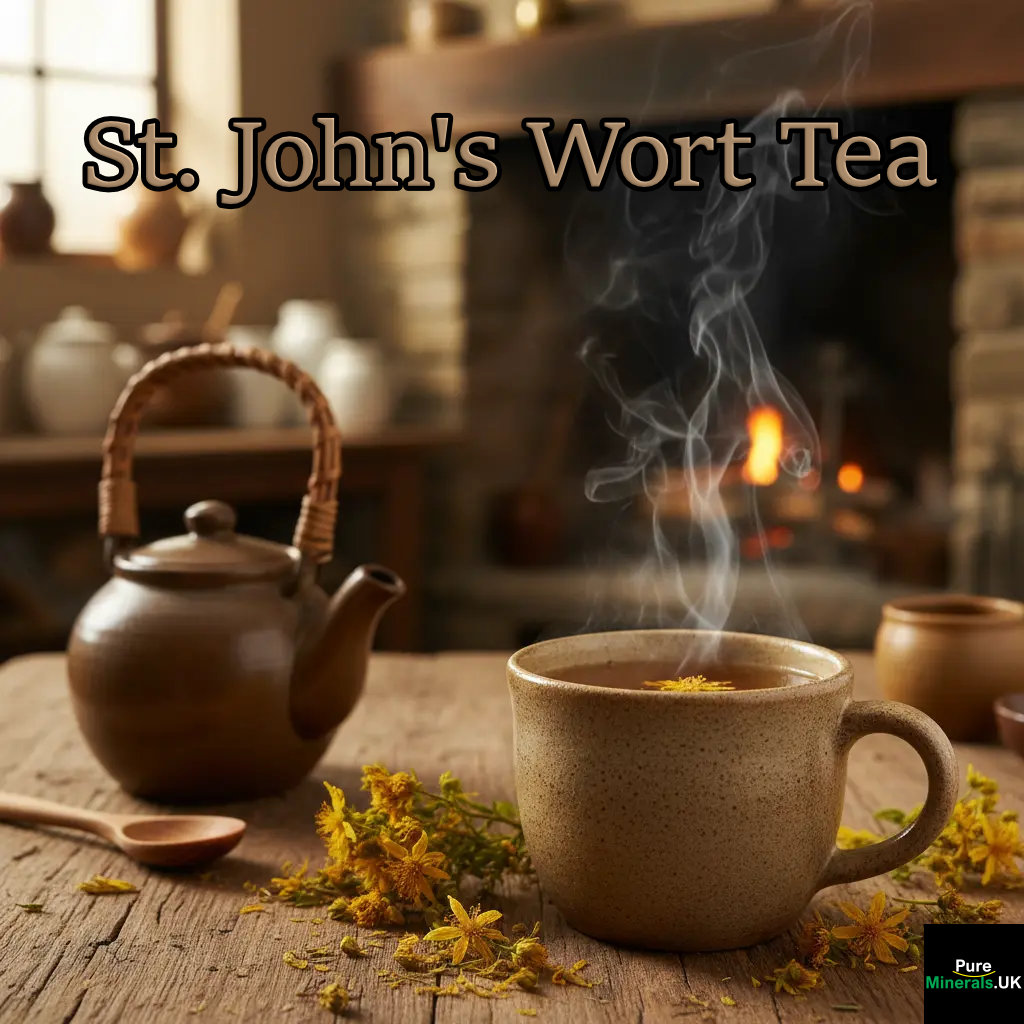
St. John’s Wort tea offers a gentle, daily method for mood support and nervous system nourishment. To prepare, steep 1-2 teaspoons of dried herb in hot water for 10-15 minutes, then strain and enjoy 1-3 cups daily. The tea has a pleasantly herbaceous, slightly bitter flavor that pairs well with honey and lemon. While tea provides lower concentrations of active compounds than concentrated extracts, it offers a balanced, mild approach suitable for sensitive individuals or those seeking gradual, gentle support.
2. Tinctures for Concentrated Benefits
Tinctures provide a concentrated, readily absorbed form of St. John’s Wort that delivers therapeutic doses of the key compounds. Typically made by extracting the herb in alcohol or glycerin, tinctures offer precise dosing and rapid absorption. The standard dosage ranges from 30-60 drops (approximately 1-2 milliliters) taken 2-3 times daily, though this may vary based on the specific preparation and individual needs. Tinctures are particularly valuable when seeking more potent mood support or when addressing acute nerve pain or emotional distress.
When selecting a St. John’s Wort tincture, look for products that use the fresh flowering tops of the plant, as these contain the highest levels of active compounds. A quality tincture should specify standardization of hyperforin and hypericin content, ensuring consistent potency with each dose. Many herbalists prefer tinctures made from fresh rather than dried plant material, as the fresh extraction better preserves the delicate compounds responsible for the herb’s therapeutic effects.
3. Capsules and Standardized Extracts
For those seeking convenience and precise dosing, standardized St. John’s Wort extracts in capsule form offer an excellent option. Clinical studies typically use standardized extracts containing 0.3% hypericin and 3-5% hyperforin, with dosages ranging from 300-900mg daily, often divided into multiple doses. These standardized preparations ensure consistent potency and reliable results, making them ideal for addressing specific mental health concerns like mild to moderate depression or anxiety.
Capsules eliminate the sometimes bitter taste of tinctures and teas while providing accurate, consistent dosing. They’re particularly suitable for those with busy lifestyles who need a simple, portable option for daily use. When choosing capsule preparations, look for reputable brands that test for purity and potency, and preferably those that use organic St. John’s Wort to minimize exposure to pesticides and other contaminants.
4. Topical Applications for Nerve Pain
St. John’s Wort’s benefits extend beyond internal use to include topical applications for nerve pain and inflammation. The signature red oil made from the plant’s flowers contains compounds that penetrate the skin to soothe irritated nerves and reduce pain signals. This vibrant red oil can be applied directly to areas of nerve pain, such as along the sciatic nerve or for trigeminal neuralgia, providing targeted relief without systemic effects. For additional herbal remedies, consider exploring Skullcap, known for its calming properties.
To use topically, gently massage the oil or salve into affected areas 2-3 times daily, allowing it to fully absorb into the skin. Many herbalists recommend combining St. John’s Wort oil with complementary pain-relieving herbs like arnica or comfrey for enhanced benefits. The oil’s anti-inflammatory and analgesic properties make it valuable for various types of nerve-related discomfort, from post-shingles neuralgia to diabetic neuropathy.
Important Precautions and Contraindications
Despite its gentle nature and proven benefits, St. John’s Wort comes with important precautions that must be respected. This powerful herb interacts with numerous medications and may not be suitable for everyone. Understanding these limitations is crucial for safe and effective use. Always consult with a healthcare provider before beginning St. John’s Wort, especially if you take medications or have existing health conditions.
Medication Interactions to Avoid
St. John’s Wort is known to interact with many medications through its effects on liver enzymes, particularly the cytochrome P450 system. This interaction can either increase or decrease the effectiveness of various drugs, potentially leading to treatment failure or increased side effects. Some of the most significant interactions occur with birth control pills (potentially reducing their effectiveness), blood thinners like warfarin, immunosuppressants, cancer medications, heart medications, and HIV treatments. The herb should never be combined with pharmaceutical antidepressants, as this combination can lead to serotonin syndrome, a potentially dangerous condition. For those interested in herbal alternatives, passionflower is another option that is often explored for its calming effects.
Additionally, St. John’s Wort may affect how the body processes many common medications, including statins, anti-seizure drugs, sedatives, and certain antibiotics. Due to these wide-ranging interactions, it’s essential to review all current medications with a healthcare provider before using St. John’s Wort. In many cases, these interactions can be managed by adjusting medication dosages or schedules, but this should only be done under professional guidance.
Who Should Not Use St. John’s Wort
Several groups should exercise particular caution or avoid St. John’s Wort entirely. Pregnant and breastfeeding women should not use St. John’s Wort due to insufficient safety data. People with bipolar disorder should avoid the herb as it may potentially trigger manic episodes in susceptible individuals. Those with severe depression, suicidal thoughts, or other serious mental health conditions should seek professional treatment rather than self-medicating with St. John’s Wort.
Individuals scheduled for surgery should discontinue St. John’s Wort at least two weeks before their procedure, as it may interfere with anesthesia and increase bleeding risk. People with certain conditions, including Alzheimer’s disease, schizophrenia, or ADHD, may experience worsening symptoms with St. John’s Wort use. As always, working with a knowledgeable healthcare provider is essential to determine if this herb is appropriate for your specific situation.
Potential Side Effects
While generally well-tolerated, St. John’s Wort can cause side effects in some individuals. The most common include digestive discomfort, dry mouth, dizziness, fatigue, and headache. One of the most notable side effects is increased photosensitivity – heightened sensitivity to sunlight that may cause skin to burn more easily. Fair-skinned individuals should be particularly cautious and use sun protection when taking St. John’s Wort.
Less commonly, some people may experience anxiety, restlessness, or vivid dreams when using St. John’s Wort. These effects typically diminish after the first few weeks of use or with dosage adjustments. If side effects are troublesome or persistent, reducing the dose or discontinuing use may be necessary. Most side effects of St. John’s Wort are mild and transient compared to those associated with conventional antidepressants, which contributes to its favorable safety profile for appropriate candidates.
St. John’s Wort vs. Conventional Treatments
Understanding how St. John’s Wort compares to conventional treatments helps informed decision-making for mood support. While pharmaceutical options remain essential for severe depression and other serious conditions, St. John’s Wort offers a valuable alternative for milder cases or as part of a comprehensive approach. The choice between natural and conventional treatments should be guided by symptom severity, individual health factors, and professional guidance rather than perceived superiority of either approach.
Comparison with Antidepressants
Multiple systematic reviews and meta-analyses have found that standardized St. John’s Wort extracts perform comparably to Selective Serotonin Reuptake Inhibitors (SSRIs) for mild to moderate depression. A significant difference lies in the side effect profile – St. John’s Wort typically causes fewer adverse effects than conventional antidepressants, particularly regarding sexual dysfunction, weight gain, and emotional blunting. This favorable tolerance profile makes St. John’s Wort an attractive option for those concerned about the quality-of-life impacts of pharmaceutical antidepressants.
However, important distinctions exist in terms of regulation, standardization, and oversight. Pharmaceutical antidepressants undergo rigorous clinical trials, have consistent potency, and are prescribed with medical supervision. St. John’s Wort products vary widely in quality and potency, potentially leading to inconsistent results. Additionally, while St. John’s Wort shows efficacy for mild to moderate depression, evidence suggests it may be less effective for severe depression, where conventional treatments remain the standard of care.
Cost and Accessibility Factors
St. John’s Wort typically offers a more affordable alternative to prescription antidepressants, especially for those without comprehensive insurance coverage. High-quality standardized extracts generally cost between $15-40 per month, compared to potentially hundreds of dollars for brand-name antidepressants. This cost advantage makes ongoing treatment more financially sustainable for many people seeking long-term mood support. Additionally, St. John’s Wort is widely available without a prescription, removing potential barriers to access like doctor visits and pharmacy wait times.
Timeframe for Noticing Results
Like conventional antidepressants, St. John’s Wort requires consistent use over time to achieve full therapeutic benefits. Most users begin noticing subtle improvements in mood, sleep quality, and stress resilience within 2-3 weeks, with more substantial benefits emerging after 4-6 weeks of regular use. This timeline parallels that of many pharmaceutical antidepressants, which also typically require several weeks to reach full effectiveness.
The gradual onset of action reflects St. John’s Wort’s mechanisms of adjusting neurotransmitter systems and supporting neurological health, processes that develop progressively rather than immediately. For this reason, consistency is crucial when using St. John’s Wort for mood support. Daily use at the recommended dosage provides a steady supply of active compounds needed for cumulative benefits.
Some individuals report more rapid improvements in anxiety symptoms compared to depressive symptoms, sometimes noting reduced tension and improved stress resilience within the first week of use. However, the full spectrum of benefits typically emerges gradually over a month or more of consistent use. This patience and consistency are rewarded with sustainable improvements rather than quick but temporary relief.
Creating a Comprehensive Mood Support Plan
While St. John’s Wort offers valuable support for emotional well-being, optimal results come from incorporating it into a holistic approach to mental health. A comprehensive mood support plan addresses multiple aspects of well-being, including nutritional status, stress management, sleep quality, and social connections. By combining St. John’s Wort with complementary strategies, you create a synergistic approach that supports mood balance from multiple angles simultaneously.
Complementary Herbs and Supplements
Several herbs and supplements work synergistically with St. John’s Wort to enhance mood support and nervous system health. Adaptogens like Rhodiola and Ashwagandha help improve stress resilience and energy levels, complementing St. John’s Wort’s effects on mood regulation. These adaptogenic herbs support healthy adrenal function and help the body maintain balance during periods of emotional or physical stress.
Omega-3 fatty acids found in fish oil or flaxseed oil provide essential building blocks for brain health and have been shown to support mood regulation through anti-inflammatory mechanisms. Vitamin D, often called the “sunshine vitamin,” works particularly well alongside St. John’s Wort, especially for seasonal mood changes. B-complex vitamins support energy production and neurotransmitter synthesis, enhancing the body’s response to herbal mood support.
For sleep support, gentle nervines like lemon balm, passionflower, or chamomile can be combined with St. John’s Wort to improve rest quality without causing morning grogginess. Quality sleep is fundamental to emotional well-being, making these sleep-supporting herbs valuable additions to a comprehensive mood support plan.
Synergistic Mood Support Combination
St. John’s Wort (300-900mg standardized extract daily)
Rhodiola (200-400mg daily)
Omega-3 fatty acids (1000-2000mg daily)
Vitamin D3 (1000-2000 IU daily)
B-complex vitamin (once daily)
Evening sleep support: Lemon balm or passionflower tea
Lifestyle Practices That Enhance Benefits
- Regular physical activity – Even moderate exercise, like walking, increases endorphins and supports neurotransmitter balance
- Mindfulness meditation – Reduces stress hormones and promotes emotional regulation
- Consistent sleep patterns – Supports circadian rhythm and neurotransmitter production
- Social connection – Meaningful interaction with others boosts oxytocin and reduces isolation
- Nature exposure – Time outdoors increases vitamin D and improves mood naturally
- Anti-inflammatory diet – Reduces neuroinflammation and supports brain health
These lifestyle practices create a foundation for emotional well-being that enhances the effectiveness of St. John’s Wort. Regular physical activity is particularly powerful, with research showing that even 30 minutes of moderate exercise several times per week can significantly improve mood and reduce depressive symptoms. The combination of movement, fresh air, and natural light makes outdoor exercise especially beneficial when using St. John’s Wort for mood support.
Mindfulness practices like meditation, yoga, or tai chi help regulate the stress response and promote emotional resilience. These practices activate the parasympathetic nervous system, counteracting the fight-or-flight response that often accompanies anxiety and depression. When combined with St. John’s Wort’s neurotransmitter-balancing effects, mindfulness creates a powerful synergy for emotional well-being. For additional natural remedies, consider exploring the benefits of skullcap for stress relief and relaxation.
Nutritional support through an anti-inflammatory diet rich in whole foods, colorful vegetables, healthy fats, and lean proteins provides the building blocks for neurotransmitter production and brain health. Reducing inflammatory foods like refined sugars and processed ingredients helps minimize neuroinflammation, which is increasingly recognized as a contributor to mood disorders. This nutritional foundation maximizes the body’s response to the beneficial compounds in St. John’s Wort.
When to Consult Healthcare Providers
While St. John’s Wort offers gentle support for mild mood imbalances, certain situations require professional guidance. Seek healthcare advice if you experience severe or persistent depression, thoughts of self-harm, extreme mood swings, or symptoms that interfere with daily functioning. These signs may indicate conditions requiring different treatment approaches. Additionally, consult a professional before combining St. John’s Wort with any medications or if you have pre-existing health conditions like heart disease, liver problems, or seizure disorders.
Working with an integrative healthcare provider familiar with both conventional and natural approaches offers the best of both worlds. These practitioners can help determine appropriate dosing, monitor for interactions or side effects, and adjust your treatment plan as needed. They can also provide valuable guidance on when St. John’s Wort is sufficient on its own and when additional interventions may be beneficial. This collaborative approach ensures you receive comprehensive care tailored to your unique needs and circumstances.
Your Next Steps for Natural Mood Support
Begin your journey with St. John’s Wort by selecting a high-quality, standardized product from a reputable source. Start with a lower dose and gradually increase over two weeks while monitoring your response. Combine this herbal support with the lifestyle practices discussed above, and maintain consistency for at least 6-8 weeks to fully evaluate effectiveness. Keep a mood journal to track changes, noting both improvements and any potential side effects. Remember that natural approaches work best as part of a comprehensive self-care strategy rather than a quick fix. Birth Song Botanicals offers carefully crafted St. John’s Wort preparations backed by traditional knowledge and modern understanding to support your natural wellness journey.
Frequently Asked Questions
The following questions address common concerns about St. John’s Wort use. While this information provides general guidance, individual factors can influence how this herb works for each person. When in doubt, consult with a qualified healthcare provider who can provide personalized recommendations based on your specific health situation.
Understanding these practical aspects of St. John’s Wort use helps ensure you receive maximum benefits with minimal concerns. Remember that herbal medicine works best when approached with knowledge, patience, and respect for both its potential benefits and limitations.
How long does it take for St. John’s Wort to work for depression?
Most people begin noticing subtle improvements in mood, energy levels, and sleep quality within 2-3 weeks of consistent St. John’s Wort use. However, the full therapeutic benefits typically develop gradually over 4-6 weeks of daily use. This timeline is similar to conventional antidepressants, which also require several weeks to reach maximum effectiveness. For best results, commit to at least 6-8 weeks of regular use at the recommended dosage before evaluating its full impact on your mood and well-being.
Can I take St. John’s Wort with my prescription medications?
St. John’s Wort interacts with numerous medications through its effects on liver enzymes, particularly the cytochrome P450 system. NEVER combine St. John’s Wort with antidepressants, birth control pills, blood thinners, immunosuppressants, heart medications, anti-seizure drugs, or HIV medications without medical supervision. Even common medications like statins and certain antibiotics can interact with St. John’s Wort. Always consult with your healthcare provider or pharmacist before combining St. John’s Wort with any prescription medications to prevent potentially serious interactions.
What’s the best time of day to take St. John’s Wort?
Most herbalists recommend taking St. John’s Wort with meals, dividing the daily dose into morning and evening doses (typically with breakfast and dinner). This approach helps maintain stable levels of the active compounds throughout the day and may reduce the potential for digestive discomfort. Some people report mild stimulation from St. John’s Wort and prefer to take their final dose by early evening to avoid potential sleep disruption. Experiment with timing to find what works best for your body and schedule, while maintaining consistency in your daily routine. If you’re interested in exploring other herbal options, consider learning about Passionflower for its calming effects.
Does St. John’s Wort cause photosensitivity?
Yes, St. John’s Wort can increase sensitivity to sunlight in some individuals, particularly those with fair skin. This photosensitivity occurs because the herb’s compounds can enhance the skin’s reactivity to UV rays, potentially leading to more rapid sunburn or rash development with sun exposure. To minimize this risk, use appropriate sun protection including hats, protective clothing, and broad-spectrum sunscreen when spending time outdoors while taking St. John’s Wort.
The risk of photosensitivity varies between individuals and seems to be dose-dependent. Those taking higher doses or using concentrated extracts may experience more pronounced effects. If you notice increased sensitivity to sunlight while using St. John’s Wort, reduce sun exposure and consult with your healthcare provider about adjusting your dosage or using additional protective measures.
Is St. John’s Wort safe for long-term use?
Research suggests that St. John’s Wort is generally safe for long-term use when taken at appropriate dosages. Clinical studies have demonstrated safety with continuous use for up to one year, with some herbalists reporting safe use for even longer periods when properly monitored. However, as with any supplement, periodic reassessment is wise. Consider taking periodic breaks (such as one week off every three months) to evaluate continued need and prevent potential tolerance development. Additionally, long-term users should have regular check-ins with healthcare providers to monitor for any emerging interactions with other medications or changes in health status that might affect St. John’s Wort’s appropriateness.
St. John’s Wort Safety Checklist
✓ Consult healthcare provider before starting
✓ Review all current medications for potential interactions
✓ Start with lower doses and increase gradually
✓ Use sun protection to prevent photosensitivity
✓ Monitor for side effects and adjust dose as needed
✓ Schedule regular check-ins if using long-term
✓ Discontinue two weeks before scheduled surgery
When approaching mood support, remember that no single remedy—herbal or pharmaceutical—provides a complete solution. Emotional well-being emerges from a complex interplay of biological, psychological, and social factors that deserve comprehensive attention. St. John’s Wort offers valuable support for this holistic approach, working gently with your body’s natural systems to promote balance and resilience, much like skullcap in its calming effects.
The journey toward emotional wellness isn’t always linear, with both ups and downs along the way. Patience and persistence with natural approaches like St. John’s Wort typically yield the most sustainable results. Rather than seeking immediate transformation, embrace the gradual nature of herbal medicine and celebrate small improvements as they appear.
As you integrate St. John’s Wort into your wellness routine, maintain an open dialogue with healthcare providers familiar with both conventional and natural approaches. This collaborative relationship ensures you receive personalized guidance that addresses your unique needs and circumstances, maximizing benefits while minimizing potential risks.
Remember that empowered self-care involves making informed choices based on quality information, personal values, and professional guidance. By approaching St. John’s Wort with this mindful perspective, you harness its full potential as part of your journey toward balanced mood and vibrant well-being.