


What Is Shiso and Why Is It Valued for Culinary Flavour, Digestion, and Antioxidant Support?
Shiso is an aromatic leafy herb widely used in Japanese and East Asian cuisine for its distinctive flavour and functional nutritional value. It is valued for its refreshing, mint-basil-citrus-like aroma and its content of polyphenols and volatile oils that support digestion and antioxidant protection. Shiso is most commonly consumed fresh as a garnish, wrap, or seasoning in sushi, salads, noodles, and rice dishes.
Definition:
Shiso refers to Perilla frutescens var. crispa, a leafy herb in the mint family used primarily as a culinary plant and traditional wellness food. It contains aromatic oils and plant antioxidants associated with digestive and immune support.
Extended Definition:
Shiso has been cultivated in East Asia for centuries and plays a central role in Japanese, Korean, and Chinese cuisines. It is commonly used to wrap sashimi, flavour pickles, garnish soups, and enhance rice and noodle dishes. Its fresh leaves help balance rich or raw foods and contribute to food safety traditions.
The herb contains rosmarinic acid, luteolin, and other polyphenols that contribute to antioxidant defence. It also provides volatile compounds such as perillaldehyde, which give shiso its characteristic fragrance and may support digestive comfort.
Shiso is traditionally associated with supporting digestion and reducing nausea, particularly when consumed alongside seafood. It is also used in traditional food preservation practices, such as umeboshi pickling, where it contributes colour and antimicrobial properties.
Shiso exists in green and red varieties. Green shiso is most commonly used fresh, while red shiso is often used for colouring and flavouring pickled foods and beverages.
Shiso is best understood as a functional culinary herb, providing modest wellness benefits through regular dietary use rather than medicinal dosing.
Key Facts:
- Herb type: Culinary aromatic leaf / functional food herb
- Botanical name: Perilla frutescens var. crispa
- Key compounds: Rosmarinic acid, luteolin, perillaldehyde, flavonoids
- Primary roles: Digestive support, antioxidant protection, flavour enhancement
- Systems supported: Digestive, immune, metabolic
- Best forms: Fresh leaves, pickled leaves, dried flakes (furikake-style blends)
- Use considerations: Strong flavour; best used fresh; red and green varieties differ in use
- Typical pairing: Often paired with fish, rice, noodles, soy sauce, ginger, sesame, umeboshi
Key Takeaways
- Shiso is a versatile Japanese herb that offers a unique flavor profile combining mint, basil, and citrus notes, making it an exceptional addition to both traditional and modern cuisine.
- There are two main varieties of shiso: green (aojiso) with a fresher taste ideal for raw applications, and purple (akajiso) with a stronger flavor perfect for pickling and cooking.
- Beyond culinary applications, shiso contains powerful antioxidants like rosmarinic acid and perillaldehyde that may help combat inflammation and oxidative stress.
- The herb is rich in essential nutrients, including calcium, iron, and omega-3 fatty acids, offering potential benefits for heart health and immune function.
- Growing your own shiso at home requires minimal effort and provides a continuous supply of this superfood herb that can transform everything from sushi to cocktails.
Shiso might be the culinary superstar you’ve been missing in your kitchen. With its vibrant appearance and complex flavor profile, this Japanese herb has been enhancing dishes for centuries, while simultaneously offering impressive health benefits that modern science is just beginning to fully appreciate. Japanese Taste has been introducing authentic Japanese ingredients like shiso to home cooks looking to explore the incredible depth and nuance of Japanese cuisine.
Also known as Japanese basil or perilla, shiso belongs to the mint family (Lamiaceae) but brings its own distinctive character to the culinary world. The plant features broad, serrated leaves with pronounced veining that adds visual interest to any dish it graces.
Shiso at a Glance
Shiso is a leafy herb that has been a staple in East Asian cuisine for generations. Its botanical name is Perilla frutescens var. crispa, distinguishing it from other perilla varieties. What makes shiso truly special is its complex flavor profile and remarkable versatility in both traditional and contemporary cooking. Beyond its culinary applications, shiso packs an impressive nutritional punch, containing essential vitamins, minerals, and unique compounds that support overall health.
Discover the Versatile Japanese Herb That Transforms Dishes and Health
Imagine an herb that can simultaneously serve as a beautiful garnish, impart complex flavor to dishes, add vibrant color to pickled foods, and provide significant health benefits. That’s shiso in a nutshell. This remarkable plant has been used in Japanese kitchens for centuries, with records of its cultivation dating back over a thousand years. Once primarily known in the West as the green leaf adorning sushi plates, shiso has broken free from this limited role to become a sought-after ingredient in innovative cuisine worldwide. For those interested in exploring more about unique herbs, you might also find myrtle intriguing.
What makes shiso truly extraordinary is its ability to transform both traditional Japanese recipes and unexpected fusion dishes. The herb’s complex flavor profile creates new dimensions in everything from simple salads to elaborate main courses. Its health benefits, backed by emerging research, make it not just a flavorful addition but a functional food that contributes to wellness with every bite.
What Is Shiso and Why It Deserves a Place in Your Kitchen
Shiso is a herbaceous plant in the mint family, with distinctively shaped leaves that resemble those of nettles or sesame plants. In Japan, it’s known as “shiso” (紫蘇), a name derived from the characters meaning “purple” and “resurrect,” reflecting both its color and its vitality. While the plant originates from mountainous regions of China and India, it has become deeply integrated into Japanese culinary tradition, where both green and purple varieties play important roles in various dishes.
This herb deserves prime real estate in your kitchen for several compelling reasons. First, its unique flavor profile—a captivating blend of mint, basil, anise, and citrus notes with a hint of cinnamon—can’t be replicated by any other single herb. Second, shiso is incredibly versatile, complementing everything from raw fish to fresh fruit. Third, its nutritional profile makes it a functional food, offering potential health benefits with every serving. Finally, shiso adds visual appeal to dishes with its distinctive leaf shape and vibrant color, elevating the presentation of even the simplest recipes, much like the way myrtle can enhance the aesthetics of a dish.
Green vs. Purple Shiso: Key Differences in Flavor and Use
Green shiso (aojiso) and purple shiso (akajiso) may come from the same plant family, but they offer distinctly different culinary experiences. Green shiso presents a brighter, fresher flavor profile with pronounced citrus and mint notes, making it ideal for raw applications. It’s commonly used as a wrap for sashimi, chopped into salads, or muddled into refreshing summer beverages.
Purple shiso, by contrast, delivers a stronger, more robust flavor with earthy undertones and a slightly bitter finish. This variety shines in cooked applications and is the traditional choice for pickling umeboshi plums, where it imparts both flavor and a striking red color. The anthocyanins that give purple shiso its distinctive hue also contribute additional antioxidant properties, making it particularly valuable from a nutritional standpoint.
“The difference between green and purple shiso is not just color—it’s a completely different culinary experience. Green shiso brightens dishes with its fresh, citrusy notes, while purple shiso adds depth and complexity with its more robust flavor profile.”
The Distinctive Flavor Profile: Between Mint, Basil, and Citrus
Attempting to describe shiso’s flavor to someone who has never experienced it is like trying to explain a color to someone who’s never seen it—words simply fall short. The herb occupies a fascinating space in the flavor spectrum, sharing qualities with several familiar herbs while remaining utterly unique. At first taste, you might detect the refreshing coolness of mint, quickly followed by the aromatic complexity of basil. Then comes a surprising citrus note, reminiscent of lemon or lime, but with an intriguing anise-like undertone.
What makes shiso truly special is how these flavor components evolve as you eat it. The initial brightness gives way to subtle spice notes, sometimes likened to cinnamon or clove, before finishing with a slight peppery quality. This complex flavor journey makes shiso particularly valuable in culinary applications, as it can complement and enhance a wide range of ingredients. The herb’s ability to harmonize with everything from delicate fish to robust meats, from fresh fruits to fermented vegetables, speaks to its exceptional versatility in the kitchen.
5 Traditional Japanese Culinary Uses for Shiso
In Japanese cuisine, shiso has been a culinary cornerstone for centuries, playing roles that go far beyond simple garnish. Understanding these traditional applications provides insight into the herb’s versatility and helps appreciate how it has become integrated into the cultural fabric of Japanese food traditions. You can also explore how other herbs like salad burnet are used in culinary practices worldwide.
The Japanese have developed countless ingenious ways to incorporate shiso into their cuisine, maximizing both its flavor profile and its preservative properties. These traditional applications showcase not only the herb’s culinary value but also the cultural importance it holds in Japanese gastronomy.
1. Essential Component in Umeboshi Plum Pickling
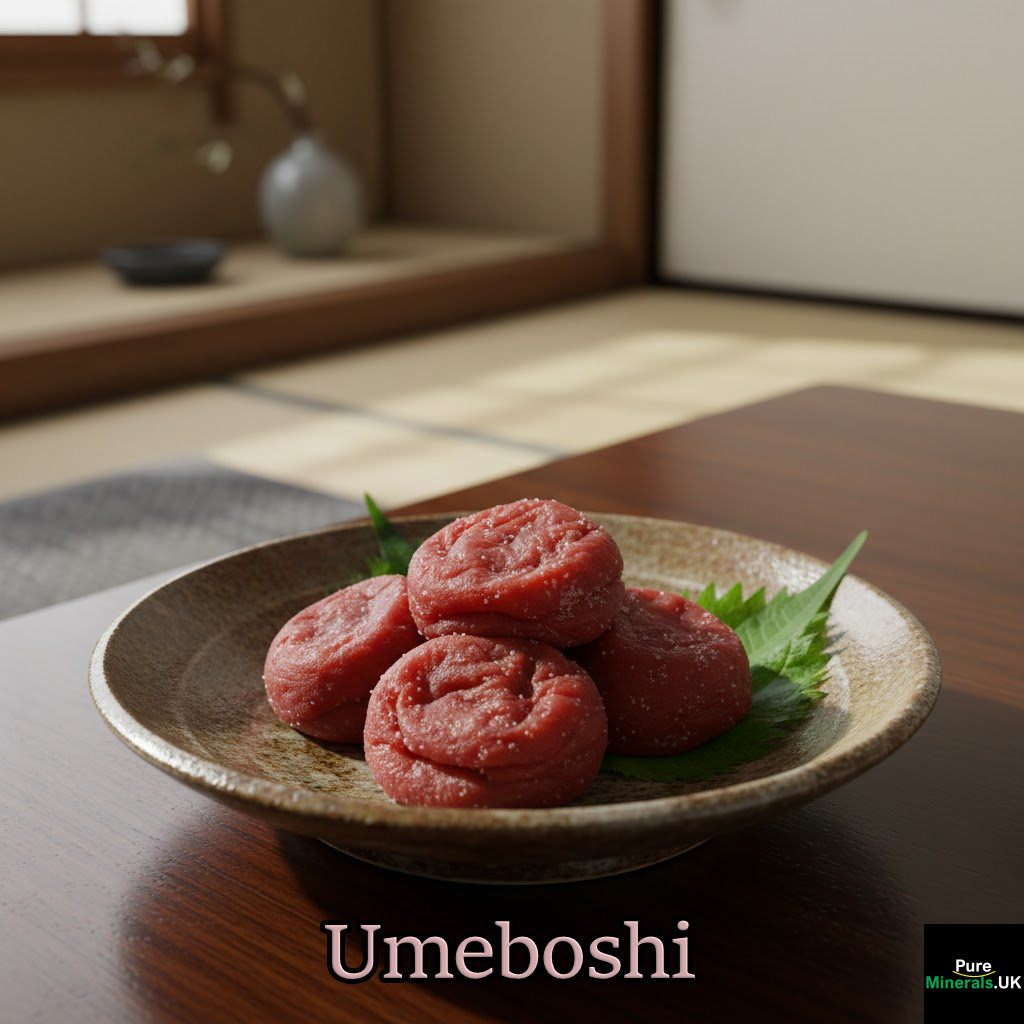
Perhaps the most iconic use of shiso in Japanese cuisine is in the creation of umeboshi, the salt-preserved plums that represent one of Japan’s most beloved traditional foods. Purple shiso leaves are an indispensable ingredient in this process, where they serve multiple purposes. The leaves impart their vibrant red pigment to the plums, creating the characteristic ruby color that makes umeboshi so visually distinctive. Beyond aesthetics, shiso contributes antimicrobial properties that aid in preservation while adding complex flavor notes that balance the intense saltiness and sourness of the preserved fruit. Additionally, shiso leaves are often paired with seaweed to enhance the flavor profile of traditional Japanese dishes.
2. Sushi and Sashimi Accompaniment

Green shiso leaves frequently appear alongside sushi and sashimi, where they serve both practical and culinary purposes. The antibacterial compounds in shiso historically helped reduce the risk of foodborne illness when consuming raw fish, while its bright, clean flavor cuts through the richness of fatty fish varieties. Many sushi chefs place shiso between the rice and fish in nigiri sushi to add an aromatic element that enhances the overall eating experience. When eaten together with sashimi, shiso’s complex flavor profile creates a remarkable harmony with the delicate taste of raw fish.
3. Tempura-Fried Shiso Leaves

Shiso tempura represents one of the most delightful ways to showcase the herb’s unique qualities. When dipped in light tempura batter and quickly fried, shiso leaves become crisp while retaining their distinctive flavor profile. The cooking process mellows some of the herb’s more assertive notes while concentrating its aromatic qualities. Typically served as part of a larger tempura assortment, fried shiso leaves provide a burst of herbal freshness that contrasts beautifully with seafood and vegetable tempura varieties. The leaves’ distinctive shape and delicate veining pattern also make them visually striking when transformed into golden-brown tempura.
4. Shiso in Japanese Beverages

The refreshing qualities of shiso make it an excellent addition to various beverages in Japanese cuisine. Shiso juice, made by infusing the leaves in water with sugar and a touch of vinegar, creates a vibrant purple drink that’s especially popular during hot summer months. The herb also finds its way into alcoholic drinks, where it’s muddled into shochu or sake to create herb-infused cocktails with complex flavor notes. Some traditional producers even use red shiso to color umeshu (plum wine), lending both visual appeal and subtle herbal notes to this sweet liqueur.
5. Flavoring Agent for Rice Dishes

Shiso’s aromatic quality makes it an excellent flavoring agent for rice, Japan’s staple food. Finely chopped shiso leaves may be mixed into steamed rice to create a fragrant side dish, or used as a component in onigiri (rice balls) fillings. The herb is particularly effective when paired with other traditional Japanese flavors like umeboshi, bonito flakes, or pickled vegetables. Some regional Japanese cuisines even use shiso seeds as a seasoning called “egoma,” sprinkling them over rice dishes to add textural contrast and a nutty flavor component.
Modern Ways to Use Shiso in Everyday Cooking
While traditional Japanese applications showcase shiso’s culinary value, creative cooks worldwide have been discovering exciting new ways to incorporate this versatile herb into contemporary cooking. The unique flavor profile of shiso lends itself remarkably well to fusion cuisine and modern culinary techniques, opening up countless possibilities for the adventurous home cook.
As shiso becomes more readily available in markets beyond Japan, chefs and food enthusiasts continue to develop innovative applications that highlight the herb’s distinctive qualities. These modern uses demonstrate shiso’s remarkable adaptability across culinary traditions and cooking methods.
Shiso Pesto: A Japanese Twist on an Italian Classic
Swapping traditional basil for shiso creates a pesto with remarkable complexity and an unexpected flavor profile. The mint-citrus notes of shiso combine beautifully with pine nuts, Parmesan, garlic, and olive oil to create a versatile condiment that can transform pasta, grilled vegetables, or seafood dishes. For a more Asian-inspired variation, substitute the pine nuts with toasted sesame seeds and add a splash of rice vinegar to emphasize shiso’s brightness. This east-meets-west approach creates a condiment that bridges culinary traditions while celebrating the distinctive character of this Japanese herb.
Infuse Oils and Vinegars with Shiso
Capturing shiso’s complex flavor in oils and vinegars creates versatile pantry ingredients that can add instant depth to countless dishes. To make shiso-infused oil, gently warm high-quality olive or grapeseed oil with fresh shiso leaves until fragrant, then strain and cool. The resulting emerald-hued oil makes an exceptional finishing touch for soups, grilled fish, or simple salads. Similarly, steeping shiso in rice vinegar for several weeks produces a vibrantly flavored vinegar perfect for dressings, quick pickles, or deglazing pans when cooking delicate proteins. Both infusions preserve shiso’s characteristic flavor profile while making it available year-round.
Shiso in Salads and Summer Rolls
The bright, refreshing quality of shiso makes it an outstanding addition to raw preparations like salads and summer rolls. Torn or chiffonaded shiso leaves add visual interest and flavor complexity to simple green salads, particularly when paired with citrus segments, avocado, or cucumber. In Vietnamese-inspired summer rolls, whole shiso leaves can replace or complement mint and cilantro, creating a unique flavor profile that stands up beautifully to rich dipping sauces. The herb’s slight licorice note and cooling effect make it especially welcome in summer dining when lighter, fresher flavors are most appealing.
Impressive Health Benefits of Shiso
Beyond its culinary applications, shiso stands out as a nutritional powerhouse with remarkable health-promoting properties. Traditional Eastern medicine has long valued this herb for its therapeutic potential, and modern scientific research is increasingly validating these traditional uses with compelling evidence of shiso’s bioactive compounds and their effects on human health.
The health benefits of shiso extend far beyond its delightful flavor, making it a true functional food that contributes to wellness with every serving. From powerful antioxidant protection to specific organ system benefits, this herb offers impressive nutritional support in a small package.
Rich Source of Antioxidants: What Research Shows
Shiso leaves contain an impressive array of antioxidant compounds that help neutralize harmful free radicals in the body. Among these, rosmarinic acid stands out as particularly abundant, with research suggesting it may help reduce oxidative stress and inflammation. Studies have shown that the antioxidant activity in shiso is comparable to or even exceeds that of other celebrated herbs like oregano and rosemary.
The distinctive purple pigments in red shiso, called anthocyanins, provide additional antioxidant protection while also supporting cardiovascular health. These compounds have been studied for their potential to improve blood vessel function and reduce inflammation markers. Laboratory research indicates that regular consumption of these compounds may contribute to long-term health by protecting cells from oxidative damage that accelerates aging and disease processes.
Anti-inflammatory Properties for Daily Wellness
Inflammation lies at the heart of many chronic health conditions, making shiso’s anti-inflammatory compounds particularly valuable for everyday wellness. The herb contains several bioactive substances, including perillaldehyde and limonene, that have demonstrated anti-inflammatory effects in scientific studies. These compounds appear to inhibit pro-inflammatory pathways in the body, potentially reducing inflammation at the cellular level.
Traditional Japanese medicine has long used shiso to address inflammatory conditions ranging from respiratory issues to skin irritations. Modern research provides biological explanations for these traditional applications, suggesting that regular consumption of shiso may help modulate the body’s inflammatory response. For those seeking natural approaches to managing inflammation, incorporating this herb into daily meals offers a flavorful strategy with scientific support.
Nutritional Profile: Vitamins, Minerals, and Essential Fatty Acids
Despite its delicate appearance, shiso packs an impressive nutritional punch. The leaves are exceptionally rich in calcium, with levels that surpass many leafy greens. They also provide significant amounts of iron, potassium, and vitamins A, C, and K—nutrients essential for bone health, immune function, and cellular repair processes.
One of shiso’s most noteworthy nutritional attributes is its alpha-linolenic acid content. This plant-based omega-3 fatty acid contributes to heart health and cognitive function. For those following plant-based diets, shiso offers a flavorful way to incorporate these essential fatty acids into meals. A simple serving of fresh shiso leaves can provide meaningful amounts of these nutrients, making it a functional food that supports overall health through everyday consumption.
Nutrient | Benefit | Found in |
|---|---|---|
Rosmarinic Acid | Powerful antioxidant, anti-inflammatory | Both green and purple varieties |
Perillaldehyde | Antimicrobial, digestive support | Higher in green shiso |
Anthocyanins | Heart health, antioxidant protection | Purple shiso only |
Alpha-Linolenic Acid | Brain health, anti-inflammatory | Seeds and leaves |
Calcium | Bone health, muscle function | Particularly high in leaves |
Digestive Support and Respiratory Health Benefits
In traditional Asian medicine systems, shiso has been prized for its ability to support healthy digestion and respiratory function. Modern research suggests these traditional uses have scientific merit. The volatile oils in shiso, particularly perillaldehyde, have demonstrated antimicrobial properties that may help maintain a healthy balance of gut bacteria while potentially reducing digestive discomfort.
For respiratory health, shiso’s anti-inflammatory compounds may help soothe irritated airways and support normal breathing. Some studies suggest that compounds in shiso can help relax bronchial muscles, potentially easing symptoms of respiratory discomfort. In Japan, shiso tea has long been a traditional remedy for coughs and congestion, a practice now supported by emerging scientific understanding of the herb’s bioactive components.
How to Store Fresh Shiso for Maximum Flavor and Benefits
Preserving the vibrant flavor and nutritional benefits of fresh shiso requires proper storage techniques. The delicate leaves can quickly wilt or lose their distinctive aroma if not handled correctly. With the right methods, however, you can extend the useful life of this valuable herb and ensure it’s available whenever culinary inspiration strikes. For those interested in exploring other nutritious greens, consider adding cress to your culinary repertoire.
Different storage approaches serve different timeframes and purposes, from short-term refrigeration to longer-term preservation methods. Understanding these options allows you to manage your shiso supply efficiently, minimizing waste while maximizing the herb’s culinary and nutritional potential.
Short-Term Storage Methods
For the freshest flavor and optimal nutritional value, store newly harvested or purchased shiso leaves in the refrigerator. Wrap unwashed leaves loosely in slightly damp paper towels, place them in a perforated plastic bag, and store in the vegetable crisper. This method maintains humidity while allowing excess moisture to escape, helping prevent both wilting and rotting. Properly stored this way, shiso leaves will retain their quality for up to a week.
Another effective short-term storage technique involves treating shiso like cut flowers. Trim the stems and place them in a glass of water, then loosely cover the leaves with a plastic bag to create a humid environment. Change the water every couple of days to prevent bacterial growth. This approach works particularly well for shiso purchased with stems intact and can keep the leaves fresh for 5-7 days at room temperature or longer in the refrigerator.
Preserving Shiso for Year-Round Use
To enjoy shiso’s distinctive flavor beyond its growing season, several preservation methods offer excellent results. Freezing works surprisingly well for this delicate herb—simply blanch the leaves briefly in boiling water, shock in ice water, pat dry, and freeze flat on a tray before transferring to airtight containers. Frozen shiso maintains much of its flavor profile and can be used directly in cooked dishes without thawing. For more on this delicious and decorative Japanese herb, you can read more here.
For longer-term storage with different culinary applications, consider making shiso salt by layering chopped leaves with coarse sea salt and allowing them to dry. The resulting herb-infused salt captures shiso’s essential oils and makes an excellent finishing touch for everything from grilled vegetables to chocolate desserts. Alternatively, preserve whole leaves in salt to create a versatile pantry ingredient that can be rinsed before use in cooked applications.
Growing Your Own Shiso: A Simple Guide
Growing your own shiso provides the freshest possible supply of this versatile herb while also offering the opportunity to experience varieties that may be difficult to find commercially. Though native to mountainous regions of Asia, shiso adapts well to home gardens in many climates and can even thrive in container gardens on patios or windowsills.
Shiso’s growing requirements are relatively straightforward, making it accessible even to novice gardeners. The plants grow quickly once established and can produce an abundant harvest throughout the growing season with minimal maintenance.
Starting from seed offers the widest variety of options, including specialized cultivars developed for specific culinary applications. Both green and purple varieties grow similarly, though some gardeners report that green shiso tends to be slightly more vigorous in most growing conditions.
Optimal Growing Conditions
Shiso thrives in well-draining soil with moderate fertility and prefers locations with morning sun and afternoon shade in warmer climates. In cooler regions, full sun positions produce the best growth and most vibrant leaf color. The plants appreciate consistent moisture but are surprisingly drought-tolerant once established, making them forgiving of occasional neglect.
For container growing, select pots at least 8 inches deep to accommodate shiso’s taproot and use a quality potting mix with good drainage. The plant’s shallow secondary root system means it can share container space with compatible herbs like basil or cilantro. Temperature is important for successful germination—shiso seeds sprout best when soil temperatures reach at least 65°F (18°C), making them perfect for late spring planting in most regions.
Harvesting Tips for Continuous Supply
The key to a continuous supply of shiso lies in proper harvesting techniques that encourage branching and new growth. Begin harvesting when plants reach about 8 inches tall by pinching off the top few leaves, which stimulates the plant to produce side shoots. As the plant matures, harvest outer leaves first, taking no more than one-third of the plant at any time to maintain vigor. For more tips on harvesting similar plants, check out this guide on plantain harvesting techniques.
For maximum flavor, harvest shiso in the morning after dew has dried but before the day’s heat intensifies. This timing captures the highest concentration of aromatic oils in the leaves. Regular harvesting prevents flowering, which changes the leaf flavor and signals the plant to complete its life cycle. If seed production is desired for next season’s planting, allow a few plants to flower and collect seeds after they’ve fully matured and dried on the plant.
Add This Superfood Herb to Your Diet Starting Today
With its remarkable flavor profile and impressive health benefits, shiso deserves a prominent place in your culinary repertoire. Starting small with simple applications allows you to familiarize yourself with this herb’s unique characteristics before exploring more complex culinary uses. Even incorporating small amounts regularly can contribute meaningful nutritional benefits while expanding your palate. For example, you can try pairing shiso with other herbs like salad burnet to create refreshing and nutritious dishes.
The journey into cooking with shiso doesn’t require specialized knowledge or equipment—just an openness to new flavors and a willingness to experiment. Begin with applications that showcase the fresh leaves, such as adding them to salads or using them as edible garnishes, then gradually explore the herb’s versatility in cooked dishes, preserves, and beverages.
Remember that both green and purple varieties offer their own distinctive qualities, so try both when available. Green shiso’s brighter, more citrusy notes work beautifully in fresh applications, while purple shiso’s deeper flavor profile often shines in cooked dishes and pickles.
For those interested in maximizing shiso’s health benefits, regular consumption is key. Consider keeping a small plant on your windowsill for easy access to fresh leaves year-round, or explore preservation methods to ensure this nutritional powerhouse remains available regardless of season.
- Start by adding torn shiso leaves to simple green salads or summer rolls
- Use whole leaves as beautiful and flavorful wrappers for rice or light fillings
- Infuse drinking water with a few leaves for a refreshing, antioxidant-rich beverage
- Incorporate finely chopped shiso into scrambled eggs or omelets for breakfast
- Experiment with shiso in cocktails or mocktails as an aromatic garnish
Important note: Shiso
Shiso is generally safe when used as a culinary herb in normal food amounts. Allergic reactions are rare but possible, particularly in individuals sensitive to plants in the mint family (Lamiaceae). Concentrated shiso extracts or essential oils should be used cautiously and only under professional supervision.
Individuals using blood-thinning medication should be aware that shiso contains polyphenols that may influence platelet activity in high doses, though normal culinary use is unlikely to cause issues. As with all herbs, medicinal-level use during pregnancy and breastfeeding should be discussed with a healthcare professional.
Frequently Asked Questions
As shiso continues to gain popularity beyond traditional Japanese cuisine, home cooks naturally have questions about incorporating this versatile herb into their culinary repertoire. These frequently asked questions address common concerns about using, finding, and maximizing the benefits of this remarkable plant.
Can I substitute basil or mint for shiso in recipes?
While no single herb perfectly replicates shiso’s complex flavor profile, a thoughtful combination can approximate its distinctive qualities in many recipes. For the closest substitute, combine fresh basil leaves with a smaller proportion of mint and a touch of cilantro or a drop of anise extract. This blend captures shiso’s aromatic complexity reasonably well, especially in cooked applications where subtle nuances may be less pronounced.
- For raw applications: 3 parts basil + 1 part mint + a small amount of cilantro
- For cooked dishes: 2 parts basil + 1 part mint + a pinch of ground anise
- For pickles: Mint with a small amount of lemon zest
Remember that these substitutions will change the character of the finished dish, so adjust quantities according to your taste preferences. When using shiso primarily for its color, as in pickled preparations, red cabbage or beet juice can sometimes provide a similar visual effect without attempting to match the flavor.
That said, for recipes where shiso is the star ingredient (like shiso tempura or certain traditional Japanese dishes), substitutions may significantly alter the intended experience. In these cases, it’s worth seeking out the real thing or saving the recipe for when you can source proper shiso.
Is shiso safe to eat during pregnancy?
Shiso used in culinary amounts is generally considered safe during pregnancy, as it has a long history of consumption in Japanese cuisine without reported adverse effects. The herb contains beneficial nutrients, including folate, iron, and calcium—all important during pregnancy. However, as with any herb used medicinally in concentrated forms (like essential oils or supplements), pregnant women should consult their healthcare providers before consuming shiso in amounts significantly greater than would typically be used in cooking.
Where can I buy fresh shiso if I can’t grow it myself?
Fresh shiso is becoming increasingly available as interest in Japanese cuisine continues to grow globally. Japanese and Asian specialty grocers are the most reliable sources, where shiso may be labeled as “perilla” or “Japanese basil.” Look in the refrigerated produce section, often near other specialty herbs or Asian greens.
Farmers’ markets in areas with significant Asian communities often feature vendors who grow and sell fresh shiso, particularly during the summer months. These market-fresh leaves typically offer superior flavor and longevity compared to commercially packaged options.
If local sources prove elusive, some specialty online retailers ship fresh herbs nationwide, though this option typically comes at a premium price. For those in urban areas, restaurant supply companies that cater to Japanese restaurants sometimes sell to the public and can be excellent sources for hard-to-find ingredients like shiso.
- Japanese and Asian grocery stores
- Farmers’ markets, especially those with Asian produce vendors
- Specialty produce sections in upscale supermarkets
- Online specialty food retailers
Does dried shiso have the same health benefits as fresh?
Dried shiso retains many of the herb’s beneficial compounds, though some volatile components diminish during the drying process. The antioxidant compounds, including rosmarinic acid, remain stable in properly dried leaves, as do many of the flavonoids and phenolic compounds responsible for shiso’s anti-inflammatory properties. While the vitamin C content decreases significantly with drying, minerals like calcium and iron remain present in comparable amounts to fresh leaves, making dried shiso still nutritionally valuable.
How much shiso should I consume to get health benefits?
There’s no established standard dosage for shiso consumption, but incorporating the herb regularly in culinary amounts (several leaves daily) can contribute to overall antioxidant intake and nutritional diversity. Traditional Japanese consumption patterns suggest regular moderate use rather than occasional large amounts provides the most benefit. The compounds in shiso work synergistically with other plant foods, so including it as part of a varied diet rich in herbs, vegetables, and fruits maximizes its potential health benefits.
Some preliminary research suggests that consistent consumption over time yields greater benefits than sporadic large doses, as the body becomes more efficient at utilizing shiso’s bioactive compounds. This aligns with traditional usage patterns in Japanese cuisine, where small amounts of the herb appear frequently in diverse preparations rather than as an occasional major ingredient.