

Published: 19 December 2025
Last Updated: 25 February 2026
This article is periodically reviewed and updated to reflect current scientific understanding by Vic George.

What Is Green Tea and Why Is This Traditional Herbal Beverage Used for Antioxidant Protection, Metabolic Support, and Cognitive Alertness?
Green tea is a traditional herbal beverage widely used to support antioxidant protection, metabolic health, and cognitive alertness. Made from the unoxidised leaves of the tea plant, green tea has been consumed for centuries in East Asian cultures for its restorative and clarifying properties. Its combination of polyphenols and naturally occurring caffeine provides gentle stimulation alongside cellular protection.
Definition:
Green tea is produced from the leaves of Camellia sinensis that are quickly heated after harvesting to prevent oxidation. This processing preserves a high concentration of bioactive compounds, particularly catechins, which contribute to green tea’s antioxidant and metabolic effects. Green tea is commonly consumed as a brewed beverage or as a standardized extract.
Extended Definition:
Green tea is especially rich in catechins, most notably epigallocatechin gallate (EGCG), which support antioxidant defence and help regulate inflammatory and metabolic pathways. It also contains L-theanine, an amino acid that promotes calm focus and helps balance the stimulating effects of caffeine. Together, these compounds support mental clarity, cardiovascular health, and metabolic efficiency without the sharp stimulation associated with stronger caffeinated beverages. Traditionally, green tea has been used to promote alertness during meditation and daily activity while supporting long-term wellbeing. Effects are generally subtle and cumulative, and benefits are most closely associated with regular, moderate consumption rather than acute use.
Key Facts:
- Herb name: Green Tea
- Botanical name: Camellia sinensis
- Herb type: Traditional antioxidant and metabolic-support herb
- Key compounds: Catechins (EGCG), L-theanine, caffeine
- Primary uses: Antioxidant protection, metabolic support, cognitive alertness
- Systems supported: Metabolic, cardiovascular, nervous
- Common forms: Loose-leaf tea, tea bags, capsules, standardised extracts
- Use considerations: Contains caffeine; sensitivity varies; avoid excessive intake late in the day
- Typical pairing: Often paired with vitamin C, bioflavonoids, or L-theanine for antioxidant and cognitive support
Article-at-a-Glance

- Green tea contains powerful catechins like EGCG, which have been linked to numerous health benefits, including improved brain function and metabolism.
- The processing methods of green tea leaves directly impact the preservation of bioactive compounds, with unoxidized leaves retaining the highest levels of beneficial plant compounds.
- L-theanine, an amino acid found almost exclusively in tea, works synergistically with caffeine to provide a balanced mental alertness without the jitters associated with coffee.
- Traditional use of green tea spans over 5,000 years across Asian cultures, where it has been valued for both medicinal properties and cultural significance.
- Brewing temperature and steeping time significantly influence the extraction of beneficial compounds from green tea leaves, with optimal water temperatures between 71-82°C (160-180°F).
Green tea isn’t just another beverage – it’s one of nature’s most impressive medicinal plants. Behind its delicate flavor profile lies a complex array of bioactive compounds that work synergistically to deliver remarkable health benefits. These natural plant compounds have been studied extensively by researchers worldwide, confirming what traditional medicine practitioners have known for millennia.
For those seeking natural ways to enhance wellness, understanding the science behind green tea’s therapeutic properties can transform a simple daily ritual into a powerful health practice. From boosting brain function to supporting cardiovascular health, the compounds in these unassuming leaves offer wide-ranging benefits that modern science continues to validate and explain.
The Powerful Plant Compounds in Green Tea: Nature’s Health Elixir
Green tea derives its health-promoting properties from a unique biochemical profile rich in polyphenols, particularly a class called catechins. These compounds account for 25-35% of the dry weight of green tea leaves and are largely responsible for both its flavor characteristics and therapeutic effects. What makes green tea especially valuable is that its minimal processing preserves these delicate compounds that would otherwise be destroyed or transformed during the oxidation process used for black or oolong teas.
Major Catechins That Make Green Tea Special
The catechin family in green tea consists of four primary compounds: epigallocatechin gallate (EGCG), epigallocatechin (EGC), epicatechin gallate (ECG), and epicatechin (EC). Among these, EGCG stands out as the most abundant and potent, comprising approximately 59% of the total catechins. This powerhouse compound has been the focus of extensive research due to its remarkable antioxidant capacity and apparent ability to influence cellular pathways related to inflammation, cancer prevention, and metabolism.
Each catechin contributes uniquely to green tea’s health profile. For instance, ECG demonstrates particularly strong antibacterial properties, while EGC exhibits significant free radical scavenging abilities. These compounds work both independently and synergistically, creating a biochemical matrix that’s greater than the sum of its parts. This helps explain why whole green tea extract often shows more pronounced benefits than isolated compounds in research studies, similar to how ginkgo biloba offers more comprehensive benefits when used as a whole extract.
The catechin content in green tea varies significantly based on factors including growing conditions, harvesting time, leaf age, and processing methods. Premium green teas, particularly those harvested from young leaves during the first flush of spring, generally contain higher concentrations of these valuable compounds. This is why connoisseurs often prize these early harvests not only for their superior flavor but also for their enhanced health benefits.
Antioxidant Properties That Fight Free Radicals
Green tea’s most celebrated property is its exceptional antioxidant capacity. The catechins in green tea, particularly EGCG, function as powerful scavengers of reactive oxygen species (ROS) and free radicals that cause cellular damage. These unstable molecules are generated through normal metabolic processes and environmental exposures like pollution, UV radiation, and processed foods. Left unchecked, they contribute to premature aging, inflammation, and chronic disease development.
What sets green tea apart from other antioxidant sources is the remarkable bioavailability and cellular penetration of its compounds. Research indicates that green tea catechins can access virtually all tissues in the body, including crossing the blood-brain barrier to protect neural tissue. This widespread distribution allows green tea compounds to neutralize free radicals at their source, preventing the cascade of damage that can lead to DNA mutation and cellular dysfunction.
“The antioxidant properties of green tea compounds are approximately 25-100 times more potent than vitamins C and E. A single cup of green tea provides antioxidant capacity equivalent to 400mg of vitamin C.”
L-theanine: The Calming Amino Acid
Beyond catechins, green tea contains a unique amino acid called L-theanine that contributes significantly to its health profile and distinctive effects. This compound is found almost exclusively in tea plants and some mushroom species, making green tea one of the few dietary sources available. L-theanine has the remarkable ability to cross the blood-brain barrier, where it influences neurotransmitter activity, particularly by increasing alpha brain wave production – the same patterns associated with meditation and relaxed alertness.
The interaction between L-theanine and caffeine creates what researchers have termed “calm energy” – a state of mental clarity and focus without the jitteriness or anxiety sometimes associated with caffeine consumption. This synergistic relationship helps explain why the caffeine in tea produces a different subjective experience than the same amount in coffee. Studies demonstrate that this combination enhances cognitive performance, particularly attention and memory, while simultaneously reducing stress hormone levels.
L-theanine also appears to support immune function by enhancing the disease-fighting capacity of gamma delta T cells. Research suggests that regular green tea drinkers show increased production of these specialized immune cells, which may help explain traditional observations about tea’s protective effects during cold and flu season. The compound also promotes the production of glutathione, one of the body’s master antioxidants, further enhancing green tea’s protective properties.
Caffeine Content Compared to Coffee and Black Tea
Green tea contains moderate amounts of caffeine, typically ranging from 15-45mg per 8-ounce cup, compared to 95-200mg in coffee and 40-70mg in black tea. This lower caffeine content, combined with the moderating effects of L-theanine, produces a more balanced stimulation. The caffeine in green tea is released more gradually into the bloodstream, creating sustained energy rather than the spike and crash associated with coffee consumption. This makes green tea an excellent option for those seeking improved alertness without caffeine-related side effects. For those interested in exploring other natural supplements, Ginkgo Biloba is another option known for its cognitive benefits.
Historical Medicinal Applications
Throughout history, green tea has served as more than just a pleasant beverage—it was nature’s pharmacy. Ancient medical texts dating back to China’s Tang Dynasty (618-907 CE) describe green tea’s use in treating everything from digestive ailments to headaches. Traditional practitioners recognized its ability to “clear the mind and dispel toxins,” a prescient observation given what modern science has confirmed about its detoxification properties and cognitive benefits.
Perhaps most remarkably, green tea was often prescribed preventatively, reflecting an early understanding of its protective properties. Royal physicians would recommend daily consumption to emperors and nobles to promote longevity and vitality. This preventative approach aligns perfectly with modern research showing green tea’s potential role in reducing risk factors for chronic disease. The documented medicinal applications across different Asian cultures show remarkable consistency, suggesting empirical observations of genuine therapeutic effects that transcended cultural boundaries.
From Leaf to Cup: Green Tea Processing Methods
The journey from fresh tea leaf to finished green tea is an art form that has been perfected over centuries. Unlike other tea varieties, green tea processing deliberately prevents oxidation, preserving the natural compounds that give it both its characteristic flavor and therapeutic properties. This minimal processing is why green tea retains higher levels of catechins and other beneficial plant compounds compared to more heavily processed teas. The specific techniques employed significantly impact the final product’s biochemical profile, creating the wide spectrum of green tea varieties available today.
Heat Fixation: Steaming vs. Pan-Firing
The critical first step in green tea processing involves quickly heating the fresh leaves to deactivate enzymes that would otherwise trigger oxidation. Japanese tea producers typically employ steaming, a method that preserves the leaves’ vibrant green color and creates vegetal, grassy flavor notes with higher preservation of water-soluble compounds. Chinese processors, by contrast, generally prefer pan-firing, which imparts a more roasted, nutty character while retaining oil-soluble compounds. These distinct fixation methods create the fundamental divide between Japanese and Chinese green tea styles, each with a different biochemical profile and associated health benefits. Modern scientific analysis has shown that steamed teas typically contain higher concentrations of EGCG, while pan-fired varieties may preserve more theanine.
Rolling and Shaping Techniques
Following heat fixation, tea leaves undergo rolling—a process that serves both physical and chemical purposes. Physically, rolling shapes the leaf into its final form, whether that’s the needle-like appearance of Sencha or the flat pressed leaves of Dragonwell. Chemically, this mechanical action ruptures the leaf cells, releasing essential oils and compounds that contribute to the tea’s flavor profile. The intensity and method of rolling directly impact how readily compounds will be extracted during brewing. Hand-rolled premium teas often maintain more intact cell structures that release compounds gradually, providing a more nuanced drinking experience and potentially allowing for multiple infusions from the same leaves.
Drying Methods That Preserve Compounds
The final stage involves carefully drying the processed leaves to reduce moisture content to approximately 3-4%, ensuring stability during storage and preventing microbial growth. Traditional sun-drying creates distinctive flavor characteristics but is increasingly replaced by controlled oven-drying that offers more consistent results and better preservation of temperature-sensitive compounds. Some specialty producers employ a combination of methods, beginning with mechanical drying and finishing with brief sun exposure to enhance aromatic qualities. Research indicates that slower, lower-temperature drying methods better preserve catechins and other bioactive compounds, though rapid high-temperature drying can lock in certain volatile aromatics—another example of the trade-offs that create distinct tea varieties.
Why Processing Matters for Compound Preservation
The processing method used for green tea directly impacts its phytochemical profile and resulting health benefits. Each step—from plucking to fixation, rolling, and drying—represents an opportunity to either preserve or degrade the delicate bioactive compounds. For example, excessive heat during fixation can destroy heat-sensitive compounds like EGCG, while insufficient heat allows oxidative enzymes to remain active, reducing catechin content. Similarly, extended exposure to oxygen during any processing stage triggers oxidation that transforms catechins into theaflavins and thearubigins—compounds abundant in black tea but present in only minimal amounts in properly processed green tea.
Modern producers increasingly employ scientific monitoring throughout processing to optimize conditions for preserving specific compounds. This precision has led to new processing innovations that enhance certain aspects of green tea’s biochemical profile. For instance, some Japanese producers have developed specialized steaming techniques that maximize L-theanine retention, creating teas specifically marketed for their calming, focus-enhancing properties. These developments represent the fascinating intersection of traditional tea craftsmanship with modern nutritional science.
Popular Green Tea Varieties and Their Unique Profiles
The world of green tea encompasses remarkable diversity, with each variety offering a distinct flavor profile and chemical composition. This diversity stems from differences in terroir (growing conditions), cultivar genetics, harvest timing, and processing methods. While all true green teas come from the same plant species—Camellia sinensis—these variables create products as different from each other as wines from different grape varieties. Understanding these differences allows tea drinkers to select varieties that align with both their taste preferences and specific health goals, as certain varieties naturally contain higher concentrations of particular beneficial compounds.
Japanese Sencha: The Everyday Green
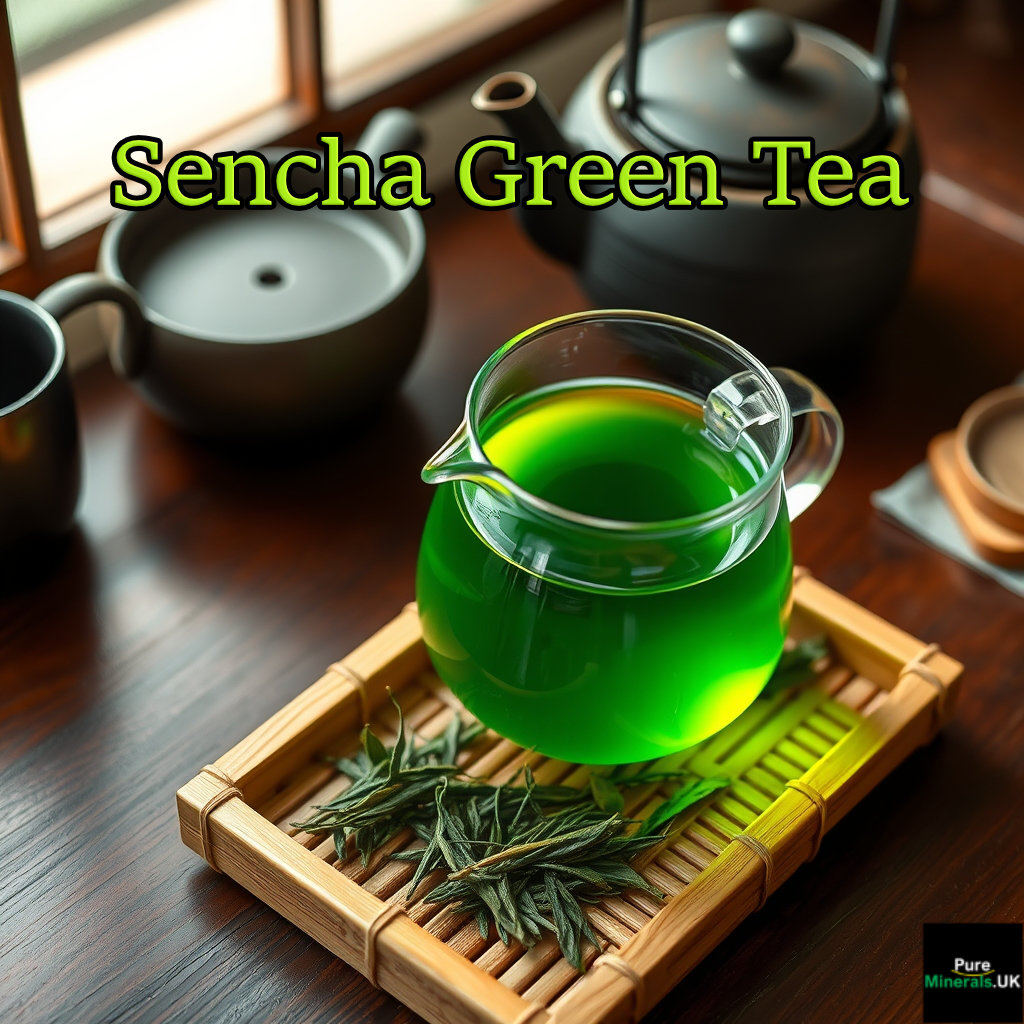
Sencha represents approximately 80% of Japan’s tea production and exemplifies the characteristic Japanese green tea profile. Produced from cultivars specifically developed for steaming, Sencha undergoes a brief steaming process followed by rolling into thin, needle-like shapes. This processing method preserves exceptionally high levels of catechins, particularly EGCG, making Sencha one of the most antioxidant-rich varieties of green tea. The flavor profile typically features bright, vegetal notes with a clean, slightly sweet finish and distinctive umami character. Regular Sencha consumption has been associated with numerous health benefits in population studies, particularly related to cardiovascular health and metabolic function.
Chinese Dragonwell (Longjing): The Flat-Leaf Delicacy

Dragonwell tea, known as Longjing in China, represents one of the most celebrated Chinese green teas, prized for its distinctive flat appearance and complex flavor profile. Produced exclusively in the West Lake region of Hangzhou, authentic Dragonwell undergoes pan-firing in small batches, often still performed by hand in traditional woks. This processing creates a unique chemical profile with moderate catechin levels but enhanced preservation of volatile aromatic compounds and amino acids, particularly theanine. The resulting tea offers a remarkably smooth character with notes of chestnut, subtle sweetness, and minimal astringency—characteristics that have earned it the title “Queen of Green Teas.”
Beyond its exquisite taste, Dragonwell contains a particularly balanced profile of beneficial compounds. Research suggests that its specific ratio of catechins to theanine may provide enhanced neuroprotective effects. Historical records indicate it was specifically recommended by traditional doctors for “calming the mind while maintaining alertness”—an effect modern research attributes to this optimal compound ratio.
Matcha: The Whole-Leaf Powerhouse

Matcha stands apart from other green teas in that the entire leaf is consumed rather than just the water-soluble extract. Produced by grinding shade-grown tea leaves into a fine powder, matcha delivers the complete spectrum of tea compounds—both water and fat-soluble—in concentrated form. This unique preparation method means a single serving provides approximately 10 times the nutritional content of a cup of regular steeped green tea. Analysis shows matcha contains exceptionally high levels of L-theanine, chlorophyll, and catechins, with EGCG concentrations sometimes reaching 3-5 times that of regular steeped green tea.
The shade-growing process used for matcha production increases chlorophyll and amino acid content while reducing tannins, creating a smooth, umami-rich flavor despite its potency. Traditionally used in Japanese tea ceremonies, matcha has gained worldwide popularity as both a ceremonial beverage and a functional ingredient. Modern research has documented impressive benefits specific to matcha consumption, including enhanced thermogenesis (calorie burning), sustained energy without caffeine spikes, and significant improvements in attention and cognitive performance during demanding tasks.
Gunpowder: Tightly Rolled Pearls of Flavor

Gunpowder green tea originates from Zhejiang province, Wuyi County, China. The tea derives its name from its appearance—tightly rolled pellets that resemble old-fashioned gunpowder pellets used in firearms. This rolling technique serves a practical purpose beyond aesthetics, as the compact shape helps preserve volatile compounds during storage and transportation. A British clerk in the 19th century said the rolled leaves resemble gunpowder pellets. While Zhejiang is the main source, Taiwan also produces a similar style called Formosa Gunpowder.
When steeped, these pellets dramatically unfurl, releasing their stored aromatic compounds in a visual display sometimes called “the agony of the leaves.” Chemically, gunpowder tea tends to preserve higher levels of polyphenols and essential oils due to minimal surface area exposure during storage, giving it excellent stability and a shelf life sometimes exceeding two years while maintaining its beneficial properties.
Jasmine Green: Floral-Infused Delight

Jasmine green tea originates from China, with its history tracing back to the Song Dynasty (960-1270 AD). It is particularly famous from the Fujian Province, where green tea leaves are scented with fresh jasmine blossoms to create the fragrant, floral brew. Green tea leaves are harvested in spring, and jasmine buds are picked in the summer. The dried green tea leaves are layered with fresh jasmine blossoms, which release their aroma overnight, a process repeated until the tea is perfectly infused.
This green tea represents a scented variety created by layering tea leaves with fresh jasmine blossoms, allowing the leaves to absorb the flowers’ essential oils and aromatic compounds. This process adds more than just sensory appeal—jasmine itself contributes beneficial compounds, including linalool and benzyl acetate, which have been demonstrated to have mild sedative and anti-anxiety effects in research studies. The interaction between these floral compounds and green tea’s native catechins creates unique synergistic effects not present in either jasmine or tea alone. Studies comparing plain green tea to jasmine-scented versions have found that the latter demonstrates enhanced relaxation effects while maintaining the cognitive benefits associated with green tea consumption.
Beyond its enhanced relaxation properties, jasmine green tea often appeals to those who find pure green tea too grassy or astringent. The floral notes balance green tea’s natural bitterness, making it an excellent “gateway tea” for those new to green tea’s health benefits. Traditional Chinese medicine specifically recommends jasmine green tea for “calming the spirit and relieving emotional tension”—a use supported by modern research on its effects on stress biomarkers and subjective relaxation measures.
Brew It Right: Maximizing Health Benefits
The brewing process represents a critical but often overlooked factor in accessing green tea’s full health potential. The temperature, time, water quality, and even the brewing vessel significantly impact which compounds are extracted and in what quantities. Improper brewing can dramatically reduce the health benefits or create excessive bitterness that discourages regular consumption. Understanding these variables allows tea drinkers to customize their brewing approach based on whether they’re seeking maximum antioxidant extraction, optimal L-theanine content, or the best balance of flavor and functional compounds.
Water Temperature Makes All the Difference
Water temperature stands as perhaps the single most important variable in green tea preparation, significantly affecting both flavor and therapeutic value. Most green teas reach their optimal extraction point between 71-82°C (160-180°F)—well below boiling. This temperature range efficiently extracts beneficial catechins and amino acids while minimizing the extraction of tannins that create astringency and bitterness. Research has demonstrated that using water that’s too hot (particularly boiling water) can destroy up to 85% of EGCG and other heat-sensitive compounds, dramatically reducing antioxidant capacity. Conversely, water that’s too cool fails to extract sufficient beneficial compounds, particularly the more complex catechin molecules.
Different tea varieties have specific ideal temperature ranges based on their processing methods and leaf composition. Japanese steamed teas like Sencha generally benefit from cooler water (71-82°C), while Chinese pan-fired varieties can withstand slightly higher temperatures (76.7-86.2°C) without developing excessive bitterness. For those serious about precision, inexpensive thermometers or temperature-controlled kettles allow for consistent optimal brewing. Alternatively, a practical guideline is to let boiled water rest for 2-3 minutes before pouring over Japanese green teas or 1-2 minutes for Chinese varieties. For more information on traditional herbs, you can explore the benefits of ginseng.
Steeping Time for Optimal Compound Extraction
Steeping duration directly impacts which compounds are extracted from tea leaves and in what concentrations. Shorter steeps of 1-2 minutes generally extract more amino acids (including L-theanine) and caffeine, creating a more stimulating cup with less bitterness. Extended steeping times of 3-5 minutes maximize catechin extraction but also increase tannin release, resulting in higher antioxidant content but more astringent flavor. Research using high-performance liquid chromatography has mapped these extraction patterns, showing that different beneficial compounds have varying extraction rates based on their molecular structure and solubility.
Many connoisseurs recommend multiple short infusions rather than a single long steep, particularly for high-quality loose-leaf teas. This approach allows access to different compound profiles from the same leaves—earlier infusions emphasize aromatics and stimulating compounds, while later steeps extract more catechins and deeper flavor notes. This practice, common in traditional Chinese and Japanese tea culture, effectively provides different therapeutic effects from the same leaves as the day progresses. For convenience, however, a single 2-3 minute steep represents a good compromise for extracting a balanced profile of beneficial compounds while maintaining pleasant flavor.
The Best Time of Day to Drink Green Tea
Timing your green tea consumption strategically can significantly enhance its benefits. Morning consumption (30-60 minutes after waking) provides gentle stimulation while supporting metabolism activation for the day ahead. The L-theanine content promotes focused alertness without the jitters associated with coffee, making it ideal for productive mornings. However, those with sensitive stomachs should avoid consuming green tea first thing on an empty stomach as its mild astringency may cause discomfort for some individuals.
Green Tea Extract: Concentrated Benefits in Supplement Form
For those seeking more potent therapeutic effects or who don’t enjoy the taste of brewed tea, green tea extract offers a concentrated alternative that delivers standardized doses of beneficial compounds. These supplements typically provide the equivalent catechin content of 8-10 cups of brewed green tea in a single capsule, making them a convenient option for targeted health support. Research shows that properly standardized extracts can deliver comparable benefits to brewed tea when quality manufacturing processes are employed.
When selecting green tea extracts, prioritize products standardized to contain specific percentages of EGCG (typically 45-55%) and total catechins (at least 80%). Third-party testing verification ensures the product contains what’s claimed on the label and is free from contaminants. Water-extracted formulations generally provide better bioavailability than alcohol-extracted versions, while those containing small amounts of black pepper extract (piperine) demonstrate enhanced absorption of catechins in research studies.
Extraction Methods That Preserve Active Compounds
The production process for green tea extract significantly impacts its therapeutic potential. Premium extracts utilize water-based extraction with controlled temperatures below 80°C to preserve heat-sensitive compounds like EGCG. This process mimics traditional brewing while concentrating the beneficial components. Some manufacturers employ more advanced techniques like supercritical CO2 extraction, which can selectively isolate specific beneficial compounds while leaving behind undesirable elements like excessive caffeine or heavy metals that may be present in lower-quality leaves. These specialized methods allow for customized extracts targeting specific health applications, from cognitive support formulations rich in L-theanine to metabolism-focused products with higher EGCG concentrations.
Dosage Guidelines for Different Health Goals
Green tea extract dosages vary based on the intended health benefit and individual factors. For general health maintenance and antioxidant support, research suggests 250-400mg standardized extract (containing approximately 150-250mg EGCG) daily is sufficient. Those seeking metabolic support and thermogenic effects may benefit from slightly higher doses of 400-500mg extract taken in divided doses. For specialized applications like cognitive support or cardiovascular health, the research indicates effectiveness at 300-400mg daily, ideally in a formula containing at least 40% EGCG. Always begin with lower doses to assess tolerance, as the concentrated nature of extracts can sometimes cause digestive sensitivity in susceptible individuals, particularly when taken on an empty stomach.
Potential Side Effects to Watch For
While green tea extract is generally well-tolerated, its concentrated nature requires greater awareness of potential side effects compared to brewed tea. The most commonly reported issues include mild digestive discomfort, headaches, or sleep disturbances if taken too close to bedtime due to caffeine content. Most quality extracts indicate caffeine content on the label, with “decaffeinated” versions available for those sensitive to stimulants. More serious but rare concerns include potential liver stress with extremely high doses (typically exceeding 800-1000mg daily for extended periods), particularly in individuals with pre-existing liver conditions or those taking multiple botanical supplements. This risk is minimized by choosing quality products, following recommended dosages, and taking the extract with food rather than on an empty stomach.
Green tea extract may interact with certain medications, including blood thinners, stimulant medications, and some antibiotics. The compounds in green tea can affect drug metabolism pathways, potentially increasing or decreasing the effectiveness of these medications. Anyone taking prescription medications should consult their healthcare provider before beginning supplementation, as timing adjustments or dosage monitoring may be necessary to prevent unwanted interactions.
Make Green Tea Part of Your Daily Health Ritual
Incorporating green tea into daily life offers compounding benefits that extend beyond individual compounds or single servings. Research examining habitual green tea drinkers shows the most significant health outcomes occur with consistent daily consumption over extended periods. Population studies in Japan and China indicate that individuals consuming 3-5 cups daily for five or more years demonstrate the most pronounced health benefits, including significantly reduced risk factors for several chronic conditions and measurable improvements in cellular aging markers.
The ritual aspect of tea preparation and consumption itself may contribute additional benefits through mindfulness and stress reduction. Traditional tea cultures emphasize the meditative qualities of tea preparation—the careful measuring, optimal brewing, and mindful enjoyment represent a form of practical meditation that complements the biochemical benefits. Modern research on mindful eating and drinking supports this traditional wisdom, showing that conscious consumption practices activate parasympathetic nervous system responses that enhance digestion and nutrient absorption while reducing stress hormones that contribute to inflammation. For example, the calming properties of chamomile tea are well-documented in both traditional and modern contexts.
Simple Ways to Incorporate Green Tea Into Your Routine
Creating sustainable tea habits requires finding approaches that align with your lifestyle and preferences. For busy mornings, consider preparing cold-brewed green tea overnight by adding tea leaves to cold filtered water in a glass container and refrigerating for 8-12 hours. This gentle extraction method produces a smoother, less astringent tea with excellent preservation of catechins and reduced caffeine content. Another practical approach involves brewing a larger quantity in the morning, enjoying one cup hot, then refrigerating the remainder to enjoy chilled throughout the day.
For those who find pure green tea too astringent, adding small amounts of honey (which has antimicrobial properties that complement green tea’s benefits) or a squeeze of vitamin C-rich lemon juice (which actually enhances catechin absorption by up to 80% according to research) can improve palatability while adding complementary health properties.
Combining Green Tea With Other Natural Remedies
Green tea works synergistically with numerous other natural ingredients to enhance specific health outcomes. For immune support, combining green tea with elderberry extract provides complementary antiviral properties that research suggests may be more effective than either alone. Those seeking enhanced metabolic support might consider pairing green tea with cinnamon, which helps regulate blood glucose levels and works through different but complementary pathways to improve insulin sensitivity. For cognitive enhancement, the combination of green tea with small amounts of adaptogenic herbs like bacopa or rhodiola creates powerful synergy—the tea provides immediate cognitive clarity while adaptogens offer cumulative stress-resilience benefits that compound over time.
These combinations aren’t simply additive but truly synergistic, with research showing certain pairings produce enhanced bioavailability or complementary biological actions. For instance, the combination of green tea catechins with vitamin C from citrus fruits increases catechin absorption by preventing their oxidation in the digestive tract. Similarly, combining green tea with probiotic foods like yogurt creates a bidirectional benefit—the tea’s polyphenols serve as prebiotics that support beneficial bacteria growth, while certain probiotic strains enhance the body’s ability to metabolize and utilize tea catechins.
For culinary applications, green tea makes an excellent cooking ingredient. Try using strongly brewed green tea as a cooking liquid for grains like rice or quinoa, or as a poaching liquid for fruit desserts. Matcha powder can be incorporated into smoothies, baked goods, or even savory dishes like roasted vegetables, where it provides both nutritional benefits and subtle umami flavor notes. These culinary applications allow you to enjoy green tea’s benefits in diverse ways beyond traditional brewing.
Creating a Sustainable Green Tea Practice
Sustainability in green tea consumption encompasses personal health consistency, ecological considerations, and economic fairness. Seek organic certified teas whenever possible, as conventional tea cultivation often involves heavy pesticide use that leaves residues in the final product. These chemicals not only potentially reduce health benefits but also contribute to environmental degradation in tea-growing regions. Look for fair-trade certifications that ensure ethical labor practices and fair compensation for tea farmers and workers. Many premium tea companies now provide transparent sourcing information, allowing consumers to support operations that prioritize both environmental stewardship and community well-being in tea-producing regions.
Important Note: Green Tea
Green Tea is generally safe. High-dose extracts may affect liver function in susceptible individuals. This information is for educational purposes only and is not intended to diagnose, treat, cure, or prevent disease.
A Note on Superfoods, Minerals, Modern Diets, and Supplementation
While foods often described as superfoods, like green tea, can provide valuable nutrients and plant compounds, it is increasingly recognized that modern agricultural practices have reduced the natural mineral content of many soils. Intensive farming, repeated crop cycles, and the widespread use of agrichemicals mean that even high-quality whole foods may no longer contain the full range of naturally occurring, plant-derived trace minerals that were once more abundant in traditional diets.
For this reason, some people choose to complement a whole-food diet with mineral and vitamin supplementation. In particular, hydrophilic (water-soluble) plant-derived trace minerals differ in structure and bioavailability from many common rock-derived mineral supplements. These minerals occur naturally in plants and were historically consumed through mineral-rich soils and vegetation.
I have personally used a broad-spectrum plant-derived trace mineral supplement for over twenty years, alongside the recommended daily intake of essential vitamins. This approach has formed part of my long-term nutritional routine. My own experience, which I describe in detail elsewhere, reflects the potential value of addressing micronutrient gaps that diet alone may not fully cover in the modern food environment.
If you would like to explore this topic further, I have written an in-depth article describing my personal experience with plant-derived trace mineral supplementation, including background information and sourcing considerations:
The trace minerals and complementary vitamins discussed there are available through my web shop in several forms, including liquids, capsules, powders suitable for recipes, and formulations intended for pets. As with all supplements, individual needs vary, and readers are encouraged to make informed choices and seek professional guidance where appropriate.
Frequently Asked Questions
Green tea consumption raises many practical questions as people integrate it into their wellness routines. The following answers are based on current scientific understanding and traditional wisdom to help you maximize benefits while avoiding potential pitfalls.
How much green tea should I drink daily for health benefits?
Research suggests 3-5 cups (24-40 ounces) daily provides optimal benefits for most adults. This amount delivers approximately 200-400mg of catechins and 25-60mg of L-theanine, levels shown in clinical studies to support cardiovascular health, metabolism, and cognitive function. However, even 1-2 cups daily shows measurable benefits in long-term population studies. Quality matters as much as quantity—a single cup of high-quality, properly brewed tea from fresh leaves often contains more beneficial compounds than multiple cups of poor-quality tea bags. For those sensitive to caffeine, remember that green tea contains approximately 25-45mg per 8-ounce cup, so consuming larger amounts in the afternoon or evening may affect sleep quality for sensitive individuals.
Can green tea help with weight loss?
Green tea supports healthy weight management through several complementary mechanisms. The catechin EGCG has been shown to moderately enhance thermogenesis (calorie burning) by approximately 4-5%, while caffeine further stimulates metabolism and fat oxidation. Perhaps more significantly, green tea compounds appear to specifically target abdominal fat according to several controlled studies, with participants showing greater reductions in waist circumference compared to placebo groups. Additionally, research indicates green tea may help regulate hunger hormones like ghrelin and adiponectin, potentially reducing cravings and supporting healthy appetite regulation. However, these effects are modest—approximately 2-3 pounds over 12 weeks in research studies—and work best when combined with a healthy diet and regular physical activity rather than viewed as a standalone solution.
Is it safe to drink green tea while pregnant?
Moderate green tea consumption (1-2 cups daily) is generally considered safe during pregnancy, but higher intake deserves caution. The primary concerns involve caffeine content and the theoretical potential for catechins to affect folate metabolism at very high doses. Most healthcare providers recommend limiting total caffeine from all sources to 200mg daily during pregnancy (approximately 4-5 cups of green tea).
Some research suggests excessive consumption (more than 6 cups daily) might slightly reduce folate absorption, an essential nutrient for fetal development. Women with iron deficiency anemia should also be aware that tea polyphenols can reduce non-heme iron absorption when consumed with meals. For pregnant women who enjoy green tea, limiting intake to 1-2 cups daily, not consuming it with iron-rich meals or prenatal vitamins, and choosing lower-caffeine varieties represents a balanced approach that allows continued enjoyment of moderate benefits while minimizing potential concerns.
As with many nutrition recommendations during pregnancy, these guidelines err on the side of caution. Traditional tea-drinking cultures have included moderate green tea consumption during pregnancy for centuries without documented adverse effects. However, modern concentrated extracts should generally be avoided during pregnancy due to their significantly higher potency and limited research on prenatal safety.
What’s the difference between green tea and matcha?
Matcha represents a specialized form of green tea where the entire leaf is consumed rather than just the water-soluble extract. While both come from the same plant species, the similarities largely end there. Matcha undergoes unique cultivation practices, including shade-growing for the final weeks before harvest, which dramatically alters its phytochemical profile, increasing chlorophyll, L-theanine, and certain catechin concentrations.
The processing also differs significantly—matcha leaves have their stems and veins removed before being ground into a fine powder, while traditional green tea leaves remain intact for steeping. These differences create not only distinct flavor profiles but also significantly different nutritional compositions. Nutritionally, a single serving of matcha provides approximately 10 times the antioxidant content of regularly brewed green tea, along with higher concentrations of L-theanine, chlorophyll, and certain vitamins. However, it also contains more caffeine—typically 50-70mg per serving compared to 25-45mg in regular green tea.
Does green tea contain more caffeine than black tea?
- Green tea: 25-45mg caffeine per 8oz cup (typically lower in Japanese varieties, higher in Chinese)
- Black tea: 40-70mg caffeine per 8oz cup (varies by processing method and leaf grade)
- Matcha: 50-70mg caffeine per traditional serving (higher due to consuming whole leaf)
- White tea: 15-30mg caffeine per 8oz cup (generally lowest caffeine tea variety)
- Coffee: 95-200mg caffeine per 8oz cup (for comparison)
Contrary to common belief, black tea typically contains more caffeine than green tea, though there’s significant overlap depending on specific varieties and brewing methods. The primary difference lies in how the body experiences this caffeine. Green tea’s L-theanine content modulates caffeine’s effects, creating a smoother, more sustained energy without the sharp peaks and crashes associated with other caffeinated beverages. This unique interaction explains why many people who experience jitters from coffee can comfortably enjoy green tea despite its caffeine content.
The wide variation in caffeine content among green teas stems from several factors, including leaf position on the plant (younger buds and tips contain more caffeine), harvest season (spring harvests generally have higher caffeine), and processing methods. Japanese steamed teas like Sencha typically contain slightly less caffeine than Chinese pan-fired varieties like Dragonwell. Brewing parameters also significantly affect final caffeine content, with longer steeping times and hotter water extracting more caffeine from the leaves.
For those seeking lower caffeine options, “late-harvest” green teas picked in autumn naturally contain less caffeine. Another practical approach is “washing” the leaves by briefly steeping for 30 seconds and discarding this first infusion before properly brewing. This technique reduces caffeine content by approximately 50-70% while preserving most beneficial catechins, as caffeine extracts more rapidly than larger catechin molecules.
Incorporating green tea into your daily wellness routine offers a simple yet powerful way to support overall health. Whether enjoyed as a morning ritual, afternoon refreshment, or therapeutic supplement, the remarkable plant compounds in green tea provide benefits validated by both ancient wisdom and modern science. With minimal effort and maximum pleasure, this humble leaf delivers some of nature’s most potent protective compounds in a form that has been cherished across cultures for millennia.