

Published: 1 April 2026
This article is periodically reviewed and updated to reflect current scientific understanding by George Wesler.
Fact-Checked: 1 other authoritative medical/scientific reference. See our Editorial Policy.
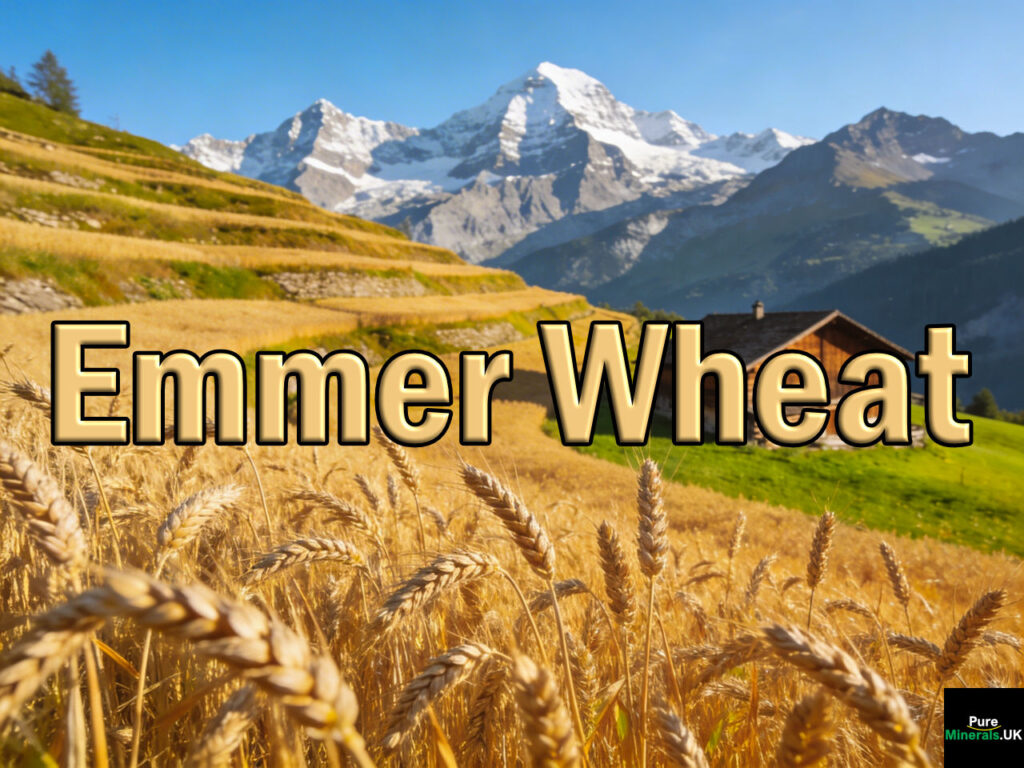
What Is Emmer Wheat?
Emmer wheat is an ancient hulled wheat species cultivated since early agricultural history, valued for its nutritional profile and traditional culinary uses.
Definition
Emmer wheat is a cereal grain derived from Triticum dicoccum, a domesticated wheat species known for its hardy growth and nutrient-dense kernels.
Extended Definition
Emmer wheat, sometimes referred to as farro (though this term can vary regionally), is one of the earliest domesticated wheat species, with origins in the Fertile Crescent. It was a staple grain in ancient civilizations, including those of Mesopotamia and Egypt.
Today, it is produced in mountainous regions of Europe and Asia, with significant cultivation in Armenia, Ethiopia, Germany, Italy, Switzerland, and Turkey. It is also grown as a specialty crop in the US Northern Plains, the UK, and India.
Unlike modern free-threshing wheat, emmer is a hulled grain, meaning the outer husk remains tightly attached and must be removed during processing. This characteristic contributes to its resilience in cultivation and storage.
Nutritionally, emmer wheat provides complex carbohydrates, moderate to high levels of protein, and dietary fiber, particularly when consumed as a whole grain. It also supplies minerals such as magnesium, iron, and zinc, along with B vitamins.
Emmer is commonly used in traditional dishes such as soups, stews, and grain salads, and can also be milled into flour for bread and pasta. Its texture is firm and chewy, with a rich, nutty flavour.
Key Facts
- Botanical Name: Triticum dicoccum
- Plant Family: Poaceae
- Common Forms: Whole grain (farro/emmer), flour
- Typical Serving Methods: Boiled, simmered in soups and stews, or milled into flour
- Taste Profile: Nutty, slightly sweet, robust
Nutritional Highlights:
- Rich in dietary fiber (whole grain form)
- Moderate to high protein content
- Provides magnesium, iron, and zinc
Culinary Uses:
- Grain salads and side dishes
- Soups and stews
- Traditional breads and pasta
Notable Compounds:
- Gluten proteins
- Polyphenols
Dietary Suitability:
- Vegetarian diets (not suitable for gluten-free diets)
Key Takeaways
- Emmer wheat contains approximately 7-8% gluten compared to 12-14% in modern commercial wheat, making it gentler on digestion for many people with mild sensitivities.
- This ancient grain has been cultivated for over 10,000 years and was a dietary staple in ancient Egypt, the Middle East, and early Europe long before industrial agriculture reshaped our food supply.
- Emmer wheat is rich in fiber, protein, iron, magnesium, and B vitamins — a nutritional profile that most refined modern wheat products simply cannot match.
- It is not gluten-free and is not safe for people with celiac disease, but its unique protein structure may make it easier to tolerate for those with non-celiac gluten sensitivity.
- Emmer wheat is making a serious comeback — keep reading to find out why chefs, nutritionists, and traditional food advocates are all talking about this grain right now.
Emmer Wheat Packs More Nutrition Than Most Modern Wheat
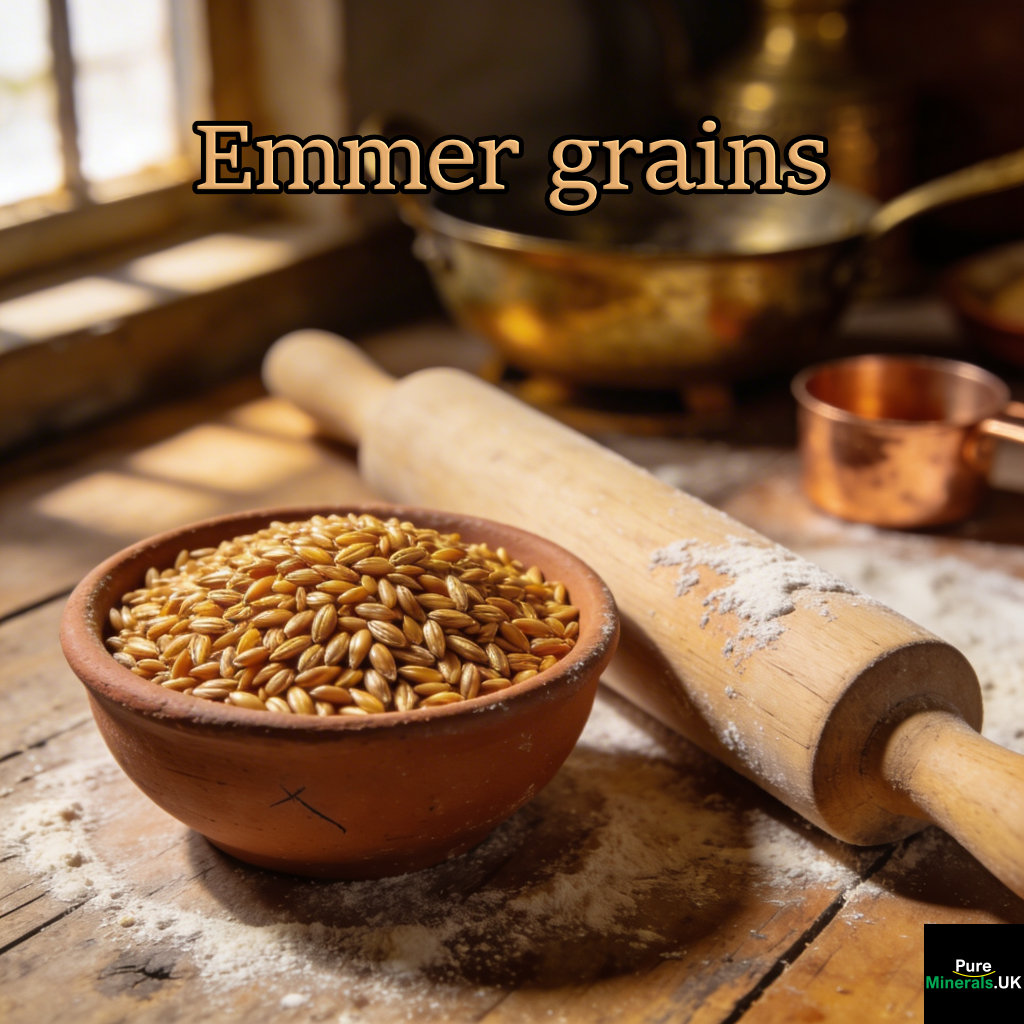
Most of what we call “wheat” today has been bred almost entirely for yield and processing speed — not nutrition. Emmer wheat never went through that transformation, and that’s exactly why it’s worth paying attention to.
This is one of the oldest cultivated grains on the planet, and its nutritional density reflects that. Higher fiber, more minerals, a different gluten structure, and a lower glycemic impact — emmer wheat offers what modern refined wheat gave up decades ago. For anyone building a diet rooted in whole, traditional foods, this grain deserves a permanent place on your shelf.
About Emmer Wheat
Emmer wheat is an ancient hulled wheat variety with the scientific name Triticum dicoccum. It belongs to a category of early domesticated cereals that formed the backbone of human agriculture before selective breeding and industrialization changed the grain supply entirely. Unlike the stripped-down wheat varieties dominant in supermarkets today, emmer retains its hull, its bran, and much of its original nutritional character.
Triticum Dicoccum: The Science Behind the Grain
Triticum dicoccum is a tetraploid wheat, meaning it carries four sets of chromosomes. Modern bread wheat (Triticum aestivum) is hexaploid with six chromosome sets — a result of centuries of hybridization. This genetic difference directly influences the grain’s protein composition, gluten structure, and how the body processes it. Emmer’s simpler genetic profile is one reason its gluten behaves differently during digestion.
How Emmer Differs From Modern Wheat Varieties
The most immediate difference is the hull. Emmer is a hulled wheat, meaning the grain clings tightly to its protective outer casing and requires special processing to remove it. Modern free-threshing wheat varieties were specifically bred to shed that hull easily for faster industrial milling. That convenience came at a cost — the hull and bran layers stripped away in processing are where much of the fiber, minerals, and antioxidants live.
Beyond the hull, emmer flour carries approximately 7-8% gluten versus the 12-14% typical of commercial bread wheat. The gluten present in emmer also has a structurally different protein composition, which in vitro studies suggest is more fragile and breaks down more readily during digestion compared to the gluten found in common wheat.
Emmer Wheat vs. Khapli Wheat: Are They the Same?
Yes. Khapli wheat is simply the regional Indian name for emmer wheat (Triticum dicoccum). It has been grown on the Indian subcontinent for centuries and remains a traditional staple in parts of South India, where it is ground into khapli atta and used for chapatis and other flatbreads. The names are different, but the grain and its benefits are identical.
10,000 Years of Cultivation: The History of Emmer Wheat
Emmer wheat is not a food trend. It is one of the original crops that allowed human civilizations to move from nomadic hunting and gathering to settled agricultural communities. For those interested in exploring other ancient grains, amaranth is another crop with a rich history and nutritional benefits.
Origins in the Fertile Crescent
Archaeological evidence places the domestication of emmer wheat in the Fertile Crescent — the region spanning modern-day Iraq, Syria, Lebanon, Jordan, Israel, and southeastern Turkey — around 10,000 years ago. Wild emmer (Triticum dicoccoides) was harvested by early human populations long before formal cultivation began. Its transition from wild plant to cultivated crop marks one of the most pivotal moments in human food history.
Emmer Wheat in Ancient Egypt and Europe
Emmer became the primary grain of ancient Egypt, used to make bread and beer — the two dietary staples of Egyptian civilization. It was so central to daily life that it appears in hieroglyphic records, tomb paintings, and ancient agricultural texts. From Egypt, emmer cultivation spread across the Mediterranean and into Europe, where it remained a dominant grain crop through the Roman period and into the Middle Ages.
How Industrial Agriculture Nearly Wiped It Out
The decline of emmer wheat is a direct consequence of industrial agriculture’s relentless push for efficiency. Modern high-yielding free-threshing wheat varieties — easier to grow, easier to mill, and easier to process at scale — gradually replaced emmer across most of the world during the 19th and 20th centuries. The extra step required to remove emmer’s hull made it economically uncompetitive with varieties that needed no such processing.
Small pockets of cultivation survived in mountainous regions of Ethiopia, parts of the Middle East, and rural areas of India, where traditional farming practices persisted. It is from these regions that emmer’s modern revival is now drawing renewed interest.
Emmer Wheat Nutrition Facts
Emmer wheat’s nutritional profile is one of the strongest arguments for bringing it back into regular rotation. It delivers a meaningful combination of macronutrients and micronutrients that whole-food advocates and traditional diet practitioners look for in a grain.
Compared to refined modern wheat flour, emmer offers significantly more fiber, comparable or higher protein levels, and a richer concentration of key minerals. The bran and germ — often milled away in commercial processing — remain largely intact when emmer is stone-ground into flour, preserving its full nutritional value.
Nutrient | Emmer Wheat | Modern Refined Wheat |
|---|---|---|
Gluten Content | ~7-8% | ~12-14% |
Fiber | High (bran intact) | Low (bran removed) |
Iron | Present in meaningful levels | Often added back artificially |
Magnesium | Naturally occurring | Reduced in processing |
B Vitamins | Naturally present | Often synthetically fortified |
Antioxidants | Present in hull and bran | Largely absent |
Fiber Content and Digestive Health
The fiber content in emmer wheat is one of its standout features. Because emmer retains its bran layers through traditional stone milling, it delivers the kind of dietary fiber that actively supports digestive health — feeding beneficial gut bacteria, promoting regular bowel movements, and contributing to a more balanced gut environment overall. This is the fiber that disappears when wheat is refined down to white flour, and it is exactly the fiber that modern diets are chronically short on.
Protein Levels Compared to Modern Wheat
Emmer wheat holds its own against modern wheat varieties when it comes to protein, and in many cases surpasses refined wheat flour by a significant margin. While refined all-purpose flour loses much of its protein during processing, emmer flour — especially stone-ground — retains a protein content that supports muscle maintenance, satiety, and sustained energy. For anyone eating a traditional whole-food diet, that protein density matters, particularly when wheat is a daily staple rather than an occasional ingredient.
Key Vitamins and Minerals: Iron, Magnesium, and B Vitamins
Emmer wheat is a natural source of iron, magnesium, and B vitamins — nutrients that commercial refined wheat often loses during milling and then has to synthetically add back through fortification. Iron supports oxygen transport and energy metabolism. Magnesium plays a role in over 300 enzymatic reactions in the body, including blood sugar regulation and muscle function. The B vitamins in emmer — including B1 (thiamine), B3 (niacin), and folate — support nervous system health and cellular energy production. Getting these nutrients from a whole grain rather than a fortified product means the body receives them in their natural food matrix, which supports better absorption.
Antioxidant and Anti-Inflammatory Compounds
The hull and bran layers of emmer wheat contain antioxidant compounds that are stripped away in the production of conventional white flour. These include phenolic acids and other plant compounds associated with reducing oxidative stress in the body. Oxidative stress is linked to chronic inflammation, and chronic inflammation is at the root of many modern health conditions — cardiovascular disease, metabolic disorders, and accelerated aging among them. Learn more about another ancient grain, durum wheat, which also offers nutritional benefits.
Choosing a grain that retains these protective compounds rather than discarding them in a mill is one of the simplest upgrades a traditional eater can make. It doesn’t require a new diet — just a better grain.
Is Emmer Wheat Easier to Digest?
For many people, the switch from conventional wheat to emmer wheat comes with a noticeable improvement in how they feel after eating bread, pasta, or flatbreads. That experience is not imaginary, and science offers some explanation for why it happens. For those interested in exploring other ancient grains, consider learning about amaranth, which also offers unique health benefits.
The digestibility of emmer wheat comes down to its unique protein structure and lower gluten concentration. In vitro studies have shown that the gluten proteins in emmer wheat are broken down more readily during digestion compared to the gluten found in common commercial wheat. The protein structure is more fragile, which means digestive enzymes can work on it more effectively. This doesn’t make emmer a therapeutic grain for clinical conditions, but it does make it a more comfortable daily grain for a wide range of people. For those interested in exploring other ancient grains, einkorn wheat is another option worth considering.
See our “Wheat” article for a comparison of the genetic structure of einkorn, emmer, durum, and bread wheat.
Lower Gluten Levels and What That Means for Sensitivity
Emmer wheat contains approximately 7-8% gluten, compared to the 12-14% found in modern commercial bread wheat. For people with mild, non-celiac gluten sensitivity — who experience bloating, discomfort, or sluggishness after eating conventional wheat products — this lower concentration, combined with emmer’s more digestible protein structure, can make a meaningful difference in day-to-day comfort. It is not a cure, and it is not a substitution for medical advice, but it is a practical dietary choice grounded in the grain’s actual composition.
Why Emmer Is Not Safe for Celiac Disease
This point is non-negotiable: emmer wheat still contains gluten and is completely unsuitable for anyone with celiac disease or a diagnosed severe gluten intolerance. Celiac disease is an autoimmune condition in which any amount of gluten triggers an immune response that damages the small intestine. The fact that emmer has lower gluten levels or a different protein structure does not change this — it remains a gluten-containing grain. Anyone managing celiac disease must avoid emmer wheat entirely, just as they would avoid any other form of wheat, barley, or rye.
Blood Sugar, Weight, and Heart Health Benefits
Beyond digestion, emmer wheat’s nutritional makeup delivers benefits that extend to metabolic health — areas where modern refined wheat consistently falls short.
Low Glycemic Index and Blood Sugar Regulation
Emmer wheat has a lower glycemic index than refined modern wheat products, meaning it causes a slower, more gradual rise in blood sugar after eating. This is largely due to its intact fiber content and less-processed carbohydrate structure. For people managing blood sugar levels — whether due to diabetes, prediabetes, or simply a desire to avoid energy crashes — swapping refined wheat products for emmer-based alternatives is a straightforward, food-first strategy. The fiber slows glucose absorption, and the more complex carbohydrate structure requires more work from the digestive system, spreading that energy release over a longer period.
How High Fiber Supports a Healthy Weight
Fiber is one of the most reliable tools for supporting a healthy weight, and emmer wheat delivers it in a form the body recognizes and uses well. High-fiber foods increase satiety — the feeling of fullness after eating — which naturally reduces overall caloric intake without requiring calorie counting or restriction. When you eat emmer wheat bread or khapli atta chapati instead of a white-flour equivalent, you stay fuller longer.
Beyond satiety, the fiber in emmer wheat feeds the gut microbiome, which research increasingly links to metabolic health, weight regulation, and even mood. A well-fed microbiome supports the body’s ability to extract and use nutrients efficiently — which is exactly what a traditional, whole-food diet is designed to do.
How to Cook With Emmer Wheat Flour
Emmer wheat flour has a slightly nutty, earthy flavor that adds real depth to baked goods and traditional flatbreads. It performs best in recipes that benefit from a heartier, more complex flavor profile — and it integrates smoothly into both traditional and contemporary cooking without requiring a complete recipe overhaul.
Traditional Flatbreads and Everyday Baking
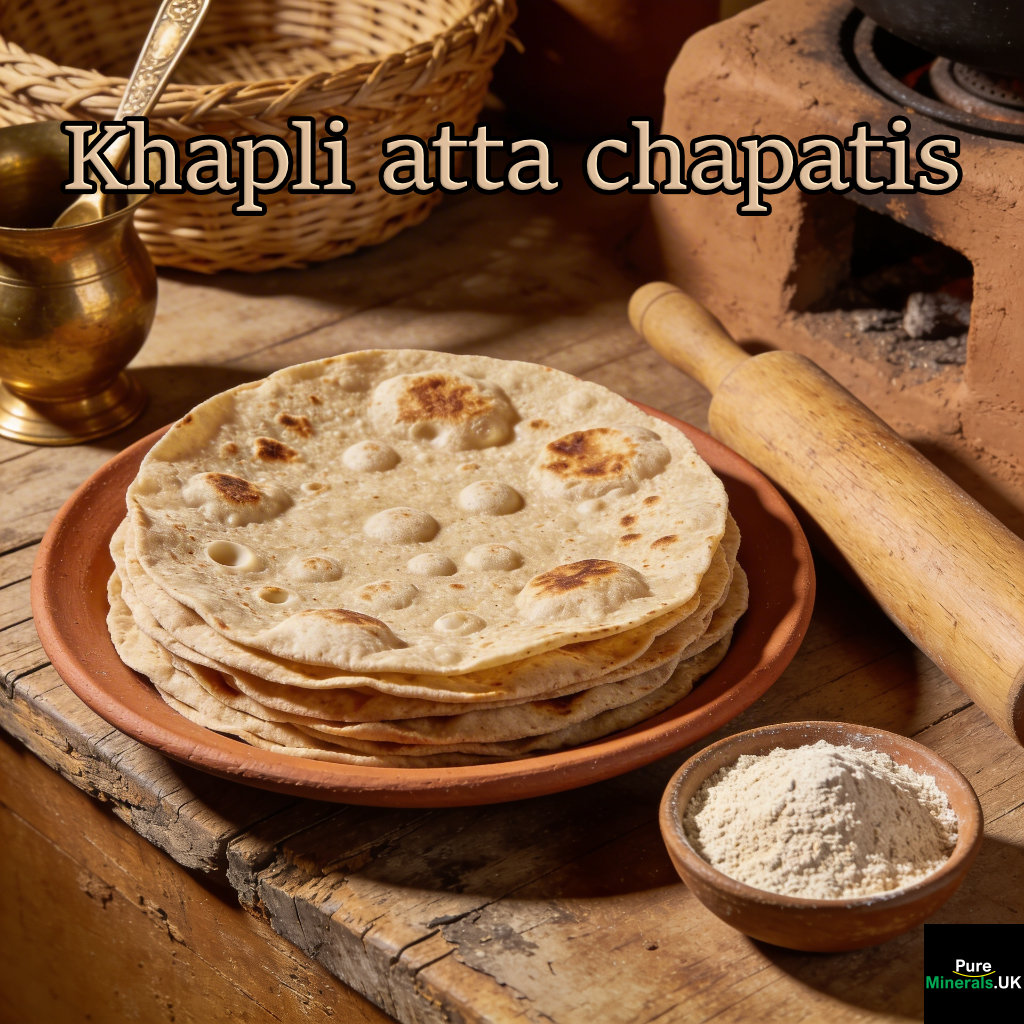
The most traditional applications for emmer wheat flour are also the most accessible. Khapli atta chapati — the classic South Indian and North Indian flatbread made from stone-ground emmer wheat — is one of the simplest ways to bring this grain into daily meals. The dough handles similarly to whole wheat atta, and the result is a slightly denser, more flavorful flatbread with far greater nutritional value than one made from refined flour. Emmer wheat dosa, another South Indian preparation, offers a crisp, fermented flatbread with added digestive benefits from the fermentation process itself.
For bread baking, emmer flour produces a dense, flavorful loaf. Because its gluten structure is weaker than modern bread wheat, pure emmer loaves will not rise as dramatically as a commercial white bread — but that is a feature, not a flaw. The result is a moist, tightly crumbed bread with a rich, slightly sweet flavor that toasts exceptionally well.
Quick Swap Guide: Using Emmer Flour in Common Recipes
Chapati / Flatbread: Replace 100% of standard atta with khapli emmer atta — dough may need slightly more water.
Bread Loaves: Start with a 50/50 blend of emmer and bread flour to maintain rise; increase emmer ratio as you get comfortable with the texture.
Cookies & Baked Goods: Substitute up to 75% of all-purpose flour with emmer flour for a nuttier flavor and denser texture.
Pasta: Emmer semolina works well for hand-cut pasta — slightly more rustic texture, excellent flavor.
Porridge: Whole emmer berries cooked low and slow make a deeply nutritious breakfast grain bowl alternative.
One practical note: because emmer flour absorbs liquid differently than refined flour, recipes may need minor adjustments. Start by adding liquid gradually and give the dough or batter a few extra minutes to hydrate fully before deciding whether more liquid is needed.
The flavor of emmer flour also improves with fermentation. Long-fermented or sourdough emmer bread — where the dough rests for 12 hours or more — develops a more complex tang, improves digestibility further, and produces a texture closer to what traditional bread bakers worked with for centuries before commercial yeast became standard.
Swapping Emmer Flour Into Modern Recipes
Emmer flour slots into modern recipes more easily than most people expect. The key is understanding that its weaker gluten network means it works best in recipes where structure comes from eggs, leavening agents, or a blend with stronger flour — rather than relying on gluten development alone. Pancakes, muffins, cookies, and quick breads are all excellent starting points because they don’t depend on gluten for their final texture. For those interested in exploring other ancient grains, einkorn wheat can also be a fascinating alternative to consider.
For pasta, emmer semolina produces a rustic, slightly chewy noodle with a depth of flavor that refined durum wheat pasta simply doesn’t have. Hand-cut tagliatelle or pappardelle made with emmer flour pairs exceptionally well with slow-cooked meat sauces — the grain’s earthiness holds its own against bold flavors in a way that ordinary pasta cannot. Start with an 80% emmer, 20% all-purpose blend if you’re new to emmer pasta, and adjust from there as you get comfortable with the dough’s handling characteristics.
Why Emmer Wheat Is Making a Comeback
After decades on the margins, emmer wheat is showing up in artisan bakeries, specialty food stores, and health-focused kitchens worldwide. The revival is being driven by two forces running in parallel: growing consumer demand for nutritionally dense whole grains, and a renewed interest in sustainable, low-input agriculture.
Neither of these forces is a passing trend. They reflect a genuine and deepening shift in how people think about food — where it comes from, what it does to the body, and what kind of farming systems it supports. Emmer wheat sits squarely at the intersection of all three concerns, which is why its resurgence feels less like a food fad and more like a correction.
Consumer Demand for Ancient and Whole Grain Foods
Modern consumers are increasingly aware that the wheat products dominating most diets — white sandwich bread, refined pasta, commercial crackers — have been processed so far from their original form that their nutritional value is largely synthetic. Vitamins and minerals stripped during milling are added back artificially. Fiber removed for texture is sold separately as a supplement. For people paying attention to what’s actually in their food, this doesn’t add up — and ancient grains like emmer wheat offer a direct alternative that doesn’t require any nutritional reconstruction.
The demand for traditionally produced, minimally processed grain products has been building steadily, and emmer wheat — with its intact bran, natural mineral content, and thousands of years of human consumption behind it — is well positioned to meet that demand. It doesn’t need a marketing team. Its nutritional track record speaks clearly enough on its own.
Environmental Benefits: Less Water, Fewer Pesticides
Emmer wheat is a naturally hardy grain that thrives in poor soils and dry conditions — characteristics that made it invaluable to early farmers in arid regions and that make it increasingly relevant in the context of modern climate pressures. It requires significantly less water than modern high-yield wheat varieties and demonstrates strong natural resistance to many common fungal diseases, reducing or eliminating the need for chemical fungicide applications. For anyone who cares about eating in a way that supports rather than depletes the environment, emmer wheat is one of the most straightforward choices available in the grain category.
Emmer Wheat Is One of the Most Nutritionally Complete Grains Available Today
The case for emmer wheat doesn’t rest on any single benefit. It’s the combination — lower gluten concentration with a more digestible protein structure, intact fiber and bran, naturally occurring iron and magnesium, B vitamins without synthetic fortification, antioxidants from the hull and outer layers, a lower glycemic response, and a flavor that actually tastes like something — that makes it one of the most complete grain choices available to anyone building a traditional, whole-food diet.
Ten thousand years of continuous human use is not an accident. Civilizations built on emmer wheat understood something that industrial food processing spent a century trying to engineer around: the grain, left largely intact, is already doing exactly what it needs to do. The modern revival of emmer isn’t about nostalgia. It’s about recognizing that the nutritional logic of traditional agriculture was sound, and that returning to it — even partially — produces measurable improvements in how we eat and how we feel.
Important note: Emmer wheat
Emmer wheat contains gluten and is not suitable for individuals with Celiac disease or gluten sensitivity.
As a whole grain, emmer may provide more fiber and micronutrients than refined wheat products. Individuals with specific dietary needs or sensitivities should consult a qualified nutrition professional before regular consumption.
Frequently Asked Questions
Emmer wheat raises a lot of questions, particularly from people who are familiar with modern wheat products but new to ancient grains. The most common questions center on gluten, blood sugar management, flavor, and how emmer relates to other grains they may have heard of.
The answers below address the questions that come up most consistently — and the ones where accurate information matters most for making a confident, informed dietary choice.
Is Emmer Wheat Gluten-Free?
No. Emmer wheat is not gluten-free. It contains approximately 7-8% gluten, lower than the 12-14% found in modern commercial bread wheat, but still a meaningful gluten concentration. The gluten in emmer has a structurally different protein composition than modern wheat, and in vitro research suggests it breaks down more readily during digestion, which may explain why some people with mild non-celiac gluten sensitivity tolerate it better. However, this does not make it safe for people with celiac disease or severe gluten intolerance.
Grain | Gluten Content | Safe for Celiac Disease? |
|---|---|---|
Modern Bread Wheat | ~12-14% | No |
Emmer Wheat | ~7-8% | No |
Einkorn Wheat | Lower than modern wheat | No |
Spelt | Moderate | No |
Rice | None | Yes |
Certified GF Oats | None (if certified) | Yes (if certified) |
If you have been diagnosed with celiac disease, emmer wheat is not an option for you, regardless of its lower gluten levels or different protein structure. There is no threshold of gluten that is safe for a celiac immune response — any exposure can trigger intestinal damage.
For people without celiac disease who have noticed discomfort after eating conventional wheat products, emmer wheat may be worth trialing as part of a whole-food dietary approach. The combination of lower gluten concentration and a more digestible protein structure gives it a different physiological profile than the wheat most people eat daily.
As always, if you have a diagnosed condition or ongoing digestive symptoms, work with a qualified healthcare provider before making significant changes to your grain consumption.
Can Diabetics Eat Emmer Wheat?
Emmer wheat is generally considered a better grain choice for blood sugar management than refined modern wheat products, due to its lower glycemic index, intact fiber content, and more complex carbohydrate structure. The fiber in emmer slows glucose absorption, reducing post-meal blood sugar spikes. That said, emmer wheat is still a carbohydrate-containing grain, and anyone managing diabetes or prediabetes should monitor their individual response and consult with their healthcare provider before making significant dietary changes.
What Does Emmer Wheat Taste Like?
Emmer wheat has a distinctly nutty, slightly earthy flavor with a mild natural sweetness that sets it apart from the largely neutral taste of refined modern wheat flour. Bread made from emmer flour is denser and more flavorful than a standard white loaf — closer in character to a good whole-grain sourdough than to commercial sandwich bread. That depth of flavor is one of the reasons artisan bakers have embraced it; emmer flour produces baked goods that taste like they were made with intention, not just for convenience.
Is Emmer Wheat the Same as Farro?
This is one of the most common points of confusion around emmer wheat, and the answer requires a small amount of nuance. In Italy — where farro has been a culinary staple for centuries — the word farro is used to refer to three distinct ancient grains: einkorn (farro piccolo), emmer (farro medio), and spelt (farro grande). When Italians say farro, they most commonly mean emmer wheat, which is the most widely cultivated of the three in Italian agriculture.
Outside of Italy, the term farro is used inconsistently. In the United States and many other English-speaking markets, products labeled as farro are frequently emmer wheat — but not always. Spelt is sometimes sold under the farro label as well, which creates genuine confusion at the point of purchase.
The practical implication is that if you are buying farro in an Italian grocery or from an Italian producer, you are almost certainly getting emmer wheat. If you are buying farro from a general food retailer in North America, it is worth checking the Latin botanical name on the packaging to confirm what you are actually purchasing.
From a nutritional and culinary standpoint, emmer farro (Triticum dicoccum) and spelt farro (Triticum spelta) are similar in many respects — both are ancient hulled wheats with better nutritional profiles than modern refined wheat — but they are not identical grains and should not be treated as interchangeable when precision matters.
Farro vs. Emmer: Clearing Up the Confusion
Farro Piccolo: Einkorn wheat (Triticum monococcum) — the oldest domesticated wheat variety.
Farro Medio: Emmer wheat (Triticum dicoccum) — the most commonly cultivated Italian farro; what most farro products actually contain.
Farro Grande: Spelt (Triticum spelta) — larger grain, sometimes sold as farro in non-Italian markets.
Khapli Wheat: The Indian name for emmer wheat — same grain, regional naming difference.
Bottom line: Check the botanical name on the label. Triticum dicoccum = true emmer wheat = farro medio.
Where Can You Buy Emmer Wheat Flour?
Emmer wheat flour and whole emmer berries are increasingly available through specialty food retailers, health food stores, and online grain suppliers. In India, khapli atta — stone-ground emmer wheat flour — is available through organic food brands and traditional grain suppliers, both in physical stores and through e-commerce platforms. In North America and Europe, emmer flour is stocked by artisan grain mills, natural food co-ops, and specialty online retailers focused on heritage and ancient grain products.
When purchasing emmer flour, look specifically for stone-ground varieties wherever possible. Stone milling preserves the bran and germ layers that carry emmer’s fiber, minerals, and antioxidants — the very components that make it nutritionally superior to refined alternatives. Roller-milled emmer flour, processed on industrial equipment, may remove some of these layers in the same way conventional wheat milling does, partially defeating the purpose of choosing the grain in the first place.
Two Brothers Organic Farms is one example of a producer that supplies traditional stone-ground khapli emmer wheat products for consumers looking to source this grain with attention to how it was grown and processed. As interest in ancient grains continues to grow, availability is expanding steadily — and emmer wheat, once nearly lost to industrial agriculture, is becoming easier to find for anyone ready to bring it back into their kitchen.
Emmer wheat is an ancient grain that has been cultivated for thousands of years. Known for its rich nutritional profile, emmer wheat is high in fiber and protein, making it an excellent addition to a balanced diet. It is often used in traditional dishes and can be a great alternative to modern wheat varieties.