

Published: 17 December 2025
Last Updated: 15 January 2026
This article is periodically reviewed and updated to reflect current scientific understanding by George Wesler.

What Is Chamomile and Why Is This Traditional Herbal Remedy Used for Relaxation, Digestive Comfort, and Sleep Support?
Chamomile is a traditional medicinal herb widely used to promote relaxation, digestive comfort, and restful sleep. Best known as a gentle herbal tea, chamomile has been used for centuries in European and Middle Eastern traditions to calm the nervous system and soothe the digestive tract. Its mild, well-tolerated nature makes it one of the most commonly used herbs for everyday wellbeing.
Definition:
Chamomile is a flowering herb from the Asteraceae family, traditionally used to support relaxation, digestion, and mild inflammatory balance. The most commonly used species are German chamomile (Matricaria chamomilla) and Roman chamomile (Chamaemelum nobile). The herb is typically prepared as a tea, though extracts and capsules are also used.
Extended Definition:
Chamomile contains a range of bioactive compounds, including apigenin, bisabolol, and chamazulene, which contribute to its calming, antispasmodic, and soothing properties. Apigenin, in particular, is known to interact with receptors involved in relaxation and sleep regulation. Traditionally, chamomile has been used to ease digestive discomfort such as bloating or mild cramping, as well as to support relaxation during periods of stress or restlessness. Its gentle action makes it suitable for regular use, and effects are typically subtle but cumulative. While generally regarded as safe, individuals with allergies to plants in the daisy family may exercise caution.
Key Facts:
- Herb name: Chamomile
- Botanical names: Matricaria chamomilla (German chamomile), Chamaemelum nobile (Roman chamomile)
- Herb type: Traditional calming and digestive herb
- Key compounds: Apigenin, bisabolol, chamazulene
- Primary uses: Relaxation, digestive comfort, sleep support
- Systems supported: Nervous, digestive
- Common forms: Dried flowers (tea), tinctures, capsules, extracts
- Use considerations: Generally well tolerated; caution advised with daisy-family allergies
- Typical pairing: Often paired with lemon balm, lavender, or magnesium for relaxation and sleep support
Key Takeaways
- Chamomile is one of the oldest medicinal herbs, with two main varieties—German Chamomile (Matricaria chamomilla) and Roman Chamomile (Chamaemelum nobile)—each offering distinctive healing properties.
- The dried flowers of chamomile contain terpenoids and flavonoids that contribute to its anti-inflammatory, antioxidant, and calming medicinal effects.
- Traditional uses of chamomile span from digestive ailments and sleep disorders to skin conditions and menstrual pain relief, with scientific research increasingly validating these applications.
- German chamomile is the more widely used variety for medicinal purposes, featuring a higher concentration of beneficial compounds like chamazulene that gives its essential oil a distinctive blue color.
- While generally safe, those with ragweed allergies should approach chamomile with caution, as cross-reactivity can occur between these botanically related plants.
Chamomile has earned its reputation as nature’s gentle healer through centuries of use across diverse civilizations. This remarkable herb offers a treasure trove of healing benefits while being gentle enough for many sensitive individuals.
With its calming effects and versatile applications, chamomile stands as one of nature’s most accessible and effective remedies for common ailments.
The Ancient Healing Power of Chamomile Through History

Chamomile’s healing journey began thousands of years ago, with documented use tracing back to ancient Egypt, Greece, and Rome. The Egyptians revered chamomile so highly that they dedicated it to their sun god due to its healing properties and golden, sun-like flower center. Hippocrates, the father of modern medicine, prescribed chamomile for fevers and female disorders, recognizing its therapeutic potential centuries before modern science could explain its mechanisms.

Throughout the Middle Ages, chamomile found its way into monastery gardens across Europe, where monks cultivated it as part of their medicinal plant collections. Healers would prescribe chamomile for everything from digestive troubles to inflammation, while common folk brewed the dried flowers into teas to soothe colicky babies and calm restless minds before sleep. This historical prevalence across multiple civilizations speaks to chamomile’s genuine efficacy.
By the 17th century, chamomile had become firmly established in Western herbal medicine traditions. British and American physicians regularly included chamomile in their pharmacopeias, and its reputation as a gentle yet effective remedy continued to grow. The herb’s ability to address a wide range of complaints without severe side effects made it particularly valuable in an era before modern pharmaceuticals. This long history of safe use provides a foundation of trust that few herbs can match.
German vs. Roman: Understanding The Two Main Chamomile Varieties
Though often discussed as a single herb, chamomile actually encompasses two distinct species with different characteristics and slightly varied medicinal properties. Understanding these differences helps you select the most appropriate variety for your specific needs and growing conditions. Both belong to the Asteraceae family but diverge in their growth habits, chemical profiles, and traditional applications.
German chamomile (Matricaria chamomilla, also known as Matricaria recutita) stands as the more widely used medicinal variety globally. It grows as an annual plant, reaching heights of 2-3 feet with delicate, feathery leaves and daisy-like flowers that feature distinctive hollow centers. This variety contains higher concentrations of chamazulene and bisabolol, compounds responsible for its powerful anti-inflammatory and antispasmodic effects. Research laboratories frequently choose German chamomile for scientific studies due to its consistent chemical profile.
Chamomile Varieties at a Glance
German Chamomile (Matricaria chamomilla): Annual plant, hollow flower centers, higher medicinal compound concentration, blue essential oil
Roman Chamomile (Chamaemelum nobile): Perennial plant, solid flower centers, apple-like aroma, traditionally used in lawns and ground cover
German Chamomile Characteristics
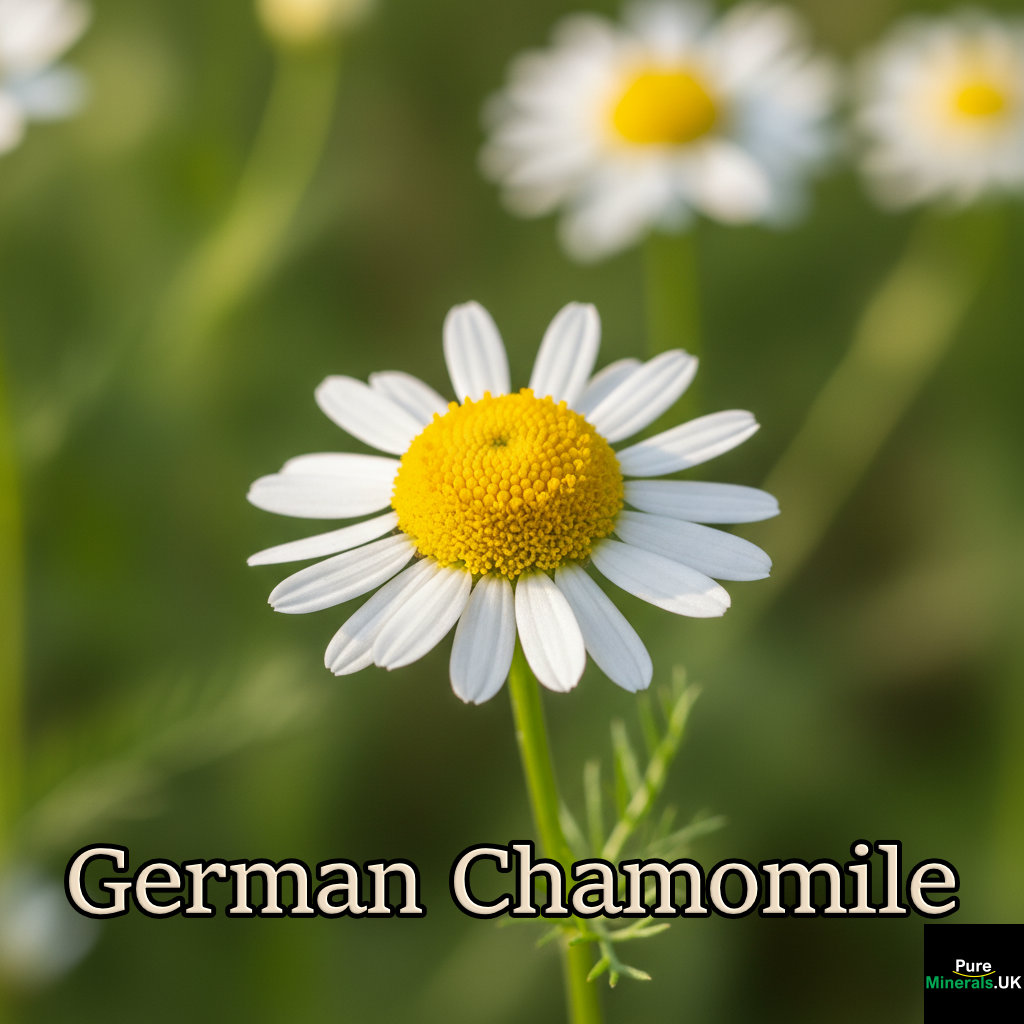
German chamomile presents a distinctive appearance with its upright growth habit and branching stems that can reach up to 24 inches in height. Its feathery, fern-like foliage creates an airy texture in the garden, while the flower heads feature white ray petals surrounding a prominent yellow cone that becomes increasingly hollow as the flower matures. This hollow cone serves as a key identifying feature when distinguishing between chamomile varieties.
The chemical composition of German chamomile makes it particularly valuable for medicinal applications. Its essential oil contains up to 15% chamazulene, which forms during the distillation process and gives the oil its characteristic deep blue color. Additional compounds include alpha-bisabolol, flavonoids like apigenin and luteolin, and various terpenoids that work synergistically to produce anti-inflammatory, antispasmodic, and mild sedative effects. These potent constituents explain why German chamomile extracts feature prominently in scientific research and commercial health products.
Roman Chamomile Properties
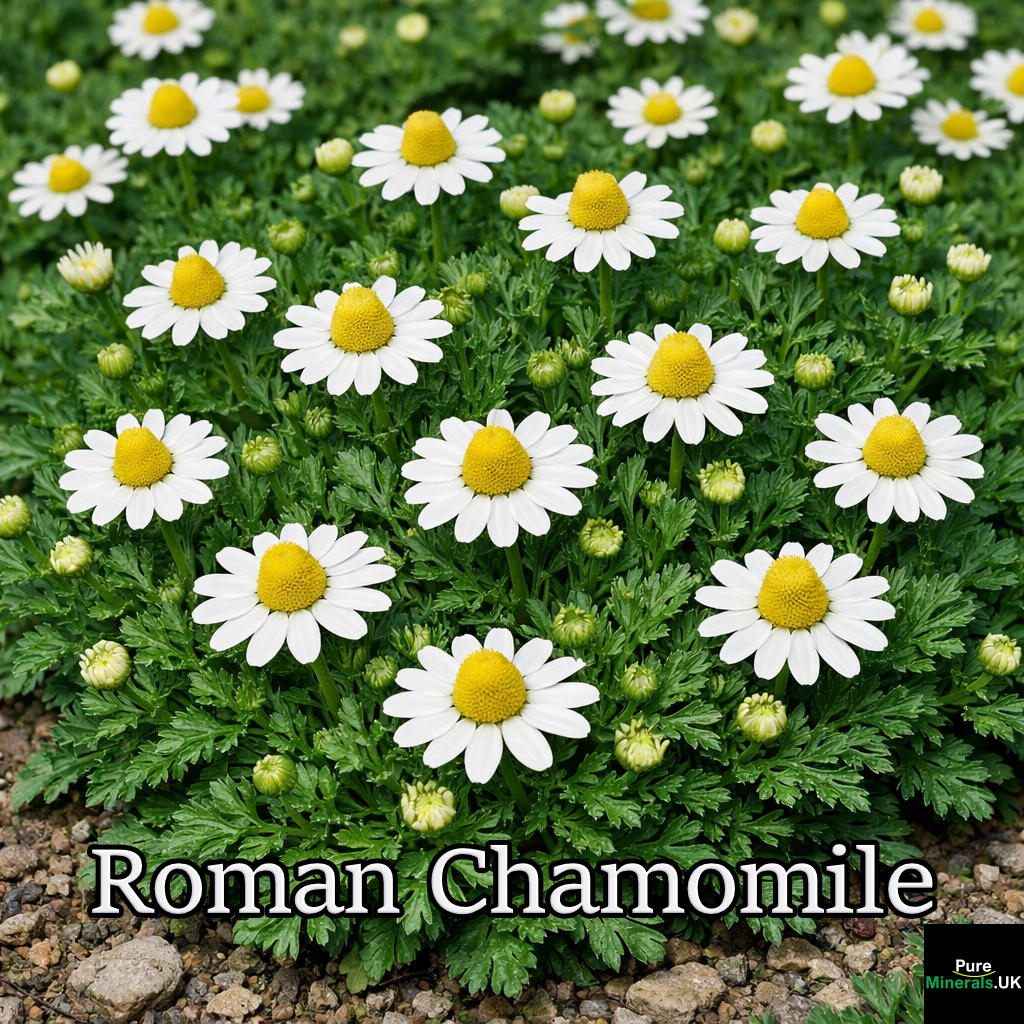
Roman chamomile (Chamaemelum nobile) grows as a low-spreading perennial, rarely exceeding 12 inches in height, making it an excellent ground cover in suitable climates. Its leaves appear thicker and more densely arranged than those of German chamomile, with a deeper green color and pronounced apple-like fragrance when crushed. The flowers look similar to German chamomile at first glance but feature a solid, conical center rather than a hollow one.
Traditionally valued for its distinctive, sweet, apple-like aroma, Roman chamomile contains different proportions of active compounds compared to its German counterpart. Its essential oil features high levels of esters like angelic acid and tiglic acid, which contribute to its reputation as a gentler option for sensitive skin conditions and children’s remedies. Historically, English gardeners planted Roman chamomile to create aromatic lawns that released their pleasant scent when walked upon—a practice still maintained in some traditional gardens today.
How To Tell The Difference Between Varieties
Distinguishing between German and Roman chamomile becomes relatively straightforward once you know what to look for. German chamomile grows taller with fewer, more widely spaced leaves and hollow, cone-shaped centers in its flowers. Roman chamomile stays closer to the ground, creates a denser mat of foliage, and produces flowers with solid centers. The aroma offers another reliable indicator—crush a leaf and smell it; German chamomile has a sweeter, more floral scent, while Roman chamomile delivers a distinctive apple-like fragrance.
For gardeners, the growth habit provides the most obvious clue. German chamomile behaves as an annual (though it often self-seeds readily), requiring yearly replanting in most climates. Roman chamomile, being a true perennial, returns year after year, gradually spreading to form a groundcover. This difference makes Roman chamomile the preferred choice for permanent landscaping features like chamomile lawns, while German chamomile suits annual herb gardens and medicinal cultivation where maximum flower production is desired.
Seven Traditional Medicinal Uses of Chamomile
Throughout the centuries, healers across diverse cultures have turned to chamomile as a versatile remedy for numerous conditions. Modern research continues to validate many of these traditional applications, providing scientific explanations for chamomile’s effectiveness. The herb’s gentle nature makes it appropriate for vulnerable populations like children and the elderly, while its potent bioactive compounds deliver measurable therapeutic benefits.
1. Digestive Ailments and Stomach Soothing
Perhaps chamomile’s most widespread use involves calming digestive distress, with documented applications dating back to ancient Egyptian medical texts. The herb’s antispasmodic properties help relax the smooth muscles of the digestive tract, relieving cramping, bloating, and gas. These effects prove particularly valuable for those suffering from irritable bowel syndrome and infant colic, conditions characterized by painful muscle contractions in the intestines. For similar benefits, you might explore ashwagandha’s calming properties as well.
Chamomile also stimulates the production of digestive enzymes and bile, enhancing the body’s ability to break down foods properly. This gentle stimulation, combined with mild anti-inflammatory effects, makes chamomile tea an excellent after-meal ritual for those with sluggish digestion. For acute indigestion, a strong infusion of chamomile flowers often provides noticeable relief within minutes of consumption—a testament to its rapid action on the gastrointestinal system.
2. Sleep Aid and Anxiety Reduction
Chamomile’s reputation as a mild sedative and anxiety reducer has made it a bedtime ritual for countless people seeking natural sleep solutions. The apigenin in chamomile binds to specific receptors in the brain that decrease anxiety and initiate sleep, similar to the mechanism of some prescription medications but without their stronger side effects. This subtle yet effective action explains why chamomile tea before bed helps many people achieve deeper, more restful sleep without morning grogginess.
Clinical studies support chamomile’s anxiety-reducing properties, with research showing that regular consumption can significantly decrease symptoms in people with generalized anxiety disorder. The herb works gradually, with effects building over time rather than producing immediate sedation. This gentle approach makes chamomile appropriate for daily use, even in situations where alertness remains necessary, such as daytime anxiety management in professional settings. For those interested in exploring other natural remedies for anxiety, consider learning about ashwagandha, another herb known for its calming effects.
3. Skin Healing and Anti-Inflammatory Applications
Chamomile’s skin-healing prowess comes from its powerful anti-inflammatory compounds, particularly chamazulene and alpha-bisabolol. These substances penetrate the skin’s surface layers to reduce redness, swelling, and heat—the classic signs of inflammation. For mild burns, sunburn, and inflammatory skin conditions like eczema, chamomile compresses or creams often provide immediate cooling relief while accelerating the healing process.
The herb’s antimicrobial properties further enhance its skin benefits by helping prevent infection in minor wounds, cuts, and abrasions. Historically, chamomile infusions served as wound washes on battlefields and in home first-aid treatments before modern antiseptics became available. Even today, organic chamomile preparations remain valuable for those with sensitive skin who react poorly to conventional pharmaceutical treatments containing artificial preservatives or fragrances.
4. Menstrual Pain Relief
Women throughout history have turned to chamomile to ease menstrual discomfort, a use now supported by modern research. The herb’s antispasmodic compounds help relax the uterine muscles that contract painfully during menstruation, providing relief similar to over-the-counter pain medications but without potential digestive side effects. The anti-inflammatory properties simultaneously reduce pain-causing prostaglandins in the uterine tissue.
Beyond physical pain relief, chamomile’s calming effects address the emotional and psychological symptoms that often accompany menstrual cycles. Drinking chamomile tea throughout the day, especially during the most uncomfortable phases of menstruation, offers a two-pronged approach: direct pain reduction and mood stabilization. Many holistic practitioners recommend beginning chamomile tea consumption several days before expected menstruation to maximize its preventive benefits.
5. Respiratory Treatment
Chamomile’s volatile oils provide significant benefits for respiratory conditions through both internal consumption and inhalation methods. When inhaled as steam, these compounds help reduce inflammation in the mucous membranes lining the respiratory tract, loosening congestion and easing breathing difficulties. For common colds and seasonal allergies, this gentle decongestant action proves especially beneficial without the drowsiness that pharmaceutical decongestants often cause.
The herb’s mild antihistamine properties further contribute to its effectiveness against allergic respiratory responses, helping calm excessive immune reactions that trigger symptoms like sneezing and nasal inflammation. For chronic conditions like asthma, regular chamomile consumption may help reduce the frequency and severity of inflammatory flare-ups when used as part of a comprehensive management plan. Traditional European folk medicine particularly valued chamomile tea with honey for treating persistent coughs and bronchial irritation.
6. Oral Health Benefits
The antiseptic and anti-inflammatory properties that make chamomile valuable for skin conditions extend to oral health applications as well. Gargling with cooled chamomile tea helps reduce gum inflammation, soothe mouth ulcers, and combat the bacteria responsible for bad breath and minor infections. These benefits have led to chamomile’s inclusion in natural toothpastes, mouthwashes, and oral care products designed for sensitive mouths.
For teething infants, chamomile provides gentle pain relief without the risks associated with topical numbing gels. A clean cloth soaked in cold chamomile tea and applied to sore gums offers safe, effective comfort. This traditional remedy has passed through generations of parents seeking natural solutions for one of babyhood’s most uncomfortable phases.
7. Immune System Support
Chamomile contains compounds that naturally strengthen the body’s resistance to infection and illness. The antioxidants present in chamomile tea help neutralize harmful free radicals, protecting cells from oxidative damage and supporting overall immune function. Regular consumption creates a cumulative effect, potentially reducing the frequency and severity of common infections like colds and flu. For additional immune support, consider exploring CoQ10 supplements, known for their antioxidant properties.
Beyond its direct antimicrobial effects, chamomile helps optimize immune system performance by reducing chronic inflammation that can otherwise deplete immune resources. This dual action—fighting pathogens while balancing immune response—makes chamomile particularly valuable during seasonal transitions when illness risk increases. Many traditional healing systems recommend chamomile as a preventive tonic during autumn and winter months when respiratory infections peak.
The Science Behind Chamomile’s Healing Properties
Modern scientific research has begun to validate what traditional healers have known for centuries: chamomile contains a complex array of bioactive compounds that produce measurable therapeutic effects. Advanced analytical techniques have identified over 120 chemical constituents in chamomile flowers, with more discoveries likely as research continues. This chemical complexity explains chamomile’s versatility as a healing agent across multiple body systems. For further insights into its therapeutic uses, you can explore this detailed article on German chamomile.
Essential Oils and Active Compounds
The essential oil fraction of chamomile, though representing only a small percentage of the dried flower weight, contains some of its most potent medicinal compounds. Alpha-bisabolol and its oxides demonstrate significant anti-inflammatory and antimicrobial properties, while chamazulene (which gives German chamomile oil its distinctive blue color) provides powerful anti-inflammatory effects. These volatile compounds readily penetrate tissues, explaining why chamomile works quickly when applied topically or inhaled.
Extraction methods significantly influence which compounds predominate in chamomile preparations. Hot water extracts (teas) primarily contain water-soluble flavonoids like apigenin and luteolin, while alcohol-based tinctures capture a broader spectrum, including both water-soluble and oil-soluble components. Steam distillation isolates the essential oil fraction, concentrating the volatile compounds for maximum potency in aromatherapy and topical applications. Understanding these differences helps explain why different preparation methods suit different therapeutic goals.
Anti-inflammatory Mechanisms
Chamomile’s inflammation-fighting capacity stems from multiple mechanisms operating simultaneously. Key compounds inhibit the production of pro-inflammatory prostaglandins and leukotrienes, molecules that trigger and sustain inflammatory processes throughout the body. This inhibition occurs through pathways similar to those targeted by conventional anti-inflammatory medications, but without their potential side effects on kidney and gastric function. For more on natural anti-inflammatory agents, consider exploring the benefits of black seed.
Laboratory research reveals that chamomile extracts also inhibit inflammatory cytokine production and modulate immune cell function, helping restore balance to overactive immune responses. These effects prove particularly valuable in chronic inflammatory conditions where persistent immune activation creates ongoing tissue damage. The cumulative anti-inflammatory benefits of regular chamomile consumption may explain its traditional reputation for promoting overall health and longevity in cultures where the herb features prominently in daily diets.
Antioxidant Benefits
Chamomile flowers contain concentrated flavonoids and other polyphenols with remarkable free-radical-scavenging abilities. These natural antioxidants help neutralize reactive oxygen species that would otherwise damage cellular structures, accelerate aging processes, and contribute to chronic disease development. Regular consumption provides cumulative protection against oxidative stress from environmental toxins, UV radiation, and normal metabolic processes.
Research indicates chamomile’s antioxidant activity extends beyond direct free-radical neutralization to include support for the body’s endogenous antioxidant systems. Compounds in chamomile appear to upregulate production of glutathione and superoxide dismutase, powerful enzymes that form the body’s first-line defense against oxidative damage. This dual approach—providing external antioxidants while boosting internal production—creates comprehensive protection at the cellular level.
How To Make Effective Chamomile Remedies At Home
Creating effective chamomile preparations at home requires understanding which extraction methods best capture the compounds needed for specific therapeutic purposes. Simple techniques using basic kitchen equipment can produce remedies comparable to commercial products at a fraction of the cost. The key lies in selecting quality materials and following preparation methods that preserve chamomile’s delicate active compounds.
Perfect Cup of Chamomile Tea
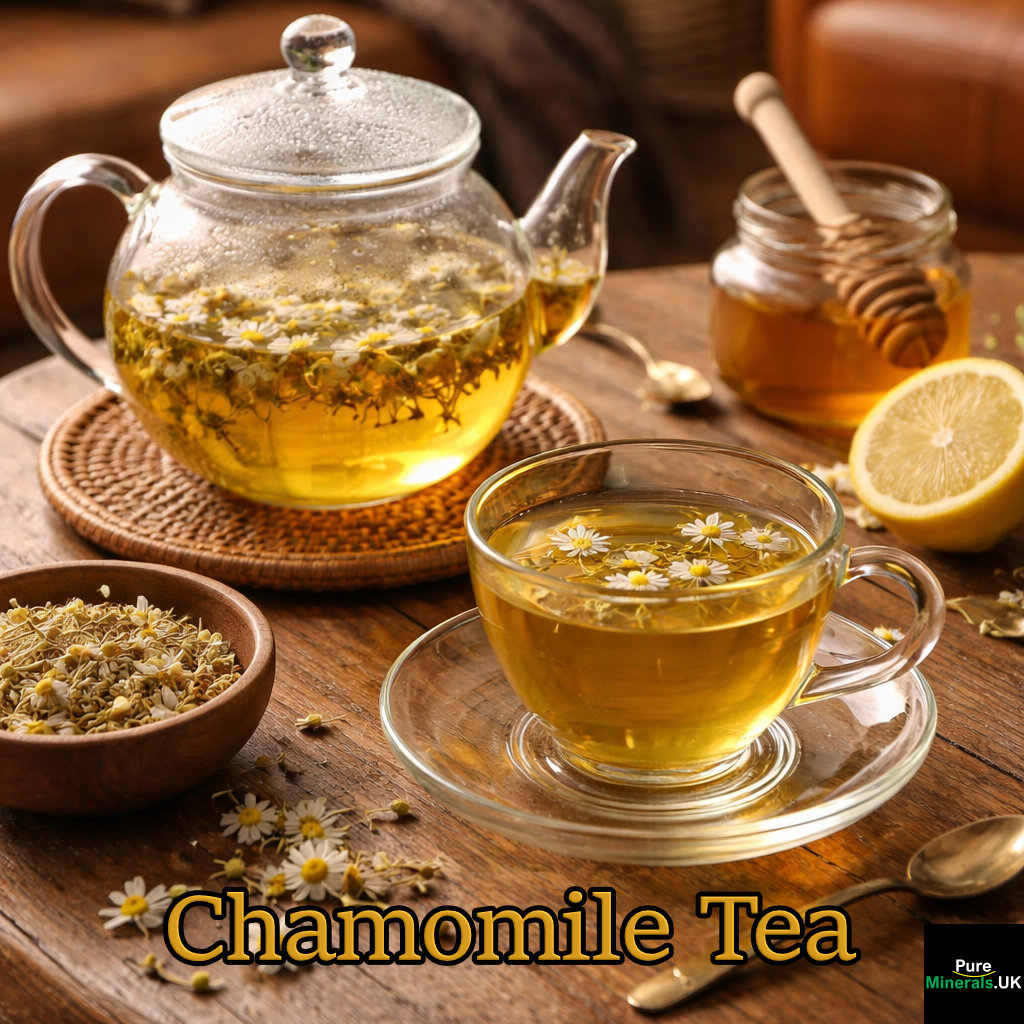
The most accessible chamomile remedy begins with properly prepared tea. Start with 1-2 tablespoons of dried chamomile flowers per cup of water, depending on your desired strength. Boil water, then remove from heat for 30 seconds before pouring over the flowers—this optimal temperature (around 200°F/93°C) extracts beneficial compounds without destroying heat-sensitive elements. Cover the steeping vessel to prevent volatile oils from escaping with the steam, and allow 5-10 minutes for full extraction.
For maximum medicinal benefit, choose whole chamomile flowers rather than powdered or pre-bagged forms, which often contain lower concentrations of active compounds due to increased surface area exposure during storage. The freshness factor significantly impacts potency—properly stored chamomile should retain a bright, apple-like aroma and golden-yellow color. For digestive issues, drink the tea warm after meals; for sleep enhancement, consume 30-45 minutes before bedtime to allow active compounds to reach their peak effects at the appropriate time. For more information on natural remedies, explore the benefits of Boswellia.
Chamomile Compresses for Skin Conditions
For external applications, chamomile compresses deliver concentrated healing power directly to affected areas. Prepare a strong infusion using 4 tablespoons of dried flowers per cup of water, steep covered for 15 minutes, then strain. Soak a clean cotton cloth in the warm (not hot) liquid, gently wring out excess, and apply directly to irritated skin, minor burns, or inflamed areas for 10-15 minutes. Repeat application 3-4 times daily for optimal results. For those interested in other natural remedies, consider exploring the benefits of ashwagandha for its calming properties.
The compress technique proves particularly effective for localized skin conditions like eczema flares, sunburn, and inflammatory acne. The direct contact allows chamomile’s anti-inflammatory compounds to penetrate skin layers quickly, providing immediate soothing effects while initiating deeper healing processes. For eye inflammations like conjunctivitis or styes, ensure the tea has cooled completely before making compresses, and use separate cloths for each eye to prevent cross-contamination. Learn more about dietary supplements and their uses in treating such conditions.
DIY Chamomile Infused Oil
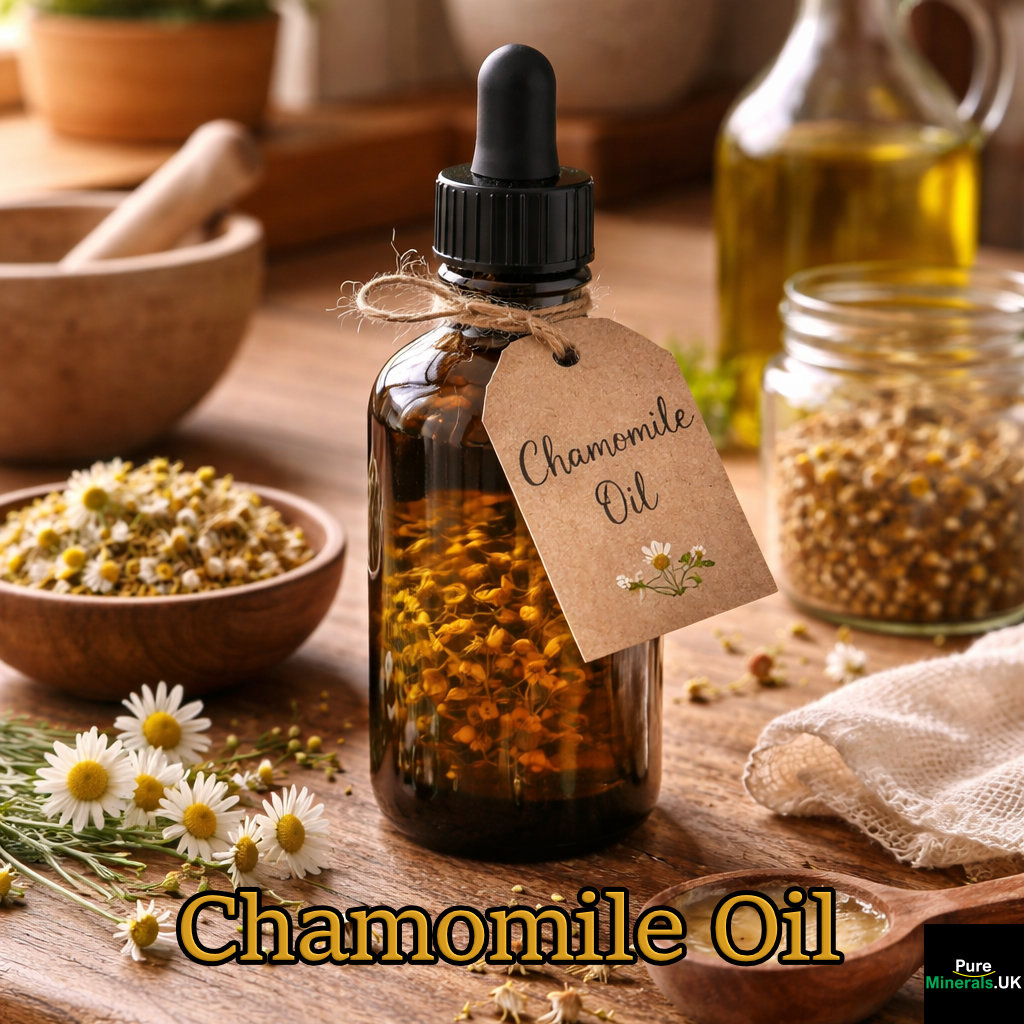
Chamomile-infused oil captures the herb’s fat-soluble compounds for use in massage oils, salves, and homemade cosmetics. Fill a clean glass jar one-third with dried chamomile flowers, then cover completely with a carrier oil like olive, sweet almond, or jojoba. Seal tightly and place in a warm location (like a sunny windowsill) for 2-4 weeks, shaking daily to encourage extraction. Strain through cheesecloth, squeezing to extract all oil, and store in a dark glass bottle away from heat and light.
This versatile infused oil serves as a base for numerous therapeutic preparations. Use it directly as a massage oil for muscular tension, a facial oil for sensitive skin, or a scalp treatment for dry, itchy conditions. For a more potent preparation, perform a double infusion by using your first batch of oil to infuse a fresh batch of flowers. The resulting deep golden oil contains concentrated levels of chamomile’s anti-inflammatory and skin-healing compounds.
Chamomile Bath Soak Recipe
Transform your bathtub into a full-body chamomile treatment with a properly prepared bath soak. Create a strong chamomile infusion using 1 cup of dried flowers simmered (not boiled) in 2 quarts of water for 15 minutes. Strain this concentrated liquid into a running warm bath, adding the spent flowers directly to the water for additional benefit. For enhanced therapeutic effects, incorporate 1 cup of Epsom salts to ease muscle tension and 2 tablespoons of honey for skin-softening properties.
This immersive treatment allows chamomile’s benefits to reach the entire body simultaneously, making it ideal for addressing widespread inflammatory conditions, tension-related pain, and skin irritations. The warm water enhances circulation and opens pores, facilitating deeper penetration of chamomile’s active compounds. A 20-minute soak provides optimal therapeutic benefits while the aromatic steam offers additional respiratory and calming effects through inhalation. For those interested in exploring other natural remedies, MSM is known for its anti-inflammatory properties.
Growing Your Own Chamomile Plants
Cultivating chamomile in home gardens or containers provides a sustainable supply of this versatile healing herb while connecting you more deeply to its therapeutic properties. Both German and Roman varieties grow readily in most temperate climates with minimal care once established. Growing your own ensures the freshest possible flowers for medicinal preparations, capturing the volatile compounds that diminish rapidly in commercial products.
Ideal Growing Conditions

Chamomile thrives in moderately fertile, well-drained soil with a slightly acidic to neutral pH (5.6-7.5). While both varieties prefer full sun in cooler climates, they benefit from afternoon shade in regions with hot summers to prevent flower wilting and premature bolting. German chamomile adapts more readily to varied conditions, making it the easier choice for beginning herb gardeners, while Roman chamomile requires more specific conditions but returns year after year once established.
Water requirements remain modest after plants establish their root systems, with drought tolerance being one of chamomile’s admirable qualities. However, consistent moisture during the flowering period produces the highest essential oil content in the blossoms. The plants’ relatively shallow root systems make them suitable for container growing, provided the containers offer at least 12 inches of soil depth and adequate drainage. This adaptability to container cultivation makes chamomile accessible even to gardeners with limited space.
Planting and Maintenance Tips
Start chamomile seeds indoors 6-8 weeks before your last expected frost, sowing them on the soil surface without covering, as the tiny seeds require light for germination. Maintain consistent moisture during the germination period, which typically takes 7-14 days. Transplant seedlings outdoors after all frost danger passes, spacing German chamomile plants 8-10 inches apart and Roman varieties 12-18 inches apart to accommodate their spreading habit. If you’re interested in other natural supplements, consider exploring the benefits of ashwagandha for stress relief and overall wellness.
Once established, chamomile requires minimal maintenance beyond occasional watering during dry periods. The plants naturally repel many common garden pests and rarely suffer from disease problems when grown in appropriate conditions with good air circulation. Avoid high-nitrogen fertilizers, which promote lush foliage at the expense of flower production—if fertilization seems necessary, choose a balanced organic option applied at half-strength. Regular harvesting of flowers actually encourages continued bloom production, creating a beneficial cycle for both plant and gardener.
Harvesting and Preserving Flowers
Harvest chamomile flowers when they reach full bloom but before the white petals begin to droop backward. This timing—usually 3-4 days after the flower fully opens—captures peak concentrations of essential oils and other medicinal compounds. The ideal harvesting time falls in mid-morning after dew has evaporated but before the day’s heat drives off volatile oils. Using small scissors or your fingertips, snip the flower heads just below the base, leaving stems and leaves on the plant to support continued flowering.
Modern Applications of This Ancient Herb
While chamomile’s traditional uses maintain their relevance, contemporary research continues to uncover new applications for this versatile herb. Modern extraction techniques isolate specific compounds for targeted therapies, while innovative delivery systems enhance absorption and effectiveness. The integration of chamomile into evidence-based complementary medicine represents the convergence of ancient wisdom with scientific validation, creating exciting possibilities for addressing modern health challenges with time-tested natural solutions.
Chamomile in Aromatherapy
Aromatherapists prize chamomile essential oil for its potent psychological and physiological effects when properly administered through inhalation or diluted topical application. German chamomile oil’s distinctive blue color, resulting from its high chamazulene content, makes it one of the most recognizable and sought-after oils in professional practice. The scent profile combines sweet, herbaceous notes with warm, apple-like undertones that most people find immediately soothing.
Clinical aromatherapy research demonstrates chamomile oil’s efficacy in reducing anxiety scores, improving sleep quality, and decreasing perception of pain when used in controlled hospital and clinical settings. Inhalation methods range from personal inhalers for acute anxiety to diffuser applications in treatment rooms designed to create therapeutic environments. The non-pharmaceutical nature of this approach makes it particularly valuable in populations sensitive to conventional medications, including elderly patients and those with multiple chemical sensitivities.
Commercial Products Worth Trying
The marketplace offers numerous chamomile-based products that provide convenient access to the benefits of this herb without requiring home preparation. Look for standardized extracts that specify their apigenin or bisabolol content, ensuring consistent potency. Quality skincare products typically list chamomile high in their ingredient list (indicating significant concentration) and specify the exact botanical name (Matricaria chamomilla or Chamaemelum nobile) rather than using the generic term “chamomile extract.”
Take Chamomile’s Natural Healing Power Into Your Daily Routine
Incorporating this gentle yet powerful herb into your wellness practices offers cumulative benefits that extend far beyond symptom management. Whether you choose to grow your own plants, craft homemade remedies, or select quality commercial preparations, chamomile’s versatility and safety make it an ideal foundation for natural health approaches that honor ancient wisdom while embracing scientific understanding. Herb Simple offers comprehensive resources for integrating chamomile and other medicinal herbs into a balanced, health-supporting lifestyle.
Important Note:
Chamomile may cause allergic reactions in individuals sensitive to Asteraceae plants. Potential interaction with anticoagulant medication. This information is for educational purposes only and is not intended to diagnose, treat, cure, or prevent disease.
Frequently Asked Questions
Despite chamomile’s long history of safe use, questions naturally arise about specific applications, potential interactions, and optimal usage patterns. The following answers address common concerns while emphasizing the importance of individual considerations in herbal medicine.
Is chamomile tea safe during pregnancy?
Chamomile’s safety during pregnancy remains controversial among healthcare providers. While many midwives and traditional practitioners recommend occasional cups for specific pregnancy discomforts, some medical authorities suggest avoiding regular consumption due to chamomile’s mild uterine-stimulating effects. The primary concern involves the herb’s potential to increase the risk of bleeding or premature labor when used consistently in large amounts, particularly in the first trimester or near delivery.
- Consult your prenatal healthcare provider before using chamomile during pregnancy
- If approved, limit consumption to occasional use rather than daily intake
- Choose German chamomile over Roman for pregnancy use if permitted
- Discontinue use immediately if experiencing any unusual symptoms
Women with histories of miscarriage, preterm labor, or bleeding disorders should exercise particular caution with all herbal products during pregnancy, including chamomile. External applications like diluted chamomile oil in massage preparations or bath products generally pose lower risks than internal consumption, but should still receive healthcare provider approval.
For nursing mothers, chamomile tea presents fewer concerns and may actually support milk production while helping manage postpartum stress. The mild sedative compounds do pass into breast milk in small amounts, potentially benefiting colicky or restless infants. However, moderation remains important—limiting consumption to 1-2 cups daily minimizes any potential concerns.
Can children safely consume chamomile products?
- Chamomile tea in age-appropriate dilutions suits most children over one year old
- Start with weak preparations (1/4 to 1/2 normal adult strength) for toddlers
- External applications like bath additives and diluted compresses are generally safe for infants
- Monitor for allergic reactions, particularly in children with existing plant allergies
Children typically respond well to chamomile’s gentle properties, making it a staple in many parents’ natural remedy arsenals. For digestive discomforts, colicky symptoms, and minor sleep disruptions, properly diluted chamomile preparations offer safe alternatives to pharmaceutical interventions. The herb’s mild taste, especially when lightly sweetened with honey (for children over 12 months) or maple syrup, increases acceptance among younger patients.
When introducing chamomile to children, start with external applications like lukewarm bath soaks to observe for any skin sensitivity before proceeding to internal use. For infants under one year, consult a pediatric healthcare provider before any herbal administration, as their developing systems process substances differently than older children and adults.
For sleep support in children, timing matters significantly—offer chamomile tea approximately 30 minutes before bedtime as part of a consistent relaxation routine rather than as an isolated intervention. This integration into bedtime rituals enhances both the physiological and psychological benefits of the herb. Consider exploring other natural remedies like ashwagandha for additional relaxation support.
Does chamomile interact with any medications?
Chamomile may interact with several classes of medications, most notably blood thinners like warfarin (Coumadin) and antiplatelet drugs. The herb contains natural coumarins, which, although weaker than pharmaceutical versions, could theoretically enhance anticoagulant effects when consumed in large amounts over time. Similarly, chamomile might potentiate the effects of sedative medications and certain antidepressants through its mild GABAergic actions in the brain, potentially increasing drowsiness or calming effects. For more information on how dietary supplements like chamomile interact with medications, explore further resources.
Patients taking cyclosporine, medications metabolized by CYP450 enzymes, or hormone-sensitive condition treatments should consult healthcare providers before regular chamomile consumption. The herb’s effects on drug absorption and metabolism vary based on preparation method, dosage, and individual factors. As with all herbal supplements, inform all healthcare providers about your chamomile use, especially before surgical procedures where bleeding risk and sedation concerns are paramount.
How long does dried chamomile stay potent?
Properly stored dried chamomile flowers maintain medicinal potency for approximately 9-12 months, though aromatic qualities begin diminishing earlier. Store dried flowers in airtight glass containers away from heat, light, and moisture to maximize shelf life. The color should remain bright golden-yellow, and the distinctive apple-like scent should be readily detectable when the container is opened—fading of either indicates declining potency that may require dosage adjustments for therapeutic effectiveness.
Can people with ragweed allergies use chamomile?
Individuals with ragweed allergies should approach chamomile with caution due to potential cross-reactivity between these botanically related plants within the Asteraceae family. Approximately 15-20% of those allergic to ragweed may experience similar reactions to chamomile, ranging from mild mouth tingling to more significant allergic responses. Testing tolerance with external applications before internal use provides a safer approach for those with known ragweed sensitivity.
For those who do experience mild cross-reactivity but wish to access chamomile’s benefits, certain preparation methods may reduce allergenic potential. Alcohol-based tinctures and oil infusions typically contain lower levels of the allergenic proteins than water-based preparations like teas. Additionally, Roman chamomile sometimes causes fewer allergic responses than German varieties, though individual reactions vary considerably. For those exploring other herbal options, black seed may be worth considering due to its diverse health benefits.
People with severe ragweed allergies or histories of anaphylactic reactions should generally avoid chamomile entirely unless cleared by an allergist. If attempting cautious trials after medical consultation, having appropriate emergency medication on hand remains essential. Alternative herbs with similar properties but from different plant families might provide safer options for those with confirmed chamomile sensitivity.
Despite these cautions, most individuals without specific Asteraceae family allergies tolerate chamomile exceptionally well, experiencing fewer adverse effects than with many pharmaceutical alternatives. This favorable safety profile explains chamomile’s enduring popularity across diverse healing traditions and its continued relevance in modern integrative healthcare practices.