

Published: 30 December 2025
Last Updated: 15 January 2026
This article is periodically reviewed and updated to reflect current scientific understanding by George Wesler.

What Is Calendula and Why Is This Culinary and Medicinal Herb Used for Skin, Mucosal Soothing, and Digestive Support?
Calendula, the Common or Pot Marigold, is a traditional culinary and medicinal herb valued for its soothing effects on skin and mucous membranes, as well as its gentle support for digestion and tissue comfort. Known for its bright orange and yellow flowers, calendula has a long history of use in European herbal traditions both as a food herb and as a topical and internal remedy. Its actions are often compared to marshmallow root due to its mild, protective, and calming properties.
Definition:
Calendula is a flowering herb whose petals contain bioactive compounds associated with skin support, mucosal soothing, and inflammatory balance. The most commonly used species is Calendula officinalis. The dried petals are used internally as teas or extracts and externally in creams, oils, and salves.
Extended Definition:
Calendula is best known for its vulnerary and demulcent-like actions, meaning it supports tissue repair while gently soothing irritated or inflamed surfaces. Its key constituents include triterpenoid saponins, flavonoids, carotenoids, and resins, which contribute to antioxidant protection and inflammatory modulation. Internally, calendula has traditionally been used to support digestive comfort and maintain the integrity of mucous membranes lining the gut. Externally, it is widely used to support skin healing and calm irritation.
As a culinary herb, calendula petals have been used historically to add colour and mild flavour to soups, broths, and rice dishes, sometimes referred to as “poor man’s saffron.” Unlike stronger medicinal herbs, calendula’s effects are gentle and supportive, making it suitable for regular use in appropriate forms. Its action is not stimulant or astringent, but protective and restorative, similar in nature—though milder—to herbs such as marshmallow root.
Key Facts:
- Herb name: Calendula
- Botanical name: Calendula officinalis
- Herb type: Culinary and medicinal food-herb
- Key compounds: Triterpenoid saponins, flavonoids, carotenoids, resins
- Primary uses: Skin support, mucosal soothing, digestive comfort
- Systems supported: Integumentary, digestive, lymphatic
- Common forms: Dried petals (tea or food), tinctures, extracts, infused oils, creams
- Use considerations: Generally well tolerated; caution advised with daisy-family allergies
- Typical pairing: Often paired with marshmallow root, chamomile, or plantain for skin and mucosal support
Key Takeaways
- Calendula contains powerful compounds, including flavonoids, triterpenoids, and carotenoids that provide anti-inflammatory and antioxidant benefits for skin healing.
- This versatile botanical accelerates wound healing, calms inflammatory skin conditions like eczema, and strengthens the skin barrier while fighting acne-causing bacteria.
- Beyond skin applications, calendula provides significant benefits for mucosal membranes, making it valuable for oral care, eye inflammation, and vaginal irritation.
- Calendula supports digestive health by calming irritable bowel symptoms and protecting the gut lining from inflammation.
- You can easily grow and harvest calendula at home to create DIY preparations such as oils, salves, and teas for natural healing.
The vibrant orange and yellow calendula flower isn’t just a pretty addition to your garden—it’s one of nature’s most powerful healing plants for skin and beyond. For centuries, this medicinal marvel has been treasured for its remarkable ability to repair, protect, and nourish the body’s largest organ while offering a host of other wellness benefits.
At Wellness Botanicals, we’ve researched extensively into natural remedies that deliver real results without harsh chemicals, and calendula consistently stands at the top of our list for skin support. This potent botanical contains a unique spectrum of compounds that work synergistically to provide therapeutic benefits for everything from minor cuts to chronic skin conditions. Whether you’re dealing with irritated skin, digestive discomfort, or simply looking to enhance your natural wellness routine, calendula offers versatile support backed by both traditional wisdom and modern research.
The Potent Healing Compounds in Calendula
The magic of calendula lies in its complex biochemical makeup. These golden blooms contain a remarkable array of bioactive compounds that explain why this plant has been treasured across cultures for centuries. Understanding these compounds helps explain why calendula offers such diverse therapeutic benefits.
Flavonoids and Antioxidants That Repair Skin
Calendula flowers are packed with powerful flavonoids, including quercetin, rutin, and kaempferol, that provide significant antioxidant protection. These compounds neutralize free radicals that damage skin cells and accelerate aging. When applied topically, these antioxidants help protect your skin from environmental stressors while supporting natural repair processes.
Research shows that calendula’s antioxidant properties contribute to its ability to promote collagen production and enhance cellular regeneration. This is particularly valuable for aging skin or skin recovering from environmental damage. The flavonoids in calendula also help strengthen capillaries beneath the skin, reducing the appearance of broken blood vessels and promoting a more even complexion.
Anti-inflammatory Triterpenoids
Triterpenoids are among the most significant healing compounds found in calendula. These complex organic molecules demonstrate remarkable anti-inflammatory properties, making calendula especially effective for soothing irritated skin. Studies have identified over 20 different triterpenoid esters in calendula extracts that contribute to its therapeutic effects.
When applied to inflamed skin, these compounds help reduce redness, swelling, and discomfort by inhibiting inflammatory mediators. This makes calendula particularly valuable for conditions characterized by inflammation, such as eczema, psoriasis, and various forms of dermatitis. The triterpenoid content explains why calendula has been used historically as a first-aid plant for everything from minor burns to insect bites.
Carotenoids for Cell Protection
The vibrant orange-yellow color of calendula flowers comes from its rich carotenoid content, particularly lutein and zeaxanthin. These pigments don’t just make the flowers beautiful—they provide significant photo-protective benefits when absorbed by skin cells. By filtering harmful blue light and neutralizing reactive oxygen species, calendula’s carotenoids help protect skin cells from UV and environmental damage. For more on natural ingredients that offer protective benefits, explore the properties of spirulina.
Additionally, these compounds support skin cell metabolism and help maintain moisture balance, contributing to calendula’s reputation as a gentle yet effective moisturizer. Regular application of calendula-infused products provides cumulative protection against premature aging and environmental damage while supporting healthy cellular turnover.
Remarkable Skin Benefits of Calendula
Calendula stands out among botanical remedies for its exceptional versatility in addressing a wide range of skin concerns. From treating acute injuries to managing chronic conditions, this powerful plant offers comprehensive skin support through multiple mechanisms. Here’s how calendula transforms skin health across different applications, similar to other botanicals like echinacea.
Accelerates Wound Healing and Reduces Scarring
One of calendula’s most celebrated properties is its ability to speed wound healing while minimizing scar formation. When applied to cuts, scrapes, or surgical incisions, calendula stimulates tissue regeneration and supports the proliferation of fibroblasts—the cells responsible for producing collagen and other connective tissue components. This acceleration of the healing process means wounds close faster and with less opportunity for infection.
A systematic review published in Wound Repair and Regeneration found that calendula consistently demonstrated wound-healing properties across multiple studies. The review noted calendula’s ability to enhance epithelialization (the process by which skin rebuilds over a wound) while simultaneously reducing inflammation. This dual action helps explain why wounds treated with calendula often heal with less noticeable scarring.
Calendula also supports proper granulation tissue formation, which provides the foundation for new skin. By promoting organized tissue regeneration, calendula helps ensure that healed skin maintains better structural integrity and appearance. This makes it particularly valuable for facial wounds or injuries in visible areas where minimizing scarring is a priority.
Mucosal Membrane Support and Healing
Calendula’s healing benefits extend far beyond external skin application. The same anti-inflammatory and regenerative properties that make it exceptional for skin care also make it remarkably effective for supporting and healing delicate mucosal tissues throughout the body. These specialized tissues line various body cavities and require gentle yet effective remedies when irritated or damaged, such as marshmallow root.
The mucilage compounds in calendula provide a protective coating when applied to mucosal surfaces, creating a temporary barrier that shields sensitive tissues while the plant’s bioactive compounds work to reduce inflammation and support tissue repair. This combination of protective and healing properties makes calendula particularly valuable for addressing various mucosal tissue concerns safely and effectively.
Oral Care Benefits
The oral cavity contains some of our most vulnerable mucosal tissues, frequently exposed to irritation from foods, beverages, and environmental factors. Calendula’s gentle yet potent properties make it an ideal remedy for various oral health concerns. When used as a mouthwash or incorporated into oral care products, calendula can significantly reduce gum inflammation, soothe mouth ulcers, and promote overall oral tissue health.
Research published in the Journal of Clinical Periodontology demonstrated that calendula-based mouth rinses effectively reduced plaque formation and gingivitis symptoms compared to control groups. The study attributed these benefits to calendula’s antimicrobial properties against common oral pathogens and its ability to modulate the inflammatory response in gingival tissues. For those with recurring mouth sores, denture irritation, or post-dental procedure discomfort, calendula provides gentle relief without the numbing agents or alcohol found in many commercial products.
Soothing Vaginal Irritation
The vaginal mucosa is exceptionally responsive to calendula’s healing properties. Women experiencing irritation, minor infections, or postpartum tissue repair can benefit significantly from calendula’s gentle yet effective support. Its antimicrobial properties help address common vaginal imbalances while its anti-inflammatory compounds reduce discomfort and support the natural healing process. For additional support, consider exploring the benefits of marshmallow, known for its soothing properties on mucosal tissues.
Many women’s health practitioners recommend calendula for addressing vaginal dryness, particularly during perimenopause and menopause, when hormonal changes can affect mucosal tissue integrity. Calendula-infused oils and suppositories provide moisture while simultaneously supporting tissue regeneration and comfort. The plant’s ability to promote healthy tissue without disrupting natural vaginal flora makes it particularly valuable for recurring or sensitive conditions.
- Calendula suppositories or diluted infusions can provide relief from vaginal dryness and irritation
- Sitz baths with calendula tea offer soothing support for external vaginal tissues and perineal healing
- Calendula-infused oils can be applied externally to soothe vulvar irritation and support tissue integrity
- Postpartum healing can be enhanced with gentle calendula applications to support episiotomy or tear recovery
When using calendula for vaginal applications, always select products specifically formulated for this purpose or consult with a healthcare provider about proper dilution and application methods for homemade preparations. The sensitive nature of these tissues requires appropriate formulations and careful application.
Eye Inflammation Relief
The delicate mucosal tissues of the eye can benefit tremendously from calendula’s gentle anti-inflammatory properties. When properly prepared as an eyewash or in professionally formulated eye drops, calendula can help alleviate conditions like conjunctivitis, eye strain, and general irritation. Its antimicrobial components help address mild infections while its soothing properties reduce redness and discomfort without harsh chemicals that might further irritate sensitive eye tissues.
Calendula for Digestive Health
Beyond its topical and mucosal applications, calendula offers remarkable benefits when taken internally, particularly for digestive wellness. The gastrointestinal tract is lined with sensitive mucosal tissues that respond positively to calendula’s anti-inflammatory and healing properties. When consumed as a tea, tincture, or in culinary applications, calendula can provide meaningful support for various digestive concerns.
Traditional healing systems have long recognized calendula’s value for supporting digestive health. Modern research has begun to validate these traditional uses, identifying specific mechanisms through which calendula’s compounds interact with digestive tissues to reduce inflammation, support healing, and maintain healthy gut function. This emerging understanding helps explain why calendula has been a staple in digestive wellness formulations for generations.
Calming Irritable Bowel Symptoms
For those suffering from irritable bowel syndrome (IBS) or general digestive discomfort, calendula offers gentle yet effective relief. Its antispasmodic properties help reduce painful cramping and intestinal spasms that characterize many functional digestive disorders. The plant’s anti-inflammatory compounds simultaneously address underlying inflammation that often contributes to chronic digestive symptoms. Additionally, incorporating marshmallow root can further soothe and support digestive health.
A clinical trial published in the Journal of Ethnopharmacology found that participants who consumed calendula tea daily for six weeks reported significant improvements in IBS symptoms compared to the placebo group. Participants noted reduced bloating, fewer episodes of diarrhea, and overall improved comfort. The researchers attributed these benefits to calendula’s ability to modulate intestinal inflammation and support normal peristalsis without the side effects associated with conventional IBS medications.
Supporting Gut Lining Integrity
The intestinal mucosa serves as a critical barrier between the contents of our digestive tract and our bloodstream. When this barrier becomes compromised—a condition often referred to as “leaky gut”—various health issues can develop. Calendula’s remarkable tissue-healing properties make it valuable for supporting and restoring gut lining integrity.
Research has demonstrated that calendula’s triterpenoids help reduce intestinal permeability by supporting tight junction proteins that maintain proper barrier function. This mechanism helps explain why calendula has traditionally been used to address conditions associated with compromised intestinal barriers, such as food sensitivities and autoimmune disorders affecting the digestive system. By promoting healthy mucosal tissue regeneration, calendula helps maintain the selective permeability essential for proper nutrient absorption and waste elimination.
Bright and Beneficial: Calendula in Your Kitchen
Calendula isn’t just for medicine cabinets and first aid kits—it deserves a place in your culinary repertoire as well. Known historically as “poor man’s saffron,” calendula adds vibrant color, subtle flavor, and impressive nutritional benefits to various dishes. Incorporating this edible flower into your cooking provides a delightful way to enjoy its health benefits while enhancing the visual appeal and nutritional profile of your meals.
Beyond their beauty and taste, calendula petals bring their therapeutic compounds directly to your digestive system when consumed. The antioxidants, anti-inflammatory compounds, and mucilage that make calendula valuable medicinally also contribute to its nutritional profile. By incorporating calendula into regular meals, you can enjoy its gentle supportive benefits as part of your daily wellness routine, similar to the benefits of marshmallow.
Edible Petals That Add Color and Nutrients

Calendula petals add stunning golden-orange color to salads, soups, rice dishes, and baked goods. Their slightly tangy, peppery flavor with subtle saffron-like notes complements both savory and sweet preparations. When selecting calendula for culinary use, ensure you’re using flowers from plants specifically grown for consumption, free from pesticides or other treatments not suitable for edible flowers.
Calendula-Infused Oils for Cooking
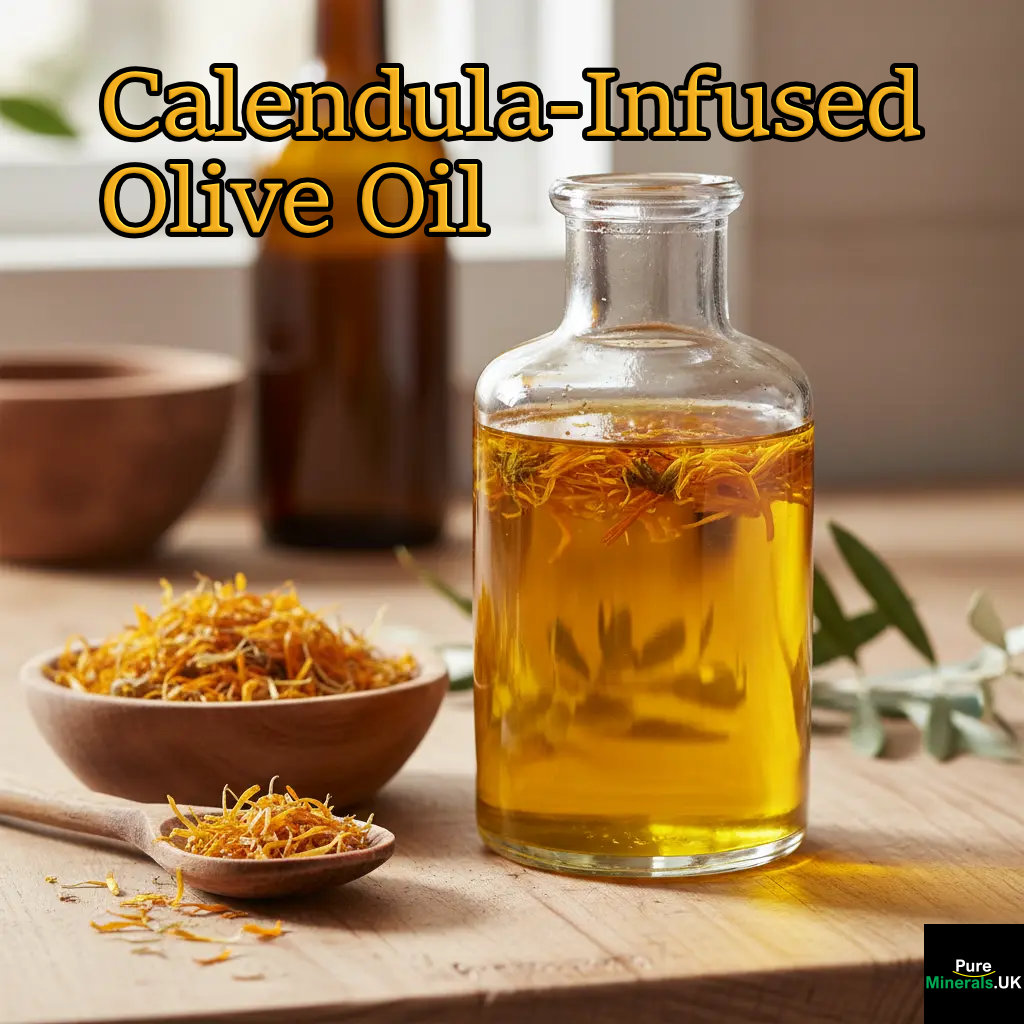
Creating calendula-infused olive oil provides a simple way to incorporate this healing plant into everyday cooking. The golden-hued oil captures calendula’s fat-soluble compounds and makes an excellent base for salad dressings, marinades, or finishing drizzles. To prepare, gently heat dried calendula petals in high-quality olive oil over very low heat for 30 minutes, then strain and store in a dark glass bottle to preserve both the beneficial compounds and the vibrant color.
Herbal Tea Preparation

Calendula herbal tea offers one of the simplest ways to enjoy this plant’s internal benefits. Its pleasant, lightly floral taste can be enjoyed alone or combined with other herbs like chamomile or mint for enhanced flavor. To prepare, steep 1-2 teaspoons of dried calendula petals in 8 ounces of hot water for 10-15 minutes, strain, and enjoy. This gentle tea supports digestive health, provides anti-inflammatory benefits, and makes a soothing evening ritual to promote relaxation.
Growing and Harvesting Your Own Calendula
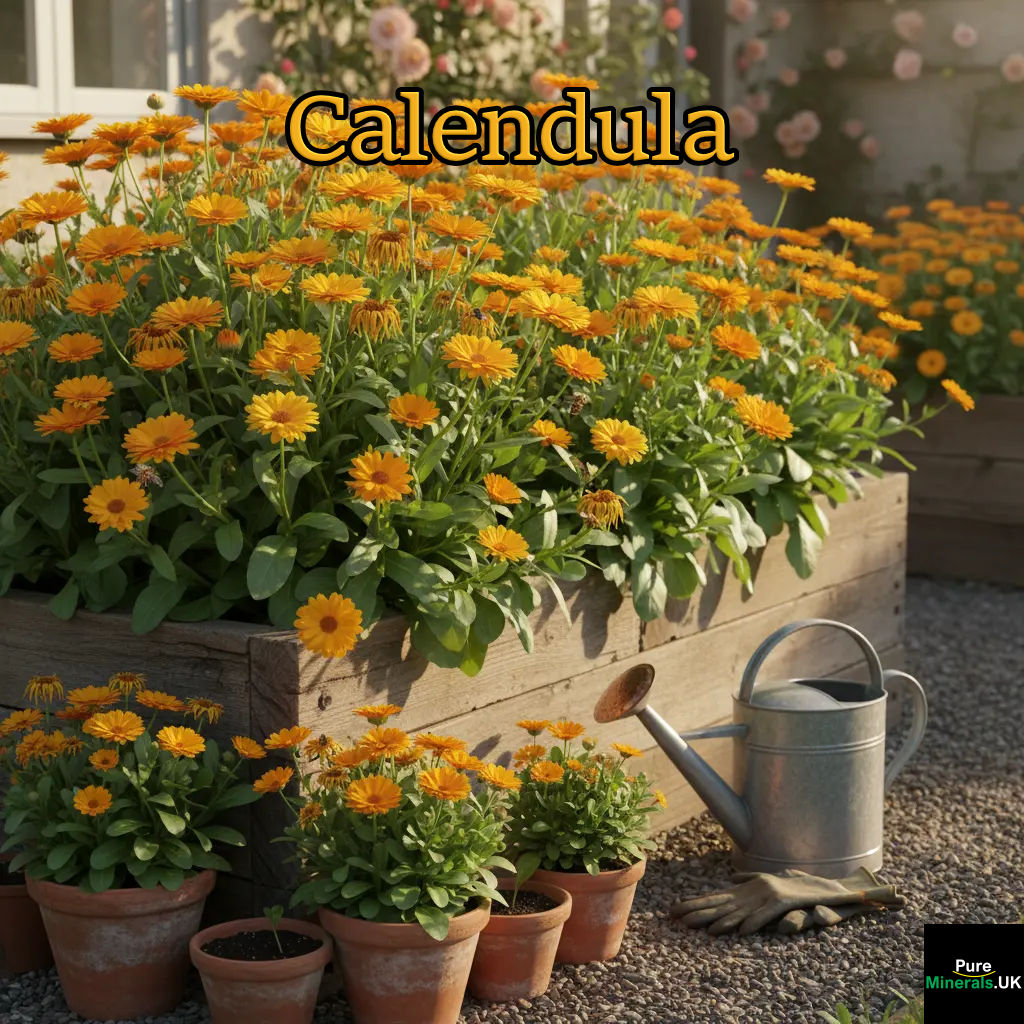
One of calendula’s many virtues is how easily it can be grown in home gardens or even in containers. Growing your own calendula ensures a fresh, chemical-free supply for both medicinal and culinary uses while adding cheerful color to your garden space. This self-seeding annual rewards minimal effort with abundant blooms throughout the growing season, making it an ideal plant for both beginning and experienced gardeners.
Planting Requirements
Calendula thrives in full sun but tolerates partial shade in hotter climates. It prefers well-drained soil with moderate fertility and performs well in USDA hardiness zones 2-11, making it accessible to most gardeners. Seeds can be directly sown after the last frost date, planted approximately ¼ inch deep and 12 inches apart. Germination typically occurs within 7-14 days, with blooms appearing approximately 6-8 weeks after planting.
Harvesting Flowers for Maximum Potency
For optimal medicinal potency, harvest calendula flowers in mid-morning after the dew has dried but before the heat of the day. Select fully opened flowers with vibrant color, gently pinching or cutting the stem just below the flower head. Regular harvesting encourages the plant to produce more blooms, extending your harvest throughout the growing season and maximizing your yield from each plant. If you’re interested in exploring other beneficial plants, consider learning about echinacea for its immune-boosting properties.
Drying and Storing Methods
After harvesting, spread calendula flowers in a single layer on screens or drying racks in a warm, dark, well-ventilated area. Avoid direct sunlight, which can degrade the active compounds and fade the vibrant color. Properly dried flowers should be crisp to the touch but retain their color. Once completely dry, store in airtight dark glass containers away from heat and light, where they can maintain potency for up to a year when properly preserved. For additional insights on drying herbs, explore our guide on echinacea storage and preservation.
DIY Calendula Preparations
Creating your own calendula preparations at home allows you to harness this plant’s healing properties while avoiding the preservatives and additives found in many commercial products. With just a few basic ingredients and simple techniques, you can craft effective remedies tailored to your specific needs. The satisfaction of making your own healing preparations adds an extra dimension to the therapeutic experience.
Before beginning any DIY project with calendula, ensure you’re starting with high-quality, properly dried flowers. Organically grown calendula will provide the purest therapeutic benefits without potential pesticide residues. Store-bought dried calendula works well, but growing and harvesting your own offers the freshest possible ingredients for your preparations. For more information on other beneficial plants, consider exploring the uses of marshmallow in your herbal projects.
- Always use clean, dry glass containers for making and storing calendula preparations
- Label all homemade products with ingredients and the date of preparation
- Store most calendula preparations away from direct light to preserve potency
- Consider adding natural preservatives like vitamin E oil to extend shelf life
- Start with small batches until you determine which preparations work best for you
Depending on your specific needs, you might choose different extraction methods to capture calendula’s beneficial compounds. Oil infusions excel at extracting fat-soluble components, while water-based preparations like teas access different water-soluble compounds. For comprehensive benefits, consider incorporating both types of preparations into your wellness routine.
Simple Calendula Oil Infusion
Calendula-infused oil serves as both a standalone remedy and the foundation for many other preparations like salves and balms. The gentle infusion process captures calendula’s fat-soluble compounds in a carrier oil, creating a versatile healing base. The resulting golden oil delivers calendula’s benefits directly to the skin while simultaneously providing moisturizing properties from the carrier oil.
To prepare, combine 1 cup of dried calendula flowers with 2 cups of high-quality olive, sweet almond, or jojoba oil in a clean glass jar. Use the slow method by letting it infuse in a sunny window for 4-6 weeks, shaking daily, or the faster method by gently heating in a double boiler at low temperature (never exceeding 110°F) for 2-3 hours. Strain through cheesecloth, squeezing well to extract all beneficial oils, and store in amber glass bottles away from heat and light, where it will remain potent for 9-12 months.
Healing Calendula Salve Recipe
Converting your calendula oil into a salve creates a concentrated, portable remedy that stays where applied without running or dripping. This thicker consistency makes salves ideal for targeted application on wounds, rashes, or particularly dry areas. The beeswax component adds additional protective qualities while helping seal in moisture.
In a double boiler, gently warm 1 cup of strained calendula-infused oil, then add ¼ cup of grated beeswax, stirring until completely melted. Test consistency by placing a small amount on a cool plate and checking its firmness when solidified. For a firmer salve, add more beeswax; for a softer consistency, add more oil. While still warm but not hot, incorporate 15-20 drops of tea tree essential oil if desired, pour into small tins or jars, and allow to cool completely before capping. Apply to minor wounds, dry skin patches, diaper rash, or other skin irritations as needed.
Soothing Bath Blend
A calendula bath blend delivers whole-body benefits while providing a deeply relaxing self-care ritual. This preparation is particularly valuable for addressing widespread skin conditions like eczema flares, sunburn, or winter dryness. The warm water helps open pores and increase circulation, allowing calendula’s healing compounds to penetrate more effectively.
Create a bath blend by combining 1 cup dried calendula flowers, ½ cup colloidal oatmeal, ¼ cup powdered milk (optional, for softening), and ¼ cup Epsom salts in a food processor. Pulse until coarsely ground and well mixed, then store in an airtight container. To use, place ½ cup of the mixture in a muslin bag or clean sock, tie closed, and hang from the faucet while filling the tub with warm water, allowing the hot water to run through the herbs. Squeeze the herb-filled bag occasionally during your 20-30 minute soak to release more of the beneficial compounds. This gentle yet effective bath provides relief for irritated skin while promoting overall relaxation.
Safety Considerations When Using Calendula
While calendula stands among the gentlest and safest botanical remedies, understanding potential concerns ensures you can use it appropriately for your specific situation. Most people experience only benefits from properly prepared calendula products, but as with any herbal remedy, certain precautions should be observed to ensure safety and effectiveness.
Before incorporating calendula or any new herbal remedy into your wellness routine, particularly for internal use or for treating specific health conditions, consulting with a healthcare provider familiar with botanical medicine is advisable. This becomes especially important if you’re currently taking medications, have existing health conditions, or are pregnant or breastfeeding. A knowledgeable practitioner can help determine the most appropriate applications and dosages for your individual needs.
- Perform a patch test before widespread application of any new calendula preparation
- Start with lower concentrations when first using calendula internally
- Discontinue use if you notice any adverse reactions
- Choose products from reputable sources that specify Calendula officinalis
- Follow preparation-specific storage guidelines to prevent contamination
Remember that while calendula has an exceptional safety profile compared to many conventional treatments, respecting proper dosages and preparation methods remains important. Quality matters significantly—always source calendula from trusted suppliers or grow your own to ensure you’re receiving the therapeutic benefits without unwanted contaminants.
Potential Allergic Reactions
Though rare, allergic reactions to calendula can occur, particularly in individuals with known sensitivities to plants in the Asteraceae family. This family includes ragweed, chrysanthemums, daisies, and marigolds—if you have allergies to any of these plants, approach calendula with caution. Initial symptoms of sensitivity may include skin redness, itching, or rash when applied topically, or digestive upset when consumed internally.
To minimize risk, always conduct a patch test before widespread application of any calendula preparation. Apply a small amount to the inner forearm and monitor for 24 hours before proceeding with regular use. For internal preparations, begin with very dilute tea or minimal doses, gradually increasing as you confirm tolerance. If you experience any adverse reactions, discontinue use immediately and consult with a healthcare provider if symptoms persist or concern you.
Pregnancy and Breastfeeding Precautions
Calendula’s effects during pregnancy haven’t been extensively studied through clinical trials, leading to varied recommendations regarding its use during this sensitive time. Traditional use suggests calendula tea is generally safe in moderate amounts during pregnancy, but concentrated forms like tinctures are typically avoided. The concern stems from calendula’s emmenagogue properties—its traditional use for supporting menstruation—which theoretically could affect pregnancy, though documented cases of issues are extremely rare. For those interested in herbal alternatives, black cohosh is another herb often discussed in the context of women’s health.
During breastfeeding, topical application of calendula for sore nipples is widely considered safe and is often recommended by lactation consultants. However, internal use should be discussed with your healthcare provider. As with any herbal remedy during pregnancy or lactation, the principle of “less is more” applies—use the minimum effective amount and choose the gentlest preparations when needed.
Drug Interactions to Watch For
Calendula may interact with certain medications due to its effects on blood clotting and sedation. Those taking blood-thinning medications, sedatives, or medications metabolized by the liver should consult with a healthcare provider before using calendula internally. Additionally, because calendula can affect blood sugar levels, those taking diabetes medications should monitor their levels carefully when incorporating calendula into their routines.
Final Thoughts: Integrating Calendula Into Your Wellness Routine
- Start with simple applications like calendula tea or commercially prepared calendula cream
- Gradually expand to DIY preparations as you become more comfortable working with the herb
- Consider growing calendula to ensure a fresh, sustainable supply for your preparations
- Combine calendula with complementary herbs like chamomile or lavender for enhanced benefits
- Document your experiences with different preparations to identify what works best for your needs
Calendula offers a beautiful gateway into plant-based wellness that bridges traditional wisdom with modern understanding. Its remarkable versatility addresses a wide spectrum of health concerns while its exceptional safety profile makes it appropriate for most individuals. By incorporating this golden healer into your daily routines—whether through skin care, first aid, digestive support, or culinary enjoyment—you embrace a gentle yet effective approach to supporting your body’s natural healing processes.
The journey with calendula often begins with addressing a specific concern—perhaps a minor skin irritation or digestive discomfort—but frequently expands into a broader appreciation for plant-based wellness. As you witness firsthand how effectively this simple flower can support various aspects of health, you may find yourself increasingly drawn to exploring other botanical allies. Calendula thus serves not only as a versatile remedy but also as an inspiring introduction to the profound healing potential of the plant world.
Remember that consistency often yields the most noticeable results with botanical supports like calendula. Rather than using preparations sporadically when problems arise, consider incorporating calendula regularly as a preventative measure and maintenance support. This proactive approach allows calendula’s cumulative benefits to build over time, potentially preventing issues before they develop while supporting ongoing tissue health and resilience.
Important Note
Calendula is traditionally used as a gentle culinary and medicinal herb to support skin and mucosal comfort. It is generally well tolerated, though individuals with daisy-family allergies may wish to exercise caution. This information is not intended to diagnose, treat, cure, or prevent disease.
Important Note:
Calendula is safe for topical and culinary use. Avoid internal use during pregnancy unless advised by a qualified practitioner. This information is for educational purposes only and is not intended to diagnose, treat, cure, or prevent disease.
Frequently Asked Questions
The following questions address common concerns and confusion about calendula use, helping you navigate this versatile botanical with confidence and clarity.
Is calendula the same as marigold from my garden?
Calendula (Calendula officinalis) is sometimes called “Pot Marigold” but differs from common garden marigolds (Tagetes species). While both belong to the Asteraceae family, they have different properties and uses. Calendula has documented medicinal benefits and is safe for consumption, while ornamental marigolds may be treated with chemicals unsuitable for therapeutic use and lack the same medicinal compounds. For healing purposes, always ensure you’re using true Calendula officinalis rather than ornamental marigolds. If you’re interested in exploring other natural supplements, consider learning more about the benefits of spirulina.
How long does it take to see results when using calendula for skin conditions?
Results vary depending on the condition and individual response, but many people notice improvements within 3-7 days of consistent application for minor skin issues like mild rashes or minor wounds. For more chronic conditions like eczema or persistent acne, it may take 2-4 weeks of regular use to see significant improvement. Consistency is key—apply calendula preparations 2-3 times daily for best results, and continue using for at least one week after symptoms improve to support complete healing and prevent recurrence. If you’re interested in exploring other natural remedies, you might want to learn about the benefits of echinacea for skin health.
Can I use calendula if I have ragweed allergies?
Approach with caution if you have ragweed allergies, as calendula belongs to the same plant family (Asteraceae). While many people with ragweed sensitivities can use calendula without issues, others may experience cross-reactivity. Start with a patch test on a small area of skin and monitor for 24 hours before wider application. For internal use, begin with very dilute preparations under guidance from a healthcare provider familiar with your allergy history. Discontinue immediately if you notice itching, redness, respiratory symptoms, or other signs of allergic response.
What’s the difference between calendula oil and calendula tincture?
Calendula oil is made by infusing the flowers in a carrier oil like olive or jojoba, extracting fat-soluble compounds ideal for skin applications, moisturizing properties, and external healing. Calendula tincture uses alcohol (usually vodka or grain alcohol) as the extraction medium, capturing both water-soluble and alcohol-soluble compounds for broader medicinal effects, typically used internally in small doses or diluted for external use. The oil delivers gentler, nourishing benefits ideal for regular skin care and minor irritations, while tinctures provide more concentrated therapeutic action for specific acute or chronic conditions.
Can children safely use calendula products?
Calendula is generally considered safe for children when properly prepared and appropriately diluted. For topical use on intact skin, calendula cream or oil can be applied to diaper rash, minor scratches, dry skin patches, or mild eczema. For babies under 6 months, use only diluted preparations and test on a small area first. For internal use, consult a pediatric healthcare provider before giving calendula tea or other internal preparations to children, particularly those under age 2. Always choose alcohol-free preparations for children and dilute all applications more than you would for adults.
When introducing any new botanical to a child’s routine, start with minimal amounts and observe carefully for any adverse reactions. Children with known plant allergies, particularly to members of the Asteraceae family, should avoid calendula until allergy testing confirms it’s safe for them individually.
At Wellness Botanicals, we believe in the gentle power of plants like calendula to support natural health and healing. From skin care to digestive support and beyond, this versatile botanical offers remarkable benefits with an exceptional safety profile. Explore our range of calendula-based products to experience the golden healing touch of this remarkable plant for yourself.
Calendula is known for its various health benefits, including skin support, mucosal soothing, digestive comfort, and culinary uses. For those interested in exploring similar natural remedies, artichoke is another plant that offers digestive support and can be incorporated into your diet for added health benefits.