

Published: 29 March 2026
This article is periodically reviewed and updated to reflect current scientific understanding by George Wesler.
Fact-Checked: 2 other authoritative medical/scientific references. See our Editorial Policy.
What Are Basil Seeds?
Basil seeds are small, black edible seeds of Sweet Basil that swell into a gel-like coating when soaked in water, traditionally used in beverages and desserts across Asia and the Middle East. Production is heavily concentrated in regions with tropical or Mediterranean climates. The world’s largest producer is India. Basil (especially Holy Basil/Tulsi and Sweet Basil) is deeply rooted in Indian agriculture for both domestic use and massive export. Thailand is another major exporter, particularly of the seeds used in commercial “Basil Seed Drinks” found globally.
In India, Pakistan, and Bangladesh, basil seeds are used in Falooda (a dessert drink), Ayurvedic medicine, and as a “cooling” agent in summer drinks like Sherbet. In Thailand, Vietnam, and Indonesia, the seeds are used in Nam Manglak (a Thai basil seed drink), jellies, and desserts like Chè.
Definition
Basil seeds are the seeds of the Sweet basil plant Ocimum basilicum or closely related species, and are consumed after soaking in liquid.
Extended Definition
Basil seeds, sometimes known as sabja or tukmaria seeds, are derived from varieties of basil plants within the Ocimum genus. Although they resemble chia seeds in appearance and behaviour when hydrated, they differ botanically and nutritionally.
When soaked in water, basil seeds rapidly develop a translucent mucilaginous coating, forming a gel that contributes to their texture and functional properties. This characteristic makes them a popular ingredient in cooling drinks, desserts, and traditional preparations such as falooda.
Nutritionally, basil seeds are valued for their high dietary fiber content, particularly soluble fiber, which contributes to their gel-forming capacity. They also contain small amounts of plant-based omega-3 fatty acids (primarily alpha-linolenic acid), along with minerals such as calcium, magnesium, and iron.
Due to their neutral flavour and unique texture, basil seeds are often added to beverages, smoothies, and puddings as a functional ingredient rather than a primary source of macronutrients.
Key Facts
- Botanical Name: Ocimum basilicum (and related species)
- Plant Family: Lamiaceae
- Common Forms: Whole dried seeds (soaked before use)
- Typical Serving Methods: Soaked in water and added to drinks, desserts, or puddings
- Taste Profile: Neutral, slightly herbal
Nutritional Highlights:
- High in dietary fiber (especially soluble fiber)
- Contains small amounts of omega-3 fatty acids
- Provides calcium, magnesium, and iron
Culinary Uses:
- Traditional beverages (e.g., falooda)
- Smoothies and functional drinks
- Desserts and puddings
- Notable Compounds:
- Mucilage (gel-forming soluble fiber)
- Polyphenols
Dietary Suitability: Vegan, vegetarian, gluten-free diets
Key Takeaways
- Basil seeds (also called sabja or tukmaria seeds) are rich in soluble fiber and form a gel-like mucilage when soaked in water, which directly supports digestive comfort and regularity.
- They contain 11.4–22.5g of protein per 100g, plus key minerals like calcium, potassium, and magnesium, making them one of the more nutritionally dense seeds you can add to your diet.
- Traditional medicine in India and Iran has used basil seeds for centuries to treat constipation, bloating, and digestive inflammation — and modern research is now catching up.
- The mucilage coating that forms around soaked basil seeds isn’t just texture — it plays a specific role in soothing the gut lining and slowing digestion, which benefits blood sugar and cholesterol.
- There’s a right and wrong way to eat basil seeds — eating them dry can be a choking hazard, and the soaking method matters more than most sources let on.
Basil Seeds Deserve More Attention Than They Get
Most people walk past basil seeds in the grocery store without a second thought — and that’s a real missed opportunity for gut health.
These tiny black seeds, which come from the sweet basil plant Ocimum basilicum, have been used for centuries across Asia and the Middle East as both a food and a natural remedy. In countries like India and Iran, they’re a staple ingredient in cooling drinks and digestive tonics. Yet outside of these regions, they remain largely unknown despite a growing body of research confirming their nutritional value. Nutritionists note that basil seeds are high in fiber, rich in plant-based omega-3 fat, and packed with beneficial plant compounds — a combination that’s hard to beat in a single ingredient.
What makes basil seeds genuinely interesting for digestion specifically is their mucilage — a gel-like substance that forms when the seeds are soaked in water. This isn’t just a quirky texture feature. It has real, measurable effects on how your gut moves food, manages inflammation, and maintains regularity. The science behind it is worth understanding before you add them to your morning drink.
What Are Basil Seeds?
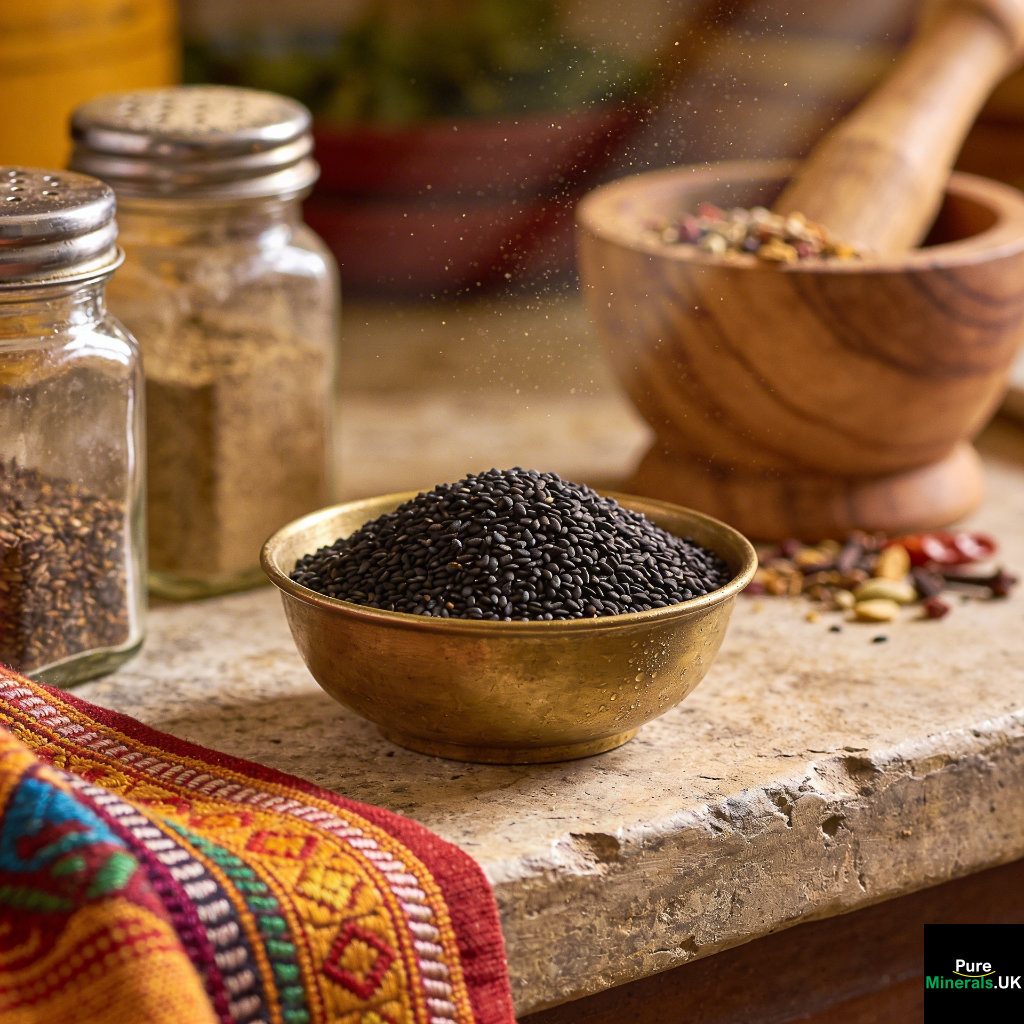
Basil seeds are the small, oval-shaped seeds harvested from the sweet basil plant. They’re black on the outside, and when soaked in liquid, they develop a white, translucent gel coating that makes them look almost like tiny tapioca pearls. They have very little flavor on their own, which makes them easy to add to almost anything.
Ocimum Basilicum: The Plant Behind the Seed
The seeds come from Ocimum basilicum, the same plant you’ll find in Italian cooking and Thai cuisine. However, the culinary herb and the edible seed serve completely different purposes. The leaves are harvested for their aroma and flavor, while the seeds are harvested specifically for their nutritional and functional properties. The plant is grown worldwide, but seed consumption has historically been concentrated in South and Southeast Asia, as well as parts of the Middle East.
Two main species show up in the research: Ocimum basilicum (sweet basil) and Ocimum tenuiflorum (holy basil). Both produce edible seeds, but sweet basil seeds are the ones most commonly sold for consumption and studied for their fiber and mucilage content.
How Basil Seeds Differ From Chia Seeds
Basil seeds and chia seeds are often compared because both form a gel when soaked in liquid. The key difference is that basil seeds swell faster — fully hydrating in about 15 minutes compared to chia seeds, which can take 1–2 hours. Basil seeds are also slightly larger, and their gel coating is thicker and more pronounced. Nutritionally, chia seeds edge ahead on omega-3 content, but basil seeds offer comparable fiber and a stronger mucilage effect that may be more beneficial for direct gut soothing.
Traditional Use in India and Southeast Asia
In India, basil seeds are called sabja or tukmaria seeds and are consumed regularly in a drink called sharbat — a cold, sweetened beverage made with soaked seeds, rose water, and milk or water. This drink has been used for generations, specifically to cool the body and aid digestion during hot months. In Iran and other parts of the Middle East, similar preparations are common. Traditional Ayurvedic and Unani medicine both document basil seeds as a treatment for chronic constipation, bloating, and stomach cramps.
Nutritional Profile of Basil Seeds
The nutritional density of basil seeds is one of the main reasons researchers have started paying closer attention to them. They’re not just a fiber source — they deliver a meaningful amount of protein, healthy fats, and micronutrients in a very small serving.
Macronutrients: Protein, Fat, and Carbohydrates
Basil seeds contain between 11.4 and 22.5 grams of protein per 100 grams, depending on where they’re grown and the specific variety. That’s a significant protein contribution for a seed. They also contain polyunsaturated fatty acids, with omega-3 fatty acids being the dominant fat type in the seed oil. Their carbohydrate content is largely made up of dietary fiber — both soluble and insoluble — which is where most of their digestive benefits originate.
It’s worth noting that their amino acid profile is strong, covering all essential amino acids with the exception of sulfur-containing amino acids and tryptophan. This makes them a high-quality plant protein source for people looking to diversify their intake beyond legumes and grains.
Key Minerals: Calcium, Potassium, and Magnesium
Basil seeds contain notable amounts of calcium, potassium, and magnesium — three minerals that are commonly under-consumed in Western diets. Magnesium in particular plays a direct role in muscle contractions in the digestive tract, making it relevant to the very topic of gut motility and constipation relief that basil seeds are traditionally used for.
Phenolic Compounds and Flavonoids
Beyond macronutrients and minerals, basil seeds are rich in phenols and flavonoids — two classes of plant compounds that function as antioxidants in the body. These compounds help neutralize oxidative stress, which is increasingly linked to chronic gut inflammation and conditions like irritable bowel syndrome. The antioxidant activity of basil seeds has been confirmed in multiple studies, and it adds another layer of digestive benefit beyond their fiber content alone. Learn more about other antioxidant-rich foods like snap peas and their benefits.
How Basil Seeds Support Digestion
Soluble vs. Insoluble Fiber: What Each Does in Your Gut
Basil seeds contain both soluble and insoluble fiber, and that combination is exactly what makes them so effective for digestive support. Soluble fiber dissolves in water and forms a gel, which is precisely what you see when basil seeds are soaked. This gel slows digestion, helps regulate bowel movements, and feeds beneficial gut bacteria. Insoluble fiber, on the other hand, adds bulk to stool and speeds up transit time through the colon, which is key for preventing constipation.
Most people are deficient in one or both types of dietary fiber. Getting both from a single food source like basil seeds is genuinely useful, especially for people dealing with irregular digestion or inconsistent bowel habits. The research published in Foods (MDPI) notes that the dietary fiber content in basil seeds — both soluble and insoluble fractions — gives them significant potential as a functional food ingredient specifically for gut health applications.
How Mucilage Coats and Soothes the Digestive Tract
When basil seeds are soaked in water, they release a polysaccharide-based mucilage that forms a thick, clear gel layer around each seed. This mucilage isn’t just a textural quirk — it has emulsifying, thickening, and gelling properties that have been studied extensively for food and pharmaceutical applications. Inside the digestive tract, this gel acts as a protective coating along the gut lining, helping to reduce irritation and inflammation in the stomach and intestines. For similar properties, you might explore the benefits of water chestnut as well.
This soothing mechanism is part of why basil seeds have been used traditionally to treat stomach cramps, acid reflux, and gut inflammation. The mucilage slows the movement of food through the upper digestive tract, giving the body more time to absorb nutrients while simultaneously protecting the mucosal lining from irritants. For similar benefits, you might also consider incorporating amaranth into your diet.
Managing Constipation and Bloating
Traditional medicine practitioners across India and Iran have used basil seeds specifically for chronic constipation, and the fiber and mucilage content explain why this works. The combination of bulk-forming insoluble fiber and lubricating soluble gel helps move stool through the colon more efficiently without the harsh laxative effect of some herbal remedies. For bloating, the mucilage may help calm an irritated gut lining and reduce the gas buildup that often comes with poor digestive motility.
The Hydration Factor: How Basil Seeds Absorb Water
One of the most visually striking things about basil seeds is what happens when they hit liquid. Within minutes, each tiny black seed swells to many times its original size, encased in a thick gel bubble. This rapid water absorption is central to how basil seeds work — both for hydration and for gut health. This is similar to how water chestnuts absorb water, providing a unique texture and nutritional benefits.
How Basil Seeds Form a Gel When Soaked
The gel formation happens because of the mucilage polysaccharides on the seed coat. When exposed to water, these compounds absorb liquid rapidly — basil seeds can fully hydrate in as little as 15 minutes. The result is a seed that’s mostly water by volume, held in a stable gel structure. This is why they’re sometimes used as a thickening agent in food manufacturing, alongside their role as a functional food ingredient for consumers.
Why This Gel Matters for Gut Health
The gel that forms in your glass continues to behave the same way inside your digestive tract. It moves slowly through the stomach and intestines, creating a sense of fullness, lubricating the intestinal walls, and holding water in the gut long enough to soften stool and support easier elimination. For people who struggle with dehydration-related constipation — which is more common than most people realize — this water-holding capacity is particularly valuable.
Additional Health Benefits Backed by Research
Basil Seed Health Benefits at a Glance
Research published in Foods (MDPI) documents the following biological activities associated with basil seeds and their constituents:
- Antidiabetic activity — may support blood sugar regulation
- Antimicrobial properties — active against certain bacterial strains
- Antioxidant activity — neutralizes free radicals via phenols and flavonoids
- Anti-inflammatory effects — may reduce chronic gut and systemic inflammation
- Cholesterol management — soluble fiber binds bile acids in the digestive tract
- Cardiovascular support — omega-3 fatty acids contribute to heart health
Digestion is the most well-documented benefit of basil seeds, but the research points to a broader picture of health support that makes them worth adding to your daily routine for more than one reason. The phenolic compounds and flavonoids in the seeds contribute antioxidant activity that goes well beyond the gut, affecting systemic inflammation and cellular health throughout the body.
It’s important to note that while the research on basil seeds is promising, much of the detailed mechanistic work has been done in lab and animal studies. Human clinical trials are still limited. That said, the traditional use of data spanning centuries across multiple cultures, combined with the well-understood mechanisms of fiber and mucilage, gives a strong foundation for confidence in their digestive benefits specifically.
What makes basil seeds particularly interesting from a research standpoint is that their nutritional composition varies depending on geographic origin — seeds grown in different countries show measurably different protein, fat, and mineral profiles. This means the specific batch you buy may perform slightly differently, which is worth keeping in mind if you’re using them therapeutically rather than just as a dietary addition.
Antioxidant and Anti-Inflammatory Effects
The flavonoids and polyphenols in basil seeds act as antioxidants by neutralizing free radicals — unstable molecules that damage cells and contribute to chronic disease and inflammation. Chronic gut inflammation is increasingly recognized as a root factor in conditions like irritable bowel syndrome, leaky gut, and even colorectal disease. By reducing oxidative stress in the gut lining, the antioxidant compounds in basil seeds may help maintain a healthier intestinal environment over time.
Compound | Type | Primary Effect |
|---|---|---|
Flavonoids | Polyphenol | Antioxidant, anti-inflammatory |
Phenolic acids | Polyphenol | Free radical neutralization |
Mucilage polysaccharides | Soluble fiber | Gut lining protection, gel formation |
Alpha-linolenic acid (ALA) | Omega-3 fatty acid | Anti-inflammatory, cardiovascular support |
The anti-inflammatory action of basil seeds works on two levels — the antioxidant plant compounds address inflammation at a cellular level, while the mucilage physically soothes and protects the gut lining. These two mechanisms complement each other, which may explain why traditional practitioners found basil seeds effective for conditions involving both gut irritation and systemic heat or inflammation.
For people dealing with digestive conditions that have an inflammatory component — including gastritis, acid reflux, or IBS — the combination of soothing mucilage and antioxidant phenolics makes basil seeds a particularly well-rounded natural option to explore.
Blood Sugar and Cholesterol Support
The soluble fiber and mucilage in basil seeds slow the rate at which glucose enters the bloodstream after a meal, which helps prevent sharp blood sugar spikes. This same mechanism also affects cholesterol; soluble fiber binds to bile acids in the digestive tract, pulling them out of circulation and prompting the liver to use cholesterol to produce more bile acids. Over time, this process can contribute to measurably lower LDL cholesterol levels. Research cited in the MDPI Foods review lists antidiabetic activity as one of the confirmed biological properties of basil seeds.
Omega-3 Fatty Acids and Heart Health
Basil seeds contain alpha-linolenic acid (ALA), the plant-based form of omega-3 fatty acids. While ALA must be converted by the body into the more active forms EPA and DHA — a process that isn’t highly efficient — it still contributes to reducing systemic inflammation and supporting cardiovascular function. For people eating a plant-based diet or simply looking to diversify their omega-3 sources beyond fish oil, basil seeds offer a meaningful contribution from a food most people haven’t considered.
How to Eat Basil Seeds Every Day
The single most important rule with basil seeds: NEVER EAT THEM DRY. Like chia seeds, dry basil seeds can absorb moisture in your throat and expand in a way that creates a choking risk, especially for children and older adults. Always soak them in water first and allow them to fully hydrate before consuming.
Getting basil seeds into your daily routine is actually straightforward once you know the basics. They have almost no flavor of their own, which means they adapt to whatever you’re already eating or drinking without changing the taste profile. The texture — small, slightly chewy gel bubbles — takes a little getting used to, but most people find it pleasant after the first few uses.
How to Soak Basil Seeds the Right Way
The process is simple: add one teaspoon of basil seeds to a glass containing at least 8 ounces (240ml) of water. Stir them immediately to prevent clumping, then let them sit for a minimum of 15 minutes. You’ll see the gel coating develop within the first few minutes, but giving them the full 15 minutes ensures each seed is fully hydrated before you drink them. Some people prefer to soak them overnight in the fridge for a smoother texture and easier digestion.
The ratio of water to seeds matters more than most guides suggest. Too little water and the seeds clump together into an unpleasant mass. Too much and the texture becomes too dilute to enjoy. One teaspoon of seeds per 8 ounces of liquid is the sweet spot for both texture and digestive effectiveness. If you’re adding them to a thicker liquid like a smoothie or yogurt, you can soak them separately first and then stir them in after.
Adding Basil Seeds to Drinks, Smoothies, and Meals
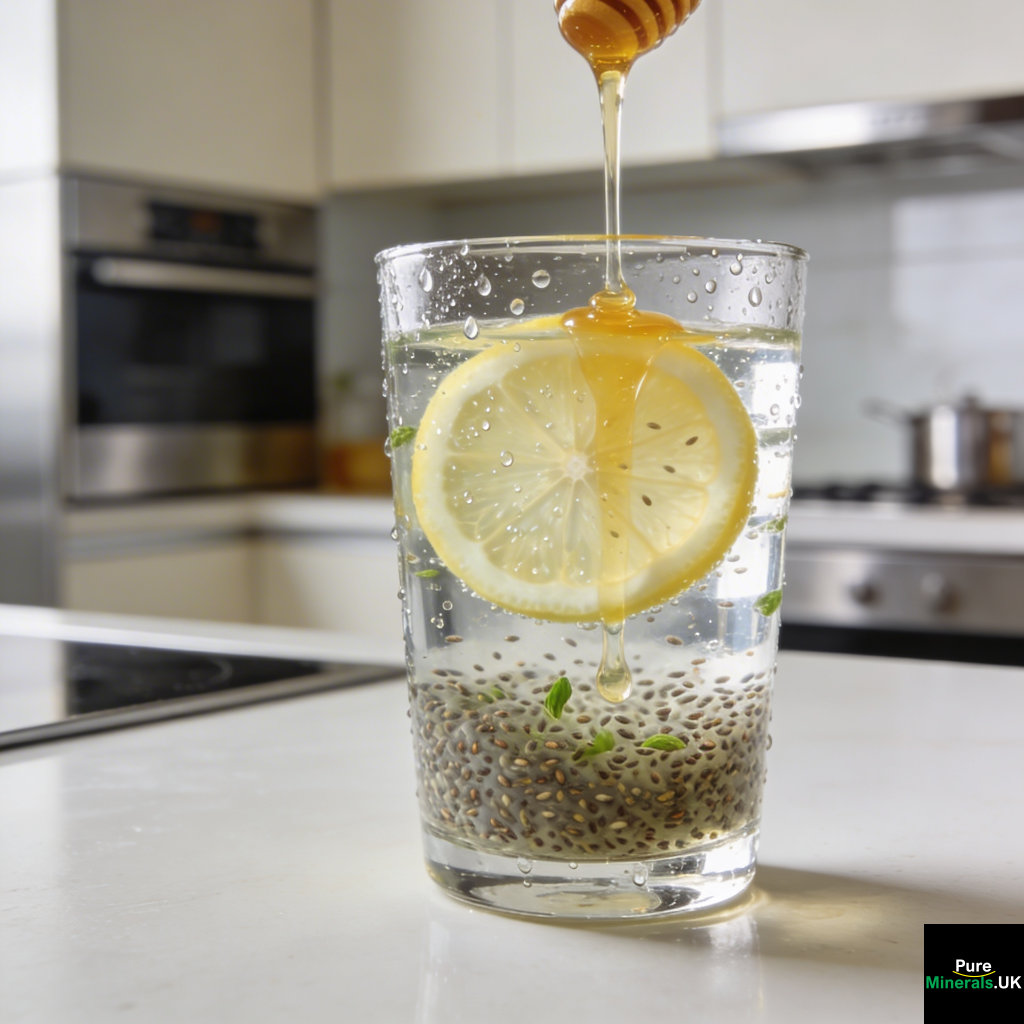
Soaked basil seeds work in a surprisingly wide range of foods and drinks. The most traditional preparation is simply soaking them in cold water with a squeeze of lemon and a little honey — a refreshing drink that doubles as a digestive tonic. They also work well stirred into coconut water, fruit juice, lemonade, or iced herbal teas. For a more substantial use, fold soaked seeds into yogurt, overnight oats, or a smoothie bowl. They add fiber and a pleasant textural contrast without altering flavor. In Southeast Asian cuisine, they’re commonly used in desserts like falooda — a cold, layered drink made with milk, rose syrup, and vermicelli noodles.
How Much to Eat and When to Eat Them
A reasonable starting point is 1 teaspoon (approximately 5 grams) per day, soaked in water before consuming. This is enough to deliver a meaningful dose of fiber and mucilage without overwhelming your digestive system — especially if you’re not used to high-fiber foods. As your gut adapts, you can increase to 1–2 tablespoons per day if needed.
Timing matters depending on what you’re trying to achieve. For constipation relief and regularity, taking basil seeds in the morning on an empty stomach or before breakfast tends to work well. For blood sugar management, consuming them 20–30 minutes before a meal can help blunt the glucose response from that meal. For general gut support and hydration, they work throughout the day whenever it’s convenient for your routine.
Side Effects to Watch Out For
Basil seeds are generally safe for most adults, but there are a few situations where caution is warranted. Because they are high in vitamin K — a nutrient involved in blood clotting — people taking blood thinners like warfarin should check with their doctor before adding basil seeds to their diet regularly. High fiber intake from any source can also cause temporary gas and bloating when introduced too quickly, so starting with a small amount and increasing gradually is the smarter approach.
Pregnant women should consult a healthcare provider before using basil seeds therapeutically, as some traditional sources note their use in regulating menstruation. Children should only consume properly soaked seeds and never whole dry seeds due to the choking risk. Beyond these specific groups, basil seeds have a strong safety record backed by centuries of use across multiple cultures and an increasingly clear nutritional research profile.
Basil Seeds Are a Simple Addition With Real Digestive Benefits
Basil seeds sit at a rare intersection of traditional wisdom and modern nutritional science — they’ve been used for gut health for centuries, and the research is now explaining exactly why they work. From their mucilage coating that soothes and lubricates the digestive tract, to their dual fiber content that addresses both constipation and gut inflammation, these seeds deliver targeted digestive support in a small, easy-to-use package. If you’ve been looking for a straightforward, natural way to improve regularity, reduce bloating, and support your gut lining without resorting to supplements or harsh laxatives, basil seeds are worth serious consideration.
Important note: Basil Seeds
Basil seeds must be soaked before consumption, as dry seeds can swell and pose a choking hazard if ingested without adequate hydration. Their high fiber content may cause digestive discomfort if consumed in large quantities without sufficient fluid intake. Individuals with swallowing difficulties, gastrointestinal conditions, or those taking medications that affect digestion should consult a qualified nutrition professional before regular use.
Thai Holy Basil” vs. “Holy Basil”

This is where it gets tricky. In many Asian markets, you might see seeds labeled as coming from Thai Basil. While “Basil” and “Holy Basil” are the two names people know best, the seeds you buy in a store (labeled as Sabja or Tukmaria) almost exclusively come from Sweet Basil (Ocimum basilicum)—specifically varieties like Thai Basil or Lemon Basil.
Thai Basil (the one with purple stems and a licorice scent) is a variety of Sweet Basil (Ocimum basilicum). Its seeds are the gold standard for drinks like Nam Manglak.
Holy Basil (Ocimum tenuiflorum or Tulsi) is a completely different species. While its seeds can be eaten and are used in traditional Ayurvedic medicine, they are rarely used in commercial food products or drinks. They are smaller, don’t swell as much, and are often saved for religious planting or medicinal teas.
Frequently Asked Questions
Basil seeds generate a lot of questions from people who are new to them — mostly because they look and behave unlike anything most Western consumers have seen before. The gel coating, the rapid swelling, the alternative names — it all adds up to confusion. The answers below address the most common points of uncertainty.
Whether you’re trying them for digestion, curiosity, or general nutrition, understanding the basics will help you get the most out of them from day one.
Are Basil Seeds the Same as Chia Seeds?
No — basil seeds and chia seeds are completely different plants with different nutritional profiles, despite their similar behavior in liquid. Chia seeds come from Salvia hispanica, a plant native to Mexico and Guatemala. Basil seeds come from Ocimum basilicum, native to tropical Asia. They are not interchangeable from a botanical standpoint, though they can sometimes be substituted for each other in recipes.
The most noticeable practical difference is hydration speed. Basil seeds swell and form their gel in about 15 minutes. Chia seeds typically need 1–2 hours to fully hydrate. Basil seeds also develop a thicker, more defined gel coating, while chia seeds create a more uniform gel throughout the mixture. For people specifically seeking gut-soothing mucilage effects, basil seeds may have a slight edge.
Here’s a quick side-by-side comparison of the key differences:
- Plant origin: Basil seeds from Ocimum basilicum; chia seeds from Salvia hispanica
- Hydration time: Basil seeds — 15 minutes; chia seeds — 1 to 2 hours
- Gel type: Basil seeds form a thick outer coating; chia seeds create a uniform gel
- Omega-3 content: Chia seeds are higher in ALA omega-3 fatty acids
- Mucilage effect: Basil seeds produce a more pronounced mucilage for gut lining support
- Flavor: Both are essentially tasteless when soaked
Can Basil Seeds Help With Constipation?
Yes — basil seeds have been used specifically for chronic constipation in traditional Ayurvedic and Unani medicine for centuries, and their fiber and mucilage content provides a clear mechanistic explanation for why they work. The insoluble fiber adds bulk to stool, the soluble fiber gel lubricates the intestinal walls, and the water-holding capacity of the seeds helps keep stool soft enough to pass easily. They act gently, without the cramping or urgency that can come with stimulant laxatives.
How Long Should You Soak Basil Seeds Before Eating Them?
Soak basil seeds for a minimum of 15 minutes in water before consuming. This is enough time for the mucilage to fully develop and for the seeds to reach a safe, fully hydrated state. Eating them before this point means some seeds may still be partially dry, which reduces their digestive benefits and slightly increases the risk of them expanding too quickly in your throat.
For the best texture and maximum mucilage development, overnight soaking in the refrigerator is even better. The seeds remain stable in liquid for up to 12 hours without breaking down, making it easy to prepare them the night before and add them to your morning drink or breakfast with no extra effort.
Is It Safe to Eat Basil Seeds Every Day?
For most healthy adults, yes — daily consumption of basil seeds at a reasonable serving size of 1–2 teaspoons is considered safe and is consistent with how they’ve been consumed traditionally across India and Southeast Asia for generations. Their nutritional profile supports regular use, and the fiber content contributes meaningfully to daily intake goals without pushing into excessive territory at typical serving sizes. For similar nutritional benefits, you might also explore water chestnuts, which are another great source of fiber.
The main considerations for daily use are hydration and gradual introduction. Because basil seeds absorb water and expand significantly, it’s important to drink adequate water throughout the day when consuming them regularly. Adding them too quickly to a low-fiber diet can cause temporary bloating or gas as your gut bacteria adjust to the increased fiber load.
People on blood thinners, those who are pregnant, or anyone managing a chronic digestive condition should consult a healthcare provider before making basil seeds a daily habit. For everyone else, they represent a well-tolerated, food-based approach to supporting digestive health without requiring any supplements or specialized products.
Where Can You Buy Edible Basil Seeds?
Edible basil seeds — sold under the names sabja seeds, tukmaria seeds, or simply basil seeds — are most reliably found in Indian grocery stores, Asian supermarkets, and Middle Eastern food shops. They’re typically sold in small bags in the spice or specialty seed section. Online retailers, including Amazon, carry multiple brands, with options ranging from small household quantities to bulk bags for regular users.
When buying basil seeds for consumption, make sure you’re purchasing seeds specifically labeled for eating — not seeds sold for planting basil in a garden. Garden seed packets are often treated with fungicides or other chemicals not intended for consumption. Look for food-grade packaging that lists basil seeds, sabja seeds, or tukmaria seeds as the sole ingredient.
Price-wise, basil seeds are affordable — typically ranging from $5 to $15 for a quantity that will last several weeks at daily use. Compared to probiotic supplements or fiber powders, they’re one of the more cost-effective natural options for digestive support you can add to your routine.
If you’re looking to explore natural approaches to gut health beyond basil seeds, connecting with practitioners who specialize in evidence-based natural remedies can help you build a complete, personalized digestive health plan.