

Published: 4 December 2025
Last Updated: 14 February 2026
This article is periodically reviewed and updated to reflect current scientific understanding by Vic George.
Fact-Checked: 1 other authoritative medical/scientific reference. See our Editorial Policy.

What Is Vitamin E and Why Is This Essential Fat-Soluble Vitamin Important for Antioxidant Protection, Immune Health, and Cellular Integrity?
Vitamin E is a fat-soluble nutrient required for antioxidant protection, immune function, and the maintenance of healthy cell membranes. In foods, vitamin E occurs naturally in nuts, seeds, vegetable oils, whole grains, and green leafy vegetables. Adequate intake supports cellular defence, tissue repair, and overall metabolic wellbeing.
Definition:
Vitamin E is an essential fat-soluble antioxidant composed of tocopherols and tocotrienols, with alpha-tocopherol being the biologically predominant form in the body. It protects cell membranes from oxidative damage, supports immune defences, and helps maintain healthy skin and eyes. Dietary sources include nuts, seeds, whole grains, plant oils, and leafy green vegetables.
Extended Definition:
Vitamin E functions primarily as a lipid-soluble antioxidant, preventing the oxidation of polyunsaturated fatty acids within cell membranes. By stabilising cellular structures, it helps reduce oxidative stress and supports immune cell stability and inflammatory balance. Vitamin E also assists in maintaining vascular health and may work synergistically with vitamin C in regenerating antioxidant capacity. Because it is fat-soluble and stored in body tissues, deficiency is uncommon but may occur with fat malabsorption conditions. Diets rich in nuts, seeds, whole grains, avocados, plant oils, and green vegetables provide reliable vitamin E intake.
Key Facts:
- Nutrient type: Fat-soluble vitamin
- Biological forms: Tocopherols, tocotrienols; alpha-tocopherol is the main active form
- Primary functions: Antioxidant activity, immune support, cell membrane protection
- Systems supported: Immune, circulatory, integumentary, cellular
- Preferred dietary sources: Nuts, seeds, avocados, whole grains, vegetable oils, leafy greens
- Deficiency considerations: Muscle weakness, nerve irritation, impaired immunity, fragile red blood cells (rare)
- Interactions: Works with vitamin C to regenerate antioxidant activity; supports the stability of polyunsaturated fats in cell membranes
Key Takeaways
- Vitamin E is a powerful fat-soluble antioxidant that protects skin cells from UV damage and free radicals, making it essential for maintaining skin health.
- The richest dietary sources of vitamin E include nuts, seeds, vegetable oils, and leafy greens, with sunflower seeds and almonds topping the list.
- For maximum skin benefits, combining vitamin E with vitamin C creates a synergistic effect that enhances photoprotection and collagen production.
- Topical application of vitamin E can reduce signs of aging, help fade scars, and provide deep moisturization when properly formulated.
- While rare, vitamin E deficiency can lead to skin problems, neurological issues, and muscle weakness, making adequate intake crucial for overall health.
Your skin faces a daily battle against environmental aggressors that can accelerate aging and compromise health. Vitamin E stands as one of nature’s most powerful defenders in this fight, working at the cellular level to protect and repair.
As a fat-soluble antioxidant, vitamin E is uniquely positioned to safeguard cell membranes and neutralize harmful free radicals before they can damage skin cells. Research has shown that incorporating vitamin E-rich foods into your diet provides comprehensive protection that works from the inside out, complementing topical applications for optimal skin health.
Unlike water-soluble nutrients that quickly flush through your system, vitamin E’s fat-soluble nature means it can be stored in the body’s tissues, providing lasting protective effects. This remarkable nutrient actually represents a family of compounds, with alpha-tocopherol being the most biologically active form in humans.
Vitamin E: Your Skin’s Natural Defense Shield
The relationship between vitamin E and skin health runs deeper than most realize. This essential nutrient integrates into the lipid layers of cell membranes, creating a protective barrier that maintains cellular integrity even when faced with oxidative stress. When UV rays hit unprotected skin, they trigger a cascade of free radical formation that can damage DNA and cellular components. Vitamin E interrupts this process before permanent damage occurs.
Beyond just passive protection, vitamin E actively participates in skin repair mechanisms. It influences inflammatory responses, helps maintain moisture balance, and supports the complex network of other antioxidants that keep skin resilient. This multifaceted approach to skin defense makes vitamin E irreplaceable in both preventative and restorative skin care.
What Makes Vitamin E Essential for Skin Health
Vitamin E’s molecular structure gives it the unique ability to donate electrons to unstable free radicals, effectively neutralizing these harmful compounds before they can initiate chain reactions of cellular damage. This process is particularly important in skin tissue, which is constantly exposed to environmental threats. The lipophilic (fat-loving) nature of vitamin E allows it to penetrate deeply into the skin’s layers, providing protection where it’s most needed.
The Science Behind Its Antioxidant Properties
At the molecular level, vitamin E’s protective capabilities stem from its chromanol ring structure and phytyl side chain. This configuration enables it to position itself within cell membranes and intercept free radicals before they can damage the polyunsaturated fatty acids that are essential for membrane integrity. Research has demonstrated that vitamin E works synergistically with other antioxidants, particularly vitamin C, creating a network of protection that is greater than the sum of its parts.
Studies show that the presence of adequate vitamin E in skin cells can reduce lipid peroxidation by up to 50% following UV exposure. This significant protective effect explains why vitamin E depletion is one of the earliest observable events in UV-induced skin damage. The skin’s natural supply of vitamin E can become depleted after just 15 minutes of strong sun exposure, highlighting the importance of regular replenishment through both diet and topical applications.
How Vitamin E Protects and Repairs Your Skin
When UV radiation penetrates the skin, it generates reactive oxygen species that initiate a cascade of damaging events. Vitamin D interrupts this process at multiple points, preventing the formation of peroxides that would otherwise lead to cellular damage and premature aging. Its protective function extends to the DNA level, where it helps prevent mutations that could potentially lead to skin cancers.
The photoprotective effects of vitamin E aren’t limited to prevention. Even after sun exposure has occurred, topical application of vitamin E has been shown to reduce inflammation, erythema (redness), and the formation of sunburn cells. This post-exposure protection makes vitamin E valuable for both preventative and remedial skin care protocols.
Beyond its direct antioxidant function, vitamin E also influences gene expression related to skin repair and inflammation. It helps regulate cytokine production, reducing excessive inflammatory responses that can exacerbate skin damage. This multifaceted approach to skin protection makes vitamin E an essential component in comprehensive skin health strategies.
UV Damage Prevention Mechanisms
When skin is exposed to ultraviolet radiation, a complex series of photochemical reactions occurs that generates free radicals and reactive oxygen species. Vitamin E’s primary photoprotective mechanism involves neutralizing these reactive compounds before they can damage cellular lipids, proteins, and DNA. It works particularly well in preventing lipid peroxidation – a destructive process where free radicals “steal” electrons from the lipids in cell membranes, causing cell damage.
Research indicates that topical application of vitamin E prior to UV exposure can significantly reduce the formation of thymine dimers – DNA lesions that are precursors to skin cancer development. Additionally, vitamin E helps maintain the structural integrity of the skin’s barrier function, preventing transepidermal water loss that can result from sun damage.
Fighting Free Radicals in Skin Cells
Free radicals are unstable molecules with unpaired electrons that cause oxidative stress by stealing electrons from healthy cells. Vitamin E acts as an electron donor, effectively neutralizing these destructive compounds before they can damage skin cell membranes and DNA. This protection is particularly important in the epidermis, where exposure to pollutants, UV radiation, and other environmental stressors can generate free radical cascades.
The skin’s natural defense system includes a network of antioxidants that work together to maintain cellular health. Vitamin E stands as a frontline defender in this network, with research showing it can intercept peroxyl radicals 1,000 times more effectively than many other antioxidants. When vitamin E levels are depleted, skin cells become significantly more vulnerable to oxidative damage, accelerating visible signs of aging and increasing susceptibility to skin disorders.
Cell Membrane Protection and Repair
The cell membrane serves as both a protective barrier and a regulatory gateway, controlling what enters and exits the cell. Vitamin E’s lipophilic nature allows it to embed directly into these fatty membranes, where it provides structural reinforcement and functional protection. By preventing lipid peroxidation, vitamin E maintains membrane fluidity and permeability, preserving cellular communication and metabolic function.
When damage does occur, vitamin E participates actively in membrane repair processes. It helps stabilize damaged sections and facilitates the incorporation of new phospholipids, accelerating the restoration of membrane integrity. This repair function is particularly valuable in skin cells, which are constantly exposed to potential damage from environmental factors.
Anti-Inflammatory Benefits for Skin Conditions
Chronic inflammation underlies many common skin conditions, including eczema, psoriasis, and acne. Vitamin E modulates inflammatory responses through multiple pathways, including the inhibition of cyclooxygenase-2 (COX-2) and the regulation of cytokine production. These anti-inflammatory effects can help calm irritated skin and reduce the redness and swelling associated with inflammatory skin disorders.
Clinical studies have demonstrated vitamin E’s therapeutic potential for treating inflammatory skin conditions. For instance, topical applications containing vitamin E have been shown to reduce the severity and duration of eczema flares, particularly when combined with other anti-inflammatory compounds. These benefits extend beyond symptom management to address underlying inflammatory processes that can contribute to long-term skin damage.
Top 5 Skin Benefits of Vitamin E
Vitamin E’s multifaceted effects on skin health translate into numerous practical benefits that can improve appearance and function. From boosting hydration to accelerating healing, this powerful nutrient addresses multiple aspects of skin health simultaneously. Understanding these specific benefits can help you incorporate vitamin E strategically into your skin care regimen for targeted results.
1. Moisturizes Dry Skin
Vitamin E’s emollient properties make it exceptionally effective at restoring moisture to dry, flaky skin. It works by strengthening the skin’s lipid barrier, which helps prevent transepidermal water loss while enhancing the skin’s ability to retain natural moisture. Unlike some moisturizing ingredients that simply sit on the surface, vitamin E penetrates into deeper layers where it can provide lasting hydration.
For chronically dry skin, combining vitamin E with humectants like hyaluronic acid or glycerin creates a comprehensive moisturizing strategy that addresses multiple aspects of hydration. This approach not only relieves immediate dryness but also strengthens the skin’s natural moisture-retention capabilities over time, resulting in consistently smoother, more supple skin.
2. Reduces Signs of Aging
The visible signs of aging—including fine lines, wrinkles, and loss of elasticity—are largely driven by cumulative oxidative damage to skin cells and collagen fibers. Vitamin E directly combats these processes by neutralizing the free radicals responsible for breaking down collagen and elastin. Regular use of vitamin E can help preserve these structural proteins, maintaining skin firmness and resilience.
Beyond its protective effects, vitamin E also supports cell regeneration, which becomes increasingly important as natural cell turnover slows with age. By promoting healthier cell proliferation and function, vitamin E helps maintain a more youthful appearance even as chronological aging progresses. Studies have shown that long-term use of products containing stable forms of vitamin E can visibly reduce the depth and number of fine lines, particularly around the eyes and mouth, where skin is thinnest.
3. Helps Fade Scars and Dark Spots
Hyperpigmentation and scarring occur when skin’s normal healing and melanin production processes are disrupted by inflammation, injury, or UV damage. Vitamin E helps normalize these processes by regulating melanocyte activity and supporting proper tissue regeneration. Its anti-inflammatory properties also help prevent the post-inflammatory hyperpigmentation that often follows acne breakouts or other skin injuries.
For existing scars and dark spots, vitamin E’s ability to promote cell turnover helps accelerate the fading process. It encourages the shedding of pigmented cells while supporting the development of new, normally pigmented cells beneath. While complete removal of deep scars requires professional intervention, consistent application of vitamin E can significantly improve their appearance by softening scar tissue and evening out discoloration.
4. Soothes Sunburn
UV-induced sunburn involves complex inflammatory processes that cause the redness, pain, and heat characteristic of overexposed skin. Vitamin E’s anti-inflammatory and antioxidant properties make it particularly effective at calming these responses. When applied after sun exposure, it can reduce the production of inflammatory cytokines while neutralizing the free radicals that continue to damage skin even after you’ve moved out of the sun. For more on the benefits of vitamins, you can explore the properties of Vitamin B7.
Studies have shown that vitamin E application following UV exposure can reduce skin redness by up to 50% and significantly decrease recovery time. For maximum sunburn relief, vitamin E is most effective when combined with other anti-inflammatory ingredients like aloe vera or when paired with vitamin C, which enhances its restorative capabilities. While prevention through sunscreen use remains the best approach, vitamin E provides valuable support for skin recovery when burns do occur.
5. Prevents Collagen Breakdown
Collagen, the structural protein responsible for skin’s firmness and elasticity, is particularly vulnerable to degradation from free radicals and matrix metalloproteinases (MMPs). Vitamin E helps preserve collagen integrity through multiple mechanisms, including direct neutralization of free radicals and inhibition of the enzymes that break down collagen fibers. This protective effect is especially important in exposed areas like the face and hands, where collagen loss leads to visible wrinkles and sagging.
Beyond protecting existing collagen, vitamin E also supports the synthesis of new collagen by creating an optimal environment for fibroblast function. These specialized cells produce fresh collagen and elastin, but their activity diminishes under oxidative stress. By maintaining redox balance in the skin, vitamin E helps preserve fibroblast function well into later years, supporting ongoing collagen production that keeps skin firmer and more resilient.
Different Forms of Vitamin E for Skin Care
Vitamin E represents a family of eight compounds, including four tocopherols and four tocotrienols, each with varying levels of biological activity and stability. In skin care formulations, these different forms offer distinct advantages and limitations that influence their effectiveness for specific concerns. Understanding these differences enables more informed choices when selecting vitamin E products for your particular skin needs.
The esterified forms of vitamin E, such as tocopheryl acetate and tocopheryl linoleate, offer greater stability in formulations but require enzymatic conversion in the skin to become active. This conversion process means they work more gradually but provide longer-lasting effects compared to free-form vitamin E. For sensitive skin, the esterified forms typically cause fewer reactions while still delivering substantial benefits.
The concentration and delivery system of vitamin E significantly impact its effectiveness in skin care products. Microencapsulation technologies can enhance penetration and protect the vitamin from degradation, while oil-soluble forms penetrate naturally into the lipid-rich outer skin layers. Water-soluble derivatives have been developed to incorporate vitamin E into lighter formulations, though these may not penetrate as deeply as their oil-soluble counterparts.
- Alpha-tocopherol: The most biologically active form in humans, providing the strongest antioxidant protection
- Tocopheryl acetate: More stable in formulations but requires conversion in the skin to active form
- Gamma-tocopherol: Better at neutralizing nitrogen-based free radicals than alpha-tocopherol
- Mixed tocopherols: Provide broader spectrum protection than single forms alone
- Tocotrienols: Penetrate membranes more efficiently with potentially stronger antioxidant effects
Alpha-Tocopherol vs. Other Tocopherols
Alpha-tocopherol stands out as the form of vitamin E most recognized and utilized by the human body. While all tocopherols share a similar structure, alpha-tocopherol is preferentially absorbed and retained due to the presence of a specific transport protein in the liver. This biological preference makes alpha-tocopherol approximately 1.5 times more potent than beta-tocopherol, 10 times more potent than gamma-tocopherol, and 30 times more potent than delta-tocopherol for certain antioxidant functions.
What many don’t realize is that gamma-tocopherol, despite lower retention in the body, excels at neutralizing nitrogen-based free radicals that alpha-tocopherol cannot effectively combat. These nitrogen-based radicals are particularly prevalent in urban environments with high pollution levels. Studies suggest that a combination of alpha and gamma tocopherols provides broader spectrum protection than either form alone, addressing a wider range of oxidative stressors that impact skin health.
The less-discussed tocotrienols possess a slightly different molecular structure that allows for more efficient penetration into cellular membranes. Research indicates that tocotrienols may exhibit up to 50 times greater antioxidant activity in some biological systems compared to alpha-tocopherol, though their concentration in most dietary sources is significantly lower. This potent but often overlooked branch of the vitamin E family deserves greater attention in comprehensive skin care strategies.
Natural vs. Synthetic Vitamin E
The distinction between natural and synthetic vitamin E extends beyond marketing terminology to meaningful biological differences. Natural vitamin E (d-alpha-tocopherol) exists as a single isomer, while synthetic vitamin E (dl-alpha-tocopherol) contains eight different isomers, of which only one is identical to the natural form. This structural difference results in natural vitamin E having approximately twice the bioavailability of its synthetic counterpart, making it more efficiently utilized by skin cells.
The source of vitamin E also influences its accompanying nutrients. Natural vitamin E derived from plant sources often contains beneficial co-factors, including other tocopherols, tocotrienols, and phytosterols that support its function and stability. These complementary compounds create a synergistic effect that enhances overall antioxidant protection beyond what isolated synthetic vitamin E can provide, particularly for long-term skin health maintenance.
While synthetic vitamin E costs less to produce and remains stable in a wider range of formulations, research consistently demonstrates superior results from natural forms when it comes to skin penetration, retention, and biological activity. For those with sensitive skin, natural vitamin E typically presents a lower risk of irritation, though individual responses can vary based on specific formulations and concentrations.
Food Sources Rich in Vitamin E
Obtaining vitamin E through a balanced diet provides advantages that supplements alone cannot match. Whole foods deliver vitamin E within a complex matrix of complementary nutrients that enhance its absorption and function. This natural packaging ensures the vitamin reaches skin cells in its most bioavailable form, supporting both immediate and long-term skin health from the inside out.
Nuts and Seeds That Pack a Vitamin E Punch
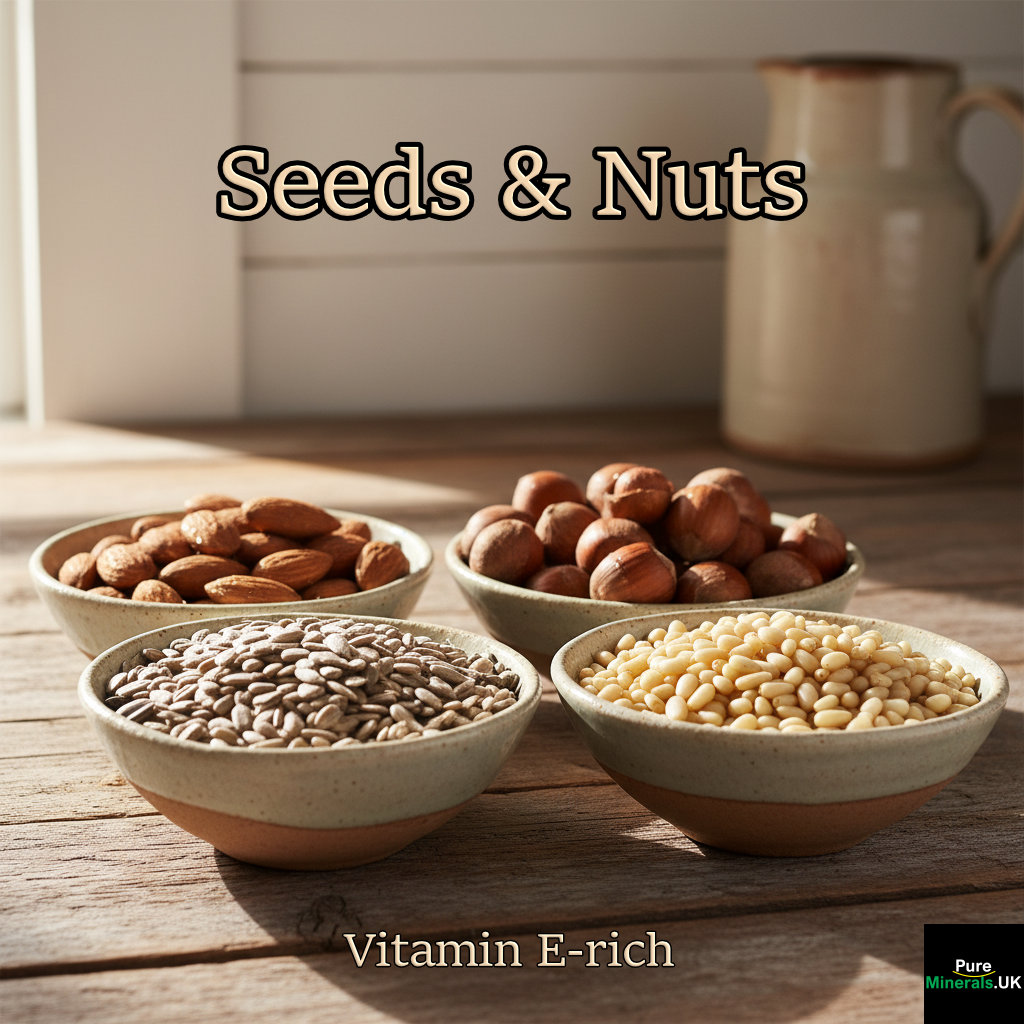
The champion among vitamin E food sources is undoubtedly sunflower seeds, with a single ounce providing approximately 7.4 mg (37% of the Daily Value) of alpha-tocopherol. Almonds follow closely behind at 6.8 mg per ounce, making them an excellent portable snack for skin health. Hazelnuts and pine nuts also contribute significant amounts, with 4.3 mg and 2.6 mg per ounce, respectively.
Beyond their vitamin E content, these nuts and seeds offer beneficial fatty acids that enhance the absorption and utilization of this fat-soluble vitamin. The omega-6 and omega-9 fatty acids in sunflower seeds and almonds create an ideal environment for vitamin E transport and incorporation into cell membranes. Incorporating a variety of these powerhouse foods provides different tocopherol profiles, as each plant source emphasizes different forms of vitamin E.
For maximum benefit, consume nuts and seeds raw or lightly toasted, as high-heat processing can degrade some of the vitamin E content. Adding a tablespoon of sunflower seeds to your morning smoothie, sprinkling sliced almonds on salads, or enjoying a small handful of hazelnuts as an afternoon snack can significantly boost your daily vitamin E intake with minimal effort.
Vegetable Oils High in Tocopherols

Unrefined plant oils represent some of the most concentrated sources of vitamin E in the diet. Wheat germ oil tops the list with an impressive 20 mg per tablespoon, followed by sunflower oil (5.6 mg), safflower oil (4.6 mg), and olive oil (1.9 mg). These oils provide vitamin E in a lipid-rich medium that maximizes absorption and utilization by the body.
The stability and vitamin E content of oils depend significantly on their processing methods. Cold-pressed, unrefined oils retain substantially more vitamin E than their highly refined counterparts, which often undergo processes that strip away natural tocopherols. Additionally, proper storage in dark, cool conditions helps preserve vitamin E content, as exposure to light, heat, and air accelerates oxidation and nutrient degradation.
Incorporating these vitamin E-rich oils into your diet requires thoughtful application. Use wheat germ oil in cold applications like salad dressings or drizzled over finished dishes, as its low smoke point makes it unsuitable for cooking. Olive and sunflower oils offer more versatility for low to medium-heat cooking while still delivering significant vitamin E benefits. Even a single tablespoon of these nutrient-dense oils daily can substantially boost your vitamin E intake.
Leafy Greens and Other Plant Sources

Dark, leafy greens provide vitamin E alongside an array of other skin-supporting nutrients like carotenoids and flavonoids. Spinach leads this category with 0.6 mg per cup, while Swiss chard, kale, and collard greens each provide approximately 0.5 mg per cup cooked. Though these amounts may seem modest compared to nuts and oils, the regular consumption of greens contributes meaningfully to overall vitamin E status while delivering complementary antioxidants.

Several fruits and vegetables contain notable amounts of vitamin E, including avocados (2.7 mg per avocado), red bell peppers (1.5 mg per pepper), and asparagus (1.1 mg per cup). These foods offer the advantage of providing vitamin E alongside vitamin C, which helps regenerate oxidized vitamin E, effectively recycling this valuable antioxidant within skin cells. The water content of these foods also supports overall skin hydration, enhancing the visible benefits of their vitamin E content.

Whole grains contribute modest but significant amounts of vitamin E to the diet, particularly when consumed in their least processed forms. Barley, oats, and brown rice contain approximately 0.3-0.4 mg per cup cooked. Though not concentrated sources, their frequent consumption in a balanced diet adds to cumulative vitamin E intake while providing complex carbohydrates that help maintain stable blood sugar levels—an important factor in preventing glycation-related skin damage.
Topical Applications: How to Use Vitamin E on Skin
Applying vitamin E directly to the skin bypasses digestive processes and delivers this potent antioxidant directly to the cells that need protection. The lipid-soluble nature of vitamin E allows it to penetrate the stratum corneum and incorporate into cellular membranes, where it provides both immediate and sustained protective effects against oxidative damage.
Pure Vitamin E Oil Application Methods
Pure vitamin E oil, typically sold in capsule form or as a standalone oil, represents the most concentrated topical application method. This thick, viscous substance is best applied to clean, slightly damp skin to enhance absorption and prevent the draggy feeling that can occur on completely dry skin. For facial application, a pin-prick-sized amount is generally sufficient, while larger body areas may require the contents of an entire vitamin E capsule.
Due to its density and richness, pure vitamin E oil works best as a spot treatment or night treatment rather than an all-over daily application. It can be particularly effective when applied to specific concerns such as scars, stretch marks, or areas of intense dryness. Warming the oil between your fingertips before application improves spreadability and enhances penetration into the skin surface.
For those finding pure vitamin E oil too thick or potentially comedogenic, dilution with a lighter carrier oil like jojoba or rosehip can maintain benefits while improving texture and reducing the risk of pore congestion. A ratio of one part vitamin E oil to three parts carrier oil creates a more versatile formulation suitable for more frequent application while still delivering significant antioxidant protection.
Vitamin E in Commercial Skin Products
Modern skincare formulations incorporate vitamin E in concentrations typically ranging from 0.1% to 1%, with higher concentrations found in targeted treatments. The most effective products pair vitamin E (listed as tocopherol or tocopheryl acetate) with complementary antioxidants, like vitamin C and ferulic acid, which enhance stability and create a more comprehensive antioxidant network. This synergistic approach multiplies the protective benefits compared to vitamin E alone.
The vehicle in which vitamin E is delivered significantly impacts its efficacy. Oil-based serums and emulsions tend to enhance vitamin E penetration due to its lipophilic nature, while water-based formulations may incorporate specialized delivery systems like liposomes to improve bioavailability. Products designed for daytime use ideally combine vitamin E with broad-spectrum sunscreens, as this pairing addresses both prevention of and protection from UV-induced oxidative damage.
When evaluating commercial products, position on the ingredient list provides insight into concentration—ingredients are listed in descending order of concentration until 1%, after which they may be listed in any order. For maximum stability and effectiveness, seek products in opaque, airless packaging that minimizes exposure to light and oxygen, both of which can degrade vitamin E over time. Well-formulated products should maintain potency for approximately 12 months after opening when properly stored.
DIY Vitamin E Skin Treatments
Creating personalized vitamin E treatments allows for customization based on specific skin needs while often providing cost savings compared to premium commercial products. A simple but effective overnight mask can be made by mixing the contents of one vitamin E capsule with a tablespoon of honey and a few drops of lavender essential oil. This combination delivers antioxidant protection from the vitamin E, humectant properties from the honey, and soothing benefits from the lavender.
For a rejuvenating facial oil blend, combine 1/4 teaspoon vitamin E oil with 1 tablespoon jojoba oil, 1 tablespoon rosehip seed oil, and 2 drops each of frankincense and geranium essential oils. This formulation provides multiple layers of antioxidant protection while supporting cell regeneration and moisture retention. Store in a dark glass bottle away from heat and sunlight, using 3-5 drops as a final step in your evening skincare routine.
An exfoliating treatment that combines mechanical exfoliation with vitamin E’s regenerative properties can be created by mixing 1 tablespoon of finely ground oats with 1/2 teaspoon of honey, the contents of one vitamin E capsule, and enough plain yogurt to create a spreadable paste. Applied in gentle circular motions and left on for 10-15 minutes before rinsing, this treatment removes dead skin cells while immediately infusing fresh cells with protective antioxidants.
Combining Vitamin E With Other Nutrients
The efficacy of vitamin E increases dramatically when paired with complementary nutrients that enhance its stability, regeneration, and overall protective capacity. These strategic combinations create antioxidant networks that are substantially more effective than isolated nutrients, providing comprehensive protection against multiple forms of oxidative stress that impact skin health.
The Vitamin C and E Synergy
The partnership between vitamins C and E represents one of the most well-researched and powerful antioxidant combinations in skincare science. Vitamin C (ascorbic acid) operates in the water-soluble compartments of cells, while vitamin E protects lipid membranes, creating comprehensive coverage against free radicals in different cellular environments. More impressively, when vitamin E neutralizes a free radical and becomes oxidized itself, vitamin C can regenerate it back to its active form, effectively recycling the vitamin E molecule for continued protection.
Clinical studies demonstrate that this combination provides significantly greater photoprotection than either vitamin alone, reducing UV-induced damage by up to 96% in some research models. The synergy extends to collagen production as well, with vitamin C serving as an essential cofactor in collagen synthesis while vitamin E protects the newly formed collagen from oxidative degradation. This dual action supports both the creation and preservation of this crucial structural protein.
For maximum benefit, look for formulations containing stabilized forms of both nutrients in appropriate concentrations—typically 15-20% L-ascorbic acid and 0.5-1% vitamin E. Products should be packaged in airless, opaque containers to preserve potency, as both vitamins are vulnerable to degradation from light and air exposure. Application in the morning, beneath sunscreen, provides optimal protection against environmental stressors encountered throughout the day.
Vitamin E and Ferulic Acid
Ferulic acid, a powerful antioxidant found in the cell walls of plants like rice and oats, dramatically enhances the stability and efficacy of vitamins C and E when they’re used together. This plant compound not only contributes its own significant antioxidant properties but also doubles the photoprotective effects of vitamins C and E, creating a synergistic relationship that amplifies the benefits of all three ingredients. Studies show this combination can reduce sunburn cell formation by up to 96% and significantly diminish signs of photoaging with consistent use.
Beyond its role as a stability enhancer, ferulic acid independently inhibits melanogenesis (the production of melanin), making the combination particularly effective for addressing hyperpigmentation and uneven skin tone. It also increases the shelf-life of formulations containing vitamins C and E by preventing their premature oxidation, ensuring the product remains potent through its expected lifespan. This preservation of antioxidant activity translates directly to improved results for users.
The optimal concentration of ferulic acid in topical formulations ranges from 0.5% to 1%, with the ideal pH falling between 3.0 and 3.5 to maintain stability while allowing effective penetration into the skin. At this concentration, ferulic acid enhances the absorption of both vitamin C and vitamin E, ensuring that these beneficial compounds reach the deeper layers of the skin where they can provide maximum protection against UV damage and visible signs of aging.
How Much Vitamin E Do You Need?
Determining optimal vitamin E intake requires balancing physiological requirements with practical dietary considerations and individual health factors. While minimum amounts prevent deficiency, higher intakes may provide additional protective benefits, particularly for skin health and resilience against environmental stressors. The goal is to maintain consistent, adequate levels through both diet and strategic supplementation when necessary.
Daily Dietary Requirements
The Recommended Dietary Allowance (RDA) for vitamin E is 15 milligrams (22.5 IU) of alpha-tocopherol daily for adults, regardless of gender. This recommendation represents the minimum amount needed to prevent deficiency rather than the optimal level for skin health and antioxidant protection. Research suggests that slightly higher intakes—around 20-25 mg daily—may provide enhanced protection against UV damage and oxidative stress without approaching levels of concern. For more on vitamins and their benefits, you can explore information about vitamin C as well.
Meeting these requirements through diet alone requires thoughtful food selection, as even vitamin E-rich foods must be consumed in substantial quantities to reach the RDA. For example, achieving 15 mg would require eating approximately 2 ounces of sunflower seeds, 2.5 ounces of almonds, or 2 tablespoons of wheat germ oil daily. For many people, especially those with dietary restrictions or limited food preferences, reaching optimal levels through food alone can be challenging.
Individual needs may vary based on factors including sun exposure, pollution levels in your environment, smoking status, and genetic variations that affect antioxidant metabolism. Those living in areas with high UV index or significant air pollution, as well as individuals with increased oxidative stress due to certain health conditions, may benefit from intake at the higher end of the recommended range to compensate for increased antioxidant depletion.
- 15 mg (22.5 IU) – Basic daily requirement for adults (RDA)
- 20-25 mg (30-37.5 IU) – Enhanced protection for skin health
- Up to 1,000 mg (1,500 IU) – Tolerable Upper Intake Level (not recommended without medical supervision)
- 400-800 IU – Common supplement dosages (consider total dietary intake)
- 2-3 servings of vitamin E-rich foods daily – Practical dietary approach
Supplement forms vary in bioavailability and effect. Natural vitamin E (d-alpha-tocopherol) demonstrates approximately twice the bioavailability of synthetic forms (dl-alpha-tocopherol), which means a lower dose of natural vitamin E provides equivalent biological activity. Mixed tocopherol supplements that include gamma-tocopherol may offer broader antioxidant protection than alpha-tocopherol alone, particularly for neutralizing nitrogen-based free radicals common in urban environments. For more information on another important nutrient, explore Vitamin D and its benefits.
Signs of Vitamin E Deficiency on Skin
Clinical vitamin E deficiency is rare in healthy individuals but can manifest through distinct skin changes when it occurs. Initial signs include unusual dryness, decreased elasticity, and a rough, uneven texture that doesn’t respond well to conventional moisturizers. These symptoms result from compromised lipid membranes and accelerated water loss through the skin barrier when vitamin E levels become insufficient to maintain normal cellular integrity.
Cautions and Considerations
Despite its numerous benefits, vitamin E isn’t universally appropriate for all individuals or skin conditions. Understanding the potential contraindications, proper dosing, and quality considerations ensures safe, effective use of this powerful nutrient. A personalized approach that accounts for individual skin characteristics and health factors provides the best outcomes when incorporating vitamin E into health and beauty regimens.
The fat-soluble nature of vitamin E means it accumulates in the body rather than being excreted like water-soluble vitamins. While this storage capacity provides lasting protection, it also necessitates careful attention to total intake, particularly when combining dietary sources with supplements and topical applications. Excessive accumulation, though rare, can potentially interfere with blood clotting mechanisms and interact with certain medications.
Potential Allergic Reactions
While vitamin E is generally well-tolerated, contact dermatitis can occur in sensitive individuals, particularly with topical applications of concentrated vitamin E oil. The reaction typically presents as redness, itching, or a burning sensation within hours of application. These responses more commonly stem from preservatives or carrier oils in commercial formulations rather than the vitamin E itself, though true vitamin E allergies do exist in a small percentage of the population.
When to Avoid Vitamin E Treatments
Individuals with oily or acne-prone skin should approach topical vitamin E with caution, particularly pure vitamin E oil, which rates 5 on the comedogenicity scale (highly likely to clog pores). For these skin types, formulations that combine lower concentrations of vitamin E with non-comedogenic carriers or water-based delivery systems offer better compatibility. Alternatively, focusing on dietary vitamin E while using topical antioxidants better suited to oily skin, such as niacinamide or green tea extract, provides comprehensive protection without exacerbating congestion.
Those taking blood-thinning medications, including warfarin, aspirin, or certain herbal supplements, should consult healthcare providers before significantly increasing vitamin E intake, as high doses may enhance anticoagulant effects and potentially increase bleeding risk. Similarly, individuals scheduled for surgery are typically advised to discontinue high-dose vitamin E supplementation two weeks before procedures to reduce bleeding complications. These precautions primarily apply to supplemental vitamin E rather than amounts typically obtained through diet.
Your Vitamin E Action Plan for Healthier Skin
7-Day Vitamin E Integration Plan for Visible Results
Explore the benefits of Vitamin E and incorporate it into your daily routine to achieve healthier skin.
- Day 1-2: Dietary foundation – Add 1 oz almonds and 1 tbsp sunflower seeds daily
- Day 3-4: Topical introduction – Apply vitamin E serum to clean skin nightly
- Day 5-6: Synergistic pairing – Introduce vitamin C serum in morning, vitamin E at night
- Day 7: Complete integration – Add vitamin E-rich oils to diet, continue topical regimen
Expected outcomes: Reduced redness and improved hydration within 7 days; improved texture and tone within 3-4 weeks; significant improvement in photoaging signs within 8-12 weeks.
A comprehensive approach to maximizing vitamin E’s benefits combines internal and external strategies. Begin by evaluating your current dietary intake and identifying opportunities to incorporate more vitamin E-rich foods into your regular meals. Simple adjustments like using sunflower oil for cooking, adding a handful of almonds to your daily snack rotation, or incorporating spinach into your lunch can significantly increase your vitamin E consumption without requiring major dietary overhauls.
For topical application, start with a low concentration vitamin E product (0.5-1%) to assess your skin’s response before progressing to higher concentrations or pure vitamin E oil. Apply to clean, slightly damp skin in the evening, allowing the antioxidant to work overnight when the skin’s natural repair processes are most active. For maximum benefit, pair your vitamin E treatment with a vitamin C serum applied in the morning, creating a 24-hour antioxidant shield against environmental damage.
Consistency delivers the most dramatic results with vitamin E. Unlike some active ingredients that produce immediate effects, the benefits of vitamin E accumulate over time as it builds up in skin cell membranes and strengthens the skin’s antioxidant defense network. Expect initial improvements in hydration and texture within two weeks, with more significant changes in tone, firmness, and fine lines becoming apparent after 8-12 weeks of regular use.
Frequently Asked Questions
As one of the most researched nutrients in skincare, vitamin E generates numerous questions about its applications, limitations, and optimal use patterns. These frequently asked questions address common concerns and provide evidence-based guidance for incorporating vitamin E effectively into both internal and external health regimens.
Can vitamin E oil be applied directly to the face?
Pure vitamin E oil can be applied directly to the face, but its thick consistency and high comedogenicity make it better suited as a spot treatment rather than an all-over application for most skin types. Those with dry, mature skin typically tolerate direct application better than individuals with oily or combination skin. For acne-prone skin, diluting vitamin E oil with non-comedogenic carrier oils like jojoba or squalane in a 1:4 ratio significantly reduces the risk of clogged pores while still delivering antioxidant benefits. Alternatively, commercial products containing stabilized vitamin E in appropriate concentrations for facial use offer greater cosmetic elegance and reduced risk of adverse reactions.
Does vitamin E help with acne scars?
Research Spotlight: Vitamin E and Scar Improvement
Vitamin E is often discussed in the context of skin health and its potential to improve the appearance of scars. While some believe it can help reduce the visibility of acne scars, the scientific evidence remains inconclusive. For those exploring other vitamin options, vitamin C is also known for its skin benefits, including brightening and promoting collagen production.
A controlled clinical study published in Dermatologic Surgery examined vitamin E’s effects on surgical scars when applied topically:
- Study design: Split-scar study with vitamin E applied to one half of the scar
- Duration: 12 weeks of application
- Results: 90% of vitamin E-treated sites showed no improvement or worsened
- Key finding: 33% developed contact dermatitis to vitamin E
However, later research combining vitamin E with silicone and other agents showed more promising results, suggesting vitamin E works better as part of a comprehensive approach rather than as a standalone treatment.
The relationship between vitamin E and scar improvement is complex and depends on several factors, including scar age, type, and individual skin characteristics. While older studies showed limited benefit from vitamin E alone, more recent research indicates that its combination with other ingredients—particularly silicone, peptides, and other antioxidants—can enhance overall scar remodeling. Vitamin E appears most effective for hyperpigmented scars, where its ability to regulate melanin production and reduce inflammation addresses the discoloration component of scarring.
For acne-specific scarring, vitamin E’s greatest benefit may be preventative rather than corrective. Its anti-inflammatory properties can reduce the post-inflammatory hyperpigmentation that often follows acne lesions, preventing permanent discoloration. When applied to healing acne lesions (after the open wound has closed), vitamin E supports proper collagen formation and may minimize the depth and appearance of resulting scars, though it cannot completely prevent them in cases of significant tissue damage.
Professional treatments like microneedling or laser therapy that incorporate vitamin E in their protocols show enhanced results compared to either approach alone. The controlled injury from these procedures initiates collagen remodeling, while vitamin E provides antioxidant support and protection for newly formed collagen. This synergistic effect makes vitamin E valuable as part of a comprehensive scar management strategy rather than as a standalone solution for established acne scars.
How long does it take to see results from vitamin E on skin?
The timeline for visible results from vitamin E varies based on application method, concentration, skin condition, and individual factors affecting cell turnover and repair capacity. For basic hydration and enhanced skin feel, benefits may appear within 24-48 hours of consistent application as vitamin E reinforces the skin’s lipid barrier. More significant improvements in skin tone, texture, and resilience typically emerge after 4-6 weeks of regular use, aligning with the skin’s natural renewal cycle. For concerns like hyperpigmentation, fine lines, or scarring, noticeable improvement generally requires 8-12 weeks of consistent application, with continued enhancement over 6-12 months as deeper skin layers gradually regenerate with antioxidant protection.
Can I take vitamin E supplements instead of applying it topically?
Oral and topical vitamin E delivery methods complement rather than replace each other, as each offers distinct advantages for skin health. Supplements distribute vitamin E throughout all skin layers via the bloodstream, providing uniform protection from the inside out, particularly beneficial for areas difficult to reach with topical applications. However, studies indicate that only about 1% of orally consumed vitamin E reaches the skin due to preferential uptake by the liver and other tissues.
Topical application, while more localized, delivers significantly higher concentrations directly to the epidermis and upper dermis where environmental damage first occurs. A combined approach that includes both dietary sources (or supplements when necessary) and strategic topical application offers comprehensive protection and typically yields superior results compared to either method alone.
Is vitamin E safe for all skin types?
Vitamin E demonstrates varying compatibility across different skin types and conditions. Dry, mature skin typically responds extremely well to vitamin E due to its moisturizing properties and ability to address oxidative damage that accelerates aging. Normal skin generally tolerates vitamin E in most forms and concentrations without adverse effects. Sensitive skin requires careful introduction, preferably starting with lower concentrations (0.1-0.5%) in fragrance-free formulations to minimize reaction risk. Oily and acne-prone skin types should approach vitamin E cautiously, avoiding pure vitamin E oil and instead selecting lighter, non-comedogenic formulations that combine vitamin E with ingredients like niacinamide or salicylic acid that address excess sebum production.
Those with inflammatory skin conditions like eczema or rosacea should consult dermatologists before introducing concentrated vitamin E products, as these conditions may either benefit from or be exacerbated by vitamin E, depending on individual triggers and skin barrier integrity.
When integrating vitamin E into your skincare routine, the formulation and accompanying ingredients significantly influence both safety and efficacy. Water-in-silicone emulsions containing vitamin E typically offer better tolerance across multiple skin types compared to heavy oils or ointments. Patch testing new products containing vitamin E on a small area of the inner forearm for 24-48 hours before facial application provides a valuable safety check, particularly for those with reactive or sensitized skin.
Vitamin E is a powerful antioxidant that plays a crucial role in protecting cells from oxidative stress and damage. It is essential for maintaining healthy skin and a robust immune system. One of the best ways to ensure adequate intake of vitamin E is by consuming a balanced diet rich in nuts, seeds, and green leafy vegetables. Additionally, incorporating foods high in vitamin C can enhance the absorption and effectiveness of vitamin E in the body.