

Published: 21 November 2025
Last Updated: 6 April 2026
This article is periodically reviewed and updated to reflect current scientific understanding by Vic George.
Fact-Checked: 1 other authoritative medical/scientific reference. See our Editorial Policy.

What Is Chromium and Why Is This Trace Mineral Important for Glucose Control, Insulin Function, and Metabolic Health?
Chromium is an essential trace mineral that supports healthy glucose metabolism by helping insulin transport glucose into cells. In its trivalent form (Cr³⁺), which occurs naturally in plant foods, chromium contributes to energy balance, appetite regulation, and stable blood sugar levels. Plant-derived chromium is the safest and most bioavailable form for nutritional use.
Definition:
Chromium is a trace mineral found in whole grains, nuts, seeds, and vegetables, where it appears primarily as trivalent chromium (Cr³⁺). This form is required for optimal insulin activity and plays a role in carbohydrate, fat, and protein metabolism. It is considered an essential micronutrient for metabolic stability.
Chromium enhances insulin’s ability to bind to its receptors, improving glucose uptake and supporting steady energy production. Its trivalent form (Cr³⁺), present in plant foods, is both safe and biologically active, unlike hexavalent chromium (Cr⁶⁺), an industrial compound not found in nutrition. Chromium also supports lipid regulation and may help modulate appetite and carbohydrate cravings. Absorption is modest but increases when consumed with vitamin C and whole, minimally processed foods.
Key Facts:
- Chemical symbol: Cr
- Mineral class: Essential trace mineral
- Typical ionic form in food: Cr³⁺ (trivalent chromium)
- Key physiological roles: Insulin function, glucose metabolism, lipid balance
- Systems supported: Endocrine, metabolic, cardiovascular
- Preferred sources: Whole grains, nuts, seeds, legumes, broccoli, plant-derived mineral complexes
- Deficiency considerations: Blood sugar instability, fatigue, increased cravings
- Interactions: Works with insulin, vitamin C, and certain amino acids for enhanced uptake
Key Takeaways
- Chromium enhances insulin sensitivity and helps regulate blood glucose levels, potentially offering significant benefits for people with diabetes
- Research suggests chromium supplementation may reduce HbA1c levels in type 2 diabetes patients, with a recent meta-analysis of 509 individuals showing promising results
- Chromium works as part of the Glucose Tolerance Factor (GTF), improving how insulin binds to cell receptors and facilitating glucose uptake
- Whole grains, broccoli, green beans, and certain meats are natural food sources rich in chromium that can help maintain healthy levels
- Before adding chromium supplements to your diabetes management plan, consult with your healthcare provider to determine appropriate dosage and potential medication interactions
Controlling blood sugar levels is a daily challenge for millions living with diabetes. While medication, diet, and exercise form the foundation of diabetes management, certain nutrients may offer additional support. Chromium, an essential trace mineral, has gained attention for its role in glucose metabolism and insulin function. A recent meta-analysis published in Biological Trace Element Research found significant improvements in glycated hemoglobin (HbA1c) levels among type 2 diabetes patients who supplemented with chromium.
Chromium plays a crucial role in converting the food we eat into energy. It helps metabolize protein, carbohydrates, and fats while providing energy to muscles and the brain. But chromium’s most notable benefit may be its ability to enhance insulin sensitivity – a key factor in diabetes management. By supporting the body’s natural insulin function, chromium helps cells absorb glucose more efficiently, potentially leading to better blood sugar control for those with diabetes.
Article-at-a-Glance
Chromium is a trace mineral that works as an insulin helper, allowing your body to process carbohydrates more efficiently. For people with diabetes, chromium’s ability to enhance insulin sensitivity can translate to improved glucose control, reduced A1C levels, and better energy metabolism. Whether through dietary sources or supplementation, optimizing chromium intake may offer valuable support for blood sugar management as part of a comprehensive diabetes care plan.
Why Chromium Matters for Blood Sugar Control
Blood sugar control represents the central challenge of diabetes management, and chromium directly addresses this issue at a cellular level. This essential mineral functions as a key component in glucose metabolism by enhancing insulin’s effectiveness – the hormone responsible for moving glucose from your bloodstream into your cells. When insulin resistance develops, as commonly seen in type 2 diabetes, cells become less responsive to insulin’s signals, resulting in elevated blood glucose levels. Chromium helps break this cycle by improving insulin binding to cell receptors, essentially making your existing insulin work better.
The connection between chromium deficiency and impaired glucose tolerance has been documented in numerous studies. Research indicates that individuals with diabetes often have lower blood levels of chromium compared to those without the condition. This deficiency isn’t just a coincidence – it may actually contribute to the development and progression of insulin resistance. By addressing chromium inadequacy through diet or supplementation, some individuals may experience meaningful improvements in glucose regulation.
How Chromium Works in Your Body
Chromium doesn’t work alone in your body – it functions as part of a complex system that regulates metabolism and energy production. Once absorbed, chromium becomes biologically active by forming what scientists call the Glucose Tolerance Factor (GTF), a compound that potentiates insulin action. This special form of chromium works alongside other molecules, including certain amino acids and nicotinic acid, to optimize insulin’s performance at the cellular level.
Understanding chromium’s mechanisms helps explain its potential benefits for diabetes management. Rather than increasing insulin production (which is what some diabetes medications do), chromium improves how efficiently your body uses the insulin already present. This distinction is important because it means chromium works with your body’s natural processes rather than forcing artificial changes in hormone levels.
The Insulin Helper: Chromium’s Primary Function
At the cellular level, chromium functions as an insulin amplifier, increasing the hormone’s effectiveness without changing how much insulin your body produces. This trace mineral facilitates insulin’s attachment to cell surface receptors – think of it as improving the “lock and key” mechanism that allows insulin to signal cells to absorb glucose. When this connection works properly, glucose moves efficiently from your bloodstream into your cells, providing energy while simultaneously lowering blood sugar levels. For more on how minerals impact your health, explore the role of boron in nutrition.
For people with type 2 diabetes who typically have insulin resistance rather than insufficient insulin production, chromium’s action addresses the core problem. By enhancing receptor sensitivity, chromium helps overcome the cellular resistance that prevents normal glucose utilization. This improvement in insulin efficiency can lead to more stable blood sugar readings and potentially reduce the amount of medication needed to manage diabetes.
The process works on multiple levels within your metabolism. Beyond simply improving glucose uptake, chromium also enhances glycogen synthesis – the process of storing excess glucose as glycogen in the liver and muscles for later use. This dual action helps maintain energy reserves while preventing the dangerous blood sugar spikes that can damage tissues throughout the body.
Chromium and the Glucose Tolerance Factor
The Glucose Tolerance Factor (GTF) represents one of chromium’s most important forms in the body. This biologically active complex combines chromium with nicotinic acid (vitamin B3) and several amino acids to create a compound that potentiates insulin action. Unlike elemental chromium, GTF can bind directly to insulin receptors, enhancing the hormone’s ability to regulate blood glucose levels. For more information on the nutritional aspects of minerals, you might find this article on calcium nutrition insightful.
Research suggests that GTF may increase insulin receptor numbers and improve their binding capacity, creating more opportunities for insulin to attach to cell membranes. This enhancement in receptor function translates directly to improved glucose metabolism, particularly in muscle and fat tissues where most glucose disposal occurs.
Energy Production Benefits
Beyond its crucial role in glucose metabolism, chromium contributes significantly to overall energy production in the body. This mineral serves as a cofactor in various metabolic processes that convert food into usable energy. For people with diabetes who often experience fatigue and energy fluctuations, chromium’s contribution to steady, efficient energy production can make a noticeable difference in daily functioning and quality of life. Learn more about how chromium and other minerals like boron play a role in health and wellness.
Chromium supports the breakdown of carbohydrates, proteins, and fats – all essential energy sources. By enhancing these metabolic pathways, chromium helps maintain consistent energy levels throughout the day, reducing the dramatic highs and lows that many with diabetes experience. This steadier energy profile can support better activity levels and exercise capacity, which in turn contributes to improved glycemic control in a beneficial cycle.
Chromium’s Benefits for Diabetes Management
The relationship between chromium and diabetes management extends beyond theoretical biochemistry to real-world clinical outcomes. Multiple studies have examined how chromium supplementation affects various markers of diabetes control, with particularly promising results for HbA1c levels – the gold standard for long-term glucose management. While individual responses vary, the evidence suggests that chromium may offer meaningful benefits as part of a comprehensive diabetes care plan.
Chromium appears to address several aspects of diabetes simultaneously. It not only helps lower fasting blood glucose but may also reduce post-meal blood sugar spikes, improve insulin sensitivity, and potentially decrease inflammation associated with diabetes. This multifaceted approach helps explain why some individuals experience significant improvements when adding chromium to their routine.
Blood Sugar Regulation Improvements
Daily blood glucose control represents one of the most immediate benefits of optimal chromium levels. Research indicates that chromium supplementation can help lower fasting blood glucose levels in people with type 2 diabetes, with some studies showing reductions of 10-15% compared to placebo groups. These improvements typically become noticeable after several weeks of consistent chromium intake, whether through diet enhancement or supplementation.
Particularly noteworthy is chromium’s effect on post-meal glucose excursions – the blood sugar spikes that occur after eating carbohydrates. These spikes, which can damage blood vessels and nerves even if fasting glucose looks normal, appear to be moderated when chromium status is optimized. By enhancing insulin’s immediate action following meals, chromium helps facilitate faster glucose clearance from the bloodstream, resulting in smaller and shorter duration spikes.
A1C Reduction Potential
For long-term diabetes management, glycated hemoglobin (HbA1c) provides the most reliable indicator of glucose control over time. A recent meta-analysis of 509 individuals with type 2 diabetes found significant reductions in HbA1c levels with chromium supplementation, suggesting improved long-term glucose control. These findings are particularly important because even small reductions in HbA1c (as little as 0.5%) correlate with meaningful decreases in diabetes complications risk.
The improvement in A1C typically develops gradually over 2-4 months of consistent chromium intake, reflecting the approximately 120-day lifespan of red blood cells measured in this test. Importantly, not everyone experiences the same degree of benefit, with factors like initial chromium status, diabetes duration, and concurrent medications all potentially influencing results. Nevertheless, for many individuals with suboptimal glucose control despite standard treatment, chromium may offer a valuable additional tool for improving A1C levels.
Insulin Sensitivity Enhancement
Perhaps chromium’s most fundamental benefit for diabetes management is its ability to enhance insulin sensitivity at the cellular level. In both laboratory and clinical studies, chromium has been shown to increase insulin receptor numbers and improve binding affinity, effectively making cells more responsive to insulin’s glucose-lowering signals. This improvement in insulin sensitivity directly addresses the core defect in type 2 diabetes and may help reduce insulin requirements over time.
Enhanced insulin sensitivity creates a cascade of positive effects throughout the body’s metabolism. Better glucose uptake in muscle tissues supports physical activity, while improved insulin action in fat cells helps regulate lipid metabolism. For people taking insulin or insulin-stimulating medications, improved sensitivity may allow for dose reductions, potentially decreasing the risk of hypoglycemia while maintaining glucose control.
The insulin-sensitizing effects of chromium appear most pronounced in individuals with significant insulin resistance and higher starting blood glucose levels. Those with early-stage diabetes or prediabetes may experience particularly notable benefits, suggesting that chromium could play a role in preventing diabetes progression when combined with appropriate lifestyle modifications.
Protection Against Blood Sugar Spikes
Blood glucose fluctuations, especially sharp post-meal spikes, contribute significantly to diabetes complications even when average glucose levels seem acceptable. Chromium helps moderate these dangerous excursions by accelerating glucose disposal after carbohydrate consumption. By improving the body’s immediate response to rising blood sugar, chromium supplementation may reduce the height and duration of glucose peaks following meals.
This protective effect against glucose volatility helps shield blood vessels, nerves, kidneys, and other tissues from the oxidative damage caused by sudden sugar surges. For many people with diabetes, achieving smoother day-to-day glucose profiles represents an important treatment goal, and chromium appears to support this objective when combined with appropriate meal planning and medication timing.
Best Food Sources of Chromium

While supplements offer one approach to increasing chromium intake, obtaining this nutrient from whole foods provides additional benefits from the complex matrix of nutrients found in natural sources. Food-based chromium comes packaged with fiber, antioxidants, and other beneficial compounds that work synergistically to support metabolic health. Additionally, chromium from food sources typically has excellent bioavailability, meaning your body can efficiently absorb and utilize it.
Chromium-rich foods include brewer’s yeast, lean meats, and whole grains. Other good sources are fish, eggs, and certain vegetables like broccoli, green beans, and potatoes. Some fruits and beverages like apples, grape juice, and red wine can also provide chromium.
Energy Level Improvements
Many diabetes patients report persistent fatigue, often stemming from fluctuating blood glucose levels and inefficient energy metabolism. Chromium supplementation may help address this common complaint by stabilizing blood sugar levels and enhancing cellular energy production. When your cells can access and utilize glucose more effectively, energy levels naturally improve, potentially reducing the draining mid-day crashes many diabetes patients experience.
How to Get More Chromium in Your Daily Routine
Incorporating more chromium-rich foods into your daily diet represents the safest, most sustainable approach to optimizing your chromium status. While supplements remain an option for those with confirmed deficiencies, focusing first on dietary sources ensures you receive chromium in its most bioavailable forms alongside complementary nutrients. The American Diabetes Association encourages food-first approaches to micronutrient intake whenever possible, with supplements serving as secondary options when dietary changes prove insufficient.
Meal Planning Strategies
Strategic meal planning can dramatically increase your chromium intake without requiring major dietary overhauls. Start by including at least one chromium-rich food at each meal – perhaps whole grain toast at breakfast, a broccoli side dish at lunch, and turkey breast at dinner. This approach ensures consistent chromium intake throughout the day, supporting steady blood sugar levels.
Consider building meals around chromium-rich protein sources like lean beef, turkey, or seafood, pairing them with high-chromium vegetables like broccoli or green beans. For plant-based eaters, combining whole grains with legumes creates complete protein profiles while delivering significant chromium content. Adding spices like black pepper, thyme, and basil not only enhances flavor but also contributes additional chromium to your meals. For more information, explore all about chromium and its benefits.
Cooking Methods That Preserve Chromium
The cooking methods you choose significantly impact how much chromium actually reaches your plate. High-heat cooking techniques like prolonged boiling can cause substantial chromium losses, with some studies indicating up to 40% depletion during certain cooking processes. To preserve this valuable mineral, opt for quick-cooking methods like steaming, stir-frying, or light sautéing that minimize nutrient leaching and degradation.
Using stainless steel cookware may provide an unexpected benefit for chromium intake. Small amounts of chromium can transfer from these cooking vessels into food, particularly when cooking acidic ingredients like tomato-based sauces. While this contribution is modest, it represents another way to optimize your chromium status through everyday cooking practices. Additionally, consuming some chromium-rich foods in their raw state, like nuts and certain vegetables, ensures maximum chromium preservation.
Talk to Your Doctor About Chromium
Before adding chromium supplements to your diabetes management plan, consult with your healthcare provider to determine if supplementation is appropriate for your specific situation. Your doctor can assess your current chromium status, review potential interactions with your medications, and help determine an optimal dosage if supplementation is warranted. This conversation is particularly important if you’re taking insulin or oral diabetes medications, as chromium’s glucose-lowering effects could potentially require medication adjustments to prevent hypoglycemia. Remember that while chromium shows promise as a complementary approach to diabetes management, it works best as part of a comprehensive care plan that includes proper medication, regular monitoring, and lifestyle modifications.
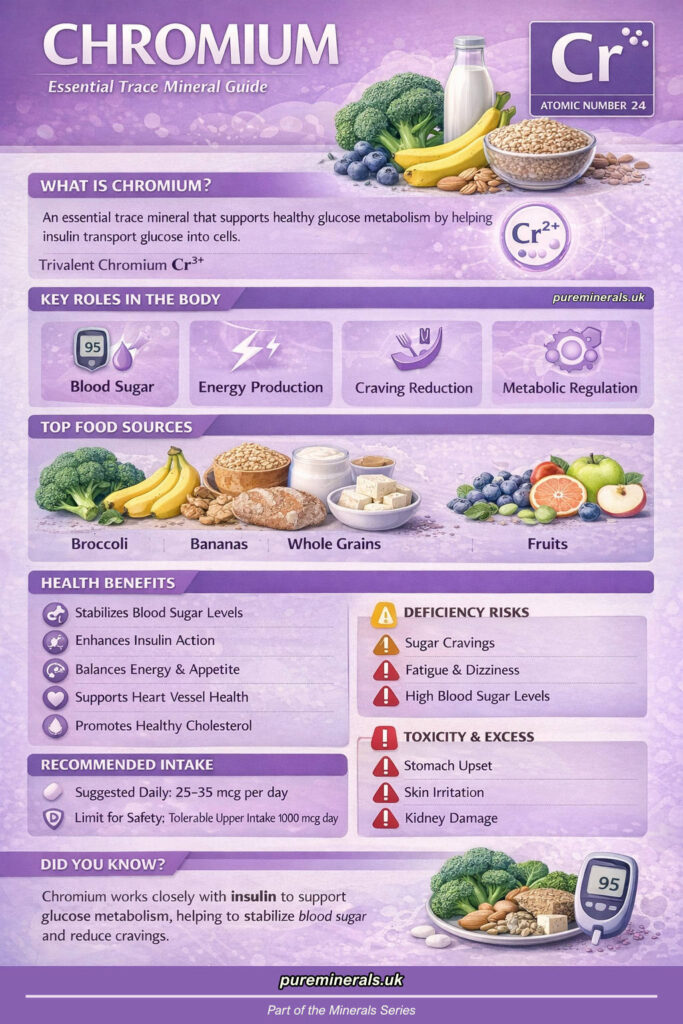
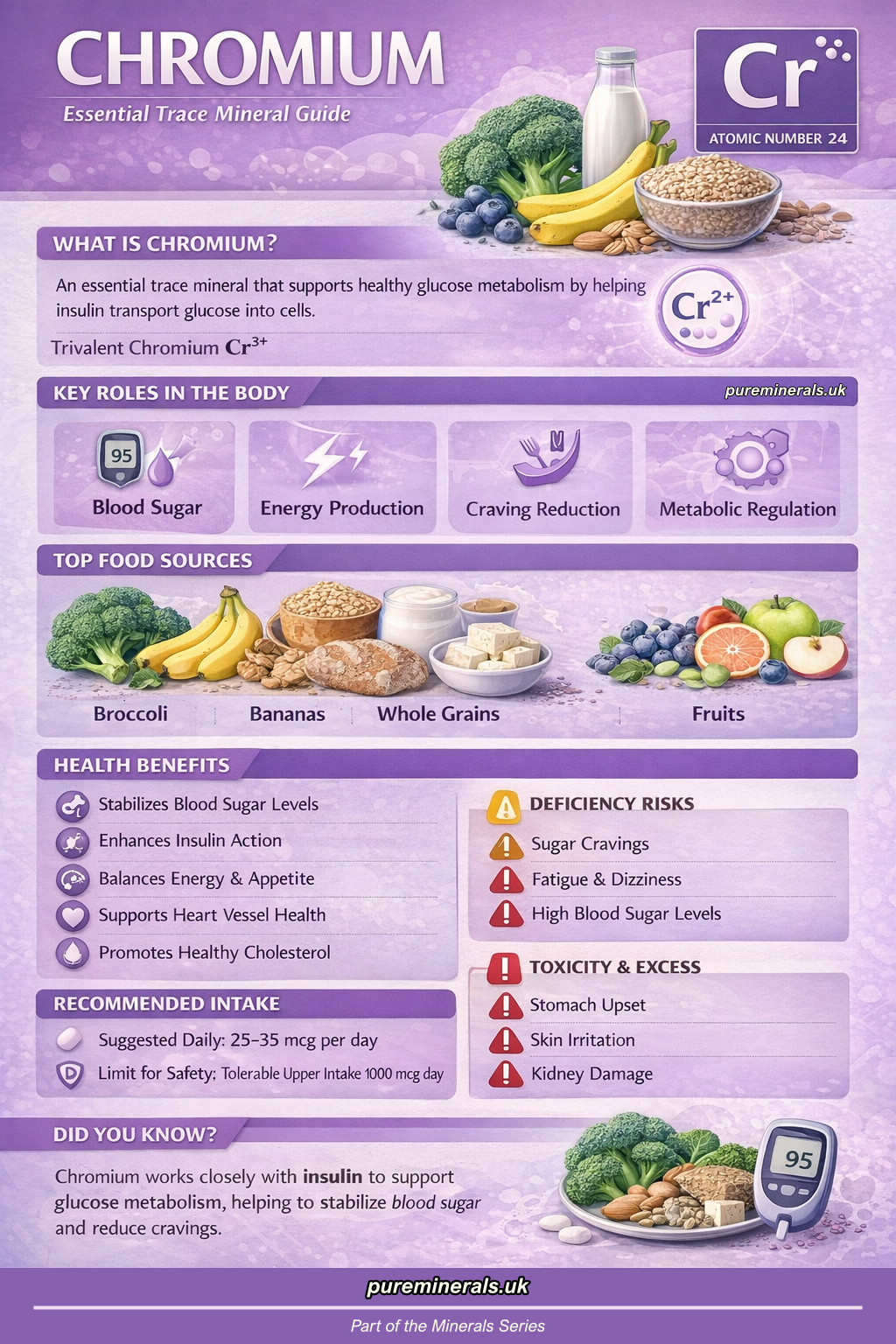
Download the full high-resolution Chromium infographic for offline reference.
Explore more minerals in the full Minerals Hub
Frequently Asked Questions
Despite growing research on chromium’s benefits for diabetes, many patients still have questions about its use, safety, and effectiveness. The following addresses some of the most common inquiries about chromium supplementation and dietary intake. Keep in mind that individual responses to chromium vary based on numerous factors, including your current chromium status, diabetes type and duration, and concurrent treatments.
When considering chromium for diabetes support, it’s important to approach it as one component of a comprehensive management strategy rather than a standalone solution. The research continues to evolve, and while many studies show promise, results aren’t universally consistent across all populations and diabetes types.
- Chromium supplements are available in several forms, including chromium picolinate, chromium polynicotinate, and chromium chloride
- Typical supplementation doses range from 200-1000 mcg daily, with most research focusing on the 200-600 mcg range
- Food sources generally provide 1-2 mcg of chromium per serving, making it difficult to achieve therapeutic doses through diet alone
- The Adequate Intake (AI) for chromium is 35 mcg/day for adult men and 25 mcg/day for adult women
- Absorption rates for chromium typically range from 0.4% to 2.5%, depending on the form and individual factors
How quickly can chromium improve blood sugar levels?
Initial improvements in blood glucose levels may begin within 2-4 weeks after starting chromium supplementation, though individual responses vary considerably. Daily blood glucose readings often show changes before improvements appear in A1C levels, which typically require at least 2-3 months to reflect significant changes. The most consistent benefits generally emerge after 3-6 months of regular supplementation, as chromium gradually restores cellular insulin sensitivity and improves metabolic function. For more information on chromium’s impact, check out this article on what is chromium.
Patience is key when evaluating chromium’s effects on your diabetes management. Rather than expecting dramatic overnight improvements, look for gradual trends toward better glucose control, potentially fewer hypoglycemic episodes, and more stable energy levels throughout the day. Maintaining detailed records of your glucose readings, medication needs, and symptoms can help you and your healthcare provider objectively assess chromium’s impact over time.
Can chromium supplements interact with diabetes medications?
Chromium can potentially enhance the glucose-lowering effects of insulin and certain oral diabetes medications, particularly sulfonylureas and meglitinides that stimulate insulin production. This interaction isn’t necessarily harmful, but it may necessitate medication adjustments to prevent hypoglycemia. Always inform your healthcare team about any supplements you’re taking, particularly when starting, stopping, or changing dosages of chromium products.
Beyond diabetes medications, chromium may interact with certain antacids, corticosteroids, H2 blockers, and proton pump inhibitors that can reduce chromium absorption. Additionally, some research suggests potential interactions with NSAIDs, beta-blockers, and thyroid medications, though clinical significance varies. Your pharmacist can provide valuable guidance about potential interactions specific to your medication regimen and help establish appropriate timing between your supplements and prescriptions to minimize interaction risks.
Is there such a thing as too much chromium in my diet?
Obtaining excessive chromium through diet alone is virtually impossible, as food sources contain relatively small amounts that pose no toxicity risk. However, high-dose supplements, particularly those exceeding 1,000 mcg daily for extended periods, have occasionally been associated with side effects including headaches, irritability, sleep disturbances, and in rare cases, kidney or liver function changes. The Institute of Medicine hasn’t established an Upper Tolerable Intake Level for chromium due to limited toxicity data, but most experts recommend staying below 1,000 mcg daily unless specifically advised otherwise by your healthcare provider for medical reasons.
Why is chromium picolinate the most popular form of chromium supplement?
Chromium picolinate has gained widespread popularity primarily due to its superior absorption profile compared to other forms. The picolinic acid component enhances chromium’s ability to cross cell membranes, potentially making it more bioavailable than chromium chloride or chromium nicotinate. Additionally, chromium picolinate has been used in the majority of research studies showing benefits for diabetes, giving it the strongest evidence base among chromium supplements.
Despite its popularity, other forms like chromium polynicotinate (also called chromium nicotinate) have their advocates, with some research suggesting they may offer similar benefits with potentially fewer concerns about long-term safety. The chromium polynicotinate form contains niacin (vitamin B3), which may provide additional metabolic benefits beyond those of chromium alone. Your healthcare provider can help determine which form best suits your individual health needs.
Many individuals with diabetes report improved energy levels after adding chromium to their regimen, likely due to several mechanisms. By enhancing glucose utilization at the cellular level, chromium helps ensure your body’s tissues receive a steady supply of fuel for energy production. Additionally, by moderating blood sugar fluctuations, chromium may reduce the energy-draining cycle of highs and lows that many diabetes patients experience throughout the day.
Beyond its direct metabolic effects, chromium may help address other factors contributing to diabetes-related fatigue. Some research suggests chromium may support adrenal function, potentially improving stress resilience and energy regulation. There’s also preliminary evidence that chromium might enhance serotonin utilization in the brain, potentially benefiting mood and motivation alongside physical energy. While these effects won’t eliminate all causes of diabetes-related fatigue, many users report noticeable improvements in sustainable energy and reduced afternoon slumps after optimizing their chromium intake.
- Start with chromium from food sources before considering supplements
- Track your response to chromium with regular blood glucose monitoring
- Be patient – benefits typically develop gradually over several months
- Consider keeping a symptom journal to track energy levels, hunger patterns, and other subjective improvements
- Report any unusual symptoms to your healthcare provider promptly
Chromium represents just one tool in the comprehensive approach to diabetes management, but its unique role in enhancing insulin function makes it worthy of consideration. By improving how your body processes glucose, chromium may help you achieve better blood sugar control while potentially reducing medication requirements over time. Always approach supplements as complementary to, rather than replacements for, proven diabetes care strategies, including appropriate medication, regular monitoring, physical activity, and nutritious eating patterns.
Whether you choose to increase chromium through dietary changes or supplementation, consistent intake appears more important than occasional high doses. The cumulative effects of daily chromium optimization may contribute meaningfully to your long-term diabetes management success and overall metabolic health.
For personalized guidance on incorporating chromium into your diabetes management plan, consider consulting with a registered dietitian who specializes in diabetes care. These professionals can help you develop a customized approach that accounts for your specific nutritional needs, food preferences, and health goals.
Blood sugar management requires a multifaceted approach, and Natural Diabetes Solutions provides comprehensive resources to help you understand how trace minerals like chromium can complement your diabetes care plan. Visit our website to learn more about evidence-based natural approaches to achieving better glucose control while supporting your overall health and vitality.