

Published: 20 November 2025
Last Updated: 6 April 2026
This article is periodically reviewed and updated to reflect current scientific understanding by Vic George.

What Is Calcium and Why Is It Essential for Bone Integrity, Muscle Function, and Overall Metabolic Health?
Calcium is an essential macro mineral required for strong bones and teeth, proper muscle contraction, nerve signalling, and balanced enzyme activity. In plant-derived ionic forms (Ca²⁺), calcium is readily absorbed and efficiently incorporated into metabolic pathways. Adequate calcium intake supports lifelong skeletal strength while also contributing to cardiovascular, muscular, and cellular function.
Definition:
Calcium is the most abundant mineral in the human body, serving as a structural component of bones and teeth and acting as a signalling ion in many physiological processes. In foods—especially leafy greens, nuts, seeds, and legumes—calcium occurs in ionic or organically bound forms that the body can assimilate effectively.
Calcium plays a central role in maintaining skeletal density, enabling muscle contraction, regulating nerve transmission, and activating key enzymes. Around 99% of the body’s calcium resides in the bones, while the remaining fraction circulates as Ca²⁺, supporting metabolic regulation. Plant-based sources typically provide calcium in highly bioavailable complexes, especially when paired with cofactors such as vitamin D, vitamin K2, and magnesium, which assist in transport and utilization.
Key Facts:
- Chemical symbol: Ca
- Mineral class: Macro mineral
- Typical ionic form in food: Ca²⁺ (often bound to organic acids and plant compounds)
- Key physiological roles: Bone structure, muscle contraction, nerve transmission, enzyme activation
- Systems supported: Skeletal, muscular, cardiovascular, nervous
- Preferred sources: Leafy greens, nuts, seeds, legumes, sea vegetables
- Deficiency considerations: Reduced bone density, muscle cramps, altered nerve function
- Interactions: Works synergistically with vitamin D, vitamin K2, magnesium, and phosphorus
Key Takeaways
- Calcium is vital for more than just bone health – it plays crucial roles in muscle function, nerve signaling, and blood clotting processes.
- Adults typically need 1,000-1,200mg of calcium daily, with requirements varying by age, gender, and life stage.
- Dairy products provide excellent calcium sources, but plant-based options like fortified non-dairy milks, tofu, and leafy greens offer alternatives for varied diets.
- Vitamin D is essential for proper calcium absorption – without adequate levels, even high calcium intake may not benefit your body.
- Balance is key – while calcium deficiency poses serious health risks, excessive intake can lead to kidney stones and cardiovascular complications.
Calcium stands as the body’s most abundant mineral, forming the foundation of bone integrity while simultaneously orchestrating countless physiological functions. Yet many people fail to consume adequate amounts, setting the stage for both immediate symptoms and long-term health consequences. Understanding calcium’s critical role in your diet isn’t just about preventing osteoporosis – it’s about optimizing overall health and wellbeing.
Why Your Body Craves Calcium: The Foundation of Healthy Bones
Approximately 99% of your body’s calcium resides within your skeletal system, where it provides structural integrity to bones and teeth. This mineral doesn’t just contribute to bone density – it’s the fundamental building block that allows your skeleton to support movement, protect vital organs, and maintain its shape throughout your lifetime. Your bones serve as a dynamic calcium reservoir, continuously releasing and absorbing this mineral as needed to maintain precise blood calcium levels.
Bone tissue undergoes constant remodeling throughout life. During childhood and adolescence, formation outpaces breakdown, allowing bones to grow and strengthen. This makes adequate calcium intake particularly crucial during developmental years. By your late 20s, you’ll have achieved peak bone mass – essentially determining the bone density “savings account” you’ll draw from later in life. Without sufficient calcium during these formative years, you may never reach optimal bone density, increasing vulnerability to fractures decades later.
The relationship between calcium and bone health becomes increasingly important with age. After 30, bone breakdown gradually begins exceeding formation, initiating a slow decline in density. For women, this process accelerates dramatically during menopause when estrogen levels drop. Men experience a similar though more gradual bone density decline. Regular calcium intake throughout adulthood doesn’t just support current bone health – it’s an investment in mobility, independence, and quality of life as you age.
Calcium’s Critical Functions Beyond Bone Health
While bone health garners most attention, calcium’s importance extends far beyond your skeletal system. The remaining 1% of your body’s calcium – though seemingly insignificant by percentage – performs vital functions throughout your body’s tissues and cellular systems. This circulating calcium must be maintained within an extremely narrow concentration range to support numerous physiological processes essential for life itself.
- Muscle contraction and relaxation
- Nerve impulse transmission
- Blood vessel constriction and dilation
- Hormone secretion and regulation
- Enzyme activation across multiple systems
- Blood clotting cascade facilitation
Muscle Contraction and Movement
Every movement you make depends on calcium’s interaction with muscle fibers. When your brain signals a muscle to contract, calcium ions flood into muscle cells, binding to proteins that enable fiber sliding and generating force. Without sufficient calcium, this process falters, potentially manifesting as muscle weakness, cramping, or impaired coordination. This mechanism applies to both voluntary movements, like walking, and involuntary contractions such as your heartbeat, highlighting calcium’s critical role in cardiovascular function.
Nerve Signaling and Brain Function
Calcium serves as an essential messenger in nerve cell communication, facilitating the release of neurotransmitters that carry signals between neurons. This process underlies all brain functions from basic reflexes to complex cognition and emotional regulation. Research increasingly suggests that calcium signaling abnormalities may contribute to neurological disorders, underscoring the importance of maintaining optimal calcium levels throughout life for brain health.
Blood Clotting and Cardiovascular Support
Calcium plays a crucial role in the blood clotting process, activating specific proteins that prevent excessive bleeding after injury. Within seconds of tissue damage, calcium ions help trigger a complex cascade of reactions that transform liquid blood into a protective clot. This same mechanism, when properly regulated, helps maintain cardiovascular health by preventing inappropriate clotting within blood vessels.
Beyond clotting, calcium helps regulate blood pressure through its effects on vascular smooth muscle. When calcium signaling functions correctly, blood vessels can properly constrict and dilate in response to the body’s changing needs. Research indicates that calcium intake may help lower blood pressure in some individuals, particularly when consumed through whole food sources rather than supplements.
Enzyme Activation and Cellular Health
At the cellular level, calcium serves as an essential cofactor for numerous enzymes – proteins that catalyze biochemical reactions throughout the body. These calcium-dependent enzymes influence everything from digestion to immune function to energy production. The mineral also participates in cell division processes, making it vital for tissue growth, repair, and maintenance across all body systems.
Calcium additionally functions as an intracellular messenger, helping cells respond appropriately to hormones and other signaling molecules. This messaging system affects virtually every aspect of cellular behavior, from gene expression to metabolism to programmed cell death. Without sufficient calcium, these intricate cellular communication networks break down, potentially contributing to numerous health problems. For more on how minerals impact health, explore the role of boron in cellular function.
Signs Your Body Needs More Calcium
Calcium deficiency often develops gradually, with symptoms that may initially seem unrelated or be attributed to other causes. Since your body prioritizes maintaining blood calcium levels, it will leach calcium from bones when dietary intake falls short. This self-preserving mechanism keeps short-term functions running but sacrifices long-term bone health in the process.
Early warning signs of inadequate calcium intake can be subtle. Fatigue, muscle aches, and poor nail health might not immediately signal a connection to calcium status. However, as deficiency progresses, more distinctive symptoms typically emerge, indicating your body’s increasing struggle to maintain calcium homeostasis.
Bone Pain and Increased Fracture Risk
Persistent bone pain, particularly in the lower back and legs, may indicate decreasing bone density from ongoing calcium depletion. This discomfort often intensifies with physical activity as weakened bones struggle to support normal loading forces. More concerning is the increased susceptibility to fractures from minor falls or impacts that wouldn’t typically damage healthy bone tissue.
For children and adolescents, insufficient calcium can manifest as impaired growth, delayed tooth development, or rickets – a condition characterized by weak, soft bones and skeletal deformities. Adults may not notice symptoms until bone density has decreased significantly, highlighting the importance of preventative calcium intake rather than waiting for obvious deficiency signs. For more information on how minerals like boron can support bone health, visit this resource on boron minerals.
Muscle Cramps and Spasms
Involuntary muscle contractions – ranging from mild twitches to painful sustained spasms – commonly occur with inadequate calcium. These symptoms often affect the legs and feet, particularly at night or after exercise. The cramping results from altered calcium signaling in muscle tissue, disrupting the normal contraction-relaxation cycle.
Beyond periodic cramps, calcium deficiency can lead to more widespread muscle weakness, compromised coordination, and exercise intolerance. Athletes and physically active individuals should pay particular attention to these symptoms, as calcium needs increase with heavy perspiration and high-intensity training regimens.
Dental Problems
Teeth contain the body’s highest concentration of calcium, making dental health a sensitive indicator of calcium status. Early signs of deficiency include increased tooth sensitivity, delayed healing after dental procedures, and greater susceptibility to decay. More severe cases may present with softening enamel, receding gums, and even tooth mobility or loss. In some cases, incorporating boron into your diet can help improve dental health by supporting calcium metabolism.
Children with insufficient calcium often experience delayed tooth eruption or poor dental development, potentially affecting both primary and permanent dentition. The consequences of childhood calcium deficiency on dental health can persist throughout life, emphasizing the critical importance of adequate intake during developmental years. For additional insights on related minerals, explore the benefits of boron in nutrition.
Neurological Symptoms
As calcium deficiency progresses, neurological functions may become compromised. Sensations of numbness or tingling (paresthesia) typically begin around the mouth, fingers, and toes before potentially spreading to other areas. These symptoms result from altered nerve signaling when calcium levels fall below critical thresholds.
Severe deficiency can trigger more serious neurological manifestations including muscle tremors, tetany (sustained muscle contractions), seizures, and cognitive changes like confusion or memory issues. These advanced symptoms require urgent medical attention, as they indicate dangerously low calcium levels that may threaten heart function and other vital processes.
Top Calcium-Rich Foods for Every Diet

Meeting calcium needs through food represents the optimal approach for most people. Dietary sources provide calcium in forms readily used by the body, alongside complementary nutrients that enhance absorption and utilization. A varied diet focused on calcium-rich options can satisfy requirements without the potential drawbacks of supplement use.
Dairy Sources: Beyond Milk
Dairy products remain the most concentrated and bioavailable calcium sources in typical diets. While milk provides approximately 300mg per cup, other dairy options offer comparable or even superior calcium content. Hard cheeses like parmesan (330mg per ounce) and cheddar (200mg per ounce) provide substantial amounts in relatively small portions. Yogurt delivers 300-450mg per cup, with Greek varieties generally containing less calcium but more protein than traditional options.
For those concerned about fat or calorie content, reduced-fat dairy products maintain virtually identical calcium levels to their full-fat counterparts. Less familiar dairy sources worth considering include ricotta cheese (250mg per half-cup), kefir (300mg per cup), and cottage cheese (140mg per cup). Even whey protein powder, derived from dairy, contributes meaningful calcium to smoothies and baked goods.
Plant-Based Powerhouses
Plant sources of calcium offer excellent options for vegans, those with dairy allergies, or anyone seeking to diversify their nutrient sources. Leafy greens lead the category, with kale providing approximately 180mg per cooked cup and collard greens offering an impressive 270mg per cooked cup. The calcium in these vegetables tends to be highly bioavailable, with absorption rates sometimes exceeding those of dairy products.
Legumes contribute significant calcium, particularly when prepared properly. A cup of cooked white beans delivers about 160mg, while chickpeas offer 80mg per cup. Soaking and sprouting legumes reduces their phytate content, potentially improving calcium absorption. Soy products vary widely in calcium content, with calcium-set tofu providing up to 860mg per half-cup – rivaling or exceeding most dairy products when compared by weight.
Top Plant-Based Calcium Sources
Calcium-set tofu: 860mg per half-cup
Collard greens (cooked): 270mg per cup
White beans: 160mg per cup
Kale (cooked): 180mg per cup
Bok choy (cooked): 160mg per cup
Tahini: 130mg per 2 tablespoons
Surprising Non-Dairy Calcium Sources
Several unexpected foods contain noteworthy calcium levels that can help diversify your intake. Canned fish with bones – particularly sardines and salmon – provide calcium when the bones are consumed. A 3.75-ounce can of sardines contains about 350mg of calcium, comparable to a cup of milk. Nuts and seeds, especially almonds (75mg per ounce) and chia seeds (180mg per ounce), offer calcium alongside healthy fats and other minerals.
Blackstrap molasses stands out among sweeteners with 180mg of calcium per tablespoon. This nutrient-dense byproduct of sugar refining also provides iron, potassium, and magnesium – making it a beneficial addition to oatmeal, smoothies, or baking recipes. Dried fruits like figs (55mg per five figs) and apricots (50mg per half-cup) contribute moderate calcium while offering fiber and other micronutrients.
Calcium-Fortified Foods Worth Adding to Your Cart
Fortified foods can significantly boost calcium intake, particularly for those with dietary restrictions limiting natural calcium sources. Plant-based milks typically contain 300-450mg per cup when fortified, making them nutritionally comparable to dairy milk. Look for versions fortified with calcium carbonate rather than tricalcium phosphate for optimal absorption. Orange juice with added calcium provides around 350mg per cup, while fortified cereals can deliver 100-1,000mg per serving depending on the brand.
When selecting fortified products, check for vitamin D fortification as well, which enhances calcium absorption substantially. Be aware that calcium tends to settle in some liquid products, so shake containers thoroughly before serving. While fortified foods can help meet calcium requirements, they should complement rather than replace naturally calcium-rich whole foods in your diet.
How Much Calcium Do You Actually Need?
Calcium requirements vary significantly across the lifespan, with needs highest during periods of bone development and later in life when absorption efficiency declines. Understanding your specific requirements based on age, gender, and life stage helps ensure you’re neither under-consuming this essential mineral nor taking excessive amounts that could pose health risks.
| Age Group | Recommended Daily Calcium (mg) |
|---|---|
| Infants 0-6 months | 200mg |
| Infants 7-12 months | 260mg |
| Children 1-3 years | 700mg |
| Children 4-8 years | 1,000mg |
| Children 9-18 years | 1,300mg |
| Adults 19-50 years | 1,000mg |
| Women 51-70 years | 1,200mg |
| Men 51-70 years | 1,000mg |
| Adults 71+ years | 1,200mg |
Calcium Requirements by Age and Gender
Children and adolescents have particularly high calcium needs as they experience rapid skeletal development and bone mass accumulation. The teenage years represent a critical window for calcium intake, with requirements peaking at 1,300mg daily to support the significant bone growth during puberty. Adequate intake during this period can increase peak bone mass by up to 10%, providing substantial protection against later-life fracture risk.
For adults 19-50, calcium requirements stabilize at 1,000mg daily, supporting ongoing bone remodeling processes while maintaining other calcium-dependent functions. After age 50, women’s needs increase to 1,200mg daily due to accelerated bone loss associated with declining estrogen levels during menopause. Men face similar increases, though typically a decade later, with recommendations reaching 1,200mg daily after age 70 when absorption efficiency naturally declines.
Special Needs During Pregnancy and Breastfeeding
Pregnant women don’t require additional calcium beyond standard adult recommendations, as physiological adaptations increase absorption efficiency to meet both maternal and fetal needs. The developing fetus requires approximately 30g of calcium throughout gestation, primarily accumulated during the third trimester when skeletal mineralization accelerates. The mother’s body responds by absorbing calcium more efficiently from the diet and temporarily increasing bone turnover to ensure adequate supply to the developing baby.
Breastfeeding may slightly increase calcium requirements as breast milk contains approximately 250-300mg of calcium per day. However, official recommendations maintain the standard 1,000mg daily intake, as hormonal changes during lactation actually protect maternal bone density through complex regulatory mechanisms. After weaning, any temporary bone density decreases typically resolve within 6-12 months as normal calcium metabolism resumes.
Increased Requirements for Older Adults
Calcium needs increase with age primarily due to declining absorption efficiency rather than increased utilization. After age 50, intestinal calcium absorption typically decreases by 15-20%, with further reductions in subsequent decades. This declining efficiency, coupled with age-related changes in vitamin D metabolism, necessitates higher dietary intake to maintain adequate calcium status.
For seniors, meeting these elevated requirements becomes particularly challenging as appetite often decreases while dietary restrictions may increase. Reduced stomach acid production, common in older adults, further impairs calcium absorption, especially from calcium carbonate supplements. These factors make thoughtful meal planning or appropriate supplementation especially important for maintaining bone health in the later decades of life.
Calcium Absorption: Why Getting Enough Isn’t Enough
Consuming adequate calcium represents only half the equation – your body must effectively absorb and utilize this mineral for optimal benefit. Various dietary, lifestyle, and physiological factors influence calcium absorption efficiency, which typically ranges from 20-40% of ingested calcium. Understanding these factors helps maximize the benefit of your calcium intake while potentially reducing the total amount needed from diet or supplements.
The Vitamin D Connection
Vitamin D serves as calcium’s essential partner, regulating intestinal absorption through specialized transport proteins. Without adequate vitamin D, even substantial calcium intake yields limited benefit as absorption efficiency plummets. This relationship explains why vitamin D deficiency frequently manifests with symptoms similar to calcium deficiency despite adequate calcium consumption. The body produces vitamin D naturally through sun exposure, but many people require dietary sources or supplements to maintain optimal levels.
Recommended vitamin D intake ranges from 600-800 IU daily for most adults, with higher amounts often beneficial for those with limited sun exposure, darker skin tones, or absorption issues. Foods containing both calcium and vitamin D, such as fortified dairy products, provide synergistic benefits. For supplements, combination products that include both nutrients typically offer better outcomes than calcium alone. Additionally, some minerals like boron can play a role in bone health and should be considered as part of a balanced diet.
Nutrients That Boost Calcium Absorption
Several dietary components enhance calcium absorption when consumed alongside calcium-rich foods. Vitamin C improves calcium utilization, particularly from plant sources, by forming compounds that facilitate intestinal transport. Magnesium works cooperatively with calcium in numerous physiological processes, with appropriate magnesium status supporting calcium absorption and retention. Vitamin K2 helps direct calcium to bones rather than soft tissues, enhancing skeletal benefits while reducing cardiovascular risks.
Prebiotic fibers found in foods like onions, garlic, and bananas nourish beneficial gut bacteria that produce short-chain fatty acids, creating an intestinal environment that enhances calcium absorption. Lactose, the natural sugar in dairy products, also improves calcium uptake – one reason dairy represents such an efficient calcium source despite its moderate mineral content compared to some plant foods.
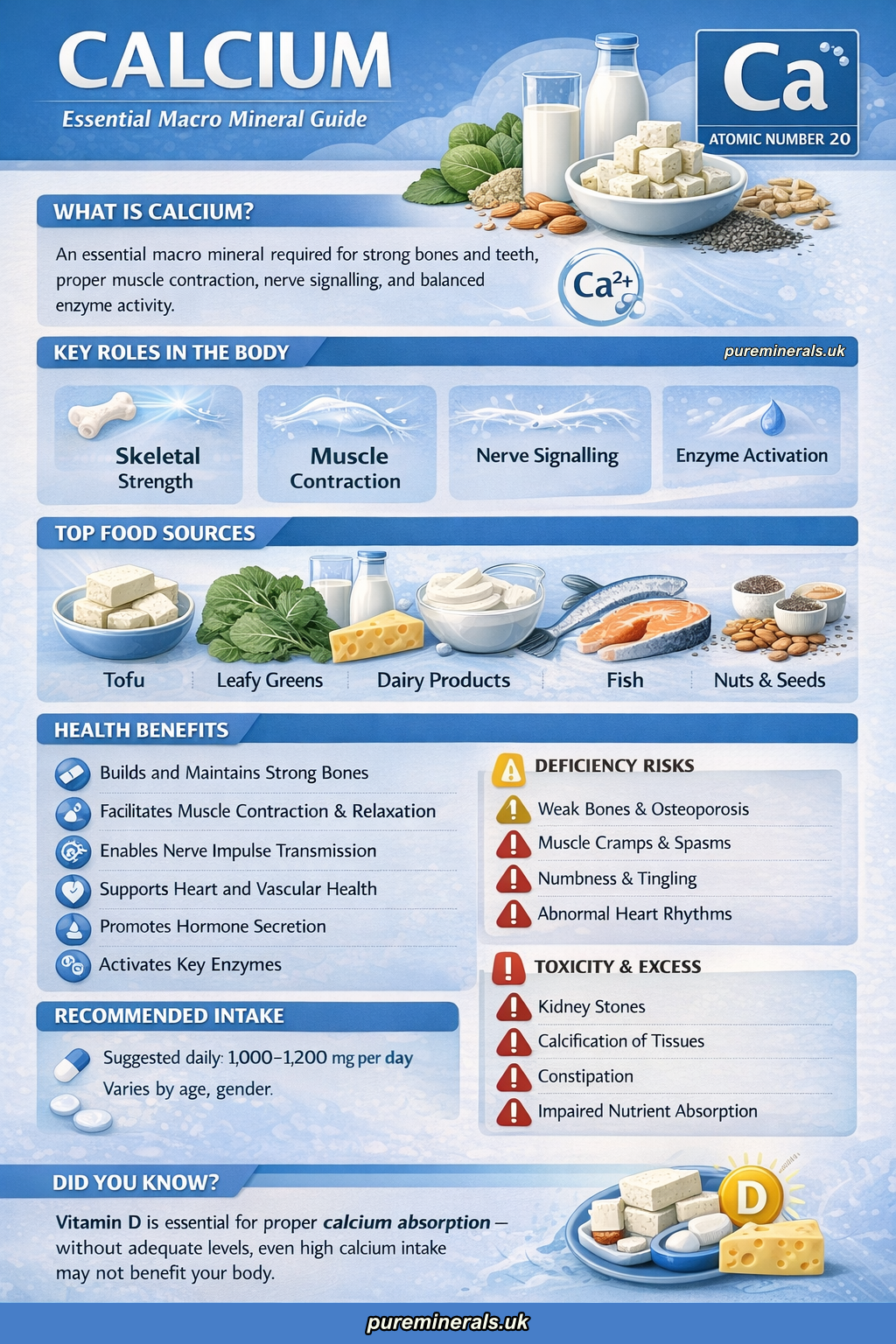
Calcium: Essential Mineral for Bones, Muscles & Nerve Function
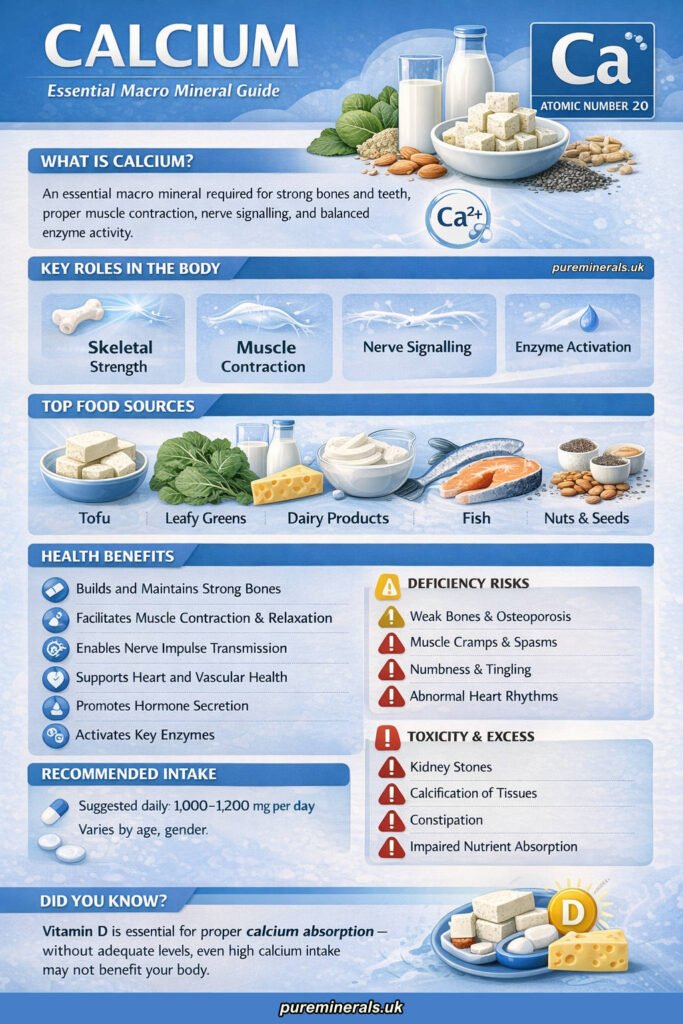
Download the full high-resolution Calcium infographic for offline reference.
Explore more minerals in the full Minerals Hub
Foods and Medications That Block Calcium Uptake
Certain dietary components can significantly impair calcium absorption when consumed simultaneously with calcium-rich foods. Oxalates in spinach, rhubarb, and beet greens bind calcium tightly, reducing availability by up to 80% in some cases. Phytates in unsoaked whole grains, legumes, and seeds similarly complex with calcium, though their effects can be minimized through soaking, sprouting, or fermenting these foods before consumption.
Medications including some antibiotics, anti-seizure drugs, glucocorticoids, and proton pump inhibitors can interfere with calcium absorption or accelerate calcium loss. High-dose zinc or iron supplements may compete with calcium for absorption when taken simultaneously. Those using these medications or supplements should consult healthcare providers about optimal timing and potential need for adjusted calcium intake.
Supplements: When and How to Take Them Correctly
While obtaining calcium from food sources remains ideal, supplements provide a valuable option when dietary intake falls short of recommendations. Determining whether supplementation is appropriate requires assessing your typical calcium consumption through food and comparing it to age-specific requirements. When supplements prove necessary, selecting the right form, timing, and dosage maximizes benefits while minimizing potential risks. For additional minerals that may complement calcium intake, consider learning about the benefits of boron.
Different Forms of Calcium Supplements
Calcium supplements come in various compounds, each offering different elemental calcium percentages and absorption characteristics. Calcium carbonate provides the highest elemental calcium content (40%) and typically costs less than other forms. However, it requires stomach acid for optimal dissolution, making it best absorbed with meals. Individuals with reduced stomach acid production, common after age 50, may find this form less effective.
Calcium citrate contains less elemental calcium (21%) but absorbs effectively regardless of stomach acid levels, making it suitable for older adults or those taking acid-reducing medications. Though requiring larger pills or multiple doses to achieve equivalent calcium intake, its superior absorption often justifies the inconvenience. Other forms include calcium lactate, calcium gluconate, and calcium hydroxyapatite – each with specific advantages for certain populations.
Optimal Timing and Dosing
The body absorbs calcium most efficiently in amounts of 500mg or less at one time, making divided doses preferable for those requiring significant supplementation. Taking calcium carbonate with meals optimizes absorption, while calcium citrate can be taken either with or between meals. For those also taking vitamin D supplements, consuming them together enhances calcium utilization.
Supplement timing should consider potential interactions with medications and other nutrients. Iron supplements and calcium compete for absorption and should be taken at different times. Similarly, spacing calcium supplementation away from thyroid medications, certain antibiotics, and blood pressure medications prevents unwanted interactions. When multiple supplements or medications are part of your routine, creating a schedule with healthcare provider guidance ensures optimal benefit. For more information on mineral interactions, you can explore the role of boron in nutrition.
Potential Side Effects to Watch For
Common side effects of calcium supplementation include constipation, gas, and bloating – particularly with calcium carbonate. Starting with lower doses and gradually increasing, staying well-hydrated, and ensuring adequate dietary fiber can minimize these digestive issues. Some individuals experience better tolerance with specific formulations, so changing products may resolve persistent discomfort.
More serious concerns include increased kidney stone risk in susceptible individuals, particularly with calcium supplements taken between meals rather than with food. Recent research has raised questions about potential cardiovascular effects of calcium supplements, though findings remain inconsistent. These concerns emphasize the importance of targeting supplements to those with demonstrable need rather than routine use without confirmed dietary shortfalls.
Calcium Deficiency: Real Risks to Your Health
Chronic inadequate calcium intake presents serious health consequences extending far beyond occasional muscle cramps or minor discomfort. The body prioritizes maintaining blood calcium within strict limits, drawing from bone tissue when dietary supply falls short. This self-preserving mechanism masks deficiency symptoms initially while progressively compromising skeletal integrity and other calcium-dependent functions.
Warning Signs of Calcium Deficiency
• Numbness and tingling in fingers
• Muscle cramps and spasms
• Fatigue and weakness
• Brittle nails and dry skin
• Poor tooth enamel
• Difficulty sleeping
• Heart palpitations
Calcium deficiency occurs in two forms: dietary insufficiency (inadequate intake) and hypocalcemia (abnormally low blood calcium). Dietary insufficiency represents the more common condition, developing gradually over months or years as bone mineral density slowly declines. Hypocalcemia, by contrast, indicates a serious medical emergency requiring immediate intervention to prevent potentially life-threatening complications.
Risk factors for calcium deficiency include eating disorders, severe malnutrition, gastric bypass surgery, inflammatory bowel disease, and certain medications that impair absorption or increase excretion. Populations following dairy-free diets without adequate replacement sources face particular risk, as do postmenopausal women, older adults, and those with limited sun exposure affecting vitamin D status.
Osteoporosis and Bone Density Loss
Osteoporosis in Numbers
• Affects 10 million Americans
• Causes 1.5 million fractures annually
• 1 in 2 women over 50 will experience an osteoporotic fracture
• 1 in 4 men over 50 will experience an osteoporotic fracture
• Hip fractures carry a 20% mortality rate within one year
Osteoporosis represents the most prevalent consequence of long-term calcium inadequacy, characterized by decreased bone density, deterioration of bone microarchitecture, and increased fracture susceptibility. The condition develops silently, often without symptoms until a fracture occurs from minimal trauma. These fragility fractures most commonly affect the spine, hip, and wrist, though any bone may be involved.
Bone density loss follows a predictable pattern when calcium intake remains insufficient. Initially, the body draws calcium from areas with rapid turnover, including the jawbone and alveolar bone supporting teeth. As deficiency continues, larger structural bones experience mineral depletion, beginning with trabecular (spongy) bone before affecting denser cortical regions. Eventually, the collagen matrix itself deteriorates, leading to fundamental structural compromise beyond what calcium repletion alone can restore.
Beyond fracture risk, osteoporosis significantly impacts quality of life through height loss, postural changes, restricted mobility, chronic pain, and psychological effects, including fear of falling and social isolation. Prevention through adequate calcium throughout life proves far more effective than treatment after significant bone loss has occurred, underscoring the importance of meeting calcium needs at all life stages.
Hypocalcemia and Its Serious Complications
Hypocalcemia – clinically significant low blood calcium – represents a medical emergency requiring prompt treatment. This condition typically arises from hormonal imbalances, kidney dysfunction, or certain medications rather than dietary insufficiency alone. Symptoms include muscle spasms, seizures, abnormal heart rhythms, and in severe cases, laryngeal spasm affecting breathing. Diagnostic blood tests measuring both total calcium and ionized calcium (the physiologically active form) confirm the condition.
Long-term Health Consequences
Emerging research suggests calcium insufficiency may contribute to health issues beyond the skeletal system. Studies indicate associations between chronic low calcium intake and increased hypertension risk, with calcium appearing to help regulate vascular tone and blood pressure response. Calcium deficiency may also impact weight regulation through its role in fat metabolism, with some evidence suggesting adequate calcium may support healthy weight management efforts.
Neurological health shows connections to calcium status, with potential implications for mood disorders, sleep quality, and even cognitive function with aging. While causal relationships remain under investigation, meeting calcium requirements appears increasingly important for comprehensive health maintenance beyond the well-established bone benefits.
Balance is Key: Avoiding Calcium Overload
While calcium deficiency presents clear health risks, excessive intake brings its own concerns. The Upper Limit for calcium intake stands at 2,500mg daily for adults, with potential adverse effects when consistently exceeding this threshold. Most people remain well below this level through diet alone, making excessive intake primarily a concern for those using high-dose supplements without confirmed need or proper guidance.
Finding the calcium balance appropriate for your individual circumstances requires considering your dietary patterns, life stage, health conditions, and medication use. Most healthy adults can meet calcium requirements through thoughtful food choices without supplementation. When supplements become necessary, targeting them specifically to fill documented intake gaps minimizes overexposure risk.
Risks of Excessive Calcium Intake
Kidney stones represent the most established risk of excessive calcium consumption, particularly when taken as supplements rather than obtained through food. Those with history of calcium oxalate stones should discuss calcium intake with healthcare providers, as moderate calcium actually helps prevent stone formation when consumed with meals, while excessive amounts may increase risk. Proper hydration remains essential for stone prevention regardless of calcium intake level.
Cardiovascular implications of calcium excess have generated significant research interest, with some studies suggesting possible arterial calcification or heart attack risk with high-dose supplementation. These findings remain inconsistent and primarily associate with supplement use rather than dietary sources. Current evidence supports obtaining calcium predominantly through food when possible, with targeted supplementation only when dietary intake falls significantly short of requirements.
Who Should Monitor Their Calcium Levels Carefully
Certain populations require particularly careful calcium management, including those with hyperparathyroidism, kidney disease, sarcoidosis, or history of calcium-containing kidney stones. Individuals taking thiazide diuretics, lithium, or certain antacids also need attentive monitoring, as these medications can alter calcium metabolism. In these cases, regular blood tests measuring calcium levels help guide appropriate intake adjustments under medical supervision.
Make Calcium Work for You: Simple Daily Strategies
Incorporating calcium-rich foods throughout your day simplifies meeting requirements without dramatic dietary overhauls. Start with calcium-fortified breakfast options like yogurt parfaits, smoothies with calcium-set tofu, or oatmeal made with fortified milk. Include leafy greens in lunch salads or sandwiches, add canned salmon with bones to afternoon snacks, and incorporate legumes or dairy into dinner meals. Combining these sources with vitamin D through sunshine, fatty fish, or fortified products enhances absorption while supporting overall nutritional balance that NutriSense experts recommend for their nutrition monitoring clients.
Frequently Asked Questions
Understanding calcium’s role in your body helps inform dietary choices that support lifelong health. While individual needs vary based on factors like age, gender, and health status, these common questions address concerns shared by many people seeking to optimize their calcium intake. For personalized guidance, consulting with a healthcare provider or registered dietitian remains the most effective approach.
Ongoing research continues to refine our understanding of calcium’s complex roles in human physiology. As scientific knowledge evolves, recommendations may shift to reflect new insights about optimal intake levels, timing, and complementary nutrients. Staying informed through credible sources helps ensure your calcium strategy remains aligned with current best practices.
Below are answers to some of the most common questions about calcium intake, absorption, and supplementation:
- How quickly can calcium deficiency develop?
- Does cooking affect the calcium content of foods?
- Can exercise improve calcium utilization?
- Are calcium supplements derived from natural sources better absorbed?
- How does menopause affect calcium requirements?
Can I get enough calcium on a dairy-free diet?
Absolutely – meeting calcium needs without dairy requires thoughtful planning but remains entirely achievable. Focus on calcium-set tofu, calcium-fortified plant milks and juices, leafy greens like kale and bok choy, almonds, tahini, and calcium-fortified cereals. Combining multiple plant sources throughout the day helps accumulate sufficient total intake while providing complementary nutrients that support absorption and utilization. Many people successfully maintain excellent calcium status on vegan, paleo, or dairy-free diets through strategic food selection.
What’s the difference between calcium citrate and calcium carbonate?
Calcium citrate and calcium carbonate primarily differ in their elemental calcium content and absorption characteristics. Calcium carbonate contains 40% elemental calcium, requiring smaller pills for equivalent dosing, but needs stomach acid for proper dissolution and absorption. This makes it most effective when taken with meals, particularly for those under age 50 with normal stomach acid production.
Calcium citrate contains 21% elemental calcium, necessitating larger or more frequent doses, but absorbs effectively regardless of stomach acid levels or food intake. This form proves particularly beneficial for older adults, those taking acid-reducing medications, or anyone with digestive disorders affecting absorption. While typically more expensive, its superior bioavailability often justifies the additional cost for those with absorption concerns.
Should I take calcium supplements at the same time as other medications?
Many medications interact with calcium supplements, making timing considerations important for optimal effectiveness of both. Thyroid medications, certain antibiotics (fluoroquinolones, tetracyclines), bisphosphonates for osteoporosis, and some blood pressure medications require separation from calcium supplements by 2-4 hours. Iron supplements similarly compete for absorption pathways and should be taken at different times. Review your complete medication list with a pharmacist or healthcare provider to develop an optimal scheduling strategy that prevents unwanted interactions while maintaining consistent calcium intake.
How does caffeine affect calcium absorption?
Caffeine can increase urinary calcium excretion temporarily, with each 100mg of caffeine (approximately one 8-ounce cup of coffee) potentially causing an additional 6mg of calcium loss. For most healthy adults consuming adequate calcium, this effect remains minimal and easily offset through diet. However, individuals with borderline calcium intake or those consuming very high caffeine amounts (400+mg daily) may experience more significant impacts. The simplest mitigation strategy involves adding a tablespoon of milk or calcium-fortified creamer to coffee or consuming calcium-rich foods alongside caffeinated beverages.
Can children take the same calcium supplements as adults?
Children require specialized calcium formulations appropriate for their age, weight, and developmental needs. Adult supplements typically contain doses too high for children, potentially exceeding safe upper limits for younger age groups. Pediatric calcium supplements come in appropriate dosages, often with child-friendly flavors and textures to improve compliance. Chewable forms prove particularly popular, though liquid options benefit very young children. Always consult a pediatrician before starting any supplement regimen for children, as their needs differ significantly from adults and change throughout developmental stages.
Meeting calcium needs through a balanced diet remains the preferred approach for children whenever possible. Foods like milk, yogurt, cheese, fortified non-dairy alternatives, and calcium-set tofu provide readily absorbable calcium alongside other essential nutrients supporting growth and development. Supplementation should generally be reserved for children with confirmed dietary inadequacies, absorption issues, or specific medical conditions affecting calcium status.
Calcium is an essential mineral for maintaining bone integrity and supporting muscle function. It plays a crucial role in various bodily processes, including nerve transmission and hormonal secretion. Ensuring a balanced intake of calcium through diet or supplements is vital for overall health. For those interested in exploring other minerals, you might want to learn about boron and its benefits as well.