

Published: 28 March 2026
This article is periodically reviewed and updated to reflect current scientific understanding by Vic George.
Fact-Checked: 3 other authoritative medical/scientific references. See our Editorial Policy.
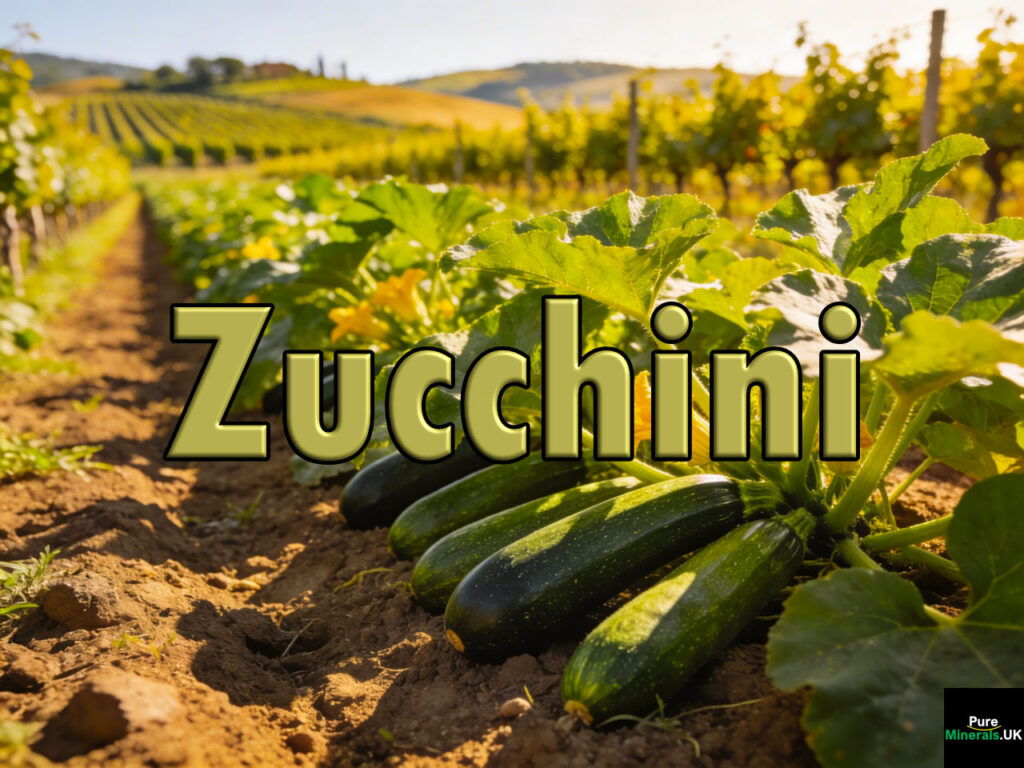
What Is Zucchini (Courgette)?
Zucchini, also known as courgette, is the immature fruit of Cucurbita pepo, harvested before full development to preserve its tender texture and mild flavor. Although botanically a fruit, it is commonly classified and consumed as a vegetable and is valued for its high water content, vitamins, and low energy density.
Definition
Zucchini is the immature fruit of Cucurbita pepo, a member of the Cucurbitaceae family, consumed as a summer squash.
Extended Definition
Zucchini belongs to the Cucurbitaceae family, which includes cucumbers, pumpkins, melons, and other squash varieties. As a summer squash, it is harvested while still immature, when the skin is thin, and the seeds are soft and edible.
The fruit is typically elongated and cylindrical, with a smooth green exterior, although varieties also exist in yellow and striped forms. The pale flesh has a mild flavor, making it adaptable to a wide range of culinary uses.
Nutritionally, zucchini provides dietary fiber, vitamin C, vitamin A precursors, potassium, and small amounts of B vitamins. Its high water content, often exceeding 90 percent, contributes to its low energy density and hydrating properties.
Zucchini also contains carotenoids such as lutein and beta-carotene, as well as flavonoids and phenolic compounds that contribute to plant defense mechanisms and pigmentation.
The entire fruit is edible, including the skin, flesh, and seeds, when harvested at an early stage. Zucchini can be consumed raw or cooked using methods such as sautéing, grilling, roasting, or steaming.
Due to its mild flavor and texture, zucchini is commonly used in both savory and some sweet culinary preparations.
Why the two names?
The two names zucchini and courgette exist due to geographical, historical, and linguistic differences in the way the vegetable was introduced to English-speaking countries.
The name zucchini is Italian and is used in the United States, Australia, and Canada. It comes from the Italian word zucchino (plural zucchini), meaning a “little marrow” or “small squash”. The vegetable was cultivated in Italy and brought to North America by Italian immigrants.
The name courgette is French and is used in the UK, Ireland, New Zealand, and South Africa. It comes from the French word courge (gourd/marrow), and was introduced to Britain in the early 1930s from French culinary terms.
Commercial Production
Commercial zucchini production centers in temperate zones, with significant cultivation of varieties like Romanesco and Genovese. The vegetable needs full sunshine, nutrient-rich soil, ample watering, and is harvested young (5-8 inches long) for the best taste.
Numerous zucchini cultivars are commonly grouped by shape and colour, including green cylindrical types, yellow or striped varieties, and round forms. Examples include Genovese, Striato, Rugosa, Friuliana, Greyzini, Bolognese, and Custard White, among many others. They are susceptible to frost, making them a late spring and summer crop.
Key Facts
Botanical name: Cucurbita pepo
Plant family: Cucurbitaceae
Common classification: Summer squash (fruit vegetable)
Origin: Americas
Edible part: Immature fruit
Typical color: Green (most common), also yellow and striped varieties
Primary nutrients: Water, fiber, vitamin C, vitamin A precursors, potassium
Key phytonutrients: Carotenoids, flavonoids, phenolic compounds
Energy density: Very low
Notable compounds: Plant pigments and antioxidant compounds
Culinary uses: Sautéing, grilling, roasting, steaming, salads, and baking
Key Takeaways
- Zucchini is one of the most nutrient-dense, low-calorie vegetables you can eat — a medium zucchini has fewer than 35 calories while delivering vitamins C, B6, potassium, manganese, and folate.
- At 95% water content, zucchini is a powerful hydration food that supports weight management, digestion, and daily fluid intake without adding calories.
- The skin of zucchini contains the highest concentration of nutrients — peeling it means losing most of the antioxidants, fiber, and vitamins packed into this vegetable.
- Zucchini contains lutein, zeaxanthin, and beta-carotene — three antioxidants linked to eye health, reduced oxidative stress, and lower risk of certain chronic diseases.
- Raw zucchini retains more vitamin C, while cooked zucchini unlocks more carotenoids — how you prepare it changes what your body actually absorbs.
Zucchini might be the most underestimated vegetable in your kitchen — and once you see what’s packed inside it, that changes fast.
Known as courgette in the UK, France, and much of Europe, zucchini is botanically a fruit — though we eat it like a vegetable. It belongs to the Cucurbita pepo species, the same family as pumpkins and yellow squash. Despite its mild flavor and humble reputation, zucchini delivers a surprisingly strong nutritional punch per calorie. It’s a staple recommended by dietitians for good reason, and nutrition resources have done extensive work breaking down exactly why this vegetable deserves more attention in your diet.
Zucchini Is More Nutritious Than Most People Realize
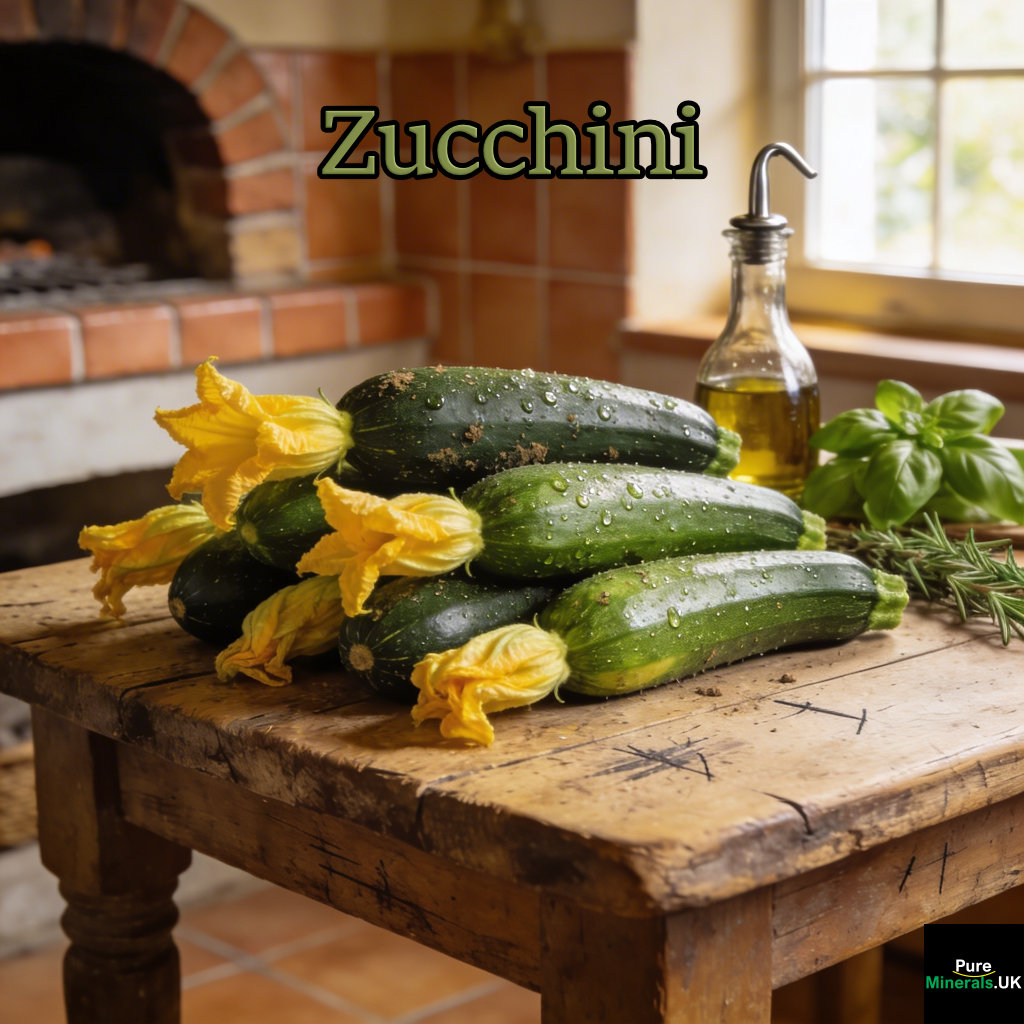
Most people think of zucchini as a filler vegetable — something to bulk out a stir-fry or sneak into a muffin. But the nutritional profile tells a different story. In a single cup of cooked zucchini, you get meaningful amounts of vitamin C, vitamin A, potassium, folate, and vitamin B6 — all for roughly 27 calories. That ratio of nutrients to calories is hard to beat in any food category.
What makes zucchini especially valuable is its versatility across dietary styles. Whether you’re eating low-carb, plant-based, Mediterranean, or simply trying to add more whole foods to your plate, zucchini fits cleanly into all of them. It’s not just a diet food — it’s genuinely functional nutrition wrapped in a mild, adaptable package.
Zucchini Nutrition Facts: What’s Actually in One Cup
Let’s get specific. Here’s what the numbers actually look like so you can see why nutritionists consistently recommend zucchini as a dietary staple.
Calories, Carbs, and Macronutrients
A medium raw zucchini (approximately 196 grams) contains around 33 calories, making it one of the lowest-calorie whole foods available. A large raw zucchini comes in at about 55 calories. One cup of cooked zucchini (180 grams) sits at roughly 27 calories with about 5 grams of carbohydrates, 2 grams of fiber, 2 grams of protein, and less than 1 gram of fat. The net carb count — total carbs minus fiber — comes to just 3 grams per cooked cup, which is why keto and low-carb dieters rely on it so heavily.
Vitamins and Minerals Breakdown
One cup of cooked zucchini provides a solid cross-section of essential micronutrients. Here’s how the key vitamins and minerals stack up:
Nutrient | Amount (1 cup cooked / 180g) | % Daily Value |
|---|---|---|
Calories | 27 kcal | — |
~8.5 mg | ~9% | |
~392 IU | ~8% | |
~0.3 mg | ~18% | |
~30 mcg | ~8% | |
~280 mg | >10% | |
~0.2 mg | ~10% | |
~28 mg | ~7% | |
Fiber | ~2 g | ~7% |
Source: USDA FoodData Central. % Daily Values based on a 2,000-calorie diet. |
The potassium content is worth highlighting specifically. One cup of cooked zucchini delivers more than 10% of your daily potassium needs — often more than what’s included in a standard multivitamin supplement. Potassium is critical for blood pressure regulation, muscle function, and heart health, yet most people don’t get enough of it daily.
Raw vs. Cooked Zucchini: Does Nutrition Change?
Yes — and the difference matters depending on what nutrients you’re after. Raw zucchini retains significantly more vitamin C, which is heat-sensitive and degrades during cooking. On the other hand, cooking zucchini enhances the bioavailability of carotenoids like beta-carotene and lutein, making them easier for your body to absorb. Neither form is strictly “better” — they just offer different nutritional advantages.
Quick Rule of Thumb: Eat zucchini raw when you want maximum vitamin C. Cook it when you want more antioxidant absorption from carotenoids. Ideally, include both preparations in your weekly diet.
One important caution with raw zucchini: wild or homegrown zucchini can contain higher levels of cucurbitacin, a naturally bitter compound that can cause gastrointestinal discomfort in large amounts. Commercially grown zucchini has been bred to minimize this compound, so it’s generally safe to eat raw — but if your zucchini tastes unusually bitter, don’t eat it raw.
Zucchini Is 95% Water — Here’s Why That Matters
Zucchini is approximately 95% water by weight. That single fact has major implications for how it supports your body — far beyond simple hydration.
Foods with high water content fill your stomach faster and keep you feeling full longer without loading you with calories. This is sometimes called the “volumetrics” effect in nutrition science — eating high-volume, low-calorie foods that satisfy hunger while keeping total caloric intake in check. Zucchini is one of the best natural examples of this principle in action.
By comparison: Cucumber is ~96% water. Celery is ~95%. Zucchini sits right alongside these known hydration foods — yet it offers more protein, more B vitamins, and more cooking versatility than either.
How Zucchini Supports Daily Hydration
Most people focus on drinking water for hydration, but roughly 20% of daily water intake actually comes from food. Zucchini contributes meaningfully to that food-based hydration, especially when eaten raw or lightly steamed. For people who struggle to meet daily water intake targets, adding water-dense vegetables like zucchini to meals is a simple, practical strategy.
Hydration and Weight Management
The connection between zucchini’s high water content and weight management is direct. High water content means low caloric density — you eat more food for fewer calories. A full cup of cooked zucchini at 27 calories takes up significant stomach volume, which signals satiety hormones and reduces the likelihood of overeating at the same meal. This makes zucchini an exceptional base ingredient for anyone managing their weight without wanting to feel deprived.
Where Zucchini Fits in Your Diet
Zucchini’s nutritional profile makes it compatible with almost every major dietary approach. It’s low in calories, low in carbs, free of gluten, naturally vegan, and rich in micronutrients — a combination that’s genuinely rare in a single whole food.
Zucchini on Low-Carb and Keto Diets
With only 3 grams of net carbs per cooked cup, zucchini is one of the few vegetables that fits comfortably within strict ketogenic macros. It has become a cornerstone ingredient in low-carb cooking — most famously as zucchini noodles (zoodles), which replace pasta entirely and cut carbohydrate load dramatically. A standard serving of spaghetti contains around 43 grams of carbs per cup; the same volume of zucchini noodles contains about 3–4 grams. That’s not a small difference — it’s a transformation of the entire dish’s metabolic impact.
Glycemic Index and Blood Sugar Control
Zucchini’s Glycemic Index (GI) score is approximately 15 — placing it firmly in the low-GI category. For context, white bread scores around 75, and most pasta sits between 45–65. Zucchini barely registers on the glycemic scale.
A low glycemic index means zucchini causes minimal impact on blood sugar levels after eating. The carbohydrates in zucchini digest slowly, releasing glucose into the bloodstream gradually rather than in sharp spikes. This is critical for people managing type 2 diabetes, insulin resistance, or metabolic syndrome — conditions where blood sugar stability is directly tied to long-term health outcomes.
The combination of low GI, high water content, and meaningful fiber makes zucchini one of the safest and most beneficial vegetables for blood sugar management. Unlike starchy vegetables such as corn or potatoes, zucchini won’t push blood glucose into problematic ranges even when eaten in generous portions.
For people with diabetes specifically, swapping starchy carbohydrate sources for zucchini — such as using zoodles instead of pasta or adding zucchini to grain-based dishes to reduce portion size — is a practical, evidence-supported dietary strategy that doesn’t require sacrificing satisfying meals. Learn more about the health benefits of zucchini and how it can be a great addition to your diet.
Fiber Content and Digestive Health
A medium zucchini contains around 2 grams of dietary fiber. While that number might seem modest compared to legumes or whole grains, zucchini’s contribution to digestive health goes beyond fiber count alone. Its high water content works alongside fiber to support smooth digestion, prevent constipation, and maintain healthy bowel transit time. Learn more about other fiber-rich vegetables like turnips that can aid in digestive health.
Zucchini contains both soluble and insoluble fiber. Soluble fiber dissolves in water and forms a gel-like substance in the gut that slows digestion, helps regulate blood sugar, and feeds beneficial gut bacteria. Insoluble fiber adds bulk to stool and helps move waste efficiently through the intestines. Having both types in one food is a meaningful digestive advantage.
The gut microbiome benefits from zucchini as well. The soluble fiber acts as a prebiotic — meaning it feeds the beneficial bacteria colonies in your large intestine. A well-fed microbiome is linked to stronger immune function, improved mood regulation through the gut-brain axis, and reduced systemic inflammation. Zucchini isn’t a probiotic food, but it feeds the bacteria that make probiotics work.
Digestive Tip: Leave the skin on when cooking or eating zucchini. The peel contains the highest concentration of both fiber and antioxidants. Peeling zucchini removes a significant portion of its digestive and nutritional value before you even take a bite.
For people with sensitive digestive systems or irritable bowel syndrome (IBS), zucchini is generally well-tolerated because its fiber content is moderate rather than aggressive. It provides digestive support without the bloating or discomfort that higher-fiber foods sometimes trigger.
Is Zucchini Good for Weight Loss?
Straightforwardly — yes. Zucchini supports weight loss through multiple overlapping mechanisms: it’s extremely low in calories, high in water content, contains fiber that promotes satiety, and has a low glycemic index that prevents blood sugar crashes that trigger hunger. A full cup of cooked zucchini at 27 calories can meaningfully fill out a meal without pushing caloric totals in the wrong direction. It’s not a magic food, but few vegetables check this many boxes simultaneously.
The practical application is just as important as the theory. Replacing calorie-dense ingredients with zucchini — pasta with zoodles, breadcrumbs with grated zucchini in meatballs, or rice with finely diced zucchini mixed into grain bowls — creates a calorie deficit without reducing meal volume. Eating less while feeling equally full is the core mechanism behind sustainable weight loss, and zucchini makes that easier to achieve consistently.
Key Health Benefits Backed by Evidence
Zucchini’s health benefits aren’t based on a single standout compound — they come from the combined effect of its antioxidants, micronutrients, fiber, and water content working together. Here’s what the evidence specifically supports.
Antioxidants in Zucchini: Lutein, Zeaxanthin, and Beta-Carotene
Zucchini contains three particularly important antioxidants: lutein, zeaxanthin, and beta-carotene. These carotenoids are known to protect cells from oxidative stress — the cellular damage caused by free radicals that accelerates aging and contributes to chronic disease development.
Research published in nutritional science literature has consistently linked higher carotenoid intake to reduced risk of certain cancers, cardiovascular disease, and age-related eye conditions. Beta-carotene is also a precursor to vitamin A, meaning your body converts it into an essential vitamin needed for immune function, skin health, and vision. Yellow zucchini varieties tend to contain higher concentrations of these carotenoids than green zucchini, making them a worthwhile nutritional choice when available. For more on the benefits of related vegetables, explore the advantages of wax beans.
Heart Health and Potassium
Potassium is one of the most important minerals for cardiovascular health, and most people in Western diets are chronically under-consuming it. The American diet typically skews high in sodium and low in potassium — a ratio that directly contributes to elevated blood pressure and increased cardiovascular risk. Zucchini helps correct that imbalance.
One cup of cooked zucchini delivers more than 10% of your recommended daily potassium intake. Potassium works by counteracting sodium’s blood-pressure-raising effects, helping blood vessels relax and reducing the workload on the heart. Consistent, adequate potassium intake is associated with lower rates of stroke, reduced hypertension, and better overall heart function.
Beyond potassium, zucchini’s fiber content contributes to heart health by helping reduce LDL cholesterol levels. Soluble fiber binds to cholesterol in the digestive tract and removes it from the body before it can be absorbed into the bloodstream. Over time, this mechanism meaningfully reduces cardiovascular risk, particularly when high-fiber foods are eaten consistently as part of a balanced diet.
Eye Health Benefits
The lutein and zeaxanthin in zucchini are specifically concentrated in the macula of the human eye — the part of the retina responsible for central, high-detail vision. These two carotenoids act as a natural filter against high-energy blue light and oxidative damage, both of which are major drivers of age-related macular degeneration (AMD) and cataracts. AMD is a leading cause of vision loss in adults over 50, and dietary intake of lutein and zeaxanthin is one of the most evidence-supported nutritional strategies for reducing that risk.
Because cooking enhances carotenoid bioavailability, lightly sautéed or roasted zucchini — especially with a small amount of healthy fat like olive oil — is actually the most effective preparation for maximizing the eye health benefits. Fat helps the body absorb fat-soluble carotenoids more efficiently, so combining zucchini with olive oil isn’t just delicious — it’s nutritionally strategic.
Immune Support from Vitamin C
Raw zucchini is a reliable source of vitamin C, with a medium zucchini providing a meaningful contribution toward daily requirements. Vitamin C is a water-soluble antioxidant that plays a central role in immune defense — it stimulates the production and function of white blood cells, supports the skin’s barrier against pathogens, and reduces the duration and severity of common illnesses. It also enhances iron absorption when eaten alongside plant-based iron sources, which is particularly relevant for people following vegetarian or vegan diets. For example, including snap peas in your meals can further boost vitamin C intake.
Since vitamin C degrades with heat, eating zucchini raw — sliced thin in salads, as crudités with hummus, or spiralized into fresh zoodle dishes — is the best way to preserve and absorb this nutrient. Even lightly blanched or quickly stir-fried zucchini retains more vitamin C than zucchini that’s been boiled or roasted at high temperatures for extended periods.
How to Use Zucchini in the Kitchen
Zucchini is one of the most culinary flexible vegetables available. It absorbs surrounding flavors exceptionally well, holds its texture under both high heat and raw preparations, and works across breakfast, lunch, dinner, and baking applications. Whether you’re roasting it at 425°F until caramelized, spiralizing it into noodles, grating it into batter, or slicing it thin for a raw salad, zucchini adapts to the cooking method rather than fighting it.
Raw vs. Cooked: Best Uses for Each
Raw zucchini works best when sliced thin or spiralized — its high water content can make thick raw pieces feel spongy and bland. Thinly sliced on a mandoline and dressed with lemon, olive oil, shaved Parmesan, and fresh mint, raw zucchini becomes a genuinely elegant dish. Spiralized raw zucchini (zoodles) works well with pesto or cold sesame dressings where the sauce coats each strand without releasing excess moisture. Cooked zucchini is best for absorbing bold flavors — roasting, grilling, or sautéing concentrates its natural sugars and creates texture that raw zucchini can’t achieve. High-heat cooking methods like grilling or oven roasting at 400°F or above produce the best caramelization and flavor development.
Does Cooking Zucchini Reduce Its Nutrients?
Cooking does reduce some nutrients — specifically vitamin C — but it simultaneously increases the availability of others, particularly the fat-soluble carotenoids lutein, zeaxanthin, and beta-carotene. The key is the cooking method and duration. Quick, high-heat methods like stir-frying or roasting for 15–20 minutes preserve more nutrients than long, low-heat methods like boiling or braising, which leach water-soluble vitamins into the cooking liquid. If you boil zucchini, using the cooking water in soups or sauces recovers some of the lost nutrients rather than discarding them entirely. Overall, no single cooking method is optimal for every nutrient — rotating between raw and cooked preparations gives you the broadest nutritional coverage from this vegetable.
Simple Zucchini Recipes Worth Trying
You don’t need complicated techniques to get the most out of zucchini. A few core preparations cover almost every cooking context — and once you know how zucchini behaves under heat and seasoning, you’ll start using it instinctively across your weekly meals.
The recipes below are practical starting points, not aspirational projects. Each one highlights a different preparation method so you can see the full range of what zucchini can do in a real kitchen.
One important note before you start: don’t peel your zucchini. The skin contains the highest concentration of fiber, antioxidants, and micronutrients. Leaving it on improves both the nutrition and the texture — it holds the zucchini together during cooking and adds a slight bite that balances the soft interior.
Zucchini Noodles (Zoodles) with Pesto
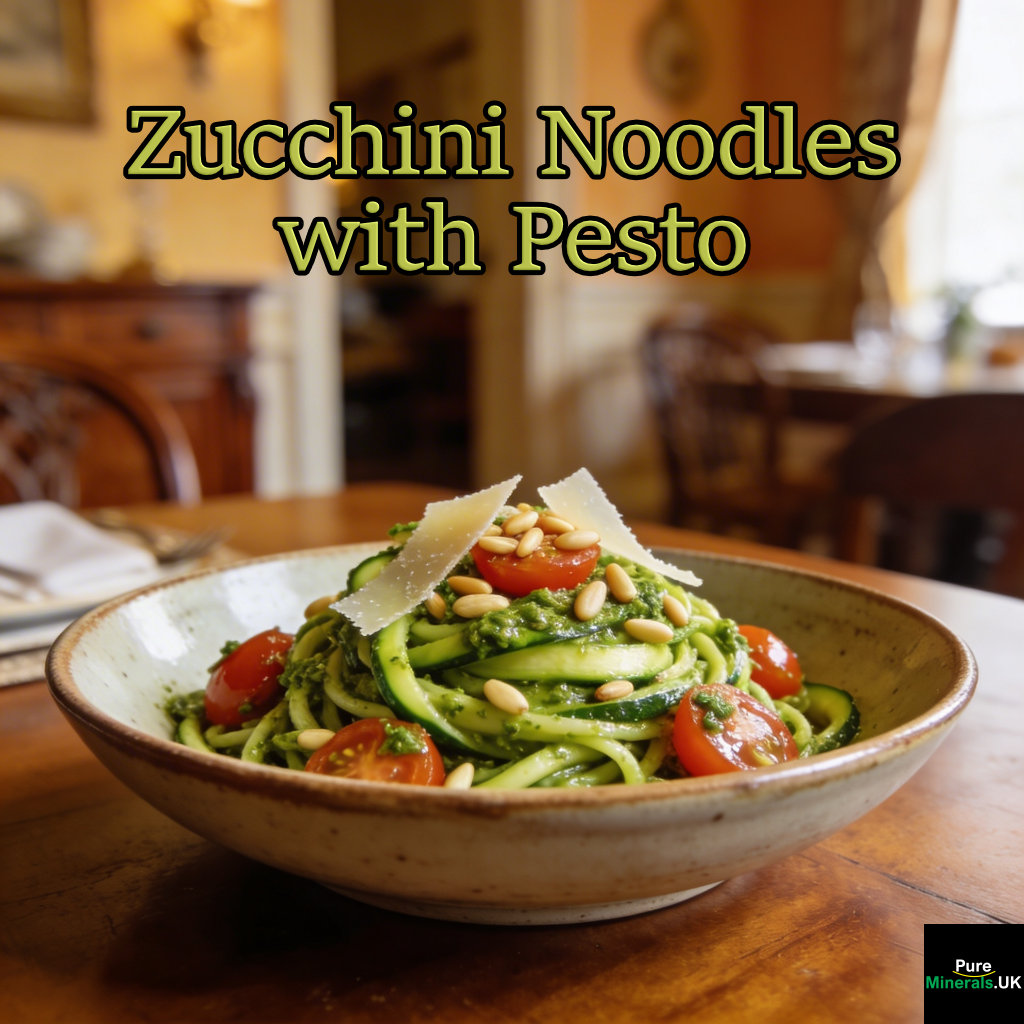
Spiralize two medium zucchini using a spiralizer or a julienne peeler. Toss the raw zoodles immediately with 3 tablespoons of fresh basil pesto, a squeeze of lemon juice, a pinch of sea salt, and a small handful of toasted pine nuts. Serve immediately — don’t cook them. The heat from the pesto slightly softens the noodles to a perfect al dente texture without turning them into mush. Adding a few halved cherry tomatoes and shaved Parmesan takes this dish from a simple swap to a genuinely satisfying meal under 300 calories. For a crunchy twist, consider adding water chestnuts to your zoodles.
The reason this works nutritionally is straightforward: you’re replacing approximately 43 grams of carbohydrates from a cup of regular spaghetti with roughly 4 grams from zoodles — while gaining extra vitamin C, potassium, and antioxidants that pasta simply doesn’t provide. It’s a structural improvement to the dish, not just a calorie cut.
Roasted Zucchini with Garlic and Parmesan
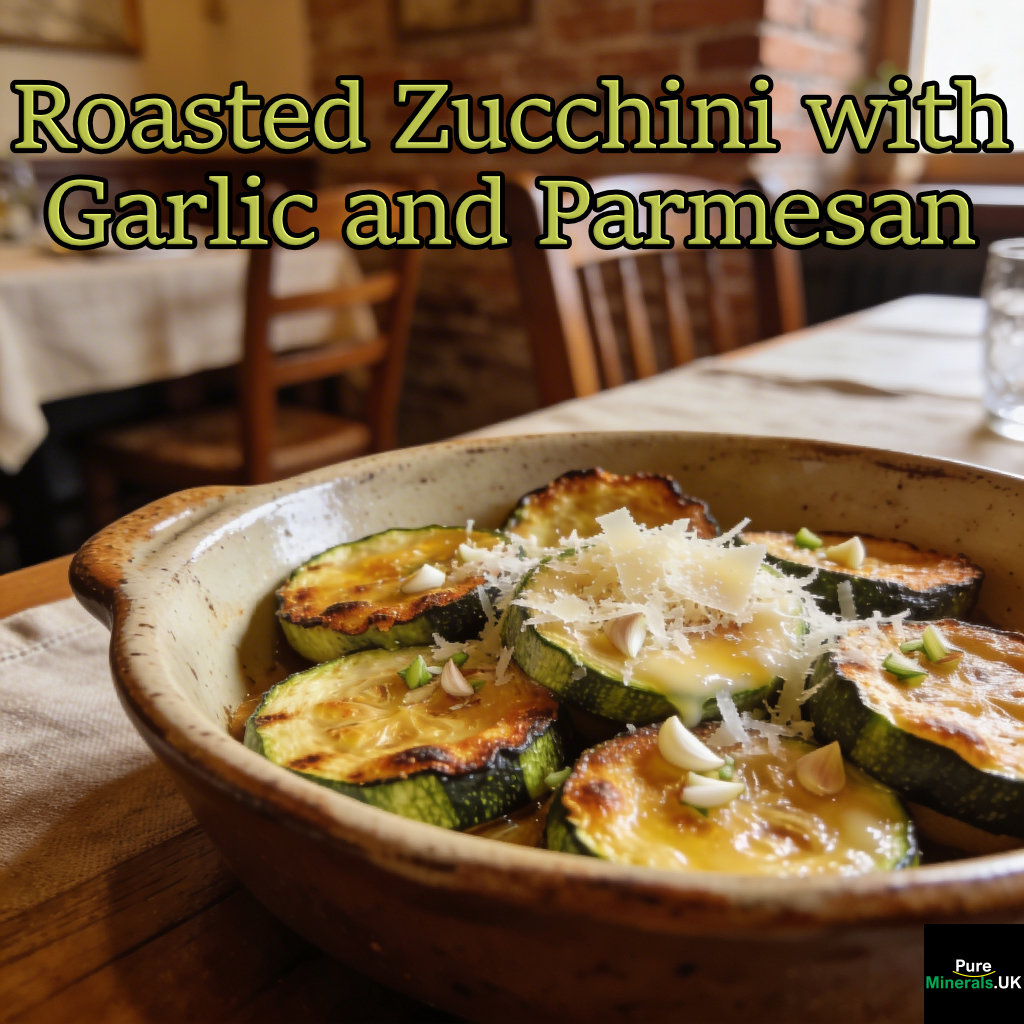
Preheat your oven to 425°F (220°C). Slice two medium zucchini into half-inch rounds, toss with 2 tablespoons of olive oil, 3 minced garlic cloves, salt, and black pepper. Spread in a single layer on a parchment-lined baking sheet — crowding the pan steams rather than roasts, preventing caramelization. Roast for 20 minutes, flip each piece, sprinkle generously with freshly grated Parmesan, and roast for another 5–8 minutes until golden. The result is slightly crispy on the edges, tender in the center, and deeply savory. The olive oil here isn’t just flavor — it actively enhances the absorption of zucchini’s fat-soluble carotenoids, making this preparation one of the most nutritionally efficient ways to eat zucchini.
Zucchini Fritters
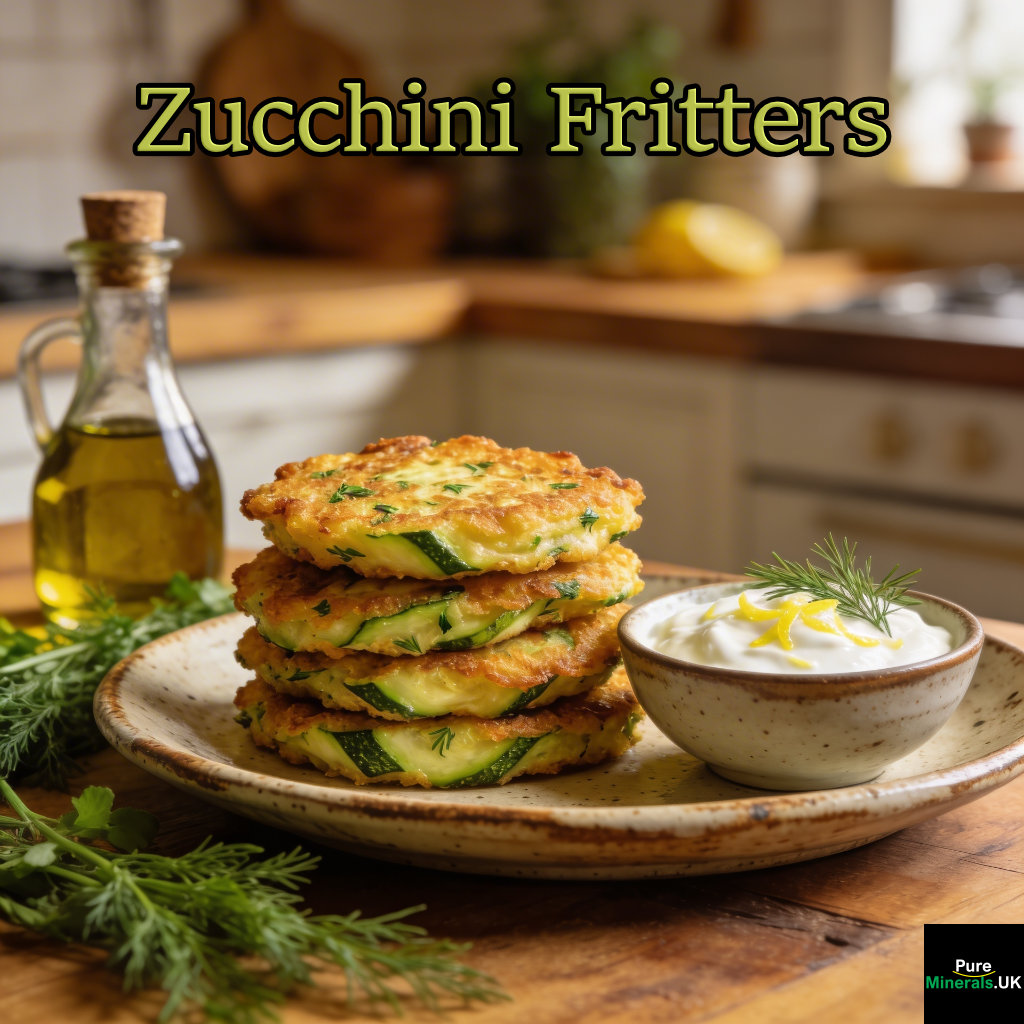
Grate two medium zucchini on a box grater, then place the shredded zucchini in a clean kitchen towel and wring out as much moisture as possible — this step is non-negotiable. Too much water and the fritters won’t bind or crisp. Combine the dried zucchini with 1 egg, 3 tablespoons all-purpose flour (or almond flour for a low-carb version), 2 tablespoons grated Parmesan, salt, pepper, and a handful of chopped fresh chives. Form into palm-sized patties and pan-fry in olive oil over medium-high heat for 3–4 minutes per side until deeply golden. Serve with a dollop of Greek yogurt mixed with lemon and dill.
Fritters are one of the best ways to introduce zucchini to picky eaters or children — the crispy exterior and savory flavor profile don’t read as “healthy vegetables,” which means the nutritional benefits land without the resistance. Each fritter delivers fiber, B vitamins, and a meaningful amount of potassium in a format that’s genuinely fun to eat.
Eat the Skin — That’s Where Most Nutrients Are
The single most common nutritional mistake people make with zucchini is peeling it. The skin of zucchini is not just edible — it’s the most nutritionally dense part of the entire vegetable. Removing it before cooking or eating means you’re discarding a significant portion of the fiber, antioxidants, and vitamins that make zucchini worth eating in the first place. For a similar nutrient-rich vegetable, consider exploring the benefits of snap peas.
The deep green color of zucchini skin signals the presence of chlorophyll and concentrated carotenoids — the same antioxidants linked to eye health, reduced oxidative stress, and lower chronic disease risk. Lutein and zeaxanthin are particularly concentrated in the outer layers of the flesh and skin. When you peel zucchini, those compounds go in the bin.
Texturally, the skin also performs a structural function during cooking. It holds zucchini rounds and slices together on the grill or in the oven, preventing them from falling apart when they soften. This is especially important for grilling — skinless zucchini slices often disintegrate on the grill grates. The skin acts as a natural casing that keeps the piece intact through high-heat cooking.
The only time peeling makes practical sense is in certain baking applications — like zucchini bread — where the green flecks of skin are aesthetically unwanted, or in very fine purées where a completely smooth texture is required. In every other preparation, leave the skin on. It costs you nothing and gains you everything nutritionally.
Nutrient Concentration Comparison: Zucchini With Skin vs. Without
The outer skin and immediately underlying flesh of zucchini contains the highest concentrations of:
• Lutein & Zeaxanthin — Significantly higher in skin-on preparations; these carotenoids are the primary antioxidants responsible for eye health protection.
• Dietary Fiber — The peel contributes meaningful insoluble fiber that supports digestive regularity.
• Chlorophyll — Present only in the green skin; linked to antioxidant activity and cellular protection.
• Vitamin C — More concentrated near the surface of the zucchini than in the interior flesh.Practical takeaway: Always wash zucchini thoroughly under cold running water before eating, but leave the skin intact for maximum nutritional benefit.
Important note: Zucchini
Zucchini is widely recognized as safe when consumed as a food. As with other cucurbit vegetables, rare instances of bitterness may indicate elevated levels of naturally occurring compounds, and such specimens should not be consumed. This article is provided for educational purposes only and does not constitute medical advice. Individuals with specific dietary concerns should consult a qualified healthcare professional before making significant dietary changes.
Frequently Asked Questions
Here are direct answers to the most common questions people have about zucchini — covering its classification, calorie content, safety raw, suitability for diabetes, and the courgette naming confusion.
Is zucchini a fruit or a vegetable?
Botanically, zucchini is a fruit. It develops from the flower of the Cucurbita pepo plant and contains seeds, which is the botanical definition of a fruit. However, in culinary and nutritional contexts, zucchini is universally treated as a vegetable because of its savory flavor profile and the way it’s used in cooking. This distinction matters more in biology class than in the kitchen — but it does explain why zucchini appears on both vegetable and fruit nutrition lists depending on the source.
Botanical Fruit vs. Culinary Vegetable — What’s the Difference?
Botanical fruit: Any plant part that develops from a flower and contains seeds. Examples include zucchini, tomatoes, cucumbers, peppers, and avocados.
Culinary vegetable: Any edible plant part used in savory cooking, regardless of botanical classification. In this category, zucchini, tomatoes, and cucumbers are all treated as vegetables.
The difference is classification framework, not nutritional value. Zucchini’s health benefits are the same regardless of which category you place it in.
This botanical quirk puts zucchini in the same category as tomatoes, cucumbers, and peppers — all botanical fruits that we cook and eat as vegetables. The classification doesn’t change zucchini’s nutritional profile or how your body processes it.
From a dietary planning perspective, treat zucchini as a non-starchy vegetable. It behaves like one in every meaningful nutritional sense — low in sugar, low in calories, and compatible with vegetable-based dietary targets rather than fruit-based ones.
How many calories are in a medium zucchini?
A medium raw zucchini (approximately 196 grams) contains around 33 calories. A large raw zucchini comes in at approximately 55 calories. One cup of cooked zucchini (180 grams) contains roughly 27 calories — slightly fewer than raw because cooking reduces total weight through water loss. These calorie counts make zucchini one of the lowest-calorie whole foods available, allowing generous portions without meaningful caloric impact.
Can you eat zucchini raw?
Yes — and raw zucchini retains more vitamin C than cooked. Commercially grown zucchini is safe to eat raw without any preparation beyond washing. The only scenario to watch for is unusually bitter-tasting zucchini, which can indicate elevated cucurbitacin levels — a naturally occurring bitter compound that can cause nausea and gastrointestinal discomfort in large quantities. This is more common in homegrown or wild varieties. If your zucchini tastes noticeably bitter, don’t eat it raw (or at all in significant quantities). Standard grocery-store zucchini has been cultivated to keep cucurbitacin levels negligible and is reliably safe to eat raw.
Is zucchini good for people with diabetes?
Zucchini is one of the best vegetables for people managing diabetes or blood sugar concerns. With a glycemic index of approximately 15 — firmly in the low-GI range — zucchini causes minimal impact on blood glucose levels. Its combination of soluble fiber, high water content, and very low net carbohydrates (approximately 3 grams per cooked cup) means it digests slowly and releases glucose gradually rather than triggering sharp blood sugar spikes. For those looking for similar low-GI vegetables, turnips can be a great addition to your diet.
Practically, zucchini can be used as a direct substitute for high-GI carbohydrate sources in diabetic meal planning. Zucchini noodles replacing pasta, diced zucchini extending rice portions, or grated zucchini added to casseroles to reduce starch density are all evidence-supported strategies for keeping post-meal blood glucose in a healthy range without sacrificing meal volume or satisfaction. Always consult a registered dietitian or healthcare provider for personalized dietary management of diabetes.
What is the difference between zucchini and courgette?
Zucchini and courgette are the same vegetable — the name difference is purely regional. “Zucchini” is used in North America, Australia, and Germany, derived from the Italian word zucchino, meaning small squash. “Courgette” is the term used in the United Kingdom, France, Ireland, and most of continental Europe, derived from the French diminutive of courge, meaning gourd.
Both names refer to Cucurbita pepo, the same species, and there is no nutritional or culinary difference between them whatsoever. Any recipe calling for courgette can be made with zucchini, and vice versa — the ingredient is identical. The size conventions used in recipes may differ slightly between British and American sources (British recipes often call for smaller courgettes; American recipes tend to use larger zucchini), but the vegetable itself is the same in every meaningful way. For more information on the health benefits of zucchini, you can explore additional resources.
If you see “zucchini” in a North American cookbook and “courgette” in a British one and wonder whether they’re interchangeable, they are, completely and without exception. Shop for whichever name your local grocery store uses and cook with confidence.
Zucchini, also known as courgette, is a versatile vegetable with a rich nutritional profile. It’s an excellent source of hydration, making it a great addition to any diet. Zucchini is low in calories but high in essential nutrients, which makes it an ideal choice for those looking to maintain a healthy lifestyle. Its culinary uses are diverse, ranging from salads to baked goods. For more detailed information on its health benefits, check out this comprehensive guide on zucchini.