

Published: 1 February 2026
Last Updated: 25 February 2026
This article is periodically reviewed and updated to reflect current scientific understanding by Vic George.

What Is a Sweet Potato and Why Is It Considered a Superfood?
Sweet potatoes (Ipomoea batatas) are root vegetables valued for their natural sweetness, versatility, and nutrient density. They are often described as a superfood because they are rich in beta-carotene, which the body can convert into vitamin A, along with dietary fiber, potassium, vitamin C, and a range of naturally occurring antioxidant compounds.
From a nutritional perspective, sweet potatoes contribute to overall diet quality by supplying complex carbohydrates and micronutrients that support normal vision, immune maintenance, energy metabolism, and cellular function. Their value lies not in any single guaranteed outcome, but in their ability to provide sustained energy and improve nutrient intake when included regularly as part of a balanced and varied eating pattern.
Sweet potatoes can be baked, roasted, steamed, mashed, or added to soups, curries, and casseroles. They are naturally gluten-free and can be used in both savoury and sweet recipes. As with all foods commonly labelled as superfoods, sweet potatoes offer the greatest benefit when consumed in sensible portions as part of long-term healthy dietary habits.
Key Takeaways
- Sweet potatoes are packed with beta-carotene, providing up to 400% of your daily vitamin A requirements in just one medium sweet potato.
- Beyond beta-carotene, these root vegetables contain substantial amounts of vitamin C, potassium, and manganese to support overall health.
- Regular consumption of sweet potatoes may help maintain eye health, boost immune function, and support heart health.
- Unlike regular potatoes, sweet potatoes have a lower glycemic index, making them a better choice for blood sugar management.
- Different varieties (orange, purple, white) offer unique nutritional profiles, with purple sweet potatoes containing additional antioxidants called anthocyanins.
Sweet potatoes are more than just a delicious alternative to regular potatoes – they’re a nutritional powerhouse that deserves a regular spot in your meal rotation. As someone who has studied natural foods extensively, I can tell you that few vegetables offer the impressive combination of flavor and health benefits found in this humble root vegetable. Whether baked, roasted, or mashed, sweet potatoes provide a versatile base for countless recipes while delivering exceptional nutritional value that supports everything from eye health to immune function.
For years, I’ve recommended sweet potatoes as a staple food for those looking to improve their diet naturally. The vibrant orange flesh of common varieties isn’t just visually appealing – it’s a signal of the abundant beta-carotene inside, which your body converts to vitamin A. This makes sweet potatoes one of nature’s most efficient ways to meet your vitamin A needs through food rather than supplements. The natural health community has long recognized these benefits, and now modern research continues to validate what traditional wisdom has known for generations.
Why Sweet Potatoes Are My Go-To Superfood for Health and Flavor
I’ve always been drawn to foods that offer both exceptional taste and nutritional benefits, and sweet potatoes top that list. Unlike many “superfoods” that require an acquired taste, sweet potatoes naturally appeal to most palates with their subtle sweetness and satisfying texture. This unique combination makes them perfect for everything from savory dinner sides to naturally sweet breakfast dishes. Their versatility in the kitchen is matched only by their impressive nutritional profile.
What truly sets sweet potatoes apart is their remarkable beta-carotene content. This powerful antioxidant gives them their characteristic orange color and transforms into vitamin A in the body. Just one medium sweet potato (about 114g) provides approximately 400% of your daily vitamin A requirements – a nutritional achievement few other single foods can match. This makes them particularly valuable for supporting vision, immune function, and cellular health without requiring specialized supplements or exotic ingredients.
Beyond their nutritional density, sweet potatoes offer practical advantages that make them accessible for nearly everyone. They’re affordable, available year-round in most locations, and have an impressive shelf life when stored properly. I’ve found they’re also one of the easiest vegetables to incorporate into meals for people who generally resist healthier eating – their natural sweetness appeals to both adults and children, making them a perfect “gateway vegetable” for improving family nutrition.
- Sweet potatoes contain more fiber than regular potatoes, supporting better digestion
- They’re naturally gluten-free and compatible with most dietary approaches
- Sweet potatoes have a lower glycemic index than white potatoes, making them suitable for blood sugar management
- They’re incredibly versatile in both sweet and savory preparations
- Sweet potatoes require minimal processing to taste delicious
The Beta-Carotene Powerhouse: Sweet Potato Nutrition Facts
When examining the nutritional profile of sweet potatoes, their beta-carotene content immediately stands out. This plant compound belongs to a family of pigments called carotenoids, which give sweet potatoes their vibrant orange hue. What makes beta-carotene particularly valuable is that it functions as a precursor to vitamin A, meaning your body can convert it to this essential vitamin as needed. This conversion process provides a safe way to obtain vitamin A, as your body regulates how much is produced, preventing the potential toxicity associated with excessive preformed vitamin A from supplements.
A medium-sized sweet potato (approximately 114g) contains about 1,400 micrograms of vitamin A as beta-carotene – that’s 156% of the recommended daily intake for men and 200% for women. The same serving provides roughly 4 grams of fiber, 2 grams of protein, and only about 100 calories, making sweet potatoes an incredibly nutrient-dense food. They’re also naturally low in fat and contain no cholesterol, supporting heart health while providing substantial nutrition.
Impressive Beta-Carotene Content Compared to Other Foods
When ranking foods by their beta-carotene content, sweet potatoes consistently place near the top of the list. They contain significantly more beta-carotene than many other commonly consumed vegetables and even outperform some foods specifically known for this nutrient. For example, a medium sweet potato provides approximately 13 times more beta-carotene than a medium white potato. This stark nutritional difference explains why dietary experts often recommend substituting sweet potatoes for regular potatoes when possible.
Beta-Carotene Content Comparison (per 100g)
Sweet Potato: 9,180 mcg
Carrots: 8,285 mcg
Butternut Squash: 4,570 mcg
Cantaloupe: 2,020 mcg
Spinach: 5,580 mcg
White Potato: 1 mcg
Even compared to carrots – often considered the gold standard for beta-carotene – sweet potatoes hold their own, providing comparable or even higher amounts depending on the variety and growing conditions. The advantage sweet potatoes offer is their pleasant taste and texture, making them easier to consume in larger quantities than some other beta-carotene-rich foods. Their versatility in recipes also means you can incorporate them into numerous dishes, making it simpler to consistently benefit from their nutritional properties.
Key Vitamins and Minerals Beyond Beta-Carotene
While beta-carotene takes center stage in sweet potato nutrition, focusing solely on this compound would overlook the impressive array of other nutrients these vegetables provide. Sweet potatoes contain substantial amounts of vitamin C, with a medium potato supplying about 35% of your daily needs. This essential vitamin supports immune function, collagen production, and acts as an antioxidant, protecting cells from damage. The combination of vitamin C and beta-carotene creates a synergistic effect, enhancing the antioxidant protection beyond what either nutrient provides alone.
Sweet potatoes are also a significant source of potassium, providing about 15% of your daily requirement in a medium-sized serving. This important electrolyte helps regulate blood pressure by counteracting sodium’s effects and supports proper muscle function. Additionally, they contain manganese, a trace mineral crucial for bone formation, blood clotting, and reducing inflammation. The presence of vitamin B6 further enhances their nutritional profile, supporting brain development, immune function, and the formation of red blood cells.
Fiber Content and Digestive Benefits
The fiber content in sweet potatoes deserves special attention, particularly for anyone concerned with digestive health. A medium sweet potato provides about 4 grams of fiber, with a good mix of both soluble and insoluble types. The soluble fiber helps regulate blood sugar and cholesterol levels, while the insoluble fiber adds bulk to stool and promotes regular bowel movements. This combination makes sweet potatoes an excellent choice for maintaining digestive wellness.
What’s particularly valuable about sweet potato fiber is how well it integrates into a variety of dishes without compromising texture or taste. Unlike some high-fiber foods that require significant adjustment to enjoy, sweet potatoes deliver their fiber in a naturally delicious package. This dietary fiber also feeds beneficial gut bacteria, potentially supporting a healthier microbiome and improved digestion over time.
5 Major Health Benefits of Sweet Potatoes’ Beta-Carotene
The abundant beta-carotene in sweet potatoes doesn’t just give them their vibrant color – it translates into numerous health benefits that impact multiple body systems. Research continues to uncover new advantages of this powerful plant compound, reinforcing sweet potatoes’ status as a true nutritional powerhouse. Understanding these benefits helps explain why cultures with traditionally high sweet potato consumption often demonstrate specific health advantages, similar to those who incorporate red bell peppers into their diet.
Beta-carotene’s primary function is serving as a precursor to vitamin A, but it also works as an antioxidant in its own right before conversion. This dual functionality means it helps protect cells from oxidative damage while also supplying the raw material for vitamin A production. The body’s ability to regulate this conversion helps prevent vitamin A toxicity, making plant-based beta-carotene a safer option than high-dose vitamin A supplements.
1. Enhanced Eye Health and Vision Protection
The connection between beta-carotene and eye health is one of the most well-established nutritional relationships in medical literature. Once converted to vitamin A, beta-carotene becomes essential for maintaining the integrity of the cornea and conjunctival membranes. It’s also a crucial component of rhodopsin, the light-sensitive protein in your eyes responsible for low-light and night vision. People with vitamin A deficiency often develop night blindness as their first symptom – a condition that adequate sweet potato consumption can help prevent.
Beyond basic vision maintenance, the beta-carotene in sweet potatoes may help protect against age-related macular degeneration (AMD), one of the leading causes of vision loss in older adults. Research suggests that people with higher intake of carotenoids, including beta-carotene, have a lower risk of developing AMD. The antioxidant properties help protect the delicate tissues of the macula from oxidative stress that accumulates with age and exposure to blue light from digital screens.
2. Immune System Strengthening
Vitamin A plays a fundamental role in maintaining the health of mucous membranes throughout the body, including those lining the respiratory, digestive, and urinary tracts. These membranes serve as the body’s first line of defense against pathogens, physically preventing bacteria and viruses from entering deeper tissues. The beta-carotene in sweet potatoes, through conversion to vitamin A, helps ensure these barriers remain strong and functional.
Additionally, vitamin A directly influences immune cell function, particularly affecting the development and differentiation of white blood cells that fight infection. Research shows that vitamin A deficiency impairs immunity and increases susceptibility to infections, while adequate levels support robust immune responses. Regular consumption of beta-carotene-rich foods like sweet potatoes may help reduce the frequency and severity of common infections, particularly during cold and flu season.
3. Skin Health Improvement
The skin benefits of beta-carotene work through multiple mechanisms, addressing both internal and external aspects of skin health. Internally, vitamin A regulates cell production and turnover, ensuring that new skin cells develop properly and old ones are shed efficiently. This process helps maintain the skin’s natural renewal cycle and prevents the buildup of dead cells that can lead to dull, rough-textured skin.
Beyond its vitamin A function, beta-carotene acts as a natural photoprotectant, helping shield skin from UV damage. While it doesn’t replace sunscreen, research suggests that higher levels of dietary carotenoids can increase the skin’s natural resistance to sunburn. Some studies indicate that consistent consumption of beta-carotene-rich foods like sweet potatoes may help reduce skin inflammation and slow certain aspects of photoaging, including the development of fine lines and uneven pigmentation. Learn more about the benefits of spinach, another beta-carotene-rich food.
4. Potential Cancer-Fighting Properties
Beta-carotene’s role in cancer prevention has been the subject of extensive research, with studies suggesting protective effects against several cancer types. The antioxidant properties of beta-carotene help neutralize free radicals that can damage DNA and potentially initiate cancer development. Additionally, vitamin A plays crucial roles in regulating cell growth and differentiation – processes that go awry during cancer formation.
Observational studies have found associations between higher consumption of beta-carotene-rich foods (not supplements) and reduced risk of certain cancers, particularly lung cancer among non-smokers. The complex mixture of phytochemicals in whole foods like sweet potatoes appears to work synergistically in ways that isolated beta-carotene supplements cannot replicate. This highlights the importance of obtaining nutrients from whole food sources rather than relying solely on supplements.
5. Heart Health Support
The cardiovascular benefits of sweet potatoes stem from multiple nutritional components working together, with beta-carotene playing a significant role. As an antioxidant, beta-carotene helps prevent oxidation of LDL cholesterol – a key initial step in the development of atherosclerosis. Oxidized LDL particles are more likely to accumulate in artery walls, forming the plaques that restrict blood flow and increase heart attack risk.
Research suggests that people with higher blood levels of beta-carotene tend to have lower rates of heart disease. These benefits appear to be enhanced when beta-carotene is consumed alongside other nutrients found in sweet potatoes, such as potassium, fiber, and various antioxidant compounds. The potassium content helps regulate blood pressure, while the fiber helps manage cholesterol levels – creating a comprehensive approach to heart health support. For a unique nutrient source, consider incorporating seaweed into your diet as well.
Orange vs. Purple vs. White Sweet Potatoes: Which Should You Choose?

Sweet potatoes come in several varieties distinguished primarily by their flesh color – orange, purple, and white being the most common. Each variety offers a unique nutritional profile and flavor characteristics, giving you options to suit different health goals and culinary applications. While all types provide excellent nutrition, understanding their differences can help you make more informed choices based on your specific needs. For instance, if you’re looking to incorporate more greens in your diet, consider pairing sweet potatoes with nutrient-rich options like spinach.
The orange-fleshed varieties most common in North America contain the highest levels of beta-carotene, making them the optimal choice for vitamin A benefits. Purple varieties contain less beta-carotene but compensate with anthocyanins – the same type of antioxidants found in blueberries and red wine. White-fleshed sweet potatoes contain the least beta-carotene but offer a milder flavor that some prefer, along with decent amounts of fiber and potassium.
Rather than viewing these varieties as competing alternatives, consider incorporating different types into your diet to benefit from their complementary nutritional profiles. Each offers distinct advantages, and dietary diversity generally supports better overall nutrition than relying exclusively on a single variety. The specific sweet potato you choose might depend on your health priorities, the dish you’re preparing, or simply what’s available in your local market.
Sweet Potato Variety | Beta-Carotene Content | Special Nutrients | Flavor Profile | Best Cooking Methods |
|---|---|---|---|---|
Orange | Very High | Vitamins A and C | Sweet, moist | Baking, roasting, mashing |
Purple | Moderate | Anthocyanins, antioxidants | Less sweet, denser | Steaming, roasting |
White | Low | Potassium, fiber | Mild, starchier | Frying, grilling |
Nutritional Differences Between Varieties
The nutritional profiles of sweet potato varieties differ significantly beyond their beta-carotene content. Orange sweet potatoes contain approximately 9,180 micrograms of beta-carotene per 100 grams, while purple varieties contain only about one-third that amount. However, purple sweet potatoes compensate with high levels of anthocyanins – powerful antioxidants linked to improved cognitive function and reduced inflammation. These anthocyanins, which give the purple varieties their distinctive color, provide unique health benefits not found in orange varieties.
White-fleshed sweet potatoes, while lower in beta-carotene, often contain more starch and slightly higher calorie content than their colored counterparts. They still provide valuable nutrients, including potassium, vitamin C, and fiber, making them nutritionally superior to regular white potatoes. Some studies suggest white sweet potatoes may have better blood sugar-regulating properties due to specific proteins they contain, potentially making them beneficial for individuals monitoring glucose levels.
Best Uses for Each Type in Cooking
Each sweet potato variety brings different characteristics to the kitchen that make it suited for specific cooking applications. Orange sweet potatoes, with their higher moisture content and pronounced sweetness, excel in recipes where a soft, creamy texture is desired. They’re perfect for mashing, using in baked goods like sweet potato pie, or roasting until caramelized. Their natural sweetness intensifies with cooking, making them ideal for dishes where you want to highlight this quality.
Purple sweet potatoes have a drier, denser texture and less pronounced sweetness, making them excellent for applications where you want the potato to hold its shape. They shine in roasted vegetable medleys, hash recipes, and as colorful additions to salads. The starchier nature of white sweet potatoes makes them particularly good for applications like fries, chips, or dishes where you want a firmer texture. Their mild flavor makes them versatile bases that take well to both savory seasonings and sweet accompaniments.
How to Select, Store, and Prepare Sweet Potatoes
Selecting the perfect sweet potato begins with examining its skin condition – look for smooth, firm potatoes without wrinkles, soft spots, or sprouts. Size matters less than condition, though medium-sized potatoes tend to have the best flavor-to-texture ratio. The sweet potato should feel heavy for its size, indicating good moisture content and density. I’ve found that sweet potatoes with tapered ends tend to be less stringy than those with rounded ends, though this varies by variety.
Many people don’t realize that sweet potatoes are actually quite perishable when stored improperly. Unlike regular potatoes, they should never be refrigerated unless already cooked, as cold temperatures alter their cell structure and create an unpleasant taste. For optimal preservation, store them in a cool, dark, well-ventilated place away from onions (which accelerate deterioration). A kitchen cabinet or pantry typically works well, allowing sweet potatoes to stay fresh for 3-5 weeks under ideal conditions.
Picking the Perfect Sweet Potato at the Store
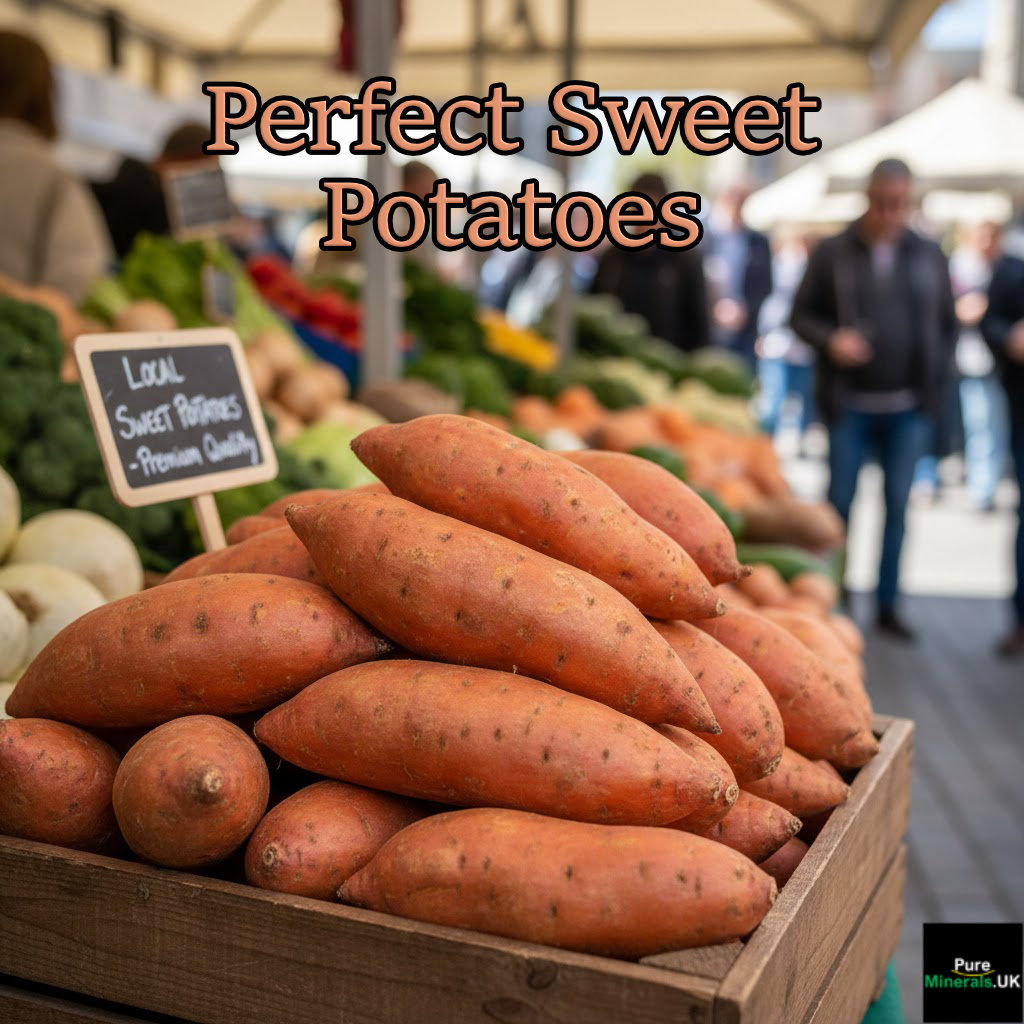
When shopping for sweet potatoes, look beyond surface appearance to indicators of quality and freshness. A good sweet potato should have a uniform color appropriate to its variety – vibrant orange, deep purple, or creamy white, depending on the type. The skin should be tight and largely free from blemishes, though small imperfections don’t necessarily indicate quality issues. Avoid any with a greenish tint, as this can indicate the development of solanine, a naturally occurring toxin that can cause digestive discomfort.
Don’t be deterred by oddly shaped sweet potatoes – these often taste identical to their more photogenic counterparts and frequently cost less. Pay attention to firmness; a sweet potato should yield slightly to firm pressure but never feel soft or spongy. If possible, choose organic sweet potatoes, particularly if you plan to eat the skin, which contains additional fiber and nutrients but may also harbor pesticide residues in conventionally grown varieties.
Storage Methods That Extend Shelf Life
Proper storage can significantly extend your sweet potatoes’ usability and preserve their nutritional value. The optimal storage temperature falls between 55-60°F (13-15°C) with moderate humidity – conditions that slow respiration without causing chilling injury. Never store sweet potatoes in plastic bags, which trap moisture and accelerate spoilage. Instead, place them in paper bags, baskets, or open containers that allow air circulation while protecting them from light exposure that can trigger sprouting. For more on how to preserve nutritional value, consider exploring the benefits of red bell peppers.
For long-term storage, consider curing your sweet potatoes first – a process that heals small wounds and converts starches to sugars, improving both flavor and shelf life. This involves keeping them at about 80-85°F (27-29°C) with 85-90% humidity for about a week, after which they can last for several months when properly stored. Curing develops a second skin that protects against moisture loss and spoilage organisms, effectively transforming sweet potatoes into seasonal staples that remain available long after harvest.
Basic Preparation Techniques That Preserve Nutrients
To maximize the nutritional benefits of sweet potatoes, preparation methods matter significantly. Steaming sweet potatoes retains more nutrients than boiling, which can leach water-soluble vitamins into the cooking water. When roasting, leaving the skin on not only preserves the fiber-rich exterior but also helps retain nutrients that might otherwise be lost. Keeping cut pieces larger rather than smaller also minimizes nutrient loss by reducing the surface area exposed to heat and oxygen.
The fat you pair with sweet potatoes can enhance or diminish their nutritional value. Beta-carotene is fat-soluble, meaning it’s better absorbed when consumed with a healthy fat source. Adding a small amount of olive oil, coconut oil, or avocado to your sweet potato dish increases carotenoid absorption by up to 400% compared to fat-free preparations. This makes roasting with a light oil coating not just delicious but nutritionally advantageous compared to fat-free cooking methods.
5 Delicious Sweet Potato Recipes Beyond the Casserole
Sweet potatoes deserve to be featured in far more than the annual Thanksgiving casserole topped with marshmallows. Their versatility allows them to shine in every meal of the day, from breakfast to dessert, and across cultural culinary traditions from around the world. By expanding your sweet potato repertoire, you can enjoy its nutritional benefits more frequently while discovering new flavor combinations that keep meals interesting and satisfying.
The natural sweetness of these root vegetables pairs beautifully with both complementary sweet flavors and contrasting savory ones. They balance well with spicy, smoky, and acidic ingredients, making them incredibly versatile in the kitchen. Whether you’re looking for comfort food or nutritious meal prep options, sweet potatoes can adapt to your culinary needs while providing consistent nutritional benefits regardless of how they’re prepared.
1. Breakfast: Sweet Potato Hash with Eggs

Start your day with a nutrient-dense breakfast by dicing sweet potatoes into small cubes, sautéing them until crispy on the outside and tender inside, then adding onions, bell peppers, and your favorite seasonings. Create wells in the hash and crack eggs directly into them, covering the pan until the eggs reach your preferred doneness. This single-skillet breakfast delivers a perfect balance of complex carbohydrates, protein, and vegetables that provides sustained energy throughout the morning while incorporating the beta-carotene benefits of sweet potatoes.
The versatility of this dish makes it ideal for both weekday and weekend mornings – it comes together in about 20 minutes if the sweet potatoes are pre-diced, but feels special enough for leisurely brunches. Adding black beans increases the protein and fiber content, while a sprinkle of cheese or avocado slices adds healthy fats that enhance beta-carotene absorption. For meal prep convenience, pre-cook the sweet potato hash portion and refrigerate, then simply reheat and add fresh eggs when ready to eat.
2. Lunch: Roasted Sweet Potato Salad with Lime Dressing

Reimagine potato salad by roasting sweet potato chunks until caramelized, then tossing them with black beans, corn, red onion, and cilantro for a vibrant lunch that’s delicious both warm and cold. A dressing of lime juice, olive oil, cumin, and a touch of honey brings everything together with bright, complementary flavors. This dish travels well for lunch boxes or picnics, actually improving in flavor after sitting for a few hours as the ingredients marry together.
What makes this salad nutritionally exceptional is its complete nutritional profile – combining the beta-carotene from sweet potatoes with plant protein from beans, additional fiber from vegetables, and healthy fats from olive oil creates a meal that supports sustained energy. The acid from the lime juice not only brightens flavors but also helps stabilize blood sugar response, while also making the iron in the beans more bioavailable. For additional protein, add grilled chicken or a sprinkle of pumpkin seeds on top.
3. Dinner: Sweet Potato and Black Bean Chili

This hearty plant-based chili combines diced sweet potatoes with black beans, tomatoes, onions, bell peppers, and warming spices like cumin, chili powder, and smoked paprika. The sweet potatoes break down slightly during cooking, naturally thickening the chili while their sweetness balances the acidity of the tomatoes and the heat from the spices. Topped with avocado, cilantro, and a squeeze of lime, this one-pot meal delivers exceptional nutrition with minimal effort, making it perfect for busy weeknights or batch cooking for the week ahead.
The nutritional synergy in this chili magnifies its health benefits beyond what each ingredient offers alone. The vitamin C from the tomatoes and bell peppers enhances iron absorption from the beans, while the healthy fats in the avocado garnish boost carotenoid absorption from the sweet potatoes. With over 15 grams of fiber per serving, this meal supports digestive health and provides long-lasting satiety. For those seeking additional protein, ground turkey or chicken can be incorporated without compromising the dish’s fundamental nutritional benefits.
4. Side Dish: Grilled Sweet Potato Slices with Cilantro-Lime Dressing

Grilling transforms sweet potatoes, creating a lightly charred exterior and an almost custard-like interior that’s impossible to achieve with other cooking methods. Slice sweet potatoes into 1/2-inch rounds, brush with olive oil, and grill for 4-5 minutes per side until tender and marked with grill lines. Drizzle with a simple cilantro-lime dressing made from fresh lime juice, olive oil, minced cilantro, and a touch of honey for an elevated side dish that pairs beautifully with grilled proteins or stands alone as a vegetarian main when topped with crumbled feta or cotija cheese.
This preparation method actually enhances the nutritional value of sweet potatoes in several ways. The caramelization that occurs during grilling increases the antioxidant activity through the Maillard reaction, creating new beneficial compounds not present in raw sweet potatoes. The minimal water contact preserves water-soluble nutrients often lost in boiling or steaming, while the addition of olive oil in both the initial preparation and dressing maximizes carotenoid absorption. For a complete meal, serve alongside grilled fish or a hearty bean salad.
5. Snack: Crispy Baked Sweet Potato Fries

Transform sweet potatoes into guilt-free fries by cutting them into even sticks, tossing with a small amount of cornstarch for crispness, then coating lightly with olive oil and your preferred seasonings. Bake at 425°F on a preheated baking sheet, ensuring the fries aren’t overcrowded, and flip halfway through cooking. The result is a crispy-outside, tender-inside alternative to traditional French fries that delivers beta-carotene along with that satisfying snack experience that both adults and children crave.
Make Sweet Potatoes a Regular Part of Your Healthy Diet
Incorporating sweet potatoes into your regular meal rotation doesn’t require culinary expertise or special ingredients – just a willingness to experiment with this versatile root vegetable. Start by substituting sweet potatoes for regular potatoes in familiar recipes, then gradually explore the variety of dishes where their natural sweetness and nutritional profile can truly shine. The key to long-term dietary changes is finding preparations you genuinely enjoy, not just those you eat for health benefits alone. Fortunately, sweet potatoes offer the rare combination of exceptional nutrition and delicious flavor that makes healthy eating feel like a pleasure rather than a compromise.
Important Note: Sweet Potatoes
Sweet potatoes are safe for most individuals when eaten as food. Those managing blood sugar levels should consider portion size within a balanced diet.
A Note on Superfoods, Minerals, Modern Diets, and Supplementation
While foods often described as superfoods, like sweet potatoes, can provide valuable nutrients and plant compounds, it is increasingly recognized that modern agricultural practices have reduced the natural mineral content of many soils. Intensive farming, repeated crop cycles, and the widespread use of agrichemicals mean that even high-quality whole foods may no longer contain the full range of naturally occurring, plant-derived trace minerals that were once more abundant in traditional diets.
For this reason, some people choose to complement a whole-food diet with mineral and vitamin supplementation. In particular, hydrophilic (water-soluble) plant-derived trace minerals differ in structure and bioavailability from many common rock-derived mineral supplements. These minerals occur naturally in plants and were historically consumed through mineral-rich soils and vegetation.
I have personally used a broad-spectrum plant-derived trace mineral supplement for over twenty years, alongside the recommended daily intake of essential vitamins. This approach has formed part of my long-term nutritional routine. My own experience, which I describe in detail elsewhere, reflects the potential value of addressing micronutrient gaps that diet alone may not fully cover in the modern food environment.
If you would like to explore this topic further, I have written an in-depth article describing my personal experience with plant-derived trace mineral supplementation, including background information and sourcing considerations:
The trace minerals and complementary vitamins discussed there are available through my web shop in several forms, including liquids, capsules, powders suitable for recipes, and formulations intended for pets. As with all supplements, individual needs vary, and readers are encouraged to make informed choices and seek professional guidance where appropriate.
This article is for informational purposes only and is not intended as medical advice. Nutritional needs vary between individuals. Always consult a qualified healthcare professional before making significant dietary changes, especially if you have a medical condition or take prescription medications.
Frequently Asked Questions
As sweet potatoes have gained popularity in health-conscious circles, many questions have arisen about their optimal use, preparation, and nutritional benefits. The following answers address the most common inquiries based on current scientific understanding and practical kitchen experience with these versatile root vegetables.
Are sweet potatoes healthier than regular potatoes?
Sweet potatoes generally offer more nutritional benefits than regular white potatoes, primarily due to their significantly higher beta-carotene content. While both provide important nutrients like potassium and vitamin C, sweet potatoes contain substantially more vitamin A in the form of beta-carotene, more fiber per serving, and typically have a lower glycemic index, causing a more gradual blood sugar response. They also contain unique antioxidant compounds not found in white potatoes, including various carotenoids and, in purple varieties, anthocyanins.
That said, regular potatoes aren’t nutritionally empty – they provide substantial amounts of potassium, some B vitamins, and resistant starch (especially when cooled after cooking). The healthiest approach is to include both in your diet rather than viewing them as competitors, recognizing that sweet potatoes offer specific nutritional advantages while traditional potatoes have their own benefits. When possible, consume both with their skins intact to maximize fiber intake, and prepare them using methods that don’t add excessive fat or sodium, such as incorporating seaweed for added flavor without extra sodium.
Can I eat sweet potato skin, or should I peel it?
The skin of sweet potatoes is entirely edible and nutritionally valuable, containing significant fiber and additional nutrients like potassium. For conventionally grown sweet potatoes, washing thoroughly under running water and scrubbing with a vegetable brush removes most surface contaminants. For those concerned about pesticide residues, choosing organic sweet potatoes or peeling conventional ones represents the safest approach, though this does reduce the total fiber content of the prepared dish.
How much beta-carotene do I need daily, and how many sweet potatoes would provide this?
The recommended dietary allowance (RDA) for vitamin A is 900 mcg for men and 700 mcg for women, which translates to about 10,800 mcg and 8,400 mcg of beta-carotene, respectively, based on the conversion ratio. One medium sweet potato (about 114g) contains approximately 1,400 mcg of vitamin A equivalent from beta-carotene – meeting 156% of men’s daily needs and 200% of women’s requirements. This means eating just one medium sweet potato several times per week provides sufficient beta-carotene to maintain optimal vitamin A levels, while enjoying them daily provides abundant amounts that support antioxidant functions beyond basic vitamin A needs.
Do sweet potatoes raise blood sugar levels?
Sweet potatoes have a lower glycemic index (GI) than regular potatoes, typically ranging from 44-61, depending on the specific variety and cooking method, compared to 60-98 for regular potatoes. This moderate GI classification means they cause a more gradual rise in blood sugar levels than high-GI foods. Additionally, their fiber content helps slow digestion and sugar absorption, while their significant potassium content supports proper insulin function. For individuals monitoring blood glucose, sweet potatoes can generally be included in moderation as part of a balanced meal plan, especially when paired with protein and healthy fats that further moderate their glycemic impact.
Can I freeze cooked sweet potatoes for later use?
Cooked sweet potatoes freeze exceptionally well, maintaining both their nutritional value and texture when properly prepared and stored. For best results, cook sweet potatoes until just tender (slightly undercooking if they’ll be reheated later in recipes), cool completely, then package in airtight containers or freezer bags with as much air removed as possible. Frozen cooked sweet potatoes maintain quality for 10-12 months, making them excellent candidates for batch cooking and meal preparation. Purees, mashes, and cubed sweet potatoes all freeze successfully, while pre-baked whole sweet potatoes can be frozen then reheated directly from frozen in a 350°F oven until warmed through for a convenient side dish or quick meal foundation.
Whether you’re new to sweet potatoes or looking to expand your repertoire beyond the basic baked version, these nutrient-dense root vegetables offer extraordinary health benefits packaged in delicious, versatile forms. Their exceptional beta-carotene content supports everything from eye health to immune function, while their natural sweetness makes them approachable even for selective eaters. By incorporating various sweet potato varieties and preparation methods into your regular meal planning, you can enjoy their nutritional advantages while keeping meals interesting, satisfying, and health-promoting.
For those concerned with natural approaches to health maintenance, few foods offer the impressive combination of accessibility, affordability, and nutritional density found in sweet potatoes. Their year-round availability and exceptional shelf life make them a practical addition to any health-focused kitchen, while their culinary versatility ensures they never become monotonous in the diet.