

Published: 1 February 2026
Last Updated: 25 February 2026
This article is periodically reviewed and updated to reflect current scientific understanding by Vic George.

What Is Spinach and Why Is It Considered a Superfood?
Spinach (Spinacia oleracea) is a leafy green vegetable widely used in many traditional and modern cuisines. It is often described as a superfood because it is nutrient-dense and provides dietary fiber, iron, magnesium, potassium, and vitamins A, C, and K, along with a range of naturally occurring antioxidant compounds.
From a nutritional perspective, spinach contributes to overall diet quality by supplying micronutrients and plant compounds that support normal immune maintenance, energy metabolism, and cellular function. Its value lies not in a single specific effect, but in its ability to enhance dietary variety and increase vegetable intake when consumed regularly as part of a balanced whole-food diet.
Spinach can be eaten raw in salads and smoothies or cooked in soups, stews, omelettes, and vegetable dishes. Cooking spinach reduces its volume and oxalate content, which may improve mineral absorption for some individuals. As with all foods commonly labelled as superfoods, spinach offers the greatest benefit when included consistently and in sensible portions as part of long-term healthy eating patterns.
Key Takeaways
- Spinach is one of the most nutrient-dense foods available, packing exceptional amounts of vitamins K, A, and C, along with folate, iron, and magnesium in minimal calories.
- Cooking spinach can actually increase the bioavailability of certain nutrients while reducing oxalates, making both raw and cooked preparations beneficial in different ways.
- Fresh baby spinach may be more palatable and versatile, but frozen spinach often contains more concentrated nutrients as it’s typically processed at peak freshness.
- With just one cup of raw spinach providing over 100% of your daily vitamin K needs, regular consumption supports bone health, blood clotting, and potentially heart health.
- Beyond salads, spinach can elevate smoothies, omelets, pasta dishes, and even desserts while dramatically increasing their nutritional profile without overwhelming the flavor.
Popeye was onto something when he made spinach his go-to power food. This humble leafy green might not instantly inflate your muscles, but its impressive nutrient profile does offer genuine health benefits that science continues to validate. From supporting immune function to promoting eye health, spinach earns its superfood status through exceptional nutritional density rather than marketing hype.
Why Spinach Deserves a Place on Your Plate
Spinach has earned its reputation as a nutritional powerhouse for good reason. This leafy green vegetable delivers an impressive array of essential vitamins and minerals while containing minimal calories, making it one of the most nutrient-dense foods available. Whether you’re looking to support bone health, boost immune function, or enhance athletic performance, spinach offers benefits that few other single foods can match. Its versatility in cooking applications only adds to its appeal, allowing you to incorporate this superfood into nearly any meal of the day.
The Shocking Nutrient Density of This Common Leafy Green
When nutritionists speak about “nutrient density,” spinach frequently tops their examples list, and with good reason. A single cup of raw spinach (about 30 grams) contains just 7 calories but provides over 100% of your daily vitamin K needs, 56% of vitamin A, and significant amounts of folate, manganese, magnesium, and iron. Perhaps most impressive is that spinach manages to pack this nutritional punch while weighing more than 90% water. On a calorie-for-calorie basis, few foods on the planet deliver more nutrition, making spinach an efficient choice for anyone seeking maximum nutritional benefit from minimal food volume.
What’s particularly remarkable is how spinach’s nutrient profile changes when cooked. While some water-soluble vitamins decrease slightly with heating, the overall nutrient availability often increases. For example, when spinach is cooked, its volume reduces dramatically as water evaporates, concentrating nutrients in a smaller package. One cup of cooked spinach contains significantly more spinach leaves than one cup raw, effectively multiplying your nutrient intake. Additionally, cooking breaks down cell walls, making certain nutrients—particularly iron, calcium, and beta-carotene—more bioavailable to the body.
How Spinach Outperforms Other Vegetables
While all vegetables offer health benefits, spinach consistently ranks among the most nutritionally complete options available. Compared to iceberg lettuce, for instance, spinach provides more than eight times the vitamin A, five times the folate, and substantially more iron, calcium, and potassium. Even against other nutritional heavyweights like kale, spinach often comes out ahead in certain categories—particularly folate, where spinach provides nearly twice the amount found in kale. This exceptional nutrient profile has earned spinach a perfect score of 100 on the Aggregate Nutrient Density Index (ANDI), placing it alongside kale at the very top of measured foods.
Beyond standard vitamins and minerals, spinach contains an impressive array of plant compounds with demonstrated health benefits. Thylakoids found in spinach leaves may help reduce cravings and promote weight management, while nitrates support cardiovascular health by improving blood vessel function. Spinach also contains unique flavonoids and carotenoids that contribute to its anti-inflammatory and antioxidant properties. Perhaps most notably, spinach is among the best dietary sources of lutein and zeaxanthin, two compounds essential for maintaining eye health and preventing age-related macular degeneration.
Powerful Nutrients in Spinach That Transform Your Health
Spinach’s reputation as a superfood is well-deserved, thanks to its impressive concentration of health-promoting nutrients. From supporting red blood cell production to protecting your vision, these compounds work synergistically to enhance multiple aspects of health. While vitamins A, C, and K often get the spotlight, spinach contains numerous other beneficial components that contribute to its status as a nutritional powerhouse.
Iron and Vitamin C: The Perfect Combination
Spinach has long been celebrated as an iron source, though this reputation requires some clarification. While spinach does contain significant iron (about 2.7mg per 100g of cooked spinach), it’s in the non-heme form, which is less bioavailable than the heme iron found in animal products. However, spinach cleverly compensates for this limitation by also containing vitamin C—approximately 28.1mg per 100g of cooked spinach. This vitamin C significantly enhances non-heme iron absorption by converting it to a more soluble form and counteracting the effects of iron absorption inhibitors.
This natural pairing of iron and vitamin C in spinach creates an ideal nutritional synergy. When you consume spinach, you’re not just getting iron; you’re getting it in a context that optimizes its absorption. This makes spinach particularly valuable for plant-based eaters who rely exclusively on non-heme iron sources. For maximum benefit, consume spinach with additional vitamin C-rich foods like citrus fruits, bell peppers, or tomatoes, and avoid calcium supplements or high-calcium foods during iron-rich meals, as calcium can temporarily inhibit iron absorption.
Vitamin K and Calcium for Bone Health
When it comes to bone health, spinach delivers a powerful one-two punch with its vitamin K and calcium content. A single cup of cooked spinach provides a remarkable 987% of the daily value for vitamin K1, making it one of the richest sources of this critical nutrient. Vitamin K plays an essential role in activating osteocalcin, a protein that binds calcium to bone tissue, effectively strengthening your skeletal structure. Without adequate vitamin K, calcium cannot properly integrate into bone matrix, regardless of how much calcium you consume.
Spinach contains approximately 244mg of calcium per cup when cooked, which is substantial for a plant food. However, spinach’s calcium comes with a caveat: it’s bound to oxalates that reduce absorption. The good news is that cooking spinach can break down some of these oxalates, potentially increasing calcium bioavailability. Even with reduced absorption, spinach’s calcium contribution remains significant, especially when consumed regularly as part of a varied diet that includes other calcium sources.
The synergistic relationship between vitamin K and calcium in spinach exemplifies how whole foods often contain complementary nutrients that work together. Research suggests that people with higher vitamin K intake typically have greater bone mineral density and lower fracture risk. For those concerned about bone health—particularly women approaching menopause and older adults—incorporating spinach into weekly meal rotations offers targeted nutritional support that few supplements can match.
Lutein and Zeaxanthin: Your Eyes’ Best Friends
Spinach stands out as one of nature’s richest sources of lutein and zeaxanthin, two carotenoids that concentrate in the retina and lens of your eyes. These compounds function as natural sunglasses, filtering harmful high-energy blue wavelengths of light and protecting delicate eye tissues from oxidative damage. Regular consumption of these nutrients has been strongly linked to reduced risk of age-related macular degeneration (AMD) and cataracts, the leading causes of vision impairment in older adults. For more information on other nutrient-rich foods, you might be interested in learning about red bell peppers.
A cup of cooked spinach provides approximately 20.4mg of lutein and zeaxanthin—substantially more than most other vegetables. Research suggests that consuming just 6-20mg daily offers significant protection against AMD, placing spinach consumption well within the therapeutic range. What makes these nutrients in spinach particularly valuable is their high bioavailability, especially when consumed with a small amount of healthy fat, which enhances absorption of these fat-soluble compounds.
Nitrates for Heart Health and Athletic Performance
Spinach contains inorganic nitrates that convert to nitric oxide in the body, a compound that helps relax blood vessels and improve blood flow. This natural process can lead to modest reductions in blood pressure, with studies showing an average decrease of 2-3.5mmHg in systolic pressure following regular nitrate consumption. While this may seem small, even modest blood pressure reductions correlate with significantly lower cardiovascular disease risk when maintained over time.
Beyond heart health, spinach’s nitrate content has gained attention in sports nutrition. Research indicates that nitrate consumption can enhance exercise performance by improving mitochondrial efficiency and reducing the oxygen cost of exercise. Several studies have found that athletes consuming nitrate-rich foods like spinach show improved endurance performance and faster recovery between high-intensity efforts. This makes spinach a practical addition to the diet of both casual exercisers looking to improve their workouts and competitive athletes seeking a legal performance edge.
Plant Compounds That Fight Inflammation
Spinach contains an impressive array of anti-inflammatory compounds that help combat chronic inflammation—a root factor in many modern diseases. Chief among these are flavonoids like quercetin, kaempferol, and myricetin, which have demonstrated significant anti-inflammatory effects in both laboratory and human studies. These compounds work by inhibiting specific enzymes involved in inflammatory pathways and neutralizing free radicals that contribute to tissue damage.
The anti-inflammatory benefits of spinach extend to specialized compounds like glycoglycerolipids and thylakoid membranes, which have been shown to inhibit inflammatory enzymes in ways similar to some anti-inflammatory medications, but without the side effects. Regular consumption of spinach has been associated with reduced markers of inflammation in the blood, potentially contributing to a lower risk of inflammatory conditions, from arthritis to cardiovascular disease.
Fresh vs. Frozen vs. Canned: Which Form of Spinach Is Best?
The spinach aisle presents choices that can leave health-conscious shoppers puzzled: fresh, frozen, or canned? Each option offers distinct advantages and limitations, with surprising nutritional differences. Making the right choice depends on your specific cooking needs, storage capacity, and nutritional priorities.
Spinach Type Comparison Chart
Characteristic
Fresh Spinach
Frozen Spinach
Canned Spinach
Vitamin C content
Highest when very fresh
Moderate (flash-freezing preserves)
Lowest (heat processing reduces)
Iron concentration
Lowest per volume
Highest (water removal concentrates)
High but variable
Convenience
Requires washing, stems, spoils quickly
Ready to use, long shelf life
Ready to use, longest shelf life
Flavor/Texture
Best texture, mild flavor
Slightly diminished texture, good flavor
Softest texture, stronger flavor
Best uses
Salads, light cooking, smoothies
Cooked dishes, dips, casseroles
Soups, stews, emergency supplies
Nutrient Retention Comparison
Contrary to popular belief, frozen spinach often contains more concentrated nutrients than fresh spinach. This nutritional advantage occurs because frozen spinach is typically processed at peak freshness, when nutrient levels are highest, and the freezing process itself preserves most nutrients effectively. Additionally, frozen spinach has much of its water removed, concentrating nutrients by volume—a 10-ounce package of frozen spinach contains substantially more spinach leaves than 10 ounces of fresh spinach. Studies have found frozen spinach contains up to 45% more folate than fresh spinach that’s been stored for several days.
Fresh spinach offers superior vitamin C content immediately after harvest, but this advantage diminishes rapidly during storage. After just 3-4 days in your refrigerator, fresh spinach may lose up to 75% of its vitamin C. Canned spinach undergoes the most extensive processing, including heat treatment that significantly reduces heat-sensitive nutrients like vitamin C and some B vitamins. However, canned spinach retains minerals well and can contain more calcium than fresh varieties due to the canning process, which can make minerals more accessible.
Best Uses for Each Type
Fresh spinach excels in applications where texture and mild flavor are paramount. Its tender leaves are ideal for salads, light sautéing, and smoothies where a fresh, bright green appearance matters. Baby spinach, with its more delicate texture and milder flavor, works particularly well in raw applications and quick cooking methods that preserve its appealing characteristics.
Frozen spinach shines in cooked dishes where the spinach will be thoroughly integrated. Its concentrated nature makes it perfect for spinach dips, lasagna fillings, casseroles, and any recipe where you want maximum nutrition without excessive volume. Since it’s already blanched during processing, frozen spinach requires less cooking time than fresh spinach for comparable results, making it convenient for quick weeknight cooking.
Canned spinach finds its niche in long-cooking applications like soups and stews, where its softer texture becomes an advantage rather than a liability. It’s also an excellent pantry staple for emergency food supplies or situations where fresh produce access is limited. For those concerned about sodium content in canned varieties, rinsing canned spinach before use can remove up to 40% of added sodium.
Storage Tips to Maximize Nutrition
Proper storage dramatically affects spinach’s nutritional value and shelf life. For fresh spinach, moisture is the enemy of longevity. Store unwashed spinach with a paper towel in a loosely closed plastic bag to absorb excess moisture while allowing some air circulation. This simple technique can extend freshness from 3-4 days to nearly a week. Only wash spinach immediately before use, as moisture accelerates deterioration and nutrient loss.
For maximum nutrient preservation, consider blanching and freezing fresh spinach when you can’t use it quickly. A quick 1-minute blanch followed by an ice bath and thorough draining before freezing preserves most nutrients while preventing the development of off-flavors. Frozen spinach maintains its nutritional profile for up to 8 months when stored properly, compared to just days for fresh.
The moment you cut or tear spinach leaves, you initiate enzymatic reactions that begin degrading certain nutrients, particularly water-soluble vitamins. When preparing spinach ahead of time, keep leaves whole until just before serving to minimize nutrient loss. If pre-chopping is necessary, adding a splash of acidic lemon juice can help slow vitamin C degradation by stabilizing the compound.
5 Common Spinach Myths Debunked
Despite spinach’s well-deserved reputation as a nutritional powerhouse, several persistent myths and misunderstandings continue to circulate. Separating fact from fiction allows you to make better-informed dietary choices and fully appreciate what this remarkable vegetable has to offer.
The Truth About Spinach and Iron Absorption
Perhaps the most enduring spinach myth involves its iron content, popularized by Popeye cartoons. The misconception began with a decimal point error in a 1870s German study that mistakenly reported spinach contained 10 times its actual iron content. While spinach does contain iron (2.7mg per 100g cooked), it’s not the iron motherlode once claimed. Moreover, spinach contains oxalates that bind to iron, reducing absorption to approximately 2-5% of its total iron content.
However, this doesn’t mean spinach is worthless as an iron source. Pairing spinach with vitamin C-rich foods can increase iron absorption up to threefold by converting iron to a more absorbable form and counteracting oxalates’ effects. Cooking spinach also breaks down some oxalates, potentially improving iron bioavailability. For those seeking to maximize iron benefits from spinach, consuming it with citrus, bell peppers, or tomatoes creates nutritional synergy that significantly enhances absorption.
Does Cooking Destroy All the Nutrients?
Many assume that cooking spinach destroys its nutritional value, but this oversimplification misses crucial nuance. While certain water-soluble vitamins like C and some B vitamins decrease during cooking (with losses ranging from 15-30% depending on cooking method), other nutrients actually become more bioavailable. The heat breaks down cell walls, releasing bound nutrients like beta-carotene, lutein, iron, calcium, and protein, potentially increasing their absorption by 30% or more compared to raw spinach.
Different cooking methods affect nutrients differently. Quick steaming or microwave cooking preserves the most nutrients overall, while boiling causes the greatest nutrient losses as compounds leach into the water. However, even boiled spinach retains significant nutritional value, especially if the cooking liquid is consumed (as in soups). Rather than viewing cooking as nutrient destruction, consider it a transformation that increases some nutrients’ accessibility while moderately decreasing others—a reason to enjoy both raw and cooked spinach in your diet.
Oxalates in Spinach: Real Concern or Overblown?
Spinach contains oxalic acid, a naturally occurring compound that can bind to calcium and other minerals, potentially reducing their absorption and, in susceptible individuals, contributing to kidney stone formation. A cup of cooked spinach contains approximately 750mg of oxalates—significant enough to warrant consideration for those with a kidney stone history or certain metabolic conditions. However, for most healthy individuals without these specific risk factors, spinach’s oxalate content presents minimal concern, especially when consumed as part of a varied diet.
Cooking spinach can reduce its oxalate content by 5-15%, with boiling being most effective at removing these compounds. Pairing spinach with calcium-rich foods distributes the binding effect, ensuring that even if some calcium binds to oxalates, plenty remains available for absorption. The health benefits of regular spinach consumption—including reduced cancer risk, improved blood pressure, and enhanced eye health—far outweigh potential concerns about oxalates for most people. As with many nutrition topics, context and individual health status matter tremendously when evaluating potential risks.
How to Buy and Store Spinach for Maximum Freshness
Selecting high-quality spinach and storing it properly can dramatically extend its usable life and preserve its nutritional value. A few simple practices can mean the difference between spinach that wilts within a day and spinach that remains vibrant and nutritious for nearly a week.
Signs of Fresh, High-Quality Spinach

When selecting fresh spinach, look for vibrant, deep green leaves without signs of yellowing, wilting, or slimy texture. Quality spinach leaves should appear crisp and turgid, never limp or waterlogged. The stems should be firm rather than woody or excessively fibrous. Avoid packages showing excessive moisture or condensation inside, as this accelerates spoilage and indicates the spinach may have been improperly stored or transported. For delicious ways to use your fresh spinach, check out these spinach recipes your kids will love.
For loose spinach, examine the cut ends of stems, which should appear fresh and moist, not browned or dried out. Spinach should have a fresh, mild scent; any sour or strong odor indicates deterioration has begun. Baby spinach typically offers milder flavor and more tender texture, making it ideal for raw applications, while mature spinach provides more robust flavor better suited to cooking. When possible, choose spinach with the roots still attached, which significantly extends shelf life by allowing the leaves to continue drawing nutrients.
Simple Storage Tricks That Add Days of Freshness
The key to extending spinach freshness lies in managing moisture while preventing ethylene exposure. Store unwashed spinach with a paper towel in a container or loosely closed plastic bag that allows some air circulation. The paper towel absorbs excess moisture that would otherwise accelerate spoilage. Replace the towel if it becomes saturated. Position spinach away from ethylene-producing fruits like apples, bananas, and pears, as ethylene gas accelerates yellowing and decay.
For an advanced storage method that can extend spinach freshness to nearly two weeks, try the jar method: place clean, completely dry spinach stems down in a glass jar with about an inch of water, like a bouquet, then loosely cover with a plastic bag. Store in the refrigerator, changing the water every few days. This technique keeps leaves hydrated through the stems while preventing excess moisture on the leaves themselves, dramatically slowing deterioration.
When to Wash Your Spinach (And When Not To)
Never wash spinach before storage unless you plan to use it immediately. Moisture on leaves creates ideal conditions for bacterial growth and accelerates spoilage. Instead, wash spinach just before preparation, using cold water to maintain crispness. For thorough cleaning, immerse spinach in a bowl of cold water, swish gently to dislodge dirt and debris, then lift leaves out rather than pouring water off, leaving grit behind in the bowl. For a nutritious addition to your meal, consider pairing your spinach with salmon for a balanced diet.
For pre-washed, packaged spinach, additional washing is generally unnecessary and may actually increase contamination risk by introducing new bacteria from your kitchen environment. However, if you prefer to rewash, ensure thorough drying afterward using a salad spinner or clean kitchen towels. Regardless of package claims, always inspect pre-washed spinach carefully before consumption, discarding any leaves showing sliminess, discoloration, or off odors. If you’re interested in exploring other leafy greens, consider trying salad burnet as an alternative.
7 Delicious Ways to Enjoy Spinach Beyond Salads
While spinach salads offer nutritional benefits and fresh flavor, limiting this versatile green to raw applications means missing out on countless delicious possibilities. Expanding your spinach repertoire not only prevents palate fatigue but also allows you to experience different nutrient profiles that emerge through various preparation methods.
1. 5-Minute Breakfast Spinach Smoothie

Transform your morning routine with a nutrient-packed spinach smoothie that tastes like dessert while delivering serious nutrition. Combine 1 cup of baby spinach with 1/2 frozen banana, 1/2 cup frozen berries, 1 tablespoon nut butter, 1 cup milk of choice, and optional protein powder or chia seeds. The frozen fruit completely masks the spinach flavor while the healthy fats from nut butter enhance absorption of fat-soluble vitamins. This quick breakfast delivers protein, complex carbohydrates, and a substantial portion of your daily vitamins and minerals—all in a format that can be consumed on-the-go and customized endlessly based on flavor preferences and nutritional needs.
2. Mediterranean Spinach and Feta Frittata

This protein-rich, one-pan wonder transforms spinach into a satisfying main dish suitable for any meal of the day. Sauté 1 small diced onion and 2 minced garlic cloves in olive oil until translucent, then add 4 cups of fresh spinach, wilting just until bright green. Whisk 6 eggs with 1/4 cup milk, pour over the spinach mixture, then sprinkle with 1/2 cup crumbled feta, 2 tablespoons chopped sun-dried tomatoes, and dried oregano. Cook on medium-low until mostly set, then finish under the broiler for 2-3 minutes until golden. The eggs’ protein complements spinach’s iron content, while the fat from olive oil and cheese enhances absorption of fat-soluble vitamins, creating nutritional synergy beyond what either ingredient offers alone.
3. Garlic Sautéed Spinach with Lemon

This elegant yet simple preparation highlights spinach’s natural flavors while enhancing its nutritional profile. Heat 1 tablespoon olive oil and 1 tablespoon butter in a large skillet, add 3 thinly sliced garlic cloves and a pinch of red pepper flakes, sautéing just until fragrant but not browned. Add 12 ounces of spinach in batches, using tongs to turn until just wilted. Finish with a squeeze of fresh lemon juice, sea salt, and freshly ground black pepper.
The citrus not only brightens flavor but adds vitamin C that enhances iron absorption, while the small amount of fat improves absorption of fat-soluble vitamins like A and K. This versatile side dish complements nearly any protein and comes together in just 5 minutes.
4. Creamy Spinach and Artichoke Dip

Transform spinach into a crowd-pleasing appetizer that delivers surprising nutritional value alongside indulgent flavors. Combine 10 ounces thawed frozen spinach (squeezed dry) with 1 can artichoke hearts (chopped), 8 ounces cream cheese, 1/4 cup Greek yogurt, 1/2 cup grated parmesan, 2 minced garlic cloves, and a dash of hot sauce. Bake at 350°F until bubbly and golden, about 20-25 minutes. Serve with vegetable crudités for a lower-carb option. While rich, this dip delivers substantial nutrition—the fat content enhances absorption of spinach’s fat-soluble vitamins, while artichokes contribute additional fiber and prebiotics that support gut health. A quarter-cup serving provides approximately two servings of vegetables in a format even vegetable-averse eaters often enjoy.
5. Indian-Inspired Palak Paneer

This traditional Indian dish showcases spinach as the star ingredient rather than merely an add-in. Sauté 1 diced onion, 2 minced garlic cloves, and 1 tablespoon grated ginger until fragrant. Add 1 teaspoon each cumin, coriander, and garam masala, cooking until spices bloom. Incorporate 1 pound blanched and puréed spinach, 1/4 cup heavy cream, and 8 ounces cubed paneer cheese (or firm tofu for a vegan version), simmering gently until flavors meld. The spice combination not only creates complex flavor but offers additional health benefits—cumin aids digestion, while ginger provides anti-inflammatory compounds that complement spinach’s own anti-inflammatory properties. The creamy element makes this dish particularly satisfying while enhancing fat-soluble vitamin absorption.
6. Spinach-Stuffed Mushrooms

Create elegant appetizers or a light main course by using spinach as a nutrient-dense filling for mushroom caps. Mix 8 ounces thawed frozen spinach (squeezed dry) with 4 ounces softened cream cheese, 1/4 cup grated parmesan, 2 minced garlic cloves, 1/4 cup breadcrumbs, and herbs of choice. Fill cleaned mushroom caps, sprinkle with additional parmesan, and bake at 375°F for 20 minutes until golden and tender.
This preparation pairs spinach with selenium-rich mushrooms, creating nutritional synergy as selenium enhances the activity of certain antioxidants found in spinach. The compact nature of these stuffed mushrooms delivers a concentrated dose of nutrients in a portion-controlled format that works equally well as a passed hors d’oeuvre or as part of a composed plate.
7. No-Bake Spinach Pesto for Pasta and Sandwiches
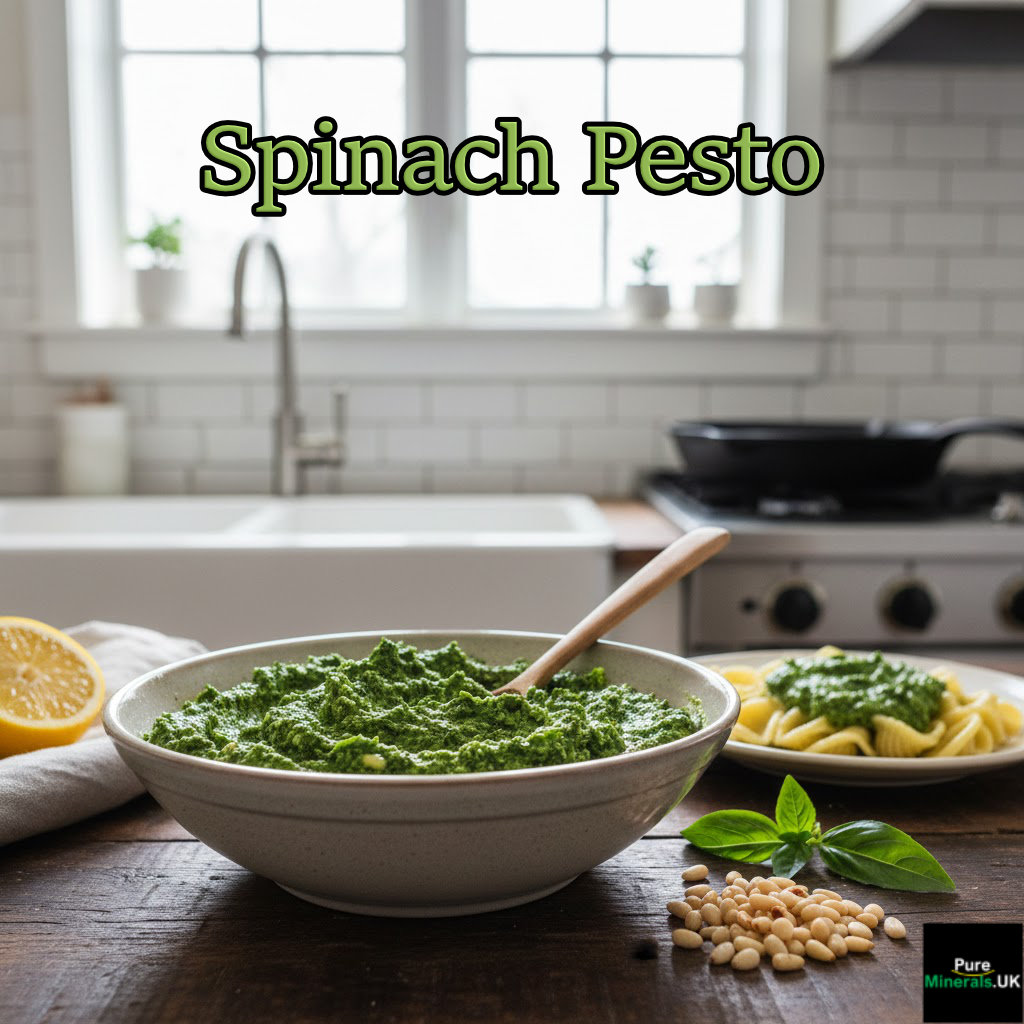
Transform raw spinach into a versatile condiment that adds both flavor and nutrition to countless dishes. In a food processor, combine 2 cups fresh spinach, 1/2 cup fresh basil, 1/3 cup toasted pine nuts or walnuts, 2 garlic cloves, 1/2 cup grated parmesan, and the juice of half a lemon. Pulse to combine, then slowly add 1/3 cup olive oil while processing until the desired consistency is reached. Season with salt and pepper to taste.
This no-cook preparation preserves heat-sensitive nutrients like vitamin C while the olive oil enhances absorption of fat-soluble compounds. Use this vibrant green pesto as a pasta sauce, sandwich spread, pizza base, or protein marinade—each tablespoon adds meaningful nutrition while delivering bright, fresh flavor that enlivens even simple dishes.
Cooking Spinach: Simple Techniques for Perfect Results
Mastering a few fundamental techniques transforms spinach from a simple ingredient into a versatile component of countless dishes. The key lies in understanding spinach’s unique properties—its high water content, delicate nature, and tendency to cook down dramatically. With proper technique, spinach can maintain its vibrant color, nutritional integrity, and pleasant texture rather than becoming the mushy, unappealing mass that turns many diners away.
Different cooking methods extract different characteristics from spinach. Quick, high-heat methods like sautéing preserve texture and vibrant color while developing deeper flavor notes. Gentle methods like steaming maintain the most nutrients while keeping spinach’s fresh taste prominent. Longer cooking methods like braising develop complex flavors but sacrifice some textural integrity. Choosing the right technique depends on your desired result and the role spinach will play in your finished dish.
Regardless of cooking method, two principles remain essential: avoid overcooking, which destroys texture and diminishes certain nutrients, and season properly, as spinach’s high water content can dilute flavors. Following these fundamental guidelines while applying specific techniques will consistently deliver delicious results that showcase spinach at its best.
The 30-Second Wilting Method
The most efficient way to prepare spinach for many recipes is the quick-wilt method, which preserves color, flavor, and nutrients while dramatically reducing volume. Heat 1 tablespoon olive oil in a large skillet over medium-high heat until shimmering but not smoking. Add spinach in batches—it will look like too much, but it quickly reduces by about 90%. Use tongs to continuously turn the spinach, ensuring even wilting without allowing it to sit in one position long enough to actually cook. Remove from heat when bright green and just collapsed, about 30 seconds total. This lightning-fast technique preserves spinach’s fresh flavor while making it more compact for integration into other dishes.
Blanching: When and Why It’s Worth the Extra Step
Blanching spinach—briefly immersing it in boiling water followed by an ice bath—delivers specific benefits that make it worth the extra effort in certain applications. The process kills enzymes that would otherwise continue breaking down nutrients, sets the vibrant green color by deactivating chlorophyll-degrading enzymes, removes some bitterness, and reduces volume dramatically. For recipes where you’ll be freezing spinach, incorporating it into doughs or batters, or creating purées, blanching creates a superior result by preventing discoloration and off-flavors while improving texture.
To properly blanch spinach, bring a large pot of heavily salted water to a rolling boil. Add spinach and cook for exactly 30 seconds, then immediately transfer to an ice bath using a spider or slotted spoon. Once completely cooled (about 1 minute), drain thoroughly and squeeze gently to remove excess water. This process preserves spinach’s brilliant color while creating a versatile building block for countless recipes, from spinach-ricotta fillings to vibrant green smoothies that won’t develop off-flavors in storage.
Flavor Boosters That Transform Spinach
Despite its nutritional virtues, plain spinach can taste flat without proper seasoning. Fortunately, several flavor boosters naturally complement spinach’s earthy profile while often enhancing its nutritional value. Acid brightens spinach’s flavor dramatically—a squeeze of lemon or splash of vinegar just before serving cuts through the mineral notes and makes other flavors pop. This acidic addition has the nutritional benefit of enhancing iron absorption as well. Similarly, fat carries flavor while improving the bioavailability of fat-soluble vitamins; a drizzle of extra virgin olive oil or a small amount of grass-fed butter transforms both taste and nutritional profile.
Aromatics create a flavorful foundation that elevates spinach from supporting player to star ingredient. Sautéing minced garlic, shallots, or ginger briefly before adding spinach creates depth and complexity while contributing additional phytonutrients. For an unexpected dimension, try toasted nuts or seeds as a finishing touch—pine nuts, walnuts, or sesame seeds add textural contrast and complementary flavors while contributing healthy fats and additional minerals that work synergistically with spinach’s nutritional profile. These thoughtful additions transform spinach from merely nutritious to genuinely craveable.
Sneaky Ways to Add Spinach to Family Meals
For families with selective eaters or those simply wanting to boost nutrition without drama, strategic spinach incorporation offers a practical solution. The key is understanding that rejection of spinach often stems from its appearance or texture rather than actual flavor, which is quite mild. By altering these sensory aspects while maintaining nutritional benefits, you can successfully integrate spinach into family meals without resistance.
The most effective approach blends visibility strategies with texture modifications. Rather than attempting to completely hide spinach, which can create trust issues when discovered, consider approaches that normalize its presence while minimizing objectionable characteristics. Gradually increasing visibility over time helps familiarize family members with spinach’s appearance and flavors in a non-threatening way. This progressive exposure often leads to greater acceptance of more visible preparations as palates and expectations adjust, similar to how introducing new ingredients like cress can be managed.
Kid-Approved Spinach Recipes
Transform breakfast with spinach-enhanced pancakes that maintain familiar flavor while adding substantial nutrition. Blend 1 cup baby spinach with 1 cup milk until completely smooth, then use this vibrant green liquid in your standard pancake recipe. The spinach adds color but virtually no flavor, while contributing vitamins and minerals that standard pancakes lack. Top with favorite fruits and maple syrup for a breakfast that balances nutrition with kid-friendly appeal.
For dinner, spinach-stuffed meatballs offer a familiar format with hidden benefits. Combine 1 pound ground meat with 1/2 cup very finely chopped spinach (or thawed frozen spinach, thoroughly squeezed dry), 1/2 cup breadcrumbs, 1 egg, minced garlic, and preferred seasonings. Form into balls and bake at 375°F for 20-25 minutes. The moisture in spinach actually improves the meatballs’ texture while adding nutrients. Serve with your favorite sauce and pasta for a meal that delivers spinach’s benefits without triggering resistance.
Family-Friendly Spinach Recipe Success Rates
Recipe Type
Acceptance Rate
Visibility Level
Preparation Effort
Smoothies
92%
Low (color only)
Low
Pasta with Spinach Pesto
85%
Medium
Medium
Spinach-Cheese Quesadillas
81%
Medium-High
Low
Spinach Meatballs
79%
Low-Medium
Medium
Spinach-Chocolate Brownies
76%
Very Low
Medium
The data above, compiled from family food acceptance studies, shows that recipes masking spinach through dominant flavors (like chocolate or cheese) consistently achieve higher acceptance rates. Smoothies lead with 92% family acceptance—likely because the spinach becomes completely incorporated with only its color remaining visible, while familiar sweet flavors dominate. This suggests that initial spinach introductions are most successful when texture is completely transformed and stronger flavors are present, creating positive associations that can later transfer to more visible preparations.
Blending vs. Chopping: Which Works Better?
When incorporating spinach into family meals, the processing method dramatically affects both acceptance and nutrition. Blending spinach completely breaks down cell walls, eliminating texture issues while making nutrients more bioavailable—particularly beneficial for iron absorption. This technique works exceptionally well for sauces, smoothies, and batters where complete incorporation is desired. The nutrition remains largely intact while the sensory experience of spinach disappears, making this ideal for initial introductions or extremely texture-sensitive individuals.
Start Your Spinach Journey Today
With its remarkable nutritional profile and culinary versatility, spinach deserves a regular place in your meal rotation. Start small with familiar preparations, gradually exploring new techniques as your confidence grows. Whether you’re blending it into morning smoothies, wilting it into lunchtime soups, or featuring it in dinner entrées, each serving contributes meaningful nutrition that supports overall health.
Important Note: Spinach
Spinach is high in oxalates and vitamin K. Individuals with kidney stone concerns or on anticoagulant therapy should consume it consistently and in moderation.
A Note on Superfoods, Minerals, Modern Diets, and Supplementation
While foods often described as superfoods, like spinach, can provide valuable nutrients and plant compounds, it is increasingly recognized that modern agricultural practices have reduced the natural mineral content of many soils. Intensive farming, repeated crop cycles, and the widespread use of agrichemicals mean that even high-quality whole foods may no longer contain the full range of naturally occurring, plant-derived trace minerals that were once more abundant in traditional diets.
For this reason, some people choose to complement a whole-food diet with mineral and vitamin supplementation. In particular, hydrophilic (water-soluble) plant-derived trace minerals differ in structure and bioavailability from many common rock-derived mineral supplements. These minerals occur naturally in plants and were historically consumed through mineral-rich soils and vegetation.
I have personally used a broad-spectrum plant-derived trace mineral supplement for over twenty years, alongside the recommended daily intake of essential vitamins. This approach has formed part of my long-term nutritional routine. My own experience, which I describe in detail elsewhere, reflects the potential value of addressing micronutrient gaps that diet alone may not fully cover in the modern food environment.
If you would like to explore this topic further, I have written an in-depth article describing my personal experience with plant-derived trace mineral supplementation, including background information and sourcing considerations:
The trace minerals and complementary vitamins discussed there are available through my web shop in several forms, including liquids, capsules, powders suitable for recipes, and formulations intended for pets. As with all supplements, individual needs vary, and readers are encouraged to make informed choices and seek professional guidance where appropriate.
This article is for informational purposes only and is not intended as medical advice. Nutritional needs vary between individuals. Always consult a qualified healthcare professional before making significant dietary changes, especially if you have a medical condition or take prescription medications.
Frequently Asked Questions
Many people have questions about spinach’s nutritional impact, potential concerns, and best practices for consumption. These answers address the most common questions while providing practical guidance for incorporating spinach into a balanced diet. For those looking to diversify their diet, consider exploring other nutritious options like quinoa.
Understanding spinach’s proper place in your diet helps maximize its benefits while avoiding potential issues. While spinach offers exceptional nutrition, it works best as part of a varied diet rather than as a daily staple consumed in massive quantities. This balanced approach ensures you receive spinach’s many benefits without concerns about antinutrient compounds or nutrient imbalances.
Optimal spinach consumption varies based on individual factors, including age, health status, medication use, and overall dietary pattern. However, general guidelines can help most people determine appropriate amounts that balance benefits and potential concerns.
- For most healthy adults, consuming spinach 2-4 times weekly in 1-2 cup portions (measured raw) provides substantial nutritional benefits without concerns
- Those with a kidney stone history or certain mineral absorption issues may benefit from limiting to 1-2 servings weekly
- People on blood thinners should maintain consistent (rather than highly variable) spinach intake due to the vitamin K content
- Varying greens consumption between spinach, kale, arugula, lettuce, and other leafy vegetables ensures diverse nutrient intake
- Both raw and cooked preparations offer different nutritional advantages and should be included in rotation
Can eating too much spinach be harmful?
While spinach is tremendously nutritious, excessive consumption can potentially lead to issues for certain individuals. The primary concern involves oxalates—compounds that bind to minerals and, in susceptible people, may contribute to kidney stone formation. A cup of cooked spinach contains approximately 750mg of oxalates, which is significant. For individuals with a history of calcium oxalate stones (the most common type), limiting spinach to 1-2 servings weekly and ensuring adequate hydration may be prudent based on medical guidance.
Another consideration involves vitamin K, abundant in spinach (1 cup cooked provides 987% of daily needs). While beneficial for most people, this high vitamin K content can potentially interfere with warfarin and other blood-thinning medications that work by antagonizing vitamin K’s effects. This doesn’t mean avoiding spinach entirely on these medications, but rather maintaining consistent intake rather than dramatically varying consumption from week to week, which could necessitate medication adjustments.
For those with certain gastrointestinal conditions like irritable bowel syndrome, spinach’s fiber content and specific carbohydrate composition may trigger symptoms in some individuals. As with any food that potentially causes discomfort, personal tolerance should guide consumption. Despite these considerations, it’s important to maintain perspective—for most healthy individuals without specific risk factors, moderate spinach consumption (2-4 servings weekly) presents no concerns and offers substantial health benefits.
Is baby spinach more nutritious than regular spinach?
Baby spinach and mature spinach offer slightly different nutritional profiles, with neither being universally “better” than the other. Baby spinach—harvested at a younger growth stage, typically 15-35 days after planting—contains somewhat higher concentrations of certain nutrients, including vitamin C, folate, and flavonoids. However, mature spinach generally provides more fiber, calcium, iron, and carotenoids per serving. The difference largely reflects the plant’s natural development, as it produces different compounds at various growth stages to support its changing needs. For instance, red bell peppers are another example of vegetables that change in nutrient content as they mature.
How much spinach should I eat per week for optimal health benefits?
Research suggests that consuming 2-4 servings of spinach weekly (with a serving being 1-2 cups raw or 1/2-1 cup cooked) provides significant health benefits while avoiding potential concerns associated with excessive intake. This pattern has been linked to improved cardiovascular health, enhanced cognitive function, and reduced cancer risk in observational studies. Rather than focusing on maximizing spinach specifically, health experts recommend incorporating it as part of a varied rotation of leafy greens and other vegetables, as different plants offer complementary nutrient profiles and phytochemicals.
The optimal amount varies somewhat based on individual factors, including age, activity level, health status, and genetic factors affecting nutrient metabolism. For athletes and very physically active individuals, slightly higher consumption may offer additional benefits through enhanced nitric oxide production and antioxidant protection during recovery. For those with specific health conditions or on medications like blood thinners, consultation with a healthcare provider can help determine personalized recommendations that balance benefits against potential concerns.
Can spinach help with weight loss?
Spinach offers several characteristics that support weight management goals. Its extremely low caloric density—just 7 calories per cup raw or 41 calories per cup cooked—allows for volume eating that promotes satiety without significant calorie contribution. The fiber content (4.3g per cup cooked) slows digestion, enhancing fullness and stabilizing blood sugar. Additionally, spinach contains thylakoids, membrane-bound compartments that have been shown in clinical studies to reduce hunger and cravings when consumed before meals.
Spinach’s Weight Management Benefits
Research from Lund University in Sweden found that consuming spinach extract containing thylakoids reduced hunger by 95% and cravings by 83-85% compared to placebo. The study participants lost 43% more weight over three months by incorporating thylakoid-rich spinach extract before meals. For more leafy greens that aid in weight management, consider adding salad burnet to your diet.
Beyond direct effects on hunger and satiety, spinach supports weight management through its nutritional completeness. Its vitamin and mineral content helps maintain proper metabolic function and energy production, supporting physical activity. The magnesium in spinach (156mg per cup cooked) plays a crucial role in glucose metabolism and insulin function, potentially aiding those with insulin resistance, which often accompanies excess weight. While spinach alone cannot create weight loss, it serves as an ideal foundation for nutrient-dense, calorie-controlled eating patterns.
For practical implementation, consider replacing higher-calorie ingredients with spinach in meals (substituting some pasta with wilted spinach, for example) and beginning meals with spinach salad to leverage its satiety-promoting properties. The combination of volume, fiber, and specialized compounds makes spinach particularly effective in a comprehensive weight management approach. Additionally, pairing spinach with nutrient-rich foods like quinoa can enhance the nutritional value of your meals.
Does spinach interact with any medications?
- Warfarin and other vitamin K antagonists: Spinach’s high vitamin K content may reduce these medications’ effectiveness if consumption suddenly increases
- ACE inhibitors: Spinach’s potassium content could potentially contribute to elevated potassium levels when combined with these blood pressure medications
- Thyroid medications: Spinach contains goitrogens that may interfere with thyroid hormone production, though cooking reduces this effect significantly
- Iron supplements: Oxalates in spinach may reduce absorption when taken simultaneously; separate timing by at least two hours
- Antibiotics (quinolone class): Calcium in spinach may bind to these antibiotics, reducing their effectiveness if consumed together
The most significant interaction concerns blood thinners like warfarin that function as vitamin K antagonists. Since vitamin K plays an essential role in blood clotting, and spinach provides exceptionally high amounts (1 cup cooked delivers 987% of daily needs), dramatic changes in spinach consumption could potentially affect medication effectiveness. This doesn’t mean avoiding spinach entirely, but rather maintaining consistent intake and communicating dietary patterns to healthcare providers so dosage can be appropriately calibrated.
For those taking medications for hypothyroidism, spinach’s goitrogen content merits consideration. These compounds can potentially interfere with thyroid hormone production, though cooking reduces their activity significantly. Most endocrinologists advise that moderate consumption of cooked spinach poses minimal concern for well-managed hypothyroidism, but very large amounts of raw spinach consumed regularly might potentially require medication adjustments, similar to other foods like seaweed.
With ACE inhibitors and other potassium-sparing blood pressure medications, spinach’s moderately high potassium content (740mg per cup cooked) could potentially contribute to elevated potassium levels. While this amount alone is unlikely to cause problems, when combined with other high-potassium foods and medications that reduce potassium excretion, monitoring may be warranted.
As with any potential medication interaction, individual factors significantly influence actual risk. Age, kidney function, overall diet, and specific medication formulations all affect the practical significance of these theoretical interactions. Consulting with healthcare providers about regular dietary patterns ensures medication dosages appropriately account for nutritional factors.
At VitalNutrients, we understand that integrating nutritional powerhouses like spinach into your diet requires personalized guidance that considers your unique health profile. Our nutrition experts can help you navigate potential interactions while maximizing the benefits of nutrient-dense foods like spinach through customized meal planning and supplement recommendations.