

Published: 22 January 2026
Last Updated: 25 February 2026
This article is periodically reviewed and updated to reflect current scientific understanding by Vic George.
Fact-Checked: 1 other authoritative medical/scientific reference. See our Editorial Policy.

What Is Olive Oil and Why Is It Considered a Superfood?
Olive oil is a natural oil extracted from the fruit of the olive tree (Olea europaea) and is a key component of the traditional Mediterranean diet. It is often described as a superfood because it is rich in monounsaturated fats, particularly oleic acid, and contains naturally occurring plant compounds such as polyphenols, which contribute antioxidant properties.
From a nutritional perspective, olive oil supports overall dietary quality by providing a source of healthy fats that help meet daily energy needs and support normal metabolic function. Its value lies not in any single guaranteed outcome, but in its role as a whole-food fat source that can replace more highly processed or less balanced dietary fats when used as part of a varied diet.
Extra virgin olive oil is the least processed form and typically contains higher levels of beneficial plant compounds compared to refined oils. Olive oil is commonly used in salad dressings, cooking, and meal preparation, and it is generally most beneficial when used in sensible amounts within a balanced eating pattern.
Key Takeaways
- Extra virgin olive oil contains heart-protective monounsaturated fats that can help lower LDL (bad) cholesterol while raising HDL (good) cholesterol levels.
- The potent antioxidants in olive oil, particularly oleocanthal, provide anti-inflammatory benefits comparable to ibuprofen but without the side effects.
- Regular olive oil consumption has been linked to reduced risk of heart disease, cognitive decline, and certain types of cancer.
- Not all olive oils offer the same benefits – extra virgin olive oil contains significantly more health-promoting compounds than refined varieties.
- Combining olive oil with vegetables dramatically increases your absorption of fat-soluble vitamins and protective plant compounds.
Olive oil isn’t just a kitchen staple – it’s one of nature’s most powerful functional foods. The golden elixir that’s been nourishing Mediterranean populations for millennia offers an impressive array of health benefits that modern science continues to validate. Whether drizzled over salads or used in low-temperature cooking, olive oil delivers a unique combination of flavor and medicinal properties that few other foods can match.
The health benefits of olive oil stem primarily from its rich composition of monounsaturated fats, antioxidants, and micronutrients that work synergistically to protect your body. High-quality extra virgin olive oil (EVOO) contains compounds that fight inflammation, neutralize damaging free radicals, and support everything from heart to brain health. Organizations like The Olive Wellness Institute provide ongoing research into how this ancient food continues to prove itself as a cornerstone of longevity and vitality.
Why Olive Oil Earns Its Superfood Status
What makes olive oil stand apart from other cooking oils is its exceptional nutrient density and bioactive compounds. While many oils provide calories and some basic fatty acids, olive oil – especially in its extra virgin form – delivers a powerful combination of heart-healthy monounsaturated fats and over 30 phenolic compounds with antioxidant and anti-inflammatory properties. These natural compounds include hydroxytyrosol, tyrosol, oleocanthal, and oleuropein, all of which contribute to olive oil’s impressive health credentials.
The Mediterranean diet, consistently ranked as one of the healthiest eating patterns worldwide, features olive oil as its primary fat source. This is no coincidence – populations consuming abundant olive oil show remarkably lower rates of cardiovascular disease, certain cancers, and cognitive decline. Studies have found that replacing just two tablespoons of butter or margarine with olive oil daily can significantly reduce the risk of coronary heart disease.
Beyond its own benefits, olive oil also enhances the nutritional value of other foods. When paired with vegetables, it dramatically increases the absorption of fat-soluble vitamins (A, D, E, K) and protective plant compounds like carotenoids. This means your Greek salad with olive oil dressing isn’t just delicious – it’s actually unlocking nutrients that would otherwise pass through your system unabsorbed. For example, adding olive oil to dishes with mushrooms can further enhance the nutrient absorption from this versatile ingredient.
The Heart-Protecting Power of Oleic Acid
At the core of olive oil’s heart benefits is oleic acid, a monounsaturated omega-9 fatty acid that makes up 55-83% of olive oil. This remarkable compound helps maintain healthy blood vessels and improves cholesterol profiles in multiple ways. Unlike saturated fats that raise harmful LDL cholesterol, oleic acid supports a healthier balance of blood lipids, promoting cardiovascular wellness.
When oleic acid replaces saturated fats in your diet, it creates a ripple effect of cardioprotective benefits. Research shows it helps lower LDL (bad) cholesterol while maintaining or even raising HDL (good) cholesterol levels. This favorable shift in your lipid profile directly translates to reduced plaque buildup in arteries and a lower risk of heart attacks and strokes.
“The polyphenols in olive oil have unique antioxidant and anti-inflammatory properties that protect against cardiovascular disease and other chronic conditions. When combined with its beneficial fatty acid profile, olive oil becomes one of nature’s most potent functional foods.”
How Oleic Acid Lowers Bad Cholesterol
Oleic acid’s mechanism for lowering LDL cholesterol involves multiple pathways in the body. First, it reduces the oxidation of LDL particles – a critical step in preventing them from becoming dangerous to arterial walls. Oxidized LDL is what triggers inflammation and plaque formation, so this protection is significant. Additionally, oleic acid helps regulate genes involved in cholesterol transport and metabolism.
Studies comparing diets high in olive oil to those high in other fats consistently show olive oil’s superiority in managing cholesterol. In one landmark study, participants consuming about two tablespoons of extra virgin olive oil daily experienced an average 13% reduction in LDL cholesterol after just three months. What’s particularly impressive is that these benefits occur without calorie restriction or other major dietary changes – simply substituting olive oil for less healthy fats produces meaningful results.
Inflammation Reduction Benefits
Chronic inflammation lies at the root of most modern diseases, from heart disease to cancer to diabetes. Olive oil contains several anti-inflammatory compounds, with oleocanthal being particularly noteworthy. This natural phenolic compound has been shown to inhibit the same inflammatory pathways as ibuprofen, but without the potential side effects of medication.
Inflammation Reduction Benefits
Chronic inflammation lies at the root of most modern diseases, from heart disease to cancer to diabetes. Olive oil contains several anti-inflammatory compounds, with oleocanthal being particularly noteworthy. This natural phenolic compound has been shown to inhibit the same inflammatory pathways as ibuprofen, but without the potential side effects of medication.
Regular consumption of extra virgin olive oil can help dampen inflammatory responses throughout the body. Studies show that individuals who consume olive oil daily have lower levels of inflammatory markers in their blood, including C-reactive protein and interleukin-6. This systemic anti-inflammatory effect helps explain why Mediterranean populations experience lower rates of inflammatory diseases despite consuming relatively high-fat diets.
The anti-inflammatory benefits are most pronounced when olive oil replaces other cooking fats rather than simply being added to an existing diet. This substitution effect creates a double benefit – removing potentially inflammatory fats while adding protective compounds that actively combat inflammation.
Blood Pressure Regulation Effects
Hypertension affects nearly half of American adults and significantly increases the risk of heart disease and stroke. The good news is that olive oil consumption has been consistently linked to improved blood pressure regulation. The polyphenols in olive oil help relax blood vessels, allowing for smoother blood flow and reduced pressure on arterial walls.
A landmark study published in the Archives of Internal Medicine found that men who consumed about four tablespoons of olive oil daily reduced their need for blood pressure medication by up to 48%. The effect was particularly strong for extra virgin olive oil rich in polyphenols. What makes this finding especially valuable is that blood pressure reduction occurred without significant weight loss or other major lifestyle changes.
Olive Oil’s Antioxidant Arsenal
The true magic of olive oil lies in its extraordinary antioxidant content. While many foods contain some antioxidants, extra virgin olive oil provides a complex array of over 30 different phenolic compounds that work synergistically to neutralize free radicals. These unstable molecules damage cells through oxidative stress and contribute to premature aging and disease development.
When free radicals overwhelm the body’s natural defense systems, oxidative stress occurs, damaging cellular structures, including proteins, lipids, and DNA. This damage is implicated in numerous chronic conditions, including cancer, Alzheimer’s disease, and cardiovascular problems. The antioxidants in olive oil act as molecular shields, neutralizing these destructive molecules before they can cause harm.
Polyphenols That Fight Free Radicals
Olive oil’s polyphenols are particularly potent antioxidants that protect what their concentration might suggest. Hydroxytyrosol and oleuropein stand out for their exceptional ability to neutralize free radicals – gram for gram, they’re more powerful than vitamin C or E. These compounds are so effective that the European Food Safety Authority has approved health claims specifically for olive oil polyphenols, acknowledging their protective effect against lipid oxidation.
The concentration of these beneficial compounds depends heavily on olive variety, growing conditions, harvest time, and most importantly, processing methods. Extra virgin olive oil, which is cold-pressed and unrefined, contains substantially higher levels of polyphenols than refined olive oils. In fact, studies show that some refined oils contain virtually none of these protective compounds, highlighting why the type of olive oil you choose matters tremendously.
Vitamin E Content and Its Protective Functions
One tablespoon of extra virgin olive oil provides about 1.9 mg of vitamin E, a significant contribution toward the recommended daily intake of this essential nutrient. Vitamin E functions as a powerful antioxidant in the body, particularly protecting cell membranes from oxidative damage. Its fat-soluble nature makes it especially effective at preventing lipid peroxidation – the damaging process where free radicals attack and destabilize the fatty structures in cell membranes. For a different source of antioxidants, consider exploring the benefits of cranberry as well.
Beyond its direct antioxidant action, vitamin E from olive oil supports immune function, gene expression, and cell signaling. Research indicates that adequate vitamin E intake is associated with reduced risk of heart disease, certain cancers, and neurodegenerative conditions like Alzheimer’s disease. The vitamin E in olive oil is particularly bioavailable because it’s delivered in a matrix of fats that enhance its absorption.
How Oleocanthal Works Like Natural Ibuprofen
The compound oleocanthal, responsible for the peppery sting at the back of your throat when tasting fresh extra virgin olive oil, has fascinating pharmacological properties. Research published in the journal Nature found that oleocanthal inhibits the same cyclooxygenase (COX) enzymes as ibuprofen, effectively working as a natural anti-inflammatory. What’s remarkable is that this happens at similar potency to the drug, with 3.5 tablespoons of high-quality olive oil delivering an effect equivalent to about 10% of an adult ibuprofen dose.
Unlike synthetic anti-inflammatory drugs, oleocanthal works in harmony with the body’s systems without the potential for gastrointestinal damage or other side effects associated with NSAID medications. This natural anti-inflammatory effect contributes to olive oil’s protective benefits against conditions like rheumatoid arthritis, inflammatory bowel disease, and even certain cancers where inflammation plays a key role. The compound’s presence can be detected through that characteristic throat sting – a more pronounced sensation generally indicates higher oleocanthal content.
Brain Health Benefits You Need to Know
The human brain is approximately 60% fat, making the type of dietary fat we consume critically important for cognitive function and long-term brain health. Olive oil’s unique combination of monounsaturated fats and antioxidants makes it particularly beneficial for preserving cognitive function and potentially reducing the risk of neurodegenerative diseases. The connection between olive oil and brain health has become so compelling that researchers have begun referring to it as “neuroprotective.”
Protection Against Cognitive Decline
Multiple long-term studies have found associations between Mediterranean diet adherence (with olive oil as the primary fat source) and reduced rates of cognitive decline. The PREDIMED study, one of the largest nutrition intervention trials ever conducted, found that participants consuming approximately 4 tablespoons of extra virgin olive oil daily showed better cognitive function over time compared to control groups. The protective effects were most pronounced for memory and executive function – complex thinking skills that often decline first in conditions like Alzheimer’s disease.
Olive oil’s brain benefits likely stem from multiple mechanisms. First, its anti-inflammatory properties help reduce neuroinflammation, a key driver in cognitive decline. Second, the antioxidants in olive oil help neutralize free radicals that damage brain cells over time. Finally, olive oil improves vascular function, ensuring proper blood flow to the brain. This multifaceted approach explains why olive oil consumption correlates with better cognitive outcomes even into advanced age.
Memory Enhancement Properties
Beyond simply protecting against decline, some research suggests olive oil may actively enhance memory formation and retention. Animal studies have shown that oleocanthal-rich olive oil can reduce the formation of amyloid-beta plaques and neurofibrillary tangles – the hallmark physical changes seen in Alzheimer’s disease. These findings are particularly significant since they suggest olive oil might help address the underlying pathology of dementia, not just its symptoms.
The memory-boosting effects are thought to come partially from olive oil’s ability to maintain the integrity of brain cell membranes. These membranes are rich in DHA (an omega-3 fatty acid) that needs protection from oxidation. The vitamin E and polyphenols in olive oil provide this protection while supporting efficient neurotransmission – the electrical communication between brain cells that underlies all cognitive processes, including memory formation and recall.
Extra Virgin vs. Regular Olive Oil: Critical Differences
Not all olive oils deliver the same health benefits, and understanding these differences is crucial for making informed choices. Extra virgin olive oil (EVOO) represents the highest quality grade, obtained solely by mechanical means without chemical processing or excessive heat. This preservation of natural compounds makes EVOO substantially more beneficial than regular or “pure” olive oil, which undergoes refining processes that strip away many beneficial compounds.
- Extra Virgin Olive Oil: First cold-pressing of olives, highest polyphenol content, most health benefits, distinct flavor
- Virgin Olive Oil: Slightly lower quality than EVOO but still minimally processed
- Pure/Regular Olive Oil: Blend of refined olive oil with some virgin olive oil added for flavor, significantly fewer polyphenols
- Light/Extra Light Olive Oil: Highly refined with minimal beneficial compounds, neutral flavor
Processing Methods That Preserve Nutrients
The production method dramatically impacts olive oil’s health properties. Extra virgin olive oil is extracted using only mechanical pressure – essentially crushing olives and separating the oil without heat or chemicals. This gentle process preserves the delicate polyphenols, antioxidants, and flavor compounds that provide both culinary appeal and health benefits. Studies show that cold-pressed EVOO contains up to 10 times more polyphenols than refined olive oils.
In contrast, refined olive oils undergo processes using heat and/or chemicals to neutralize flavor defects, extend shelf life, and increase smoke point. These methods efficiently extract more oil from the olives but destroy many beneficial compounds in the process. The resulting oil has a longer shelf life and higher smoke point, but sacrifices the very components that make olive oil a health food. The trade-off simply isn’t worth it from a health perspective.
How to Identify High-Quality Oil
Selecting high-quality olive oil requires attention to several key factors. First, look for bottles labeled “extra virgin” with a harvest date (ideally within the past year). Quality oils often indicate the specific olive varieties used and the region they’re from. Proper packaging matters too – dark glass bottles or tin containers protect against light degradation, while clear plastic bottles accelerate oxidation.
The most reliable indicator of quality is sensory evaluation. Premium extra virgin olive oil should have fruity, bitter, and pungent qualities – that characteristic peppery sensation at the back of your throat indicates the presence of healthy polyphenols, particularly oleocanthal. Certifications from reputable organizations like the International Olive Council (IOC), California Olive Oil Council (COOC), or the North American Olive Oil Association (NAOOA) provide additional assurance of authenticity and quality standards.
Common Fraud Practices to Avoid
The olive oil industry has, unfortunately, been plagued by fraudulent practices. Studies suggest that 60-90% of imported “extra virgin” olive oils fail to meet the legal standards for the category. Common fraud includes diluting olive oil with cheaper seed oils (like soybean or sunflower), mixing extra virgin with lower-grade olive oils, or using chemical processes that allow producers to label lower-quality oils as “extra virgin.” This deception not only impacts flavor but also significantly reduces the health benefits consumers expect.
To avoid fraudulent products, consider oils from smaller producers who control the entire process from grove to bottle, often called “estate” or “single-estate” oils. Price can also be an indicator – producing genuine extra virgin olive oil is expensive, so extremely cheap “extra virgin” oils should raise suspicion. Bottles with specific harvest dates, detailed production information, and third-party certifications typically indicate more trustworthy products. When possible, taste oils before purchasing, as authentic EVOO has distinctive flavor characteristics that are difficult to counterfeit.
Best Ways to Use Olive Oil for Maximum Health Benefits
To maximize olive oil’s health potential, how you use it matters as much as which type you choose. The beneficial compounds in extra virgin olive oil are somewhat delicate and can be degraded by improper storage or high-heat cooking. Understanding optimal usage ensures you’re getting the full spectrum of benefits this remarkable food offers. For those interested in exploring other nutritious ingredients, consider learning more about the benefits of curry leaf.
Cold Applications That Preserve Nutritional Value
The most nutritionally potent way to consume olive oil is unheated, where 100% of its beneficial compounds remain intact. Drizzling raw extra virgin olive oil over finished dishes preserves all its polyphenols and antioxidants while adding rich flavor. Try finishing soups, grilled meats, roasted vegetables, or bean dishes with a tablespoon of premium EVOO just before serving. This “finishing oil” approach not only maximizes health benefits but also stretches your investment in high-quality oil.
Emulsions like vinaigrettes and dressings represent another ideal cold application. When olive oil is combined with acidic ingredients like lemon juice or vinegar, its beneficial compounds are preserved while the acid actually helps increase the bioavailability of certain polyphenols. A classic 3:1 ratio of olive oil to acid creates balanced dressings that transform simple salads into nutritional powerhouses. Consider adding garlic, herbs, or mustard to enhance both flavor and nutritional synergy.
Safe Cooking Temperature Guidelines
Contrary to common misconception, quality extra virgin olive oil can be used for most cooking methods. Its smoke point typically ranges from 350-410°F (175-210°C), sufficient for sautéing, baking, and most roasting. Research shows that extra virgin olive oil actually resists oxidation during cooking better than many other cooking oils due to its antioxidant content. These protective compounds help prevent the formation of harmful oxidation products even when heated, similar to how mushrooms offer health benefits through their natural antioxidants.
For best results, avoid extreme high-heat cooking methods like deep frying or searing. Medium to medium-high heat cooking preserves more beneficial compounds while still allowing versatile culinary applications. If you regularly cook at very high temperatures, consider using a more refined olive oil for those specific applications while reserving your premium extra virgin olive oil for lower-heat cooking and cold applications where its health benefits and flavor will shine.
Perfect Food Pairings to Boost Nutrient Absorption
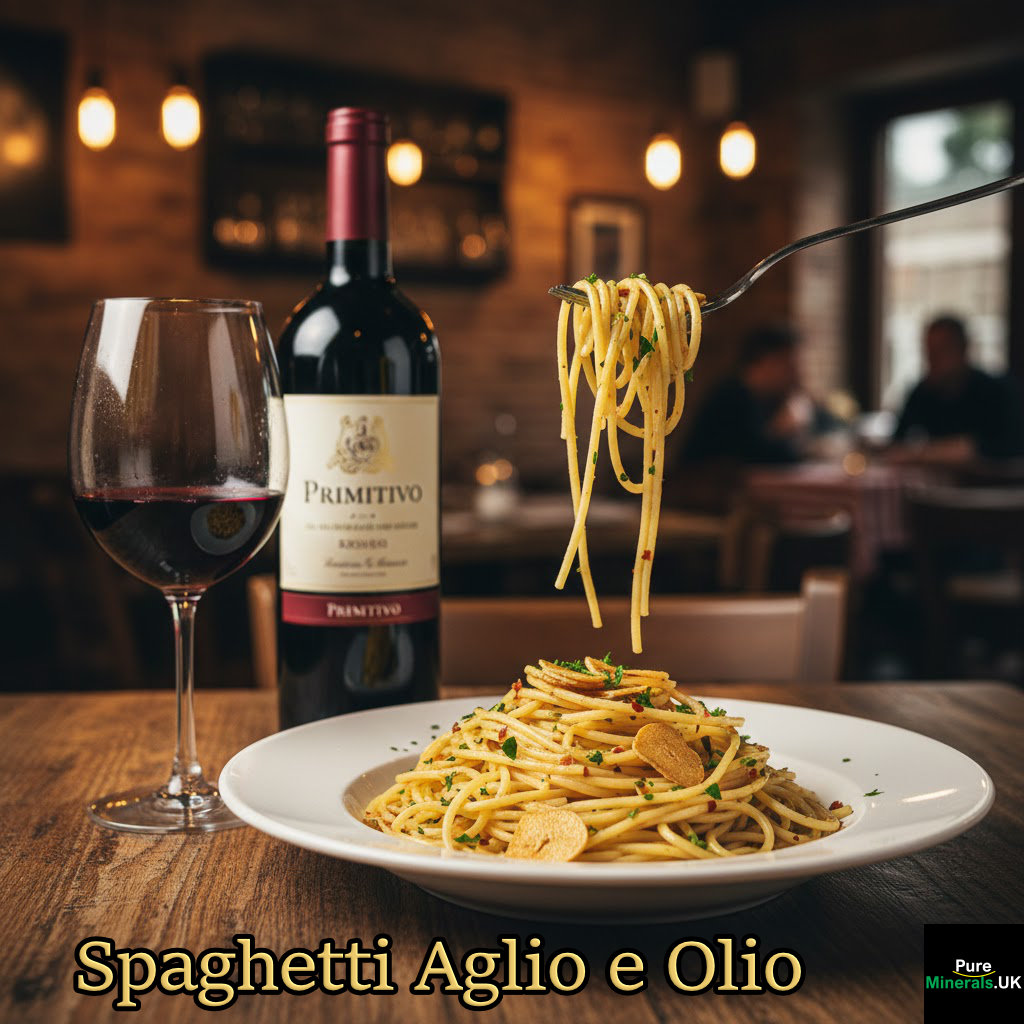
Olive oil doesn’t just deliver its own nutrients – it dramatically enhances the absorption of fat-soluble nutrients from other foods. Pairing olive oil with vegetables rich in carotenoids (like tomatoes, carrots, and leafy greens) increases the bioavailability of these protective compounds by 2-15 times compared to eating these vegetables without fat. This is why traditional Mediterranean dishes like tomato sauce with olive oil or sautéed leafy greens provide more nutritional value than modern fat-free preparations.
Some especially powerful combinations include tomatoes with olive oil (increasing lycopene absorption), leafy greens with olive oil dressing (boosting lutein and zeaxanthin), and carrots or sweet potatoes drizzled with olive oil (enhancing beta-carotene utilization). Even more impressive, research suggests that cooking tomatoes in olive oil creates a nutritional synergy where the lycopene becomes more bioavailable while simultaneously helping protect the olive oil’s own beneficial compounds from degradation – a perfect example of food synergy at work.
How Much Olive Oil Should You Consume Daily?
The question of optimal olive oil intake depends on individual health goals and overall dietary patterns. Research suggests significant benefits begin at about 2 tablespoons (30ml) daily, with some studies showing enhanced benefits at higher intakes of 3-4 tablespoons daily. The PREDIMED trial, which demonstrated remarkable cardiovascular protection, provided participants with 4 tablespoons (60ml) of extra virgin olive oil daily. This amount delivered meaningful health benefits without excessive calorie intake.
Mediterranean Diet Recommendations
The traditional Mediterranean dietary pattern, consistently ranked as one of the healthiest globally, features olive oil as the principal fat source with average consumption ranging from 25-50ml daily. This isn’t merely added to an existing diet but replaces less healthy fats like butter, margarine, and processed vegetable oils. The Mediterranean approach uses olive oil liberally for cooking vegetables, dressing salads, and finishing dishes, naturally integrating it throughout daily meals rather than consuming it as a supplement.
For those following a Mediterranean eating pattern, aim for 3-4 tablespoons daily distributed across meals. This approach ensures you’re getting adequate amounts of beneficial compounds while enhancing the absorption of nutrients from other Mediterranean staples like vegetables, legumes, and fish. Remember that the traditional Mediterranean diet is plant-forward, with olive oil enhancing the preparation and palatability of these health-promoting foods.
Calorie Considerations for Weight Management
While olive oil offers remarkable health benefits, it remains a calorie-dense food providing about 120 calories per tablespoon. Those monitoring caloric intake should account for olive oil in their overall diet plan. The good news is that research suggests olive oil may actually support weight management despite its calorie content. Several mechanisms likely contribute to this effect, including increased satiety, improved glucose metabolism, and the stimulation of fat breakdown rather than storage.
Studies comparing isocaloric diets (same total calories) with different fat sources found that diets higher in olive oil were associated with less weight gain over time and better weight maintenance after weight loss. The key is substitution rather than addition – replace less healthy fats with olive oil rather than simply adding it to your existing diet. Start with 1-2 tablespoons daily if you’re calorie-conscious, focusing on high-quality extra virgin olive oil, where a little goes a long way in terms of both flavor and health benefits.
Make Olive Oil Your Wellness Ally
Incorporating olive oil into your daily routine represents one of the simplest yet most effective dietary changes for supporting long-term health. From heart protection to brain health to anti-aging benefits, few foods offer such a comprehensive array of research-backed advantages. The key is choosing high-quality extra virgin olive oil, storing it properly to preserve its beneficial compounds, and using it wisely in both cold applications and moderate-heat cooking. For maximum benefit, visit The Olive Wellness Institute to learn more about selecting premium olive oils that deliver both exceptional taste and the full spectrum of health-promoting compounds.
Important note: Olive Oil
Olive oil is generally safe, but overconsumption can cause digestive issues like diarrhea, bloating, or nausea, and lead to weight gain due to its high calories. Rare allergic reactions, skin irritation (especially on damaged skin), or potential issues with blood thinners and heart health (atherosclerosis risk, though debated) are other concerns, requiring moderation and consulting a doctor for specific conditions.
A Note on Superfoods, Minerals, Modern Diets, and Supplementation
While foods often described as superfoods, like olive oil, can provide valuable nutrients and plant compounds, it is increasingly recognized that modern agricultural practices have reduced the natural mineral content of many soils. Intensive farming, repeated crop cycles, and the widespread use of agrichemicals mean that even high-quality whole foods may no longer contain the full range of naturally occurring, plant-derived trace minerals that were once more abundant in traditional diets.
For this reason, some people choose to complement a whole-food diet with mineral and vitamin supplementation. In particular, hydrophilic (water-soluble) plant-derived trace minerals differ in structure and bioavailability from many common rock-derived mineral supplements. These minerals occur naturally in plants and were historically consumed through mineral-rich soils and vegetation.
I have personally used a broad-spectrum plant-derived trace mineral supplement for over twenty years, alongside the recommended daily intake of essential vitamins. This approach has formed part of my long-term nutritional routine. My own experience, which I describe in detail elsewhere, reflects the potential value of addressing micronutrient gaps that diet alone may not fully cover in the modern food environment.
If you would like to explore this topic further, I have written an in-depth article describing my personal experience with plant-derived trace mineral supplementation, including background information and sourcing considerations:
The trace minerals and complementary vitamins discussed there are available through my web shop in several forms, including liquids, capsules, powders suitable for recipes, and formulations intended for pets. As with all supplements, individual needs vary, and readers are encouraged to make informed choices and seek professional guidance where appropriate.
Frequently Asked Questions
Below are answers to the most common questions about olive oil’s health benefits, proper usage, and selection criteria to help you navigate confusing marketing claims and make informed choices.
Can olive oil help with weight loss despite being high in calories?
Yes, research suggests olive oil can support weight management despite its caloric density. Multiple studies have found that diets rich in olive oil are associated with less weight gain over time and better maintenance after weight loss compared to low-fat diets or diets containing other fats. The mechanisms include increased satiety, improved insulin sensitivity, and better gut hormone regulation. One particularly interesting study found that replacing saturated fats with olive oil led to greater fat breakdown and less fat storage. For best results, use olive oil to replace other fats rather than adding it to an existing diet, and pair it with plenty of vegetables and moderate portions of protein-rich foods.
Is it safe to cook with extra virgin olive oil at high temperatures?
Extra virgin olive oil is more heat-stable than commonly believed. Its smoke point ranges from 350-410°F (175-210°C), making it suitable for most everyday cooking, including sautéing, baking, and roasting. Multiple studies have shown that extra virgin olive oil actually resists oxidation better than many seed oils with higher smoke points due to its protective antioxidants. That said, for extremely high-heat cooking methods like deep frying or searing above 400°F, you might choose a more refined olive oil. Reserve your premium extra virgin olive oil for low to medium-heat cooking and cold applications where you’ll get maximum flavor and nutritional benefit.
How long does olive oil stay fresh after opening?
Once opened, extra virgin olive oil is best used within 2-3 months for optimal flavor and nutritional benefits, though it remains safe to consume for much longer. Proper storage dramatically affects shelf life – keep olive oil in a cool, dark place away from heat and light, which accelerates oxidation.
Never store oil near your stove or on a sunny counter. Consider transferring oil to smaller containers as you use it to minimize oxygen exposure, which causes rancidity. Quality olive oil should smell fresh and fruity – if yours smells waxy, musty, or like crayons, it has likely oxidized and lost much of its health benefits. Fresh oil with intact polyphenols will typically produce a peppery sensation at the back of your throat.
Can olive oil benefit skin and hair when used topically?
Olive oil has been used topically for centuries and offers several benefits for skin and hair due to its squalene content, vitamin E, and other antioxidants. For skin, it provides deep moisture, antioxidant protection against environmental damage, and has mild anti-inflammatory properties that may help conditions like eczema. For hair, it can reduce protein loss, seal moisture, and add shine, particularly for dry or damaged hair. However, olive oil isn’t ideal for everyone – those with acne-prone skin might experience clogged pores, while fine hair types may find it too heavy. For facial use, lighter oils like jojoba or argan often provide similar benefits without potential pore-clogging effects.
Are all “extra virgin” olive oils on the market authentic?
Unfortunately, studies suggest 60-90% of imported olive oils labeled as “extra virgin” fail to meet the legal standards for this premium category. Common forms of fraud include dilution with cheaper seed oils, mixing with lower-grade olive oils, or using chemical processes that allow producers to label refined oils as “extra virgin.” To find authentic products, look for dark glass bottles with harvest dates, specific origin information, and quality certifications from reputable organizations. Price can be a useful indicator – producing genuine EVOO is expensive, so extremely cheap options should raise suspicion. The most reliable approach is developing your palate – authentic extra virgin olive oil has distinctive bitter, fruity, and pungent characteristics that fraudulent products typically lack.
The verdict is clear: few foods match olive oil’s impressive combination of culinary versatility and evidence-backed health benefits. By selecting high-quality extra virgin olive oil and using it wisely in your daily cooking, you’re making one of the simplest yet most powerful dietary changes for long-term health and longevity.
For more information about olive oil’s extraordinary health benefits and how to incorporate it into your wellness routine, visit The Olive Wellness Institute, where expert guidance can help you maximize the potential of this ancient superfood in modern health optimization.
Olive oil is renowned for its health benefits, largely due to its high content of oleic acid and antioxidants. These components contribute to the reduction of inflammation and the prevention of chronic diseases. Additionally, olive oil is a staple in the Mediterranean diet, which is associated with a lower risk of heart disease. For a balanced diet, incorporating other nutrient-rich foods like lentils can enhance overall health and well-being.