

Published: 19 January 2026
Last Updated: 25 February 2026
This article is periodically reviewed and updated to reflect current scientific understanding by Vic George.
Fact-Checked: 1 other authoritative medical/scientific reference. See our Editorial Policy.

What Is Curry Leaf and Why Is It Valued for Digestion, Blood Sugar Support, and Culinary Nutrition?
Curry leaf is an aromatic culinary herb widely used in South Asian cooking and valued for its distinctive flavour and traditional digestive benefits. It is also used in folk wellness practices for metabolic support, including blood sugar balance and antioxidant protection. Curry leaves are most commonly consumed cooked in savoury dishes—such as dals, curries, soups, and chutneys—where the leaves are tempered in oil to release their fragrant compounds.
Definition:
Curry leaf refers to the leaves of Murraya koenigii, a fragrant plant used primarily as a culinary herb and traditional wellness ingredient. It contains aromatic oils and plant antioxidants that support digestion and metabolic health.
Extended Definition:
Curry leaves are a staple herb in Indian and Sri Lankan cuisine, used to add a complex aroma that is distinct from curry powder. The leaves are typically added at the beginning of cooking by frying briefly in oil (tempering), which releases their volatile oils and deepens flavour.
Beyond culinary use, curry leaf has a history of traditional use in digestion support, including appetite and stomach comfort. Modern interest also focuses on its plant compounds, including carbazole alkaloids, flavonoids, and polyphenols, which contribute to antioxidant defence and may support healthy inflammatory balance.
Curry leaf also contains micronutrients such as vitamin A–related carotenoids, vitamin C, and certain minerals, though nutritional value depends on serving size and preparation. In some traditions, curry leaf is used as a whole herb—fresh, dried, or powdered—in metabolic wellness approaches, sometimes associated with blood sugar support and lipid balance.
Curry leaf is best understood as a culinary herb with functional benefits, meaning it offers wellness value through regular dietary inclusion rather than rapid medicinal effects.
Key Facts:
- Herb type: Culinary aromatic leaf / functional herb
- Botanical name: Murraya koenigii
- Key nutrients: Carotenoids (vitamin A activity), vitamin C (variable), fiber
- Key compounds: Volatile oils, carbazole alkaloids, polyphenols, flavonoids
- Primary roles: Digestive comfort, antioxidant support, metabolic wellness support
- Systems supported: Digestive, metabolic, immune
- Best forms: Fresh curry leaves cooked in oil; dried leaves; curry leaf powder (culinary use)
- Use considerations: Flavour is strongest when tempered in oil; do not confuse with “curry powder”
- Typical pairing: Often paired with mustard seeds, cumin, turmeric, ginger, garlic, and lentils
Key Takeaways
- Curry leaf provides a unique, citrusy, nutty flavor that forms the foundation of many South Asian dishes and can elevate everyday cooking with its aromatic properties.
- These tiny leaves pack significant nutritional benefits, including blood sugar management properties, cholesterol-lowering effects, and digestive support.
- The tempering method (“tadka”) releases the full flavor potential of curry leaves and is essential for authentic South Asian cooking techniques.
- Fresh curry leaves offer a superior flavor compared to dried ones and can be preserved through proper storage techniques, including freezing for long-term use.
- Beyond culinary applications, curry leaves have been used in traditional medicine systems for centuries to treat various conditions, from diabetes to skin disorders.
Curry leaves bring an unmistakable depth of flavor that transforms ordinary dishes into extraordinary culinary experiences. Often overlooked in Western kitchens, these small, aromatic leaves have been a cornerstone of South Asian cuisine for centuries. Curry leaf is one of nature’s most versatile and nutritionally rich cooking ingredients that deserve a place in every kitchen.
The glossy, vibrant green leaves come from the curry tree (Murraya koenigii), native to India and Sri Lanka. Despite the name, curry leaf isn’t related to curry powder, which is a spice blend. Instead, it’s a distinct ingredient with a complex flavor profile that contributes to the characteristic taste of many traditional dishes across South and Southeast Asia.
What Makes Curry Leaf So Special in Cooking
Curry leaf possesses a remarkable ability to transform the flavor profile of any dish it’s added to. Unlike many herbs that simply add a single note, curry leaf provides a layered complexity that develops throughout the cooking process. It begins with an initial burst of freshness when first added to hot oil, then gradually releases deeper, more nuanced flavors as it cooks.
The magic of curry leaf lies in its essential oils, which contain compounds like pinene, sabinene, caryophyllene, cadinol, and cadinene. These compounds are responsible for both the distinctive aroma and the health benefits associated with curry leaf. When cooked, these oils infuse into the dish, creating that signature flavor that’s instantly recognizable to those familiar with South Asian cuisine.
In traditional cooking, curry leaf is rarely the star ingredient but rather plays a crucial supporting role that elevates all other flavors in the dish. It creates a foundation upon which other spices can build, much like how bay leaves function in Western cooking, but with a more pronounced and complex flavor profile.
The Flavor Magic: How Curry Leaf Transforms Dishes
The transformative power of curry leaf is most evident when it hits hot oil or ghee. That distinctive sizzle releases an immediate aroma that signals the beginning of something delicious. This aromatic foundation sets the stage for all other ingredients that follow, creating a depth that would otherwise be impossible to achieve.
What’s particularly remarkable about curry leaf is how it interacts with other spices. When combined with mustard seeds, cumin, asafoetida, or fenugreek seeds in a tempering mixture, curry leaf helps harmonize these potent flavors into a cohesive whole. It can simultaneously brighten acidic notes while tempering harsh ones, creating balance in complex spice combinations.
The Unique Taste Profile: Citrusy, Nutty, and Slightly Bitter
Describing the flavor of curry leaf to someone who’s never tasted it is challenging because there isn’t a perfect equivalent in Western cooking. The initial taste offers citrus notes reminiscent of lime zest and lemongrass, followed by a nutty quality similar to toasted nuts. There’s also an underlying herbal character with hints of anise and a subtle bitterness that helps cut through rich dishes.
This complex flavor profile explains why curry leaf works so well in such a wide variety of dishes. It can brighten creamy coconut-based curries, add dimension to lentil preparations, and provide an aromatic counterpoint to starchy dishes like rice and potatoes. The slight bitterness also makes curry leaf excellent for balancing sweet elements in certain regional preparations.
Tempering: The Traditional Method of Releasing Flavor
Tempering, known as “tadka” or “chaunk” in various South Asian languages, is perhaps the most important technique for maximizing the flavor potential of curry leaf. This method involves heating oil or ghee until it’s nearly smoking, then adding spices, including curry leaf, which immediately sizzle and release their essential oils.
In South Indian cuisine, a typical tempering might include mustard seeds, curry leaf, dried red chilies, and perhaps urad dal or chana dal. The mustard seeds pop, the curry leaf crisps up, and the aroma is released, and the entire mixture becomes deeply fragrant. This flavored oil is then either used as the starting point for a dish or drizzled over a finished preparation as a final flavor enhancement.
The timing of when curry leaf enters the tempering process matters significantly. Too early, and the leaves might burn and become bitter; too late, and they won’t release their full flavor potential. The perfect moment is usually right after the mustard seeds have popped, but before adding other ingredients that might lower the temperature of the oil, such as Greek yogurt.
Fresh vs. Dried: When to Use Each Form
Fresh curry leaves are vastly superior to dried in most applications, offering a vibrant, complex flavor that dried leaves simply cannot match. The essential oils that give curry leaves their distinctive taste are highly volatile and diminish significantly during the drying process. Fresh leaves provide that characteristic burst of aroma that’s central to authentic South Asian cooking.
That said, dried curry leaves still have their place in the kitchen. They’re convenient for those without regular access to fresh leaves and can still impart a background note to dishes. Dried leaves work best in long-simmering preparations like stews and broths, where they have time to rehydrate and release their more subdued flavors.
For optimal results with dried curry leaves, crushing them slightly between your fingers before adding them to hot oil can help release the volatile oils that remain. You’ll also need to use approximately twice the amount of dried leaves to approach the flavor impact of fresh ones, though the result will never be quite the same. If you’re looking to explore other healthy ingredients, consider incorporating kale into your dishes for its nutritional benefits.
5 Delicious Ways to Use Curry Leaves in Your Kitchen
Incorporating curry leaves into your cooking opens up a world of flavor possibilities beyond traditional curries. These versatile leaves can transform ordinary dishes into extraordinary culinary experiences with minimal effort. From breakfast to dinner, curry leaves add that special something that makes people wonder what your secret ingredient might be.
1. Add Depth to Curries and Stews

The most traditional application of curry leaves is in curries and stews, where they form part of the aromatic base. Start by heating oil or ghee, then add mustard seeds until they pop, followed immediately by curry leaves and other aromatics like onions and garlic. This technique, known as tempering or tadka, releases the full flavor potential of curry leaves, creating a foundation for the rest of your ingredients.
For vegetable curries, try adding 10-15 fresh curry leaves at the beginning of cooking. They work exceptionally well with lentils, chickpeas, and root vegetables, imparting their unique citrusy-nutty flavor throughout the dish. In meat-based curries, curry leaves help balance richness while adding complexity that keeps each bite interesting. For a unique twist, consider incorporating chlorella into your curry dishes for an added nutritional boost.
2. Flavor Oils and Ghee
Create your own curry leaf-infused oils for an instant flavor boost to any dish. Simply heat a neutral oil like sunflower or coconut oil, add a handful of curry leaves, and let them sizzle until they become crisp but not burnt. Strain the oil and store it in a glass container for up to two weeks, using it as a finishing oil for rice, roasted vegetables, or drizzled over yogurt.
For a truly luxurious ingredient, try curry leaf-infused ghee. This golden elixir adds tremendous depth to everything from morning toast to evening vegetable sautés. The clarified butter beautifully captures the essence of curry leaves, creating a versatile flavoring agent that keeps for weeks in the refrigerator.
3. Enhance Rice Dishes
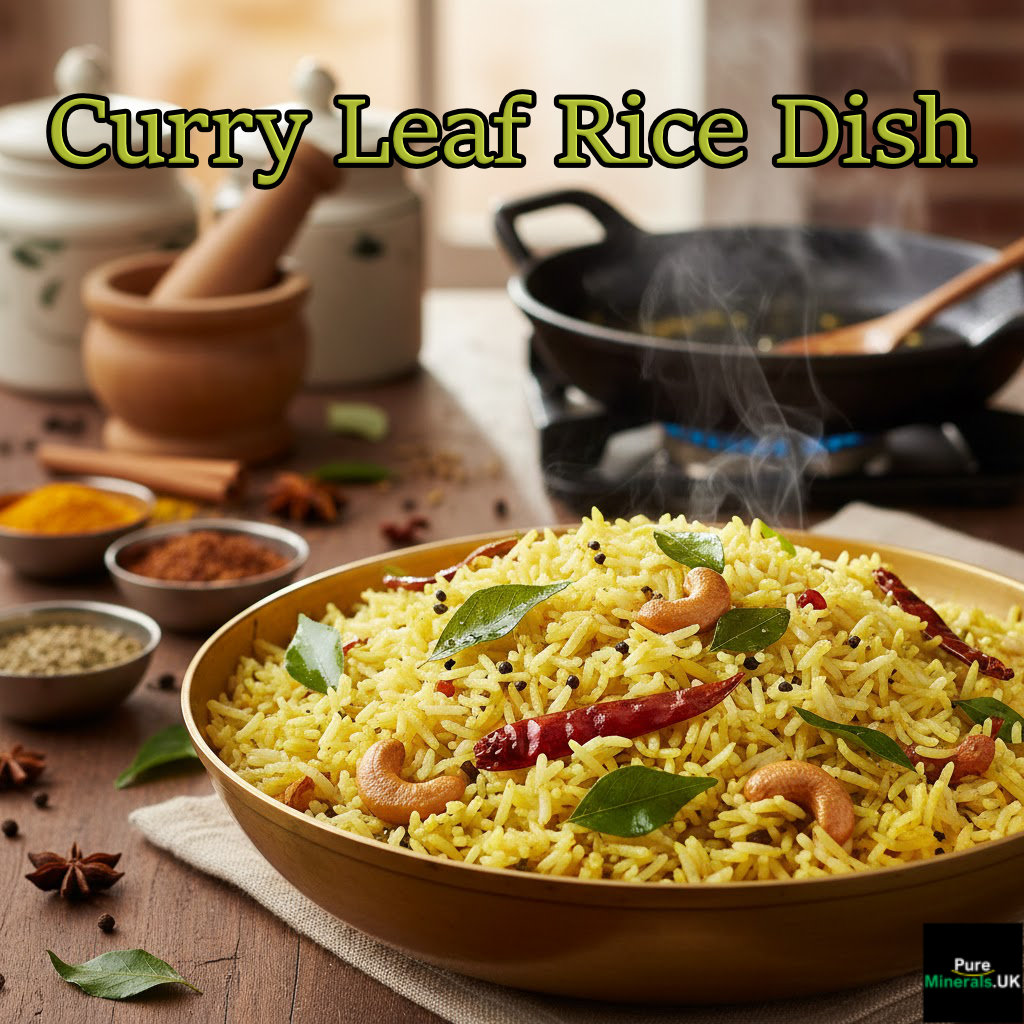
Curry leaves elevate simple rice dishes to new heights of flavor. For a basic curry leaf rice, sauté curry leaves with mustard seeds, cashews, and dry chilies in ghee before adding to steamed rice. The leaves infuse the entire dish with their aroma while the crispy leaves themselves provide textural contrast and bursts of flavor.
In biryani and pulao preparations, curry leaves work alongside more robust spices like cardamom, cinnamon, and cloves to create layers of flavor. They’re especially effective in coconut rice, where their citrusy notes complement the creamy sweetness of coconut milk. For maximum impact, use both fresh leaves in the cooking process and fried crispy leaves as a garnish.
4. Create Aromatic Chutneys
PIC
Curry leaf chutney is a revelation for those unfamiliar with South Indian cuisine. Blending fresh curry leaves with coconut, green chilies, tamarind, and a few basic spices creates a versatile condiment that pairs beautifully with dosas, idlis, rice, or even as a spread on sandwiches. The leaves provide not only flavor but also significant nutritional benefits when consumed in this concentrated form.
For a quick version, blend a cup of curry leaves with half a cup of fresh coconut, 2-3 green chilies, a small piece of tamarind, and salt to taste. Temper with mustard seeds and additional curry leaves fried in oil for an authentic finish. This chutney keeps well in the refrigerator for up to a week and freezes beautifully for longer storage.
5. Blend into Spice Mixes
Dried curry leaves can be incorporated into homemade spice blends for an added dimension of flavor. Toast the leaves until crisp, then grind them with other spices to create custom masalas. They pair particularly well with coriander seeds, cumin, fennel, and black pepper in spice blends designed for vegetable dishes or lentil preparations.
A simple curry leaf powder made from dried leaves, lentils, and chilies makes an instant flavor enhancer that can be sprinkled over finished dishes or used as a seasoning during cooking. This powder is particularly popular in South Indian households as a way to preserve curry leaves and have their flavor readily available year-round.
Powerful Health Benefits Hidden in These Little Leaves
Beyond their culinary applications, curry leaves offer impressive health benefits backed by both traditional knowledge and modern research. These unassuming leaves have been used in Ayurvedic medicine for centuries, and science is now confirming what traditional healers have long known about their therapeutic properties.
Blood Sugar Management Properties
Research suggests that curry leaves may help regulate blood glucose levels, making them potentially beneficial for those managing diabetes or at risk for the condition. The leaves contain compounds that appear to influence carbohydrate metabolism and may help reduce spikes in blood sugar after meals. Studies have identified alkaloids in curry leaves that stimulate insulin production in the pancreas, potentially improving the body’s ability to utilize glucose effectively.
In traditional medicine systems, curry leaf tea has been consumed specifically for its blood sugar-balancing effects. Modern research has begun to validate this practice, with several studies demonstrating that curry leaf extracts can help reduce blood glucose levels in animal models of diabetes. Regular consumption of curry leaves as part of a balanced diet may contribute to better glycemic control when combined with other healthy lifestyle practices.
Cholesterol-Lowering Effects
The carbazole alkaloids and antioxidants present in curry leaves appear to have beneficial effects on lipid profiles. Research suggests they may help reduce LDL (“bad”) cholesterol while supporting healthy HDL (“good”) cholesterol levels. These compounds work by influencing hepatic cholesterol metabolism and potentially reducing the absorption of dietary cholesterol in the intestines.
Animal studies have shown that curry leaf extracts can significantly reduce total cholesterol, triglycerides, and LDL cholesterol while increasing beneficial HDL levels. This cholesterol-regulating effect makes curry leaves particularly valuable for cardiovascular health, as maintaining healthy cholesterol levels is crucial for preventing atherosclerosis and reducing the risk of heart disease.
Digestive Aid Benefits
Curry leaves have been used traditionally to support digestive health, and modern understanding of their properties helps explain why. They contain compounds that can stimulate digestive enzymes, potentially improving the breakdown and absorption of nutrients. The leaves also demonstrate mild laxative properties and may help regulate bowel movements when consumed regularly, similar to the effects of sauerkraut.
Their carminative properties make curry leaves effective at reducing gas and bloating, common digestive discomforts that affect many people. In traditional Ayurvedic practice, curry leaves are often recommended for digestive issues ranging from simple indigestion to more chronic conditions. The mild bitter compounds in the leaves may also stimulate appetite and support the body’s natural digestive processes. Additionally, incorporating sauerkraut into your diet can further enhance digestion and gut health.
Antioxidant Protection
Curry leaves are packed with antioxidants, including kaempferol, quercetin, mahanimbine, and koenimbine, that help neutralize harmful free radicals in the body. These compounds offer protection against oxidative damage to cells and may help reduce inflammation throughout the body, supporting overall health and potentially reducing the risk of chronic diseases associated with oxidative stress.
From Kitchen to Medicine Cabinet: Traditional Remedies
The medicinal value of curry leaves extends far beyond their nutritional content. For centuries, these aromatic leaves have occupied a special place in traditional medicine systems across South Asia, particularly in Ayurveda, where they’re known as “kadi patta” or “karivepaku” and classified as having digestive and detoxifying properties.
Long before modern science confirmed their health benefits, curry leaves were used in home remedies for everything from digestive ailments to skin conditions. What makes them particularly valuable is their safety profile – even when consumed in relatively large quantities as medicine, curry leaves rarely cause adverse effects, making them suitable for regular therapeutic use.
Ayurvedic Applications
In Ayurvedic medicine, curry leaves are considered to have “pitta-balancing” properties, meaning they help cool and soothe inflammation in the body. They’re classified as having a pungent, bitter taste and cooling energy that helps remove toxins, particularly from the digestive tract and liver. Traditional practitioners often recommend curry leaf tea for digestive disorders, excess acidity, and morning sickness during pregnancy, highlighting the plant’s gentle yet effective nature. For those interested in other detoxifying herbs, burdock is another plant often used in similar contexts.
Hair and Skin Care Treatments
One of the most popular traditional uses of curry leaves is for hair health and vitality. Curry leaf oil infusions and pastes have been used for generations to maintain hair color, stimulate growth, and address dandruff and dry scalp conditions. The leaves’ high antioxidant content and minerals like iron, zinc, and various B vitamins provide nourishment directly to hair follicles when applied topically, while their antimicrobial properties help maintain a healthy scalp environment conducive to strong hair growth.
The Perfect Partners: Ingredients That Complement Curry Leaf
Curry Leaf Flavor Affinities
The distinctive flavor of curry leaves pairs exceptionally well with mustard seeds, coconut, asafoetida, cumin, turmeric, chilies, and lentils. These combinations create the foundation of many South Indian dishes, where the sum becomes far greater than its parts. Understanding these classic pairings allows cooks to create authentic flavors even when experimenting with non-traditional ingredients.
Curry leaves rarely work alone in creating spectacular flavors. Instead, they form part of a carefully balanced flavor system alongside other aromatic ingredients. Perhaps their most classic partnership is with black mustard seeds, where the nutty, slightly bitter quality of the seeds perfectly complements the citrusy notes of curry leaves. This pairing forms the foundation of countless South Indian dishes, from simple vegetable preparations to complex curries.
Coconut in various forms – fresh, milk, cream, or desiccated – creates another magical pairing with curry leaves. The creamy sweetness of coconut provides the perfect backdrop for the more assertive curry leaf flavor to shine. This combination is the backbone of many coastal Indian and Sri Lankan dishes, particularly those featuring seafood, where the curry leaves help cut through the richness of the coconut while enhancing its tropical notes. For those interested in exploring more about nutritious ingredients like Greek yogurt, which can also add a creamy texture to dishes, further reading is available.
Acidic ingredients like tomatoes, tamarind, and lime juice also work beautifully with curry leaves, creating a balanced interplay between sour and aromatic flavors. This combination is particularly effective in chutneys, sauces, and lighter vegetable preparations, where the acidity brightens the dish while the curry leaves provide depth and complexity. For an added nutritional boost, consider incorporating kale into your recipes, which pairs well with these flavors.
Spice Combinations That Shine
Beyond the classic mustard seed pairing, curry leaves form harmonious relationships with numerous other spices. Cumin seeds complement their citrusy notes with earthy warmth, while coriander adds a floral quality that enhances the leaf’s more delicate flavors. Fenugreek seeds, with their maple-like sweetness, create an interesting counterpoint to the slightly bitter undertones of curry leaves, making this combination particularly effective in dishes that need both depth and sweetness.
Asafoetida (hing), though pungent on its own, mellows considerably when cooked and creates a savory foundation that allows the more complex notes of curry leaves to shine through. This partnership is especially important in vegetarian dishes, where the asafoetida provides a flavor reminiscent of alliums while the curry leaves add layers of citrusy, herbaceous complexity.
Protein Pairings
Curry leaves have an exceptional ability to cut through richness, making them ideal for fatty fish preparations, coconut-milk-based seafood curries, and even hearty meat dishes. They work particularly well with white fish, prawns, and chicken, where their bright flavor provides contrast without overwhelming the more delicate proteins. For vegetarian protein sources, curry leaves have a special affinity for lentils and chickpeas, where they help transform these protein-rich but sometimes bland ingredients into flavorful, satisfying dishes.
Final Thoughts: Embracing the Power of Curry Leaves
Curry leaves represent a perfect intersection of culinary delight and nutritional benefit – they make food taste better while simultaneously making it better for you. By incorporating these aromatic leaves into your regular cooking repertoire, you’re not only expanding your flavor horizons but also introducing a powerful nutritional ally into your diet. From supporting healthy blood sugar levels to providing antioxidant protection, curry leaves offer benefits that extend far beyond their modest appearance. Whether you’re experimenting with traditional South Asian cuisine or simply looking to add new dimensions to everyday dishes, curry leaves deserve a place in your culinary toolkit.
Important note: Curry Leaf
Curry leaf is generally safe as a culinary herb when used in normal food amounts. However, concentrated curry leaf extracts or high-dose supplements may influence blood sugar levels. Individuals using diabetes medication should consult a healthcare professional before using curry leaf in supplement form or in unusually large quantities.
Curry leaf should not be confused with other “curry plants” used ornamentally, which are not the same species. As with any herb, discontinue use if allergic reactions occur.
Frequently Asked Questions
Curry leaves often generate questions from those new to cooking with them. Here are answers to some of the most common inquiries we receive about this versatile ingredient. If you’re curious about other beneficial plants, you might be interested in learning about goji berries and their uses.
These insights will help you make the most of curry leaves in your kitchen while understanding their unique properties and benefits.
Can I substitute curry leaves with something else?
While nothing truly replicates the unique flavor of curry leaves, in a pinch, you can substitute with a combination of lime zest and basil to approximate some of their citrusy and herbal notes. Bay leaves with a bit of lemon zest can also provide a distant approximation of the aromatic quality, though the flavor profile will be noticeably different. For the most authentic results in traditional recipes, it’s worth seeking out real curry leaves, as their distinctive flavor is difficult to replicate with any single substitute or combination.
Despite the similar name, curry leaves and curry powder are entirely different ingredients. Curry leaves are fresh leaves from the curry tree (Murraya koenigii), while curry powder is a spice blend typically containing turmeric, coriander, cumin, and other spices – but usually not curry leaves. The similar naming comes from the British colonial era in India and reflects confusion between the leaf used in many curry preparations and the spice blends that were developed for export to Britain.
Interestingly, some regional curry powders, particularly those from South India, may contain dried, ground curry leaves as one component, but this is not common in commercial curry powders sold internationally. Understanding this distinction is important for achieving authentic flavors in South Asian cooking.
Do I need to remove curry leaves before serving?
Traditionally, curry leaves are left in the dish when served, though most people set them aside while eating rather than consuming them directly – similar to how bay leaves are treated in Western cooking. However, unlike bay leaves, curry leaves are perfectly edible and contain many of the health benefits discussed earlier. Their texture softens considerably during cooking, making them pleasant to eat, particularly when they’ve been crisped in oil during the tempering process.
If you’re cooking for guests unfamiliar with curry leaves, you might mention that they’re edible but can be set aside if preferred. Some modern chefs deliberately crisp the leaves to make them more texturally appealing and explicitly encourage diners to enjoy them for both their flavor and health benefits.
What nutrients make curry leaves so healthy?
Curry leaves are nutritional powerhouses packed with beneficial compounds. They contain significant amounts of iron, calcium, phosphorus, and vitamins A, B, C, and E. Perhaps most importantly, they’re rich in antioxidants, including alkaloids, glycosides, and phenolic compounds that help fight oxidative stress in the body. The leaves also contain fiber and various amino acids that contribute to their health-promoting properties.
Research has identified specific compounds in curry leaves, including mahanimbine, girinimbine, and koenimbine, that appear responsible for many of their medicinal effects. These carbazole alkaloids have demonstrated antidiabetic, antimicrobial, anti-inflammatory, and cholesterol-reducing properties in scientific studies, validating many of the traditional medicinal uses of these remarkable leaves.
How can I tell if curry leaves have gone bad?
Fresh curry leaves should be vibrant green, firm to the touch, and highly aromatic when crushed. If they’ve turned yellow or brown, become limp or slimy, or lost their distinctive smell, they’re past their prime and should be discarded. Good quality curry leaves should release a strong, pleasant aroma when crushed between your fingers – if this is absent, they’ve likely lost much of their flavor compounds and won’t contribute the desired taste to your cooking.
To extend the shelf life of curry leaves, store them unwashed in an airtight container lined with paper towels in the refrigerator, where they’ll keep for up to two weeks. For long-term storage, thoroughly dry fresh leaves in a dehydrator or oven at the lowest setting until completely crisp, then store in an airtight container away from light and heat, where they’ll maintain reasonable flavor for several months.
For the very best results, consider growing your own curry leaf plant if your climate permits. These relatively compact trees can thrive in containers in warm environments and provide a ready supply of fresh leaves whenever you need them. A small cutting from an established plant can grow into a productive source of fresh curry leaves within a year or two. If you’re interested in exploring other plants with beneficial properties, you might want to learn about comfrey, which is known for its medicinal uses.
The curry leaf is an essential ingredient in Indian cuisine, known for its distinct aroma and flavor. It is often used in cooking to enhance the taste of dishes and is also valued for its nutritional benefits. Rich in antioxidants, curry leaves can help in managing diabetes, aiding digestion, and improving hair health. For those interested in exploring similar beneficial plants, the comfrey plant is another option worth considering for its healing properties.