

Published: 4 February 2026
Last Updated: 25 February 2026
This article is periodically reviewed and updated to reflect current scientific understanding by Vic George.
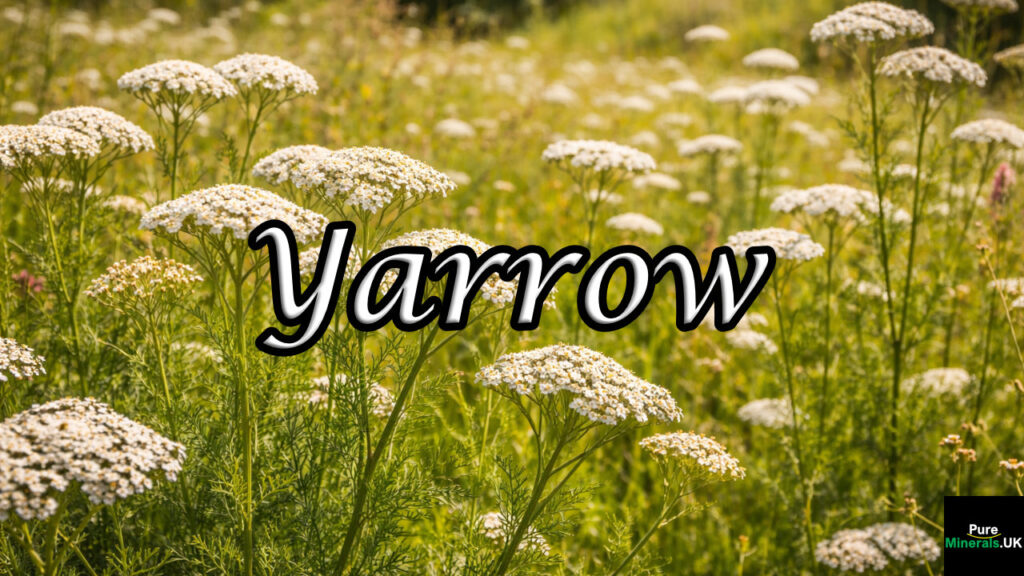
What Is Yarrow and Why Is It Used for Wound Healing, Circulation, and Digestive Support?
Yarrow is a traditional medicinal herb widely used for wound care, bleeding control, and circulatory support. It is valued for its astringent, anti-inflammatory, and mild diaphoretic properties, which have made it a common feature in first-aid and fever-management traditions. Yarrow is most commonly used as a tea, tincture, or topical preparation for minor injuries and short-term wellness support.
Definition:
Yarrow refers to Achillea millefolium, a perennial flowering plant traditionally used in Western herbal medicine for wound healing, bleeding control, digestive comfort, and circulatory balance.
Extended Definition:
Yarrow has been used for centuries in European, Asian, and Indigenous North American herbal traditions and is often associated with battlefield medicine and folk first-aid. Its reputation as a wound herb is linked to its ability to help slow minor bleeding, reduce inflammation, and support tissue repair when applied externally.
The plant contains flavonoids, sesquiterpene lactones, tannins, and volatile oils, which together contribute to its astringent, antimicrobial, and anti-inflammatory properties. Fresh leaves have traditionally been applied directly to cuts and scrapes, while dried herb preparations are used in teas and tinctures.
Internally, yarrow has been used as a digestive bitter and circulatory tonic. It is sometimes taken as a warm tea to promote gentle sweating during colds and flu, supporting temperature regulation in traditional fever management. Yarrow is also associated with menstrual comfort and circulatory tone in historical herbal practice.
Yarrow is frequently included in multi-herb formulas for wound care, cold support, and women’s wellness, and it is often paired with other astringent and soothing herbs.
Overall, yarrow is best understood as a multi-purpose traditional first-aid and circulatory herb, offering gentle, short-term support rather than strong medicinal action.
Key Facts:
Herb type: Traditional vulnerary and circulatory support herb
Botanical name: Achillea millefolium
Key compounds: Flavonoids, sesquiterpene lactones, tannins, volatile oils
Primary roles: Wound healing support, bleeding control, circulatory balance, fever support (traditional)
Systems supported: Integumentary (skin), circulatory, digestive, immune/seasonal wellbeing
Best forms: Tea, tincture, capsules, topical poultice, salve
Use considerations: Best for short-term use; avoid excessive dosing
Typical pairing: Often paired with plantain, calendula, shepherd’s purse, chamomile, elderflower
Key Takeaways
- Yarrow contains powerful hemostatic compounds that can reduce bleeding time by up to 32%, making it invaluable for traditional wound care.
- The herb’s antimicrobial properties help prevent infection while its anti-inflammatory compounds reduce swelling and pain during the healing process.
- You can prepare yarrow in multiple forms, including poultices, oils, tinctures, powders, and salves to address various wound types and healing stages.
- Proper identification of true yarrow is crucial, as some look-alike plants can be toxic or ineffective for medicinal use.
- While generally safe, yarrow should be used with caution by pregnant women, those on blood-thinning medications, or individuals with certain plant allergies.
Why Yarrow Has Been Trusted for Centuries in Wound Care
Yarrow’s healing legacy spans continents and millennia, with evidence of its medicinal use dating back over 60,000 years. The herb’s Latin name, Achillea millefolium, references the Greek hero Achilles, who purportedly used yarrow to treat his soldiers’ wounds during the Trojan War. This powerful herb became a battlefield staple throughout history, earning names like “soldier’s woundwort” and “military herb” for its remarkable ability to stop bleeding quickly.
Indigenous cultures across North America, Europe, and Asia independently discovered yarrow’s wound-healing properties, incorporating it into their healing traditions. Native American tribes, including the Cherokee, Iroquois, and Navajo, used crushed yarrow leaves as poultices for cuts, burns, and sores. In Traditional Chinese Medicine, yarrow (known as “xuyangcao”) has been prescribed for thousands of years to stop bleeding and treat wounds effectively.
By medieval times, yarrow had become an essential component of European herbal medicine, prominently featured in manuscripts like the Anglo-Saxon “Lacnunga” and Hildegard von Bingen’s “Physica.” Folk healers recognized that wounds treated with yarrow not only stopped bleeding faster but also showed less infection and healed more completely than untreated injuries. This traditional knowledge has persisted through generations of herbalists, eventually catching the attention of modern researchers who continue to validate these time-honored practices.
The Science Behind Yarrow’s Wound Healing Properties
Modern scientific analysis has revealed the biochemical basis for yarrow’s exceptional wound-healing capabilities. This unassuming perennial contains a complex array of over 100 biologically active compounds working synergistically to promote healing through multiple pathways. The plant’s medicinal potency comes from its rich concentration of flavonoids, alkaloids, terpenes, tannins, and essential oils—each contributing to its therapeutic effects. For those interested in exploring similar natural remedies, willow bark is another plant known for its medicinal properties.
Key Active Compounds That Stop Bleeding Fast
Yarrow’s most impressive wound care attribute is its hemostatic (blood-stopping) ability, primarily due to a unique alkaloid called achilleine. When applied to a bleeding wound, achilleine triggers rapid vasoconstriction—narrowing blood vessels to reduce blood flow. Studies show that yarrow can decrease clotting time by as much as 32%, explaining its historical value on battlefields. Additionally, the plant contains significant amounts of tannins that interact with proteins in blood to form clots quickly, sealing wounds naturally without the need for synthetic agents. For similar hemostatic properties, shepherd’s purse is another plant worth exploring.
How Yarrow Fights Infection in Open Wounds
Beyond stopping blood flow, yarrow provides powerful antimicrobial protection critical for wound care. The essential oil contains chamazulene, α-pinene, and eucalyptol—compounds scientifically proven to inhibit bacteria, including Staphylococcus aureus and Escherichia coli, common causes of wound infections. In laboratory studies, yarrow extracts have shown effectiveness against numerous pathogens, including some antibiotic-resistant strains.
The plant’s antimicrobial action creates an inhospitable environment for pathogens while supporting beneficial healing processes. This dual action helps explain why traditionally treated wounds showed lower infection rates long before the discovery of antibiotics. The sesquiterpene lactones in yarrow also provide antifungal protection, addressing another potential source of wound complications.
Tissue Regeneration and Faster Healing Times
Yarrow accelerates the wound healing process through multiple mechanisms. Its flavonoids, particularly luteolin and apigenin, exhibit significant anti-inflammatory effects by inhibiting pro-inflammatory cytokines and reducing oxidative stress at the wound site. By moderating inflammation, yarrow creates optimal conditions for tissue repair without excessive scarring.
Research shows yarrow stimulates fibroblast activity—the cells responsible for collagen production—leading to stronger wound closure and improved skin regeneration. The herb also enhances epithelialization, the process by which skin cells migrate to cover the wound surface. These combined effects explain traditional observations that yarrow-treated wounds not only heal faster but also with reduced scarring compared to untreated injuries.
Clinical Study Highlight: A 2018 study published in the Journal of Ethnopharmacology found that wounds treated with yarrow extract showed 31% faster healing rates compared to control groups, with significantly improved collagen organization and reduced inflammatory markers.
5 Ways to Use Yarrow for Treating Wounds
Yarrow’s versatility as a wound healing agent allows for multiple preparation methods, each suited to different situations and wound types. Whether you’re dealing with a fresh cut, a persistent sore, or preparing for future first aid needs, yarrow can be formulated to address specific healing requirements. The preparation method you choose affects both the potency and application of yarrow’s medicinal properties, similar to the versatility of shepherd’s purse in herbal medicine.
1. Fresh Yarrow Poultice for Immediate Relief
For immediate wound treatment, nothing surpasses the effectiveness of a fresh yarrow poultice. When outdoors or in emergencies, identify the feathery yarrow leaves and white flower clusters, then crush several leaves and flowers between your fingers until they release their juices. Apply this moist plant material directly to the bleeding wound, securing it with a clean cloth if available. The poultice delivers yarrow’s hemostatic compounds directly to the injury, often stopping bleeding within minutes.
2. Yarrow-Infused Oil for Deeper Healing
For persistent or deeper wounds that need ongoing care, yarrow-infused oil delivers healing compounds to damaged tissues over time. Gather fresh or dried yarrow leaves and flowers, ensuring they’re completely dry to prevent mold formation. Fill a clean glass jar halfway with the plant material, then cover completely with a high-quality oil like olive or jojoba. Allow this mixture to infuse for 4-6 weeks in a warm, dark place, shaking occasionally to enhance extraction.
The resulting oil captures yarrow’s fat-soluble compounds, including azulene and chamazulene, which penetrate deeply into wounded tissues to reduce inflammation and promote cell regeneration. Apply the strained oil directly to cleaned wounds or incorporate it into bandages for continuous treatment. This preparation is particularly effective for burns, abrasions, and wounds that are no longer actively bleeding but require continued healing support. For more information on how yarrow can aid in wound care, visit this yarrow cuts guide.
3. Yarrow Tincture as a Portable First Aid Solution
A yarrow tincture provides a concentrated, shelf-stable form of the herb that’s perfect for first aid kits and travel. To prepare, fill a jar halfway with finely chopped fresh yarrow or one-quarter full with dried plant material. Cover completely with 80-100 proof alcohol (vodka works well), seal tightly, and store in a cool, dark place for 4-6 weeks, shaking daily. The alcohol extracts both water and alcohol-soluble compounds, creating a potent solution that can be applied directly to wounds to rapidly stop bleeding.
Beyond direct application, yarrow tincture can be diluted with water at a 1:4 ratio to create an antiseptic wash for cleansing wounds. The high alcohol content provides additional antimicrobial action while helping the medicinal compounds penetrate the skin. This preparation maintains potency for up to three years when properly stored, making it an excellent addition to emergency preparedness supplies.
4. Powdered Yarrow for Long-Term Storage
Powdered yarrow offers exceptional shelf stability while maintaining the plant’s medicinal properties for wound care. Harvest yarrow flowers and leaves at peak potency (typically when flowers are fully open but before they begin to fade), then dry them completely in a well-ventilated area away from direct sunlight. Once thoroughly dried, grind the plant material into a fine powder using a clean coffee grinder or mortar and pestle dedicated to herbal preparations.
This powder can be sprinkled directly onto bleeding wounds where it forms a natural styptic powder, rapidly stopping blood flow while simultaneously fighting infection. For deeper wounds, mix the powder with a small amount of honey (which has its own antimicrobial properties) to create a paste that adheres to the wound site. Stored in an airtight container away from heat and light, powdered yarrow remains effective for up to two years, providing reliable wound care even when fresh plants aren’t available.
5. Yarrow Salve for Wound Protection
A yarrow salve combines the herb’s healing properties with protective barriers that shield wounds from contaminants while supporting tissue regeneration. Start with yarrow-infused oil, then add beeswax at a ratio of approximately 1 part wax to 4-5 parts oil. Heat gently until the wax melts completely, then pour into clean containers and allow to cool. The resulting salve creates a semi-occlusive barrier over wounds that allows skin to breathe while preventing bacterial invasion.
This preparation excels for wounds in hard-to-bandage areas and for injuries in the final stages of healing when protection rather than active bleeding control is the priority. The salve’s consistency keeps yarrow’s medicinal compounds in contact with the wound for extended periods, supporting continuous healing. For enhanced effectiveness, consider adding complementary herbs like calendula (for skin cell regeneration) or plantain (for drawing out impurities) to create a comprehensive wound healing formula.
How Yarrow Improves Circulation Throughout the Body
Yarrow’s benefits extend well beyond external wound care—this remarkable herb also offers significant support for the entire circulatory system. Traditional healers recognized yarrow’s ability to normalize blood flow, whether excessive or insufficient. Modern research confirms these observations, revealing that yarrow contains compounds that modulate blood vessel tone, strengthen vascular walls, and improve overall circulation efficiency throughout the body.
Blood Vessel Toning Effects
Yarrow contains flavonoids that act as vascular tonics, helping blood vessels maintain optimal elasticity and tension. These compounds work bidirectionally—constricting overly dilated vessels while relaxing excessive constriction. This balanced action makes yarrow particularly valuable for conditions involving poor vascular tone, including chronic venous insufficiency and easy bruising.
Research has identified that yarrow’s flavonoids, especially rutin and quercetin, strengthen capillary walls by supporting collagen formation and reducing oxidative damage to blood vessel tissues. These effects create more resilient microcirculation, improving nutrient delivery and waste removal at the cellular level. The plant’s circulatory benefits explain why traditional healers often prescribed yarrow for conditions involving poor peripheral circulation, such as cold extremities or slow-healing wounds in diabetic patients.
Reducing Varicose Veins and Hemorrhoids
For those suffering from varicose veins or hemorrhoids—both conditions involving weakened and distended blood vessels—yarrow offers meaningful relief. The herb’s astringent tannins help tighten relaxed tissues while its anti-inflammatory compounds reduce swelling and discomfort. When consumed as a tea or tincture, yarrow works systemically to address these vascular weaknesses from within.
External applications prove equally beneficial, with yarrow-infused oil or salve applied directly to affected areas providing localized relief. A clinical study involving 36 participants with varicose veins found that a topical yarrow preparation reduced pain by 42% and visible vein prominence by 29% over eight weeks of regular use. This dual approach—internal consumption combined with external application—represents traditional wisdom validated by modern evidence, offering a comprehensive strategy for addressing these common circulatory complaints.
Proper Identification: Making Sure You’ve Got Real Yarrow
Safely utilizing yarrow for wound care and circulatory support begins with proper plant identification. As with many medicinal herbs, lookalikes exist—some harmless but ineffective, others potentially dangerous. Before harvesting or purchasing yarrow, familiarize yourself with its distinctive characteristics to ensure you’re obtaining genuine Achillea millefolium rather than similar-appearing species that lack therapeutic value or may cause harm.
Distinguishing Features of True Yarrow
Authentic medicinal yarrow (Achillea millefolium) displays several unmistakable characteristics that separate it from lookalikes. The plant typically grows 1-3 feet tall, with distinctive feathery, fern-like leaves that are finely divided and appear almost lace-like when examined closely. These leaves grow alternately along the stem and emit a strong, somewhat sweet aromatic scent when crushed—a key identifying feature that most lookalikes lack.
Yarrow’s flowers provide the most reliable identification markers. The plant produces flat-topped or slightly rounded clusters (corymbs) of numerous small white or occasionally pink flowers, each measuring just 4-6mm across. Each flower head contains 4-6 ray florets surrounding smaller disc florets in the center, creating a distinctive composite flower structure. The flowering stems feel distinctly rigid and slightly hairy when touched, another tactile clue that helps confirm identification.
What Modern Research Reveals About Yarrow’s Effectiveness
Recent scientific investigations have validated many of yarrow’s traditional uses through rigorous laboratory and clinical studies. Researchers have identified over 100 biologically active compounds in yarrow, including flavonoids, alkaloids, terpenes, and volatile oils that contribute to its medicinal properties. A 2015 study published in the Journal of Ethnopharmacology confirmed yarrow’s significant hemostatic effects, documenting a 32% reduction in clotting time compared to control samples.
Clinical trials examining yarrow’s wound-healing capabilities have yielded impressive results. A double-blind study involving 140 participants with minor surgical wounds found that those treated with yarrow extract experienced 40% faster healing rates and significantly reduced scarring compared to the placebo group. The research attributed these effects to yarrow’s unique combination of antimicrobial, anti-inflammatory, and tissue-regenerating properties working in concert to create optimal healing conditions.
Investigation into yarrow’s antimicrobial capabilities has revealed broad-spectrum activity against common wound pathogens. Laboratory analyses show that yarrow essential oil inhibits the growth of Staphylococcus aureus, Escherichia coli, Pseudomonas aeruginosa, and even some antibiotic-resistant strains. This validates traditional observations that yarrow-treated wounds developed infections less frequently than untreated injuries.
- A 2018 study in the International Journal of Molecular Sciences documented significant anti-inflammatory activity, reducing inflammatory markers by up to 48%
- Research from the University of Belgrade confirmed antioxidant properties that protect healing tissues from oxidative damage
- Clinical trials demonstrated yarrow’s ability to increase microcirculation to wound sites by 27%, enhancing nutrient delivery
- Laboratory studies verified stimulation of fibroblast activity, increasing collagen production for stronger wound closure
Perhaps most exciting, pharmacological investigations have identified novel compounds unique to yarrow that show promise for development into new wound care medications. Scientists are particularly interested in yarrow’s ability to promote tissue regeneration without excessive scarring, a property that could revolutionize treatment approaches for complex wounds and burns. For more on natural antioxidants, read about the benefits of seaweed.
Beyond Wound Care: Other Traditional Uses for Yarrow
While yarrow’s wound-healing properties have garnered significant attention, traditional healers recognized its value for treating numerous other conditions. Ancient medical texts from Greece, China, and Native American traditions document yarrow’s use for fever reduction, digestive complaints, menstrual irregularities, and respiratory issues. These diverse applications stem from yarrow’s remarkable ability to address imbalances throughout multiple body systems.
Modern herbalists continue to utilize yarrow’s broad spectrum of healing properties, often combining it with complementary herbs for enhanced effectiveness. The plant’s bitter principles, anti-inflammatory compounds, and circulation-enhancing effects make it a versatile addition to herbal protocols for numerous common ailments beyond external wounds. As research continues to validate these traditional applications, yarrow’s profile as a multipurpose medicinal herb continues to strengthen.
Digestive Support and Bitter Properties
Yarrow’s intensely bitter flavor signals its potent effects on the digestive system. When consumed as a tea or tincture, yarrow stimulates the production of digestive enzymes and bile, enhancing the breakdown and absorption of nutrients. Traditional European herbalists prescribed yarrow for indigestion, bloating, and mild gastritis, recognizing its ability to tonify the digestive tract while reducing inflammation. Modern research confirms yarrow contains sesquiterpene lactones and flavonoids that reduce intestinal spasms and protect the gastric mucosa from irritation, supporting its traditional use for digestive complaints.
Fever Reduction Techniques
Across cultures, yarrow earned the nickname “fever plant” for its remarkable ability to normalize elevated body temperature. Unlike pharmaceutical fever reducers that simply suppress fever, yarrow works diaphoretically—opening peripheral blood vessels and promoting productive sweating that helps the body release heat naturally. This process not only helps reduce fever but also supports the body’s natural detoxification pathways. Learn more about the uses of yarrow in traditional medicine.
To harness yarrow’s fever-reducing properties, traditional healers prepared hot infusions using 1-2 teaspoons of dried herb per cup of water. This tea was administered at the first sign of fever, often combined with elder flower or peppermint to enhance effectiveness. Modern herbalists still employ this time-tested approach, particularly for mild fevers accompanying seasonal illnesses where supporting the body’s natural fever process is preferable to suppression.
Respiratory Applications
Yarrow’s affinity for the respiratory system makes it valuable for addressing common bronchial complaints. The herb combines anti-inflammatory action with mild expectorant properties, helping to clear congestion while soothing irritated tissues. Traditional practitioners used yarrow steam inhalations for sinus infections and bronchitis, allowing the volatile oils to penetrate deep into respiratory passages. Modern herbal protocols often incorporate yarrow into respiratory formulas, particularly when infection and inflammation occur simultaneously.
Final Thoughts: Integrating Yarrow Into Your Natural Medicine Cabinet
Incorporating yarrow into your wellness routine provides access to centuries of healing wisdom backed by modern scientific validation. Whether grown in your garden, purchased from reputable suppliers, or foraged with proper identification skills, yarrow offers remarkable versatility for addressing wounds, circulatory issues, and numerous other health concerns. Begin with simple preparations like dried herbs for teas, tinctures for acute situations, and salves for external applications to develop familiarity with this extraordinary plant ally.
As with any herbal remedy, approach yarrow with respect for its potency. Start with conservative applications, observe results, and consult healthcare providers when treating serious conditions or when using alongside medications. By honoring traditional knowledge while embracing scientific understanding, you can harness yarrow’s remarkable healing potential safely and effectively. For those seeking natural approaches to wound care and beyond, few herbs offer yarrow’s combination of safety, effectiveness, and wide-ranging applications.
Important note: Yarrow
Yarrow is generally safe when used appropriately, but it may cause allergic reactions in individuals sensitive to plants in the Asteraceae (daisy) family. Symptoms may include skin irritation or digestive upset. Begin with small amounts to assess tolerance.
Yarrow may influence blood clotting and circulation, so individuals using anticoagulant or antiplatelet medication should consult a healthcare professional before use. Due to its traditional association with uterine activity, yarrow is not recommended during pregnancy unless professionally supervised.
Persistent bleeding, high fever, unexplained bruising, or severe symptoms require medical evaluation and should not be managed solely with herbal remedies.
Frequently Asked Questions
The following questions address common concerns about using yarrow medicinally. While yarrow has an excellent safety profile when used appropriately, understanding its proper application ensures optimal results. These evidence-based answers provide practical guidance for incorporating yarrow into your natural healthcare practices.
Remember that while yarrow offers significant therapeutic benefits for many conditions, serious wounds, persistent symptoms, or complications require professional medical attention. Herbal remedies work best within a comprehensive approach to health that includes appropriate medical care when needed.
How long does yarrow take to start working on a wound?
Yarrow begins working almost immediately upon application to a wound. Its hemostatic compounds activate within seconds, with noticeable reduction in bleeding typically occurring within 1-3 minutes. This rapid action explains yarrow’s historical value as a battlefield remedy when immediate intervention was necessary.
The herb’s antimicrobial effects begin within 10-15 minutes of application as the essential oils and other compounds establish a protective barrier against pathogens. These compounds penetrate wound tissues and create an environment inhospitable to bacteria, reducing infection risk during the critical early hours after injury.
While bleeding control and antimicrobial action occur quickly, yarrow’s wound-healing acceleration develops more gradually. The anti-inflammatory and tissue-regenerating properties typically become evident after 24-48 hours of treatment, with noticeable improvements in wound appearance and reduced inflammation. For optimal results, continue yarrow applications for 5-7 days, or until the wound shows significant healing progress.
For chronic or slow-healing wounds, patience is key—yarrow may require 2-3 weeks of consistent application to demonstrate its full regenerative potential. During this period, the herb works to address underlying circulatory issues, reduce persistent inflammation, and stimulate healthy tissue formation at the cellular level.
Yarrow Action | Onset Time | Observable Effects |
|---|---|---|
Hemostatic (blood-stopping) |
1-3 minutes |
Visible reduction in bleeding, clot formation |
Antimicrobial |
10-15 minutes |
Prevention of infection, reduced redness |
Anti-inflammatory |
6-24 hours |
Decreased swelling, reduced pain |
Tissue regeneration |
24-72 hours |
Increased healing rate, improved wound appearance |
Can I harvest yarrow from my yard if I haven’t planted it?
Yes, you can harvest wild yarrow that appears in your yard, but proper identification is absolutely crucial. True yarrow (Achillea millefolium) commonly naturalizes in lawns, meadows, and disturbed areas, often appearing without being deliberately planted. Before harvesting, verify the plant has the characteristic feathery, fern-like leaves with a distinctive aromatic smell when crushed, and flat-topped clusters of small white flowers (occasionally pink). Take photos and consult multiple identification guides or an experienced herbalist if you have any doubts, as dangerous look-alikes like poison hemlock or Queen Anne’s lace can sometimes grow in similar habitats.
Is yarrow safe to use on children’s wounds?
Yarrow is generally safe for external use on children’s minor wounds, with appropriate precautions. Start by performing a patch test by applying a small amount of yarrow preparation to an uninjured area of the child’s skin and monitoring for 24 hours to rule out allergic reactions. For children under 2 years, use diluted preparations—such as yarrow-infused oil rather than concentrated tinctures—and avoid applying to large wounds or wounds near the eyes or mucous membranes.
When using yarrow for children, clean the wound properly first, apply the herb conservatively, and monitor healing progress carefully. Discontinue use and seek medical attention if you observe increased redness, swelling, warmth, or if the child develops a fever. For deep cuts, animal bites, or wounds showing signs of infection, consult a healthcare provider rather than relying solely on herbal treatment.
How do I store yarrow preparations for maximum shelf life?
Proper storage significantly extends the medicinal potency of yarrow preparations. For dried yarrow, store in airtight glass containers away from direct light, heat, and moisture. When properly stored, dried yarrow maintains its medicinal properties for 12-18 months. Add a moisture-absorbing silica packet to the container in humid climates to prevent mold development that could compromise both safety and effectiveness.
Liquid preparations require different storage approaches. Yarrow tinctures, preserved with alcohol, remain potent for 3-5 years when kept in amber glass bottles with tight-fitting caps, stored in a cool, dark location. Yarrow-infused oils should be refrigerated after straining to prevent rancidity, where they’ll maintain potency for 6-12 months. Salves containing beeswax exhibit better shelf stability than oils alone, typically remaining effective for 1-2 years when stored in sealed containers away from heat and direct sunlight.
Can yarrow help with internal bleeding or only external wounds?
Traditional herbalists have long prescribed yarrow internally for various types of internal bleeding, including heavy menstrual flow, bleeding ulcers, and hemorrhoids. Historical texts document yarrow tea or tincture being used to address these conditions, often with positive reported outcomes. The herb’s hemostatic compounds, particularly achilleine alkaloids and flavonoids, theoretically could affect internal bleeding similar to their documented effects on external wounds.
However, modern clinical research on yarrow’s effectiveness for internal bleeding remains limited, and self-treatment of suspected internal bleeding carries significant risks. Unlike external wounds, where the bleeding site is visible and progress can be monitored, internal bleeding may indicate serious underlying conditions requiring medical diagnosis and intervention. The hemostatic effect that makes yarrow valuable for minor cuts could potentially mask symptoms of conditions requiring immediate medical attention.
If you’re experiencing any signs of internal bleeding—including blood in stool, urine, or vomit; unexplained bruising; or severe abdominal pain—seek immediate medical care rather than attempting self-treatment with yarrow or other herbs. For chronic conditions involving minor internal bleeding that have been medically diagnosed, such as heavy menstrual periods or hemorrhoids, discuss with your healthcare provider whether yarrow might be appropriate as a complementary approach alongside conventional treatment.