

What Is Vitamin K and Why Is This Essential Fat-Soluble Vitamin Important for Blood Clotting, Bone Strength, and Calcium Regulation?
Vitamin K is a fat-soluble nutrient required for normal blood clotting, bone metabolism, and the regulation of calcium within the body. In foods, vitamin K appears as vitamin K1 from leafy green vegetables and as vitamin K2 from fermented foods and certain animal products. Adequate intake supports bone strength, cardiovascular health, and overall metabolic balance.
Definition:
Vitamin K is an essential fat-soluble vitamin that activates proteins involved in blood coagulation and bone mineralisation. Vitamin K1 (phylloquinone) is abundant in leafy greens, while vitamin K2 (menaquinones) is found in fermented foods, cheeses, eggs, and certain meats. Both forms contribute to healthy clotting and skeletal maintenance.
Extended Definition:
Vitamin K functions through a process called gamma-carboxylation, which activates proteins such as prothrombin (for blood clotting) and osteocalcin (for bone formation). Vitamin K1 primarily supports clotting functions, while K2 has additional roles in directing calcium to bones and preventing calcification in blood vessels. Because vitamin K is fat-soluble and recycled in the body through the vitamin K cycle, deficiencies are uncommon but may occur with long-term antibiotic use or fat malabsorption. Leafy greens, fermented foods, and certain animal products help maintain adequate levels.
Key Facts:
- Nutrient type: Fat-soluble vitamin
- Biological forms: Vitamin K1 (phylloquinone), vitamin K2 (menaquinones: MK-4 to MK-13)
- Primary functions: Blood clotting, bone mineralisation, calcium regulation
- Systems supported: Circulatory, skeletal, metabolic
- Preferred dietary sources: Leafy greens, fermented foods (natto, cheeses), eggs, meat, poultry
- Deficiency considerations: Easy bruising, prolonged bleeding, reduced bone density (rare)
- Interactions: Works with vitamin D for bone health; supports the activation of calcium-binding proteins
Key Takeaways
- Vitamin K1 (phylloquinone) is essential for blood clotting and works alongside calcium to support bone health and prevent arterial calcification.
- The richest sources of vitamin K1 are dark leafy greens like kale, spinach, and collards, with just one cup providing several times the daily recommended intake.
- Unlike its counterpart, vitamin K2, vitamin K1 is primarily found in plant foods and makes up about 90% of the vitamin K in a typical Western diet.
- Consistent intake of vitamin K1-rich foods is more important than avoidance for people on blood thinners like warfarin.
- Adding just one serving of vitamin K1-rich vegetables daily can significantly improve your blood clotting factors and bone health markers.
Vitamin K1: The Essential Nutrient Your Body Needs Daily
Vitamin K1 is the unsung hero of the vitamin world. While many of us focus on getting enough vitamin C, D, or calcium, vitamin K1 quietly handles critical tasks that keep us alive and healthy each day. Found primarily in plant foods, this fat-soluble vitamin is your body’s key player in blood clotting and bone mineralization.
Without adequate vitamin K1, even minor cuts could become dangerous, and your bones might gradually weaken without you noticing. The good news? Nature has provided us with abundant sources of this vital nutrient, and incorporating them into your diet is simpler than you might think.
In this comprehensive guide, we’ll explore the richest food sources of vitamin K1, how much you need, and practical ways to ensure you’re getting enough of this essential nutrient. Whether you’re managing a health condition, taking blood-thinning medication, or simply aiming for optimal wellness, understanding vitamin K1 is a crucial step in taking control of your health.
Did You Know? The “K” in vitamin K comes from the German word “koagulation,” reflecting its critical role in blood clotting. This discovery earned Danish scientist Henrik Dam a Nobel Prize in 1943. For more information on vitamins, you can explore details about vitamin B9 as well.
What Is Vitamin K1 and How Does It Work in Your Body?
Vitamin K1, scientifically known as phylloquinone, belongs to a family of fat-soluble vitamins that are essential for numerous biological functions. Unlike water-soluble vitamins that your body excretes easily, vitamin K1 is stored in your liver and fatty tissues, allowing your body to maintain reserves for times when dietary intake might be insufficient.
The Science Behind Phylloquinone (Vitamin K1)
At its core, vitamin K1 acts as a cofactor – a helper molecule that enables specific proteins in your body to bind calcium. When you consume vitamin K1, your body transforms it into its active form, which then activates proteins called Gla-proteins through a process called carboxylation. This biochemical reaction is what allows these proteins to bind calcium ions, setting off a chain of events crucial for blood clotting and bone metabolism.
In your blood, vitamin K1 activates clotting factors II, VII, IX, and X, along with proteins C and S. When you cut yourself, these activated proteins work together in a cascade to form a blood clot, preventing excessive bleeding. This intricate system needs to maintain perfect balance – not clotting too easily or too slowly – and vitamin K1 is central to maintaining this equilibrium.
How Vitamin K1 Differs from Vitamin K2
While vitamin K1 and K2 share the same basic structure, they differ in their side chains, sources, and primary functions in the body. Vitamin K1 (phylloquinone) is predominantly found in plant foods, especially leafy greens, and makes up about 90% of the vitamin K in a typical Western diet. Its primary role is activating proteins involved in blood clotting.
Vitamin K2 (menaquinones), on the other hand, encompasses a group of compounds primarily found in animal products and fermented foods. While K1 is quickly cleared from the bloodstream and directed to the liver, K2 remains in circulation longer and appears to be more effective at improving bone density and preventing arterial calcification. Both forms are essential, but they work in slightly different ways and in different tissues throughout the body. For more information on other essential nutrients, you can explore the benefits of Vitamin B12.
- Vitamin K1 (phylloquinone): Plant-derived, primarily supports blood clotting
- Vitamin K2 (menaquinones): Animal and fermented food-derived, primarily supports bone and heart health
- Both forms: Required for calcium regulation and protein activation
- Conversion: The body can convert some K1 to K2, but this process is inefficient
Why Your Blood Can’t Clot Without Vitamin K1
Blood clotting is a marvel of evolutionary design – a complex process that prevents us from bleeding excessively when injured while keeping blood flowing freely when we’re uninjured. Vitamin K1 is absolutely critical to this life-saving mechanism. Without it, your blood would be unable to form clots, leading to a condition similar to hemophilia, where even minor injuries could cause dangerous bleeding.
When a blood vessel is damaged, vitamin K1-dependent proteins spring into action, forming a mesh-like structure that catches platelets and forms a clot. These proteins cannot function without first being “activated” by vitamin K1. In fact, this relationship is so important that certain blood-thinning medications like warfarin work by specifically blocking vitamin K’s actions – effectively preventing overactive clotting by limiting these proteins’ activation.
7 Powerful Health Benefits of Vitamin K1
While vitamin K1’s role in blood clotting is its most well-known function, this powerful nutrient provides numerous other benefits that support overall health. Understanding these benefits highlights why including vitamin K1-rich foods in your daily diet is so important for long-term wellness.
1. Prevents Excessive Bleeding
The most critical function of vitamin K1 is preventing hemorrhage by enabling your blood to clot properly. Without sufficient vitamin K1, you may experience prolonged bleeding from cuts, nosebleeds that won’t stop, or easy bruising. In more serious cases, internal bleeding can occur. This blood-clotting mechanism is so essential that newborn babies typically receive a vitamin K1 injection shortly after birth to prevent a rare but serious bleeding disorder.
2. Strengthens Bone Density
Vitamin K1 activates osteocalcin, a protein that binds calcium to bone tissue, helping to build and maintain strong bones. Research shows that higher vitamin K1 intake is associated with greater bone mineral density and reduced fracture risk, particularly in older adults. This benefit becomes increasingly important as we age and natural bone loss accelerates, making vitamin K1 a valuable ally in preventing osteoporosis. Learn more about the role of vitamins in bone health, including Vitamin C.
3. Supports Heart Health
Emerging research suggests that vitamin K1 helps prevent arterial calcification by activating matrix Gla protein, which inhibits calcium deposits in blood vessels. By keeping calcium in your bones where it belongs and out of your arteries where it can cause damage, vitamin K1 may help reduce the risk of heart disease. Studies have shown that individuals with higher vitamin K1 intake tend to have less arterial calcification and lower rates of heart disease.
4. Helps Prevent Calcification in Blood Vessels
Beyond its heart benefits, vitamin K1’s calcium-regulating effects extend to all blood vessels. By activating proteins that prevent inappropriate calcification, vitamin K1 helps maintain the elasticity of blood vessel walls. This is crucial for proper circulation and may help prevent conditions like varicose veins and other vascular issues. The balance between vitamin K1 and calcium is delicate but essential for keeping your circulatory system healthy.
5. Improves Insulin Sensitivity
Emerging research suggests that vitamin K1 may play a role in metabolic health by improving insulin sensitivity. Several studies have found associations between higher vitamin K1 intake and reduced risk of developing type 2 diabetes. While more research is needed to fully understand this relationship, it appears that vitamin K1’s anti-inflammatory properties and its effects on certain hormones may help regulate blood sugar levels.
Top 5 Food Sources of Vitamin K1
Incorporating vitamin K1-rich foods into your diet is the most natural and effective way to ensure you’re getting enough of this essential nutrient. The following foods are exceptional sources of vitamin K1 and offer additional nutritional benefits that support overall health.
1. Dark Leafy Greens (Kale, Spinach, Collards)
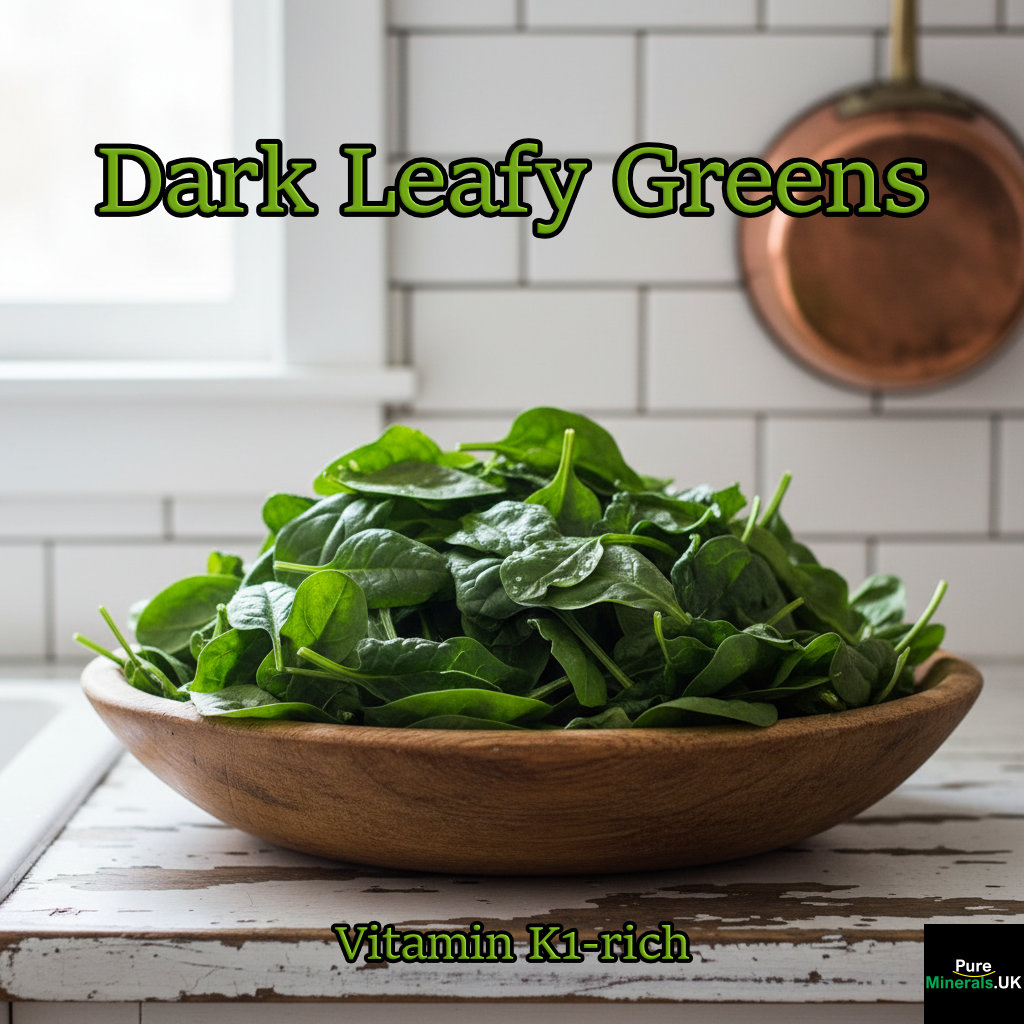
Dark leafy greens reign supreme when it comes to vitamin K1 content. Just one cup of cooked kale provides a whopping 1,062 mcg of vitamin K1—nearly 10 times the recommended daily intake for adults. Spinach isn’t far behind, offering about 889 mcg per cooked cup, while collard greens provide approximately 836 mcg per cooked cup. These nutritional powerhouses also deliver impressive amounts of vitamins A and C, folate, iron, and antioxidants that fight inflammation and oxidative stress. For maximum nutrient absorption, pair these greens with a small amount of healthy fat like olive oil or avocado.
2. Cruciferous Vegetables
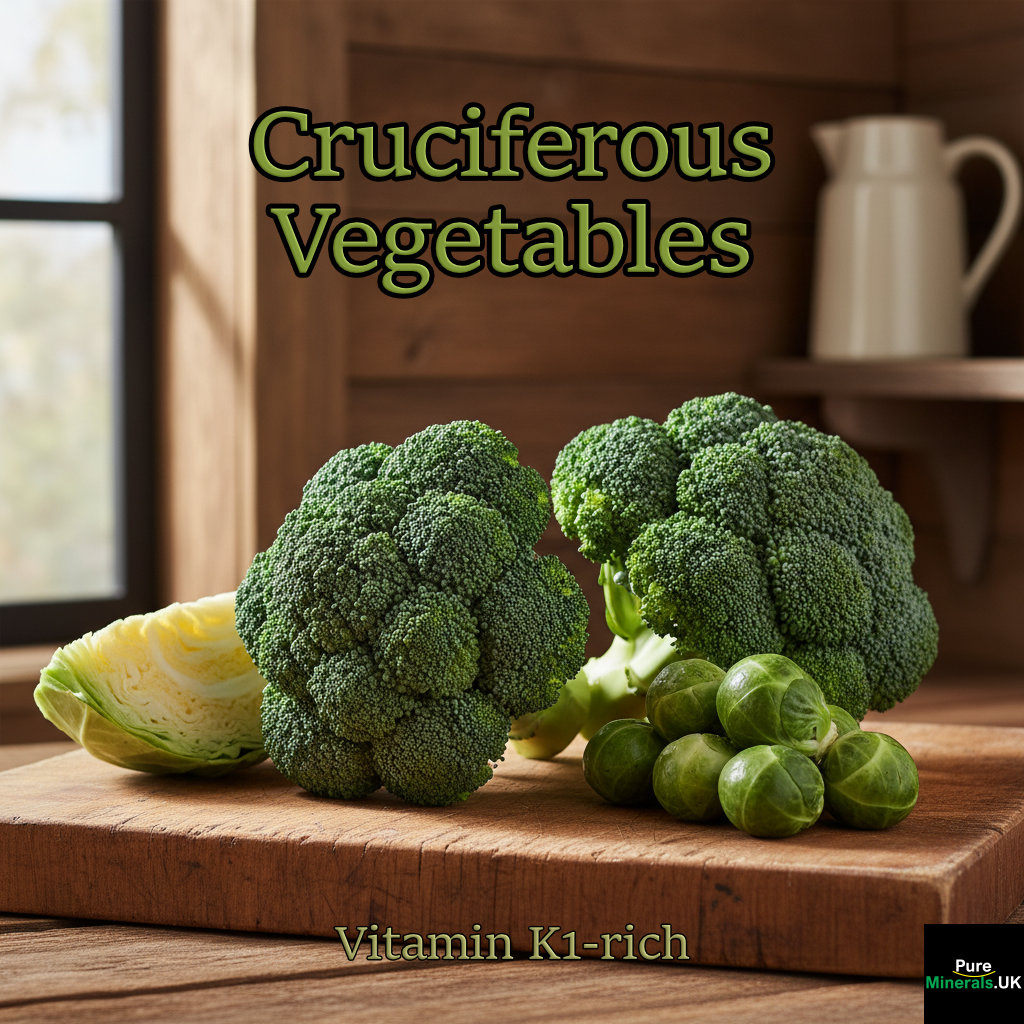
Members of the cruciferous vegetable family are excellent sources of vitamin K1, along with cancer-fighting compounds. Broccoli provides about 220 mcg per cup when cooked, while Brussels sprouts offer approximately 219 mcg per cooked cup. Cabbage contains a modest but significant 82 mcg per cup. These vegetables also contain sulforaphane and indole-3-carbinol, compounds that support liver detoxification and may help prevent certain types of cancer. Lightly steaming these vegetables preserves their vitamin K1 content while improving digestibility.
3. Fresh Herbs
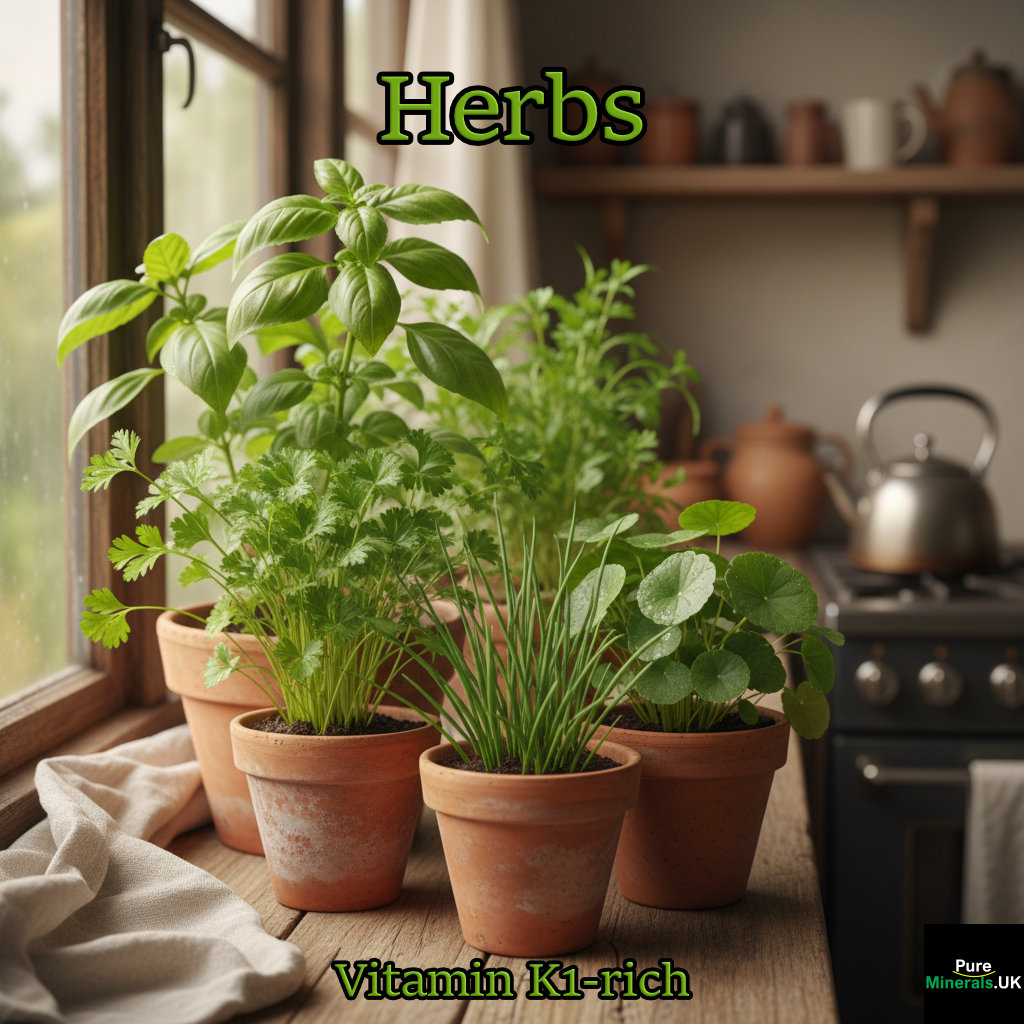
Fresh herbs may be small in serving size, but they pack a significant vitamin K1 punch. Just two tablespoons of fresh parsley contain about 153 mcg of vitamin K1, while the same amount of fresh basil provides around 36 mcg. Cilantro, chives, and mint also contribute meaningful amounts of vitamin K1 to your diet.
Herbs do double duty by adding flavor without sodium while providing concentrated nutrition. Regularly incorporating fresh herbs into your meals is a simple way to boost your vitamin C intake without adding extra calories. Try adding them to salads, soups, grain dishes, or homemade dressings for both nutritional benefits and enhanced flavor profiles.
4. Plant Oils
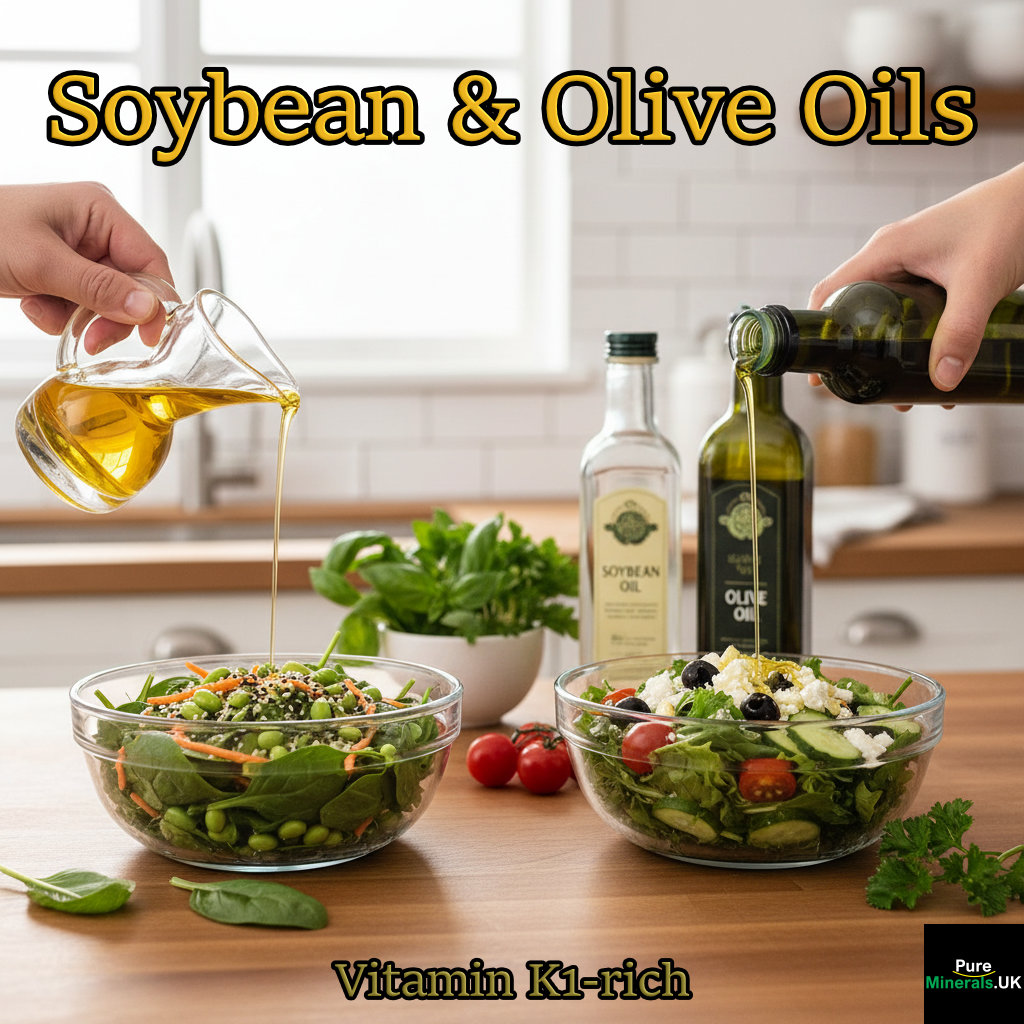
Several plant oils contain significant amounts of vitamin K1, with soybean oil leading the pack at about 25 mcg per tablespoon. Olive oil contains about 8 mcg per tablespoon. These oils also deliver vitamin E and beneficial fatty acids that support heart health and reduce inflammation. Because vitamin K is fat-soluble, using these oils to dress salads or cook vitamin K-rich vegetables can enhance the absorption of this crucial nutrient.
5. Green Vegetables
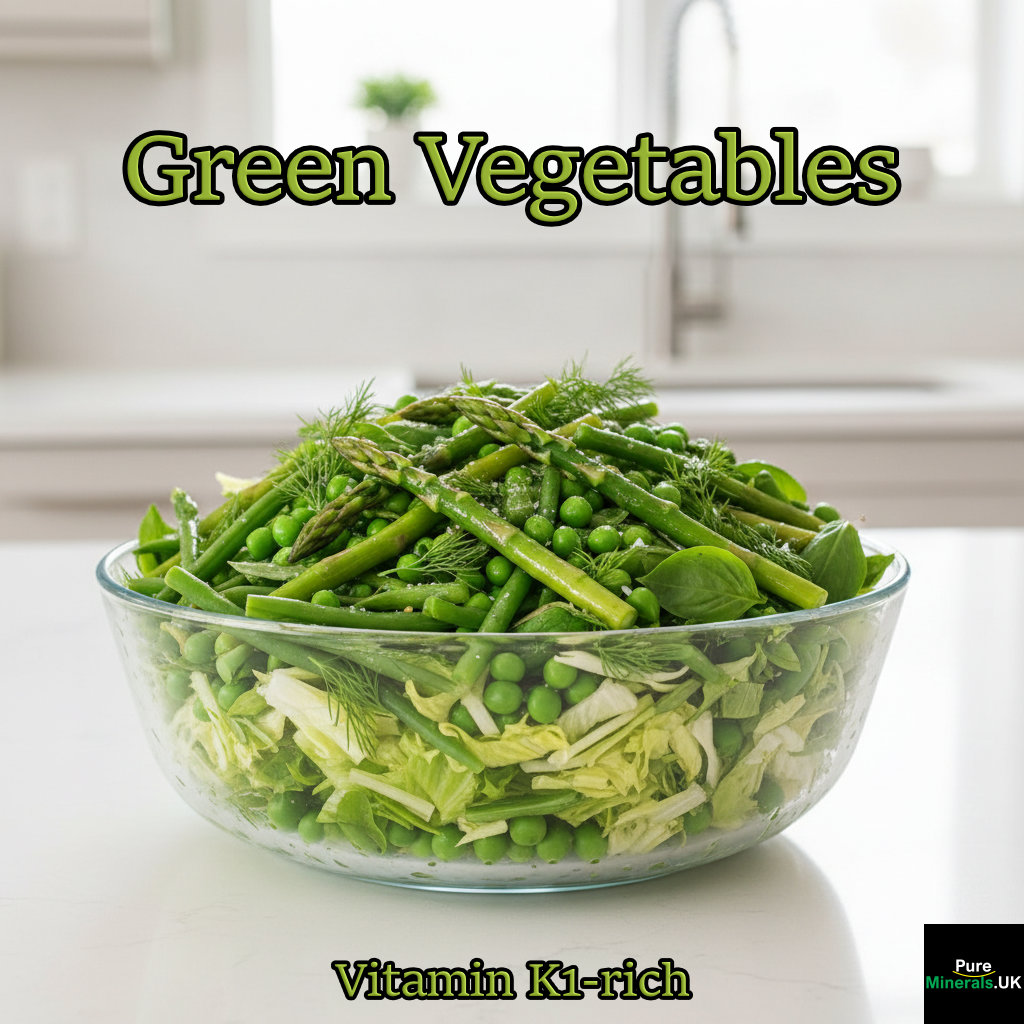
Beyond the superstars already mentioned, many other green vegetables contribute meaningful amounts of vitamin K1 to your diet. Asparagus provides about 91 mcg per cup, green beans offer 33 mcg per cup, and green peas contain about 36 mcg per cup. Even iceberg lettuce, despite its reputation as being less nutritious than darker greens, still provides about 13 mcg of vitamin K1 per cup. Eating a variety of green vegetables throughout the week ensures you’re getting not only vitamin K1 but also a diverse array of other phytonutrients that support overall health.
For those who don’t enjoy the taste of stronger-flavored greens like kale or collards, milder options like green beans, peas, or lettuce can still contribute significantly to vitamin K1 intake when consumed regularly. The key is consistency and variety rather than focusing on a single source.
Simple Ways to Add More K1-Rich Foods to Your Diet
Incorporating more vitamin K1 into your daily meals doesn’t require complex cooking or exotic ingredients. Adding a handful of spinach to your morning smoothie can provide a significant vitamin K1 boost without changing the flavor significantly. Try blending it with sweet fruits like banana or mango to mask any green taste. For lunch, consider building your sandwich on a bed of dark leafy greens instead of lettuce, or toss a handful into soups, stews, or pasta sauces where they’ll wilt down and become nearly unnoticeable.
Meal prepping can also help ensure you’re getting consistent vitamin K1 intake. Try batch-cooking sautéed greens with garlic and olive oil to keep in the refrigerator as a ready-to-go side dish. Another simple approach is the “half-plate rule” – aim to fill half your plate with vegetables at lunch and dinner, including at least one vitamin K1-rich option. For those who genuinely dislike the taste of greens, consider hiding them in foods like meatballs, meatloaf, or even brownies (spinach works surprisingly well), where their taste is completely masked, but their nutrients are still present.
How Much Vitamin K1 Do You Need Each Day?
Understanding the recommended intake levels for vitamin K1 is essential for maintaining optimal health. Unlike many other vitamins, vitamin K1 requirements are relatively modest, but meeting these needs consistently is crucial for proper blood clotting and bone maintenance.
Recommended Daily Intake by Age and Gender
The recommended dietary allowance (RDA) for vitamin K varies by age and gender. For adult men (19+ years), the recommendation is 120 mcg per day, while adult women need 90 mcg daily. During pregnancy and lactation, women should aim for 90 mcg per day, as requirements don’t increase during these periods. For children, the requirements gradually increase with age: infants 0-6 months need 2.0 mcg, babies 7-12 months need 2.5 mcg, children 1-3 years need 30 mcg, children 4-8 years need 55 mcg, and children 9-13 years need 60 mcg. Adolescents 14-18 years need either 75 mcg (girls) or 75 mcg (boys) daily.
These recommendations represent the minimum amount needed to prevent deficiency, but many health experts suggest that higher intakes might provide additional benefits, particularly for bone and heart health. Consuming a single serving of leafy greens can easily provide several times the recommended amount, and there’s no known toxicity risk from high vitamin K1 intake from food sources.
Age Group | Recommended Daily Intake (mcg) | Food Example to Meet Needs |
|---|---|---|
Adult Men (19+) | 120 mcg | ½ cup cooked kale (531 mcg) |
Adult Women (19+) | 90 mcg | 1 cup raw spinach (145 mcg) |
Children (4-8) | 55 mcg | ½ cup broccoli (110 mcg) |
Teens (14-18) | 75 mcg | 1 cup green beans (33 mcg) + ½ cup spinach (44 mcg) |
Signs You Might Have a Vitamin K1 Deficiency
True vitamin K1 deficiency is rare in healthy adults who eat a varied diet, but certain conditions and medications can increase the risk. The most common signs of deficiency include easy bruising, excessive bleeding from minor cuts, heavy menstrual periods, and nosebleeds that are difficult to stop. In more severe cases, internal bleeding can occur, which might manifest as blood in the urine or stool. Because vitamin K1 plays a role in bone health, long-term deficiency might also contribute to reduced bone density and increased fracture risk, though these effects develop gradually over time.
Newborns are at higher risk for vitamin K deficiency because breast milk contains relatively low levels of vitamin K, and the bacteria that help produce vitamin K in the gut aren’t yet established in infants. This is why vitamin K injections are routinely given to newborns. Additionally, people with conditions that affect fat absorption (such as celiac disease, Crohn’s disease, or cystic fibrosis) may have trouble absorbing this fat-soluble vitamin and could develop a deficiency over time.
Special Requirements During Pregnancy and Breastfeeding
During pregnancy, vitamin K1 requirements don’t increase above the standard recommendation of 90 mcg per day for adult women. However, maintaining adequate intake is important for both maternal health and the proper development of the fetus. Vitamin K1 doesn’t cross the placenta efficiently, which is why newborns typically have low vitamin K levels and receive a vitamin K injection at birth to prevent bleeding complications.
For breastfeeding mothers, the recommendation remains at 90 mcg daily. Breast milk naturally contains small amounts of vitamin K, but these levels can be influenced by the mother’s diet. While these low levels are normal and generally not a concern (thanks to the vitamin K injection babies receive at birth), breastfeeding women should still ensure they’re consuming adequate vitamin K1 through their diet to support their own health. Including dark leafy greens, cruciferous vegetables, and healthy plant oils regularly can help meet these needs.
Should You Take Vitamin K1 Supplements?
For most healthy adults who eat a varied diet that includes green vegetables, vitamin K1 supplements aren’t necessary. A single serving of kale or spinach provides several times the daily recommended amount of vitamin K1. However, certain populations may benefit from supplementation, especially when dietary intake is insufficient or when conditions affect vitamin K absorption.
Potential Interactions with Medications
The most significant and well-known interaction occurs between vitamin K1 and warfarin (Coumadin), a common blood-thinning medication. Warfarin works by interfering with vitamin K’s role in blood clotting, and sudden changes in vitamin K1 intake can affect how well warfarin works. This doesn’t mean people taking warfarin should avoid vitamin K1—rather, they should maintain consistent intake and work closely with their healthcare provider to adjust medication dosing accordingly.
Other medications that may interact with vitamin K1 include certain antibiotics that reduce vitamin K production by gut bacteria, bile acid sequestrants that can decrease absorption of fat-soluble vitamins, and some weight loss drugs that reduce fat absorption. If you’re taking any of these medications, consult with your healthcare provider about the potential need for supplementation or dietary adjustments to maintain optimal vitamin K1 levels.
How to Choose a Quality Supplement
If supplementation is necessary, look for products that contain vitamin K1 in the form of phylloquinone or phytonadione, which is identical to the form found in foods. Choose supplements from reputable manufacturers that undergo third-party testing for purity and potency, indicated by seals from organizations like USP, NSF, or ConsumerLab. For better absorption, take vitamin K1 supplements with a meal containing some fat, as it’s a fat-soluble vitamin. Typical supplemental doses range from 50-150 mcg, though specific dosing should be determined in consultation with a healthcare provider, especially for those taking medications that might interact with vitamin K.
Vitamin K1 vs. Blood Thinners: What You Need to Know
The relationship between vitamin K1 and blood-thinning medications like warfarin (Coumadin) is often misunderstood. Many patients are told to avoid foods high in vitamin K1, but current medical understanding has evolved to emphasize consistency rather than avoidance.
Important: If you’re taking blood thinners, never make significant changes to your vitamin D intake without consulting your healthcare provider. Sudden increases or decreases can affect your medication’s effectiveness and potentially increase bleeding or clotting risk.
Warfarin works by blocking an enzyme that activates vitamin K-dependent clotting factors. When vitamin K1 intake fluctuates dramatically, it can either strengthen or weaken warfarin’s effects. If you suddenly increase your intake of vitamin K1-rich foods, warfarin may become less effective, potentially increasing your risk of developing harmful blood clots. Conversely, if you suddenly decrease vitamin K1 consumption, warfarin may become too powerful, increasing your risk of bleeding.
Newer anticoagulants like apixaban (Eliquis), rivaroxaban (Xarelto), and dabigatran (Pradaxa) work through different mechanisms that don’t involve vitamin K. Patients taking these medications generally don’t need to monitor their vitamin K1 intake as carefully, though they should still inform their healthcare providers about significant dietary changes.
Regular blood tests measuring your International Normalized Ratio (INR) help your doctor determine if your warfarin dosage needs adjustment based on your vitamin K1 intake and other factors. These tests are crucial for maintaining the delicate balance between preventing harmful clots and avoiding excessive bleeding risk.
Why Consistency Matters More Than Avoidance
Rather than avoiding vitamin K1-rich foods entirely, current medical guidance emphasizes maintaining consistent intake. This means eating roughly the same amount of vitamin K1-rich foods from day to day or week to week, allowing your healthcare provider to adjust your warfarin dosage accordingly. This approach is healthier than avoiding nutritious green vegetables altogether, which could lead to missing out on their many other health benefits, including fiber, antioxidants, and other essential vitamins and minerals. The key is communication—keeping your doctor informed about your typical diet and any planned changes so they can help you manage your medication effectively.
Working with Your Doctor on Safe Intake Levels
If you’re taking warfarin, work closely with your healthcare provider to determine an appropriate target range for vitamin K1 consumption that fits your lifestyle and food preferences. Bring a food diary to your appointments showing your typical intake of vitamin K1-rich foods, and discuss any challenges you face in maintaining consistency. Your doctor can adjust your warfarin dosage based on your usual diet rather than asking you to drastically change your eating habits. Remember that vitamin D from supplements tends to have a more predictable effect on blood clotting than food sources, so if you’re taking supplements, be especially careful to maintain the same dosage unless directed otherwise by your healthcare provider.
Adding Vitamin K1 to Your Wellness Routine
Incorporating vitamin K1-rich foods into your daily routine doesn’t have to be complicated or require drastic dietary overhauls. Start with small, sustainable changes like adding a handful of spinach to your morning smoothie or egg scramble, using mixed greens instead of iceberg lettuce in sandwiches, or enjoying a side salad with dinner most nights. Consider keeping frozen greens on hand for convenience—they retain most of their vitamin K1 and can be quickly added to soups, pastas, or stir-fries.
Remember that consistency matters more than perfection, especially if you’re taking blood-thinning medication. The goal is to find simple ways to include these nutritious foods regularly while still enjoying your meals. For additional support with heart and bone health, pair vitamin K1-rich foods with other nutrients like vitamin D, calcium, and magnesium, which work synergistically to protect these vital systems.
Frequently Asked Questions
As we’ve explored the importance of vitamin K1 in the diet, several common questions often arise. Here are answers to some of the most frequently asked questions about vitamin K1, its sources, and its effects on health.
Can you get too much vitamin K1 from food?
Unlike some other fat-soluble vitamins, like vitamin E, that can build up to toxic levels, there is no known toxicity associated with high intake of vitamin K1 from food sources. The body effectively regulates vitamin K status, and excess amounts are simply not activated or are metabolized and excreted. This is why there is no established Upper Limit (UL) for vitamin K intake from foods.
Even consuming several cups of leafy greens daily, which might provide more than ten times the recommended daily amount of vitamin K1, has not been associated with adverse effects in healthy individuals. The only exception is for people taking warfarin, who need to maintain a consistent rather than high or low intake.
It’s worth noting that while food sources are safe, very high doses of synthetic vitamin K supplements might potentially interfere with the function of other fat-soluble vitamins or cause other unexpected effects. As with any supplement, it’s best to stick with recommended dosages unless specifically directed otherwise by a healthcare professional.
- No Upper Limit established for vitamin K1 consumption
- Natural regulatory mechanisms prevent toxicity from food sources
- Consistency is more important than limitation, especially for those on blood thinners
- Supplemental forms should follow recommended dosages
If you’re concerned about getting too much vitamin K1, focus on eating a balanced diet with a variety of nutrients rather than restricting healthy foods like leafy greens that happen to be high in vitamin K1.
Is vitamin K1 better than vitamin K2 for bone health?
While both vitamin K1 and K2 contribute to bone health, research suggests that vitamin K2 (especially the MK-7 form) may be more effective for this specific purpose. Vitamin K2 appears to remain active in the body longer than K1 and seems to be more efficiently directed to bone tissue. Several studies have found stronger associations between vitamin K2 intake and bone mineral density or reduced fracture risk compared to vitamin K1. This doesn’t mean vitamin K1 isn’t important for bones—it certainly plays a role—but vitamin K2 may have an edge when it comes to this particular benefit.
The ideal approach for bone health is to ensure adequate intake of both forms of vitamin K along with other bone-supporting nutrients like calcium, vitamin D, and magnesium. You can get vitamin K1 from leafy greens and other plant foods, while vitamin K2 is found in fermented foods, certain cheeses, and animal products. Some people at high risk for osteoporosis might benefit from supplements containing both forms, but this should be discussed with a healthcare provider.
Does cooking destroy vitamin K1 in vegetables?
Vitamin K1 is relatively stable during cooking, especially compared to some other nutrients like vitamin C. Boiling vegetables can cause some vitamin K1 to leach into the cooking water—studies show losses of about 20-30% when vegetables are boiled—but most cooking methods preserve the majority of this nutrient. Steaming, sautéing, and microwaving generally retain more vitamins than boiling, making these methods preferable for preserving vitamin K1 content. In some cases, light cooking actually increases the bioavailability of vitamin K1 by breaking down plant cell walls, potentially making it easier for your body to absorb this fat-soluble vitamin.
To maximize vitamin K1 retention when cooking greens, consider quick cooking methods with minimal water, such as brief steaming, sautéing with healthy oils, or adding them to soups and stews, where any nutrients that leach into the liquid will still be consumed. Using the cooking liquid from boiled vegetables in soups or sauces can also help recover any vitamin K1 that may have leached out during cooking. Additionally, incorporating foods rich in other vitamins, like vitamin E, can enhance the nutritional value of your meals.
How quickly can vitamin K1 help with blood clotting?
Vitamin K1 acts relatively quickly to support blood clotting, though the timeline depends on the individual’s baseline vitamin K status and the dose administered. In clinical settings, when injectable vitamin K1 (phytonadione) is given to reverse excessive anticoagulation from warfarin, improvements in clotting factors can begin within 1-2 hours, with substantial correction often occurring within 6-12 hours. Oral vitamin K1 works more slowly, typically beginning to reverse excessive anticoagulation within 24 hours.
For healthy individuals with normal baseline levels, consuming vitamin K1-rich foods or supplements generally supports maintenance of the clotting system rather than causing dramatic changes. The body tightly regulates blood clotting, and having adequate vitamin K1 ensures this system functions properly. However, for someone with a true deficiency, dietary improvements would typically begin showing effects on clotting factors within days.
It’s important to note that while vitamin K1 works quickly to support normal clotting function, it does not cause excessive clotting or “thicken” the blood beyond normal parameters in healthy individuals. The body has multiple regulatory mechanisms to prevent overactivation of the clotting cascade.
Medical Alert: If you’re experiencing unusual bleeding or are concerned about clotting issues, seek medical attention immediately. Dietary changes are not an appropriate substitute for medical care in acute bleeding situations.
Should I take vitamin K1 with vitamin D for better absorption?
Vitamin K1 and vitamin D work as partners in maintaining bone health and proper calcium metabolism, though they don’t directly affect each other’s absorption. Rather, they complement each other functionally. Vitamin D helps your body absorb calcium from the digestive tract, while vitamin K1 (and especially vitamin K2) helps ensure that calcium is deposited in bones rather than in soft tissues like arteries, where it can cause harm.
Some research suggests that combined supplementation with vitamins D and K may be more effective for bone health and cardiovascular health than either vitamin alone. This synergistic effect occurs because these vitamins work through different but complementary mechanisms. Vitamin D increases the production of vitamin K-dependent proteins (like osteocalcin for bones and matrix Gla protein for blood vessels), but these proteins can only function properly when activated by vitamin K.
For optimal benefit, consider consuming these vitamins as part of a balanced diet that includes vitamin D sources (fatty fish, egg yolks, fortified foods, or sunshine exposure) alongside vitamin B12-rich foods. If you’re taking supplements, there’s no need to take them at the same time, but ensuring adequate levels of both vitamins is important. As with any supplementation regimen, it’s best to consult with a healthcare provider, especially if you have existing health conditions or take medications that might interact with these vitamins.
Vitamin K1, also known as phylloquinone, plays a crucial role in blood clotting and bone health. It is primarily found in green leafy vegetables such as kale, spinach, and broccoli. Consuming these foods regularly can help maintain adequate levels of this essential vitamin. Additionally, understanding the benefits of other vitamins like Vitamin B9 can further enhance your overall health and well-being.