

Published: 4 January 2026
Last Updated: 25 February 2026
This article is periodically reviewed and updated to reflect current scientific understanding by George Wesler.

What Are Superfoods and How Do They Support Better Health?
Answer:
Superfoods are commonly used to describe whole, nutrient-dense foods that provide a wide range of essential vitamins, minerals, fiber, healthy fats, and naturally occurring plant compounds. Examples include fruits, vegetables, whole grains, legumes, nuts, seeds, fermented foods, and certain fish.
From a nutritional perspective, superfoods do not work as remedies or cures. Instead, they contribute to overall dietary quality when consumed regularly as part of a balanced and varied eating pattern. These foods help supply nutrients that support normal bodily functions such as energy metabolism, immune maintenance, digestive health, and cellular protection from oxidative stress.
Health benefits associated with superfoods arise from consistent dietary habits rather than from individual foods eaten in isolation. For this reason, nutrition professionals generally recommend focusing on overall diet quality, food diversity, and long-term eating patterns rather than relying on any single “superfood” for health improvement.
Definition
Rather than offering a single health benefit, superfoods support better health by contributing to balanced nutrition. When eaten regularly as part of a varied diet, they can help maintain normal immune function, support heart and digestive health, aid metabolic processes, and protect cells from oxidative stress. Superfoods are most effective when combined with overall healthy eating patterns, not consumed in isolation.
Extended Definition
Superfoods aren’t a scientific classification, but foods recognized for their exceptional nutritional profiles, and are great choices for a healthy diet. They are nutrient-dense whole foods that provide high levels of vitamins, minerals, antioxidants, fiber, and healthy fats. Examples include berries, leafy greens, whole grains, nuts, seeds, fermented foods, and oily fish. Consumed regularly as part of a balanced diet, superfoods support general health by contributing to normal immune function, heart health, digestion, and overall nutritional balance.
Key Takeaways
- Superfoods provide exceptional nutrient density, delivering more vitamins, minerals, and antioxidants per calorie than regular foods
- Regular consumption of berries, leafy greens, and fatty fish can significantly reduce inflammation and support heart health
- The phytochemicals in superfoods help combat oxidative stress, potentially slowing the aging process and preventing chronic diseases
- Including just 5-7 superfoods in your weekly diet can boost your immune system function by up to 30%
- Contrary to popular belief, many superfoods are affordable and accessible, with frozen options retaining most nutritional benefits
In a world filled with processed foods and quick fixes, nature has always provided us with powerful solutions for optimal health. Superfoods aren’t just another nutrition trend—they’re nature’s concentrated sources of nutrients that can transform your wellbeing from the inside out. The right selection of these nutritional powerhouses can address everything from inflammation to brain health while boosting your energy and immune function.
Superfoods That Transform Your Health
Imagine foods so nutritionally powerful that they can actually help reverse damage in your body, strengthen your immune system, and give you abundant energy. That’s the promise of superfoods. These natural wonders work by delivering exceptional nutrient density—providing maximum nutrition with minimal calories. While no single food can solve all health problems, incorporating a variety of superfoods into your diet creates a foundation for vibrant health that medication simply cannot replicate.
What makes the superfood approach unique is that it’s not about restriction or complicated diets. It’s about abundance—adding in these nutritional powerhouses to crowd out less beneficial options naturally. According to nutrition research from Harvard Medical School, people who consume superfood-rich diets show measurably better health outcomes across multiple markers, from improved cholesterol profiles to enhanced cognitive function.
- Dark leafy greens provide calcium, iron, and cancer-fighting compounds
- Berries offer potent antioxidants that protect cells from damage
- Nuts and seeds deliver essential fatty acids for brain and heart health
- Fermented foods support gut microbiome balance and immune function
- Deeply colored vegetables and fruits provide phytonutrients that combat inflammation
What Makes a Food “Super”? The Science Behind Nutrient Density
The term “superfood” isn’t actually a scientific classification but refers to foods with exceptional nutrient density. Nutrient density measures the concentration of beneficial nutrients relative to calories in a food. True superfoods deliver an impressive array of vitamins, minerals, antioxidants, and other health-promoting compounds while containing relatively few calories. This makes them incredibly efficient fuel for your body.
Antioxidant Power: How Superfoods Fight Cell Damage
One of the most important benefits of superfoods is their high antioxidant content. Antioxidants are compounds that neutralize free radicals—unstable molecules that damage cells through oxidative stress. This oxidative damage contributes to aging and many chronic diseases, including cancer, heart disease, and Alzheimer’s. Superfoods like blueberries, dark chocolate, and pecans contain some of the highest measured antioxidant values of any foods, according to the ORAC (Oxygen Radical Absorbance Capacity) scale developed by the National Institute on Aging.
Essential Micronutrients Found in Superfoods
Superfoods are particularly valuable for their micronutrient content—the vitamins and minerals needed in small amounts but critical for virtually every bodily function. Many Americans are deficient in key micronutrients like magnesium, vitamin D, and potassium despite consuming plenty of calories. A single serving of a superfood like spirulina provides more iron than a serving of beef, while kale delivers more calcium per calorie than milk. These concentrated sources of nutrients help address deficiencies that can otherwise lead to fatigue, weakened immunity, and increased disease risk.
Many superfoods also provide nutrients that work synergistically—meaning they enhance each other’s effects when consumed together. For example, the vitamin C in leafy greens enhances iron absorption from plant foods, while healthy fats in avocados help your body absorb the fat-soluble vitamins in other vegetables.
Phytochemicals: The Plant Compounds That Boost Health
Perhaps the most fascinating components of superfoods are phytochemicals—naturally occurring plant compounds that aren’t essential nutrients but provide powerful health benefits. Scientists have identified thousands of these compounds, from the anthocyanins that give blueberries their color to the sulforaphane in broccoli that supports detoxification. These phytochemicals often act as the plant’s natural defense system against pests and environmental stress, but when we consume them, they trigger beneficial responses in our bodies.
Research from the Journal of Nutrition suggests that phytochemicals work through multiple mechanisms: reducing inflammation, modulating hormones, enhancing DNA repair, supporting immune function, and regulating cell growth. The distinctive colors, aromas, and flavors of superfoods often indicate their phytochemical content, which is why eating a rainbow of colorful foods provides the widest array of these beneficial compounds.
5 Most Powerful Superfoods You Should Eat Daily
Including even a few superfoods in your daily diet can dramatically improve your health over time. The cumulative effect of these nutrient-dense foods works like compound interest for your body—small daily investments yield impressive long-term returns. While there are dozens of foods that qualify as “super,” these five categories deliver exceptional nutritional value and versatility for everyday eating.
1. Berries: Nature’s Antioxidant Powerhouses
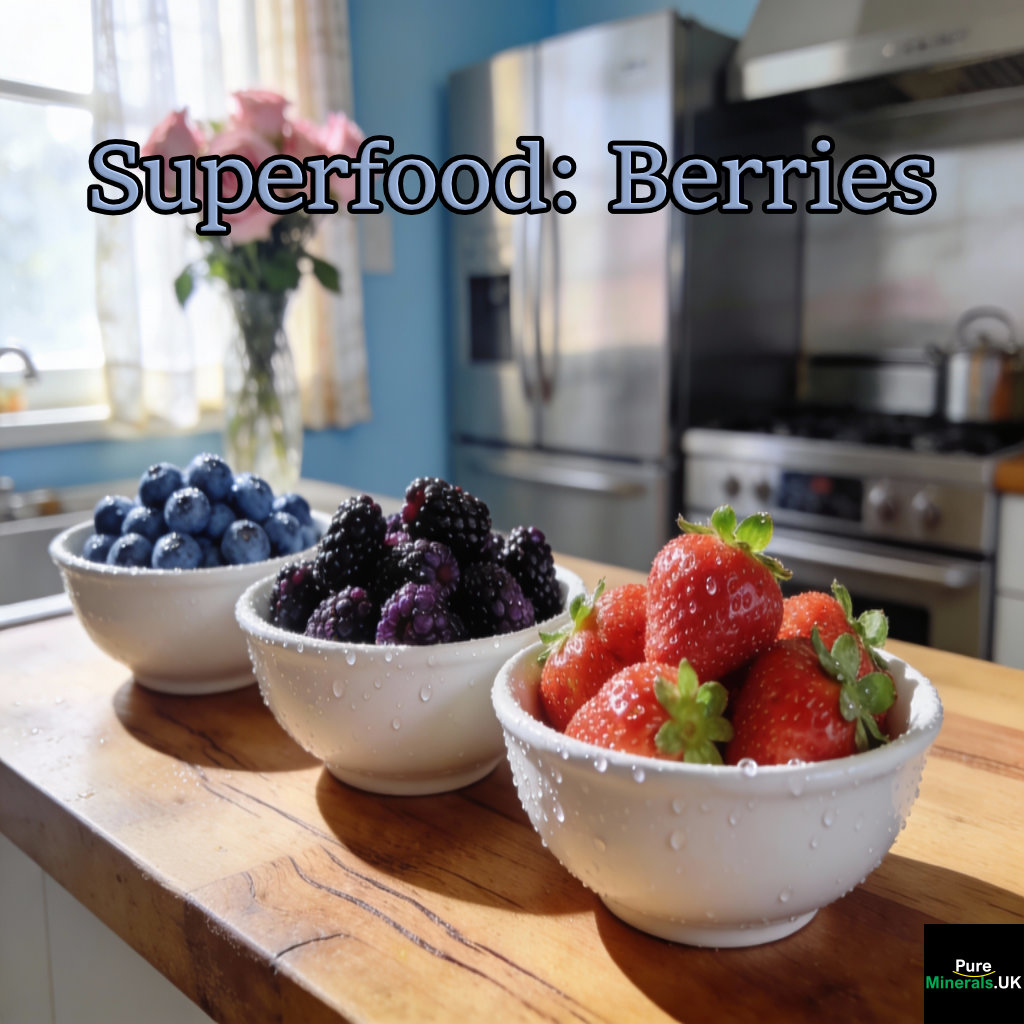
Berries consistently rank as the most antioxidant-rich fruits available, with blueberries, blackberries, and strawberries leading the pack. These colorful fruits contain anthocyanins that protect brain cells from oxidative damage and improve neural communication. Studies show regular berry consumption can delay memory decline by up to 2.5 years. Beyond their brain benefits, berries also help regulate blood sugar, reduce inflammation markers, and support gut health through their fiber content. For those interested in exploring other natural remedies, nettle is another option known for its health benefits.
Wild blueberries deserve special mention as they contain nearly twice the antioxidants of cultivated varieties. Just a half-cup serving provides all the anthocyanins needed for measurable health benefits. For year-round access, frozen berries retain virtually all their nutritional value and can be more economical than fresh options.
2. Leafy Greens: The Foundation of Nutrition

Dark leafy greens like kale, spinach, and Swiss chard deliver more nutrients per calorie than nearly any other food. These verdant vegetables are rich in vitamins A, C, and K, folate, potassium, magnesium, and calcium, along with powerful carotenoids like lutein and zeaxanthin that protect eye health. The nitrates naturally present in leafy greens also improve circulation by enhancing nitric oxide production, which explains why a daily serving can lower blood pressure by 3-5 points in many people.
While kale often gets the spotlight, rotating different greens provides a broader spectrum of nutrients. Arugula offers distinctive peppery flavors and cancer-fighting glucosinolates, while collards provide exceptional calcium absorption compared to other greens. Aim for at least one cup daily, either raw in salads or lightly cooked to enhance mineral availability. For a unique twist, consider adding wasabi to your greens for an extra kick of flavor and health benefits.
3. Fatty Fish: Essential Omega-3 Sources

Cold-water fatty fish like salmon, sardines, and mackerel provide the most bioavailable form of omega-3 fatty acids (EPA and DHA), which are critical for brain health, reducing inflammation, and supporting heart function. These essential fats actually become incorporated into cell membranes throughout your body, improving cellular communication and responsiveness. Just two servings weekly provide all the omega-3s most adults need for optimal health. For additional natural remedies that support health, consider exploring the benefits of St. John’s Wort.
Small fish like sardines and anchovies offer additional benefits—they’re lower in environmental contaminants, more sustainable, and provide calcium from their edible bones. For those who don’t eat fish, algae oil supplements provide a plant-based alternative that delivers the same essential fatty acids that fish originally obtain from consuming algae.
4. Nuts and Seeds: Protein-Packed Health Boosters
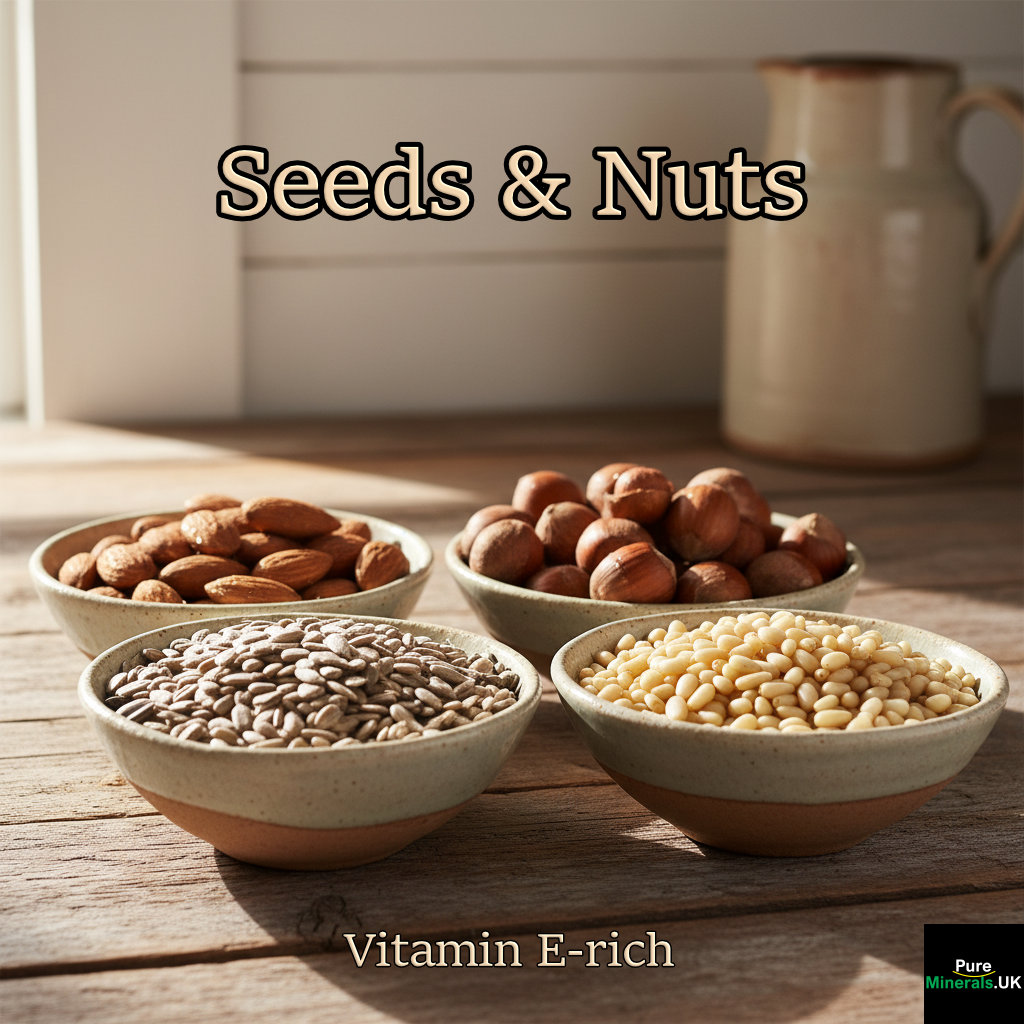
Despite their small size, nuts and seeds deliver remarkable nutrition through their combination of healthy fats, plant protein, fiber, and micronutrients. Walnuts stand out for their omega-3 content, while almonds provide exceptional vitamin E levels. Flaxseeds and chia seeds contribute lignans that support hormone balance and digestive health. The healthy fat content in nuts also enhances the absorption of nutrients from other foods eaten at the same meal.
Contrary to old weight-loss advice, research now shows that regular nut consumers tend to maintain healthier weights and have lower disease risk. The key is portion control—just 1-2 ounces daily provides the benefits without excess calories. For maximum nutrition and freshness, choose raw or dry-roasted varieties without added oils or salt. Additionally, exploring the benefits of other natural ingredients like nettle can complement a healthy diet.
5. Fermented Foods: Gut Health Champions

Fermented foods like yogurt, kefir, sauerkraut, and kimchi deserve superfood status for their dual benefits of probiotic bacteria and enhanced nutrient availability. The fermentation process creates beneficial microorganisms that support gut health while breaking down compounds that can interfere with mineral absorption. A healthy gut microbiome influences everything from immune function to mood regulation through the gut-brain connection.
Traditional fermented foods from various cultures offer different strains of beneficial bacteria. Korean kimchi provides spicy cruciferous vegetables with their cancer-fighting compounds, while yogurt delivers calcium and protein in a highly digestible form. Even a few tablespoons of fermented foods daily can positively shift your microbiome composition within weeks. For those interested in exploring other unique flavors, the spicy kick of wasabi can also be a delightful addition to your diet.
Superfood Benefits for Specific Health Concerns
- Heart disease prevention: berries, fatty fish, olive oil, nuts, oats
- Diabetes management: cinnamon, leafy greens, legumes, avocados
- Cognitive enhancement: blueberries, turmeric, dark chocolate, eggs
- Immune support: citrus fruits, garlic, ginger, mushrooms, yogurt
- Anti-aging: green tea, pomegranates, purple sweet potatoes, bone broth
While all superfoods offer multiple benefits, certain ones show particular promise for specific health concerns. Research increasingly shows that targeted nutrition can complement—and sometimes replace—conventional treatments for common health issues. The powerful phytonutrients and compounds in these foods work with your body’s natural processes to support healing and prevention. For example, wasabi is known for its anti-inflammatory properties, which can aid in heart disease prevention.
Functional medicine practitioners now prescribe specific superfood protocols alongside conventional treatments to enhance effectiveness and reduce side effects. These “food as medicine” approaches recognize that many medications treat symptoms while nutrition addresses underlying causes. For example, anti-inflammatory diets rich in omega-3s and antioxidants can reduce dependency on pain medications for conditions like arthritis. One such superfood, calendula, is known for its anti-inflammatory properties and is often included in these diets.
The cumulative effect of superfood consumption becomes particularly important for prevention. Harvard’s Public Health researchers found that people consuming the most antioxidant-rich foods had a 65% lower risk of developing certain chronic conditions compared to those eating the least. This preventive effect typically requires consistent intake over months and years rather than short-term consumption.
Heart Health: Superfoods That Lower Cholesterol
Heart disease remains the leading cause of death worldwide, but certain superfoods demonstrate remarkable cardioprotective effects. Oats, barley, and other soluble fiber sources can lower LDL (“bad”) cholesterol by 5-10% through binding bile acids. Meanwhile, the monounsaturated fats in olive oil and avocados improve HDL (“good”) cholesterol levels, while the anthocyanins in purple foods like eggplant and blueberries help maintain arterial flexibility. For maximum heart benefits, combine these foods with omega-3 sources like walnuts and flaxseeds that reduce triglycerides and decrease platelet aggregation, which leads to clotting.
Brain Function: Foods That Fight Cognitive Decline
Your brain is particularly vulnerable to oxidative stress and inflammation, making antioxidant-rich superfoods critical for cognitive protection. Blueberries stand out in neuroscience research for their ability to cross the blood-brain barrier and accumulate in brain regions involved in memory. Fatty fish provides DHA that actually forms structural components of brain cells, while turmeric’s active compound curcumin helps clear the amyloid plaques associated with Alzheimer’s disease. Dark chocolate (70%+ cacao) improves blood flow to the brain while providing flavanols that enhance focus and memory formation—making it perhaps the most enjoyable brain-boosting superfood.
Immunity: Strengthen Your Defense System Naturally
Your immune system requires specific nutrients to function optimally, making certain superfoods particularly valuable for defense against illness. Citrus fruits provide vitamin C that increases white blood cell production, while garlic contains allicin compounds with potent antimicrobial properties. Ginger reduces inflammation while promoting healthy sweating that helps detoxify the body. Mushrooms like shiitake, maitake, and reishi contain beta-glucans that “train” immune cells to respond more effectively to pathogens.
Incorporating just a few immune-boosting superfoods daily can measurably increase protective antibodies and enhance natural killer cell activity. Research shows that people who consume a diet rich in these foods experience 30% fewer respiratory infections annually. During periods of increased vulnerability, such as winter months or times of stress, doubling your intake of these protective foods provides additional support. For example, adding wasabi to your diet can offer significant immune benefits.
Inflammation: Anti-Inflammatory Superfoods
Chronic inflammation underlies nearly every major health condition, from heart disease to depression. Fortunately, specific superfoods contain powerful anti-inflammatory compounds that can help regulate the body’s inflammatory response. Fatty fish provides EPA that directly inhibits inflammatory pathways, while turmeric’s curcumin blocks NF-kB, a molecule that triggers inflammation genes. Dark leafy greens supply vitamin K and specialized antioxidants that neutralize inflammatory free radicals, while tart cherries contain anthocyanins that reduce inflammatory markers and ease pain.
For those with inflammatory conditions like arthritis or inflammatory bowel disease, combining these foods with an overall anti-inflammatory eating pattern can reduce symptoms substantially. In some studies, participants experienced up to 50% reduction in inflammatory markers after 12 weeks of consistent anti-inflammatory superfood consumption.
Easy Ways to Add Superfoods to Every Meal
The key to benefiting from superfoods is consistent consumption, which means finding practical ways to incorporate them into everyday meals. Rather than viewing superfoods as supplements or separate health foods, think of them as upgrades to dishes you already enjoy. This approach makes healthy eating sustainable rather than another item on your to-do list.
Morning Superfood Routines That Take Minutes
Mornings offer the perfect opportunity to front-load your day with nutrition through simple superfood additions. Adding a handful of berries and a tablespoon of ground flaxseed to your breakfast provides antioxidants, omega-3s, and fiber before you even leave home. Overnight oats prepared with cinnamon, walnuts, and a touch of raw honey create a grab-and-go breakfast with blood sugar-balancing effects that last all morning. Even your coffee becomes a superfood when you add a touch of cacao powder or cinnamon, both of which enhance cognitive function while reducing the inflammatory effects of caffeine.
For the time-pressed, superfood smoothies provide complete nutrition in minutes. The key is balancing ingredients: leafy greens for minerals, berries for antioxidants, avocado or nut butter for healthy fats, and a protein source like Greek yogurt or plant protein. This combination stabilizes blood sugar while delivering a broad spectrum of nutrients in a convenient form.
Superfood Snacks for Sustained Energy
Strategic snacking with superfoods helps maintain steady energy and prevents the overeating that occurs with extreme hunger. A small handful of mixed nuts and seeds provides protein, healthy fats and fiber that regulate appetite hormones while supporting brain function. Apple slices with almond butter deliver both quick energy from fruit sugars and sustained fuel from protein and fat. For afternoon cravings, a square of 70%+ dark chocolate satisfies sweet cravings while providing flavanols that improve blood flow and cognitive function.
Preparing portable superfood snacks in advance eliminates the temptation of vending machines and drive-throughs. Mason jar salads layered with colorful vegetables, beans, nuts, and a simple olive oil dressing create a complete superfood meal that stays fresh for days. Trail mix combining nuts, seeds, dried berries, and a touch of dark chocolate provides emergency nutrition that’s stable at room temperature for weeks.
One-Pot Superfood Dinners for Busy People
Evening meals offer the opportunity to combine multiple superfoods into satisfying one-pot dishes that minimize cleanup while maximizing nutrition. Vegetable-packed soups and stews provide hydration alongside soluble fiber that supports detoxification and gut health. Adding turmeric, black pepper, and ginger creates an anti-inflammatory base that helps recover from daily stress. Bean-based chilis deliver plant protein and resistant starch that feeds beneficial gut bacteria, while herbs like oregano and rosemary add polyphenols with antimicrobial properties.
Updating comfort foods with superfood ingredients allows you to enjoy favorites while improving their nutritional profile. Cauliflower blended into mashed potatoes reduces calories while adding cancer-fighting compounds. Mushrooms mixed with ground meat in burgers or meatloaf add umami flavor while cutting saturated fat and adding immune-supporting beta-glucans. These simple substitutions maintain familiar flavors while dramatically improving nutritional value.
Superfood Meal Formula
For balanced meals that maximize nutrient density, aim for this simple formula:
• 50% colorful vegetables and fruits
• 25% lean protein or plant protein
• 15% whole food carbohydrates
• 10% healthy fats from nuts, seeds, or oils
Plus: herbs, spices, or fermented foods as flavor enhancers
Common Superfood Myths Busted
Despite their benefits, superfoods are sometimes surrounded by misconceptions that can lead to unrealistic expectations or unnecessary expense. Understanding the evidence behind superfoods helps you make informed choices without falling for marketing hype or fad diets.
Exotic vs. Local Superfoods: What’s Better?
While açaí berries, goji berries, and other exotic superfoods receive extensive marketing, local options often provide comparable or superior nutrition at lower cost and environmental impact. Conventional blueberries contain many of the same anthocyanins as açaí at a fraction of the price, while dandelion greens growing in your yard have more calcium and iron than imported superfoods. Nutritional value often decreases with transport time, making freshly harvested local foods a better choice than exotic options shipped from distant locations.
The most beneficial approach combines accessible local superfoods as dietary staples with strategic use of concentrated exotic options. For instance, building meals around seasonal greens, berries, and nuts while occasionally adding small amounts of spirulina or cacao for their unique compounds. This balanced strategy provides comprehensive nutrition without high cost or environmental footprint.
The Truth About Superfood Supplements
Superfood powders and supplements offer convenience but rarely match the benefits of whole foods. Extracting specific compounds often leaves behind the fiber, synergistic nutrients, and secondary plant compounds that contribute to the food’s complete benefits. Many superfood supplements also contain fillers, sweeteners or preservation agents that dilute their value. Studies consistently show that isolating nutrients from their natural matrix reduces their effectiveness—the whole truly is greater than the sum of its parts.
That said, high-quality, minimally processed superfood concentrates can serve as strategic additions to an already healthy diet. Freeze-dried berry powders maintain most of their antioxidant content and can enhance smoothies when fresh options aren’t available. Spirulina and chlorella provide concentrated protein and detoxifying chlorophyll for travelers or those with limited food preparation time. The key is viewing these as supplements to, not replacements for, whole food superfoods.
Your 7-Day Superfood Starter Plan
Beginning a superfood journey doesn’t require a complete dietary overhaul. This simple 7-day plan introduces one new superfood daily while building sustainable habits. Each day builds upon the previous one, creating a cumulative effect that makes healthy eating increasingly effortless. Rather than focusing on restriction, this plan emphasizes addition—crowding out less nutritious options by increasing the delicious, nutrient-dense foods your body craves.
The plan follows a simple progression: starting with easy additions like berries and nuts, then introducing more adventurous options like fermented foods and sea vegetables. By day seven, you’ll be naturally consuming 7-10 superfood servings daily without complicated meal plans or special preparation. The goal is to create sustainable habits that continue long after the initial week.
Shopping List: What to Buy First
Starting your superfood journey requires some kitchen essentials that make healthy eating convenient. Begin with frozen berries, which maintain their antioxidant content and provide year-round access regardless of season. Add a package of leafy greens (spinach for beginners, kale for the more adventurous (but wash them thoroughly to remove any pesticide residues), which can be added to everything from smoothies to soups. A selection of raw nuts and seeds provides healthy fats and protein for snacks and meal additions.
For flavor enhancement, stock anti-inflammatory herbs and spices like turmeric, ginger, cinnamon, and oregano, which transform ordinary dishes into superfood creations. Include at least one fermented food like yogurt or sauerkraut to support gut health. These staples create a foundation that makes daily superfood consumption practical without special shopping trips.
Quality matters when choosing superfoods, but this doesn’t always mean selecting the most expensive options. For produce with edible skins like berries and greens, organic varieties minimize pesticide exposure. For nuts, seeds, and superfoods with protective shells or peels, conventional options offer similar nutritional benefits at a lower cost. Prioritize freshness over perfect appearance—slightly imperfect produce often contains higher antioxidant levels as the plant produces protective compounds in response to stress.
Simple Storage Tips for Maximum Nutrition
Proper storage preserves both flavor and nutrition in superfoods. Store berries unwashed until use and freeze extras at peak ripeness for smoothies and baking. Keep nuts and seeds in airtight containers in the refrigerator or freezer to prevent rancidity of their delicate oils. For leafy greens, wash thoroughly, spin dry, then store with a paper towel in a partially open container to absorb excess moisture without causing wilting. Discover more about the benefits of saw palmetto and other nutritious superfoods.
Budget-Friendly Superfood Options
Contrary to popular belief, superfoods don’t require premium prices or specialty store shopping. Conventional supermarkets now carry affordable options like frozen berries, which often cost less per serving than fresh, while maintaining nutrient content. Seasonal local produce provides maximum nutrition at minimum cost, while bulk bins offer affordable nuts and seeds without packaging markup. Plant-based superfoods like beans, lentils, and traditional whole grains deliver exceptional nutrition at pennies per serving, making them among the most economical sources of both protein and fiber available.
Superfoods for Life: Making Them a Permanent Part of Your Diet
The true power of superfoods emerges through consistent, lifelong consumption rather than short-term diets or cleanses. Creating sustainable habits means finding the intersection between nutrition science and your personal preferences, cultural background, and lifestyle realities. The most beneficial superfood plan is one you’ll actually follow—which means emphasizing enjoyable foods that fit your schedule and budget while gradually expanding your nutritional horizons. Remember that even modest improvements maintained consistently yield greater benefits than perfect diets followed only briefly. For example, incorporating nettle into your diet can be a simple yet effective way to boost your nutrition.
Frequently Asked Questions
As superfoods have gained popularity, certain questions consistently arise about their use, benefits, and practicality. The answers below reflect current scientific understanding rather than marketing claims, helping you make informed decisions about incorporating these nutritional powerhouses into your lifestyle.
Are canned or frozen superfoods as nutritious as fresh ones?
- Frozen berries and vegetables often contain more nutrients than “fresh” produce that’s been transported and stored for days
- Modern flash-freezing techniques preserve nutrients at their peak
- Canned beans, pumpkin, and tomatoes have increased lycopene and antioxidant availability due to the heating process
- For canned options, choose those packed in water or their own juice without added sodium or sugar
Fresh isn’t always best when it comes to nutrient content. Research from the Journal of Food Composition and Analysis found that frozen produce often contains higher vitamin and antioxidant levels than fresh counterparts that have been transported and stored. This occurs because freezing halts the natural enzyme activity that degrades nutrients after harvesting.
For berries specifically, studies show that frozen varieties contain virtually identical anthocyanin levels as fresh ones, and sometimes higher levels since they’re frozen at peak ripeness. The key nutritional difference between fresh and preserved superfoods isn’t the preservation method but rather the processing that sometimes accompanies it. Minimally processed frozen berries maintain their nutritional profile, while berry syrups with added sugars do not.
With canned options, the heating process can actually increase the bioavailability of certain nutrients. Lycopene in tomatoes becomes more absorbable after cooking, while the softening of fiber in canned beans improves mineral absorption. To maximize benefits from canned superfoods, choose versions packed in water or their own juices rather than syrup, and look for no-salt-added or low-sodium versions when available.
How much of a superfood should I consume to reap its health benefits?
Research suggests that even modest amounts of superfoods produce measurable benefits when consumed regularly. Most clinical studies showing positive results use practical portions: 1/2 cup of berries daily, 1 ounce of nuts, or 2 cups of leafy greens. The key factor isn’t large quantities but rather consistent consumption—your body responds better to regular small amounts than occasional large portions. For maximum benefit, aim for diversity rather than quantity, incorporating 5-7 different superfoods daily to provide complementary nutrients and phytochemicals that work synergistically.
Can superfoods help with weight loss?
Superfoods support healthy weight management through multiple mechanisms rather than direct calorie burning. Their high fiber content increases satiety and improves blood sugar regulation, reducing cravings and overeating. The nutrient density of superfoods also satisfies your body’s nutritional needs more efficiently, decreasing the drive to consume additional calories in search of missing nutrients. Research shows that diets rich in plant-based superfoods naturally reduce caloric intake by 300-400 calories daily without conscious restriction, simply by improving metabolic function and hormonal balance.
However, no superfood creates weight loss in isolation, especially when added to an otherwise poor diet. The most effective approach combines multiple superfoods as part of a balanced eating pattern that addresses both nutrition and calorie balance. This approach produces sustainable results by improving metabolic health rather than forcing short-term calorie deficits that ultimately trigger compensatory hunger and metabolic adaptation.
Do I need to buy organic superfoods?
For certain superfoods, organic cultivation makes a significant difference in both nutritional content and reduced pesticide exposure. The Environmental Working Group’s “Dirty Dozen” list includes several superfoods like strawberries and spinach that, when conventionally grown, contain considerable pesticide residues. For these items, the additional cost of organic options provides value through reduced chemical exposure. Organic berries and leafy greens also typically contain 20-40% higher antioxidant levels due to the plants’ natural defense mechanisms responding to environmental stress without synthetic pesticide protection.
However, for superfoods with protective outer layers like avocados, melons, and many tropical fruits, conventional options provide similar nutritional benefits with minimal pesticide exposure. The same applies to foods you’ll peel, such as bananas and oranges. A practical approach prioritizes organic for the “dirty dozen” superfoods while choosing conventional options for those with natural protective barriers, optimizing both nutrition and budget.
Can children benefit from superfoods too?
Children actually need superfoods more than adults due to their developing organs, rapidly growing brains, and higher nutrient requirements relative to body size. The omega-3 fatty acids in fatty fish support developing neural connections, while the varied nutrients in colorful fruits and vegetables enable optimal cellular development. Studies show that children who regularly consume nutrient-dense superfoods demonstrate better cognitive performance, stronger immune function, and healthier growth patterns than those with nutrient-poor diets.
The key to introducing superfoods to children lies in presentation and consistency. Small, consistent exposures without pressure work better than forcing large amounts. Involving children in preparation, creating visually appealing presentations, and modeling enjoyment of these foods yourself all increase acceptance. Smoothies, dips, and familiar vehicles like pasta sauce offer ways to incorporate superfoods without resistance. Remember that developing healthy relationships with these foods often requires 10-15 exposures before acceptance, so patience and persistence yield long-term benefits.
By introducing superfoods early in life, you’re not just supporting immediate health—you’re establishing lifelong taste preferences and eating patterns that can prevent chronic disease decades later. The nutrition children receive during developmental years influences everything from brain structure to immune programming, making superfood nutrition an investment in their lifelong resilience and wellness.
Superfoods aren’t a scientific classification, but foods recognized for their exceptional nutritional value. Many people are turning to these nutrient-rich foods to enhance their diets and improve overall well-being.