


What Are Red Bell Peppers and Why Are They Considered a Superfood?
Red bell peppers (Capsicum annuum) are fully ripened sweet peppers known for their bright colour and mild flavour. They are often described as a superfood because they are nutrient-dense and provide high levels of vitamin C, beta-carotene (a precursor of vitamin A), dietary fiber, and a range of naturally occurring antioxidant compounds.
From a nutritional perspective, red bell peppers contribute to overall diet quality by supplying micronutrients and plant pigments that support normal immune maintenance, vision, and cellular function. Their value lies not in a single specific effect, but in their ability to enhance dietary variety and increase vegetable intake when consumed regularly as part of a balanced whole-food diet.
Red bell peppers can be eaten raw, roasted, grilled, or added to salads, stir-fries, sauces, and vegetable dishes. As with all foods commonly labelled as superfoods, they are most beneficial when included consistently and in sensible portions as part of long-term healthy eating patterns.
Key Takeaways
- Red bell peppers contain nearly 170% of your daily recommended vitamin C in just one medium-sized pepper, making them more potent than oranges for immune support
- The bright red color indicates high levels of lycopene and capsanthin, powerful antioxidants that support eye health and may reduce inflammation
- Adding red peppers to iron-rich plant foods like beans and lentils enhances your body’s ability to absorb that iron by up to 3 times
- With only about 40 calories per pepper and 2 grams of fiber, red bell peppers support weight management while keeping you full
- Cooking methods like roasting can enhance the sweetness of red peppers while maintaining most of their nutritional benefits
Red Bell Peppers Pack More Vitamin C Than Oranges
When you think of vitamin C, oranges probably come to mind first. But red bell peppers actually contain significantly more of this essential nutrient. A single medium-sized red bell pepper provides an impressive 169% of your recommended daily vitamin C intake – making it one of the richest dietary sources available. Compare that to an average orange, which offers about 70% of your daily needs, and you’ll see why nutritionists are so excited about these vibrant vegetables.
This abundance of vitamin C isn’t just impressive on paper – it translates to real health benefits for your body. Vitamin C plays a crucial role in collagen production, which keeps your skin elastic and your joints functioning properly. It’s also a powerful antioxidant that helps protect your cells from damage and supports your immune system’s ability to protect you from illness. The vitamin C in red peppers is particularly valuable because it comes packaged with fiber and other nutrients, making it more bioavailable than synthetic supplements.
What makes red bell peppers such vitamin C powerhouses? Unlike their green counterparts, red peppers have been allowed to ripen on the plant fully. This extended growing period allows them to develop their distinctive sweet flavor and accumulate higher levels of nutrients – particularly vitamin C and various antioxidants. The ripening process transforms the pepper’s nutritional profile, making red varieties nutritionally superior to green peppers in several important categories.
The Nutritional Powerhouse of Red Bell Peppers
Red bell peppers aren’t just one-hit wonders with their vitamin C content. They offer an impressive array of nutrients in a low-calorie package that few other vegetables can match. A single medium red bell pepper contains about 40 calories while delivering substantial amounts of vitamins A, B6, and folate alongside minerals like potassium and manganese. This nutrient density makes red peppers an efficient food choice – you get maximum nutritional bang for minimal caloric buck.
The nutritional profile of red bell peppers makes them particularly valuable for those monitoring their caloric intake while trying to meet their nutritional needs. Their sweet, satisfying flavor and crisp texture make them perfect for snacking or adding to meals without weighing them down with excess calories or fat. You can enjoy them raw, roasted, stuffed, or blended into sauces, knowing you’re consuming a vegetable that works overtime to support your health goals.
Vitamin C Content: How Red Peppers Compare to Other Foods
Red bell peppers stand at the top of the vitamin C hierarchy, outperforming many fruits and vegetables commonly associated with this essential nutrient. With approximately 95mg of vitamin C per 100g serving, red bell peppers surpass both oranges (53mg per 100g) and strawberries (58mg per 100g). This makes them a strategic choice for anyone looking to boost their immune system or support collagen production for healthier skin.
The vitamin C in red bell peppers remains relatively stable even when the peppers are cooked lightly, though prolonged cooking at high temperatures will reduce levels somewhat. Quick stir-frying or brief roasting preserves most of the vitamin C while enhancing flavor. This versatility makes red peppers a practical way to incorporate significant vitamin C into both raw and cooked dishes throughout the year.
What’s particularly valuable about getting vitamin C from red bell peppers is the synergistic effect with other nutrients present in the pepper. Vitamin A and various antioxidants work alongside vitamin C to enhance its effectiveness in the body. This whole-food approach to nutrition typically provides better results than isolated supplements because the nutrients are presented to your body in natural ratios and forms it can readily use, similar to the benefits of pomegranate in a balanced diet.
- Red bell pepper (100g): 95mg vitamin C (169% DV)
- Orange (100g): 53mg vitamin C (88% DV)
- Strawberries (100g): 58mg vitamin C (97% DV)
- Broccoli (100g): 89mg vitamin C (148% DV)
- Kiwifruit (100g): 93mg vitamin C (155% DV)
Essential Antioxidants That Fight Inflammation
The vibrant red color of bell peppers isn’t just visually appealing – it’s a sign of powerful antioxidants at work. Red bell peppers contain an impressive array of antioxidants, including capsanthin, quercetin, luteolin, and lycopene. Capsanthin, which gives red peppers their brilliant hue, has been shown to have particularly strong antioxidant effects. These compounds work together to neutralize harmful free radicals that contribute to inflammation and cellular damage throughout the body.
Research suggests that the antioxidants in red bell peppers may help reduce the risk of chronic diseases like heart disease and certain types of cancer. The carotenoid lycopene, found abundantly in red peppers, has been associated with lower rates of prostate cancer and cardiovascular issues. Another antioxidant, beta-cryptoxanthin, appears to have anti-inflammatory effects that may help reduce the risk of developing certain types of arthritis and other inflammatory conditions.
4. Promotes Skin Elasticity and Collagen Production
The vitamin C found abundantly in red bell peppers plays a crucial role in collagen synthesis, making these vibrant vegetables excellent for skin health. Collagen is the structural protein that gives skin its firmness and elasticity, and without adequate vitamin C, your body simply cannot produce it effectively. As we age, collagen production naturally declines, leading to wrinkles and sagging skin – but a diet rich in vitamin C from sources like red bell peppers can help counteract this process.
Beyond collagen, red bell peppers contain vitamin A (in the form of carotenoids), which helps with cell regeneration and repair. This combination of nutrients supports the skin’s natural healing processes and helps maintain its protective barrier function. Many expensive skincare products contain synthesized versions of these same compounds, but consuming them through whole foods like red bell peppers delivers them in their most bioavailable form.
- Supports the production of collagen for skin elasticity and firmness
- Contains vitamin A for cell regeneration and repair
- Provides antioxidants that protect skin cells from UV damage
- Helps maintain the skin’s moisture barrier function
- Supports wound healing and tissue repair
Many people notice improvements in skin texture and appearance after increasing their red bell pepper consumption. While no single food can guarantee perfect skin, incorporating red peppers into your regular diet provides your body with the building blocks it needs to maintain healthy, resilient skin from the inside out – a complement to any topical skincare routine.
5. Helps Reduce Inflammation
Chronic inflammation underlies many health conditions, from arthritis to heart disease, and even some forms of cancer. Red bell peppers contain multiple compounds that help combat this inflammation naturally. Beta-cryptoxanthin, one of the carotenoids found in red bell peppers, has been linked to a reduced risk of developing inflammatory conditions like rheumatoid arthritis. Regular consumption of foods rich in this compound, like red peppers, may help protect your joints and reduce overall inflammatory markers in the body.
The quercetin in red bell peppers is another powerful anti-inflammatory agent. This flavonoid works by inhibiting the production of inflammatory chemicals in the body and has been studied for its potential benefits for conditions ranging from allergies to cardiovascular disease. The combination of multiple anti-inflammatory compounds in red bell peppers creates a synergistic effect that may be more beneficial than any single component in isolation – highlighting the importance of whole foods rather than isolated supplements.
How to Select and Store Red Bell Peppers
Getting the most nutritional benefit from red bell peppers starts with selecting the freshest specimens at the market. Since these vegetables can be relatively expensive compared to other produce items, knowing how to pick the best ones and store them properly ensures you’re maximizing both your nutrition and your food budget. The right selection and storage techniques can extend the life of your peppers by days or even weeks while preserving their impressive nutrient profile.
Signs of Freshness to Look For
The perfect red bell pepper should feel heavy for its size, indicating good water content and freshness. The skin should be smooth, shiny, and free of soft spots, wrinkles, or blemishes. A fresh pepper will have a firm, tight skin that gives slightly under pressure but springs back immediately. The stem should look fresh and green, not dried out or moldy, as this is often the first place to show signs of age.
- Firm, glossy skin without wrinkles or soft spots
- Heavy for its size with tight, taut skin
- Vibrant, consistent red color throughout
- Fresh green stem without signs of mold or drying
- Pleasant, sweet aroma (particularly noticeable at the stem end)
Red bell peppers should feel crisp and juicy when cut open. The interior walls should be thick, and the seeds should be white and firmly attached to the placenta (the white material in the center). Thin walls or loose, brown seeds indicate an older pepper that may have lost some of its nutritional value and flavor.
If you’re choosing between organic and conventional red bell peppers, know that while both provide excellent nutrition, organic peppers may contain fewer pesticide residues. Bell peppers consistently rank on the Environmental Working Group’s “Dirty Dozen” list of produce with the highest pesticide residues, making them a vegetable worth buying organic when possible.
Storage Methods That Preserve Nutrients
To maximize the shelf life and nutritional value of your red bell peppers, store whole, unwashed peppers in the vegetable crisper drawer of your refrigerator. The ideal storage temperature is around 45°F (7°C), which is slightly warmer than the typical refrigerator temperature but cooler than room temperature. Place the peppers in a perforated plastic bag to maintain humidity while allowing excess moisture to escape, which helps prevent mold growth. For more tips on maintaining freshness, you might also consider how pumpkin storage methods can be applied to other vegetables.
Once a bell pepper has been cut, the exposed surfaces begin to lose vitamin C rapidly due to oxidation. To minimize nutrient loss, store cut peppers in an airtight container with a paper towel to absorb excess moisture. Use cut peppers within 2-3 days for maximum nutritional benefit, while whole peppers can last 1-2 weeks when properly stored. Avoid storing peppers near ethylene-producing fruits like apples, bananas, or tomatoes, as this gas will accelerate ripening and eventual spoilage.
Freezing Techniques for Long-Term Use
Freezing is an excellent option for preserving red bell peppers when they’re in season, abundant, and at their nutritional peak. To freeze bell peppers, first wash them thoroughly, remove the stems, seeds, and membranes, and slice them into your preferred shape. Freezing the peppers flat on a baking sheet before transferring them to an airtight container prevents them from sticking together, allowing you to take out just what you need. While frozen peppers will lose some of their crispness, they retain most of their nutritional value and are perfect for cooked dishes like stir-fries, soups, and casseroles.
Quick and Easy Red Bell Pepper Recipe Ideas
Incorporating red bell peppers into your diet doesn’t have to be complicated or time-consuming. These versatile vegetables can be enjoyed raw as a snack with hummus or other healthy dips, or they can become the star ingredient in more elaborate dishes. Their sweet flavor and crisp texture make them appealing even to picky eaters, while their nutritional profile makes them a favorite among health-conscious cooks.
Red bell peppers maintain much of their nutritional value whether eaten raw or cooked, though some nutrients like vitamin C decrease slightly with heating, while others, like lycopene, become more bioavailable. Roasting peppers intensifies their natural sweetness by caramelizing their natural sugars, creating a deeper, more complex flavor profile that works beautifully in many recipes. For an added twist, try incorporating olive oil when roasting to enhance the flavor.
Roasted Red Pepper Dip
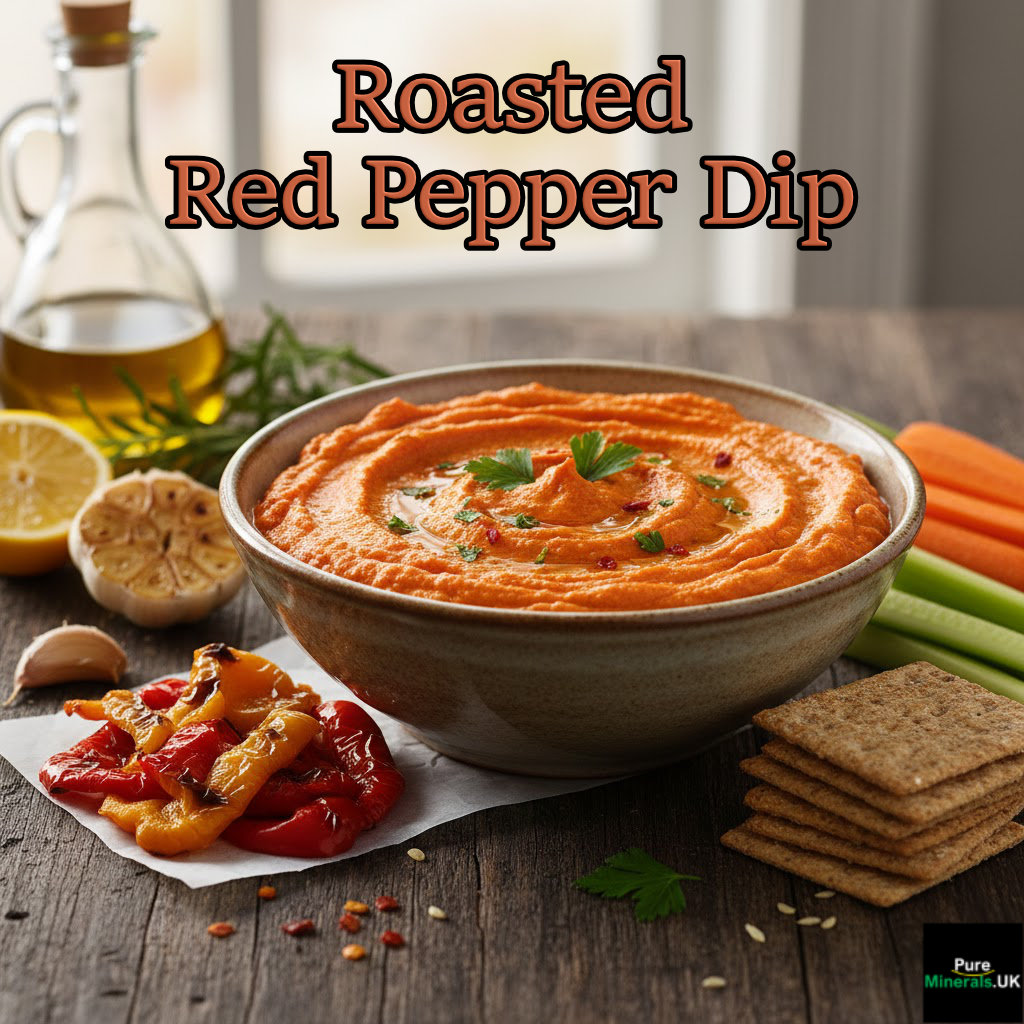
Transform ordinary red bell peppers into a luxurious dip by roasting them until the skins blister and blacken, then peeling away the charred skin to reveal the sweet, smoky flesh beneath. Blend the roasted peppers with garlic, olive oil, a splash of lemon juice, and a pinch of salt for a simple but elegant dip that’s packed with vitamin C and antioxidants. For added protein and creaminess, incorporate white beans or Greek yogurt. This versatile spread works equally well as a party appetizer with whole-grain crackers or as a nutritious sandwich spread.
Colorful Bell Pepper Salad

Create a vibrant, nutrient-dense salad by combining diced red bell peppers with yellow and orange peppers for visual appeal and nutritional variety. Add cucumber for crispness, red onion for a sharp contrast, and avocado for healthy fats that help your body absorb the fat-soluble vitamins in the peppers. A simple dressing of olive oil, lemon juice, and fresh herbs complements the sweetness of the peppers without overwhelming their natural flavor.
This rainbow-colored salad provides a spectrum of antioxidants, as each color indicates different phytonutrients with unique health benefits. The combination of fiber from the vegetables and healthy fats from the avocado and olive oil creates a satisfying dish that keeps blood sugar stable and hunger at bay for hours. For a more substantial meal, add a protein source like grilled chicken, chickpeas, or feta cheese.
For a twist on this basic concept, try marinating the pepper mixture for several hours to create an Italian-inspired antipasto. The acidic marinade, which can include ingredients like olive oil, slightly softens the peppers while allowing the flavors to meld and develop, resulting in a make-ahead side dish that improves with time.
Stuffed Red Peppers

Stuffed red bell peppers offer endless possibilities for creating satisfying, nutritionally complete meals. Halve red peppers lengthwise, remove the seeds and membranes, and fill them with a mixture of cooked quinoa or brown rice, black beans, corn, diced tomatoes, and Mexican-inspired spices. Top with a moderate amount of cheese and bake until the peppers are tender and the filling is hot. This complete meal provides complex carbohydrates, plant-based protein, and numerous vitamins and minerals in a visually appealing, portion-controlled package that’s as impressive for guests as it is practical for family dinners.
Red Bell Peppers vs. Other Colored Peppers
Bell peppers come in a rainbow of colors, but they’re not actually different varieties. In fact, green, yellow, orange, and red peppers are all the same pepper at different stages of ripeness. Green peppers are harvested earliest, while red peppers have been allowed to fully mature on the vine. This ripening process dramatically changes not just their color and flavor, but also their nutritional profile.
Nutritional Differences Between Green, Yellow, Orange, and Red
The ripening process transforms bell peppers both visually and nutritionally, with red bell peppers emerging as the clear nutritional champions. Red peppers contain nearly twice the vitamin C of green peppers and up to 11 times more beta-carotene. They also have significantly higher levels of lycopene and capsanthin, antioxidants that aren’t present in immature green peppers. While all bell peppers offer health benefits, red peppers deliver the most concentrated nutrition.
The nutritional progression from green to red follows a consistent pattern, with yellow and orange peppers falling somewhere in between. Yellow peppers have more vitamin C than green but less than red, while orange peppers boast higher beta-carotene levels than both green and yellow varieties. This color-based nutritional spectrum makes incorporating a variety of bell pepper colors into your diet a smart strategy for maximizing different nutrients.
Taste Differences That Affect Recipes
The flavor transformation that occurs as bell peppers ripen is just as significant as their nutritional evolution. Green peppers have a distinctively sharp, slightly bitter taste and firm texture that stands up well to cooking but can overpower delicate dishes. As peppers mature to yellow and orange, they develop increasing sweetness while retaining some of that characteristic pepper flavor. Red bell peppers, having ripened fully, offer the sweetest, most mellow flavor profile with almost fruity undertones that work beautifully in both raw and cooked applications.
Get More Red Bell Peppers in Your Diet Starting Today
Adding more red bell peppers to your daily meals doesn’t require elaborate preparation or cooking skills. Start by keeping pre-cut pepper strips in your refrigerator for quick snacking or adding to lunch boxes. Toss diced red peppers into morning egg dishes, blend roasted red peppers into hummus or salad dressings, or simply add sliced peppers to sandwiches and wraps for a nutritious crunch. The versatility of red bell peppers means they can enhance virtually any meal while boosting its nutritional value.
For maximum nutrition with minimal effort, consider roasting several red bell peppers at once and storing them in olive oil in the refrigerator. These flavorful peppers can then be added to pasta dishes, sandwiches, or grain bowls throughout the week. Remember that while cooking reduces some vitamin C content, it enhances the bioavailability of other nutrients like lycopene and actually makes those antioxidants more accessible to your body. Whether you prefer them raw or roasted, the important thing is making red bell peppers a regular part of your healthy eating pattern.
Frequently Asked Questions
Red bell peppers generate many questions from health-conscious consumers looking to maximize their nutritional benefits. While they’re widely recognized as nutritional powerhouses, understanding the specifics of how to select, prepare, and incorporate them into your diet can help you get the most value from these vibrant vegetables. For instance, pairing them with healthy fats like olive oil can enhance nutrient absorption.
Here are answers to some of the most common questions about red bell peppers, based on current nutritional research and culinary expertise.
Can I eat red bell peppers raw for maximum nutrition?
Yes, eating red bell peppers raw preserves their maximum vitamin C content, which is somewhat reduced by cooking. However, the nutritional picture is more nuanced than simply “raw is best.” While some nutrients like vitamin C are heat-sensitive, others actually become more bioavailable through cooking. For example, lycopene and other carotenoids in red peppers become easier for your body to absorb after light cooking breaks down the plant cell walls. For the most comprehensive nutritional benefits, include both raw and cooked red peppers in your diet.
Are organic red bell peppers nutritionally superior?
Research has shown mixed results when comparing the nutritional content of organic versus conventional red bell peppers. Some studies indicate slightly higher levels of certain antioxidants in organic peppers, while others show no significant difference in major nutrients like vitamin C. The primary benefit of choosing organic peppers relates to reduced pesticide exposure rather than enhanced nutrition.
Conventional bell peppers consistently rank on the Environmental Working Group’s “Dirty Dozen” list of produce with the highest pesticide residues. In recent testing, bell peppers showed residues from up to 13 different pesticides. If reducing chemical exposure is important to you, organic red bell peppers may be worth the higher price tag.
If organic peppers aren’t available or affordable, thoroughly washing conventional peppers under running water and removing the stem, seeds, and interior membranes (where pesticide residues can concentrate) can significantly reduce exposure to unwanted chemicals. Using a produce wash or a solution of water and white vinegar may provide additional cleaning benefits.
- Organic peppers typically contain fewer pesticide residues
- Conventional peppers may have residues from multiple pesticides
- Thorough washing helps reduce pesticide exposure
- Removing stems, seeds, and membranes further reduces residues
- The nutritional differences between organic and conventional are minimal
How much vitamin C is in one red bell pepper?
A medium-sized red bell pepper (about 119 grams) contains approximately 152 milligrams of vitamin C, which is 169% of the Daily Value for adults. This makes red bell peppers one of the richest food sources of this essential nutrient – containing significantly more vitamin C than citrus fruits like oranges. For comparison, a medium orange provides about 70 mg of vitamin C, less than half the amount found in a similar-sized red pepper.
The vitamin C content can vary somewhat based on growing conditions, time of harvest, and storage duration. Freshly harvested, fully ripened peppers contain the highest levels, while those that have been stored for extended periods will gradually lose some of their vitamin C. For maximum vitamin C benefit, consume red peppers as fresh as possible and minimize storage time.
The vitamin C in red bell peppers is distributed throughout the flesh, with slightly higher concentrations near the stem end. To maximize your intake, use the entire pepper (except for seeds and stem) rather than just the bottom portion. When cooking red peppers, shorter cooking times and methods that use less water (like steaming or quick stir-frying) preserve more vitamin C than boiling or long-duration roasting. For a flavorful and healthy cooking option, consider using olive oil when stir-frying.
- Medium red pepper: 152mg vitamin C (169% DV)
- Medium orange: 70mg vitamin C (78% DV)
- Cup of strawberries: 89mg vitamin C (99% DV)
- Kiwi fruit: 64mg vitamin C (71% DV)
- Broccoli (1 cup): 81mg vitamin C (90% DV)
Can red bell peppers help with weight loss?
Red bell peppers can be a valuable addition to a weight management plan due to their high water and fiber content, combined with very low calorie density. At just 40 calories per medium pepper, they provide significant volume and satisfying crunch while delivering substantial nutrition. The fiber content (about 2-3 grams per pepper) promotes feelings of fullness and helps regulate blood sugar levels, potentially reducing cravings and overeating. This combination of high volume, low calories, and blood sugar regulation makes red peppers particularly effective for weight management strategies.
Some research also suggests that the capsaicin-related compounds in bell peppers, while much milder than in hot peppers, may slightly increase metabolic rate and fat oxidation. While these effects are modest compared to the benefit of the peppers’ low calorie density, they represent an additional advantage for weight management. For maximum weight management benefits, use red bell peppers as a replacement for higher-calorie ingredients in meals and as a satisfying snack option when hunger strikes between meals.
What’s the difference between red bell peppers and red chili peppers?
Though they share a similar color, red bell peppers and red chili peppers belong to different cultivar groups within the Capsicum family and offer distinctly different culinary experiences. The most obvious difference is heat level – bell peppers contain virtually no capsaicin (the compound that creates spiciness) and register zero on the Scoville heat scale, while red chili peppers can range from mildly spicy to extremely hot depending on the variety. Bell peppers are significantly larger, with thick walls and a hollow center perfect for stuffing, whereas most chili peppers are smaller with thinner flesh.
Nutritionally, both pepper types offer impressive benefits. Red chili peppers contain higher concentrations of capsaicin, which has been studied for potential benefits related to metabolism, pain relief, and cardiovascular health. However, because chili peppers are typically consumed in smaller quantities due to their intense heat, you may get more overall nutrients from the larger volume of bell peppers you’re likely to eat. Both pepper types are excellent sources of vitamins A and C, though red bell peppers generally provide more vitamin C by weight.
In the kitchen, these peppers serve different purposes. Bell peppers are valued for their sweet flavor and substantial texture, making them ideal for eating raw, roasting, or stuffing. Red chili peppers are primarily used as a flavoring agent to add heat and depth to dishes. While some cuisines use both types in the same dish for a balanced combination of sweetness and heat, they generally aren’t interchangeable in recipes due to their dramatically different flavor profiles and heat levels.
For nutritional variety and culinary versatility, consider making both types of red peppers part of your healthy eating pattern. Garden of Eatin’ offers a complete line of organic peppers, including sweet bell peppers and various chili varieties, all grown using sustainable farming practices that preserve both flavor and nutritional integrity.
Red bell peppers are a vibrant and nutritious addition to any meal. They are an excellent source of vitamin C and provide a sweet, crunchy texture to dishes. Incorporating red bell peppers into your diet can boost your immune system and improve overall health. For a delicious twist, try roasting them with a drizzle of olive oil to enhance their natural sweetness and flavor.