

Published: 17 February 2026
Last Updated: 25 February 2026
This article is periodically reviewed and updated to reflect current scientific understanding by Vic George.
Fact-Checked: 2 other authoritative medical/scientific references. See our Editorial Policy.
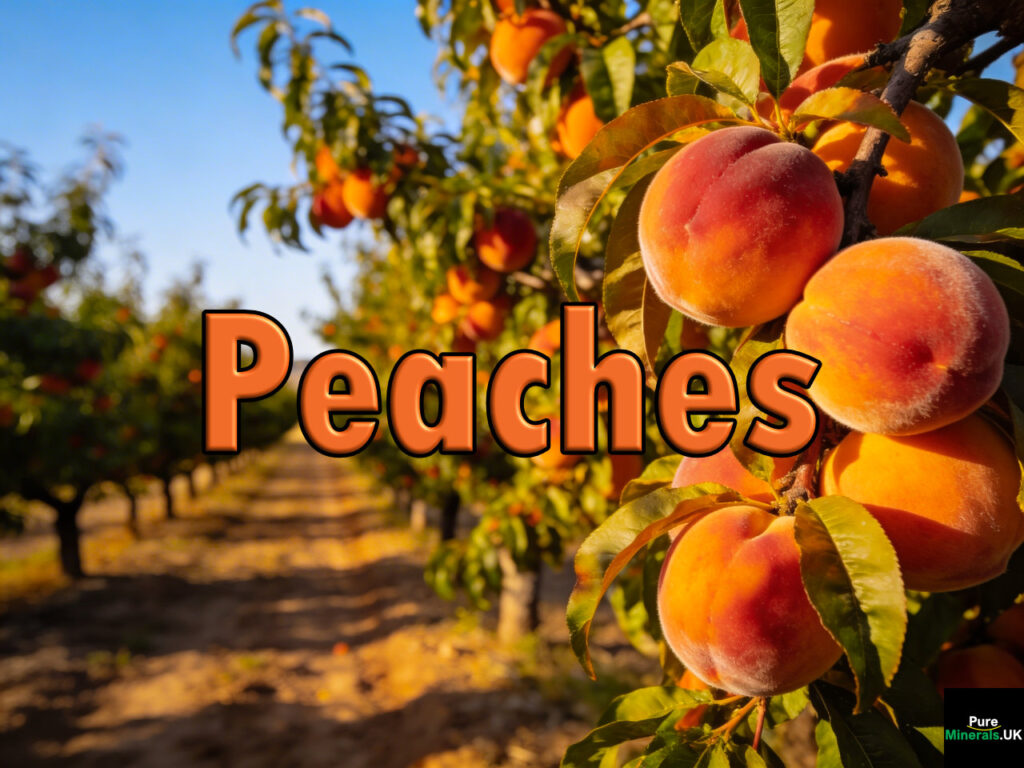
What Is a Peach and Why Is It Important for Skin Health, Digestion, and Antioxidant Protection?
Peach is a nutrient-rich stone fruit valued for its vitamin C content, carotenoids, and dietary fiber. It supports skin health, immune defence, and digestive balance through its antioxidant and fibre profile. Peaches are most beneficial when consumed fresh and ripe, with the skin intact to maximize fibre and phytochemical intake.
Definition:
Peach refers to the fruit of Prunus persica, a deciduous tree cultivated widely in temperate regions. Peaches contain fibre, vitamin C, vitamin A–active carotenoids, potassium, and polyphenolic compounds.
Extended Definition:
Peaches have been cultivated for thousands of years and are valued both for their flavour and their nutritional profile. Their vitamin C content supports collagen production, immune defence, and antioxidant protection. This contributes to skin integrity and vascular health.
Peaches also contain carotenoids such as beta-carotene and lutein, which support vision and protect tissues from oxidative damage. These compounds contribute to the fruit’s yellow-orange colour and biological activity.
The fibre content of peaches supports digestive regularity and helps moderate carbohydrate absorption, reducing rapid blood sugar fluctuations when eaten whole. The fruit also contains polyphenols such as chlorogenic acid, which contribute to metabolic and cardiovascular support.
Due to their high water content, peaches are hydrating and relatively low in energy density, making them suitable for weight-management and metabolic-support diets.
Because peaches are typically consumed with their skin, they provide additional fibre and antioxidant compounds compared with peeled fruit.
Overall, peaches are best understood as a hydrating, antioxidant-rich stone fruit, supporting digestive, immune, and skin health.
Key Facts:
- Food type: Stone fruit (drupe) / hydrating fruit
- Botanical name: Prunus persica
- Key nutrients: Vitamin C, fibre, vitamin A (carotenoids), potassium
- Key compounds: Carotenoids, chlorogenic acid, flavonoids, polyphenols
- Primary roles: Antioxidant protection, digestive support, skin health support
- Systems supported: Digestive, immune, integumentary, metabolic
- Best forms: Fresh whole fruit, sliced fruit, blended smoothies
- Use considerations: Skin provides additional nutrients; wash thoroughly
- Typical pairing: Often paired with yoghurt, cottage cheese, oats, nuts, berries
Key Takeaways
- Peaches are packed with vitamins A, C, and K, which help fight free radicals and support immune function while containing only about 60 calories per fruit.
- The unique combination of antioxidants in peaches helps reduce inflammation and may play a role in cancer prevention.
- With 2-3 grams of fiber per medium peach, this fruit supports healthy digestion and provides prebiotic benefits for gut health.
- Peaches contain potassium that helps regulate blood pressure and heart health, making them an excellent addition to a heart-healthy diet.
- Whether eaten fresh, grilled, baked, or frozen, peaches offer versatility in the kitchen while providing maximum nutritional benefits.
Peaches deliver powerful nutrition in a sweet, juicy package that’s as versatile as it is beneficial. One medium peach provides a wealth of nutrients while satisfying your sweet tooth naturally. With research showing connections between regular peach consumption and reduced inflammation, improved digestion, and even potential cancer-fighting properties, this summer fruit deserves a prominent place in your health regimen.
The benefits of peaches extend far beyond their delicious taste, according to nutritional experts who have studied their unique combination of antioxidants and phytonutrients. “Peaches offer several evidence-backed health benefits that go beyond their sweet, juicy taste,” explains Jamie Lee McIntyre, M.S., RDN, who recommends including this versatile fruit in your diet regularly. Research shows that incorporating peaches into your diet can be one of the simplest ways to boost your antioxidant intake while enjoying a delicious treat.
Why Peaches Are Nature’s Perfect Health Package

Peaches combine a rare trifecta in the nutrition world: low-calorie content, rich nutrient density, and exceptional taste. This juicy stone fruit delivers an impressive array of vitamins, minerals, and antioxidants while containing just about 60 calories per medium fruit. The soft, fuzzy skin and sweet flesh provide not only sensory pleasure but also a concentrated source of beneficial compounds that research links to multiple health benefits.
What makes peaches truly special is their unique phytonutrient profile. They contain all five classifications of carotenoids alongside polyphenols that work synergistically to reduce oxidative stress throughout the body. These compounds appear to be particularly effective when consumed as part of the whole fruit, rather than as isolated supplements, highlighting nature’s wisdom in packaging nutrients together.
Generations of traditional healing systems recognized peaches’ health properties long before modern science confirmed their benefits. Today, research validates that regular consumption of peaches supports digestive health, cardiovascular function, and may even play a role in cancer prevention. The fruit’s gentle action makes it suitable for almost everyone, from children to seniors seeking natural ways to enhance their well-being.
The Impressive Nutritional Profile of Peaches

Peaches pack an impressive nutritional punch despite their modest calorie count. A medium-sized peach weighing about 150 grams provides approximately 60 calories while delivering essential nutrients that support overall health. This perfect balance of nutrition and low energy density makes peaches an ideal addition to any health-conscious eating plan.
Essential Vitamins and Minerals
Peaches shine when it comes to vitamin content, particularly vitamins A, C, and K. A single medium peach provides about 10% of your daily vitamin C needs, supporting immune function and collagen production. The vitamin A content, primarily as beta-carotene, contributes to eye health and cell regeneration. Additionally, peaches contain smaller amounts of essential B vitamins, vitamin E, and vitamin K, which support proper blood clotting and bone health.
The mineral content of peaches further enhances their nutritional profile. They contain potassium, which helps regulate blood pressure and fluid balance, along with magnesium, phosphorus, zinc, and copper in smaller amounts. These minerals work together to support numerous bodily functions, from nerve transmission to energy production.
Fiber Content That Supports Digestion
Peaches provide both soluble and insoluble fiber, making them excellent for digestive health. A medium peach contains about 2-3 grams of dietary fiber, which represents roughly 10% of the daily recommended intake. This fiber content helps regulate bowel movements, prevents constipation, and supports a healthy gut microbiome.
The soluble fiber in peaches dissolves in water to form a gel-like substance that slows digestion and helps maintain stable blood sugar levels. Meanwhile, the insoluble fiber adds bulk to stool and facilitates its movement through the digestive tract. This dual-action fiber profile makes peaches particularly beneficial for digestive wellness.
Low-Calorie Count for Weight Management
At approximately 60 calories per medium fruit, peaches offer exceptional nutritional value for very few calories. This makes them a perfect snack for those watching their weight or trying to increase their nutrient intake without adding excessive calories. The fiber content in peaches also promotes satiety, helping you feel fuller longer and potentially reducing overall calorie consumption.
The natural sugars in peaches provide quick energy while their fiber content helps prevent blood sugar spikes. This balanced approach to energy delivery makes peaches an ideal choice for satisfying sweet cravings healthfully. Unlike processed sweets, peaches deliver their natural sweetness alongside beneficial nutrients and fiber.
- A medium peach contains only about 60 calories
- Provides 2-3 grams of fiber that promotes fullness
- Natural sugars are balanced with fiber for steadier energy
- High water content (about 87%) helps with hydration and fullness
- Contains no fat or sodium and is cholesterol-free
Powerful Antioxidant Benefits of Peaches
The antioxidant profile of peaches represents one of their most significant health attributes. These compounds help neutralize harmful free radicals in the body, reducing oxidative stress and potentially slowing cellular aging. Research shows that the specific combination of antioxidants in peaches works synergistically to provide protection greater than what each compound might offer individually. For more on similar fruits, explore the benefits of nectarines.
Vitamin C and Its Role in Immune Health
Peaches provide a notable amount of vitamin C, a powerful antioxidant that supports multiple aspects of immune function. This essential nutrient helps stimulate the production and function of white blood cells, which are critical for fighting infections. Additionally, vitamin C supports the skin’s barrier function, providing the first line of defense against environmental threats and pathogens.
Beyond immune support, the vitamin C in peaches plays a crucial role in collagen synthesis, which maintains the integrity of skin, blood vessels, tendons, and ligaments. Regular consumption of peaches can contribute significantly to meeting daily vitamin C requirements, especially during the summer months when fresh peaches are abundant and at their nutritional peak. For a similar fruit with a high vitamin C content, consider adding nectarines to your diet.
How Peach Polyphenols Fight Oxidative Stress
Peaches contain various polyphenolic compounds, including chlorogenic acid, catechins, and epicatechins, which exhibit potent antioxidant properties. These compounds neutralize free radicals before they can damage cells, potentially reducing the risk of chronic diseases associated with oxidative stress. The phenolic compounds in peaches have been shown to inhibit lipid peroxidation, a process that can damage cell membranes and contribute to inflammation.
Research indicates that the polyphenols found in peaches work synergistically with other antioxidants present in the fruit. This collaborative action creates a more powerful protective effect than any single compound could provide alone. Studies have shown that peach extracts demonstrate significant free radical scavenging activity, with the skin containing an even higher concentration of these beneficial compounds than the flesh. For more information on the health benefits of peaches, you can visit WebMD.
Skin-Protecting Antioxidant Properties
The combination of vitamin C, vitamin E, and carotenoids in peaches provides comprehensive protection for skin cells against UV damage and environmental pollutants. These antioxidants help neutralize the free radicals generated by sun exposure, potentially reducing the risk of premature skin aging and damage. Regular consumption of peaches may contribute to maintaining skin elasticity and a healthy complexion from the inside out.
Peach extracts have shown promising results in laboratory studies examining their potential to protect skin cells. The fruit’s antioxidants appear to reduce oxidative damage to skin cells and may help preserve collagen and elastin, the proteins responsible for skin’s firmness and elasticity. While topical applications of peach extracts are being studied in skincare, consuming the whole fruit provides a natural way to support skin health through nutrition.
Cancer-Fighting Potential
The anticancer potential of peaches has garnered significant scientific interest in recent years. Laboratory studies suggest that peach extracts may inhibit the growth of certain cancer cells, particularly breast cancer cells. One study found that polyphenols from peaches induced apoptosis (programmed cell death) in aggressive breast cancer cells without harming normal cells, suggesting a targeted anticancer effect.
Research on peach phenolic compounds indicates they may help inhibit cancer cell proliferation, migration, and invasion – key processes in cancer progression. While most studies have been conducted in laboratory settings rather than human clinical trials, the results are promising enough to warrant further research. The cancer-protective effects appear to be strongest when consuming whole peaches rather than isolated compounds, highlighting the importance of the complete nutritional package found in the fresh fruit.
According to research published in the Journal of Agricultural and Food Chemistry, phenolic compounds extracted from peaches showed significant inhibition of breast cancer cell growth, with the highest concentration of bioactive compounds found in the peach peel. This suggests that eating peaches with the skin on maximizes potential cancer-fighting benefits.
Peaches for Digestive Health
The digestive benefits of peaches stem from their ideal combination of soluble and insoluble fiber, along with natural enzymes that support gut function. Regular consumption of peaches can help maintain bowel regularity while providing gentle support for the digestive system. The natural sugars in peaches are balanced by their fiber content, making them easier to digest than many other sweet foods.
Peaches contain both soluble and insoluble fiber, which work together to support optimal digestive function. The soluble fiber forms a gel-like substance that slows digestion and helps regulate blood sugar levels, while the insoluble fiber adds bulk to stool and helps food pass more quickly through the digestive tract. This combination helps prevent both constipation and diarrhea, supporting balanced bowel function. For a similar fiber-rich fruit, consider nectarines as they offer comparable digestive benefits.
The water content in peaches (approximately 87%) further enhances their digestive benefits by helping to keep the digestive tract hydrated and functioning smoothly. Proper hydration is essential for healthy digestion, and consuming water-rich fruits like melons contributes significantly to overall fluid intake while providing nutritional benefits that water alone cannot offer.
How Peach Fiber Improves Bowel Regularity
The 2-3 grams of fiber in a medium peach play a crucial role in maintaining regular bowel movements. This dietary fiber adds bulk to stool and helps it move through the digestive tract at an optimal pace. For those struggling with occasional constipation, adding peaches to the diet can provide gentle, natural relief without the harsh effects of laxatives.
The insoluble fiber in peaches is particularly beneficial for bowel regularity as it remains largely unchanged during digestion, adding necessary bulk to waste material. This type of fiber helps prevent the stool from becoming too hard and difficult to pass, which is a common cause of constipation. Consuming peaches regularly as part of a fiber-rich diet helps maintain consistent, comfortable bowel movements.
Prebiotic Benefits for Gut Microbiome
Peaches contain compounds that function as prebiotics, nourishing the beneficial bacteria in your gut microbiome. These prebiotics serve as food for probiotic bacteria, helping them thrive and multiply within the digestive tract. A healthy balance of gut bacteria is increasingly recognized as essential for overall health, affecting everything from digestion to immune function and even mental health.
The fiber in peaches ferments in the colon, producing short-chain fatty acids that provide energy for colon cells and support gut health. Research suggests these fatty acids may help reduce inflammation in the digestive tract and potentially lower the risk of colon diseases. Regular consumption of prebiotic-rich foods like peaches helps maintain a diverse and robust gut microbiome, which is associated with better overall health outcomes.
Gentle Relief for Constipation
For those experiencing occasional constipation, peaches offer a gentle, natural solution. Their combination of fiber and high water content helps soften stool and increase its bulk, making it easier to pass. Unlike harsh laxatives that can cause cramping and dependency, peaches provide gradual relief while delivering valuable nutrients.
Traditional healing systems have long recognized the mild laxative effect of peaches, particularly when consumed on an empty stomach or first thing in the morning. Modern research confirms that the specific type of fiber and natural plant compounds in peaches can stimulate bowel movements without irritating the digestive tract. For optimal results, consume peaches regularly rather than as an occasional remedy. If you’re interested in similar fruits, you might also explore the benefits of nectarines.
Heart Health Support From Regular Peach Consumption
The heart-healthy properties of peaches stem from their unique nutrient profile that supports cardiovascular function on multiple levels. From blood pressure regulation to cholesterol management, peaches offer comprehensive support for heart health without the side effects of medications. Research suggests that incorporating peaches into a balanced diet may contribute to reducing the risk of heart disease through several mechanisms.
Peaches contain no cholesterol or sodium and are virtually fat-free, making them an ideal food for heart health. Their potassium content helps counterbalance sodium intake, potentially lowering blood pressure by relaxing blood vessel walls. Additionally, the fiber in peaches binds with cholesterol in the digestive tract, helping to reduce its absorption into the bloodstream.
The antioxidants in peaches, particularly vitamin C and various polyphenols, help protect LDL cholesterol from oxidation – a critical step in preventing atherosclerosis and heart disease. These compounds may also help maintain healthy endothelial function, supporting proper blood vessel dilation and contraction. Regular consumption of peaches as part of a heart-healthy diet provides ongoing support for cardiovascular wellness.
Blood Pressure Regulation Through Potassium
Peaches contain a significant amount of potassium, an essential mineral that plays a key role in regulating blood pressure. Potassium helps counteract the blood pressure-raising effects of sodium by promoting sodium excretion through the kidneys and relaxing blood vessel walls. The approximately 285 mg of potassium in a medium peach contributes meaningfully to the recommended daily intake of this important mineral. If you’re interested in other fruits rich in potassium, consider exploring melons as well.
Research indicates that diets rich in potassium and low in sodium are associated with lower blood pressure and reduced risk of stroke. The natural potassium-to-sodium ratio in peaches makes them particularly beneficial for blood pressure management. Regular consumption of potassium-rich foods like peaches helps maintain healthy blood pressure levels, especially when combined with other heart-healthy lifestyle choices.
Vision-Supporting Nutrients in Peaches
Peaches might be the stars of summer cobblers, but they are also surprisingly good for your eyes. While they aren’t quite the “superfood” powerhouse that kale or carrots are, they contain a specific blend of antioxidants that help protect your vision from long-term damage.
The primary vision-supporting nutrients found in peaches are:
1. Carotenoids (Lutein and Zeaxanthin)
These are perhaps the most important nutrients in peaches for eye health.
- These pigments accumulate in the retina. They act like a natural “sunscreen” by filtering out harmful blue light.
- High intake is associated with a reduced risk of Age-Related Macular Degeneration (AMD) and cataracts.
2. Beta-Carotene (Vitamin A)
The orange-yellow hue of a peach comes from beta-carotene, which your body converts into Vitamin A.
- Vitamin A is essential for maintaining a clear cornea (the outside covering of your eye) and allows you to see in low-light conditions.
- A serious lack of Vitamin A can lead to xerophthalmia (dry eyes) and night blindness.
3. Vitamin C (Ascorbic Acid)
Peaches are a solid source of Vitamin C, a powerful antioxidant.
- It helps support the blood vessels in your eyes and combats oxidative stress.
- Research suggests that Vitamin C, when taken with other nutrients, can slow the progression of vision loss in people who already have AMD.
While levels vary by the ripeness and variety of the peach, here is how they generally contribute to your daily needs:
|
Nutrient |
Role in Eye Health |
|
Lutein |
Filters blue light & protects the macula. |
|
Vitamin A |
Prevents night blindness & protects the cornea. |
|
Vitamin C |
Supports ocular blood vessels & collagen. |
|
Potassium |
Helps maintain the fluid balance in the eye. |
Don’t peel peaches! Most of the vision-protecting antioxidants, specifically the carotenoids, are concentrated in the peach skin.
Anti-Aging Properties for Skin
Peaches aren’t just good for vision; they are essentially “skin food.” Because they are packed with water and specific antioxidants, they target the two main causes of visible aging: hydration loss and oxidative stress (damage from sun and pollution). Here is how peaches help keep skin looking youthful:
1. Collagen Production (Vitamin C)
Peaches are rich in Vitamin C, which is the “master architect” of your skin.
- Vitamin C is a required cofactor for the synthesis of collagen. Collagen is the protein responsible for skin elasticity and firmness.
- By supporting collagen, peaches help prevent sagging and reduce the appearance of fine lines.
2. Natural UV Protection (Carotenoids)
While you still need your SPF, the Lutein and Zeaxanthin in peaches offer a layer of “internal” protection.
- These antioxidants help protect skin cells from the photo-aging effects of UV rays.
- Anti-Aging Effect: They help mitigate “age spots” (solar lentigines) and prevent the breakdown of skin texture caused by sun exposure.
3. Deep Hydration (Ceramides)
Peaches are one of the few fruits that contain phyto-ceramides.
- Ceramides are lipids (fats) that help the skin barrier retain moisture.
- As we age, our natural ceramide levels drop, leading to dry, “crepey” skin. Consuming peaches helps replenish the skin barrier, keeping it plump and glowing.
4. Gentle Exfoliation (Alpha-Hydroxy Acids)
Peaches contain small amounts of natural AHAs (Alpha-Hydroxy Acids), specifically citric and malic acids.
- When used in topical DIY treatments (or just through general consumption supporting cell turnover), these acids help slough off dead skin cells.
- This encourages faster cell regeneration, leading to a brighter, more even skin tone and a reduction in dullness.
Skin-Aging Nutrient Breakdown
|
Nutrient |
Skin Benefit |
Anti-Aging Role |
|
Vitamin C |
Collagen Synthesis |
Firms skin & reduces wrinkles. |
|
Vitamin A |
Cell Turnover |
Smooths texture & fights “age spots.” |
|
Phyto-ceramides |
Barrier Repair |
Locks in moisture for a “plump” look. |
|
Potassium |
Fluid Balance |
Prevents puffiness and dehydration. |
Selecting Perfect Peaches Every Time
Finding the “perfect” peach is practically an art form. Because peaches are climacteric (they continue to ripen after being picked, but their sugar levels don’t increase significantly once off the branch), the window for peak freshness is notoriously narrow. Here is how to navigate the scrutiny of ripeness, seasonality, and the organic debate.
1. Ripeness Indicators: The “Three Senses” Test
To ensure you aren’t bringing home a “mealy” or flavorless fruit, look for these specific physical cues:
- The “Ground Color” (The Most Reliable Indicator): Ignore the red “blush.” That’s just where the sun hit the fruit. Look instead at the background color. It should be a deep, warm yellow or creamy gold. If you see any green, the peach was picked too early and will likely be crunchy rather than juicy.
- The “Shoulder” Check: Look at the area around the stem. In a peak peach, the “shoulders” are plump and rounded. If the skin is shriveled near the stem, it’s overripe or dehydrated.
- The Gentle Squeeze: Never press with your fingertips (this causes bruising). Instead, cup the peach in your palm and give a very light squeeze. It should have a “give” similar to a tennis ball—firm but flexible.
- The Aroma: If it doesn’t smell like a peach, it won’t taste like one. A ripe peach emits a strong, floral, and sweet perfume at room temperature.
2. Seasonal Availability & Peak Freshness
Peaches have a strict “prime time.” While you can find them year-round due to global shipping, the quality drop-off outside of peak season is steep.
- The Peach Window: In the Northern Hemisphere, peak season runs from late June through August. “Early” peaches (May/June) are often “clingstone” (flesh sticks to the pit), while “late” peaches (August/September) are usually “freestone” and better for baking or canning.
- The Local Advantage: Peaches intended for long-distance shipping are picked rock-hard to survive the journey. This often leads to a “mealy” texture because the fruit was refrigerated before it could naturally soften. Buying local means the fruit likely stayed on the tree longer, allowing the natural esters (flavor compounds) to fully develop.
3. Organic vs. Conventional: The “Dirty Dozen” Factor
This is a significant concern for many because peaches consistently rank near the top of the Environmental Working Group’s (EWG) “Dirty Dozen” list.
|
Consideration |
Conventional Peaches |
Organic Peaches |
|
Pesticide Residue |
Often contain higher detectable residues due to their thin, porous skin. |
Grown using natural pest-management; significantly lower synthetic residue. |
|
The “Skin” Dilemma |
Since the nutrients (and AHAs for skin) are in the peel, eating conventional skins may mean ingesting more chemicals. |
Safer to eat the skin, ensuring you get the full dose of vision-supporting carotenoids. |
|
Nutrient Density |
High, but some studies suggest higher water content can slightly “dilute” minerals. |
Some evidence suggests higher antioxidant levels (polyphenols) as the plant works harder to defend itself. |
|
Cost & Shelf Life |
Generally cheaper and may last slightly longer due to wax coatings. |
More expensive and can spoil faster because they lack synthetic fungicides. |
Fresh Peach Eating Techniques
The simplest way to enjoy peaches is to eat them fresh, where their juicy sweetness and nutritional benefits are at their peak. For the best experience, wash peaches thoroughly under cool running water to remove any surface dirt or residue, and pat dry with a clean towel. While many prefer peeling peaches, the skin contains a high concentration of beneficial antioxidants and fiber, so consider keeping it on when possible. To avoid the mess of dripping juice, slice peaches over a bowl and enjoy them with a fork, or bite into a whole peach over a sink or outdoors.
Smoothie and Juice Recipes
Peaches blend beautifully into smoothies, creating a naturally sweet base that pairs well with other fruits and nutritional boosters. Their smooth texture and high water content make them ideal for creating creamy, satisfying beverages without added sugars. For best results, freeze ripe peach slices ahead of time to create thicker smoothies without diluting with ice.
- Peach-Ginger Immunity Booster: Blend 1 peach, 1/2 inch fresh ginger, 1/2 banana, 1 cup spinach, and 1 cup almond milk
- Tropical Peach Delight: Combine 1 peach, 1/2 cup pineapple, 1/4 avocado, 1 tablespoon chia seeds, and coconut water
- Protein-Packed Peach Smoothie: Mix 1 peach, 1/2 cup Greek yogurt, 1 tablespoon almond butter, cinnamon, and a splash of vanilla extract
- Green Peach Detox: Blend 1 peach, 1 cup kale, 1/2 cucumber, 1/2 lemon (juiced), and water or coconut water
- Berry Peach Antioxidant Mix: Combine 1 peach, 1/2 cup mixed berries, 1 tablespoon ground flaxseed, and unsweetened almond milk
For refreshing juices, peaches can be juiced alone or combined with other fruits and vegetables. Unlike smoothies, juices don’t contain the fiber of the whole fruit but do provide a concentrated source of vitamins and minerals. Try combining peach juice with a splash of lemon and a few sprigs of mint for a refreshing summer beverage that supports hydration and provides antioxidants.
If you don’t have a juicer, you can blend peeled peaches with a small amount of water and strain the mixture through a fine mesh sieve or cheesecloth to remove the pulp. This homemade peach juice can be stored in the refrigerator for up to two days and makes an excellent base for popsicles, cocktails, or natural flavoring for sparkling water. You might also enjoy experimenting with other fruits like nectarines for a unique twist.
Salad Additions
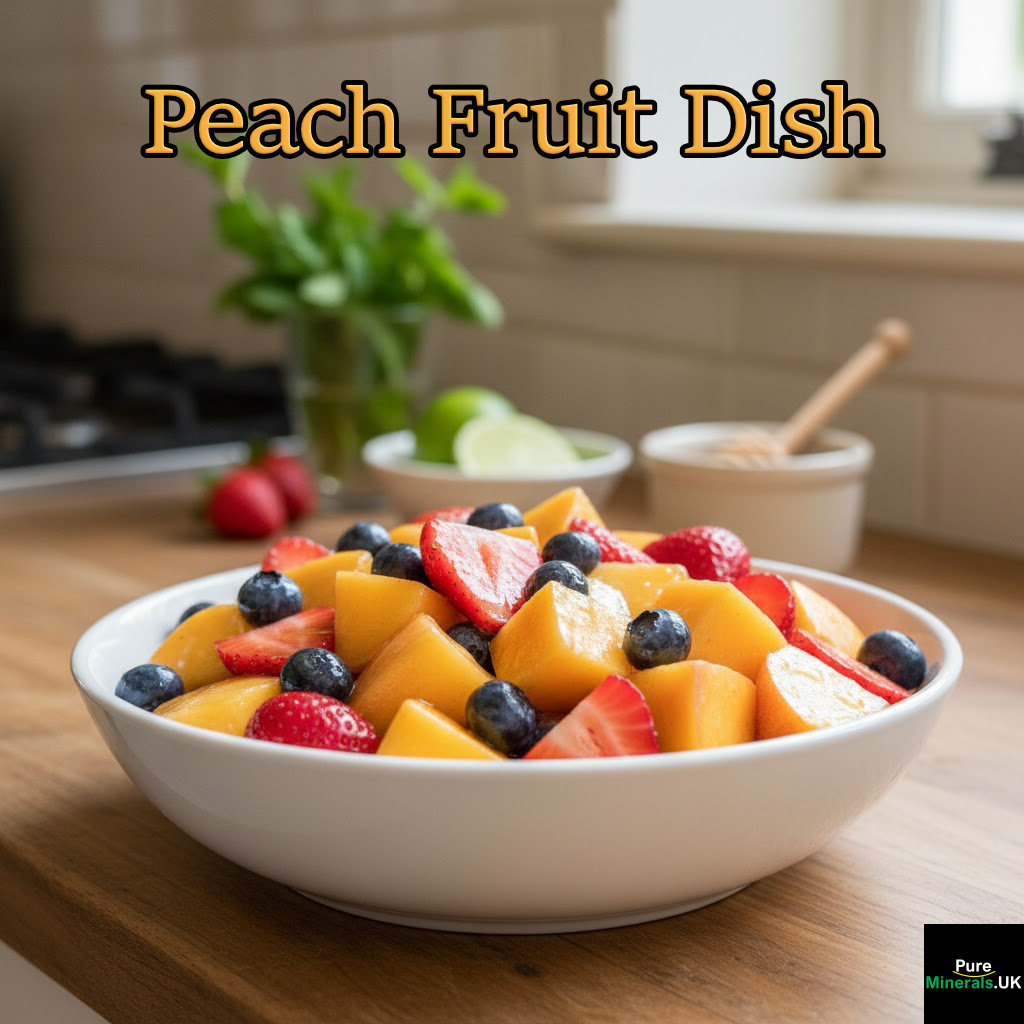
Fresh peaches add a delightful sweetness and textural contrast to both fruit and vegetable salads. Their juiciness provides natural moisture that can reduce the need for heavy dressings while their flavor profile pairs beautifully with greens, nuts, and cheeses. Try slicing fresh peaches into a spinach salad with goat cheese, toasted walnuts, and a light balsamic vinaigrette for a nutrient-dense meal that combines multiple antioxidant sources. For a fruit-based option, combine peach chunks with blueberries, strawberries, and a light honey-lime dressing for a refreshing side that’s rich in vitamins and beneficial plant compounds.
Grilling Methods for Enhanced Sweetness

Grilling peaches caramelizes their natural sugars, creating a deeper, more complex sweetness while maintaining their nutritional integrity. To grill peaches successfully, start with firm, slightly underripe fruits that will hold their shape during cooking. Cut peaches in half, remove the pit, and lightly brush the cut surfaces with a small amount of neutral oil to prevent sticking. Place the halves cut-side down on a preheated grill (medium heat) for 3-5 minutes until grill marks appear and the fruit begins to soften. Flip and cook for another 2-3 minutes until tender but not mushy.
Grilled peaches can be served as a healthy dessert topped with a dollop of Greek yogurt and a sprinkle of cinnamon, or as a savory side dish alongside grilled proteins for a balanced meal that maximizes nutritional variety.
Baking with Peaches

Baking with peaches creates comforting treats that capture their sweetness while still providing nutritional benefits. For healthier baked goods, peaches can replace some of the added sugar in recipes due to their natural sweetness. When making peach crisp or cobbler, reduce refined sugar and increase the peach content while using whole-grain flour or oats for the topping to boost fiber.
Consider options like baked stuffed peaches, where halved fruits are filled with a mixture of oats, nuts, cinnamon, and a small amount of honey, then baked until tender. This creates a dessert-like experience with significantly better nutritional value than traditional sweets. Remember that while some nutrients, particularly vitamin C, diminish with heat exposure, the beneficial fiber and many minerals remain intact through the baking process.
Potential Side Effects and Precautions
While peaches offer numerous health benefits, they aren’t appropriate for everyone in all circumstances. Being aware of potential side effects and taking proper precautions ensures you can enjoy peaches safely. Most people can consume peaches without any adverse effects, but certain populations should exercise caution or consult with healthcare providers before adding significant amounts of peaches to their diet. Understanding these considerations helps you make informed decisions about incorporating this nutritious fruit into your eating plan.
Stone Fruit Allergies
Peach allergies can range from mild oral allergy syndrome to severe systemic reactions in sensitive individuals. People with birch pollen allergies may experience cross-reactivity with peaches, leading to itching or tingling in the mouth and throat after consumption. This reaction, known as oral allergy syndrome or pollen food allergy syndrome, is typically mild and limited to the mouth area.
However, some individuals may have true food allergies to peaches, which can cause more serious symptoms, including hives, difficulty breathing, or even anaphylaxis. If you experience any allergic symptoms after eating peaches, discontinue consumption and consult with an allergist for proper testing and guidance on managing stone fruit allergies.
IBS and Peach Consumption
Individuals with irritable bowel syndrome (IBS) or sensitive digestive systems may need to approach peach consumption cautiously. Peaches contain fructose and sorbitol, which are fermentable carbohydrates classified as FODMAPs (Fermentable Oligosaccharides, Disaccharides, Monosaccharides, and Polyols). These compounds can trigger symptoms like bloating, gas, and abdominal discomfort in sensitive individuals.
If you follow a low-FODMAP diet, consider limiting peach consumption or testing your personal tolerance with small amounts. Cooking or canning peaches may make them more digestible for some people with IBS, as the heating process breaks down some of the challenging compounds. Work with a registered dietitian to determine how peaches can fit into your individualized IBS management plan.
Pesticide Concerns and Solutions
Conventional peaches consistently appear on the Environmental Working Group’s “Dirty Dozen” list, indicating relatively high pesticide residue compared to other fruits and vegetables. This doesn’t mean you should avoid peaches, but it does suggest taking precautions to reduce exposure to potential chemical residues. Washing peaches thoroughly under running water while gently rubbing the surface can remove a significant portion of surface residues.
For those concerned about pesticide exposure, choosing organic peaches whenever possible provides an alternative with lower chemical exposure, though they may cost more and have shorter shelf life. If organic options aren’t available or affordable, focus on thoroughly washing conventional peaches and remember that the nutritional benefits of eating peaches generally outweigh the potential risks of pesticide exposure.
Make Peaches Your Health Ally Year-Round
Incorporating peaches into your diet doesn’t have to be limited to summer months when fresh varieties are abundant. Frozen peaches maintain most of their nutritional value and can be used year-round in smoothies, baked goods, and cooked applications. Dried peaches offer a concentrated source of nutrients and fiber, though they contain more calories and sugar per serving than fresh varieties. Even canned peaches packed in their own juice (rather than heavy syrup) provide many of the beneficial nutrients found in fresh peaches.
By embracing different forms of this versatile fruit, you can enjoy the health benefits of peaches regardless of season or location. Remember that consistency is key to reaping the full health benefits of any food, so finding ways to include peaches regularly in your diet throughout the year will maximize their positive impact on your overall health and well-being. Experts recommend enjoying 2-3 servings of peaches weekly as part of a balanced, plant-rich diet for optimal health support.
Important note: Peaches
Peaches are generally safe and well-tolerated. However, individuals with pollen-food allergy syndrome, particularly those allergic to birch pollen, may experience mild oral irritation when consuming raw peaches.
Peach pits contain amygdalin and should not be consumed. Individuals with sensitive digestion may experience mild bloating if large amounts are eaten.
Because peaches are often consumed with their skin, thorough washing is important to remove surface residues. As with all fruit, excessive intake may contribute to digestive discomfort or blood sugar fluctuations in susceptible individuals.
Frequently Asked Questions
The growing interest in peaches as a health food has led to many questions about their optimal use, nutritional benefits, and practical considerations. Below are answers to some of the most common inquiries about peaches and their role in a healthy diet. These evidence-based responses aim to clarify misconceptions and provide practical guidance for incorporating peaches into your wellness routine.
Many people wonder about seasonal availability, weight management potential, and nutritional differences between varieties. Understanding these aspects helps you make informed choices about purchasing and consuming peaches for maximum health benefits. Research continues to evolve regarding the specific health impacts of peaches, but current evidence strongly supports their inclusion in a varied, plant-focused diet.
If you have specific health conditions or dietary restrictions not addressed in these FAQs, consider consulting with a registered dietitian or healthcare provider for personalized recommendations about including peaches in your diet. They can provide guidance tailored to your unique health needs and goals.
- Peaches are most nutritious when consumed ripe but firm
- The skin contains higher concentrations of antioxidants than the flesh
- Both fresh and frozen peaches offer similar nutritional benefits
- Most people can safely consume 1-2 peaches daily as part of a balanced diet
- Peaches pair well with cinnamon, ginger, vanilla, and citrus flavors
When is the best time of year to buy fresh peaches?
In North America, peak peach season typically runs from June through September, with July and August offering the most flavorful and nutritious options. During these months, peaches have been allowed to ripen naturally on the tree, maximizing both their nutrient content and flavor profile. Local, in-season peaches not only taste better but also contain higher levels of antioxidants and vitamins compared to those shipped long distances or harvested prematurely. For the freshest peaches, visit farmers’ markets or farm stands during the summer months, where you’ll often find varieties that are too delicate for commercial shipping but offer superior taste and nutritional value.
Can peaches help with weight loss?
Peaches can be a valuable ally in weight management efforts due to their relatively low calorie content, high fiber, and significant water content that promotes satiety. At approximately 60 calories per medium fruit, peaches provide natural sweetness that can satisfy cravings while contributing valuable nutrients. Studies suggest that the specific combination of fiber and bioactive compounds in peaches may help regulate metabolism and fat storage, though more research is needed to confirm these effects. When substituted for higher-calorie desserts or snacks, peaches can significantly reduce overall caloric intake while still providing satisfaction and nutritional benefits that support overall health during weight loss.
What’s the difference between white and yellow peaches nutritionally?
Yellow and white peaches differ primarily in their antioxidant profiles and sugar-acid balance. Yellow peaches contain higher levels of beta-carotene and other carotenoids, giving them their distinctive golden color and slightly higher vitamin A content. White peaches generally contain less acid and more sugar than their yellow counterparts, giving them a milder, sweeter taste despite having similar overall sugar content.
Both varieties offer comparable fiber content, calorie counts, and hydration benefits. The choice between yellow and white peaches comes down primarily to taste preference and specific nutritional goals – those seeking higher carotenoid intake might prefer yellow varieties, while those sensitive to acidity might find white peaches more palatable. For maximum nutritional diversity, consider including both types in your diet when available.
Are canned peaches as nutritious as fresh ones?
Canned peaches retain many, but not all, of the nutrients found in fresh peaches. Some water-soluble vitamins, particularly vitamin C, diminish during the canning process due to heat exposure. However, canned peaches actually show higher levels of certain antioxidants compared to fresh ones because the canning process breaks down cell walls, making these compounds more bioavailable. A 2013 study by researchers at Oregon State University found that for many nutrients, canned peaches were nutritionally similar to fresh peaches.
When choosing canned peaches, opt for varieties packed in water or 100% juice rather than heavy syrup to avoid added sugars. Also, look for products packaged in BPA-free cans to minimize exposure to potentially harmful chemicals. While fresh, in-season peaches remain the gold standard for both nutrition and flavor, canned peaches provide a convenient, affordable year-round option that still delivers significant nutritional benefits.
How many peaches should I eat to get health benefits?
Research suggests that consuming 1-2 medium peaches daily is sufficient to obtain measurable health benefits while fitting easily into most balanced diets. This amount provides approximately 2-5 grams of fiber, significant vitamin C, and a wide array of beneficial antioxidants without excessive calories or sugar. Laboratory studies examining peaches’ anti-inflammatory and antioxidant effects typically use extracts equivalent to this real-world consumption amount, suggesting it’s sufficient for potential protective benefits.
Consistency matters more than quantity when it comes to realizing the health benefits of peaches. Regular consumption over time allows beneficial compounds to accumulate and work synergistically in the body. If fresh peaches aren’t available year-round, alternating between fresh, frozen, and properly canned options can help maintain a consistent intake of these beneficial nutrients throughout the changing seasons.