

Published: 31 December 2025
Last Updated: 25 February 2026
This article is periodically reviewed and updated to reflect current scientific understanding by George Wesler.
Fact-Checked: 1 other authoritative medical/scientific reference. See our Editorial Policy.

What Is Nettle Root and Why Is This Traditional Herb Used for Prostate Health and Urinary Support?
Nettle root is a traditional medicinal herb widely used to support prostate health, urinary comfort, and hormonal balance, particularly in men. Derived from the root of the stinging nettle plant, it has a long history of use in European herbal medicine and is commonly employed as a supportive herb in age-related urinary and prostate concerns. Nettle root is typically used as a standardized extract rather than as a food herb.
Definition:
Nettle root is the underground portion of Urtica dioica, containing bioactive compounds associated with prostate and urinary tract support. Unlike nettle leaf, which is used primarily as a nutrient-rich food herb, nettle root is used specifically for its effects on hormonal and urinary pathways.
Extended Definition:
Nettle root is best known for its role in supporting normal prostate size and urinary flow. Its bioactive constituents include lignans, phytosterols, and polysaccharides, which are associated with the modulation of androgen activity and inflammatory balance within prostate tissue. Rather than acting directly on hormones, nettle root appears to influence hormone-binding and enzyme activity involved in prostate physiology.
Traditionally, nettle root has been used in combination with other prostate-supportive herbs, reflecting its role as a regulatory rather than stimulatory agent. Its effects are typically gradual and most noticeable with consistent use over time. Nettle root is generally well tolerated and is often selected for longer-term support compared to more targeted herbs.
Key Facts:
- Herb name: Nettle (Root)
- Botanical name: Urtica dioica
- Herb part used: Root
- Herb type: Traditional prostate- and urinary-support herb
- Key compounds: Lignans, phytosterols, polysaccharides
- Primary uses: Prostate health, urinary comfort, hormonal balance
- Systems supported: Urinary, endocrine, reproductive
- Common forms: Root extracts, capsules, tablets, tinctures
- Use considerations: Effects are gradual; commonly used long term; generally well tolerated
- Typical pairing: Often paired with saw palmetto, zinc, or pumpkin seed for prostate support
Key Takeaways
- Nettle root extract has been clinically shown to reduce prostate volume and alleviate urinary symptoms associated with benign prostatic hyperplasia (BPH)
- The active compounds in nettle root work by binding to sex hormone binding globulin (SHBG), helping to regulate hormones that affect prostate health
- Multiple clinical trials demonstrate nettle root’s effectiveness in improving urinary flow, reducing nighttime urination, and enhancing overall quality of life
- Unlike many prescription medications, nettle root extracts typically produce minimal side effects while providing significant symptom relief
- Natural Healthy Solutions offers premium nettle root supplements specifically formulated to support optimal prostate function and urinary health
New Study Revealing Surprising Source Behind Many UTIs
- Nearly 1 in 5 urinary tract infections (UTIs) are caused by E. coli strains that originated in contaminated meat, confirming what earlier research has shown
- Poultry is the main source of these dangerous bacteria, with chicken and turkey accounting for more than 74% of meat-linked UTI cases, while all retail meats showed high contamination levels
- These bacteria, known as extraintestinal pathogenic E. coli (ExPEC), survive processing and cooking to enter your body, where they colonize your urinary tract and can spread to your bloodstream
- Overuse of antibiotics in concentrated animal feeding operations (CAFOs) fuels the growth of drug-resistant E. coli, creating infections that are harder to treat and more likely to require hospitalization
- You can protect yourself by avoiding CAFO meats, choosing grass-fed and regeneratively raised options, improving food and personal hygiene, and supporting urinary health with methylene blue, cranberries, and D-mannose
Urinary tract infections (UTIs) are among the most common bacterial infections worldwide, affecting more than 404 million people each year — especially women.1 They’re often blamed on hygiene habits or anatomy, but research has long pointed to another culprit: contaminated meat.
For years, I’ve reported that E. coli from animals raised in concentrated animal feeding operations (CAFOs) is a hidden driver of these infections. Now, new research published in mBio confirms what earlier studies have shown — that a significant number of UTIs are traced to the same bacteria found in store-bought meat.2 This strengthens the growing body of evidence that the problem isn’t just personal hygiene but a food supply saturated with antibiotic-resistant pathogens.
This matters because it redefines what “food safety” really means. It’s not only about proper cooking or refrigeration — it’s about the systemic use of antibiotics in industrial farming that shapes the bacterial landscape you’re exposed to daily. These findings reinforce what I’ve warned about since at least 2019: what’s on your plate directly influences your risk of infection. Understanding how these infections begin — and what you can do to stop them — is the key to protecting your urinary and overall health.
E. coli from Meat Is Fueling the UTI Epidemic
For the mBio study, researchers analyzed over 36,000 Escherichia coli (E. coli) samples collected between 2017 and 2021 across Southern California. Researchers sequenced the bacteria from both human UTIs and retail meat to determine how many of these infections came from food animals.
What they discovered was alarming — nearly 18% of UTIs were caused by zoonotic E. coli, meaning strains that jumped from animals to humans through contaminated meat. The problem was worse in low-income neighborhoods, where infection rates rose above 21%.
• Most contaminated meat came from poultry and pork — Poultry was the primary reservoir for dangerous E. coli strains, but all retail meat was heavily contaminated. Chicken and turkey were identified as the top carriers, accounting for over 74% of the meat-linked UTIs. While pork and beef had high contamination rates (54% and 47%, respectively), their strains appeared less able to cause human infection.
Contamination rates were as high as 82% in turkey and 58% in chicken purchased from major grocery chains. Researchers confirmed these bacteria are extraintestinal pathogenic E. coli (ExPEC), which means virulent strains originating in food animals were entering the human food chain and establishing colonies in people’s urinary tracts and bladders.
• Zoonotic strains were genetically distinct, confirming cross-species infection. Genetic sequencing revealed that the bacteria responsible for these UTIs carried mobile genetic elements — small packages of DNA — that matched those found in livestock rather than humans. These genetic markers acted like fingerprints, proving that the infections weren’t random.
Once inside the human body, these animal-derived bacteria established colonies in the urinary tract and, in severe cases, progressed to the bloodstream. This finding challenges decades of medical assumptions that E. coli infections stem only from a patient’s own gut bacteria.
• Women and older adults faced the greatest risk of infection — Among the thousands of patients studied, nearly 90% were women, with a median age of 50. Women were more than twice as likely as men to contract zoonotic E. coli infections (19.7% versus 8.5%).
Older men were also highly susceptible, with those infected tending to be in their 70s. These groups likely face increased risk due to hormonal, anatomical, and immune differences that make their urinary tracts easier targets for bacterial invasion.
• Socioeconomic inequality amplified the danger — Living in areas with higher poverty levels increased the odds of developing a zoonotic UTI by 1.6 times. The study linked this to several factors, including poorer food safety standards in low-cost retail environments, longer storage times for meat, and reduced access to clean cooking facilities.
In other words, people in poorer neighborhoods were being exposed to more contaminated meat and had fewer resources to prevent infection. The researchers warned that public health efforts need to address these environmental inequalities, not just personal hygiene.
• Antibiotic-resistant bacteria were found in both meat and humans. Many of the E. coli strains isolated from meat showed resistance to commonly used antibiotics, including ampicillin and tetracycline. These same resistance patterns were found in human samples, suggesting that agricultural antibiotic use was transferring resistance genes into the human population.
Even more concerning, some of these bacteria were resistant to multiple drug classes, limiting treatment options. When antibiotic-resistant infections occur, they often require hospitalization and stronger, more toxic medications.
Industrial Farming Practices Appear to be the Underlying Cause
The overuse of antibiotics in animal agriculture is breeding stronger, more resilient bacteria. CAFOs, where thousands of animals live in cramped, unsanitary conditions, provide the perfect environment for pathogens to evolve.
When meat from these operations reaches consumers, it carries those bacteria with it. Cooking destroys most but not all of them, especially if meat isn’t handled or heated properly. Over time, this exposure contributes to an invisible pipeline between CAFOs and hospital infections.
• E. coli from poultry carried the greatest risk of spreading from animals to people — The data showed that chicken and turkey were responsible for nearly three-quarters of the meat-linked UTI cases. Specific bacterial lineages appeared repeatedly in both meat and human infections.
These strains came from bacterial families known to cause more serious infections. Interestingly, even though poultry had fewer of the classic “dangerous” E. coli lineages than beef or pork, its strains were better at surviving cooking and adapting to the human urinary tract.
• Genetic analysis revealed how these bacteria adapt and spread — The researchers trained a computer algorithm to identify whether a given E. coli genome looked more like one from a human or an animal. This allowed them to calculate how many infections came from food sources.
They found that nearly one in five UTI samples in people had bacteria with animal DNA, while less than 1 percent of the meat samples showed any human-related bacteria. This proved that transmission was happening primarily from animals to people, not the other way around.
• Reducing antibiotic use in livestock could curb human infections — The researchers noted that after California passed Senate Bill 27 — limiting antibiotic use in farm animals — antibiotic resistance in both meat and clinical samples declined.
Resistance to tetracyclines, for example, dropped from 50% in previous studies to just over 30%. This indicates that policy changes in farming practices directly influence public health outcomes. By cleaning up the meat supply, regulators could reduce the number of drug-resistant UTIs and other infections.
How to Stop Foodborne UTIs at the Source
If you’ve ever battled a UTI, you know how disruptive it is. Burning urination, constant urges, and fatigue leave you desperate for relief. But if you’ve been eating conventional meat — especially chicken or pork — your next infection could already be in motion before you feel the first twinge. Fortunately, you have complete control over this. Once you understand where these infections start, you can stop them before they begin. Here’s how I recommend you do it.
Eliminate CAFO meat from your diet — The single biggest step you can take is cutting out meat from CAFOs. These crowded, industrial farms breed bacteria like E. coli, which end up in your food. I recommend avoiding all conventional chicken, pork, and beef. Choose grass-fed beef from regenerative farms instead.
These animals live cleaner lives, without antibiotics or unsanitary housing, which means their meat won’t carry the same bacterial load. If you still eat chicken or pork, choose only organic and pasture-raised sources, though I advise avoiding chicken and pork altogether because of their high linoleic acid (LA) content, which fuels inflammation and damages your mitochondria.
Use methylene blue and cranberries to fight bacteria naturally — When you do get a UTI, you don’t always have to rely on antibiotics that wipe out your gut flora. Pharmaceutical-grade methylene blue appears to be one of the most effective remedies found. It enters the bladder through the kidneys, concentrating enough to kill harmful bacteria without disrupting your microbiome. For most adults, the dose is one 65-milligram tablet three times a day with water after meals, taken only for a few days.
Pair this with whole cranberries or organic cranberry juice — not the sweetened kind — to prevent bacteria from sticking to your urinary tract walls. You can also include D-mannose, the active component in cranberries, for additional support.
Upgrade your kitchen hygiene habits — Even if you eat high-quality meat, handling it carelessly still spreads bacteria. Always wash your hands before and after touching raw meat. Keep cutting boards and knives separate for meats and vegetables. Disinfect countertops with hot water, soap, and vinegar afterward.
If you use reusable shopping bags, wash them regularly — raw meat packaging often leaks. These habits seem small, but they’re the first defense against infection-causing microbes that would otherwise make their way from your kitchen to your body.
Adopt cleaner personal hygiene to block bacteria entry — Many UTIs begin with bacteria traveling from the rectal area to the urethra, especially in women. Always wipe front to back after using the bathroom.
Take showers instead of baths. Baths tend to spread bacteria to the urinary tract. Before any sexual activity, wash up — both partners. These habits are simple and help prevent the bacteria that cause UTIs from getting a foothold in the first place.
Support your urinary tract and immune health daily — Strengthening your defenses from the inside out helps your body resist infection. Stay well hydrated — let your thirst be your guide and aim for clear, pale-yellow urine throughout the day. Limit processed foods that feed bad bacteria.
Get daily sunlight, which boosts your immune response through improved mitochondrial energy production. And reduce stress, since chronic stress suppresses your immune system and makes you more susceptible to infections. A strong, well-nourished body is far less likely to succumb to bacteria — even when exposed.
By focusing on these steps, you not only prevent future UTIs but also protect your long-term health from the broader effects of industrial agriculture. Every bite of clean, responsibly sourced food you eat lowers your risk and strengthens your microbiome. The next time you shop, remember: the safest way to protect your urinary tract is to start with what’s on your plate.
Prostate Problems and Their Impact on Men’s Health
Prostate issues affect millions of men worldwide, with Benign Prostatic Hyperplasia (BPH) being among the most common conditions as men age. By age 60, more than half of all men experience some degree of BPH symptoms. The prostate, a small gland that sits below the bladder, naturally grows throughout a man’s lifetime, but when it enlarges too much, it can compress the urethra and interfere with normal urinary function.
This enlargement leads to a cascade of frustrating urinary symptoms that significantly impact quality of life. Men with BPH often experience increased urinary frequency, getting up multiple times during the night, weak urine stream, difficulty starting urination, and the sensation of incomplete bladder emptying. These symptoms not only disrupt sleep patterns but can also lead to anxiety, embarrassment, and limitations on daily activities and travel.
While prescription medications exist to treat BPH, many come with unwanted side effects, including sexual dysfunction, dizziness, and fatigue. This reality has driven increasing interest in natural alternatives like nettle root, which has been used for centuries to support prostate and urinary health.
How Nettle Root Relieves BPH Symptoms

Nettle root (Urtica dioica) provides multi-faceted support for men dealing with prostate enlargement. Unlike many synthetic treatments that target only one aspect of BPH, nettle root addresses several underlying mechanisms simultaneously. It works primarily by inhibiting the binding of sex hormone binding globulin (SHBG) to cell membrane receptors in the prostate, effectively reducing hormonal influences that contribute to prostate growth and inflammation.
What Makes Nettle Root Effective
The magic of nettle root lies in its rich array of bioactive compounds, including beta-sitosterol, scopoletin, lignans, polysaccharides, and lectins. These compounds work synergistically to reduce prostate inflammation, inhibit prostate cell proliferation, and modulate hormonal activity affecting the prostate. Beta-sitosterol, in particular, has been extensively studied for its ability to improve urinary symptoms and flow measures in men with BPH. The lignans in nettle root compete with dihydrotestosterone (DHT) for binding sites, helping to reduce this hormone’s stimulatory effect on prostate tissue growth.
Scientific Evidence Supporting Nettle Root
Multiple clinical studies validate nettle root’s effectiveness for prostate health. A comprehensive review of five clinical trials demonstrated that nettle root extract significantly reduced both urinary symptoms and prostate size in BPH patients. In one notable study by Safarinejad (2005), men taking nettle root extract experienced a marked reduction in BPH symptoms while the placebo group showed no significant changes in prostate size or symptom relief.
Research by Moradi et al. (2015) further confirmed that compounds in nettle root extract effectively attach to human sex hormone binding globulin (SHBG), preventing it from binding to receptors on the prostate membrane. This mechanism helps explain why nettle root can reduce prostate volume and improve urinary symptoms without the side effects associated with prescription medications. Santos et al. (2019) also demonstrated that nettle extract has anti-proliferative effects specifically on prostatic epithelial and stromal tissues, further supporting its targeted action on prostate health.
How It Compares to Prescription Medications
When comparing nettle root to conventional BPH treatments, several advantages become clear. Alpha-blockers and 5-alpha-reductase inhibitors, while effective, often come with concerning side effects, including decreased libido, erectile dysfunction, dizziness, and abnormal ejaculation. In contrast, nettle root has demonstrated an excellent safety profile across multiple studies with minimal reported side effects.
Furthermore, unlike prescription medications that typically target either prostate size (5-alpha-reductase inhibitors) or muscle tension (alpha-blockers), nettle root addresses multiple aspects of prostate health simultaneously. Clinical studies show that nettle extract provides gradual symptom improvement that builds over time, with many men reporting significant relief within 6-8 weeks of consistent use. For many men with mild to moderate BPH symptoms, nettle root offers a balanced approach that addresses symptoms while supporting overall prostate health naturally.
- Alpha blockers work quickly but don’t reduce prostate size and may cause dizziness
- 5-alpha-reductase inhibitors shrink the prostate but may cause sexual side effects
- Nettle root addresses multiple aspects of BPH with minimal side effects
- Clinical studies show comparable symptom improvement between nettle root and some prescription options
- Many men prefer starting with natural options before moving to prescription medications
5 Ways Nettle Root Improves Urinary Function
The urinary symptoms of BPH can significantly disrupt daily life, but nettle root offers targeted relief in several critical areas. Clinical studies have demonstrated that men who take nettle root consistently experience substantial improvements across multiple urinary parameters. These benefits typically begin to appear within 2-4 weeks of regular use and continue to strengthen over time with consistent supplementation.
The International Prostate Symptom Score (IPSS) is often used to measure improvements in BPH symptoms, with studies showing nettle root can reduce scores by 35% or more after several months of use. This comprehensive approach to urinary symptom relief makes nettle root a particularly valuable option for men seeking natural prostate support.
1. Reduces Urinary Frequency
One of the most frustrating symptoms of BPH is the constant need to urinate throughout the day. Nettle root helps reduce urinary frequency by decreasing inflammation around the urethra and improving the bladder’s ability to hold urine comfortably. Research by Mohammady et al. (2011) demonstrated that men taking nettle root extract experienced significant reductions in daytime urinary frequency compared to placebo groups. Many users report being able to extend the time between bathroom visits from 1-2 hours to 3-4 hours or more, allowing for greater productivity and peace of mind during daily activities.
2. Decreases Nighttime Urination
Nocturia, or excessive nighttime urination, can severely impact sleep quality and overall health. Multiple clinical trials have shown that nettle root significantly reduces nighttime bathroom trips. In one study, participants reported a 50% reduction in nocturia after 6 weeks of nettle root supplementation. This improvement in sleep continuity not only enhances energy levels and cognitive function during the day but also supports overall health, as proper sleep is essential for immune function, hormone regulation, and cellular repair.
3. Improves Urine Flow
Weak urine stream and hesitancy are hallmark symptoms of BPH that nettle root effectively addresses. The anti-inflammatory properties of nettle root help relax the smooth muscle tissue around the prostate and urethra, allowing for improved urinary flow. Clinical measurements show increases in maximum flow rate (Qmax) among men taking nettle root supplements. This improvement reduces strain during urination and shortens the time needed to completely empty the bladder, providing both physical relief and psychological comfort during bathroom visits.
4. Helps Empty Bladder Completely
The sensation of incomplete emptying can lead to frequent return trips to the bathroom and increase the risk of urinary tract infections. Nettle root helps address this issue by reducing prostate swelling that obstructs the urethra and by improving bladder muscle contractility. Studies show that men taking nettle root report significant improvements in post-void residual volume measurements, indicating more complete bladder emptying. This benefit is particularly important for reducing the risk of urinary tract infections and bladder stones, which can occur when urine stagnates in the bladder.
5. Relieves Urgency Sensations
The sudden, intense need to urinate can cause anxiety and limit activities outside the home. Nettle root has been shown to reduce these urgency sensations by modulating bladder nerve sensitivity and reducing inflammation in the lower urinary tract. Clinical research indicates that after 8-12 weeks of nettle root supplementation, men experience significantly fewer urgency episodes. This improvement allows for greater confidence in social situations and reduces the anxiety associated with sudden urinary urgency, significantly enhancing quality of life.
The Science Behind Nettle Root’s Prostate Benefits
The remarkable effects of nettle root on prostate health stem from its unique biochemical composition and multiple mechanisms of action. Unlike single-compound pharmaceuticals, nettle root contains a complex array of bioactive substances that work through complementary pathways to address various aspects of prostate dysfunction. This multi-target approach explains why nettle root can provide comprehensive benefits without significant side effects.
Research published in several peer-reviewed journals, including the Journal of Herbal Pharmacotherapy and European Urology, has identified specific compounds and pathways through which nettle root exerts its beneficial effects on prostate tissue and urinary function. These mechanisms work in concert to not only alleviate symptoms but also potentially address some of the underlying causes of prostate enlargement.
Blocking DHT and Estrogen Conversion
At the hormonal level, nettle root helps regulate the complex interplay between testosterone, dihydrotestosterone (DHT), and estrogen that affects prostate growth. The lignans in nettle root compete with DHT for binding sites on sex hormone binding globulin (SHBG), effectively reducing the amount of free DHT available to stimulate prostate cell proliferation. Additionally, nettle root contains compounds that inhibit aromatase, the enzyme that converts testosterone to estrogen, helping maintain optimal hormone balance. This dual-action approach to hormonal regulation helps address one of the fundamental drivers of prostate enlargement while avoiding the sexual side effects associated with pharmaceutical hormone manipulators.
Anti-Inflammatory Properties
Chronic inflammation plays a significant role in prostate enlargement and associated urinary symptoms. Nettle root contains powerful anti-inflammatory compounds, including beta-sitosterol, lignans, and polysaccharides that help reduce inflammatory cytokine production and neutrophil activation in prostate tissue. These anti-inflammatory effects have been demonstrated in both laboratory studies and clinical trials, with reductions in key inflammatory markers observed in men taking nettle root supplements.
- Inhibits production of pro-inflammatory cytokines, including TNF-α and IL-6
- Reduces COX-2 enzyme activity, similar to non-steroidal anti-inflammatory drugs, but without digestive side effects
- Decreases neutrophil infiltration in prostate tissue, lowering oxidative stress
- Modulates NF-κB signaling pathways that control inflammatory responses
- Contains lectins that specifically target prostate tissue inflammation
The polysaccharide fraction of nettle root has been shown to modulate immune function, helping to normalize overactive inflammatory responses without suppressing normal immune activity. This selective anti-inflammatory action is particularly valuable for long-term prostate health support, as it addresses inflammation without compromising immune defense mechanisms.
Research by Nahata and Dixit (2012) demonstrated that these anti-inflammatory properties contribute significantly to the reduction in prostate volume observed in clinical studies, suggesting that controlling inflammation may be one of the key mechanisms through which nettle root improves prostate health.
Cell Growth Inhibition
Perhaps most impressive is nettle root’s ability to inhibit the abnormal proliferation of prostate cells that characterizes BPH. Laboratory studies have shown that nettle root extract specifically targets prostate epithelial and stromal cells, reducing their proliferation rate without affecting normal cell function in other tissues. This tissue-specific growth inhibition is achieved through multiple pathways, including interference with growth factor signaling, modulation of cell cycle regulators, and promotion of apoptosis (programmed cell death) in abnormally proliferating cells. The study by Santos et al. (2019) confirmed these anti-proliferative effects, demonstrating that nettle root extract can help normalize prostate cell growth patterns while sparing healthy cells in other tissues.
How to Take Nettle Root for Maximum Effectiveness
For optimal results with nettle root supplements, consistency is key. The beneficial effects on prostate health build over time as the bioactive compounds accumulate and work to reduce inflammation and normalize prostate tissue. While some men notice improvements in urinary symptoms within 2-4 weeks, the full benefits typically develop over 2-3 months of regular use. Additionally, incorporating other herbal supplements like red clover may further support prostate health and overall well-being.
The timing of your nettle root supplementation can also influence its effectiveness. Taking nettle root with meals enhances absorption of the fat-soluble compounds like beta-sitosterol and lignans that play critical roles in its therapeutic effects. Dividing your daily dose between morning and evening can help maintain consistent blood levels of the active compounds throughout the day and night.
Recommended Dosages
Clinical studies showing benefits for prostate health typically use nettle root extract standardized to contain specific levels of key compounds. The most effective dosage range established in research is 120-600 mg of standardized extract daily. Most commercial supplements provide 250-300 mg per serving, often taken twice daily. For root extracts standardized to contain 1-2% plant silica, a daily dose of 300-600 mg is typically recommended. When using non-standardized whole root powder, higher doses of 1-2 grams daily may be necessary to achieve equivalent effects to the concentrated extracts used in clinical studies.
It’s important to note that the quality of nettle root supplements varies considerably. Look for products standardized to contain specific levels of active compounds, manufactured under GMP (Good Manufacturing Practices) standards, and tested for purity and potency by third-party laboratories. Products that specify the extraction method (typically water-alcohol extraction) generally provide more consistent results.
Best Forms (Extract, Capsule, Tea)
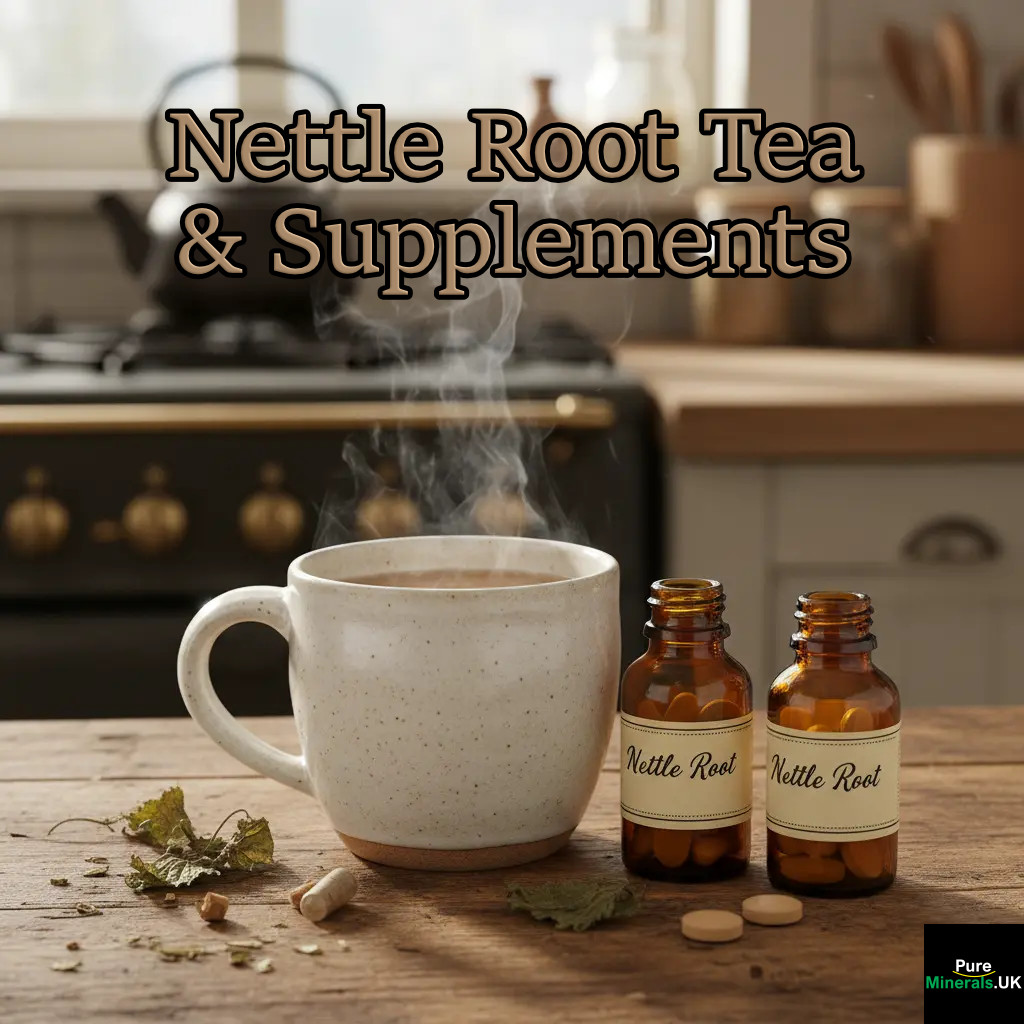
Nettle root is available in several forms, each with distinct advantages. Standardized extracts in capsule or tablet form provide the most consistent dosing and have been most extensively studied in clinical trials. These extracts concentrate the key compounds responsible for prostate benefits, allowing for smaller, more convenient doses. Liquid extracts (tinctures) offer flexible dosing and faster absorption but may have a strong, bitter taste that some find unpleasant.
Nettle root tea, while traditional and pleasant to drink, typically delivers lower concentrations of the key compounds that support prostate health compared to extracts. This is because some of the beneficial compounds in nettle root are not water-soluble and require alcohol or other solvents for effective extraction. If using tea, a longer steeping time (15-20 minutes) in very hot water helps maximize the extraction of beneficial compounds, but multiple cups daily may be needed to match the potency of extract forms.
Timing and Consistency Tips
Creating a consistent supplementation routine dramatically improves long-term results with nettle root. Many men find success by taking nettle root at the same time each day, such as with breakfast and dinner. Pairing supplementation with existing daily habits helps ensure consistency—for instance, placing your nettle root supplement next to your toothbrush or coffee maker as a visual reminder.
For addressing nighttime urinary frequency, taking a portion of your daily nettle root dose approximately 2 hours before bedtime may help maximize its effects during sleep hours. Tracking your symptoms using a simple journal or smartphone app can help you objectively measure improvements over time, which can be motivating when progress feels gradual. Remember that nettle root works incrementally, with benefits accumulating and strengthening over weeks and months of consistent use.
Combining Nettle Root with Other Natural Prostate Remedies
While nettle root is effective on its own, research suggests that combining it with other natural prostate-supporting ingredients often produces enhanced results. These synergistic combinations can address multiple aspects of prostate health simultaneously, providing more comprehensive support than single-ingredient approaches. The most beneficial combinations target complementary pathways and mechanisms to optimize prostate function and urinary health.
Saw Palmetto Synergy
Saw palmetto (Serenoa repens) is perhaps the most well-researched natural remedy for prostate health, often combined with nettle root for enhanced benefits. While nettle root works primarily by binding to SHBG and reducing inflammation, saw palmetto works through different mechanisms, including inhibition of 5-alpha-reductase, the enzyme that converts testosterone to DHT. Clinical studies have demonstrated that combinations of nettle root and saw palmetto produce greater improvements in urinary flow rate, prostate size, and symptom scores than either herb alone.
A landmark study published in the Journal of Urology found that a combination of nettle root and saw palmetto reduced nighttime urination by 64%, improved peak urinary flow by 52%, and decreased residual urine volume by 42% after six months of treatment. This powerful synergy makes the nettle root/saw palmetto combination one of the most popular and effective natural approaches to prostate health. For optimal results, look for products containing 320 mg of saw palmetto extract (standardized to 85-95% fatty acids) alongside 300-600 mg of nettle root extract daily.
Pumpkin Seed Oil Benefits
Pumpkin seed oil contains unique compounds, including cucurbitins and carotenoids, that complement nettle root’s actions on the prostate. The phytosterols in pumpkin seed oil help inhibit prostate cell growth while supporting healthy inflammatory responses. Studies show that pumpkin seed oil can help reduce nighttime urination frequency and improve urinary flow measures, working synergistically with nettle root’s effects on prostate size and urethral inflammation.
Research published in the Journal of Medicinal Food demonstrated that men taking a combination of pumpkin seed oil and nettle root experienced a 40% reduction in International Prostate Symptom Score (IPSS) after 12 weeks, compared to a 24% reduction with nettle root alone. When combining these ingredients, a daily dose of 1000-1500 mg of pumpkin seed oil alongside standard nettle root dosing provides optimal synergistic effects. This combination is particularly effective for men experiencing both urinary symptoms and pelvic discomfort associated with prostate enlargement.
Beta-Sitosterol Combinations
Beta-sitosterol, a plant sterol found in small amounts in nettle root and other botanicals, has been extensively studied for its prostate benefits. Supplemental beta-sitosterol enhances nettle root’s effects on urinary symptoms by further reducing prostate inflammation and improving bladder emptying. Clinical studies have shown that beta-sitosterol significantly improves urinary flow rates and reduces post-void residual volume, complementing nettle root’s effects on prostate size and urethral pressure.
A systematic review published in BJU International analyzed multiple clinical trials and found that beta-sitosterol consistently improved urinary symptom scores and flow measures in men with BPH. When combined with nettle root, typical effective dosages range from 60-130 mg of beta-sitosterol daily. This combination is particularly beneficial for men experiencing difficulty initiating urination and poor urinary flow, as it addresses both the mechanical obstruction caused by prostate enlargement and the dynamic obstruction caused by urethral constriction.
Safety Considerations and Side Effects
Nettle root has an excellent safety profile backed by both traditional use and modern clinical research. Most men experience no side effects whatsoever when taking nettle root at recommended dosages. In clinical trials, the incidence of adverse effects with nettle root is typically comparable to placebo, making it an attractive option for men concerned about medication side effects. However, as with any supplement, certain precautions should be observed to ensure safe and effective use. For those interested in exploring similar natural supplements, saw palmetto is another option worth considering.
Potential Interactions with Medications
While nettle root is generally safe to combine with most medications, a few potential interactions deserve attention. Due to its mild diuretic properties, nettle root may enhance the effects of prescription diuretics, potentially leading to increased fluid and electrolyte loss. Men taking diuretics such as hydrochlorothiazide or furosemide should monitor for signs of dehydration or electrolyte imbalance and may need to adjust medication dosages in consultation with their healthcare provider.
Nettle root may also interact with medications that affect blood glucose levels, including insulin and oral diabetes medications. Some research suggests nettle can improve insulin sensitivity and lower blood glucose, potentially enhancing the effects of diabetic medications. Blood glucose monitoring is recommended when combining nettle root with diabetes treatments. Additionally, because nettle root can influence hormonal pathways, men taking hormone-modulating drugs for prostate conditions (such as 5-alpha-reductase inhibitors) should consult their healthcare provider before combining these treatments with nettle root supplements.
Who Should Avoid Nettle Root
Despite its generally excellent safety profile, nettle root isn’t appropriate for everyone. Men with known allergies to plants in the Urticaceae family (which includes nettles) should avoid nettle root supplements. Those with severe kidney disease should use caution with nettle root due to its mild diuretic effects and potential impact on kidney filtration. Men with significantly low blood pressure should also exercise caution, as the vasodilatory effects of nettle root could potentially exacerbate hypotension in sensitive individuals.
Importantly, men experiencing severe urinary symptoms such as complete inability to urinate, severe pain, blood in urine, or fever should seek immediate medical attention rather than self-treating with nettle root or other supplements. These symptoms can indicate serious conditions requiring prompt medical intervention. Additionally, while nettle root can help manage mild to moderate BPH symptoms, it should not replace proper medical evaluation, as prostate enlargement can sometimes mask more serious conditions, including prostate cancer.
Take Control of Your Prostate Health Today
Prostate health doesn’t have to decline with age. By incorporating evidence-based natural approaches like nettle root into your daily routine, you can take proactive steps to maintain optimal prostate function and urinary comfort for years to come. Whether you’re currently experiencing BPH symptoms or simply want to support long-term prostate health, nettle root offers a safe, effective foundation for your prostate care regimen. Natural Healthy Solutions provides premium-quality nettle root formulations specifically designed to deliver the optimal potency and purity needed for maximum prostate support.
Important Note:
Nettle root is traditionally used to support prostate and urinary health. Individuals with existing prostate conditions or those using hormone-related medications may wish to seek professional guidance. This information is not intended to diagnose, treat, cure, or prevent disease.
Frequently Asked Questions
Prostate health remains a topic many men have questions but may feel uncomfortable discussing openly. Here, we address the most common questions about nettle root and prostate health to help you make informed decisions about your wellness journey.
Many men wonder about the practical aspects of using nettle root supplements, including how quickly they work, potential interactions with medications, and how they compare to conventional treatments. Understanding these nuances can help you develop a more effective approach to managing prostate health naturally.
- Nettle root is generally safe for long-term use with minimal side effects
- Results typically begin within 2-4 weeks but continue to improve over 2-3 months
- Standardized extracts provide more consistent results than non-standardized products
- Combining nettle root with saw palmetto often provides enhanced benefits
- Always inform your doctor about supplements you’re taking, including nettle root
Below, we address specific questions to help clarify how nettle root might fit into your prostate health regimen and what realistic expectations you should have about its benefits and limitations. For more information on herbal supplements, you might also consider exploring the benefits of black cohosh.
How long does it take for nettle root to work for prostate issues?
Nettle root typically begins showing initial benefits within 2-4 weeks of consistent use, with mild improvements in urinary symptoms often noticeable during this early period. However, the full therapeutic effects develop gradually, with most clinical studies showing significant improvements after 8-12 weeks of regular supplementation. Some men notice reduced nighttime urination frequency as one of the first improvements, followed by better daytime urinary control and improved flow strength. For more detailed information on nettle root, you can visit Healthline’s article on stinging nettle.
The time to experience benefits varies based on several factors, including the severity of your symptoms, the quality and dosage of the supplement you’re using, and individual differences in metabolism and absorption. Men with mild to moderate symptoms typically experience faster results than those with more advanced BPH. Tracking your symptoms using the International Prostate Symptom Score (IPSS) questionnaire can help you objectively monitor your progress over time.
Can nettle root completely replace BPH medications?
For men with mild to moderate BPH symptoms, nettle root may provide sufficient relief to avoid prescription medications. Multiple clinical studies have shown that nettle root can significantly reduce urinary symptoms and improve quality of life measures comparable to some conventional treatments. However, men with severe BPH symptoms, particularly those with very large prostates (>80 grams) or complications like bladder stones or recurring urinary tract infections, will likely need conventional medical treatments in addition to or instead of nettle root.
The decision to use nettle root as an alternative or complement to prescription medications should be made in consultation with your healthcare provider. Some men successfully use nettle root to delay the need for prescription drugs or to reduce the dosage required for symptom control. Many integrative physicians now recommend trying natural approaches like nettle root for 3-6 months before moving to prescription options, particularly for men with mild symptoms or those concerned about medication side effects.
Is nettle root effective for prostate cancer prevention?
- Laboratory studies show nettle root extracts can inhibit the growth of prostate cancer cells
- Compounds in nettle root have demonstrated anti-proliferative and pro-apoptotic effects
- Anti-inflammatory properties may help reduce cancer risk factors in prostate tissue
- Currently no definitive human clinical trials confirming cancer preventive effects
- May complement conventional cancer treatments but should not replace them
While laboratory research shows promising anti-cancer properties, it’s important to understand that these studies primarily involve cell cultures and animal models rather than human clinical trials. The anti-inflammatory and hormone-modulating effects of nettle root may theoretically help create a less favorable environment for cancer development, but this remains speculative without dedicated human research.
Men with a family history of prostate cancer or other risk factors should maintain regular prostate screening according to their doctor’s recommendations, regardless of nettle root supplementation. The potential cancer-preventive effects of nettle root should be viewed as a possible added benefit rather than a primary reason for supplementation.
What’s the difference between nettle leaf and nettle root supplements?
While both come from the same plant (Urtica dioica), nettle leaf and nettle root contain different compounds and serve distinct therapeutic purposes. Nettle root is specifically rich in compounds that support prostate health, including beta-sitosterol, lignans, and lectins that help reduce prostate inflammation and size. Nettle leaf, by contrast, is higher in minerals, vitamins, and compounds that support general detoxification, allergy relief, and joint health. For prostate-specific benefits, nettle root extracts have been clinically studied and shown to be effective, while nettle leaf has not demonstrated the same benefits for prostate conditions in clinical research.
Can women take nettle root supplements for urinary health?
Yes, women can benefit from nettle root supplements for certain urinary tract issues, though the research is less extensive than for men. The anti-inflammatory and mild diuretic properties of nettle root can help address urinary tract irritation and mild fluid retention in women. Some clinical evidence suggests nettle root may help reduce symptoms of overactive bladder and urinary tract infections due to its anti-inflammatory effects on urinary tract tissues and potential antibacterial properties.
Women dealing with recurrent urinary tract infections or interstitial cystitis may find that nettle root helps reduce inflammation and irritation in the urinary tract, potentially complementing conventional treatments. However, as with men, women experiencing severe or persistent urinary symptoms should seek proper medical evaluation rather than relying solely on self-treatment with supplements.
Nettle root has been traditionally used for its potential benefits in supporting prostate health and alleviating urinary issues. This herbal remedy is believed to help reduce symptoms of benign prostatic hyperplasia (BPH) by inhibiting the activity of certain enzymes.