

Published: 24 January 2026
Last Updated: 25 February 2026
This article is periodically reviewed and updated to reflect current scientific understanding by George Wesler.

What Is Mugwort and Why Has It Been Used for Digestion, Relaxation, and Traditional Ritual Practices?
Mugwort is a traditional aromatic herb long used in European and Asian herbal traditions for digestive comfort, nervous system support, and ceremonial or ritual purposes. It is valued for bitter principles and volatile oils that stimulate digestion and influence mood and perception. Mugwort is most commonly used as a tea, incense, or topical preparation, and less commonly as a culinary flavouring.
Definition:
Mugwort refers to Artemisia vulgaris, a bitter, aromatic herb traditionally used to support digestion, appetite, and relaxation. It has also been used historically in cultural and ritual contexts due to its sensory and symbolic properties.
Extended Definition:
Mugwort belongs to the Artemisia genus, a group of plants known for their bitter compounds and aromatic oils. In herbal practice, mugwort has traditionally been used as a digestive bitter, taken before or after meals to stimulate digestive secretions and support appetite. It has also been used to ease bloating and digestive discomfort.
Beyond digestion, mugwort has a long association with nervous system and dream-related traditions. Historically, it was used in folk rituals, incense, and bedding to promote vivid dreams and relaxation, although responses vary widely between individuals. These effects are attributed to volatile oils such as thujone and related compounds, which can affect the nervous system.
Mugwort is also known for its traditional association with women’s health, particularly in historical contexts involving menstrual regulation. Because of this association, modern herbal use is conservative and selective.
In East Asian traditions, mugwort is also used externally in moxibustion (burning dried mugwort near acupuncture points), where it plays a role in traditional heat-based therapies rather than ingestion.
Key Facts:
- Herb type: Bitter aromatic herb / traditional ritual plant
- Botanical name: Artemisia vulgaris
- Key compounds: Bitter principles, volatile oils (including thujone), flavonoids
- Primary roles: Digestive stimulation, appetite support, relaxation (traditional), ritual/incense use
- Systems supported: Digestive, nervous system (sensory effects), traditional women’s wellness contexts
- Best forms: Tea (low dose), incense/smoke, topical use, moxibustion (external)
- Use considerations: Bitter and aromatic; effects vary; not for routine long-term use
- Typical pairing: Often paired with chamomile, ginger, peppermint, or digestive bitters blends
Key Takeaways
- Mugwort contains bitter compounds that stimulate digestive enzymes, helping to relieve common issues like bloating, gas, and poor appetite.
- Beyond digestion, mugwort offers significant nervous system support, potentially reducing anxiety and enhancing dream recall when used appropriately.
- In Traditional Chinese Medicine, mugwort (Ai Ye) has been used for millennia to warm the body, dispel cold, and regulate energy flow.
- Indigenous cultures worldwide have incorporated mugwort into spiritual practices for cleansing, protection, and enhancing intuition.
- While offering numerous health benefits, mugwort should be used cautiously, as it’s contraindicated during pregnancy and may interact with certain medications.
Mugwort might be nature’s most underappreciated medicinal herb. This unassuming plant with feathery, silver-green leaves has quietly served humanity for thousands of years across continents and cultures. What ancient healers knew intuitively, modern science is now beginning to validate through research into mugwort’s unique bioactive compounds.
The remarkable healing properties of this herb span digestive health, nervous system support, and spiritual practices that connect us to ancient wisdom traditions. Whether you’re struggling with persistent digestive issues, seeking natural anxiety relief, or exploring traditional ritual practices, mugwort offers a fascinating bridge between ancestral knowledge and contemporary wellness needs.
Ancient Healing Power: What Makes Mugwort Special
Mugwort (Artemisia vulgaris) belongs to the Asteraceae family, related to sunflowers and daisies but with distinct medicinal properties. This perennial herb grows abundantly throughout temperate regions of the Northern Hemisphere, often considered a roadside weed despite its impressive therapeutic profile. The plant’s Latin name honors Artemis, the Greek goddess of the moon, childbirth, and the wilderness—a fitting connection given mugwort’s traditional associations with feminine health and intuitive wisdom.
What distinguishes mugwort from other medicinal herbs is its unique chemical composition. The plant contains essential oils rich in thujone, cineole, and camphor, as well as flavonoids, triterpenes, and coumarins that contribute to its medicinal effects. These compounds work synergistically to create mugwort’s bitter taste and aromatic fragrance—sensory qualities that signal its medicinal potential to herbalists.
Throughout history, mugwort has earned many names reflecting its diverse applications—from “sailor’s tobacco” in maritime communities to “cronewort” among those who recognized its affinity for women’s health concerns. In Japan, it’s known as “yomogi,” in China as “ai ye,” and various Native American tribes had their own names for this versatile plant ally. This linguistic diversity highlights mugwort’s cross-cultural significance as both a medicine and a ritual tool.
Mugwort’s Digestive Benefits: More Than Just Bitter Medicine
The digestive benefits of mugwort stem primarily from its pronounced bitter taste—a quality modern palates often avoid but which traditional medicine systems prize for stimulating digestive function. When mugwort’s bitterness contacts taste receptors on the tongue, it triggers a cascade of digestive responses: increased saliva production, enhanced stomach acid secretion, bile flow stimulation, and pancreatic enzyme activity. This comprehensive activation of digestive processes explains why mugwort has long been used to address various gastrointestinal complaints.
Herbalists particularly value mugwort for conditions characterized by sluggish digestion, including bloating, gas, constipation, and poor nutrient absorption. The herb’s warming properties make it especially suited for what Traditional Chinese Medicine describes as “cold” digestive patterns—conditions where digestion lacks adequate energy or “fire” to efficiently break down food. By warming and energizing the digestive system, mugwort helps restore optimal function when digestive vitality has diminished. For more on digestive health, explore the benefits of mushrooms in your diet.
“In my practice, I’ve observed remarkable improvements in patients with chronic digestive discomfort after incorporating small amounts of mugwort tea into their daily routine. The bitter taste seems to ‘wake up’ the digestive system in a way that processed foods simply cannot.” – Traditional herbalist quoted in Journal of Ethnopharmacology
How Mugwort Stimulates Digestive Enzymes
Mugwort’s effectiveness for digestive health centers on its ability to stimulate the production and release of digestive enzymes throughout the gastrointestinal tract. When the bitter compounds in mugwort contact taste receptors, they initiate what herbalists call the “bitter reflex”—a neurological response that triggers increased production of digestive secretions. This includes saliva containing amylase (which begins carbohydrate breakdown), stomach acid (essential for protein digestion and pathogen defense), pancreatic enzymes (which break down all macronutrients), and bile (which emulsifies fats).
Relieving Bloating and Gas Naturally
For those suffering from chronic bloating and excessive gas, mugwort offers natural relief through multiple mechanisms. Its carminative properties help expel gas from the intestines while simultaneously reducing spasms in the digestive tract that can trap gas and cause discomfort. The herb’s mild antimicrobial action may also help balance gut flora, addressing dysbiosis that can contribute to gas production.
Particularly effective for bloating that worsens after meals, mugwort can be consumed as a tea 15-30 minutes before eating to prepare the digestive system. Its warming nature helps strengthen digestive fire—what Ayurvedic medicine calls “agni”—making it especially beneficial for people who feel cold after eating or experience prolonged fullness. For maximum benefit, practitioners recommend combining mugwort with complementary carminative herbs like fennel or ginger.
Mugwort Tea Recipe for Stomach Discomfort
Creating an effective digestive mugwort tea requires attention to preparation details that maximize its therapeutic properties. Begin with one teaspoon of dried mugwort leaves (or one tablespoon of fresh leaves) per cup of water. Bring water to a boil, then remove from heat and add the mugwort, covering the vessel to prevent volatile oils from escaping. Allow to steep for 5-10 minutes—shorter for a milder taste, longer for stronger medicinal effects. For a refreshing twist, consider adding a hint of lemongrass to enhance the flavor and aroma.
For enhanced digestive benefits, consider adding supportive herbs like peppermint (which relaxes intestinal muscles), ginger (which accelerates gastric emptying), or lemon balm (which calms nervous digestion). A small amount of raw honey can temper the bitterness while adding prebiotic benefits that nourish beneficial gut bacteria. For acute digestive discomfort, sip the tea slowly while warm; for ongoing digestive support, consume one cup 15-30 minutes before meals.
Japanese Moxibustion Practices
In Japan, mugwort has been central to the healing art of moxibustion (known as “okyu”) for centuries. This practice involves burning dried, aged, and processed mugwort (known as “moxa”) near specific acupuncture points to stimulate healing energy and address various health conditions. The gentle heat generated during the process penetrates deeply into meridian pathways, warming the body from within and dispersing stagnant energy that may contribute to digestive issues, pain, and cold conditions.
Native American and European Ritual Applications
Long before modern medicine compartmentalized healing into physical and spiritual domains, indigenous cultures worldwide recognized mugwort as a powerful ally for holistic wellness. Native American tribes, including the Chumash, Paiute, and Cherokee, incorporated mugwort into their healing ceremonies, while European folk traditions regarded it as a protective herb with connections to the moon and intuitive wisdom. These cross-cultural applications point to mugwort’s universal recognition as a plant that bridges physical healing with spiritual insight.
Smudging and Spiritual Cleansing
Mugwort’s aromatic properties make it particularly effective for energetic cleansing rituals. When dried and bundled, the herb creates a fragrant smoke that many traditional cultures believe purifies spaces, objects, and people of negative energies. Native American traditions often include mugwort in smudging ceremonies to clear unwanted influences and create a protected environment for spiritual work.
The ritual typically involves lighting a dried mugwort bundle until it produces a steady stream of smoke, then allowing the smoke to waft over the person or throughout the space while setting intentions for purification and protection. The plant’s unique aromatic compounds create a distinct shift in atmosphere that many practitioners describe as simultaneously grounding and uplifting—clearing heavy or stagnant energies while enhancing mental clarity and intuitive perception. For more on the uses of mugwort, explore the mugwort bath benefits.
Dream Pillows and Lucid Dreaming
Perhaps mugwort’s most intriguing traditional application involves its ability to enhance dream states and promote lucid dreaming. Small cloth sachets filled with dried mugwort (sometimes combined with complementary herbs like lemongrass for sleep support or rose for heart-opening dreams) can be placed inside pillowcases to influence dream content and recall. Many users report more vivid dreams, increased awareness within dreams, and improved memory of dream experiences upon waking—effects supported by emerging research into mugwort’s impact on brain wave patterns during sleep.
Historical Use in Protection Rituals
Throughout European folk traditions, mugwort earned the nickname “traveler’s herb” for its perceived ability to protect journeyers from exhaustion, wild beasts, and unseen dangers. Medieval Europeans would place mugwort in their shoes before long journeys, believing it would prevent fatigue and guard against evil influences encountered along the way.
The herb also featured prominently in summer solstice celebrations, particularly on St. John’s Eve, when people would wear mugwort crowns and throw the herb into bonfires for protection throughout the coming year. This association with protection extended to the home, where mugwort was hung over doorways to prevent harmful energies from crossing the threshold. Additionally, some people explore the benefits of other herbs, such as devil’s claw, for their potential protective properties.
Beyond physical protection, mugwort was believed to safeguard the psyche during intense spiritual experiences or when traversing the boundary between ordinary and non-ordinary states of consciousness. Shamanic practitioners across cultures have used mugwort to create a protective energetic container for journeying work, highlighting the plant’s role as a guardian of boundaries between different states of awareness.
How to Prepare and Use Mugwort Safely
While mugwort offers numerous health and spiritual benefits, proper preparation is essential for both safety and efficacy. Different applications require specific preparation methods to extract the appropriate compounds and minimize potential risks. The following guidelines provide a foundation for incorporating mugwort into your wellness practices while respecting its potency as a medicinal herb.
1. Mugwort Tea Preparation
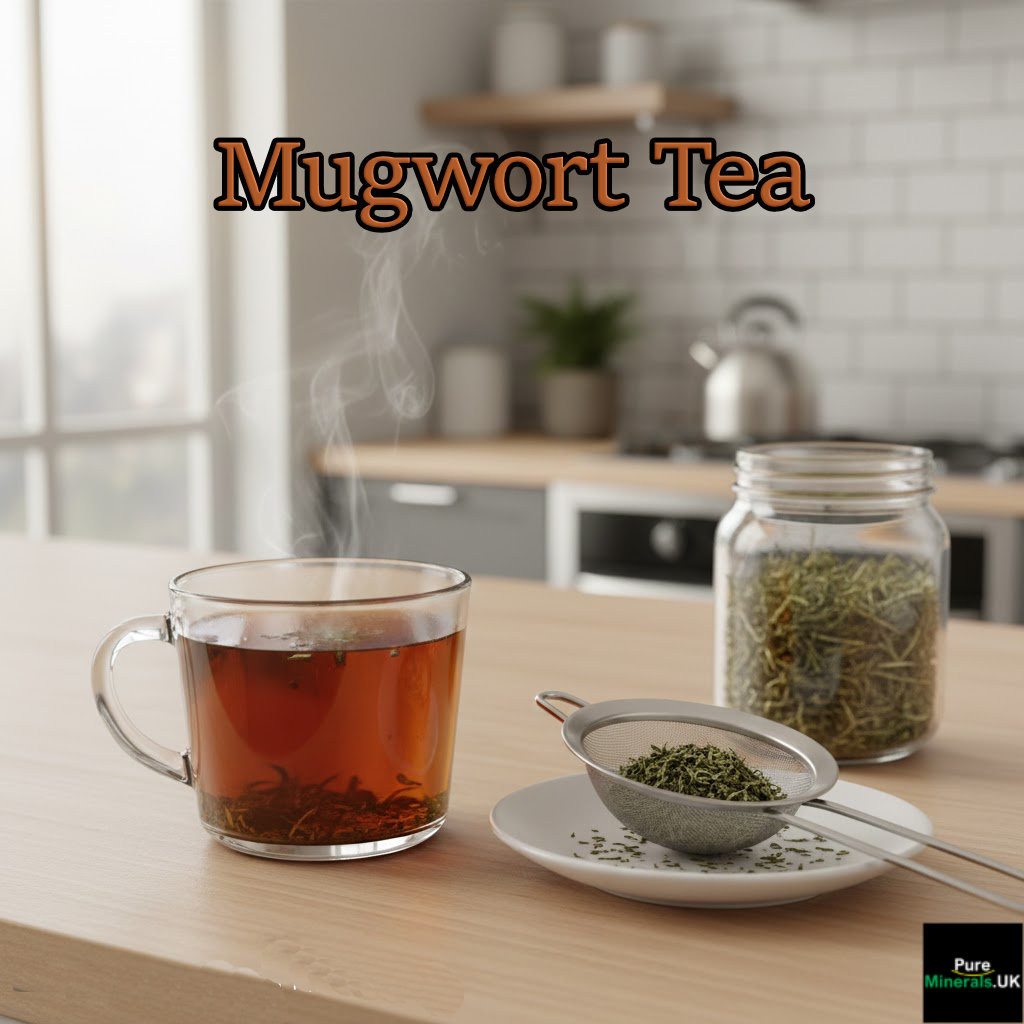
For digestive support, prepare mugwort tea using 1-2 teaspoons of dried herb per cup of boiling water. The bitter compounds responsible for digestive benefits are water-soluble but can become overly strong with extended steeping times. For optimal digestive support without excessive bitterness, steep covered for 5-7 minutes, then strain thoroughly. This preparation method preserves the volatile oils that contribute to mugwort’s carminative (gas-relieving) properties while extracting sufficient bitter compounds to stimulate digestive secretions.
For nervous system support and dream enhancement, a longer infusion may be preferable. Use 1 teaspoon of dried herb per cup, pour boiling water over the herb, cover tightly, and allow to steep for 10-15 minutes. This longer steeping time extracts more of the compounds that affect the nervous system. For maximum dream-enhancing effects, drink this preparation approximately 30 minutes before bedtime, focusing on your intention for dream clarity or lucidity as you sip.
2. Mugwort Bath Therapy
Mugwort baths offer a traditional way to absorb the herb’s benefits through the skin while enjoying its aromatic properties. Prepare a strong infusion by steeping 1 cup of dried mugwort in 2 quarts of just-boiled water for 20-30 minutes, keeping it covered to prevent volatile oils from escaping. Strain the infusion and add the resulting liquid to a warm bath, where you can soak for 20-30 minutes.
For enhanced therapeutic effects, combine mugwort with complementary herbs based on your wellness goals. For relaxation, add lavender; for muscle tension, include rosemary; for skin conditions, consider calendula. The warm water opens pores and increases circulation, allowing for optimal absorption of mugwort’s beneficial compounds through the skin while its aromatic properties are inhaled.
These therapeutic baths are particularly beneficial during times of transition, before important dream work, or when experiencing digestive discomfort related to tension. Many practitioners recommend taking mugwort baths during the waning moon phase for releasing work or during the full moon for maximum intuitive enhancement.
“The mugwort bath represents one of the oldest therapeutic applications of this herb, dating back to ancient Roman bathing traditions. The combination of aromatic steam inhalation and transdermal absorption creates a multi-sensory healing experience that addresses both physical and energetic imbalances.” – Excerpt from “Traditional European Herbalism” by Dr. Maria Groves
3. Dried Mugwort Bundles for Smudging
Creating effective smudging bundles requires careful harvesting and drying techniques. Collect mugwort stems with leaves attached during mid to late summer when the plant’s aromatic oils are most concentrated. Gather stems into small bundles approximately one inch in diameter, securing them tightly with natural cotton string or thread. Hang these bundles in a dry, dark place with good air circulation until completely dry (usually 2-3 weeks), then store in an airtight container until ready to use.
When using mugwort for smudging, light the end of the bundle until it produces a steady stream of smoke, then gently blow out the flame. Move the smoldering bundle around the space or person with intention, allowing the smoke to reach all areas requiring energetic clearing. Many practitioners combine this physical practice with visualization techniques, imagining that the smoke is carrying away unwanted energies and replacing them with clarity and protection.
4. Topical Applications
Mugwort’s anti-inflammatory and antimicrobial properties make it valuable for topical applications addressing skin conditions and muscle discomfort. Prepare a mugwort-infused oil by filling a glass jar halfway with dried mugwort, then covering completely with a carrier oil like olive, jojoba, or sesame. Allow this mixture to infuse for 4-6 weeks in a warm location, shaking daily. Strain thoroughly and store the resulting medicinal oil in a dark glass bottle away from direct light and heat.
This infused oil can be applied directly to areas of muscle tension, arthritic joints, or minor skin irritations. For enhanced effectiveness, warm the oil slightly before application and massage it into affected areas using gentle circular motions. Many herbalists recommend combining mugwort oil with complementary herbs like arnica for pain relief or calendula for skin healing, creating customized formulations for specific health concerns.
Growing and Harvesting Your Own Mugwort
Cultivating your own mugwort establishes a deeper relationship with this powerful plant ally while ensuring a sustainable supply for your wellness practices. Despite its reputation as a weed in many regions, intentionally grown mugwort offers superior quality when properly tended. The plant thrives in most temperate climates and requires minimal maintenance once established, making it accessible even for beginning herb gardeners. For those interested in exploring other easy-to-grow plants, consider learning about lemongrass, which also thrives with minimal care.
Planting and Care Instructions
Mugwort grows best in well-drained soil with full to partial sun exposure. Begin by selecting a location that receives at least 4-6 hours of direct sunlight daily and offers enough space for the plant to reach its mature height of 3-5 feet. While mugwort can tolerate poor soil conditions, it produces more abundant foliage and stronger medicinal properties in moderately fertile soil with good drainage. For example, plants like horsetail also thrive in well-drained soils, making them a great companion in similar garden conditions.
Start seeds indoors 6-8 weeks before the last expected frost, planting them on the soil surface and pressing gently without covering, as mugwort seeds require light for germination. Alternatively, propagate through root division in early spring or fall by carefully separating established plants and replanting the divisions with root systems intact. Water newly planted mugwort regularly until established, then reduce watering as the plant is moderately drought-tolerant once its root system develops.
Be mindful of mugwort’s spreading tendency—the plant reproduces through both seeds and rhizomes, potentially colonizing large areas if not contained. Consider planting in raised beds with barriers or dedicated containers to prevent unwanted spreading. Regular harvesting also helps manage growth while providing material for your wellness practices.
When and How to Harvest
Timing significantly impacts mugwort’s medicinal potency. For maximum aromatic properties and essential oil content, harvest leaves and stems during mid-summer, just before the plant flowers, ideally on a dry morning after the dew has evaporated but before the midday sun has diminished volatile compounds. For dream work and nervous system applications, some practitioners prefer harvesting during the full moon when the plant’s ethereal properties are believed to be enhanced.
Use clean, sharp scissors or pruning shears to cut stems several inches above the ground, allowing the plant to regenerate for potential second harvests. Sustainable harvesting practices suggest taking no more than one-third of any plant at once, ensuring its continued vitality. Express gratitude to the plant before harvesting—a practice many herbalists maintain honors the plant’s sacrifice and strengthens the healing intention behind its use.
- For digestive purposes, harvest when the leaves taste most bitter (usually early in the growing season)
- For dream work, harvest during the full moon if possible
- For smudging bundles, harvest when stems are sturdy and leaves are abundant
- For winter use, harvest enough during summer to dry and store
- Always harvest from plants growing in clean environments, away from roadways or pollutants
After harvesting, process mugwort promptly to preserve its medicinal properties. For drying, hang small bundles in a warm, dark location with good air circulation, or use a dehydrator on the lowest setting if humidity levels are high. Properly dried mugwort should retain its silvery-green color and aromatic scent—signs that its beneficial compounds remain intact. Store dried herb in airtight glass containers away from heat, moisture, and direct sunlight to maintain potency for up to one year.
Drying and Storage Methods
Proper drying and storage are crucial for preserving mugwort’s medicinal qualities. After harvesting, hang small bundles upside down in a dark, well-ventilated area with temperatures between 70-80°F (21-27°C). The drying process typically takes 1-2 weeks—the herb is ready when leaves crumble easily between your fingers, but stems still retain slight flexibility. For faster drying in humid climates, use a dehydrator set to the lowest temperature (around 95°F/35°C) to prevent volatile oil loss.
Once completely dry, remove leaves from stems and store them in airtight glass containers away from direct light, heat, and moisture. Properly stored mugwort maintains its potency for approximately 12 months. Label containers with the harvest date and location to track freshness and potency. For long-term preservation of aromatic qualities, some herbalists recommend adding a small food-grade silica packet to absorb any residual moisture that could lead to mold growth or degradation of medicinal compounds.
Important Safety Precautions and Contraindications
While mugwort offers numerous benefits, it must be approached with respect for its potency. This herb contains thujone, a compound that can affect brain chemistry and, in excessive amounts, potentially cause adverse effects. The concentration of thujone varies significantly depending on growing conditions, harvest time, and plant parts used—making standardization challenging and emphasizing the importance of starting with low doses when first incorporating mugwort into wellness practices.
Pregnancy and Breastfeeding Warnings
Mugwort is explicitly contraindicated during pregnancy due to its documented uterine-stimulating properties. The herb has historically been used to promote menstruation and, in larger doses, was employed as an abortifacient—clear evidence of its ability to stimulate uterine contractions. This effect makes mugwort unsuitable for use in any form during pregnancy, including tea, tincture, bath, or even topical applications over large body areas where significant absorption might occur.
Similarly, nursing mothers should avoid mugwort as compounds in the herb may pass through breast milk and potentially affect the infant’s developing nervous system. Those trying to conceive should also exercise caution, as mugwort’s effects on hormonal balance and uterine tissue could potentially interfere with implantation. Women with a history of miscarriage should be particularly cautious and consult with healthcare providers before using any form of mugwort.
Medication Interactions to Watch For
Mugwort may interact with several medication categories, potentially altering their effectiveness or increasing side effect risks. Those taking anticoagulant or antiplatelet medications should avoid mugwort, as compounds in the herb may enhance blood-thinning effects and increase bleeding risk. Similarly, mugwort might interact with anti-seizure medications due to its effects on neural pathways, potentially altering seizure thresholds or medication efficacy.
Individuals taking medications metabolized by the liver’s cytochrome P450 enzyme system (including many psychiatric drugs, blood pressure medications, and statins) should exercise caution, as mugwort may alter how these drugs are processed in the body. For more information on the benefits and uses of mugwort, you can explore this detailed guide on mugwort bath benefits.
Allergy Considerations
- People with allergies to plants in the Asteraceae family (including ragweed, chrysanthemums, marigolds, and daisies) may experience cross-reactivity with mugwort
- Allergic reactions can range from mild skin irritation to severe respiratory responses
- Perform a patch test before extensive use by applying a small amount of diluted mugwort tea to the inner forearm and monitoring for 24 hours
- Discontinue use immediately if allergic symptoms develop, including rash, itching, swelling, difficulty breathing, or dizziness
- Those with multiple plant allergies should exercise particular caution with mugwort in any form
Beyond allergic reactions, some individuals may experience heightened sensitivity to sunlight (photosensitivity) after topical application of mugwort, potentially leading to severe sunburn or rash when exposed to UV light. If using mugwort externally, avoid direct sun exposure for at least 24 hours after application, especially for those with fair skin or a history of photosensitivity reactions to other plants.
The thujone content in mugwort also presents potential concerns for individuals with seizure disorders, as this compound may lower seizure thresholds in susceptible individuals. Those with epilepsy or other seizure conditions should avoid mugwort entirely or use it only under the guidance of healthcare professionals familiar with both their condition and herbal medicine interactions.
As with any potent medicinal herb, moderation is crucial. Even healthy individuals should limit mugwort tea consumption to 1-2 cups daily for no more than 2-3 weeks continuously, followed by a break of at least one week. This cycling approach minimizes potential accumulation of compounds that could stress the liver or nervous system with prolonged exposure.
Reconnect with Ancient Wisdom for Modern Wellness
In our modern world of synthetic medications and disconnection from nature, mugwort offers a bridge to ancestral healing traditions that recognized the inseparable connection between physical health, mental well-being, and spiritual vitality. This unassuming herb reminds us that effective healing often comes not from isolating single compounds but from embracing the complex synergy of whole plants as they’ve been used for millennia. By working with mugwort respectfully—honoring both its benefits and potential risks—we tap into an unbroken lineage of herbal wisdom that spans cultures and generations.
Whether you’re drawn to mugwort for digestive support, nervous system balance, or its rich spiritual traditions, approaching this herb with informed respect creates space for genuine healing. Start with small amounts, listen carefully to your body’s responses, and gradually build a relationship with this remarkable plant ally. In doing so, you participate in a living tradition of plant medicine that continues to offer relevant solutions to contemporary wellness challenges—proving that ancient wisdom often holds the most sustainable answers to modern problems. YINA offers expertly crafted mugwort formulations that honor these traditional practices while ensuring safety and efficacy for today’s health-conscious consumers.
Frequently Asked Questions
Below are answers to common questions about mugwort’s applications, effects, and safety considerations. While this information provides general guidance, individual responses to herbs vary, and consulting with knowledgeable healthcare practitioners familiar with botanical medicine remains the best approach for addressing specific health concerns.
Can mugwort help with menstrual problems?
Yes, mugwort has a long history of use for menstrual issues, particularly for regulating irregular cycles and relieving cramping. The herb’s antispasmodic properties help relax uterine muscles, potentially reducing painful contractions, while its emmenagogue effects (stimulating blood flow in the pelvic region) can help initiate delayed menstruation. These effects stem from mugwort’s ability to influence hormonal pathways and improve circulation to reproductive organs.
For menstrual support, mugwort is typically prepared as a tea using 1 teaspoon of dried herb per cup of water, steeped covered for 10 minutes, and consumed 1-2 times daily during the week before menstruation. However, due to its potent effects on the reproductive system, mugwort should be avoided by those trying to conceive, during pregnancy, or with certain reproductive health conditions, including endometriosis, where increased blood flow might exacerbate symptoms.
Is mugwort the same as wormwood used in absinthe?
While related, mugwort (Artemisia vulgaris) and wormwood (Artemisia absinthium) are distinct species within the Artemisia genus. Both contain thujone and share some medicinal properties, but wormwood generally contains higher thujone concentrations and has a more intensely bitter taste. Wormwood is the primary flavoring ingredient in traditional absinthe and contributes to its controversial psychoactive reputation, though modern commercial absinthe contains regulated, minimal thujone levels.
Mugwort offers many of the same digestive benefits as lemongrass but with milder effects and lower thujone content, making it generally safer for regular use. Both herbs should be used with caution due to their potent physiological effects, but mugwort’s gentler profile makes it more appropriate for routine wellness applications, while wormwood is typically reserved for specific therapeutic interventions under professional guidance.
How long does it take to feel mugwort’s effects on digestion?
Mugwort’s digestive effects manifest in both immediate and cumulative timeframes. The bitter compounds in mugwort tea begin stimulating digestive secretions almost immediately upon tasting, with enhanced saliva production and digestive enzyme activation occurring within minutes. For acute digestive discomfort such as bloating or indigestion, noticeable relief typically begins within 15-30 minutes after consuming properly prepared mugwort tea, as its carminative and antispasmodic properties take effect.
For chronic digestive issues, consistent use over 2-3 weeks often produces more substantial improvements as the digestive system responds to regular bitter stimulation with enhanced enzyme production and improved gut motility. This gradual strengthening of digestive function represents the herb’s tonic effect—building digestive capacity over time rather than simply addressing symptoms. Additionally, incorporating other digestive aids like lemongrass can further support gut health.
- Immediate effects (within minutes): Increased saliva production, appetite stimulation
- Short-term effects (15-30 minutes): Gas relief, reduction in bloating
- Medium-term effects (several days of use): Improved digestion of meals, reduced post-meal discomfort
- Long-term effects (2-3 weeks of regular use): Enhanced digestive capacity, more regular bowel movements, better nutrient absorption
Individual response times vary based on factors including overall health status, severity of digestive issues, proper preparation methods, and whether mugwort is consumed alone or combined with complementary herbs. For maximum effectiveness, consistency matters more than quantity—small, regular doses typically yield better results than occasional larger amounts.
Can children safely use mugwort?
Mugwort is generally not recommended for children under 12 years of age due to its potent effects on the nervous system and potential thujone content. Children’s developing nervous systems and lower body weight make them more susceptible to compounds that affect brain chemistry, creating a higher risk-to-benefit ratio for this particular herb. Additionally, mugwort’s intense bitter taste makes compliance challenging with younger children, who typically resist strongly bitter flavors.
For older children (12+) with digestive issues where bitter herbs might be beneficial, gentler alternatives like dandelion root or chamomile should be considered first. These herbs offer similar digestive benefits with established safety profiles for younger populations. If mugwort is deemed appropriate for an adolescent by a qualified healthcare provider, dosages should be adjusted based on weight (typically starting with ¼ to ½ the adult dose), and duration of use should be limited to short courses.
Parents should note that mugwort’s dream-enhancing effects might cause sleep disturbances in children, who already experience more vivid dreams than adults due to their longer REM sleep periods. For children struggling with nightmares, mugwort would be particularly contraindicated as it could potentially intensify these experiences rather than alleviate them. Additionally, exploring alternatives like olive oil might be beneficial for those seeking natural remedies.
Will mugwort make me have vivid dreams every night?
While mugwort is renowned for enhancing dream vividness and recall, individual responses vary considerably based on personal neurochemistry, sleep patterns, and preparation methods. Most people experience noticeably enhanced dream states when first using mugwort, particularly when consumed as tea within an hour of bedtime or used in dream pillows placed directly under the regular pillow. The effect typically manifests as increased dream recall, more colorful or detailed dream imagery, and sometimes greater awareness within the dream state (lucidity).
However, regular use often leads to adaptation, with effects becoming more subtle over time. Many practitioners recommend intermittent rather than daily use to maintain sensitivity to mugwort’s dream-enhancing properties. Using the herb for 3-4 nights followed by 3-4 nights without it often preserves its effectiveness while preventing habituation. The quality of dreams also matters—while most users report interesting or insightful dream experiences, a small percentage find mugwort intensifies troubling dream content or disrupts sleep quality.
For those specifically seeking dream enhancement effects, combining practices like dream journaling, meditation before sleep, or setting specific intentions for dream exploration typically amplifies mugwort’s effects. The herb seems to open a doorway to enhanced dream states, but the traveler still determines which threshold to cross and how to navigate the landscape beyond it. For this reason, mugwort has been valued across cultures not merely as a substance that affects dreams but as a tool for intentional dreamwork within broader spiritual or psychological practices.