

Published: 11 December 2025
Last Updated: 25 February 2026
This article is periodically reviewed and updated to reflect current scientific understanding by George Wesler.
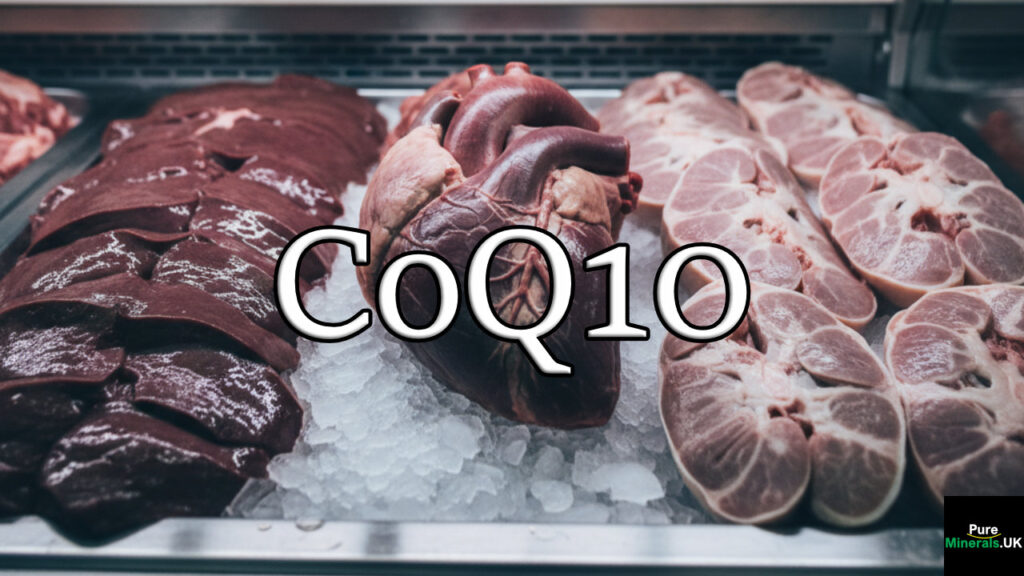
What Is Coenzyme Q10 (CoQ10) and Why Is This Vitamin-Like Compound Important for Energy Production, Heart Health, and Antioxidant Protection?
Coenzyme Q10 (CoQ10) is a vitamin-like compound required for mitochondrial energy production, cardiovascular health, and antioxidant defence. Found naturally in legumes, nuts, seeds, whole grains, vegetable oils, fish, and certain meats, CoQ10 supports ATP synthesis, stabilizes cell membranes, and helps protect tissues from oxidative stress. Adequate levels contribute to healthy heart function, sustained energy, and overall cellular vitality.
Definition:
Coenzyme Q10 is a fat-soluble compound present in every cell of the body, acting as both a mitochondrial electron carrier and a powerful lipid-soluble antioxidant. It occurs naturally in foods such as nuts, seeds, whole grains, fish, poultry, and organ meats. CoQ10 supports energy formation and helps maintain the integrity of cell membranes, particularly in high-energy tissues like the heart.
Extended Definition:
CoQ10 plays a central role in the electron transport chain, the mitochondrial system responsible for generating ATP, the body’s primary energy molecule. Its dual functionality as an energy facilitator and antioxidant allows it to support cardiovascular strength, stable metabolic activity, and protection against oxidative stress. The body synthesises CoQ10 internally, but levels may decline with age, certain medications, or increased metabolic demand. Dietary intake from plant foods and fish contributes to overall status, while supplemental forms (ubiquinone and ubiquinol) provide additional support for energy, heart function, and antioxidant resilience.
Key Facts:
- Nutrient type: Vitamin-like antioxidant compound
- Biological forms: Ubiquinone (oxidized), ubiquinol (reduced)
- Primary functions: ATP production, antioxidant defence, cardiovascular support
- Systems supported: Cardiovascular, metabolic, muscular, cellular
- Preferred dietary sources: Nuts, seeds, whole grains, vegetable oils, fish, poultry, organ meats
- Deficiency considerations: No formal deficiency; low levels may affect energy, heart health, and antioxidant capacity
- Interactions: Works synergistically with vitamin E in lipid protection; supports mitochondrial energy pathways
Key Takeaways
- CoQ10 is essential for mitochondrial energy production, where it helps convert nutrients into ATP, the body’s primary energy currency
- Beyond energy production, CoQ10 functions as a powerful antioxidant that protects cells from oxidative damage
- Natural CoQ10 levels decline with age, potentially contributing to reduced energy and increased vulnerability to chronic diseases
- Both food sources and supplements can help maintain optimal CoQ10 levels, with supplements available in two forms: ubiquinone and ubiquinol
- People taking statin medications, adults over 50, and those with specific health conditions may benefit most from CoQ10 supplementation
CoQ10 might be the missing link in your health puzzle. This naturally occurring compound exists in nearly every cell of your body and plays two critical roles: powering your cellular energy production and providing powerful antioxidant protection. If you’ve been feeling fatigued or concerned about chronic health issues, understanding how CoQ10 works could be transformative.
Coenzyme Q10, commonly known as CoQ10, is a vitamin-like substance that your body produces naturally. It’s essential for the proper functioning of your cells, particularly in energy-intensive organs like your heart, liver, kidneys, and brain. As a vital component in your mitochondria—the powerhouses of your cells—CoQ10 helps convert the food you eat into adenosine triphosphate (ATP), the energy currency that fuels virtually all cellular activities.
What Makes CoQ10 Essential for Your Health?
Your body’s energy production process is remarkably complex, and CoQ10 sits at its very heart. Without adequate levels of this crucial compound, your cells struggle to produce the energy needed for optimal function. This energy deficit can manifest as fatigue, muscle weakness, and even contribute to various chronic health conditions.
Beyond its role in energy production, CoQ10 serves as one of your body’s primary antioxidants. It neutralizes harmful free radicals that damage cells, DNA, and tissues—damage that accelerates aging and contributes to disease development. This dual functionality makes CoQ10 uniquely valuable for maintaining overall health and preventing age-related decline.
The Science Behind Mitochondrial Energy Production
Inside your cells’ mitochondria, an intricate process called the electron transport chain converts nutrients into usable energy. CoQ10 functions as an electron carrier in this chain, shuttling electrons between different complexes in the mitochondrial membrane. This electron transfer is what ultimately allows for the production of ATP—the energy molecule that powers everything from muscle contractions to brain function.
What makes CoQ10 special is its ability to accept and donate electrons repeatedly, making it an efficient component of the energy production system. Without sufficient CoQ10, this process becomes less efficient, leading to decreased energy output and increased production of damaging free radicals. The consequences of this energy deficit can affect every system in your body, from cardiovascular function to cognitive performance.
How CoQ10 Fights Oxidative Damage in Your Cells
The same properties that make CoQ10 valuable for energy production also enable its powerful antioxidant function. During cellular respiration, oxygen molecules can sometimes lose electrons and become reactive oxygen species (ROS)—unstable molecules that damage cellular components. CoQ10 helps neutralize these harmful free radicals before they can cause oxidative damage.
This antioxidant activity is particularly important in cell membranes and lipoproteins, where CoQ10 prevents lipid peroxidation—a damaging chain reaction that destroys cell membrane integrity. By protecting these structures, CoQ10 helps maintain cellular function and prevents the oxidative stress that contributes to numerous chronic diseases, including heart disease, diabetes, and neurodegenerative disorders.
“CoQ10’s unique position in the mitochondrial membrane allows it to serve as both an energy facilitator and a first-line defense against oxidative damage—a rare dual functionality that makes it indispensable for cellular health.”
Why Your CoQ10 Levels Naturally Decline with Age
Your body’s natural production of CoQ10 peaks in your 20s and begins a steady decline thereafter. By the time you reach 80, your CoQ10 levels may be less than half what they were in your youth. This decline happens for several reasons, including decreased biosynthesis, increased oxidative stress, and reduced dietary intake.
The age-related drop in CoQ10 has significant implications for health and vitality. Lower levels correlate with decreased energy production, increased oxidative damage, and greater vulnerability to chronic diseases. Many researchers believe this decline contributes to the aging process itself and various age-related conditions.
Certain medications can accelerate CoQ10 depletion, with statins being the most notable example. These cholesterol-lowering drugs inhibit the same pathway involved in CoQ10 production, potentially reducing levels by up to 40%. This depletion may contribute to statin-associated muscle pain and fatigue, highlighting the importance of monitoring CoQ10 status, especially if you’re on these medications.
Top 7 Health Benefits of CoQ10
The remarkable dual role of CoQ10 in energy production and antioxidant protection translates into numerous health benefits. Research continues to uncover the wide-ranging impacts this powerful compound has across body systems. From supporting cardiovascular function to enhancing brain health, CoQ10’s benefits extend far beyond simple energy production.
1. Boosts Heart Health and Function
Your heart, with its constant rhythmic contractions, has the highest energy demands of any organ in your body. This makes it particularly dependent on adequate CoQ10 levels for optimal function. Multiple studies have shown that CoQ10 supplementation can improve various markers of heart health, including improved ejection fraction (a measure of how efficiently your heart pumps blood) and reduced oxidative stress.
For individuals with heart failure, CoQ10 has shown particular promise. A landmark study called Q-SYMBIO found that long-term CoQ10 supplementation reduced major adverse cardiac events by nearly 50% in patients with chronic heart failure. The effect was so significant that researchers suggested CoQ10 should be considered as a potential adjunctive treatment for heart failure patients.
2. Increases Physical Energy and Exercise Performance
Athletes and fitness enthusiasts have long been interested in CoQ10’s potential to enhance physical performance. This makes intuitive sense—if CoQ10 improves cellular energy production, it should translate to improved physical energy and endurance. Research supports this connection, showing that CoQ10 supplementation can reduce fatigue, improve recovery time, and enhance performance during high-intensity exercise. Additionally, compounds like carnitine are often explored for their role in boosting energy levels and supporting exercise performance.
The benefits appear particularly pronounced in individuals with lower baseline CoQ10 levels, such as older adults or those with certain health conditions. By supporting efficient mitochondrial function, CoQ10 helps maximize energy output while minimizing the oxidative damage that contributes to muscle fatigue and soreness after exercise.
3. Supports Brain Health and Cognitive Function
Your brain is an energy-hungry organ, consuming roughly 20% of your body’s energy despite accounting for only 2% of your body weight. This high energy demand makes brain tissue particularly vulnerable to mitochondrial dysfunction and oxidative stress. CoQ10’s dual role in energy production and antioxidant protection makes it especially valuable for brain health.
Research suggests that CoQ10 may help protect brain cells from damage and dysfunction associated with conditions like Parkinson’s disease, Alzheimer’s disease, and other neurodegenerative disorders. While more research is needed, preliminary studies indicate that maintaining optimal CoQ10 levels may support cognitive function and protect against age-related cognitive decline.
4. Helps Manage Blood Sugar Levels
Emerging research points to CoQ10’s potential role in supporting healthy blood sugar metabolism. Mitochondrial dysfunction and increased oxidative stress are key factors in insulin resistance and type 2 diabetes. By improving mitochondrial function and reducing oxidative damage, CoQ10 may help improve insulin sensitivity and glucose utilization.
Several studies have shown that CoQ10 supplementation can reduce fasting blood glucose levels and improve HbA1c (a measure of long-term blood sugar control) in people with diabetes. While CoQ10 shouldn’t replace conventional diabetes treatments, it may serve as a valuable adjunctive approach for supporting metabolic health.
5. Improves Fertility in Both Men and Women
Reproductive health depends heavily on cellular energy production and protection against oxidative stress—two areas where CoQ10 excels. For men, sperm quality and motility rely on sufficient energy production, while for women, egg quality and ovarian function are similarly energy-dependent processes. Additionally, nutrients such as trace minerals play a crucial role in supporting these reproductive functions.
Research has demonstrated that CoQ10 supplementation can improve sperm parameters in men with fertility issues, including increased sperm count, improved motility, and enhanced morphology. In women, CoQ10 may support egg quality and ovarian response, particularly in those of advanced reproductive age or undergoing fertility treatments.
6. Reduces Frequency and Severity of Migraines
Migraines are often linked to mitochondrial dysfunction and increased oxidative stress in brain tissue. CoQ10’s ability to support mitochondrial energy production and reduce oxidative damage makes it a logical candidate for migraine prevention.
Clinical studies have shown promising results, with CoQ10 supplementation reducing the frequency, severity, and duration of migraines in some individuals. A particularly interesting finding is that migraine sufferers often have lower baseline CoQ10 levels, suggesting that supplementation may be addressing an underlying deficiency contributing to their symptoms.
7. Protects Vital Organs from Oxidative Stress
Beyond the specific benefits already mentioned, CoQ10 provides broad protection for all your vital organs against oxidative damage. Your kidneys, liver, lungs, and other tissues all contain mitochondria that produce energy and generate potentially harmful free radicals in the process. CoQ10’s powerful antioxidant action helps neutralize these free radicals before they can damage cellular structures, similar to how Vitamin E works as an antioxidant in the body.
This protective effect is particularly important as you age and your natural antioxidant defenses decline. By maintaining adequate CoQ10 levels, you help preserve the integrity and function of your vital organs, potentially slowing age-related decline and reducing disease risk.
Natural Food Sources of CoQ10
While your body produces CoQ10 naturally, you also obtain small amounts through your diet. Incorporating CoQ10-rich foods into your meals can help support your body’s natural levels of this crucial compound. However, it’s worth noting that even the richest food sources contain relatively modest amounts compared to what’s used in therapeutic supplementation.
Animal-Based Sources with the Highest CoQ10 Content
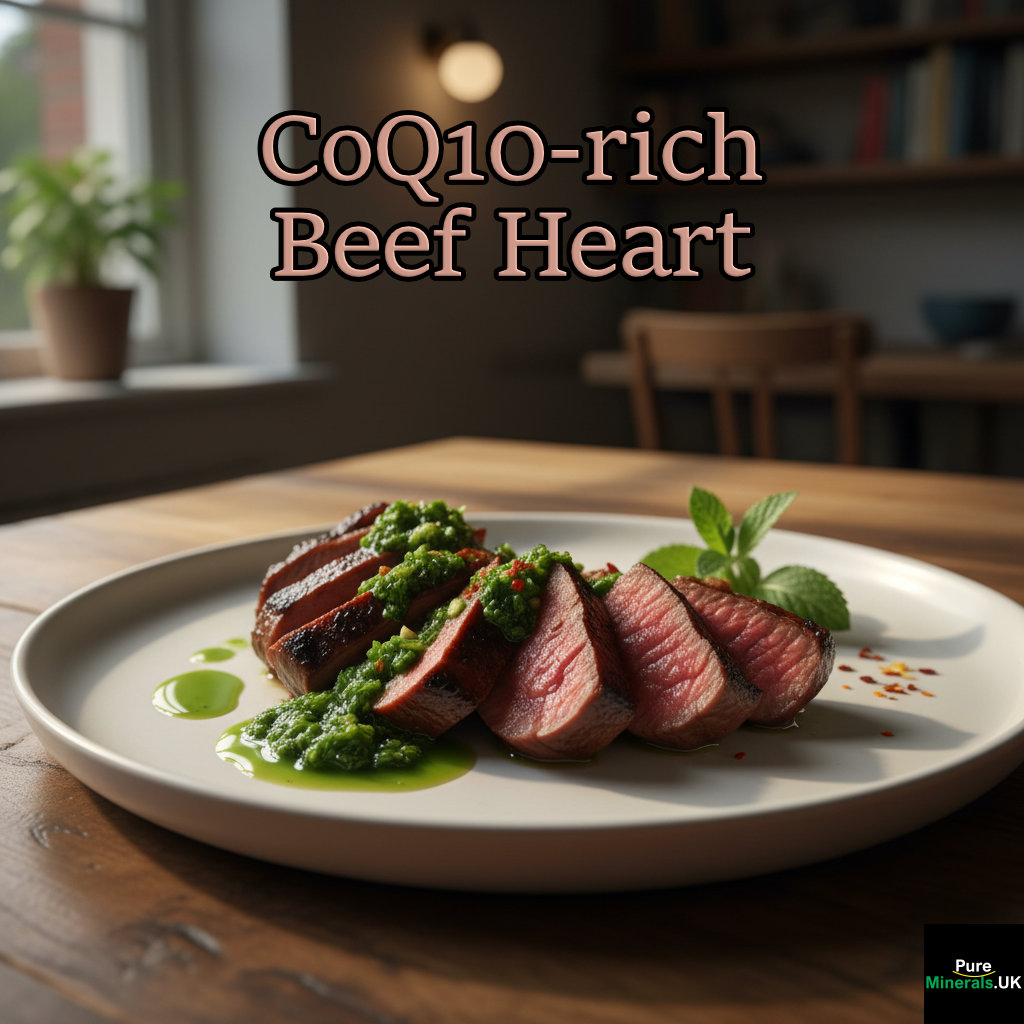
Animal products, particularly organ meats, contain the highest natural concentrations of CoQ10. This makes evolutionary sense—these tissues have the highest energy demands and therefore the greatest concentration of mitochondria where CoQ10 is found. Organ meats like heart, liver, and kidney top the list, with beef heart containing approximately 113 mcg of CoQ10 per gram—the highest concentration found in any food source.
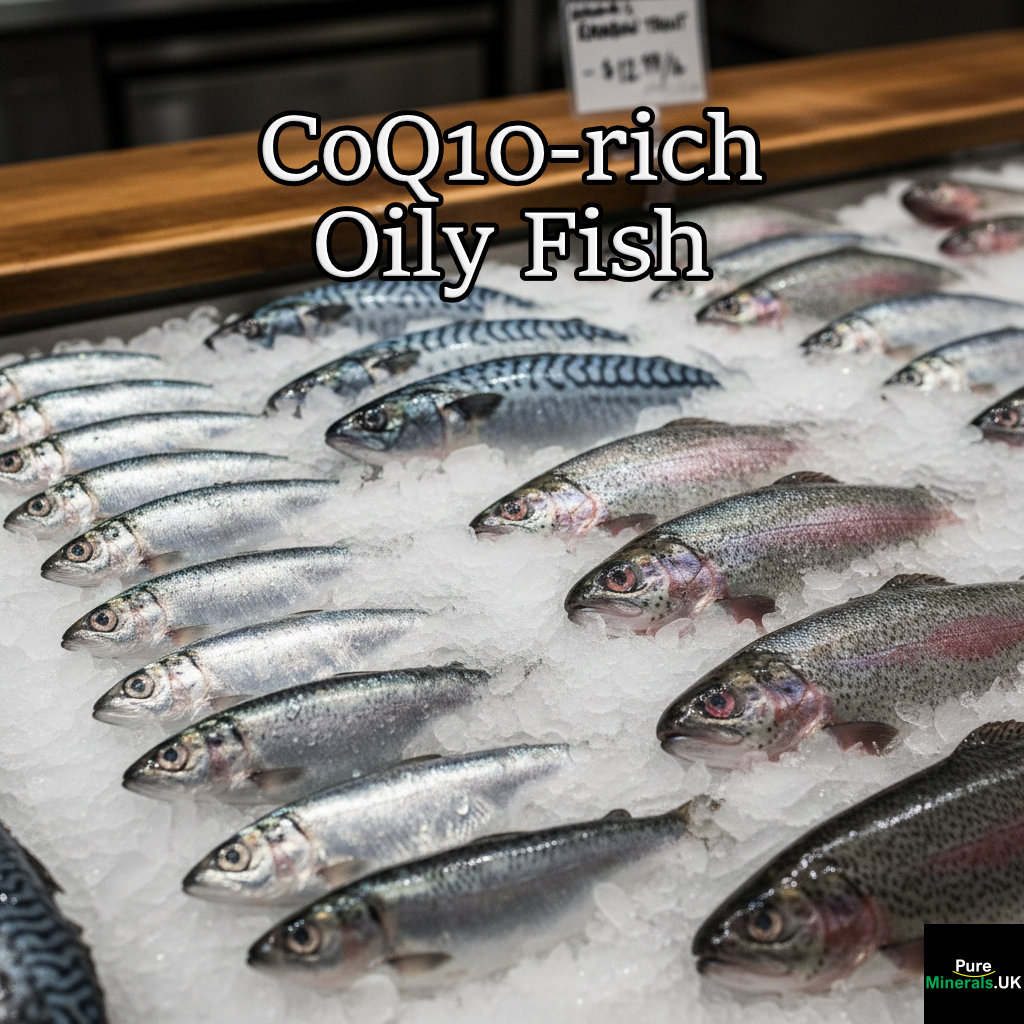
Beyond organ meats, fatty fish like sardines, mackerel, and trout are excellent sources, containing between 15-30 mcg per gram. Other animal products with notable CoQ10 content include muscle meats (particularly beef and pork), dairy products, and egg yolks, though in significantly lower amounts than organ meats.
Plant-Based Options for CoQ10
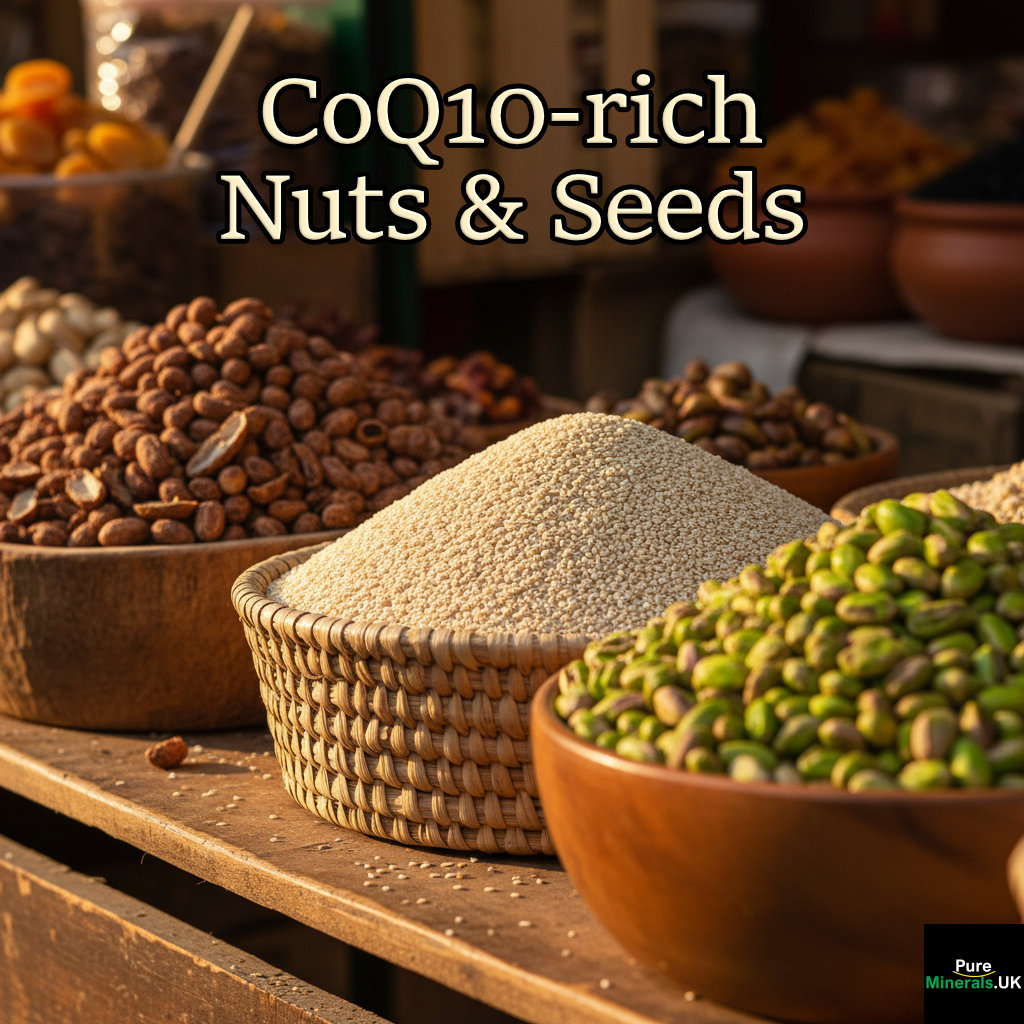
Plant foods generally contain lower amounts of CoQ10 than animal sources, but they can still contribute to your overall intake. Nuts and seeds, particularly peanuts, sesame seeds, and pistachios, offer modest amounts of CoQ10.
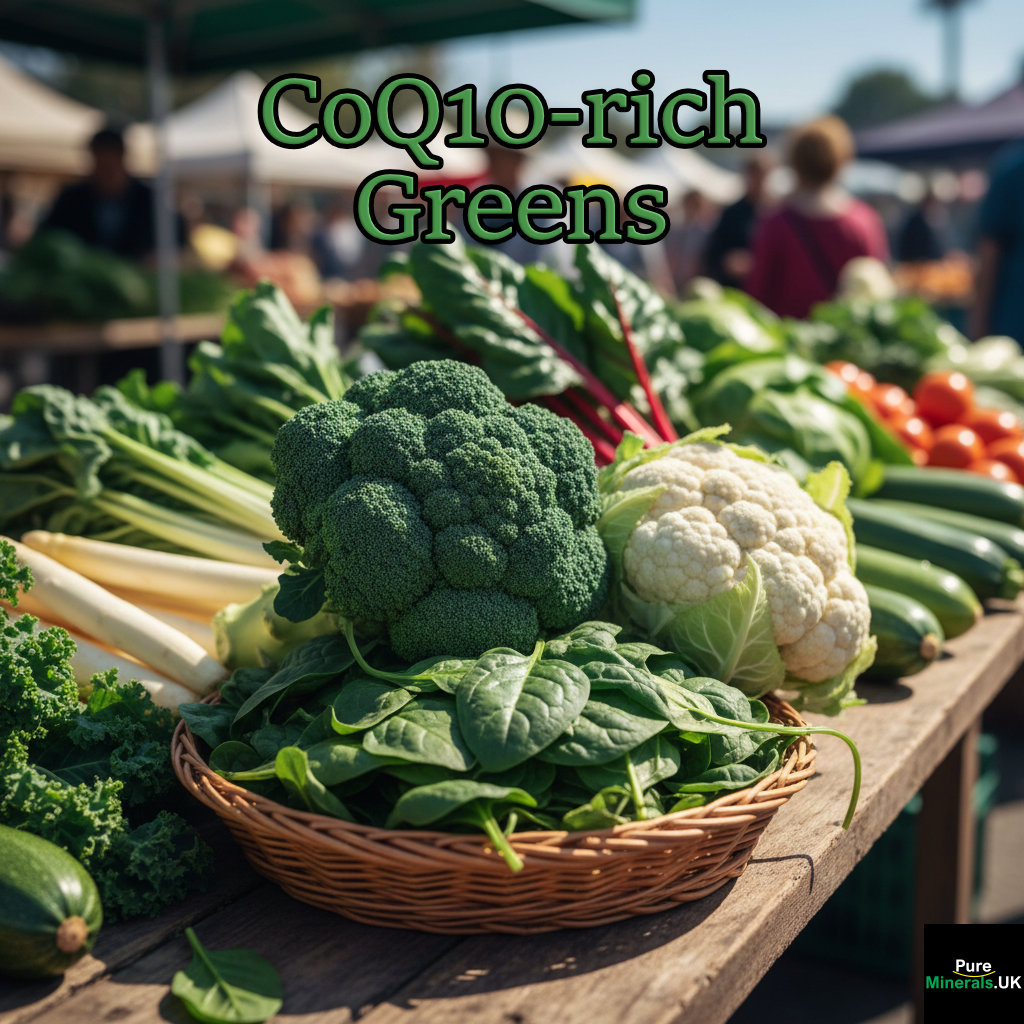
Vegetables like broccoli, cauliflower, and spinach contain small quantities, as do fruits like oranges and strawberries. Additionally, you might explore other plant-based compounds like bioflavonoids that can complement your diet.
For those following plant-based diets, focusing on these sources while potentially considering supplementation may be necessary to maintain optimal CoQ10 levels. Soybeans and soybean oil deserve special mention, as they contain higher amounts than most other plant foods, though still significantly less than animal sources.
Why Food Sources Alone May Not Be Enough
Despite the presence of CoQ10 in various foods, dietary intake typically provides only 3-5 mg per day—far below the amounts used in research showing therapeutic benefits (typically 100-300 mg daily). Additionally, the bioavailability of CoQ10 from food sources can be limited, with absorption rates varying based on the food matrix and your digestive health.
As you age and your body’s natural CoQ10 production declines, the gap between optimal levels and what you can reasonably obtain from diet alone widens. This reality explains why supplementation has become increasingly common, especially for those over 40 or with health conditions that may benefit from enhanced CoQ10 status.
Food Source | CoQ10 Content (mcg/g) | Serving Example |
|---|---|---|
Beef Heart | 113 | 3 oz = ~960 mcg |
Sardines | 30-64 | 3.75 oz can = ~500 mcg |
Pork Heart | 45 | 3 oz = ~380 mcg |
Beef | 31 | 3 oz = ~260 mcg |
Spinach | 10 | 1 cup = ~30 mcg |
Peanuts | 27 | cg |
CoQ10 Supplements: Ubiquinone vs. Ubiquinol
When exploring CoQ10 supplements, you’ll encounter two main forms: ubiquinone and ubiquinol. Understanding the differences between these forms can help you make an informed choice about which might be best for your needs.
Ubiquinone is the oxidized form of CoQ10 and has been used in most research studies and supplements for decades. It’s typically less expensive to produce and more stable in supplement form. When you consume ubiquinone, your body must convert it to ubiquinol (the reduced form) before it can exert its full effects in your cells.
Ubiquinol is the active, reduced form of CoQ10 that directly participates in cellular energy production and provides antioxidant protection. Your body naturally converts ubiquinone to ubiquinol, but this conversion becomes less efficient as you age, potentially making ubiquinol supplements more beneficial for older adults.
Understanding the Two Forms
The key distinction between these forms lies in their molecular structure. Ubiquinone has two additional oxygen atoms compared to ubiquinol, giving it different properties. In your body, CoQ10 continuously cycles between these two forms as it performs its dual functions of energy production and antioxidant protection.
Ubiquinol serves as the primary antioxidant form, donating electrons to neutralize free radicals. After donating electrons, it converts to ubiquinone. Ubiquinone then accepts electrons during the energy production process in mitochondria, converting back to ubiquinol. This cycling between forms is essential for CoQ10’s functions in your cells.
Which Form Is Better Absorbed by Your Body
Research indicates that ubiquinol demonstrates superior absorption compared to ubiquinone, with some studies showing 2-3 times better bioavailability. This enhanced absorption becomes particularly important as you age, as your body’s ability to convert ubiquinone to the active ubiquinol form naturally declines.
For adults over 40, those with certain health conditions, or individuals taking medications that deplete CoQ10 (like statins), ubiquinol may offer advantages due to this improved absorption. However, high-quality ubiquinone supplements formulated with absorption-enhancing technologies can also achieve excellent bioavailability.
How to Choose the Right CoQ10 Supplement
When selecting a CoQ10 supplement, consider your age, health status, and specific needs. Younger, healthy individuals typically convert ubiquinone to ubiquinol efficiently and may do well with either form. Older adults or those with chronic health conditions might benefit more from ubiquinol or enhanced-absorption ubiquinone formulations.
Beyond the form of CoQ10, look for products that use oil-based delivery systems or enhanced absorption technologies, as CoQ10 is fat-soluble and poorly absorbed without these features. Quality markers include third-party testing, pharmaceutical-grade manufacturing standards, and transparent labeling of the specific amount of CoQ10 per serving.
Who Should Consider Taking CoQ10 Supplements?
While CoQ10 is beneficial for general health, certain populations may experience more pronounced benefits from supplementation. Understanding whether you fall into one of these groups can help you make an informed decision about whether CoQ10 supplementation might be appropriate for your health needs. For those interested in exploring additional antioxidant options, alpha-lipoic acid is another supplement to consider.
Statin Medication Users
If you take statin medications to lower cholesterol, you’re a prime candidate for CoQ10 supplementation. Statins block an enzyme called HMG-CoA reductase, which is involved in both cholesterol production and CoQ10 synthesis. This inhibition can reduce CoQ10 levels by 30-50%, potentially contributing to common statin side effects like muscle pain, weakness, and fatigue.
Research has shown that CoQ10 supplementation may help mitigate these statin-associated muscle symptoms without interfering with the cholesterol-lowering effects of the medication. Many cardiologists and integrative physicians now recommend CoQ10 as a complementary approach for statin users, especially those experiencing side effects.
Adults Over 50
The natural decline in CoQ10 production accelerates after age 50, coinciding with increased energy needs for cellular repair and regeneration. This mismatch between supply and demand creates a situation where supplementation may offer particular benefits for maintaining energy, supporting cardiovascular health, and protecting against age-related oxidative stress.
For many older adults, CoQ10 supplementation represents a proactive approach to supporting mitochondrial function and cellular energy production during aging. The potential benefits for heart health, cognitive function, and overall vitality make it worth considering as part of a comprehensive healthy aging strategy.
People with Specific Health Conditions
Research has identified several health conditions that may benefit from CoQ10 supplementation. These include cardiovascular conditions (particularly heart failure, hypertension, and angina), neurological disorders (including Parkinson’s disease and migraines), diabetes and metabolic syndrome, and conditions characterized by increased oxidative stress or mitochondrial dysfunction.
If you have any of these conditions, discussing CoQ10 with your healthcare provider is worthwhile. The compound’s excellent safety profile makes it appropriate to consider as an adjunctive approach alongside conventional treatments, though it should never replace prescribed medications without medical supervision.
Athletes and Active Individuals
High-intensity exercise increases energy demands and produces oxidative stress—two areas where CoQ10 may provide support. Athletes and regularly active individuals can benefit from CoQ10’s ability to enhance cellular energy production while simultaneously protecting against exercise-induced oxidative damage. Additionally, pairing CoQ10 with alpha-lipoic acid can further support antioxidant defenses.
Research on CoQ10 for athletic performance shows mixed but promising results, with some studies demonstrating improvements in power output, exercise capacity, and recovery. For those engaged in regular high-intensity training, CoQ10 may help optimize cellular energetics and reduce exercise-related oxidative stress.
How to Maximize CoQ10 Benefits in Your Daily Life
Taking CoQ10 is just one part of supporting your mitochondrial health and cellular energy production. To maximize its benefits, consider integrating it into a comprehensive approach to wellness that includes other synergistic practices and nutrients. This holistic strategy can enhance CoQ10’s effectiveness and support overall mitochondrial function.
Start by ensuring adequate intake of companion nutrients that work alongside CoQ10. These include B vitamins (particularly B2, B3, and B5), which participate in energy production pathways, magnesium, which is required for ATP synthesis, and other antioxidants like vitamin E that complement CoQ10’s protective effects.
Regular physical activity stimulates mitochondrial biogenesis—the creation of new mitochondria—while also increasing your cells’ efficiency in utilizing CoQ10. Even moderate exercise like brisk walking can enhance mitochondrial function when done consistently, creating a synergistic effect with CoQ10 supplementation.
Effective Dosage Guidelines
CoQ10 dosages vary widely depending on your health status and goals. For general health maintenance, 100-200 mg daily is typically sufficient. For specific health concerns like cardiovascular disease, migraine prevention, or statin-related muscle symptoms, higher dosages of 300-600 mg daily may be more appropriate and have been used safely in clinical studies.
Best Time to Take CoQ10
Since CoQ10 is fat-soluble, taking it with meals containing some healthy fats significantly improves absorption. Many people find that dividing their daily dose between morning and evening meals works well, though a single daily dose is also effective. Consistency matters more than specific timing—the compound builds up in tissues over time.
“Taking CoQ10 with a meal containing olive oil, avocado, nuts, or other healthy fats can increase absorption by as much as 3-fold compared to taking it on an empty stomach.”
If you’re taking multiple supplements, be aware that CoQ10 doesn’t have significant known interactions with most other supplements. However, it may enhance the effects of other antioxidants and potentially interact with blood-thinning medications, so discuss your supplement regimen with your healthcare provider.
For those concerned about energy levels, taking part of your CoQ10 dose in the morning may align with your body’s natural energy production patterns. However, there’s no strong evidence that timing significantly impacts CoQ10’s effectiveness beyond the absorption advantages of taking it with meals.
Pairing CoQ10 with Other Nutrients
Several nutrients work synergistically with CoQ10 to enhance mitochondrial function and energy production. Alpha-lipoic acid (ALA) is a powerful mitochondrial antioxidant that helps regenerate CoQ10 after it neutralizes free radicals. PQQ (pyrroloquinoline quinone) stimulates mitochondrial biogenesis, potentially enhancing the effects of CoQ10 on energy production.
Omega-3 fatty acids support mitochondrial membrane health, while resveratrol activates sirtuins—proteins that regulate mitochondrial function and biogenesis. L-carnitine facilitates the transport of fatty acids into mitochondria for energy production, creating another complementary effect with CoQ10. Consider incorporating these synergistic nutrients for a comprehensive approach to mitochondrial support.
The Bottom Line on CoQ10’s Role in Your Health
CoQ10 stands out as a uniquely valuable compound for maintaining cellular energy production and protecting against oxidative damage. Its dual role in these fundamental aspects of cellular health explains its wide-ranging benefits for cardiovascular function, brain health, exercise performance, and overall vitality. As research continues to evolve, CoQ10’s importance for healthy aging and disease prevention becomes increasingly clear.
While dietary sources provide small amounts, supplementation offers a more reliable way to maintain optimal CoQ10 levels, especially as you age or if you have specific health concerns. With an excellent safety profile and substantial research support, CoQ10 represents one of the most evidence-based supplements for supporting mitochondrial function and cellular health.
- Support mitochondrial function with CoQ10 supplementation, particularly if you’re over 40 or taking statin medications
- Choose the form (ubiquinone or ubiquinol) that best matches your age and health status
- Take CoQ10 with meals containing healthy fats to maximize absorption
- Consider synergistic nutrients like ALA, PQQ, and L-carnitine for comprehensive mitochondrial support
- Discuss CoQ10 with your healthcare provider if you have specific health conditions that might benefit from improved mitochondrial function
By understanding and optimizing your CoQ10 status, you’re addressing one of the most fundamental aspects of cellular health—the ability of your mitochondria to efficiently produce energy while minimizing damaging free radicals. This foundational approach to health supports not just individual symptoms or conditions, but the underlying cellular processes that determine your overall vitality and longevity.
Frequently Asked Questions
As interest in CoQ10 continues to grow, many common questions arise about its use, benefits, and safety profile. Here are evidence-based answers to some of the most frequently asked questions about this important cellular nutrient.
How long does it take to notice benefits from CoQ10 supplements?
CoQ10 typically builds up in tissues over time, with blood levels stabilizing after approximately 2-3 weeks of consistent supplementation. However, noticeable subjective benefits often require longer periods of supplementation.
The timeline for experiencing benefits varies depending on your baseline CoQ10 status and the specific benefit you’re seeking. For energy improvement, many people report changes within 2-4 weeks. Cardiovascular benefits might take 8-12 weeks to become apparent, while improvements in conditions like migraine frequency typically require 3 months or longer of consistent supplementation.
It’s important to note that some benefits of CoQ10 might not be immediately noticeable as subjective improvements in how you feel. The antioxidant protection and support for cellular function occurs invisibly at the cellular level, potentially offering long-term health benefits even if you don’t experience dramatic short-term changes in symptoms.
For conditions like heart failure or statin-related muscle symptoms, the research suggests that longer periods of supplementation (4-6 months or more) may be necessary to achieve maximum benefits. Patience and consistency are key when using CoQ10 as part of a long-term health strategy.
Can I take CoQ10 with other medications?
CoQ10 is generally considered safe to take alongside most medications, but there are a few important considerations. It may enhance the effects of blood-thinning medications like warfarin, potentially requiring adjustment of medication dosage. CoQ10 may also slightly lower blood pressure, which could be beneficial but might require monitoring if you’re already taking blood pressure medications.
Are there any side effects of taking CoQ10?
CoQ10 has an excellent safety profile with minimal reported side effects, even at high doses. The most commonly reported side effects include mild gastrointestinal symptoms like nausea, diarrhea, or loss of appetite. These effects are rare, typically mild, and often resolve by taking CoQ10 with meals or dividing the daily dose. Some people report insomnia if CoQ10 is taken too close to bedtime, which can be addressed by taking it earlier in the day.
Is CoQ10 safe during pregnancy or breastfeeding?
There isn’t sufficient research on CoQ10 use during pregnancy and breastfeeding to definitively establish safety. While no specific risks have been identified, and CoQ10 is a naturally occurring compound in the body, most experts recommend consulting with a healthcare provider before using supplements during these periods.
Some research has explored CoQ10’s potential benefits for female fertility and egg quality, but these studies typically discontinued supplementation once pregnancy was achieved. Until more safety data becomes available, a cautious approach is prudent during pregnancy and lactation.
What’s the difference between CoQ10 and other antioxidants like vitamin C or E?
CoQ10 differs from other antioxidants in several key ways. Unlike water-soluble antioxidants like vitamin C, CoQ10 is fat-soluble and concentrates in cell membranes and lipoproteins. This allows it to protect these fatty structures from oxidative damage—a role that water-soluble antioxidants cannot perform as effectively.
What truly sets CoQ10 apart is its dual functionality in both energy production and antioxidant protection. While vitamins C and E function primarily as antioxidants, CoQ10 is an essential component of the mitochondrial electron transport chain that produces cellular energy. This dual role makes it uniquely valuable for overall cellular health.
Additionally, CoQ10 can be regenerated after it neutralizes free radicals, allowing it to be reused multiple times within cells. It also works synergistically with other antioxidants like vitamins C and E, helping to regenerate them and enhance their effectiveness as part of your body’s integrated antioxidant network.
- CoQ10 protects cell membranes and lipoproteins from oxidative damage
- Unlike other antioxidants, CoQ10 plays a crucial role in cellular energy production
- CoQ10 works synergistically with other antioxidants, enhancing their effectiveness
- The body’s production of CoQ10 decreases with age, while other antioxidants may remain more stable
For optimal health, a comprehensive approach to antioxidant intake is ideal. This includes dietary sources of diverse antioxidants along with targeted supplementation based on individual needs and health status. CoQ10 represents one important piece of this antioxidant puzzle, with its unique position at the intersection of energy production and oxidative protection.
Remember that while supplements can help address specific deficiencies or health concerns, they work best as part of a holistic approach to health that includes a nutrient-dense diet, regular physical activity, stress management, and adequate sleep. These lifestyle factors work synergistically with CoQ10 to support mitochondrial function and overall cellular health.
For personalized guidance on integrating CoQ10 into your health regimen, consult with a healthcare provider knowledgeable about nutritional supplements and their role in supporting overall health and managing specific conditions. Their expertise can help you optimize your approach based on your unique health profile and goals.