

Published: 19 November 2025
Last Updated: 15 January 2026
This article is periodically reviewed and updated to reflect current scientific understanding by George Wesler.
Fact-Checked: 1 other authoritative medical/scientific reference. See our Editorial Policy.

What Are Chives and Why Are They Valued for Their Mild Onion Flavour, Culinary Versatility, and Traditional Digestive Benefits?
Chives (Allium schoenoprasum) are a mild, onion-flavoured herb used to add fresh, savoury notes to salads, soups, eggs, and vegetable dishes. Rich in sulfur compounds, vitamins, and antioxidants, chives have traditionally been used to support digestion and overall wellness. Their delicate flavour and vibrant green colour make them a popular finishing herb in many cuisines.
Definition:
Chives are a perennial herb in the Allium family, closely related to onions, garlic, and leeks. Their hollow, tubular leaves contain sulfur-based compounds such as allyl sulfides, which give chives their mild aroma and culinary appeal. Chives are widely used as a garnish, seasoning, and fresh herb across European and Asian cooking traditions.
Key Facts:
- Botanical name: Allium schoenoprasum
- Family: Amaryllidaceae / Allium group
- Parts used: Fresh leaves and edible purple flowers
- Primary compounds: Allyl sulfides, vitamins A and C, flavonoids
- Flavour profile: Mild onion, fresh, herbaceous
- Primary functions: Digestive support, gentle antioxidant effects
- Traditional regions: Europe and temperate Asia
Key Takeaways
- Chives contain the highest concentration of vitamin C and beta-carotene among all Allium species, making them nutritional powerhouses despite their small size.
- Adding just one tablespoon of fresh chives to your meals provides significant amounts of vitamin K, which supports bone health and proper blood clotting.
- The antioxidant compounds in chives help fight inflammation and may offer protection against chronic diseases.
- Unlike green onions, chives have a milder, more delicate flavor profile that makes them ideal for garnishing without overpowering dishes.
- Growing your own chives is remarkably easy, offering year-round access to fresh herbs while also attracting beneficial insects to your garden.
Updated on November 1, 2025 — we’ve added fresh insights on using Chives in everyday cooking and nutrition.
Tiny but mighty, chives deliver an impressive nutritional punch that belies their delicate appearance. These slender green stalks aren’t just pretty garnishes—they’re nutritional powerhouses that deserve a permanent place in your kitchen garden and on your plate.
Among all members of the Allium family (which includes onions and garlic), chives boast the highest concentration of vitamin C and beta-carotene. Their subtle onion flavor enhances dishes without overwhelming them, making chives one of the most versatile herbs for both everyday cooking and gourmet preparations.
Chives Pack Surprising Nutrition in Their Tiny Green Stalks
Don’t let their slim profile fool you—chives (Allium schoenoprasum) pack a remarkable nutritional profile that makes them worth seeking out. These perennial herbs may be typically consumed in small quantities, but even a tablespoon serving contributes meaningful nutrients to your diet. With their vibrant green color signaling their antioxidant content, chives offer health benefits that extend far beyond their role as a garnish.
Chives belong to the same family as onions, garlic, shallots, and leeks, but offer a milder, more delicate flavor that’s easily incorporated into various dishes. Unlike their relatives that might be too pungent for some palates, chives provide a gentle onion note that enhances rather than dominates. This culinary versatility, combined with their impressive nutritional profile, makes them an excellent addition to health-conscious cooking.
Beyond the kitchen, chives serve as beneficial companions in the garden, deterring pests while attracting pollinators with their pretty purple blossoms. This dual-purpose nature—both nutritious food and garden helper—has made chives a staple in culinary gardens for centuries.
Key Nutrients in Chives That Boost Your Health
Despite their small size, chives contain an impressive array of vitamins, minerals, and beneficial plant compounds. These slender green herbs are particularly notable for their vitamin content, offering substantial amounts of several essential nutrients even in the small quantities typically used in cooking.
The nutritional profile of chives makes them an excellent addition to a balanced diet, particularly for individuals seeking to boost their intake of protective plant compounds without significantly increasing their calorie intake. Just one tablespoon (approximately 3 grams) of fresh chives contains minimal calories while providing notable amounts of vitamins K, A, and C.
Vitamin K for Blood and Bone Health
Chives are an excellent source of vitamin K, with just one tablespoon providing a significant percentage of your daily needs. This fat-soluble vitamin plays a crucial role in blood clotting, ensuring wounds heal properly. Beyond this well-known function, vitamin K is essential for bone health, helping calcium bind to bones and potentially reducing fracture risk. Regular consumption of vitamin K-rich foods like chives may help maintain bone density, especially important as we age.
For maximum benefit, pair chives with other vitamin K-containing foods like leafy greens, Brussels sprouts, and cabbage. The combination creates a nutritional synergy that supports both blood and bone health more effectively than single foods alone.
Antioxidants That Fight Inflammation
Chives contain powerful antioxidant compounds that help neutralize free radicals and reduce oxidative stress in the body. These protective plant chemicals include quercetin, kaempferol, and various sulfur compounds that contribute to their distinctive flavor and aroma.
- Flavonoid antioxidants like quercetin help fight inflammation and may reduce allergy symptoms
- Sulfur compounds similar to those found in garlic offer antimicrobial properties
- Allicin, formed when chives are chopped or crushed, provides heart-protective benefits
- Carotenoids, including lutein and zeaxanthin, support eye health
The anti-inflammatory effects of these compounds may help reduce the risk of chronic diseases, including heart disease, diabetes, and certain cancers. While research specifically on chives is limited, studies on related Allium vegetables suggest significant health-promoting effects from regular consumption.
Folate and Other B Vitamins
Chives provide a modest but valuable amount of B vitamins, particularly folate, which is essential for DNA synthesis and cell division. This makes chives especially beneficial during pregnancy and periods of rapid growth. A single tablespoon of fresh chives contains approximately 3-4% of your daily folate needs, which adds up when incorporated regularly into your meals.
The B vitamin content in chives also supports energy metabolism and nervous system function. Though present in smaller quantities than in some other foods, these nutrients contribute to the overall nutritional value of chives and help justify their place in a varied diet rich in plant foods.
Mineral Content: Calcium, Iron, and Magnesium
While not a primary source, chives contain trace amounts of essential minerals that contribute to your overall intake. They provide small but meaningful amounts of calcium and magnesium, both crucial for bone health and muscle function. Iron, necessary for oxygen transport in the blood, is also present in modest amounts.
The mineral content of chives makes them a worthwhile addition to vegetarian and vegan diets, where diverse sources of these nutrients are especially important. Even in small servings, the cumulative effect of regularly consuming mineral-containing herbs like tarragon and chives can contribute to meeting daily requirements.
5 Major Health Benefits of Adding Chives to Your Diet

The unique combination of nutrients and bioactive compounds in chives translates to several tangible health benefits. From strengthening your immune system to potentially reducing cancer risk, these slender green herbs offer impressive protective effects that extend well beyond their culinary appeal.
1. Immune System Support
Chives contain significant amounts of vitamin C, which plays a crucial role in immune function by supporting various cellular functions of the immune system. Just a tablespoon of chopped chives provides about 3% of your daily vitamin C needs – impressive for such a small serving size typically used as a garnish. To learn more about the nutritional benefits of chives, check out this detailed guide on chives.
The sulfur compounds in chives also contribute to immune health, as they have antimicrobial properties that may help the body fight off infections. Regular consumption of Allium vegetables, including chives, has been associated with reduced incidence of common illnesses, suggesting their role in maintaining robust immune defenses.
2. Digestive Health Improvements
The fiber content in chives, though modest in typical serving sizes, contributes to digestive health when consumed as part of a varied diet. Fiber supports regular bowel movements and feeds beneficial gut bacteria, promoting a healthy microbiome.
Additionally, the mild antibacterial properties of chives may help balance gut flora and reduce harmful bacteria. Traditional medicine has long used chives and related plants to soothe digestive discomfort and improve overall digestive function – modern research continues to explore these traditional applications.
3. Heart Health Protection
The compounds in chives may offer significant protection for cardiovascular health. Research on Allium vegetables suggests they help reduce cholesterol levels and blood pressure while preventing platelet aggregation – all factors that contribute to heart disease risk. The quercetin and other flavonoids in chives have anti-inflammatory effects that may protect blood vessel function and reduce oxidative damage.
Regular consumption of chives as part of a diet rich in varied vegetables has been associated with reduced risk of cardiovascular events. While individual studies specifically on chives are limited, the collective evidence for Allium vegetables suggests meaningful heart-protective benefits from these flavorful herbs.
4. Anti-Cancer Properties
Chives contain various compounds that have shown promising anti-cancer effects in preliminary research. The sulfur compounds and flavonoids in chives may help inhibit the growth of cancer cells and reduce inflammation that contributes to cancer development. Epidemiological studies have consistently linked higher intake of Allium vegetables with reduced risk of several cancer types, particularly digestive tract cancers.
While chives alone aren’t a cancer cure, incorporating them regularly into a varied, plant-rich diet provides additional protective compounds that may contribute to overall cancer risk reduction. The cumulative effect of these phytochemicals working together in whole foods appears more significant than isolated compounds.
5. Bone Strength Enhancement
The vitamin K content in chives plays a crucial role in bone metabolism by assisting with calcium absorption and bone mineralization. Just one tablespoon of chives provides a meaningful contribution to daily vitamin K intake, which is essential for maintaining bone density and reducing fracture risk as we age. For more on how herbs like chives and tarragon contribute to bone health, explore our detailed guide.
The calcium, magnesium, and phosphorus in chives, though present in smaller amounts, also contribute to bone health when consumed alongside other nutrient-rich foods. For those concerned about bone density, incorporating chives into regular meals provides additional nutritional support for maintaining strong, healthy bones.
Ready to feel your absolute best? Unlock vibrant, natural energy and nourish every cell in your body with the power of our 16 essential vitamins and 74+ pure plant-derived minerals – much more than in chives. Discover the difference today – visit our shop page.
Chives vs. Green Onions: Key Differences in Taste and Use
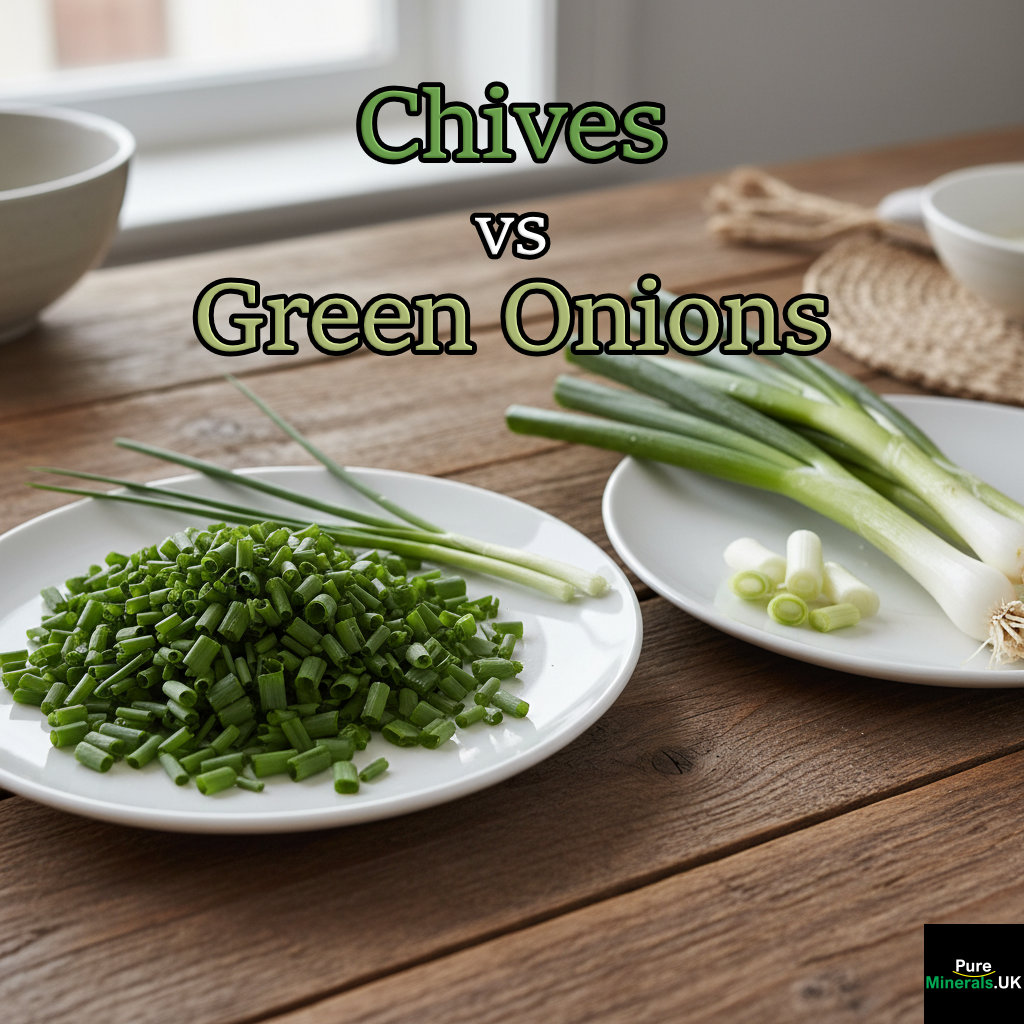
Though often confused with one another, chives and green onions (also called scallions) have distinct differences in appearance, flavor, and culinary applications. Understanding these differences helps you choose the right ingredient for specific dishes and maximize the unique qualities of each.
Flavor Profile Comparison
Chives offer a more delicate, subtle onion flavor compared to the more pronounced taste of green onions. This milder profile makes chives ideal for dishes where you want just a hint of onion without overwhelming other flavors. The taste of chives is often described as grassy with mild allium notes, making them perfect for finishing touches and garnishes. For more on how to incorporate them into your cooking, check out how to cook with chives.
Green onions, by contrast, provide a stronger flavor that stands up better to cooking and can serve as a more substantial ingredient rather than just a garnish. They contain more sulfur compounds that contribute to their more assertive taste, which intensifies when cooked. This flavor difference explains why recipes specify one over the other—substituting isn’t always ideal if you’re looking for authentic results.
Quick Comparison: Chives vs. Green Onions
Chives: Thin, tubular leaves; delicate texture; mild flavor; best used fresh
Green Onions: Thicker stalks with white bulbs; more robust texture; stronger flavor; versatile in cooked dishes
Best Culinary Applications for Each
Chives shine brightest when used fresh as a finishing touch. Their delicate nature means they lose much of their flavor and visual appeal when subjected to heat, making them ideal for sprinkling over completed dishes just before serving. They’re perfect for garnishing soups, topping baked potatoes, folding into soft cheeses, or adding a touch of color and flavor to egg dishes.
Green onions are far more versatile in cooking applications. Their sturdier structure holds up well to various cooking methods, from quick stir-fries to slow-simmered soups. The white portions can be used similarly to onions as an aromatic base, while the green parts can be added later in cooking or used as garnish. This dual-purpose nature makes green onions workhorses in many cuisines, particularly in Asian cooking traditions.
When deciding between the two, consider whether the allium flavor should be a background note or a more prominent taste component. For subtle enhancement, reach for chives; for more pronounced onion character that can withstand cooking, green onions are the better choice.
How to Select and Store Chives for Maximum Freshness
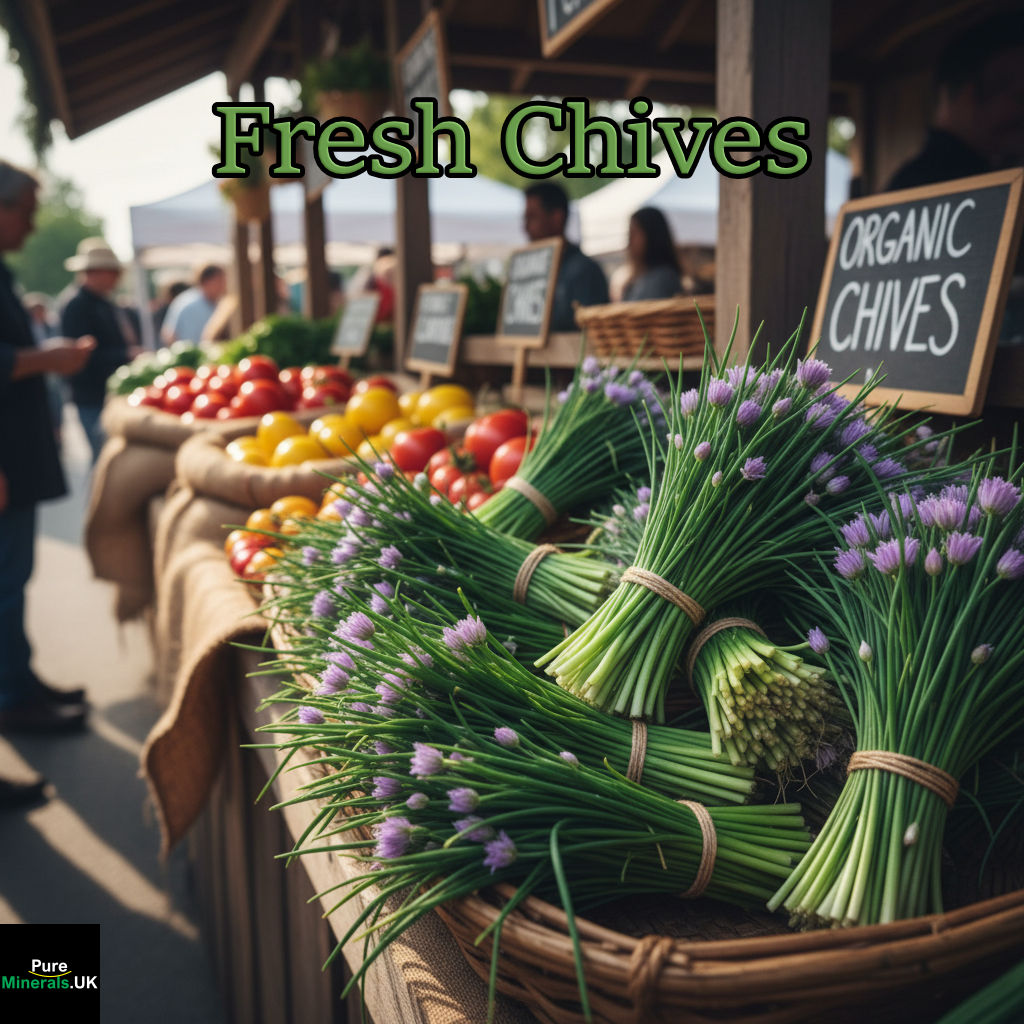
The quality and freshness of your chives significantly impact both their nutritional value and flavor profile. Knowing how to select the best specimens and properly store them extends their usability and ensures you get the most benefit from these nutritious herbs.
Signs of Fresh Chives at the Market
When shopping for chives, look for vibrant, evenly green stalks that stand upright when held. Fresh chives should have a bright, uniform color without yellowing or browning, which indicates age or improper storage. The texture should be firm yet flexible, not limp or slimy, and the cut ends shouldn’t appear dried out or discolored.
Quality chives will emit a mild, pleasant onion scent when gently rubbed between your fingers. Avoid any bunches with a strong, pungent odor, as this often signals deterioration. If purchasing potted chives, check that the soil is moderately moist and the plants look healthy and robust, with no signs of wilting or pest damage.
Storage Techniques to Extend Shelf Life
To maximize the shelf life of fresh-cut chives, wrap the base of the stems loosely in slightly damp paper towels, then place in a resealable plastic bag or container in the refrigerator’s crisper drawer. This method creates a humid environment that keeps chives fresh for up to a week. Alternatively, stand chives upright in a glass with about an inch of water, cover loosely with a plastic bag, and refrigerate, changing the water every couple of days. For more on similar herbs, you can explore chervil and its uses.
For potted chives, keep the soil consistently moist but not waterlogged, and place in a sunny window. Regularly harvesting the outer leaves encourages new growth and provides a continuous supply of fresh herbs. If you notice flowering beginning, promptly remove the flower stalks to prevent the plant from redirecting energy away from leaf production.
Freezing and Drying Methods
When you have an abundance of chives or want to preserve them for later use, freezing retains more flavor than drying. Wash and thoroughly dry the chives, then chop them into desired lengths. Spread the pieces on a baking sheet and freeze until solid, then transfer to airtight containers or freezer bags. Frozen chives maintain good quality for up to six months and can be used directly from frozen in cooked dishes.
If drying is your preferred preservation method, bind chive stalks in small bundles and hang them in a warm, dry place with good air circulation. Once completely dry (usually 1-2 weeks), crumble the chives into airtight containers. While dried chives don’t retain the same vibrant flavor as fresh or frozen, they still add a mild onion note to dishes when fresh herbs aren’t available. For more tips on how to use chives in cooking, check out how to cook with chives.
Pro Tip: For the best flavor from dried chives, crush them between your fingers just before adding to dishes to release their essential oils and enhance their taste.
10 Delicious Ways to Use Chives in Your Cooking
The delicate onion flavor of chives makes them incredibly versatile in the kitchen. From breakfast to dinner and everything in between, these slender herbs add both visual appeal and subtle flavor to countless dishes. Here are ten inspired ways to incorporate more chives into your culinary repertoire and enjoy their nutritional benefits.
1. Classic Potato Dishes

Potatoes and chives form a classic pairing that never disappoints. Sprinkle freshly snipped chives over baked potatoes with sour cream or fold them into creamy mashed potatoes for a burst of color and flavor. For potato salad, add chives just before serving to preserve their bright color and fresh taste. Their mild onion flavor perfectly complements the earthy sweetness of potatoes while adding nutritional value to these comforting staples.
2. Eggs and Breakfast Foods

Elevate morning eggs by incorporating snipped chives into scrambles, omelets, or frittatas. The herbs add both visual interest and subtle flavor without overpowering the delicate taste of eggs. For a special brunch, mix chives into cream cheese for bagels or fold them into waffle or pancake batter for a savory twist on breakfast classics. The vitamin K in chives pairs particularly well with the protein in eggs, creating a nutritionally complementary breakfast combination.
3. Soups and Creamy Sauces

A sprinkle of fresh chives transforms ordinary soups and sauces into restaurant-worthy creations. Add them as a garnish to creamy soups like potato leek, mushroom, or cauliflower just before serving. For cream-based pasta sauces, stir in chopped chives off the heat to maintain their color and flavor. Their mild onion notes cut through richness while adding visual appeal to monochromatic dishes.
4. Compound Butters and Dips

Create flavorful compound butters by mixing softened butter with finely chopped chives and other complementary herbs. Roll into logs, refrigerate until firm, then slice and melt over grilled steaks, fish, or vegetables for an instant flavor boost. For entertaining, blend chives into sour cream or yogurt-based dips, or incorporate them into hummus for a fresh twist on traditional recipes.
5. Seafood Enhancements

The delicate flavor of chives pairs beautifully with seafood without overwhelming it. Sprinkle over grilled fish, fold into crab cakes, or mix into shrimp salad for added dimension. For a simple yet elegant appetizer, top smoked salmon canapés with cream cheese and freshly snipped chives. The subtle onion notes complement the natural sweetness of seafood while adding nutritional benefits and visual appeal.
6. Fresh Salads

Add textural interest and flavor to salads by incorporating chives as both an ingredient and garnish. Snip them into green salads, grain bowls, or pasta salads for subtle onion notes that don’t dominate other flavors. For a special touch, create chive “batons” by cutting longer pieces and scattering them throughout your salad. Their tubular shape adds a unique texture while their bright green color enhances visual appeal.
7. Savory Baked Goods

Elevate homemade breads, biscuits, and scones by folding chopped chives into the dough before baking. The herbs add flavor throughout while creating attractive specks of green in the finished products. For a quick appetizer, incorporate chives into savory muffins or quick breads served alongside soups or stews. The mild onion notes pair particularly well with cheese in baked goods, creating complex flavor profiles.
8. Rice and Grain Dishes

Transform plain rice or grain dishes by stirring in freshly snipped chives just before serving. They add color, nutrition, and subtle flavor to otherwise neutral bases like quinoa, farro, or couscous. For risotto, reserve some chives to fold in at the final stage, preserving their bright color and fresh flavor. The visual contrast of green chives against white rice creates an instantly more appealing presentation.
9. Chive Blossoms as Edible Garnishes
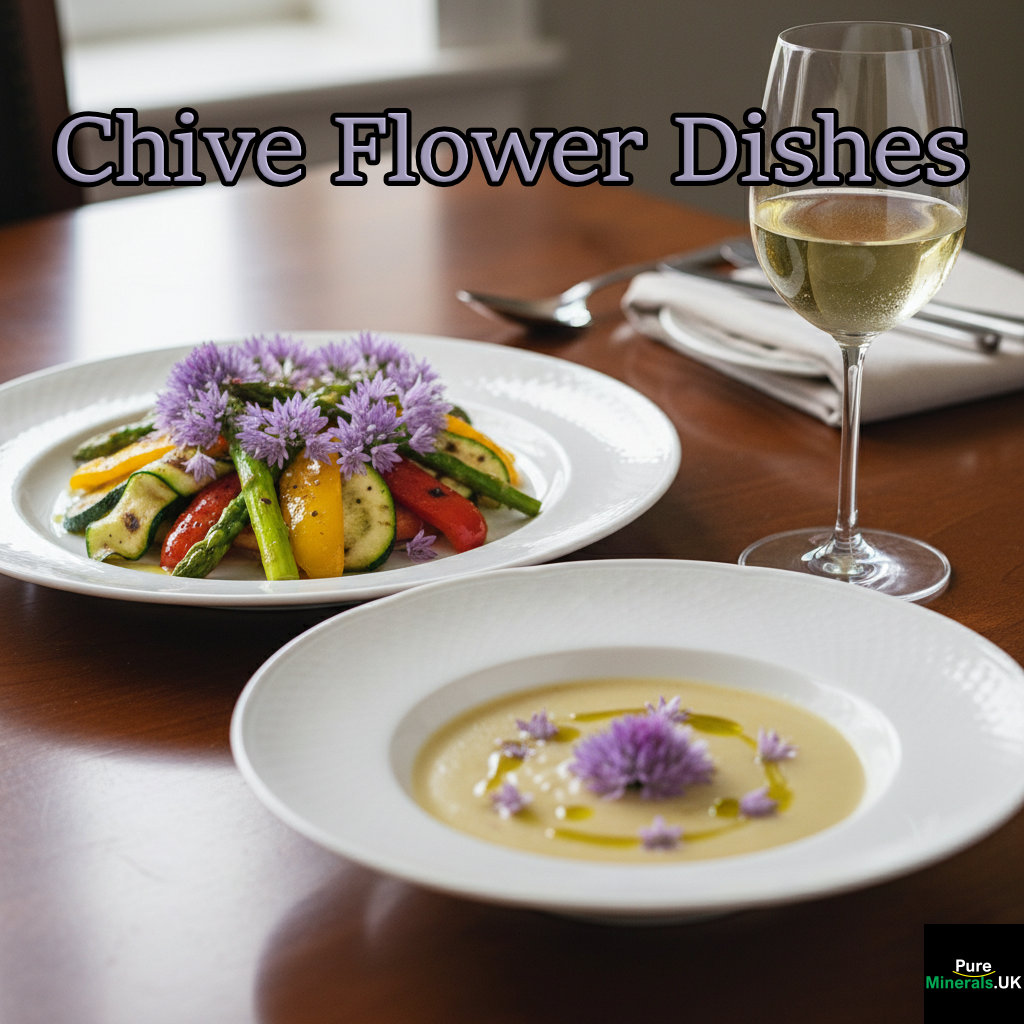
Don’t overlook chive blossoms when the plants flower in late spring. These delicate purple flowers are not only edible but also offer a more intense, slightly garlicky flavor compared to the leaves. Separate the tiny florets and scatter them over salads, soups, or grilled vegetables for a stunning garnish with culinary merit. The flowers also make beautiful additions to infused vinegars, imparting both color and flavor.
10. Homemade Vinegars and Oils

Create custom vinegars by steeping chives or chive blossoms in white wine vinegar or champagne vinegar. After a week or two, strain out the plant material for a delicately flavored vinegar perfect for salad dressings and marinades. Similarly, chive oil makes a beautiful finishing touch for soups or grilled foods—simply blend fresh chives with a neutral oil, then strain after 24 hours for a vibrant green oil with subtle allium flavor.
Growing Your Own Chives: A Simple Guide
One of the easiest herbs to cultivate, chives reward even novice gardeners with abundant harvests and minimal maintenance. Growing your own ensures a constant supply of fresh herbs at their nutritional peak, allowing you to enjoy their benefits year-round. With their pretty purple blossoms and pest-repelling properties, chives earn their place in both ornamental and culinary gardens.
Chives grow readily from seeds, divisions, or nursery starts, making them accessible regardless of your gardening experience. Once established, a single planting can provide harvests for years, with the clumps becoming more productive as they mature. This perennial nature makes chives one of the most cost-effective herbs to grow at home.
Container vs. Garden Planting
Choosing the Right Growing Method
Container: Ideal for small spaces, apartments, indoor growing; requires at least 6″ pot with drainage
Garden Bed: Best for larger harvests; plant in groups of 3-5 bulbs; space clusters 8-12″ apart
Both Methods: Require well-draining soil with moderate organic matter; benefit from occasional fertilization
Container growing provides the flexibility to move chives to optimal locations as seasons change and allows for indoor cultivation during colder months. Choose pots at least 6 inches deep with adequate drainage holes, and fill with quality potting mix enhanced with compost. Container-grown chives benefit from occasional liquid fertilizer applications during the growing season and should be divided every 2-3 years to prevent overcrowding.
Garden planting allows chives to naturalize and spread gradually, creating established clumps that return year after year. Select a location receiving at least 6 hours of sunlight daily and prepare the soil by incorporating compost or aged manure before planting. In garden settings, chives make excellent companions for many vegetables, particularly carrots, tomatoes, and brassicas, as their strong scent helps deter certain pests. For those interested in other garden-friendly plants, you might want to explore the benefits of chicory as well.
For those in colder climates, garden-planted chives go dormant in winter but return reliably in spring, often among the first herbs to emerge. In warmer zones, they may remain semi-evergreen, providing harvests nearly year-round. This adaptability to various growing conditions makes chives suitable for gardens in most climate zones.
Sunlight and Water Requirements
Chives perform best with 6-8 hours of sunlight daily, though they tolerate partial shade in hotter climates. In containers, rotate the pot occasionally to prevent the plants from leaning toward the light source. While full sun produces the most vigorous growth and highest nutrient content, afternoon shade can be beneficial in regions with intense summer heat.
Regarding moisture, chives prefer consistently damp but not waterlogged conditions. Water when the top inch of soil feels dry, typically more frequently for container plants than those in the ground. During hot periods, container-grown chives may need daily watering, while garden plants generally require supplemental irrigation only during extended dry spells. Mulching around garden-grown chives helps retain soil moisture and suppresses competing weeds.
Harvesting Techniques for Continued Growth
For the healthiest plants and best flavor, harvest chives correctly by cutting leaves about 2 inches above soil level using sharp scissors or garden shears. This approach leaves enough growth to support continued photosynthesis and regeneration. Begin harvesting when plants reach about 6 inches tall, typically 30-60 days after planting, depending on growing conditions.
Rather than removing all growth at once, harvest no more than one-third of a plant’s leaves at any time. This selective approach ensures continuous production throughout the growing season. The outer leaves are generally best to harvest first, allowing inner growth to mature. For the freshest flavor and highest nutrient content, harvest just before using, ideally in the morning after dew has dried but before the day’s heat intensifies. Learn more about the nutritional benefits of similar herbs like chervil.
In late spring, when flower buds appear, you can either remove them to focus the plant’s energy on leaf production or allow some to bloom to attract beneficial insects and potentially collect seeds. After several years, when production begins to decline, rejuvenate plants by dividing them in early spring or fall, which stimulates fresh growth and extends the productive lifespan of your chive patch.
- Cut leaves 2 inches above soil level with clean, sharp tools
- Harvest outer leaves first, working inward
- Never remove more than one-third of the growth at once
- Divide clumps every 3-4 years in spring or fall to rejuvenate
- Consider allowing some flowers to bloom for beneficial insects
Beyond the Basics: Creative Culinary Uses for Chives
While sprinkling chives as a garnish represents their most common use, these versatile herbs offer much more culinary potential. Exploring creative applications allows you to maximize their nutritional benefits while discovering new flavor dimensions that elevate everyday cooking to something special.
Chive Oil and Infusions
Create stunning bright green chive oil by blanching chives briefly in boiling water, shocking in ice water, then blending with a neutral oil like grapeseed or light olive oil. After straining through cheesecloth, the resulting vibrant oil makes a beautiful finishing touch for soups, grilled meats, or roasted vegetables. Beyond its visual impact, chive oil captures the herb’s nutritional compounds in a form that can be drizzled over foods that might not traditionally feature chives.
Pickling Chive Blossoms
When chives flower in late spring, harvest the lavender blossoms and pickle them in white wine vinegar with a touch of honey and salt. The resulting pickled blossoms add color, texture, and a delicate onion-garlic flavor to salads, cheese boards, or garnishes. The pickling process preserves both the beauty and nutrition of these often-overlooked edible flowers, creating a gourmet ingredient that stores well and adds unique character to various dishes.
Global Cuisine Applications
Explore how different culinary traditions incorporate chives and similar herbs. In French cuisine, they feature prominently in fines herbes blends and classic butter sauces. Chinese cuisine uses a garlic chive variety in dumplings and stir-fries, while Scandinavian cooking pairs chives with seafood and new potatoes. Russian and Eastern European cuisines incorporate chives into cold summer soups and fresh cheese spreads. Drawing inspiration from these global traditions expands your culinary repertoire while providing diverse ways to enjoy the nutritional benefits of chives.
Maximize Your Herb Garden with These Chive Companion Plants
Chives don’t just enhance your cooking—they improve your garden by deterring pests and attracting beneficial insects. Strategic companion planting with chives creates synergistic relationships that benefit multiple crops simultaneously. Pair them with carrots, tomatoes, and strawberries to repel aphids and other destructive insects. The strong scent of chives confuses pests seeking these crops, while their shallow root system doesn’t compete significantly for nutrients. Additionally, when allowed to flower, chives attract pollinators that benefit surrounding fruiting plants, creating a more balanced and productive garden ecosystem that reduces the need for chemical interventions.
Important Note:
Chervil is a mild, aromatic herb commonly used in European cuisine, especially in salads, soups, egg dishes, and as a gentle flavoring for fish and poultry. When used in the moderate amounts typical of cooking, chervil is considered safe for the general population, including pregnant women. Culinary use poses no known health risks and adds flavor and nutrients to meals.
There is little scientific research on the effects of large quantities of chervil or concentrated chervil supplements during pregnancy. Because of this lack of data, the safety of medicinal doses cannot be assured. Herbs may have different effects at higher concentrations, and some may interact with pregnancy or affect fetal development. Until more is known about its safety in pregnancy, health professionals recommend avoiding chervil in medicinal doses, such as high-dose teas, extracts, or supplements.
Overall, it is safe to enjoy chervil as a culinary herb, even during pregnancy. However, to minimize any potential risk, avoid taking chervil in medicinal amounts if you are pregnant, and consult your healthcare provider before using any herbal supplements. This information is for educational purposes only and is not intended to diagnose, treat, cure, or prevent disease.
Frequently Asked Questions
Questions about selecting, using, and storing chives are common among both culinary enthusiasts and casual cooks. The following answers address the most frequently asked questions about these versatile herbs, helping you maximize their flavor and nutritional benefits in your cooking. For those interested in exploring similar herbs, you might want to learn more about chervil and its uses.
Are chives and green onions the same thing?
No, chives and green onions (scallions) are distinct members of the Allium family with different culinary applications. Chives (Allium schoenoprasum) have hollow, thin tubular leaves without a substantial bulb, while green onions have thicker stems and defined white bulbs at the base. Flavor-wise, chives offer a more delicate, subtle onion taste best used fresh, whereas green onions provide a stronger flavor that holds up well to cooking. While they can sometimes substitute for each other in recipes, the results will differ in both taste intensity and texture.
Can you eat chive flowers?
Yes, chive flowers are not only edible but delicious and nutritious. The lavender-pink blossoms have a slightly stronger, more garlicky flavor than the leaves and make beautiful, tasty garnishes when separated into individual florets. They can be scattered over salads, incorporated into soft cheeses, or used to infuse vinegars and oils. Rich in antioxidants, the flowers contain many of the same beneficial compounds found in the leaves, making them both a culinary and nutritional bonus when your chive plants bloom in late spring.
What’s the best way to cut chives without damaging them?
To harvest chives properly, use sharp, clean scissors or kitchen shears rather than pulling or tearing, which can damage the plants. Cut the leaves approximately 2 inches above soil level to allow regrowth. Starting from the outside of the plant, select the tallest leaves first, working your way inward as needed.
When preparing chives for cooking, the snipping technique matters for both flavor and appearance. Use a sharp knife or scissors to make clean cuts rather than crushing the delicate hollow stems. For maximum flavor release, cut chives just before adding them to your dish, as the volatile compounds begin dissipating shortly after cutting. For those interested in exploring other herbs, you might want to learn about chervil and its uses in cooking.
For garnishing, consider cutting chives into different lengths based on the application—longer pieces create visual impact on plated dishes, while finely minced chives distribute more evenly throughout sauces and dips. Regardless of the cutting style, always use the sharpest tools available to prevent bruising the delicate herbs.
How can I preserve chives when they’re in season?
Freezing is the best method for preserving chives while maintaining their flavor and nutritional value. After washing and thoroughly drying the leaves, chop them to the desired lengths, spread them on a baking sheet to freeze individually, then transfer to airtight containers. Frozen chives maintain good quality for about six months and can be used directly without thawing in most recipes.
Are there any side effects to eating chives?
For most people, chives are perfectly safe and beneficial to consume in normal culinary amounts. However, individuals with Allium allergies may experience reactions to chives similar to those from onions or garlic. As members of the Allium family, chives contain compounds that might interact with certain medications, particularly blood thinners, due to their vitamin K content.
Those preparing for surgery are often advised to maintain a consistent intake of vitamin K-rich foods rather than suddenly increasing or decreasing consumption, as significant variations could potentially affect medication efficacy. While negative interactions are rare with the small amounts typically used in cooking, individuals with specific health concerns should consult healthcare providers about incorporating chives into their diet.
Chives and other alliums may also cause digestive discomfort in some individuals with sensitive digestive systems, particularly those with IBS or similar conditions. As with any food, moderation is key, especially when first introducing chives into your regular diet.
For a comprehensive guide to chives and other culinary herbs that can enhance both your cooking and your health, explore our collection of herb-focused recipes and gardening tips.