

Published: 28 November 2025
Last Updated: 25 February 2026
This article is periodically reviewed and updated to reflect current scientific understanding by Vic George.
Fact-Checked: 1 other authoritative medical/scientific reference. See our Editorial Policy.

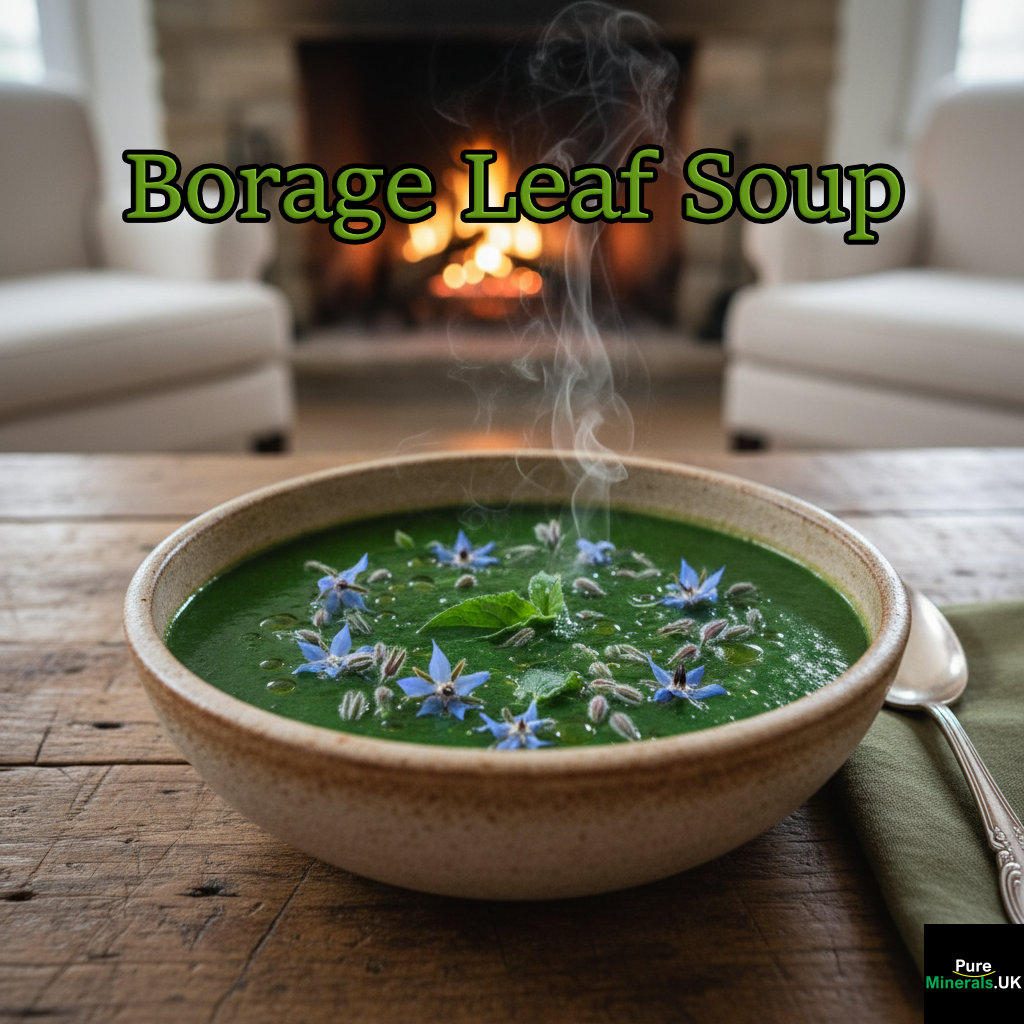
Updated 28 November 2025 with an image of Borage Leaf Soup.
What Is Borage and Why Has It Been Valued for Its Cooling Properties, Herbal Uses, and Distinct Cucumber-Like Flavour?
Borage (Borago officinalis) is an annual herb known for its bright blue star-shaped flowers and fresh, cucumber-like flavour. Traditionally used to support the adrenal system, soothe inflammation, and provide gentle cooling effects, borage appears in European herbal medicine and is valued for its nutrient-rich leaves, edible flowers, and seed oil.
Definition:
Borage is a flowering herb in the Boraginaceae family, cultivated for its edible leaves, blossoms, and oil-rich seeds. The plant contains gamma-linolenic acid (GLA), mucilage, flavonoids, and trace minerals, contributing to its traditional uses in tonics, herbal teas, and culinary garnishes. Its crisp, refreshing flavour makes it a popular addition to salads and drinks.
Key Facts:
- Botanical name: Borago officinalis
- Family: Boraginaceae
- Parts used: Leaves, flowers, seeds (for oil)
- Primary compounds: Gamma-linolenic acid (GLA), mucilage, flavonoids
- Flavour profile: Fresh, cooling, cucumber-like
- Primary functions: Adrenal support, mild anti-inflammatory effects, soothing tonics
- Traditional regions: Mediterranean and Western Europe
Key Takeaways
- Borage offers a unique cucumber-like flavor that enhances both sweet and savory dishes while providing numerous health benefits through its rich GLA content.
- The vibrant blue star-shaped flowers are edible decorations that can transform ordinary dishes into culinary masterpieces while attracting beneficial pollinators to your garden.
- Borage contains powerful anti-inflammatory compounds that may help reduce joint pain and improve skin conditions when consumed regularly.
- This self-seeding annual herb is incredibly easy to grow, making it perfect for beginner gardeners looking to add medicinal plants to their landscape.
- While borage offers many benefits, it contains pyrrolizidine alkaloids that require proper preparation and moderate consumption for safe use.
Borage: The Cucumber-Flavored Herb With Powerful Benefits

Updated on November 1, 2025 — we’ve added fresh insights on using borage in everyday cooking and nutrition.
Borage might be the most underappreciated herb in your garden. This stunning blue-flowered plant offers an impressive combination of culinary delight and medicinal potency that few other herbs can match. From its cucumber-flavored leaves to its star-shaped blooms, every part of borage brings something special to both the kitchen and medicine cabinet. Earth Beat Seeds specializes in medicinal herbs like borage that combine beauty with functionality, making them perfect additions to any herb garden.
Ancient healers revered this Mediterranean native for its ability to “gladden the heart,” while modern research reveals impressive anti-inflammatory properties from its gamma-linolenic acid content. The vibrant blue flowers brighten salads and desserts, while the tender young leaves add a refreshing cucumber note to soups and dips. What makes borage truly exceptional is how it effortlessly bridges the gap between ornamental, culinary, and medicinal plants.
Most remarkably, borage delivers these benefits with minimal effort on your part. Once established, this prolific self-seeder returns year after year, asking little while providing abundant harvests. Whether you’re an experienced herbalist or just beginning to explore the world of edible and medicinal plants, borage deserves a prominent place in your garden and kitchen.
What Makes Borage Special in Your Garden

Few plants offer the trifecta of beauty, taste, and healing power quite like borage. This ancient herb creates a spectacular display with its fuzzy stems and leaves topped by clusters of brilliant blue star-shaped flowers that cascade like jewels throughout the growing season. Unlike fussy ornamentals, borage thrives with minimal care while continuously producing edible flowers and leaves from spring until first frost.
Beyond its aesthetic appeal, borage serves as a powerhouse companion plant. When positioned alongside tomatoes, strawberries, or squash, it naturally deters tomato hornworms and other pests while attracting beneficial pollinators that increase your garden’s overall productivity. The deep taproot even helps improve soil structure by breaking up compacted earth and drawing up nutrients from lower soil layers that benefit neighboring plants. For additional insights on plant benefits, you might explore the uses of angelica in gardening.
Perhaps most valuable is borage’s ability to create a pollinator paradise. The nectar-rich blue flowers act as bee magnets, drawing in honeybees, bumblebees, and other beneficial insects that boost the productivity of your entire garden. This single plant can transform an ordinary vegetable patch into a vibrant ecosystem while simultaneously providing you with edible flowers and medicinal leaves throughout the growing season.
Identifying Features of Star Flower Plants
Borage (Borago officinalis) immediately catches the eye with its striking star-shaped flowers that shine with an intense blue color rarely seen in the garden. Each delicate bloom features five pointed petals arranged in a perfect star formation, centered with prominent black anthers that create dramatic contrast against the brilliant blue background. These distinctive flowers grow in drooping clusters that hang like decorative pendants along the upper stems.
The entire plant presents an unmistakable appearance with its fuzzy, bristly texture covering every surface. Large oval leaves grow 4-6 inches long and are covered with tiny white hairs that give the foliage a silvery-green appearance in certain light. The thick, hollow stems stand 1-3 feet tall and branch extensively, creating a bushy profile that fills garden spaces with minimal effort. Learn more about the benefits of similar plants like angelica in your garden.
One particularly charming feature of borage flowers is their color-changing ability. The buds start as pink before transforming into their characteristic vibrant blue when fully opened. Occasionally, you might discover a plant producing rare white or pink flowers instead of the typical blue—a delightful garden surprise. The plant’s distinctive cucumber aroma provides the final confirmation when identifying wild or garden borage specimens.
How to Grow Borage Successfully

Growing borage successfully begins with proper site selection. Choose a location receiving full sun to light shade with well-draining soil, as this Mediterranean native dislikes wet feet. The good news? Borage isn’t picky about soil quality and often performs admirably even in poor or sandy conditions where other herbs struggle. For container growers, select a pot at least 12 inches deep to accommodate borage’s substantial taproot.
Starting borage couldn’t be simpler—direct sow seeds outdoors after danger of frost has passed, planting them ¼ inch deep and 12-18 inches apart. Germination typically occurs within 5-15 days, with seedlings growing rapidly afterward. Alternatively, start seeds indoors 3-4 weeks before your last frost date, though transplanting requires care due to borage’s delicate taproot. The plant’s fast growth means you’ll enjoy flowers within just 8-10 weeks from sowing. For more information on the benefits and uses of borage, you can visit Practical Self Reliance.
Once established, borage requires minimal maintenance. Water only during extended dry periods, as established plants show impressive drought tolerance. Avoid fertilizing except in extremely poor soil, as excess nutrients promote leggy growth while reducing flower and leaf production. Regular harvesting of leaves and flowers naturally encourages bushier growth and extended productivity throughout the growing season. For those interested in exploring other plants with unique benefits, consider learning about bay leaf uses and benefits.
Borage Growing Essentials
- Light: Full sun to partial shade
- Soil: Well-draining, tolerates poor soil
- Water: Moderate, drought-tolerant once established
- Spacing: 12-18 inches between plants
- Height: 1-3 feet tall
- Bloom time: 8-10 weeks after planting through first frost
- Hardiness: Annual in zones 2-11 (self-seeds readily)
Annual vs. Self-Seeding Growth Patterns
Technically an annual, borage completes its life cycle in a single growing season. However, this classification tells only part of the story. Once established in your garden, borage becomes a persistent presence through its prolific self-seeding habit. Each plant produces hundreds of viable seeds that readily germinate the following spring, creating new plants without any effort on your part, much like how basil can self-seed in favorable conditions.
This self-seeding tendency creates a delightful naturalized pattern where borage appears in new locations each year, often in perfect companion positions near tomatoes or strawberries, where they provide the most benefit. Unlike aggressive spreaders that become garden thugs, borage seedlings are easily identified by their distinctive fuzzy cotyledons and can be selectively removed or relocated if they appear in unwanted areas.
For gardeners preferring more control, simply deadhead flowers before they set seed to prevent self-sowing, or collect the large black seeds for precise placement the following spring. Alternatively, embrace borage’s wandering nature and allow it to create a cottage garden effect with continuous blooms appearing throughout your growing space. The plant’s taproot means it rarely becomes invasive and can be easily pulled if it appears in unwanted locations.
Top Culinary Uses for Borage Flowers
Borage flowers transform ordinary dishes into visual masterpieces with their vibrant blue star-shaped blooms that taste as good as they look. These edible flowers offer a delicate honey-like sweetness with subtle cucumber undertones that complement both sweet and savory dishes. Unlike many edible flowers that serve merely as garnish, borage blooms contribute genuine flavor while adding dramatic color contrast to plates. For more culinary inspiration, explore the uses of basil in cooking.
The striking blue color makes these flowers particularly valuable in culinary applications since true blue is rare in the edible plant world. What’s even more remarkable is that borage flowers contain anthocyanins that change color based on pH, allowing creative cooks to create natural food colorings that shift from blue to pink when acid is added. This natural food dye works beautifully in everything from cocktails to frosting.
When harvesting borage flowers for culinary use, pick them in the morning when their nectar content is highest and flavor is most pronounced. Gently rinse them in cool water, then pat dry on paper towels before use. For the best presentation, remove the small black stamens in the center of each flower if desired, though these are perfectly edible if you prefer to leave the blooms intact. To learn more about the diverse uses of borage, including its culinary and health benefits, explore additional resources.
Candy Your Flowers for Beautiful Dessert Decorations

Candied borage flowers create stunning cake decorations that preserve the vibrant blue color while adding a delicate, sweet crunch. The process is surprisingly simple: whisk an egg white until slightly frothy, then use a small paintbrush to coat each flower with a thin layer of egg wash. Sprinkle fine sugar over the coated flowers, ensuring complete coverage, then place them on parchment paper to dry for 24-48 hours in a cool, dry location.
These crystallized blooms maintain their brilliant color and delicate star shape for weeks when stored properly in airtight containers, making them perfect for special occasion desserts prepared in advance. The subtle honey-cucumber flavor pairs exceptionally well with lemon, vanilla, and berry desserts, adding both visual impact and a complementary taste dimension. For special occasions, try arranging candied borage flowers atop cupcakes, cheesecakes, or pavlovas for an elegant, professional finish that will impress guests.
Freeze Blooms in Ice Cubes for Elegant Drinks

Transform ordinary beverages into conversation pieces by freezing fresh borage flowers in ice cubes. This simple technique creates stunning visual effects as the star-shaped blue flowers appear suspended in crystal-clear ice, slowly releasing subtle cucumber notes as the ice melts. For best results, use distilled or filtered water and freeze in stages—add a small amount of water to each compartment, place a flower face down, freeze until solid, then top off with more water and freeze completely.
These floral ice cubes elevate everything from summer lemonade to sophisticated cocktails with minimal effort. The flowers’ natural affinity for cucumber flavor makes them particularly well-suited for gin-based drinks, while their honey undertones complement fruit-based beverages beautifully. For special occasions, create larger decorative ice molds with multiple borage flowers arranged in artistic patterns for a show-stopping punch bowl centerpiece that keeps drinks cool while releasing subtle botanical flavors.
Fresh Flower Additions to Salads and Summer Dishes

Fresh borage flowers bring immediate visual drama to summer salads with their vibrant blue color, creating a striking contrast against green leaves and colorful vegetables. Beyond their beauty, these edible flowers contribute a refreshing cucumber-honey flavor that pairs exceptionally well with citrus dressings, berry salads, and Mediterranean ingredients. For maximum impact, add the flowers just before serving, gently pressing them into the top layer of the salad rather than tossing, which preserves their delicate star shape. Learn more about the benefits of borage and how it can enhance your dishes.
Beyond salads, fresh borage flowers make stunning garnishes for chilled summer soups, particularly cucumber gazpacho, where they enhance the existing flavor profile while adding visual interest. The flowers also work beautifully scattered over grilled fish, pressed into soft cheeses, or floated atop summer cocktails. For an impressive appetizer, try placing individual borage flowers atop cucumber rounds spread with herb-infused cream cheese—the flavors complement each other perfectly while creating an elegant presentation. For more ideas on how to use borage, check out these borage uses.
Infuse Honey and Vinegars With Vibrant Blue Petals

Borage-infused honey captures the flower’s subtle sweetness while creating a stunning amber liquid flecked with blue petals. Simply layer fresh borage flowers in a glass jar, cover completely with raw honey, then allow the mixture to steep for 1-2 weeks. The resulting infusion works beautifully drizzled over cheese plates, stirred into tea, or used in baking, where it imparts subtle floral notes to breads and cakes.
Similarly, borage vinegar creates a versatile pantry staple with both culinary and medicinal applications. Pack a clean glass bottle with fresh borage flowers and leaves, then cover completely with white wine or champagne vinegar. After steeping for 2-3 weeks in a cool, dark place, strain out the plant material to reveal a delicate pale blue-tinted vinegar with refreshing cucumber notes. This specialty vinegar makes exceptional vinaigrettes and marinades while also serving as a traditional remedy for fevers when diluted with water and honey.
How to Cook With Borage Leaves

Borage leaves offer a distinctive cucumber flavor that provides a refreshing dimension to countless dishes. The key to success lies in proper harvesting—select young, tender leaves before they develop prickly hairs, ideally when they’re no more than 2-3 inches long. Early morning harvesting yields the most flavorful results as the leaves contain higher moisture content and more pronounced cucumber notes before the day’s heat intensifies.
The leaves require thoughtful preparation due to their fuzzy texture. For raw applications like salads, finely chop the leaves to minimize the fuzzy mouthfeel, or blanch them briefly in boiling water followed by an ice bath to tenderize while preserving their bright flavor. When cooking with borage leaves, their cucumber taste intensifies slightly before mellowing, making them ideal additions to soups, stews, and sautés where they contribute both flavor and nutrition.
Despite being underutilized in modern kitchens, borage leaves were once staple ingredients in traditional European cooking. Their cooling properties made them particularly valued in summer dishes, while their mild flavor allowed them to complement rather than overwhelm other ingredients. Even today, innovative chefs are rediscovering borage’s culinary potential in everything from specialty pestos to savory custards, where the unique cucumber notes create distinctive flavor profiles.
The Cucumber-Like Flavor Profile
Borage leaves possess a remarkably authentic cucumber flavor despite having no botanical relationship to cucumbers. This distinctive taste comes from specific volatile compounds that create an unmistakable fresh, green profile with subtle watermelon undertones that brighten both raw and cooked preparations. Unlike cucumber itself, borage maintains its flavor through cooking, allowing it to impart this refreshing quality to hot dishes where an actual cucumber would lose its characteristic taste.
The flavor intensity varies throughout the growing season and leaf development. Young spring leaves offer the mildest, most delicate cucumber notes, making them perfect for raw applications where subtle flavor is desired. Mid-season growth develops a more pronounced cucumber profile ideal for cooking, while late-season leaves can develop slightly stronger notes that work well in robust dishes where they won’t be overwhelmed by other ingredients.
Beyond the leaves, different parts of the borage plant contribute complementary flavor dimensions. The stems offer a milder version of the same cucumber profile, while the flowers contribute a honeyed sweetness that creates a beautiful balance when the different plant parts are used together. This range of flavor possibilities from a single plant makes borage particularly valuable in culinary experimentation.
Best Harvesting Practices for Tender Leaves
For optimal flavor and texture, harvest borage leaves in the early morning when their moisture content is highest and flavor compounds are most concentrated. Select young, tender leaves measuring 2-3 inches long from the growing tips of the plant, as these contain minimal bristly hairs while offering the brightest cucumber flavor. Using sharp scissors rather than tearing helps prevent damage to the plant and encourages bushier growth with increased leaf production. For more information on the uses and benefits of borage, you can visit Practical Self Reliance.
Regular harvesting actually benefits borage plants by stimulating new growth and preventing them from becoming leggy. Aim to harvest no more than one-third of the plant at once, focusing on the newest growth at the top and outer portions. This selective pruning naturally shapes the plant while ensuring continuous production throughout the growing season. For more on enhancing your garden’s productivity, explore the culinary uses of basil.
After harvesting, handle borage leaves gently to prevent bruising and utilize them within a few hours for maximum flavor. Unlike many herbs that store well, borage leaves quickly lose their distinctive cucumber notes and begin to wilt when stored. If you must keep them briefly, wrap unwashed leaves loosely in slightly damp paper towels inside a perforated plastic bag in the refrigerator crisper drawer, where they’ll maintain quality for 1-2 days maximum.
Simple Borage Tea Preparation

Creating a refreshing borage tea is one of the simplest ways to enjoy this herb’s benefits. Start with 1-2 tablespoons of fresh young borage leaves (or 1 tablespoon dried) per cup of water. Bring water just to a boil, then pour over the leaves and allow to steep for 5-7 minutes. The resulting pale green infusion offers a delicate cucumber flavor that can be enjoyed either hot or cold, with optional honey and lemon to taste.
For a more medicinal preparation, create a stronger infusion by steeping the leaves for 15-20 minutes in a covered container to prevent the volatile compounds from escaping. This longer steep time extracts more of the herb’s anti-inflammatory compounds while still maintaining a pleasant taste. During summer months, try making a refreshing sun tea by filling a glass jar with fresh borage leaves and flowers, covering with water, and allowing it to infuse in direct sunlight for 2-3 hours before straining and chilling.
For maximum benefits, combine borage with complementary herbs like mint for digestive support, lemon balm for stress relief, or hibiscus for a vibrant color and vitamin C boost. These custom blends allow you to target specific wellness goals while creating delicious beverages that can replace sugary drinks in your daily routine. Consider adding basil for an extra layer of flavor and potential health benefits.
Traditional Borage Recipes From Around the World
In Italian cuisine, borage has maintained its culinary importance for centuries, particularly in the filling for pansotti, a triangular pasta specialty from Liguria. This traditional recipe combines young borage leaves with ricotta, Parmigiano-Reggiano, eggs, and nutmeg to create a vibrant green filling that showcases borage’s distinctive flavor. The filled pasta is typically served with a walnut sauce that complements the herb’s natural notes perfectly.
German cooks preserve the tradition of borage-cucumber soup, a refreshing summer dish that combines the similar flavors of both ingredients into a chilled potage finished with yogurt and fresh dill.

In parts of Spain, young borage leaves and stems are lightly battered and fried as a seasonal delicacy called crespillos, typically enjoyed during spring festivals. Middle Eastern cuisines incorporate borage into savory pastries and grain dishes, particularly in regions where the plant grows wild.
Perhaps most interesting is borage’s historical use in beverages. The original recipe for Pimm’s Cup included borage flowers, while the herb was a key ingredient in the traditional British drink claret cup, a summer punch combining wine with borage-infused spirits. In Poland, borage is sometimes included in their honey wine (mead) recipes, where it adds both medicinal properties and subtle flavor to this traditional fermented beverage.
Borage Leaf Soup
Medicinal Properties of Borage
Beyond its culinary applications, borage has earned its place in traditional healing systems for its impressive medicinal profile. The plant contains a complex array of beneficial compounds, including gamma-linolenic acid (GLA), calcium, potassium, mineral salts, mucilage, and various antioxidants that work synergistically to produce therapeutic effects. Ancient Greek and Roman physicians prescribed borage to treat melancholy and depression, giving rise to the adage “borage for courage.”
Modern research focuses primarily on borage’s anti-inflammatory properties, particularly for conditions involving chronic inflammation like rheumatoid arthritis and atopic dermatitis. The herb’s high mucilage content creates a soothing, demulcent effect on irritated tissues, making it valuable for treating respiratory irritations, sore throats, and digestive discomfort. Additionally, borage’s gentle diuretic and cooling properties have traditionally made it useful for reducing fevers and supporting kidney function.
The plant’s therapeutic compounds are distributed differently throughout its various parts. Leaves contain higher concentrations of mucilage and mineral salts, making them most appropriate for respiratory and fever applications. The seeds, meanwhile, contain the highest concentration of gamma-linolenic acid (GLA), making borage seed oil the preferred preparation for inflammatory conditions and hormonal support. Flowers contain delicate volatile compounds that have traditionally been used to lift spirits and support emotional well-being.
GLA Content in Borage Seed Oil
Borage seed oil’s therapeutic value stems primarily from its exceptionally high gamma-linolenic acid (GLA) content, typically ranging from 20-26%—the richest natural source known. This omega-6 fatty acid serves as a critical precursor to prostaglandins, hormone-like substances that regulate inflammation and immune function throughout the body. What makes GLA particularly valuable is that it bypasses a common enzymatic blockage (delta-6-desaturase) that many people experience due to aging, stress, diabetes, or nutrient deficiencies.
Unlike other omega-6 fatty acids that can promote inflammation, GLA actually helps reduce inflammatory responses by supporting the production of anti-inflammatory prostaglandins. This paradoxical effect explains why borage oil supplementation often yields significant improvements in inflammatory skin conditions, autoimmune disorders, and hormonal imbalances. The oil’s fatty acid profile also includes linoleic acid, oleic acid, palmitic acid, and stearic acid, creating a comprehensive nutritional package that supports cellular health.
Quality matters tremendously when it comes to borage seed oil, as improper extraction methods can damage the delicate GLA molecules or leave harmful solvent residues. Cold-pressed, unrefined oils preserve the highest levels of GLA and avoid potential contamination issues, though they typically command premium prices. Because GLA is unstable and prone to oxidation, quality supplements include natural antioxidants like vitamin E to protect the oil’s potency throughout its shelf life.
Anti-Inflammatory Benefits for Skin and Joints
Borage’s remarkable anti-inflammatory properties make it particularly valuable for chronic skin conditions like eczema, psoriasis, and rosacea. Clinical studies suggest that both topical application and internal consumption of borage preparations can reduce redness, itching, and scaling by modulating the skin’s inflammatory response. The GLA in borage oil helps restore the skin’s moisture barrier by supporting ceramide production, while its mucilaginous compounds provide immediate soothing relief when applied directly to irritated skin.
For joint health, borage offers multi-faceted support for those suffering from inflammatory conditions like rheumatoid arthritis and osteoarthritis. Regular consumption of borage seed oil has been shown to reduce joint pain, swelling, and morning stiffness in some studies, with benefits becoming most apparent after 6-8 weeks of consistent use. The mechanism appears to involve suppression of inflammatory cytokines and modulation of the immune response that drives joint deterioration in autoimmune conditions.
What makes borage particularly interesting for inflammatory conditions is its safety profile compared to pharmaceutical anti-inflammatories. While conventional medications often cause gastrointestinal irritation with long-term use, borage preparations generally support digestive health due to their mucilage content. This makes the herb suitable for extended use in managing chronic inflammatory conditions, though it works more gradually than synthetic alternatives.
Traditional Uses for Fever and Cough Relief
Across European herbal traditions, borage earned the reputation as a reliable fever remedy due to its natural diaphoretic properties that encourage therapeutic sweating. Traditional healers would prepare strong borage infusions for patients at the first sign of fever, often combining it with elder flower and peppermint for enhanced cooling effects. The herb’s diuretic action simultaneously supported the body’s natural detoxification processes during illness, helping eliminate metabolic waste and inflammatory compounds.
For respiratory complaints, borage’s high mucilage content creates a soothing coating effect on irritated throat tissues while suppressing the cough reflex. Historical texts describe borage syrups and oxymel preparations (herb-infused honey and vinegar combinations) that were specifically formulated for bronchitis, persistent coughs, and lung irritation. Modern herbalists continue this tradition by including borage in respiratory support formulas, particularly for dry, irritated conditions where moistening properties are beneficial.
The gentle action of borage made it particularly suitable for treating childhood fevers and coughs in traditional European medicine. Parents would prepare weak borage tea sweetened with honey (for children over one year) to ease symptoms while supporting the body’s natural healing processes. This holistic approach recognized that most fevers represent beneficial immune responses rather than dangerous conditions requiring suppression—a perspective increasingly supported by contemporary research.
Stress Reduction and Mood Support
Ancient herbalists weren’t exaggerating when they claimed borage could “gladden the heart” and provide courage during difficult times. Modern research suggests there’s biochemical validity to these traditional uses, as borage contains compounds that influence neurotransmitter activity and stress hormone regulation. The GLA in borage supports healthy prostaglandin production, which plays a role in mood regulation and stress response, while the herb’s B vitamins contribute to nervous system function.
Borage flowers, in particular, have been traditionally associated with emotional upliftment. Historical texts describe the practice of adding borage flowers to wine or festival drinks specifically to “drive away melancholy” and promote conviviality at gatherings. The visual impact of the vibrant blue star-shaped flowers likely contributed to this effect through color psychology, as blue tones are associated with tranquility and emotional balance in many cultural traditions.
For modern stress management, borage can be incorporated into daily wellness routines through regular tea consumption or as part of adaptogenic herbal blends. The combination of gentle nervine properties and anti-inflammatory effects makes it particularly suitable for stress-related conditions where emotional tension manifests as physical symptoms like headaches, digestive disturbances, or skin flare-ups.
Borage Seed Oil: The Concentrated Health Powerhouse
Borage seed oil represents the most potent and standardized way to access this plant’s therapeutic potential, particularly for inflammatory and hormonal concerns. The oil is extracted from the small black seeds through cold-pressing or solvent extraction, with cold-pressed varieties generally preferred for their higher quality and purity. Each softgel or teaspoon typically delivers a concentrated dose of 20-26% gamma-linolenic acid (GLA), far exceeding the amount you could reasonably consume through eating the plant directly.
Clinical research on borage oil has shown particular promise for inflammatory skin conditions, rheumatoid arthritis, and hormonal imbalances associated with premenstrual syndrome. The standardized nature of oil supplements allows for more precise dosing and consistent results compared to traditional preparations, though whole plant applications still offer valuable complementary benefits through their diverse phytochemical profiles. When choosing borage oil supplements, look for cold-pressed varieties in dark glass bottles with added vitamin E to prevent oxidation of the delicate fatty acids.
Unlike the leaves and flowers, which can be easily grown and harvested at home, borage seed oil production requires specialized equipment and significant quantities of seeds. A single borage plant may produce hundreds of seeds, but commercial oil production requires acres of cultivation to meet demand. This makes high-quality borage oil relatively expensive compared to other botanical oils, though many users find the investment worthwhile given its unique therapeutic properties and concentrated GLA content.
How Borage Oil Compares to Evening Primrose Oil
Borage oil and evening primrose oil are often compared due to their shared GLA content, but several key differences influence their therapeutic applications. Borage oil contains significantly higher GLA concentrations (20-26%) compared to evening primrose oil (8-10%), making it more potent for conditions requiring substantial GLA supplementation. This higher concentration means smaller doses of borage oil can achieve therapeutic effects, though the stronger action may not always be preferable depending on individual sensitivity.
Evening primrose oil offers a more balanced fatty acid profile with higher linoleic acid content relative to its GLA, which some practitioners believe creates a more gradual and gentle effect in the body. This makes evening primrose traditionally preferred for hormonal balancing and women’s health applications, while borage oil’s higher GLA content has shown particular strength for inflammatory skin conditions and rheumatoid arthritis. Some clinicians recommend starting with evening primrose before transitioning to borage oil if stronger effects are needed.
Cost considerations also influence the choice between these oils, as borage typically commands a higher price due to its superior GLA content and lower agricultural yields. Both oils can cause mild digestive discomfort in sensitive individuals when first introduced, though these effects generally diminish with continued use. For those seeking a middle ground, some manufacturers now offer blended products containing both oils to provide a broader spectrum of complementary fatty acids while maintaining therapeutic GLA levels.
Recommended Dosages for Different Conditions
For inflammatory skin conditions like eczema and psoriasis, clinical studies typically use borage oil dosages providing 1.4-2.8g of GLA daily, which translates to approximately 6-12g of borage oil (usually divided into 2-3 doses with meals). Results generally become noticeable after 8-12 weeks of consistent use, though some individuals report improvements sooner. Simultaneous topical application of diluted borage oil (10-20% in a carrier oil) can accelerate results for localized skin concerns.
Rheumatoid arthritis protocols often employ slightly higher dosages, typically 2.8-3.5g of GLA daily (12-15g borage oil) to achieve anti-inflammatory effects within the joints. These higher therapeutic doses should be reached gradually over several weeks to minimize potential digestive adjustment symptoms, and should always be supervised by healthcare providers when used alongside conventional arthritis medications due to potential interactions with blood thinners and NSAIDs.
For hormonal support and PMS symptoms, more moderate dosages of 1-2g GLA daily (approximately 4-8g borage oil) have shown benefit in supporting prostaglandin balance. Women typically begin supplementation mid-cycle and continue through menstruation for three consecutive months to evaluate effectiveness. As with any supplement regimen, individual response varies considerably, and some practitioners recommend cycling borage oil with periods of non-use to prevent potential adaptation by the body.
What the Research Says About Effectiveness
Scientific investigation into borage’s therapeutic potential has yielded mixed but promising results. The strongest evidence supports borage oil’s effectiveness for atopic dermatitis (eczema), with multiple controlled studies demonstrating significant improvements in skin hydration, inflammation, and itching compared to placebo. A 2013 systematic review concluded that borage oil supplementation provides measurable benefits for some eczema patients, particularly those with specific genetic variations affecting fatty acid metabolism.
Research on borage for rheumatoid arthritis shows more variable outcomes, with some studies reporting significant reductions in joint pain and morning stiffness while others show more modest effects. The inconsistency may reflect differences in dosing protocols, treatment duration, and patient populations. Importantly, positive responses typically emerge only after 8-12 weeks of consistent supplementation, suggesting that many shorter-duration studies may have ended before peak effectiveness was achieved.
For PMS and hormonal applications, the research remains preliminary but intriguing. Several small studies indicate that borage oil may help reduce breast tenderness, fluid retention, and mood fluctuations associated with hormonal cycles, though larger trials are needed. Researchers theorize that individuals with impaired delta-6-desaturase enzyme function (common in modern populations due to stress, aging, and dietary factors) may respond most favorably to GLA supplementation, explaining the variable results observed in clinical trials that don’t screen for this metabolic factor.
Ready to feel your absolute best? Unlock vibrant, natural energy and nourish every cell in your body with the power of our 16 essential vitamins and 74+ pure plant-derived minerals – much more than in borage. Discover the difference today – visit our shop page.
Borage as a Garden Helper
Beyond its direct benefits to humans, borage serves as a remarkable ally in the organic garden through multiple ecological functions. This multitasking herb simultaneously attracts beneficial insects, deters certain pests, improves soil health, and supports neighboring plants through companion planting effects. Strategic placement of borage plants throughout vegetable gardens and orchards creates natural biodiversity that reduces the need for intervention while increasing overall garden productivity and resilience.
As a dynamic accumulator, borage’s deep taproot draws up nutrients from subsoil layers that would otherwise remain inaccessible to shallow-rooted vegetables. These minerals, including calcium and potassium, become available to neighboring plants when borage leaves naturally decompose or are deliberately used as nutrient-rich mulch. This nutrient cycling function makes borage particularly valuable in permaculture systems and regenerative agriculture approaches that minimize external inputs while maximizing natural ecosystem services.
Perhaps most significantly, borage serves as a powerful attractor for pollinators and beneficial insects that improve the entire garden ecosystem. The abundant nectar production continues throughout the growing season, providing consistent support for bees, butterflies, and hoverflies even during periods when other flowers may be scarce. This pollinator support translates directly to improved yields for many fruits and vegetables that depend on insect pollination for proper development, similar to how basil can enhance your garden with its aromatic qualities.
Natural Pest Deterrent Properties
Borage contains specific compounds that naturally repel certain garden pests, particularly tomato hornworms and cabbage worms that can devastate vegetable crops. The plant’s bristly texture and aromatic properties seem to confuse and deter these destructive insects without harming beneficial species. Interplanting borage throughout vulnerable crops creates a protective effect that reduces pest pressure while minimizing or eliminating the need for chemical interventions, similar to the way bay leaf can be used for its pest-repelling qualities.
Beyond direct repellent properties, borage indirectly supports pest management by attracting predatory insects that control common garden pests. The abundant nectar attracts parasitic wasps that lay their eggs in tomato hornworms and aphids, effectively turning these pests into hosts that nurture their own predators. Similarly, the flowers support hoverfly populations whose larvae voraciously consume aphids, thrips, and other soft-bodied pests that can damage crops.
For maximum pest deterrent benefits, place borage plants strategically throughout the garden rather than isolating them in a single area. This distributed approach creates a garden-wide protective effect while ensuring beneficial insects have ready access to nectar sources regardless of where they’re working. A single borage plant can influence approximately 10-15 square feet of garden space, so plan accordingly when incorporating this natural pest management ally into your growing areas.
Companion Planting With Tomatoes and Strawberries
Borage and tomatoes form one of gardening’s most beneficial partnerships. When planted near tomato plants, borage improves fruit flavor, accelerates ripening, and provides natural protection against tomato hornworms. The relationship appears to work through multiple mechanisms, including borage’s ability to accumulate specific trace minerals that tomatoes require for optimal flavor development and its natural repellent properties against key tomato pests. For best results, plant one borage plant for every 3-4 tomato plants, positioning them on the north side of the tomatoes to prevent shading.
Strawberry patches show remarkable improvement when bordered with borage plants. The herb attracts the specific pollinators that strawberry flowers require for complete fertilization, resulting in fuller, more uniform berries with improved flavor. Additionally, borage’s mild fungicidal properties help suppress the botrytis fruit rot that commonly affects strawberries in humid conditions. Commercial strawberry growers who have adopted borage as a companion plant report yield increases of 20-35% while reducing disease problems without chemical interventions.
Bee and Pollinator Attraction Benefits
Few garden plants rival borage’s ability to attract and sustain beneficial pollinators. A single mature borage plant can produce thousands of nectar-rich flowers over its growing season, with each bloom containing significantly higher nectar volumes than most garden flowers. Honey produced from borage-dominant areas is prized for its clear color and delicate flavor, while the continuous bloom cycle ensures bees have reliable forage even during typical summer nectar dearths when many other plants have finished flowering.
Beyond honeybees, borage specifically attracts native bumblebees, solitary bees, and other wild pollinators that are often more efficient at pollinating certain crops than honeybees. The drooping flower structure perfectly accommodates bumblebees’ unique “buzz pollination” technique, while the abundant pollen supports developing bee larvae with essential proteins and nutrients. Butterfly species, particularly blues and fritillaries, also favor borage flowers and will establish populations in gardens where this plant grows abundantly.
Important Safety Precautions When Using Borage
Despite its many benefits, borage requires mindful usage due to its naturally occurring pyrrolizidine alkaloids (PAs), compounds that can potentially cause liver damage with excessive or prolonged exposure. These PAs are concentrated primarily in the roots and mature seeds, with lower levels in stems and leaves, and minimal amounts in flowers. Modern preparation methods focus on minimizing PA exposure while maximizing therapeutic benefits, particularly in commercial supplements where standardized extraction techniques can significantly reduce PA content.
Safe culinary use of borage generally involves selecting young leaves and flowers while avoiding other plant parts, and consuming these in moderation rather than as daily staples. Traditional cuisines that feature borage typically use it as a seasonal treat rather than a dietary mainstay, which naturally limits exposure to potentially problematic compounds. For those growing borage at home, harvesting leaves before they develop significant hairiness ensures you’re getting the youngest growth with the lowest alkaloid levels.
Pyrrolizidine Alkaloids: What You Need to Know
Pyrrolizidine alkaloids (PAs) represent a class of naturally occurring compounds found in approximately 3% of flowering plants, including borage. These nitrogen-containing molecules serve as natural insect deterrents that protect the plant, but some can be hepatotoxic (liver-damaging) in mammals when consumed in significant quantities over extended periods. The primary concern with PAs involves their potential to cause veno-occlusive disease, a rare but serious condition involving blocked small veins in the liver.
Important contextual understanding is necessary when evaluating this risk. The PAs in borage are considered relatively weak compared to those found in angelica, comfrey, and certain other herbs, and acute toxicity from occasional culinary use is exceedingly rare. High-quality borage seed oil supplements typically undergo processing methods that remove virtually all alkaloids, making them generally recognized as safe for recommended dosages and durations. Nevertheless, the presence of these compounds warrants appropriate caution, particularly for vulnerable populations or situations involving extended daily use.
Who Should Avoid Borage Consumption
Individuals with pre-existing liver conditions, including hepatitis, cirrhosis, or alcohol-induced liver damage, should avoid borage preparations containing PAs as their compromised liver function may reduce their ability to process these compounds safely. Those taking medications metabolized by the liver should consult healthcare providers before using borage internally, as theoretical interactions could occur. Additionally, people with bleeding disorders or those taking blood-thinning medications should approach borage supplementation cautiously, as the GLA content may have mild anticoagulant effects that could potentially compound with pharmaceutical blood thinners.
Safe Usage Guidelines for Pregnant Women
Pregnant and breastfeeding women should avoid internal use of borage leaves, seeds, and oil due to the potential liver effects of pyrrolizidine alkaloids and insufficient safety data in these populations. While traditional use sometimes included borage for pregnant women to support mood and reduce inflammation, modern understanding of PA risks outweighs these historical applications. Alternative GLA sources like evening primrose oil are generally considered safer options for pregnancy-related conditions requiring fatty acid supplementation, though even these should be used only under professional guidance.
Bringing Borage Into Your Daily Wellness Routine

Incorporating borage into your daily wellness practices can be as simple as adding a few fresh flowers to your morning smoothie or as structured as a consistent supplement regimen targeting specific health concerns. For general wellness support, consider growing borage in your garden where you can harvest small amounts of young leaves and flowers regularly throughout the growing season. This approach provides both the satisfaction of connecting directly with your plant medicine and ensures the freshest possible herbs with optimal flavor and phytochemical content.
For those targeting specific inflammatory or hormonal concerns, a more measured approach using standardized borage oil supplements may be appropriate. Begin with lower doses and gradually increase to therapeutic levels over several weeks while monitoring your body’s response. Remember that botanicals like borage typically work more gradually than pharmaceuticals, with full benefits often emerging only after consistent use for 8-12 weeks. This slower timeline requires patience but often results in more balanced, sustainable wellness improvements compared to quick-fix approaches.
Important Note:
Internal use of borage leaf or oil is not recommended due to pyrrolizidine alkaloids. Only PA-free products should be considered, under professional guidance. This information is for educational purposes only and is not intended to diagnose, treat, cure, or prevent disease.
Frequently Asked Questions
As interest in borage grows, so do questions about its proper use and potential benefits. These frequently asked questions address the most common concerns and misconceptions about this remarkable herb, with evidence-based answers to help you use borage safely and effectively.
Can I eat all parts of the borage plant safely?
- Young leaves and flowers are generally considered safe for moderate culinary use
- Stems can be used in smaller quantities when young and tender
- Mature seeds contain higher PA levels and should be consumed only as properly processed oil
- Roots are not traditionally used for culinary purposes and contain the highest concentration of PAs
The safest approach focuses on the flowers and young leaves harvested before they develop significant hairiness. These parts contain minimal pyrrolizidine alkaloids while offering the plant’s characteristic cucumber flavor. Traditional preparation methods, like briefly blanching leaves, can further reduce potential concerns while improving texture. Remember that moderation remains key—use borage as a culinary accent rather than a major ingredient in daily meals.
How long does borage take to grow from seed to flower?
Borage grows remarkably quickly, typically producing its first flowers approximately 8-10 weeks after germination under favorable conditions. The seeds germinate within 5-15 days, depending on soil temperature, then develop rapidly into rosettes of fuzzy leaves before sending up flowering stems. Once flowering begins, the plant continues producing new blooms continuously until frost, with peak production occurring in midsummer. This quick maturation makes borage an excellent choice for gardeners seeking rapid results and almost immediate beneficial insect attraction.
What conditions does borage seed oil help treat most effectively?
Clinical research and traditional use suggest that borage seed oil shows the strongest effectiveness for inflammatory skin conditions (particularly atopic dermatitis/eczema), rheumatoid arthritis, and certain premenstrual symptoms related to hormonal imbalance. The high GLA content appears particularly beneficial for conditions involving chronic inflammation and impaired essential fatty acid metabolism. Results typically emerge gradually, with skin conditions often showing improvement within 4-6 weeks, while joint inflammation may require 8-12 weeks of consistent supplementation before significant benefits appear.
Why does borage have fuzzy leaves and stems?
Borage’s characteristic bristly hairs serve multiple adaptive purposes that enhance the plant’s survival in its native Mediterranean habitat. The stiff white trichomes create a microclimate around the leaf surface that reduces water loss through evaporation while simultaneously reflecting excess sunlight that could damage plant tissues. These hairs also deter many insect pests through both mechanical irritation and by making it difficult for eggs to adhere to leaf surfaces. Additionally, the bristly texture makes the plant less appealing to grazing animals while creating excellent habitat for beneficial predatory insects like lacewings that hunt between the protective forest of plant hairs. For more on the uses of this versatile plant, you can explore borage uses.
Can I substitute borage for cucumber in recipes?
While borage leaves offer an authentic cucumber flavor, they cannot directly replace cucumber in most recipes due to textural differences and moisture content. Borage works best as a flavor accent in dishes where small amounts of chopped cucumber might be used, such as herb butters, cream cheese spreads, and light summer soups. For beverages and infusions, borage can successfully replace cucumber in applications like infused water and certain cocktails, where the flavor rather than the physical properties of cucumber is the primary contribution. For more information on borage, you can check out its culinary and health benefits.
For anyone curious about this remarkable herb, growing your own borage provides the most direct way to experience its benefits firsthand. From its stunning blue flowers that transform both gardens and plates to its impressive medicinal properties, borage offers multiple dimensions of wellness support through a single, easy-to-grow plant. Earth Beat Seeds specializes in medicinal herbs like borage that connect traditional healing wisdom with modern culinary exploration, offering high-quality seeds for your own healing garden.