

Published: 6 January 2026
Last Updated: 25 February 2026
This article is periodically reviewed and updated to reflect current scientific understanding by George Wesler.
Fact-Checked: 2 other authoritative medical/scientific references. See our Editorial Policy.

What Is Barley and Why Is It Considered a Superfood?
Barley is an ancient whole grain (Hordeum vulgare) that has been cultivated for thousands of years and is often described as a superfood due to its high nutritional value. It is particularly rich in dietary fiber, including beta-glucan, along with B vitamins, magnesium, selenium, and other essential minerals.
From a nutritional perspective, barley supports overall diet quality by contributing complex carbohydrates, fiber, and micronutrients that help maintain normal digestive and metabolic functions. Its value lies not in a single health effect, but in its ability to enhance dietary balance when consumed regularly as part of a varied, whole-food diet.
Barley is commonly used in soups, stews, salads, and grain-based dishes. As with all foods labelled as superfoods, its benefits are best realized through consistent inclusion in balanced eating patterns rather than isolated or excessive intake.
Key Takeaways
- Barley contains impressive levels of beta-glucans, a soluble fiber that effectively lowers cholesterol levels and supports heart health.
- With more fiber than quinoa and brown rice, barley helps regulate blood sugar, improve digestion, and create longer-lasting fullness.
- The antioxidants in barley, including lignans and vitamin E, help fight inflammation and protect cells from oxidative damage.
- Hulled barley retains more nutrients than pearled varieties, making it the superior choice for maximum health benefits.
- Adding just half a cup of barley to your diet several times a week can significantly improve heart health and digestive function.
Why Barley Is Nature’s Forgotten Superfood
Barley doesn’t get nearly the attention it deserves. While quinoa and oats often steal the spotlight, this ancient grain has been nourishing civilizations for over 10,000 years. As one of the world’s oldest cultivated grains, barley has sustained everyone from Egyptian pharaohs to Roman gladiators with its exceptional nutritional profile. Discovering the benefits of barley can transform your approach to whole grains and expand your wellness toolkit naturally.
What makes barley truly special is its exceptional fiber content and unique composition of beta-glucans—powerful soluble fibers that few other foods contain in such abundance. These compounds are responsible for many of barley’s most significant health benefits, from cholesterol reduction to blood sugar regulation. The folks at Medical News Today have documented extensive research showing how these properties make barley a standout choice for heart health.
Whether incorporated into soups, used as a rice alternative, or blended into breakfast porridge, barley’s nutty flavor and satisfying chewiness make it as delightful to eat as it is beneficial for your health. Its versatility in the kitchen means you can enjoy its benefits in countless ways, making it easier than ever to incorporate this nutritional powerhouse into your daily routine.
Remarkable Nutritional Profile of Barley
Barley packs an impressive nutritional punch that rivals many contemporary superfoods. One cup of cooked barley (about 157g) provides approximately 193 calories, 6 grams of fiber, 3.5 grams of protein, and less than 1 gram of fat. This balanced composition makes barley an excellent foundation for a healthy diet, delivering substantial nutrition with relatively few calories. What truly sets barley apart is not just what it contains, but how these nutrients work synergistically to support overall health. For more details on its nutritional benefits, you can explore Dr. Axe’s article on barley nutrition.
Essential Vitamins and Minerals in Every Serving
Each serving of barley delivers an array of essential micronutrients that support everything from energy production to immune function. Barley is particularly rich in selenium, a powerful antioxidant mineral that supports thyroid function and helps protect cells from damage. You’ll also find significant amounts of manganese, copper, and B vitamins, including niacin and thiamine, which are crucial for energy metabolism. The magnesium content in barley supports muscle and nerve function, while phosphorus contributes to bone health and cellular repair processes.
High Fiber Content That Beats Other Whole Grains
When it comes to dietary fiber, barley stands head and shoulders above most other grains. With approximately 17% fiber by volume (compared to wheat’s 12%), barley delivers both soluble and insoluble fiber in abundance. One cup of cooked barley provides about 6 grams of fiber—roughly 24% of the daily recommended intake. This fiber content surpasses brown rice (3.5g per cup) and even edges out quinoa (5g per cup), making barley exceptionally effective for digestive health and satiety. The insoluble fiber in barley helps prevent constipation by adding bulk to stool, while its soluble fiber—particularly beta-glucan—forms a gel-like substance in the digestive tract that slows digestion and helps regulate blood sugar and cholesterol levels.
Powerful Antioxidants in Barley
Barley contains an impressive array of antioxidants that help neutralize harmful free radicals in the body. These include lignans, phytonutrients with antioxidant properties that have been linked to lower rates of cancer and heart disease. The vitamin E content in barley, particularly gamma-tocopherol, protects cell membranes and helps fight inflammation. Barley also contains phenolic acids and flavonoids that contribute to its antioxidant capacity, making it a valuable addition to an anti-inflammatory diet. These compounds work together to reduce oxidative stress throughout the body, potentially slowing aging processes and reducing disease risk.
6 Evidence-Based Health Benefits of Barley
The unique nutritional composition of barley translates into concrete health benefits that have been validated through scientific research. From cardiovascular support to digestive health, barley offers a wide range of advantages that make it worth incorporating into your regular diet. Let’s explore the six most significant health benefits backed by current research, including how it compares to other superfoods.
1. Lowers Cholesterol and Improves Heart Health
Barley’s beta-glucan fiber has been extensively studied for its cholesterol-lowering effects. These soluble fibers bind to bile acids in the digestive tract, preventing cholesterol absorption and helping the body eliminate it more efficiently. Clinical studies show that consuming just 3 grams of beta-glucans daily (found in about 1/2 cup of cooked barley) can reduce LDL (“bad”) cholesterol by 5-10%. This cholesterol-lowering effect, combined with barley’s ability to reduce blood pressure through its potassium, magnesium, and fiber content, makes it particularly beneficial for heart health. Regular consumption of barley has been associated with a reduced risk of heart disease, making it a simple yet effective addition to a heart-healthy diet.
2. Stabilizes Blood Sugar Levels
The beta-glucan fiber in barley dramatically slows the absorption of glucose into the bloodstream, preventing rapid spikes and crashes in blood sugar levels. This creates a more gradual release of glucose, which is particularly beneficial for people with diabetes or insulin resistance. Research published in the Journal of Nutrition and Metabolism demonstrates that consuming barley with meals can reduce post-meal blood glucose levels by up to 30% compared to refined grains. The improved glycemic control from regular barley consumption may help reduce insulin needs and decrease risk factors associated with type 2 diabetes. Even for those without diabetes, stable blood sugar levels mean more consistent energy and fewer cravings throughout the day.
3. Supports Digestive Health Through Beta-Glucans
Barley’s fiber content makes it a digestive health superstar, supporting gut function in multiple ways. The insoluble fiber in barley adds bulk to stool and accelerates transit time through the digestive tract, effectively reducing constipation and supporting regular bowel movements. Meanwhile, the soluble fiber components act as prebiotics, feeding beneficial gut bacteria and promoting a healthier microbiome. These fermentable fibers are broken down by gut bacteria to produce short-chain fatty acids like butyrate, which nourish colon cells and reduce inflammation in the digestive tract.
Studies suggest that regular barley consumption may help reduce the risk of digestive disorders, including diverticular disease and certain types of colorectal cancer. For additional support, consider exploring the benefits of slippery elm as a natural remedy for digestive health.
4. Helps with Weight Management and Satiety
Barley stands out as a powerful ally in weight management thanks to its exceptional fiber content and low glycemic impact. The beta-glucans in barley form a viscous solution in the stomach that slows digestion and prolongs the feeling of fullness. This delayed gastric emptying means you stay satisfied longer after meals containing barley, naturally reducing overall calorie intake throughout the day. Research published in the Journal of Nutrition found that participants who consumed barley reported greater fullness and significantly reduced hunger compared to those who ate refined grains.
The fiber in barley also requires more chewing, which signals satiety to the brain and gives your body time to register fullness before overeating. Additionally, because barley helps stabilize blood sugar levels, you’re less likely to experience the energy crashes and subsequent cravings that often lead to unhealthy snacking. Studies show that people who regularly consume whole grains like barley tend to maintain healthier body weights and have lower rates of obesity compared to those who primarily eat refined grains.
5. Reduces Inflammation Throughout the Body
Chronic inflammation is increasingly recognized as a root cause of many modern diseases, from arthritis to heart disease and even certain cancers. Barley contains several compounds with potent anti-inflammatory properties that help combat this systemic inflammation. The antioxidants in barley, including vitamin E, selenium, and various phytonutrients, neutralize free radicals that can trigger inflammatory responses in the body. Additionally, the beta-glucans in barley have been shown to modulate immune function and reduce the production of inflammatory cytokines.
Regular consumption of barley may help reduce markers of inflammation in the blood, such as C-reactive protein (CRP) and interleukin-6 (IL-6). This anti-inflammatory effect is particularly beneficial for those with inflammatory conditions like arthritis, but it benefits everyone by potentially reducing the risk of chronic disease development. By incorporating barley into your diet several times a week, you can help maintain a healthier inflammatory balance throughout your body.
6. Potential Cancer-Fighting Properties
The lignans and other phytonutrients found in barley show promising anti-cancer potential in both laboratory and human studies. These compounds appear to inhibit cancer cell proliferation and may help prevent certain types of cancer, particularly those affecting the digestive system. The high fiber content in barley is especially protective against colorectal cancer, as it helps move potential carcinogens through the digestive tract more quickly, reducing exposure time. Additionally, the fermentation of barley’s fiber by gut bacteria produces compounds that appear to protect colon cells and may prevent cellular mutations that can lead to cancer development.
Barley’s selenium content also contributes to its cancer-fighting potential, as this mineral plays a crucial role in DNA repair and immune function. Though more research is needed to fully understand the extent of barley’s cancer-preventive effects, the current evidence suggests that regular consumption as part of a varied, plant-rich diet may help reduce cancer risk over time.

Barley and Beer-making
Barley is the primary cereal used as the source of carbohydrates for brewing beer. It originated in the Fertile Crescent of the Middle East (formerly Mesopotamia and its surroundings, now Syria, Iraq, and neighboring lands). The wild barley H. vulgare spontaneum is still to be found there. Used as a cereal for bread-making several thousand years ago, it is speculative how ancient civilizations discovered how to convert the barley seed’s starch into fermentable sugars to make a palatable drink. Perhaps the first brewing was achieved with barley bread. That beer would have been distinctly different from today’s real ales.
The cereal spread north into and across Europe, becoming domesticated and improved for local agronomic conditions and weather as it went. It is a versatile crop, and is now grown in regions from the equator to the subarctic, from sea level to high altitudes, in areas of substantial rainfall and in deserts.
Modern breeding techniques have produced excellent varieties delivering benefits to growers the world over, but the selection of a small number of strains in the middle of the 20th century to be parents for modern elite lines has resulted in a narrow gene pool for maltsters and brewers. There are now many landraces of barley in different regions across Europe held in academic collections, which retain different characteristics from the original genetic properties of ancient barleys.
Although supplanted by wheat as a cereal of choice for bread-making, barley ranks as the fourth cereal by tonnage grown annually. It is important for animal feed, barley breads, as flour, flakes, or whole corn (often dehulled or pearled), and for malting to produce the primary ingredient for beer brewing and whisky/whiskey production. Although other grains may be made into malt, barley is the pre-eminent cereal for this process.
Barley husk offers protection against the damage caused by handling the grain, particularly the regular turning to separate the grains during germination. The husk then acts as a filtration medium in the brewhouse, allowing the brewer to achieve bright worts and have better control of fermentation conditions and subsequent flavors.
Hulled vs. Pearl Barley: Which Should You Choose?
When shopping for barley, you’ll typically encounter two main varieties: hulled and pearl. Understanding the differences between them is essential for maximizing nutritional benefits and achieving the best culinary results. While both types offer health advantages, there are significant nutritional disparities between them that can impact your health goals.
Nutritional Differences Between Barley Types
Hulled barley, sometimes called barley groats, is the whole grain form where only the outermost inedible hull has been removed, leaving the bran and germ intact. This minimal processing preserves significantly more nutrients, with hulled barley containing about 25% more protein, 65% more fiber, and substantially higher levels of B vitamins and minerals compared to pearl barley. The beta-glucan content—responsible for many of barley’s most significant health benefits—is also considerably higher in hulled barley. Pearl barley, in contrast, has had both the hull and the bran layers removed through polishing or “pearling,” resulting in a lighter color, faster cooking time, but notably reduced nutritional value.
When to Use Each Type in Cooking
Hulled barley shines in dishes where nutrition is the primary concern and a heartier texture is desirable. Its robust chewiness and nutty flavor make it ideal for grain bowls, hearty salads, and as a nutritious base for Buddha bowls or vegetable pilafs. The trade-off is that hulled barley requires longer cooking (about 50-60 minutes) and benefits from pre-soaking to reduce cooking time.
Pearl barley cooks more quickly (about 25-30 minutes) and releases more starch during cooking, making it perfect for creamy dishes like risotto, soups where a thickening effect is desired, and in recipes where a softer texture is preferred. While less nutritious than hulled barley, pearl barley still offers more fiber and nutrients than many refined grains, making it a worthwhile addition to your diet when convenience is a factor.
How to Cook Perfect Barley Every Time
Mastering the art of cooking barley opens up a world of culinary possibilities while ensuring you get the maximum nutritional benefit from this remarkable grain. The perfect batch of barley should be tender yet slightly chewy, with distinct grains that don’t clump together. Whether you’re preparing hulled or pearl barley, a few key techniques can help you achieve consistent results every time.
The absorption method tends to yield the best texture for most barley dishes. This involves simmering the grain in a specific amount of liquid until all moisture is absorbed, similar to cooking rice. For a more hands-off approach, baking barley in the oven after bringing it to a boil on the stovetop can produce wonderfully even results with minimal attention. For those short on time, pressure cooking reduces the cooking time dramatically—hulled barley can be ready in just 20-25 minutes using this method.
Basic Cooking Instructions for Fluffy Barley
For perfect stovetop barley, start with the right grain-to-liquid ratio: use 1 cup of hulled barley to 3 cups of water or broth for hulled barley, or 1 cup of pearl barley to 2.5 cups of liquid. Rinse the barley thoroughly under cold water, then combine with the liquid and a pinch of salt in a heavy-bottomed pot.
Bring to a boil, then reduce the heat to a gentle simmer and cover. Cook hulled barley for 45-55 minutes or pearl barley for 25-30 minutes, until tender but still slightly chewy. Avoid stirring too frequently, as this can release excess starch and create a gummy texture. Once cooked, let the barley rest covered for 5-10 minutes to allow moisture to distribute evenly before fluffing with a fork.
For enhanced flavor, toast the dry barley in a tablespoon of olive oil or butter before adding liquid. This simple step develops a deeper, nuttier flavor profile that complements both sweet and savory applications. For hulled barley, consider soaking overnight to reduce cooking time by about 15 minutes. You can also add aromatics like bay leaves, garlic cloves, or herb sprigs to the cooking liquid for infused flavor, removing them before serving.
Storage Tips to Maintain Freshness
Properly storing both uncooked and cooked barley preserves its nutritional value and prevents spoilage. Uncooked barley should be kept in an airtight container in a cool, dark place where it can remain fresh for up to one year. For longer storage, keep barley in the refrigerator or freezer, where it will maintain quality for up to two years. Always check for signs of moisture, unusual odors, or insect activity before use, as these indicate spoilage.
Cooked barley keeps well in the refrigerator for 3-5 days in a tightly sealed container, making it perfect for meal prep. For longer storage, freeze cooked barley in portion-sized containers or freezer bags for up to 3 months, laying them flat to freeze for easy stacking and quicker thawing.
Modern Ways to Add Barley to Your Diet
Gone are the days when barley was relegated to the occasional beef soup or stew. This versatile grain deserves a place in your everyday cooking repertoire, where its nutty flavor and satisfying chew can elevate ordinary meals to nutritional powerhouses. Modern culinary trends have breathed new life into this ancient grain, making it easier than ever to enjoy its benefits throughout the day.
Beyond Soup: Breakfast Barley Bowls

Start your day with sustained energy by swapping your typical oatmeal for a warming barley breakfast bowl. Cook hulled barley in a mixture of water and milk until tender, then top with fresh fruits, a drizzle of honey or maple syrup, and a sprinkle of nuts or seeds. The higher fiber content in barley keeps you feeling full significantly longer than traditional breakfast cereals.
For a time-saving option, prepare a large batch of barley on weekends and reheat portions throughout the week, adding different toppings to prevent breakfast boredom. Some particularly delicious combinations include apple-cinnamon barley with walnuts, berries, and vanilla barley with almonds, or savory barley with a soft-boiled egg and avocado for those who prefer less sweetness in the morning.
Barley Risotto: A Healthier Alternative
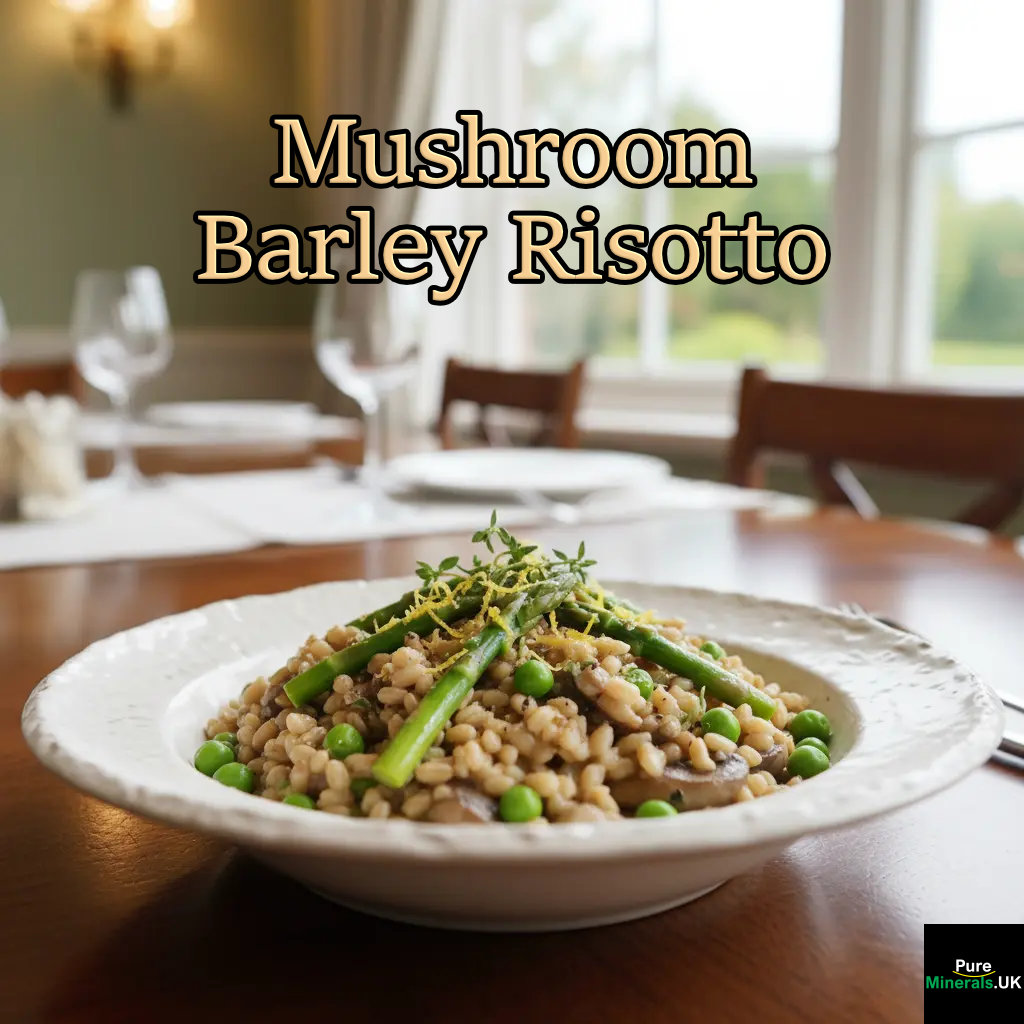
Barley makes an exceptional stand-in for arborio rice in risotto, creating a dish that’s both more nutritious and more forgiving to cook. Pearl barley’s natural starch content creates the creamy texture traditional to risotto, but with significantly more fiber and nutrients than white rice. The cooking process is similar—gradually adding hot broth to the grain while stirring—but barley allows for a more relaxed approach as it doesn’t require the constant attention that rice demands.
Try a mushroom barley risotto with thyme and a touch of truffle oil, or a spring version with asparagus, peas, and lemon zest. The satisfying chewiness of barley pairs beautifully with both robust and delicate flavors, making it an ideal canvas for seasonal ingredients.
Barley Salads for Meal Prep
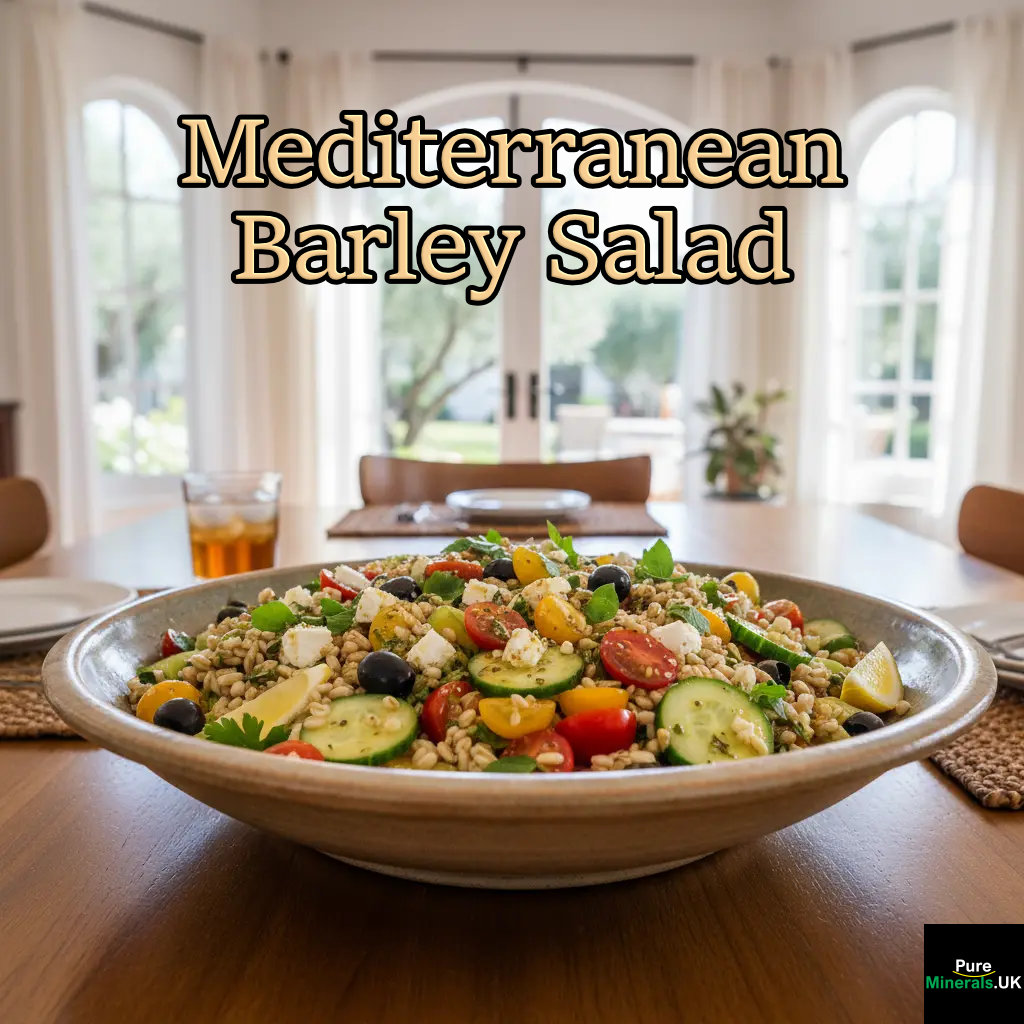
Cooked barley holds its texture exceptionally well in the refrigerator, making it perfect for meal prep and packed lunches. Create hearty salads by combining chilled cooked barley with roasted or raw vegetables, herbs, proteins like chickpeas or grilled chicken, and a bright vinaigrette. Unlike rice or pasta that can become gummy when chilled, barley maintains a pleasant texture for several days. A Mediterranean-inspired barley salad with cucumbers, cherry tomatoes, feta, olives, and lemon-herb dressing makes a satisfying lunch that won’t leave you hungry an hour later. For an Asian twist, try barley with shredded cabbage, edamame, carrots, and a sesame-ginger dressing, topped with a sprinkle of toasted sesame seeds.
Baking with Barley Flour
Barley flour offers a gentle nutty sweetness and contains less gluten than wheat flour, resulting in tender baked goods with complex flavor. While not suitable for complete substitution in recipes requiring structure from gluten development (like sandwich bread), barley flour shines when used for 25-50% of the total flour in muffins, pancakes, quick breads, and cookies. Its lower gluten content creates exceptionally tender results, while its natural sweetness means you can often reduce the sugar in recipes.
Try incorporating barley flour in banana bread for an enhanced nutty flavor that complements the fruit, or use it in oatmeal cookies where its maltiness pairs beautifully with cinnamon and dried fruits. For a nutritional boost, replace up to one-third of the flour in your favorite pancake recipe with barley flour for a subtle sweetness and extra fiber.
3 Delicious Barley Recipes to Try This Week
Ready to experience the versatility of barley firsthand? These three recipes showcase different cooking techniques and flavor profiles, allowing you to explore various ways to enjoy this nutritional powerhouse. Each recipe has been tested for both flavor and ease of preparation, making them perfect for busy weeknight cooking or weekend meal prep.
1. Mediterranean Barley Bowl with Roasted Vegetables
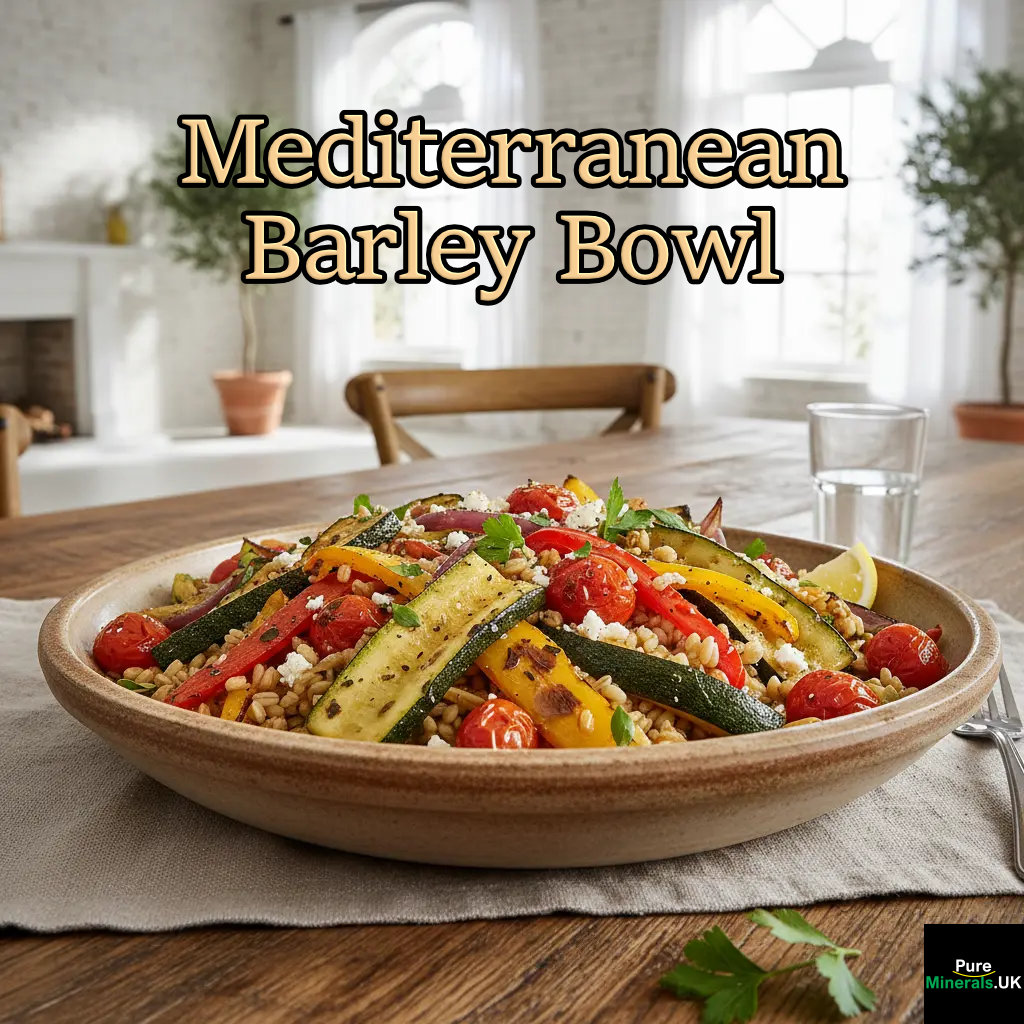
This colorful grain bowl combines the nutty heartiness of barley with sweet roasted vegetables and bright Mediterranean flavors. Start by cooking 1 cup of hulled barley according to package directions, using vegetable broth instead of water for added flavor. While the barley cooks, toss 2 cups of diced vegetables (try a mix of zucchini, bell peppers, red onion, and cherry tomatoes) with 2 tablespoons of olive oil, 1 teaspoon dried oregano, and salt and pepper to taste. Roast at 425°F for 20-25 minutes until caramelized and tender.
To assemble, place a generous portion of cooked barley in each bowl, top with the roasted vegetables, and add 1/4 cup crumbled feta cheese, 2 tablespoons of kalamata olives, and a handful of fresh herbs like parsley or basil. Drizzle with a simple dressing made from 2 tablespoons each of olive oil and lemon juice, 1 minced garlic clove, and a pinch of salt. This nutrient-dense meal provides a perfect balance of complex carbohydrates, healthy fats, and plant-based proteins.
2. Creamy Mushroom and Barley Soup

This hearty soup showcases barley’s ability to create satisfying texture without the need for cream or excessive fat. Begin by sautéing 1 diced onion and 2 minced garlic cloves in 1 tablespoon of olive oil until translucent. Add 1 pound of mixed mushrooms (cremini, shiitake, and oyster work beautifully together), sliced, and cook until they release their moisture and begin to brown. Stir in 2 tablespoons of tomato paste and 1 tablespoon of fresh thyme leaves, cooking for another minute until fragrant.
Add 3/4 cup pearl barley, 6 cups of vegetable or mushroom broth, and a bay leaf. Bring to a boil, then reduce the heat and simmer for about 35-40 minutes until the barley is tender and the soup has thickened naturally from the barley’s starch. Remove the bay leaf, then blend about one-third of the soup and return it to the pot for a creamy texture without adding dairy. Season with salt, black pepper, and a splash of sherry vinegar to brighten the flavors. This soup develops even better flavor overnight, making it perfect for meal prep.
3. Lemon Herb Barley Pilaf

This bright, versatile side dish pairs beautifully with grilled fish, roasted chicken, or vegetable mains. Heat 1 tablespoon of olive oil in a heavy-bottomed pot and add 1 cup of pearl barley, toasting for 2-3 minutes until lightly golden and fragrant. Add 1 finely diced shallot and cook for another minute until softened. Pour in 2 1/2 cups of chicken or vegetable broth, 1 strip of lemon zest, and a pinch of salt. Bring to a boil, reduce heat, cover, and simmer for 25-30 minutes until the barley is tender and the liquid is absorbed.
Remove from heat and let stand covered for 5 minutes. Fluff with a fork, then fold in 1/4 cup chopped mixed fresh herbs (parsley, dill, and mint work well), 2 tablespoons of fresh lemon juice, and 2 tablespoons of extra virgin olive oil. Finish with 1/4 cup of toasted pine nuts or sliced almonds for crunch and a sprinkle of crumbled feta cheese if desired. This pilaf stores well for several days in the refrigerator and can be served warm or at room temperature, making it an excellent addition to packed lunches.
Potential Downsides and Who Should Avoid Barley
Despite its impressive nutritional profile, barley isn’t suitable for everyone. Understanding its potential drawbacks and contraindications is important for making informed dietary choices. While most people can enjoy barley without issue, certain populations need to exercise caution or avoid it entirely due to specific health concerns.
Gluten Content and Celiac Disease
Barley contains gluten proteins, making it strictly off-limits for those with celiac disease, non-celiac gluten sensitivity, or wheat allergies that cross-react with barley. The gluten content in barley is substantial enough to trigger immune responses in sensitive individuals, potentially causing intestinal damage in those with celiac disease, even in small amounts. Unlike some other grains, where processing methods can reduce gluten content, no preparation method can make barley safe for those with celiac disease.
People following gluten-free diets should instead opt for naturally gluten-free grains like quinoa, buckwheat, or certified gluten-free oats, which can provide similar nutritional benefits without the risk of triggering adverse reactions. Additionally, some individuals may find relief from digestive discomfort using natural remedies like slippery elm.
Possible Digestive Adjustments for New Users
The high fiber content that makes barley so nutritionally beneficial can sometimes cause digestive discomfort for those unaccustomed to fiber-rich foods. Initial symptoms may include bloating, gas, or changes in bowel habits as the digestive system adjusts to processing more fiber. To minimize these effects, introduce barley gradually into your diet, starting with small portions (1/4 to 1/3 cup cooked) and slowly increasing over time as tolerance develops.
Ensuring adequate hydration by drinking plenty of water alongside higher fiber meals helps the fiber move through the digestive tract more comfortably. Cooking barley thoroughly until very tender can also make it more digestible for sensitive systems, as can the practice of soaking hulled barley before cooking to reduce some of its phytic acid content.
Those with irritable bowel syndrome (IBS) or other functional digestive disorders may need to be particularly cautious with barley. Its fermentable carbohydrates can trigger symptoms in people sensitive to FODMAPs (Fermentable Oligosaccharides, Disaccharides, Monosaccharides, and Polyols). If you have known digestive sensitivities, consider consulting with a healthcare provider before adding significant amounts of barley to your diet.
How Barley Compares to Other Whole Grains
The world of whole grains offers many nutritional stars, each with unique benefits and culinary applications. Understanding how barley stacks up against other popular whole grains can help you make more informed choices based on your nutritional needs, health goals, and culinary preferences. While all whole grains offer benefits over refined alternatives, notable differences in their nutritional profiles, cooking characteristics, and flavor profiles can guide your selection for specific uses.
Barley vs. Quinoa: Nutrition Showdown
Quinoa has earned its superfood status largely due to its complete protein profile, containing all nine essential amino acids in balanced proportions. With approximately 8 grams of protein per cooked cup compared to barley’s 3.5 grams, quinoa leads in protein content and quality. However, barley significantly outperforms quinoa in fiber content, offering about 6 grams per cup versus quinoa’s 5 grams, with the particularly beneficial beta-glucan fiber that quinoa lacks.
Barley also has a lower glycemic index than quinoa (28 versus 53), making it potentially better for blood sugar management. While quinoa provides more iron and magnesium, barley offers superior selenium content and a unique antioxidant profile. For those seeking maximum protein with good fiber, quinoa may be preferable, while those prioritizing heart health, blood sugar control, or digestive benefits might benefit more from barley.
Barley vs. Brown Rice: Which Is Healthier?
Barley offers nearly twice the fiber of brown rice (6g versus 3.5g per cup), with its beta-glucan fiber providing cholesterol-lowering benefits that brown rice cannot match. The protein content in barley slightly edges out brown rice (3.5g versus 3g per cup), though neither is considered a protein-rich grain. Barley’s glycemic index of 28 is significantly lower than brown rice’s 50, making barley the superior choice for blood sugar management. Nutritionally, barley provides more selenium, thiamine, and niacin, while brown rice offers more magnesium and is entirely gluten-free.
Culinarily, brown rice has a neutral flavor that works well as a background for strongly flavored dishes, while barley’s nuttier taste becomes part of a dish’s flavor profile. The choice between these grains might depend on whether digestive and heart health benefits (favor barley) or gluten concerns and milder flavor (favor brown rice) are your priority.
Nutritional Comparison Chart (per 1 cup cooked)
Nutrient
Barley (hulled)
Quinoa
Brown Rice
Oats
Calories
193
222
216
166
Protein (g)
3.5
8.1
5.0
6.0
Fiber (g)
6.0
5.2
3.5
4.0
Beta-glucans
High
None
None
Medium-High
Glycemic Index
28
53
50
55
Gluten
Yes
No
No
Yes*
*Oats are naturally gluten-free but often cross-contaminated unless labeled “gluten-free”
This nutritional comparison highlights why barley deserves more attention in a health-conscious diet. While each grain offers unique benefits, barley’s exceptional fiber content and low glycemic impact make it particularly valuable for cardiovascular health and blood sugar management. The choice between grains often depends not just on nutritional content but also on specific health goals, dietary restrictions, and culinary applications, such as incorporating superfoods into your meals.
For maximum nutritional diversity, rotating different whole grains throughout your weekly meal plan allows you to benefit from the unique nutritional profiles of each. Consider keeping 2-3 different cooked whole grains in your refrigerator each week to make healthy meals quick and accessible.
Barley vs. Oats: Different Benefits for Different Needs
Both barley and oats contain the powerful beta-glucan fiber that supports heart and digestive health, though oats have gained more recognition for this benefit through marketing. Barley actually contains slightly more beta-glucan per serving, giving it a potential edge for cholesterol management. Oats provide more protein (about 6g per cup versus barley’s 3.5g) and contain a unique set of antioxidants called avenanthramides that aren’t found in barley.
Texturally, oats cook more quickly and create a creamier consistency, making them ideal for breakfast applications, while barley maintains a distinct chewy texture that works better in savory dishes. Oats also come in more varieties (steel-cut, rolled, instant), offering different cooking options. For morning meals and quicker cooking times, oats often prove more practical, while barley’s unique texture and lower glycemic index make it superior for blood sugar management and heartier dishes.
Start Your Barley Journey Today
Incorporating barley into your diet doesn’t require a complete nutritional overhaul—simply start by replacing one refined grain option each week with this nutritional powerhouse. Begin with familiar applications like adding barley to soups or stews, then gradually explore breakfast bowls, grain salads, or even barley risotto as your comfort and creativity grow. Remember that consistency matters more than quantity—studies show that consuming modest amounts of barley several times weekly provides more stable health benefits than occasional large portions.
The beta-glucan in barley can begin improving cholesterol levels in as little as 4-6 weeks of regular consumption, while digestive benefits often become noticeable within days. For those new to whole grains, pearl barley offers a gentler introduction with quicker cooking times, though hulled barley provides maximum nutritional benefits for those ready to embrace its hearty texture and slightly longer preparation. Whether you’re seeking heart health improvements, better blood sugar control, digestive wellness, or simply more culinary variety, barley offers accessible nutrition that has sustained human health for millennia.
Important Note: Barley
Barley contains gluten and is not suitable for individuals with celiac disease or gluten intolerance. Gluten-free alternatives should be used where required.
A Note on Superfoods, Minerals, Modern Diets, and Supplementation
While foods often described as superfoods, like barley, can provide valuable nutrients and plant compounds, it is increasingly recognized that modern agricultural practices have reduced the natural mineral content of many soils. Intensive farming, repeated crop cycles, and the widespread use of agrichemicals mean that even high-quality whole foods may no longer contain the full range of naturally occurring, plant-derived trace minerals that were once more abundant in traditional diets.
For this reason, some people choose to complement a whole-food diet with mineral and vitamin supplementation. In particular, hydrophilic (water-soluble) plant-derived trace minerals differ in structure and bioavailability from many common rock-derived mineral supplements. These minerals occur naturally in plants and were historically consumed through mineral-rich soils and vegetation.
I have personally used a broad-spectrum plant-derived trace mineral supplement for over twenty years, alongside the recommended daily intake of essential vitamins. This approach has formed part of my long-term nutritional routine. My own experience, which I describe in detail elsewhere, reflects the potential value of addressing micronutrient gaps that diet alone may not fully cover in the modern food environment.
If you would like to explore this topic further, I have written an in-depth article describing my personal experience with plant-derived trace mineral supplementation, including background information and sourcing considerations:
The trace minerals and complementary vitamins discussed there are available through my web shop in several forms, including liquids, capsules, powders suitable for recipes, and formulations intended for pets. As with all supplements, individual needs vary, and readers are encouraged to make informed choices and seek professional guidance where appropriate.
Frequently Asked Questions
As barley regains popularity in health-conscious kitchens, many people have questions about how to use it effectively and what specific benefits they might experience. These frequently asked questions address common concerns and provide practical guidance for incorporating barley into a healthy lifestyle. For those interested in exploring other nutritious ingredients, consider learning about the health benefits of nettle as well.
Whether you’re a barley beginner or looking to expand your whole grain repertoire, these answers can help you navigate potential challenges and maximize the benefits of this exceptional grain.
How long does barley take to cook?
Cooking times for barley vary significantly depending on the type you choose. Pearl barley, which has had its outer bran layer removed, cooks in approximately 25-30 minutes on the stovetop. Hulled barley, with its bran intact, requires longer cooking—typically 45-60 minutes to reach a pleasant chewy texture. Quick-cooking or “instant” barley products have been pre-steamed and can be ready in just 10-15 minutes, though they offer slightly reduced nutritional benefits.
For any type of barley, cooking time can be reduced by soaking the grains overnight (reducing cooking time by about 15 minutes) or using a pressure cooker (hulled barley cooks in about 20 minutes under pressure). Regardless of method, barley is done when it has expanded noticeably, feels tender but slightly chewy, and has absorbed most of the cooking liquid.
Can barley help me lose weight?
Research supports barley’s potential role in weight management through several mechanisms. Its exceptional fiber content, particularly beta-glucan, creates greater satiety than many other grains, helping you feel fuller longer after meals and potentially reducing overall calorie intake. Studies published in the Journal of Nutrition have shown that participants who consumed barley at breakfast experienced increased fullness and significantly reduced hunger before their next meal compared to those who ate refined grains.
Additionally, barley’s low glycemic index helps prevent the blood sugar spikes and subsequent crashes that often trigger cravings and overeating. While barley alone isn’t a magic weight loss solution, replacing refined grains with barley as part of a balanced diet can support weight management goals by improving satiety, stabilizing blood sugar levels, and providing sustained energy with relatively few calories.
Is barley safe for people with diabetes?
Barley ranks among the most beneficial grains for people with diabetes due to its remarkable impact on blood glucose management. With a low glycemic index of approximately 28 (compared to 59-70 for brown rice), barley causes a much slower and more moderate rise in blood sugar levels after meals. The soluble fiber in barley, particularly beta-glucan, forms a gel-like substance in the digestive tract that significantly slows the absorption of glucose into the bloodstream.
Research published in the Journal of Nutrition and Metabolism demonstrates that consuming barley with meals can reduce post-meal blood glucose spikes by up to 30% compared to refined grains. Regular consumption may even help reduce insulin requirements over time for some individuals. However, people with diabetes should monitor their individual blood glucose response to barley and work with healthcare providers to adjust medication if needed when making significant dietary changes.
How much barley should I eat per day for health benefits?
Clinical studies suggest that consuming 3-5 grams of beta-glucan daily provides meaningful health benefits, particularly for cholesterol reduction and blood sugar management. This translates to approximately 1/2 to 3/4 cup of cooked hulled barley daily, though benefits can still be realized with smaller amounts consumed regularly. Rather than focusing on daily consumption, many nutritionists recommend incorporating barley into your diet 3-4 times weekly for sustainable health improvements.
Starting with modest portions (1/3 cup) and gradually increasing can help your digestive system adjust to the higher fiber content. For maximum benefit, distribute your barley consumption throughout the day rather than consuming it all at once—perhaps having some at breakfast in a grain bowl and more at dinner in a soup or side dish. Remember that consistency matters more than quantity; regular moderate consumption generally provides more stable benefits than occasional large portions.
Remember that nutritional needs vary based on individual factors, including activity level, age, current health status, and specific health goals. Consider consulting with a registered dietitian for personalized recommendations, or explore the benefits of avocado as part of a balanced diet.
Can I sprout barley at home?
Sprouting barley at home is relatively simple and enhances its nutritional profile by increasing vitamin content and enzyme activity while reducing phytic acid that can inhibit mineral absorption. To sprout barley, you’ll need untreated hulled barley (not pearl barley, which won’t sprout). Begin by rinsing 1 cup of barley and soaking it in a jar with three times its volume of filtered water for 12 hours. Drain completely, rinse thoroughly, and place in a sprouting jar or a jar covered with cheesecloth secured with a rubber band. Rinse and drain the barley twice daily, keeping the jar at room temperature out of direct sunlight. Within 2-3 days, you should see small sprouts emerging.
Once sprouts reach about 1/4 inch long, they’re ready to use. Sprouted barley can be added to salads, used in breads, dehydrated for cereal, or lightly cooked (which will halt the sprouting process but preserve many of the enhanced nutrients). Store sprouted barley in the refrigerator and use it within 3-5 days for maximum freshness and nutritional benefit.
Barley’s remarkable nutritional profile and culinary versatility make it a valuable addition to any health-conscious kitchen. From its powerful beta-glucans that support heart health to its exceptional fiber content that aids digestion and blood sugar control, barley offers benefits that many more celebrated superfoods can’t match. By incorporating this ancient grain into modern meals—whether as a hearty breakfast bowl, a satisfying risotto alternative, or a nutritious salad base—you’re tapping into thousands of years of nutritional wisdom while enjoying its distinctive nutty flavor and satisfying chew.
Barley is an ancient grain that has been cultivated for thousands of years. It is known for its versatility and health benefits. Barley is a rich source of fiber, vitamins, and minerals, making it an excellent addition to any diet. It can be used in soups, stews, and salads, or even as a substitute for rice or pasta. For those interested in exploring more about nutrient-rich foods, consider learning about superfoods and their benefits.