

Published: 6 January 2026
Last Updated: 25 February 2026
This article is periodically reviewed and updated to reflect current scientific understanding by Vic George.
Fact-Checked: 1 other authoritative medical/scientific reference. See our Editorial Policy.

Q. What Are Avocados and Why Are They Considered a Superfood?
Answer:
Avocado (alligator or avocado pear) is an evergreen tree in the laurel family. The fruit is often described as a superfood because of its unique nutrient profile. Unlike most fruits, avocados are rich in monounsaturated fats, along with dietary fiber, potassium, and a range of vitamins and plant compounds.
From a nutritional perspective, avocados contribute to overall diet quality by providing energy, essential fatty acids, and micronutrients that support normal bodily functions. Rather than delivering a single targeted health effect, their value lies in helping to balance macronutrient intake and enhance the nutritional density of meals when eaten as part of a varied diet.
Avocados are commonly consumed fresh in both savory and sweet dishes and can also be used as an ingredient in spreads and dressings. As with all foods commonly labelled as superfoods, their benefits are best realised through regular, moderate consumption within a balanced eating pattern.
Key Takeaways
- Avocados contain primarily monounsaturated fats (oleic acid), which help reduce inflammation and support heart health by lowering bad cholesterol levels.
- The healthy fats in avocados enhance the absorption of fat-soluble vitamins (A, D, E, and K) from other foods consumed in the same meal.
- Regular consumption of avocado can help stabilize blood sugar levels and support weight management despite its caloric density.
- Beyond fats, avocados provide over 20 essential vitamins and minerals, including potassium, vitamin K, folate, and B vitamins.
- For optimal health benefits, the recommended serving size is approximately one-third of a medium avocado daily as part of a balanced diet.
Why Avocados Are Nature’s Perfect Fat Source

The avocado stands alone in the fruit kingdom. Unlike its sweet counterparts, this creamy fruit delivers a remarkable nutrient profile dominated by beneficial fats that nourish our bodies at the cellular level. What makes avocados truly exceptional is their perfect balance of monounsaturated fats, polyunsaturated fats, and minimal saturated fat—all wrapped in a whole food package complete with fiber, vitamins, and minerals. This natural fat profile closely mirrors what nutritional experts recommend for optimal health.
As a whole food, avocados provide these fats in their natural state, accompanied by the cofactors and enzymes that help our bodies properly utilize them. In contrast to processed oils or supplements, the avocado delivers its nutritional bounty exactly as nature intended. The natural packaging of these fats alongside fiber helps moderate their absorption, providing sustained energy without the spikes associated with refined fat sources.
Perhaps most impressive is the avocado’s versatility as a fat source. Its neutral yet rich flavor profile allows it to enhance everything from smoothies to sandwiches, while its buttery texture provides the satisfying mouthfeel that many low-fat foods lack. This combination of ideal fat composition, whole-food integrity, and culinary adaptability makes the avocado truly nature’s perfect fat source for those seeking to nourish their bodies optimally.
“Avocados are among the few foods that contain significant levels of both monounsaturated fats and essential nutrients, making them an ideal choice for those seeking to improve their diet quality while enjoying delicious, satisfying meals.”
The Truth About Dietary Fats: Good, Bad, and Misunderstood
For decades, dietary fat has been unfairly demonized in nutritional guidance. The oversimplified message that “fat makes you fat” has led many down a path of fat-free and low-fat processed foods that often contain higher levels of sugar and refined carbohydrates to compensate for flavor. This misunderstanding about dietary fats has contributed significantly to modern health challenges rather than solving them.
How Fear of Fat Has Led to Poor Dietary Choices
The low-fat era of the 1980s and 1990s drastically changed American eating habits, with consumers flocking to products labeled “fat-free” regardless of their actual nutritional value. What many didn’t realize was that removing fat often meant adding sugar, sodium, and artificial ingredients to maintain palatability. The result? Despite reduced fat consumption, rates of obesity and type 2 diabetes continued to climb. This paradox highlighted a critical nutrition lesson: not all calories are created equal, and the quality of fat matters far more than simply reducing quantity.
When healthy fats like those found in avocados were eliminated from diets, people not only lost important nutrients but also the satiety that fat provides. This often led to overconsumption of calories from less nutritious sources as the body continued searching for missing essential nutrients. The fear of fat essentially created a nutritional void that processed food manufacturers quickly filled with products that were technically low in fat but high in refined carbohydrates and additives—a trade-off that science now shows was detrimental to public health.
The Difference Between Healthy and Unhealthy Fats
Understanding the distinct types of fats is essential for making informed dietary choices. Monounsaturated and polyunsaturated fats—predominant in avocados, olive oil, nuts, and fatty fish—have been consistently linked to improved heart health markers and reduced inflammation. These fats remain liquid at room temperature due to their molecular structure and integrate seamlessly into cell membranes, supporting optimal cellular function.
On the opposite end of the spectrum are artificial trans fats and excessive saturated fats, which have been associated with increased inflammation and cardiovascular risk. Trans fats, created through industrial hydrogenation processes, are particularly problematic as they can simultaneously raise harmful LDL cholesterol while lowering beneficial HDL cholesterol. Avocados provide a stark contrast to these problematic fats by offering primarily monounsaturated fats (approximately 15 of its 22 grams of fat per avocado) in the form of oleic acid—the same beneficial fat compound found in olive oil that’s celebrated for its heart-protective properties.
Why Your Body Needs Fats for Optimal Function
Far from being merely stored energy, dietary fats perform crucial roles throughout the body. They form the structural components of every cell membrane, insulate nerve fibers for proper signal transmission, and produce hormone-like compounds that regulate everything from blood pressure to inflammatory responses. Without adequate healthy fats, these systems begin to falter, potentially manifesting as dry skin, hormone imbalances, constant hunger, or difficulty concentrating. For a natural source of healthy fats, consider incorporating almonds into your diet.
Inside the Avocado: Nutritional Gold Mine
Beneath the avocado’s rough exterior lies a treasure trove of nutrients that sets it apart from most other fruits. A medium avocado (about 150 grams) provides approximately 240 calories, with 21 grams of fat constituting the majority of its caloric content. Yet what makes this caloric contribution unique is its exceptional nutritional density. Every bite delivers a concentrated source of vitamins, minerals, and phytonutrients alongside its beneficial fats.
The avocado’s impressive nutrient profile includes over 20 essential vitamins and minerals. It contains more potassium than bananas (approximately 708 mg per medium fruit), making it valuable for blood pressure regulation and electrolyte balance. It’s also remarkably rich in folate (providing about 30% of the daily value), which supports cell division and DNA synthesis—critical processes for growth, repair, and pregnancy health.
Perhaps most surprising is the avocado’s fiber content—a medium fruit provides about 10 grams, or roughly 40% of the daily recommendation. This combination of healthy fat and fiber is rare in nature and contributes to the avocado’s extraordinary ability to satisfy hunger while supporting digestive health. The soluble fiber it contains also helps moderate cholesterol absorption in the gut, complementing its heart-healthy fat profile.
Monounsaturated Fats: The Heart-Healthy Champions
The crown jewel of the avocado’s nutritional profile is undoubtedly its monounsaturated fat content. About 70% of an avocado’s fat content comes in this heart-healthy form, primarily as oleic acid—the same beneficial compound found in olive oil. Research has consistently demonstrated that diets rich in monounsaturated fats like those in avocados help reduce LDL (bad) cholesterol while maintaining or even increasing HDL (good) cholesterol levels. This favorable shift in blood lipid profile directly contributes to reduced cardiovascular disease risk.
What makes these monounsaturated fats particularly valuable is their stability. Unlike polyunsaturated fats, which can oxidize more readily, monounsaturated fats resist oxidation, meaning they’re less likely to form harmful compounds when exposed to heat or storage. This stability extends to how they function within the body, where they help create resilient cell membranes that properly regulate what enters and exits our cells.
Beyond Fat: Vitamins, Minerals, and Fiber Content
While avocados are celebrated for their healthy fat content, their micronutrient profile deserves equal attention. They provide significant amounts of vitamin K (26% DV), which is essential for proper blood clotting and bone health. The fruit also delivers impressive quantities of vitamin E (14% DV), a powerful antioxidant that protects cells from oxidative damage. B-vitamins, including B5, B6, and folate, appear in meaningful amounts, supporting energy metabolism and nervous system function.
The mineral content of avocados further enhances their nutritional value. Beyond potassium, they provide copper, which facilitates iron absorption and supports connective tissue formation. Magnesium, essential for hundreds of biochemical reactions in the body, appears in quantities that help address the common deficiency of this critical mineral. This comprehensive nutrient package works synergistically to support overall health in ways that isolated nutrients or supplements cannot match.
Calorie Content: What You Need to Know
The caloric density of avocados—about 160 calories per 100 grams—places them higher on the calorie spectrum than many fruits. However, focusing solely on this number misses the critical concept of nutrient density. Unlike empty calories from processed foods, avocado calories come packaged with an impressive array of nutrients that support metabolic health and provide lasting satiety. Research consistently shows that calorie quality matters as much as quantity when it comes to supporting healthy weight and metabolism.
Rather than avoiding avocados due to calorie concerns, nutrition experts recommend appropriate portioning. A serving size of one-third to one-half of a medium avocado (50-75 grams) provides substantial nutritional benefits while contributing a reasonable 80-120 calories to daily intake. This moderate approach allows for the incorporation of this nutrient-dense food into a balanced diet while respecting overall energy needs.
7 Proven Health Benefits of Avocado’s Healthy Fats
1. Supports Cardiovascular Health and Lowers Cholesterol
The monounsaturated fats in avocados work actively to improve your cholesterol profile by increasing HDL (good) cholesterol while reducing LDL (bad) cholesterol and triglycerides. This beneficial effect is particularly potent because avocados contain beta-sitosterol, a plant compound that competes with cholesterol for absorption in the digestive tract. Multiple clinical studies have shown that regular avocado consumption can lead to a 5-10% reduction in LDL cholesterol—comparable to some pharmaceutical interventions but without side effects.
Beyond cholesterol management, avocados support heart health through their potassium content, which helps regulate blood pressure by counterbalancing sodium’s effects. The combination of potassium, fiber, and healthy fats creates a triple-action approach to cardiovascular protection that addresses multiple risk factors simultaneously. This comprehensive support explains why populations with higher avocado consumption typically show lower rates of heart disease despite the fruit’s caloric density.
2. Enhances Nutrient Absorption
One of the most remarkable benefits of avocado fats is their ability to dramatically increase the absorption of fat-soluble nutrients from other foods eaten in the same meal. Vitamins A, D, E, and K—essential for vision, bone health, immunity, and blood clotting—require dietary fat to be properly absorbed from the digestive tract into the bloodstream. Without sufficient fat, these crucial nutrients may pass through your system unutilized, regardless of how nutrient-rich your meal appears on paper.
Research published in the Journal of Nutrition demonstrated that adding just half an avocado to a salad increased the absorption of carotenoids (precursors to vitamin A) by 2-6 times compared to the same salad without avocado. This “nutrient unlocking” effect transforms an ordinary vegetable-based meal into a significantly more nourishing experience at the cellular level. The implications are particularly important for those on low-fat diets who may be unknowingly compromising their nutritional status despite consuming healthy foods.
Beyond vitamins, avocado fats enhance the bioavailability of powerful plant compounds like lutein and zeaxanthin, which support eye health and may help prevent age-related macular degeneration. Similarly, they improve the absorption of lycopene from tomatoes, associated with prostate health and reduced cancer risk. This synergistic effect makes avocados an ideal companion to nutrient-rich vegetables, multiplying the beneficial impact of your entire meal.
- Increases vitamin A absorption by up to 600% when added to salads
- Enhances utilization of fat-soluble vitamins D, E, and K
- Improves the bioavailability of lutein and zeaxanthin for eye health
- Maximizes absorption of lycopene and other carotenoids
- Creates synergistic nutritional effects when paired with colorful vegetables
3. Promotes Brain Health and Cognitive Function
Your brain is approximately 60% fat, and it requires a steady supply of high-quality fatty acids to maintain optimal function and structure. Avocado’s monounsaturated fats provide ideal building blocks for neural membranes while supporting healthy blood flow to the brain. Studies suggest that diets rich in monounsaturated fats are associated with better cognitive performance and reduced risk of age-related cognitive decline. The combination of healthy fats with antioxidants like vitamin E creates a neuroprotective effect that helps shield brain cells from oxidative stress and inflammation—two key factors in neurodegenerative conditions.
4. Stabilizes Blood Sugar Levels
Despite their creamy texture and satisfying mouthfeel, avocados have a minimal impact on blood glucose levels. Their unique macronutrient profile—high in fat and fiber but low in carbohydrates—helps moderate the rate at which sugar enters the bloodstream after meals. This blood sugar stabilizing effect is particularly beneficial for those with insulin resistance, metabolic syndrome, or diabetes who need to carefully manage glucose fluctuations throughout the day.
Clinical research has shown that adding avocado to a meal can reduce the glycemic impact of carbohydrate-rich foods consumed alongside it. In one study, participants who added half an avocado to their lunch experienced a 40% reduction in their desire to eat for hours afterward, largely due to improved blood sugar stability. This sustained energy effect makes avocados a strategic addition to meals for anyone seeking to maintain consistent energy levels and avoid the crashes that often follow high-carbohydrate foods.
5. Supports Weight Management
Contrary to conventional wisdom about high-fat foods, research consistently shows that regular avocado consumption is associated with lower body weight, BMI, and waist circumference. The combination of healthy fats and fiber creates a powerful satiety effect that can reduce overall calorie intake by naturally regulating appetite hormones. One study published in Nutrition Journal found that participants who consumed half an avocado with lunch reported a 40% decrease in desire to eat over the following three hours compared to those who ate a standard lunch without avocado.
The metabolic effects of avocado consumption extend beyond appetite control. Their monounsaturated fats appear to preferentially burn as energy rather than being stored as body fat, particularly when they replace carbohydrates in the diet. Additionally, avocados contain a unique sugar called mannoheptulose that may inhibit insulin secretion and improve insulin sensitivity—key factors in metabolic health and fat storage regulation. This multifaceted approach to supporting healthy metabolism makes avocados particularly valuable for those seeking sustainable weight management strategies.
6. Nourishes Skin, Hair, and Nails
The healthy fats in avocados provide essential building blocks for maintaining skin elasticity and moisture from the inside out. Oleic acid helps strengthen cell membranes, reducing water loss through the skin and improving its ability to resist environmental damage. The vitamin E and lutein in avocados offer additional protection by neutralizing free radicals that accelerate skin aging. Regular consumption has been associated with improved skin texture, reduced fine lines, and enhanced natural glow due to improved cellular hydration and nutrient delivery to skin tissues.
Beyond the skin, avocado’s nutrient profile supports strong, shiny hair and resilient nails. The biotin (vitamin B7) content supports keratin production—the protein that forms the structural foundation of hair and nails. Meanwhile, the essential fatty acids nourish hair follicles and nail beds from within, reducing brittleness and promoting healthy growth. This comprehensive approach to beauty nutrition exemplifies how avocados support health at every level, from cellular function to visible appearance.
7. Reduces Inflammation Throughout the Body
Chronic inflammation underlies many modern health conditions, from heart disease to arthritis to cognitive decline. Avocado’s unique fatty acid profile and array of phytonutrients work synergistically to dampen inflammatory responses throughout the body. The monounsaturated fats help inhibit pro-inflammatory signaling pathways, while compounds like phytosterols and polyhydroxylated fatty alcohols have demonstrated anti-inflammatory effects in research studies.
Particularly notable are avocado’s effects on markers of inflammation in people with inflammatory conditions. Studies involving individuals with osteoarthritis have shown improvements in pain and mobility when avocado extracts are incorporated into treatment protocols. The anti-inflammatory benefits extend to metabolic health as well, with research suggesting that regular avocado consumption may help reduce the low-grade inflammation associated with metabolic syndrome. This system-wide modulation of inflammatory processes represents one of the most profound ways that avocado fats contribute to long-term health and longevity.
How to Select, Store, and Enjoy Avocados
Ripeness Guide: From Rock-Hard to Ready-to-Eat
Selecting the perfect avocado requires understanding its ripening process. A ripe avocado will yield to gentle pressure without feeling mushy—similar to pressing the tip of your nose. The color alone isn’t a reliable indicator, as different varieties change color differently during ripening. For Hass avocados, the most common variety, the skin typically darkens from bright green to deep purple-black as it ripens, but this can vary based on growing conditions and seasonality.
If you need ripe avocados immediately, select ones that yield slightly to gentle pressure. For meals later in the week, choose firmer fruits and allow them to ripen at room temperature. To accelerate ripening, place unripe avocados in a paper bag with a banana or apple—these fruits release ethylene gas that speeds the process. Conversely, to slow ripening, refrigerate avocados once they’ve reached ideal ripeness; this can extend their perfect state by several days.
Storage Tricks to Prevent Browning
Once cut, avocados quickly begin to brown due to oxidation. To minimize this reaction, keep the pit with any unused portion, as it helps protect the surface from exposure to air. For more effective preservation, brush the cut surface with lemon or lime juice—the citric acid slows the oxidation process. Storing in an airtight container with the cut side against a piece of onion can also effectively prevent browning, though it may impart a mild onion flavor.
For longer storage of cut avocados, press plastic wrap directly against the flesh to eliminate air contact, then refrigerate. Alternatively, puree avocado with a small amount of lime juice and store in an airtight container with minimal headspace—this can maintain quality for 1-2 days. Some cooks also submerge peeled, pitted avocado halves in water in the refrigerator, changing the water daily, which can preserve them for up to five days while minimizing texture changes.
How to ‘Rapidly’ Ripen Avocados
Use the classic example of ethylene-induced ripening.
Bananas are climacteric fruits, meaning they naturally release ethylene gas, a plant hormone that regulates ripening. When you place an unripe avocado in a paper or plastic bag with a banana, the enclosed space allows ethylene to accumulate rather than disperse into the air.
Avocados are also climacteric fruits and are highly sensitive to ethylene. Exposure to elevated ethylene levels triggers a cascade of biochemical changes inside the avocado:
- Starch-to-sugar conversion increases sweetness.
- Cell wall–degrading enzymes (such as pectinases and cellulases) break down structural polysaccharides, causing the flesh to soften.
- Chlorophyll degradation and changes in other pigments occur, though these are less obvious in avocado flesh.
- Respiration rate increases, accelerating overall ripening.
Because the bag traps ethylene close to the avocado, these processes were dramatically accelerated, allowing the fruit to soften overnight rather than over several days at room temperature.
In short, the bananas act as a natural ethylene source, and the bag functions as a concentration chamber, rapidly inducing ripening in the avocado. It works perfectly every time, so there’s no need to avoid purchasing unripe avocados.
Easy Ways to Add Avocado to Your Daily Diet
Beyond Guacamole: Creative Meal Ideas

Guacamole, sometimes informally shortened to guac in the United States, is an avocado-based dip, spread, or salad first developed in Mexico. In addition to its use in modern Mexican cuisine, it has become part of international cuisines such as Middle Eastern cuisine as a dip, condiment, and salad ingredient.
While guacamole remains a beloved classic, avocados are remarkably versatile in both sweet and savory applications. Blend ripe avocado into smoothies for a creamy texture and nutrient boost without altering the flavor profile significantly. The neutral yet buttery taste pairs well with both tropical fruits and chocolate, making it an ideal ingredient for natural, nutrient-dense desserts. Try adding avocado to chocolate pudding or mousse recipes to replace dairy and create a silky-smooth texture with enhanced nutritional value.
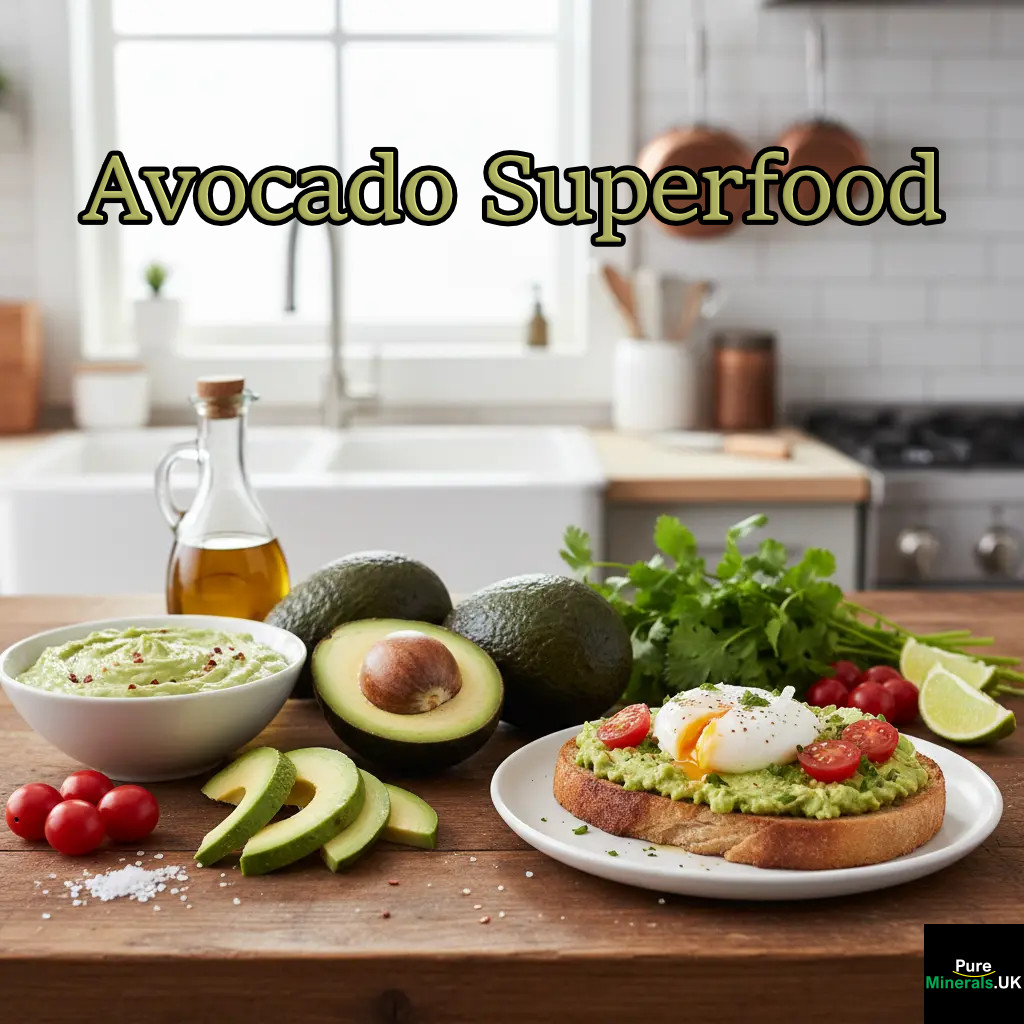
In savory applications, avocado’s creamy texture makes it an excellent substitute for mayonnaise in sandwiches and salads, reducing saturated fat while adding nutrients. Mash it onto whole-grain toast and top with eggs for a nutrient-dense breakfast, or cube it into grain bowls for added satiety and flavor. For a simple dinner upgrade, fan sliced avocado over soups, stir-fries, or tacos just before serving to add a cooling, creamy element that balances spicy flavors and adds textural contrast. The possibilities extend to pasta dishes, where avocado can create luxurious dairy-free sauces when blended with herbs, lemon, and a touch of olive oil.
Perfect Portion Sizes for Weight Management
While avocados offer numerous health benefits, their caloric density means portion awareness remains important. Nutrition experts typically recommend a serving size of one-third to one-half of a medium avocado (50-75g), which provides 80-120 calories along with all the nutritional benefits. This portion size allows you to enjoy superfoods like avocados regularly without exceeding calorie goals, particularly if you’re mindful about what foods they’re replacing in your diet.
Strategic avocado portions can actually enhance weight management by replacing less nutritious high-calorie foods. Substituting avocado for mayonnaise, butter, or processed cheese saves calories while improving nutrient density. The key is viewing avocado as a healthy fat source to be enjoyed in moderation rather than an unlimited free food. By respecting portion sizes and incorporating avocado strategically, you can maximize its health benefits while supporting weight management goals through improved satiety and nutrient intake.
Avocado Oil: Benefits and Uses
Extracted from the pulp rather than the seed, avocado oil preserves much of the fruit’s nutritional integrity while offering greater culinary versatility. With a smoke point of approximately 520°F (271°C), it surpasses most cooking oils in heat stability, making it ideal for high-temperature methods like stir-frying and searing. This high smoke point means the oil’s molecular structure and nutritional benefits remain intact even under intense heat, reducing the formation of harmful compounds that can occur when other oils break down during cooking.
Beyond cooking, avocado oil serves as an excellent base for homemade salad dressings and marinades. Its mild, buttery flavor complements both bold and delicate ingredients without overpowering them, while its monounsaturated fat content helps your body absorb fat-soluble nutrients from the vegetables in your salad. For a simple nutritional upgrade, replace refined vegetable oils with avocado oil in everyday cooking to enhance flavor while providing the same heart-healthy fats found in whole avocados. Look for cold-pressed, unrefined versions for maximum nutrient preservation and authentic avocado flavor.
Avocado vs. Other Fat Sources: The Whole Food Advantage
Unlike isolated oils or processed fat sources, avocados provide their healthy fats within nature’s perfect package. This whole-food matrix includes fiber that moderates fat absorption, antioxidants that prevent oxidation, and enzymes that support digestion. Research consistently shows that nutrients consumed in their original food matrix have greater bioavailability and health benefits than isolated supplements or refined ingredients.
Compared to other fat sources like butter, margarine, or processed oils, avocados deliver their fats alongside an impressive array of vitamins, minerals, and phytonutrients that work synergistically to support overall health. This natural synergy is something that cannot be replicated in processed foods, regardless of fortification or careful formulation, making avocados a superior choice for those seeking optimal nutrition from whole food sources.
A Sustainable Fat Source for Your Health Journey
Incorporating avocados into your diet represents more than just a nutritional choice—it’s an investment in sustainable health practices that benefit both your body and potentially the planet. By choosing nutrient-dense whole foods like avocados over highly processed alternatives, you support agricultural systems that can be developed with more sustainable practices. Look for avocados certified by sustainability programs that verify water conservation practices and fair labor standards.
When you make avocados a regular part of your dietary pattern, you’re embracing a holistic approach to nutrition that honors your body’s need for healthy fats while supporting the broader food system. As Avocados From Mexico continues to champion education about healthy fats, remember that sustainable health choices create positive ripple effects that extend far beyond personal wellness.
Important Note: Avocado
Avocados are safe for most people when eaten as food. However, individuals with latex sensitivity may experience cross-reactivity and should exercise caution.
A Note on Superfoods, Minerals, Modern Diets, and Supplementation
While foods often described as superfoods, like avocados, can provide valuable nutrients and plant compounds, it is increasingly recognized that modern agricultural practices have reduced the natural mineral content of many soils. Intensive farming, repeated crop cycles, and the widespread use of agrichemicals mean that even high-quality whole foods may no longer contain the full range of naturally occurring, plant-derived trace minerals that were once more abundant in traditional diets.
For this reason, some people choose to complement a whole-food diet with mineral and vitamin supplementation. In particular, hydrophilic (water-soluble) plant-derived trace minerals differ in structure and bioavailability from many common rock-derived mineral supplements. These minerals occur naturally in plants and were historically consumed through mineral-rich soils and vegetation.
I have personally used a broad-spectrum plant-derived trace mineral supplement for over twenty years, alongside the recommended daily intake of essential vitamins. This approach has formed part of my long-term nutritional routine. My own experience, which I describe in detail elsewhere, reflects the potential value of addressing micronutrient gaps that diet alone may not fully cover in the modern food environment.
If you would like to explore this topic further, I have written an in-depth article describing my personal experience with plant-derived trace mineral supplementation, including background information and sourcing considerations:
The trace minerals and complementary vitamins discussed there are available through my web shop in several forms, including liquids, capsules, powders suitable for recipes, and formulations intended for pets. As with all supplements, individual needs vary, and readers are encouraged to make informed choices and seek professional guidance where appropriate.
Frequently Asked Questions
As avocados have risen in popularity, so have questions about their optimal use in a healthy diet. The following section addresses the most common questions about avocado consumption, from portion sizes to special dietary considerations.
These evidence-based answers provide practical guidance for incorporating this nutrient-dense fruit into your lifestyle in ways that maximize benefits while respecting individual health needs and environmental considerations.
How many avocados can I eat per day?
Nutritionists typically recommend limiting consumption to 1/2 to 1 whole avocado per day for most adults. This amount provides substantial nutritional benefits while respecting caloric needs and ensuring dietary variety. The recommendation is based on both the caloric density of avocados (about 240 calories per medium fruit) and the need to include diverse food sources in your diet for complete nutrition.
Individual needs may vary based on factors like activity level, overall diet quality, and specific health goals. Athletes and very active individuals with higher caloric requirements may comfortably incorporate more avocado into their diets, while those on calorie-restricted plans may need to be more mindful of portion sizes. Rather than focusing exclusively on quantity, consider how avocados fit into your overall eating pattern and what other foods they might be replacing. The goal is nutritional balance rather than adherence to a strict numerical limit. For those interested in exploring other nutrient-rich foods, consider learning more about superfoods.
Are avocados fattening or good for weight loss?
Despite their caloric density, research consistently shows that moderate avocado consumption supports rather than hinders weight management efforts. Their unique combination of monounsaturated fats and fiber increases satiety hormones while reducing hunger hormones, potentially leading to reduced overall calorie intake throughout the day. Multiple studies have found that regular avocado consumers tend to have lower body weights and waist circumferences compared to those who don’t eat avocados, suggesting a beneficial rather than detrimental effect on weight management when consumed as part of a balanced diet.
Can people with diabetes eat avocados?
Avocados are an excellent food choice for people managing diabetes due to their minimal impact on blood glucose levels. With approximately 12g of carbohydrates per medium fruit, of which 9g is fiber, avocados have a very low net carb content that produces negligible blood sugar changes. The healthy fats and fiber in avocados actually help moderate the glycemic impact of other foods consumed in the same meal, potentially improving overall glycemic control when incorporated regularly into a diabetes-friendly eating pattern.
Beyond blood sugar benefits, avocados support cardiovascular health—a critical consideration for people with diabetes who face elevated heart disease risk. Their potassium content helps regulate blood pressure, while their healthy fat profile supports improved cholesterol levels and reduced inflammation. The American Diabetes Association includes avocados on their list of recommended foods for diabetes management, noting their nutrient density and favorable impact on heart health markers.
What are the environmental impacts of avocado farming?
Conventional avocado production has raised environmental concerns, particularly regarding water usage (approximately 60 gallons per avocado) and deforestation in some regions. However, sustainable farming practices are emerging within the industry, including water-efficient irrigation systems, organic cultivation methods, and certification programs that verify environmental stewardship. Consumers can support these improvements by choosing avocados certified by sustainability programs.
How can I tell if an avocado has gone bad?
An avocado has spoiled when its flesh develops dark streaks, has a chemical smell, or shows signs of mold. Excessive softness combined with large brown or black areas (beyond normal brown spots) also indicates spoilage. When in doubt, trust your senses—a spoiled avocado often has an unpleasant or rancid aroma and a bitter or off taste if sampled in a tiny amount. Remember that some brown spots are normal in a ripe avocado, particularly around the pit or where bruising has occurred, and don’t necessarily mean the fruit is unsafe to eat.
To minimize waste, consider how quickly you’ll consume avocados when purchasing. Buy firmer fruits if you won’t use them immediately, and refrigerate ripe avocados to extend their usable life by several days. If you have multiple ripe avocados, consider freezing the flesh in cubes for smoothies or puréeing with lime juice for later use in dressings and sauces. These strategies help maximize the sustainability of your avocado consumption while ensuring you always have this nutritional powerhouse on hand.