

Published: 9 January 2026
Last Updated: 25 February 2026
This article is periodically reviewed and updated to reflect current scientific understanding by Vic George.
Fact-Checked: 1 other authoritative medical/scientific reference. See our Editorial Policy.

What is alfalfa and how is it used?
Alfalfa (Medicago sativa) is a perennial leguminous plant widely grown as animal forage and used traditionally as a nutritive, food-based herb rather than a fast-acting medicinal plant. Its leaves and sprouts have been eaten for centuries as supportive nourishment, particularly during times of fatigue, recovery, or dietary insufficiency. Nutritionally, alfalfa provides chlorophyll, vitamin K, several B vitamins, vitamin C, and minerals such as calcium, magnesium, potassium, iron, and various trace elements, along with plant compounds like saponins and flavonoids. It is commonly consumed as fresh sprouts, dried leaf teas, powdered leaf, or encapsulated supplements; however, sprouts and leaf-based preparations differ in composition and should not be considered equivalent.
Alfalfa originates from Central Asia, with its center of origin and early cultivation in modern-day Iran (ancient Persia), spreading globally as a livestock fodder and soil improver for thousands of years. It was introduced to Greece by the Persians, then to Europe, and later to the Americas by the Spanish, becoming a widespread agricultural staple known for its high nutritional value.
Key Takeaways
- Alfalfa contains an impressive array of nutrients, including vitamins K, C, and B complex, along with minerals like iron, calcium, and magnesium that support overall health.
- This versatile plant has been used in traditional medicine systems worldwide for thousands of years to treat everything from digestive issues to hormonal imbalances.
- Research suggests alfalfa may help lower cholesterol levels, regulate blood sugar, and provide anti-inflammatory benefits.
- Gaia Herbs offers premium alfalfa supplements that harness the plant’s full nutritional profile for optimal health benefits.
- While generally safe, alfalfa requires certain precautions, especially for those with autoimmune conditions or those taking blood-thinning medications.
Alfalfa might be one of the most overlooked nutritional powerhouses in the plant kingdom. While many people recognize it as animal feed or those tiny sprouts in their sandwich, this remarkable plant offers an abundance of health benefits that deserve closer attention.
The humble alfalfa plant (Medicago sativa) has been cultivated for over 2,500 years and continues to impress researchers with its exceptional nutritional density. The potential of this remarkable plant has long been recognized, and alfalfa supplements provide concentrated nutrients in an easily absorbable form.
Often relegated to the status of livestock feed, alfalfa’s benefits for human health have been significantly underappreciated in modern times. Yet this resilient perennial legume contains a wealth of vitamins, minerals, and bioactive compounds that can support everything from bone health to hormonal balance.
Alfalfa: The Nutritional Powerhouse You’re Overlooking
What makes alfalfa truly exceptional is its remarkable nutrient density packed into a low-calorie profile. This unassuming plant contains vitamins, minerals, protein, and beneficial plant compounds in concentrations that outshine many more celebrated superfoods. Even more impressive is how these nutrients work synergistically, potentially enhancing each other’s absorption and effectiveness in the body, similar to other nutrient-rich foods like barley.
Why This Ancient Plant Deserves Your Attention
In today’s world of flashy superfoods and exotic nutritional supplements, alfalfa remains a humble yet powerful option for health-conscious individuals. Unlike many trendy health foods, alfalfa has centuries of traditional use across multiple healing traditions that validate its effectiveness. Its adaptability and resilience as a plant mirror its versatility in supporting human health across multiple body systems and conditions.
What truly sets alfalfa apart is its accessibility and sustainability. As one of the most widely cultivated crops in the world, alfalfa serves not only as a nutritional powerhouse but also as a regenerative agricultural ally that enriches soil health through nitrogen fixation. This dual benefit makes alfalfa an environmentally conscious choice for those seeking to align their health practices with planetary wellbeing.
Surprising Benefits Beyond Animal Feed
While primarily known as livestock feed, alfalfa’s nutritional profile makes it exceptionally valuable for human consumption. Studies have shown potential benefits for cholesterol management, with research indicating alfalfa may help reduce LDL (bad) cholesterol while supporting healthy HDL (good) cholesterol levels. Its high mineral content also makes it particularly valuable for bone health support, potentially helping to prevent osteoporosis.
Perhaps most intriguing are alfalfa’s phytoestrogenic properties. The plant contains compounds that can help balance hormones, making it potentially beneficial for women experiencing menopause or menstrual irregularities. This hormone-balancing effect, coupled with its anti-inflammatory properties, explains why alfalfa has long been used to address a wide range of health conditions in traditional medicine systems worldwide.
What Sets Alfalfa Apart From Other Superfoods
Unlike many superfoods that excel in one particular nutrient or benefit, alfalfa offers a comprehensive nutritional profile. Its balance of vitamins, minerals, protein, and bioactive compounds makes it uniquely versatile in supporting multiple body systems simultaneously. While blueberries might be known primarily for antioxidants or chia seeds for omega-3s, alfalfa delivers across multiple nutritional categories.
Another distinguishing factor is alfalfa’s adaptability in consumption methods. From fresh sprouts to dried leaf tea, supplements to liquid extracts, alfalfa can be incorporated into virtually any dietary preference or lifestyle. This flexibility, combined with its mild flavor, makes alfalfa an accessible option for those just beginning to explore nutritional supplements.
The Impressive Nutritional Profile of Alfalfa
Alfalfa’s nutritional composition reads like a multivitamin label, offering an array of essential nutrients that support overall health and well-being. A single serving of alfalfa sprouts (approximately one cup) contains minimal calories while delivering significant nutritional value. This remarkable nutrient density makes alfalfa an efficient choice for those looking to maximize nutritional intake without excess calories.
Essential Vitamins: K, C, and B Complex
Vitamin K stands out as one of alfalfa’s most abundant nutrients, with a single cup of sprouts providing over 10% of the daily recommended value. This essential vitamin plays a crucial role in proper blood clotting and bone health. Alfalfa also contains respectable amounts of vitamin C, supporting immune function and collagen production for healthy skin. For more detailed information on the health benefits of alfalfa, you can explore additional resources.
The B-vitamin complex in alfalfa includes folate, thiamine, riboflavin, and niacin – all essential for energy production, nervous system function, and cellular metabolism. This comprehensive B-vitamin profile makes alfalfa particularly valuable for supporting energy levels and cognitive function throughout the day.
Mineral Content: Iron, Calcium, Magnesium, and More
Alfalfa serves as an excellent source of essential minerals, particularly calcium and iron. Just one cup of alfalfa sprouts provides approximately 13% of your daily calcium needs, making it a valuable plant-based option for maintaining bone health. For those following plant-based diets, alfalfa’s bioavailable iron content is particularly valuable, helping to prevent iron deficiency anemia while supporting oxygen transport throughout the body.
Magnesium, potassium, zinc, and phosphorus round out alfalfa’s impressive mineral profile. These minerals work synergistically to support nerve function, muscle contraction, fluid balance, and hundreds of enzymatic processes. The balanced ratio of these minerals in alfalfa may contribute to its effectiveness in supporting overall metabolic health and cellular function.
Plant Compounds and Antioxidants
Beyond vitamins and minerals, alfalfa contains a diverse array of bioactive plant compounds that contribute to its health-promoting properties. Saponins, flavonoids, alkaloids, and phytoestrogens are among the beneficial compounds found in alfalfa. These phytochemicals possess antioxidant properties that help neutralize harmful free radicals and reduce oxidative stress in the body.
Research suggests the antioxidant capacity of alfalfa may help slow cellular aging processes and protect against chronic diseases. The plant’s chlorophyll content also contributes to its detoxifying properties, potentially supporting the body’s natural cleansing processes and promoting cellular regeneration.
Protein and Fiber Composition
Alfalfa offers a surprisingly complete amino acid profile for a plant source, containing all essential amino acids required by the human body. While not as protein-dense as legumes like soybeans, alfalfa provides quality plant protein that supports tissue repair and immune function. This protein content, combined with its vitamin and mineral profile, makes alfalfa particularly beneficial during periods of growth, healing, or increased nutritional demands.
The fiber content in alfalfa supports digestive health by promoting regular bowel movements and feeding beneficial gut bacteria. This prebiotic effect may enhance the gut microbiome, which plays a crucial role in immune function, nutrient absorption, and even mood regulation. The combination of soluble and insoluble fiber in alfalfa provides comprehensive digestive support.
Historical Uses of Alfalfa Across Cultures
The therapeutic use of alfalfa dates back thousands of years, with evidence of its cultivation appearing in ancient civilizations across multiple continents. This widespread adoption speaks to the plant’s remarkable adaptability and consistent healing properties recognized by diverse healing traditions throughout history. Understanding alfalfa’s historical applications provides valuable context for its continued relevance in contemporary wellness practices.
Ancient Origins in Persian Medicine
The name “alfalfa” derives from Arabic roots meaning “father of all foods,” indicating the high regard in which this plant was held. Persian physicians were among the first to document alfalfa’s medicinal properties around 500 BCE. They prescribed it primarily for digestive complaints, kidney disorders, and as a general strengthening tonic for those recovering from illness or experiencing weakness.
Historical records suggest Persian healers recognized alfalfa’s ability to cleanse the blood and support kidney function long before modern science identified its detoxifying properties. This early understanding of alfalfa’s systemic benefits laid the foundation for its continued use in Middle Eastern herbal traditions that persist to this day.
Traditional Chinese Medicine Applications
In Traditional Chinese Medicine (TCM), alfalfa has been classified as a cooling herb that helps clear “heat” from the body and balance excess conditions. TCM practitioners have historically used alfalfa to address digestive disorders, urinary tract infections, and promote general detoxification. They particularly valued its ability to support the spleen and kidney meridians, which in TCM theory govern digestion and vital essence respectively.
Chinese medicine also recognized alfalfa’s value in promoting lactation in nursing mothers and supporting women’s reproductive health. This application aligns with modern understanding of alfalfa’s phytoestrogenic properties and mineral content that can support hormonal balance and milk production.
Ayurvedic Practices and Alfalfa
Within the ancient Indian system of Ayurveda, alfalfa has been traditionally used to balance all three doshas (vata, pitta, and kapha), making it a tri-doshic herb suitable for most constitutional types. Ayurvedic practitioners particularly valued alfalfa for its building and strengthening properties, classifying it as a rasayana herb that promotes longevity and vitality.
Ayurvedic texts describe alfalfa as particularly beneficial for strengthening bones, improving digestion, and purifying the blood. These traditional applications correlate remarkably well with modern nutritional analysis that confirms alfalfa’s high calcium content, digestive fiber, and detoxifying compounds. This ancient wisdom has stood the test of time, with contemporary research validating many traditional Ayurvedic applications of alfalfa.
How Alfalfa Supports Your Health
The nutrient density and bioactive compounds in alfalfa translate into meaningful health benefits across multiple body systems. From cardiovascular support to hormone-balancing effects, alfalfa offers a wide range of potential therapeutic applications backed by both traditional use and emerging research. Understanding these mechanisms helps explain why this humble plant has endured as a valued medicinal herb across centuries and cultures.
Cholesterol Management Properties
Research suggests that alfalfa may help lower LDL (bad) cholesterol levels while maintaining or even increasing HDL (good) cholesterol. This beneficial effect appears to stem from saponins in alfalfa that bind to cholesterol in the digestive tract, preventing its absorption and facilitating its elimination from the body. Additionally, the fiber content in alfalfa may further contribute to its cholesterol-lowering effects by binding bile acids and promoting their excretion.
Several small human studies have shown modest but significant reductions in total and LDL cholesterol levels following regular alfalfa consumption. While not a replacement for prescribed medications, alfalfa may serve as a complementary approach to supporting healthy lipid profiles, particularly for those with mild to moderate cholesterol concerns.
Blood Sugar Regulation Effects
Alfalfa shows promise in supporting healthy blood glucose levels through multiple mechanisms. Its fiber content slows carbohydrate digestion and sugar absorption, potentially preventing rapid blood sugar spikes after meals. Additionally, certain compounds in alfalfa may help improve insulin sensitivity, enhancing the body’s ability to efficiently process and utilize glucose.
Digestive Health Benefits
The fiber-rich composition of alfalfa supports digestive health by promoting regular bowel movements and feeding beneficial gut bacteria. Both soluble and insoluble fibers present in alfalfa work together to maintain intestinal health – soluble fiber forms a gel-like substance that slows digestion, while insoluble fiber adds bulk to stool and helps food pass more quickly through the stomach and intestines. This combination helps prevent both constipation and diarrhea while supporting a balanced gut microbiome.
Alfalfa’s gentle bitter properties may stimulate digestive secretions, enhancing the breakdown of food and improving nutrient absorption. This mild digestive stimulation explains why traditional healers often recommended alfalfa for sluggish digestion and poor appetite. The plant also contains enzymes that may aid in protein digestion, potentially reducing digestive discomfort after meals. For more on nutrient-rich plants, explore the benefits of broccoli.
Beyond mechanical digestive support, alfalfa’s anti-inflammatory compounds may help soothe irritated digestive tissues and reduce gut inflammation. This protective effect makes alfalfa potentially beneficial for those with sensitive digestion or mild inflammatory digestive conditions. The plant’s alkalizing properties may also help neutralize excess stomach acid, providing relief from occasional heartburn or acid reflux.
- Promotes regular bowel movements through balanced fiber content
- Supports beneficial gut bacteria as a prebiotic food
- Stimulates digestive secretions for improved nutrient breakdown
- Provides anti-inflammatory compounds that may soothe digestive tissues
- Contains natural enzymes that aid protein digestion
For optimal digestive benefits, incorporating alfalfa gradually into your diet allows your digestive system to adjust to its fiber content. Starting with small amounts of sprouts or tea and increasing slowly helps prevent temporary digestive discomfort that can occur when fiber intake increases too rapidly.
Women’s Health Applications
Alfalfa contains phytoestrogens, plant compounds that can mildly mimic the effects of estrogen in the body, making it potentially beneficial for women experiencing hormonal fluctuations. These natural compounds may help reduce menopausal symptoms like hot flashes, night sweats, and mood swings by gently supporting hormonal balance during this transitional period. Many women report improved comfort and fewer complaints when incorporating alfalfa into their wellness routine.
Beyond menopause support, alfalfa’s mineral-rich profile makes it valuable throughout a woman’s life cycle. The calcium, magnesium, and vitamin K content supports bone health, while iron helps prevent deficiency during menstruation. Traditionally, alfalfa has also been used to support milk production in nursing mothers, though women should always consult healthcare providers before using any herb during pregnancy or lactation. For more information on similar nutrient-rich foods, explore our section on superfoods.
Anti-inflammatory Potential
The impressive array of antioxidants and bioactive compounds in alfalfa contributes to its anti-inflammatory properties. Research suggests alfalfa may help reduce oxidative stress and inflammation at the cellular level, potentially benefiting conditions characterized by chronic inflammation. This anti-inflammatory action may explain alfalfa’s traditional use for arthritis, joint pain, and inflammatory skin conditions, similar to other superfoods.
Laboratory studies have identified specific compounds in alfalfa that inhibit inflammatory pathways and reduce the production of inflammatory cytokines. While human research is still developing in this area, the preliminary evidence supports alfalfa’s potential as a gentle anti-inflammatory support. These properties, combined with its nutrient density, make alfalfa a promising complementary approach for those seeking to manage inflammatory conditions through natural means.
Different Forms of Alfalfa for Consumption
Alfalfa’s versatility extends to its various forms of consumption, each offering unique benefits and applications. From fresh sprouts to concentrated supplements, the method of consumption can significantly influence both the convenience and the therapeutic effects you experience. Understanding these different forms helps you select the most appropriate option for your specific health goals and lifestyle preferences.
Fresh Sprouts: Growing and Eating
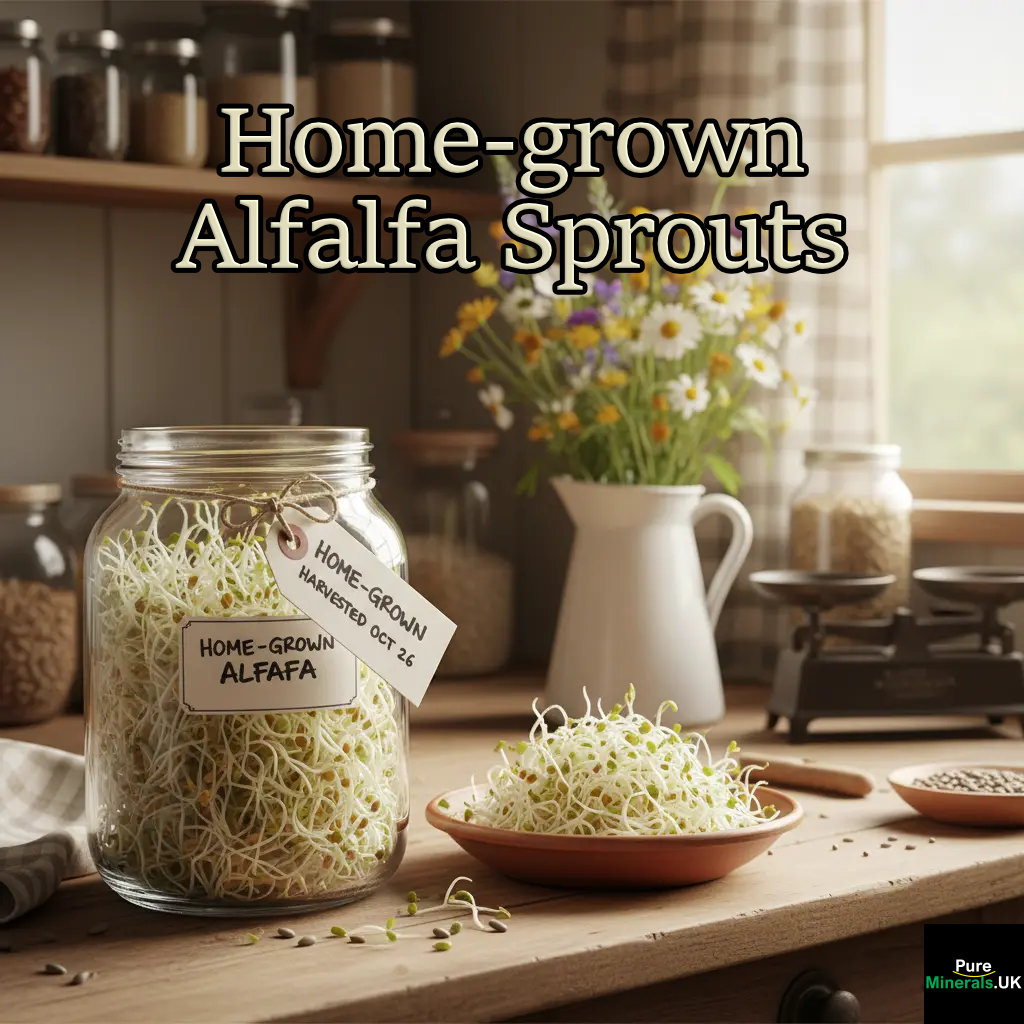
Fresh alfalfa sprouts provide the most bioactive form of this nutritional powerhouse, offering enzymes and delicate nutrients that can be diminished in processing. They add a crisp texture and mild, nutty flavor to sandwiches, wraps, salads, and Buddha bowls. Growing your own sprouts at home ensures maximum freshness and nutritional value, requiring minimal equipment – just seeds, a jar, and a sprouting lid or cheesecloth.
The sprouting process actually enhances the nutritional profile of alfalfa, making certain nutrients more bioavailable and reducing anti-nutrient compounds. This biological transformation turns already nutritious seeds into supercharged living foods with increased vitamin content and improved digestibility. For those concerned about food safety, proper sprouting techniques with attention to cleanliness and thorough rinsing help minimize contamination risks.
Dried Leaf Tea Preparation

Alfalfa leaf tea offers a convenient way to access the herb’s water-soluble nutrients and compounds. Simply steep 1-2 teaspoons of dried alfalfa leaves in hot water for 10-15 minutes, then strain and enjoy. The resulting tea has a mild, grassy flavor that pairs well with a touch of honey or lemon. Many herbalists recommend this preparation for daily maintenance of health or as a gentle support during recovery from illness. For more information on similar herbal remedies, you might be interested in valerian.
Unlike fresh sprouts, dried leaf tea can be stored for extended periods without losing significant potency, making it a practical option for consistent use. The gentle extraction process helps release minerals and water-soluble vitamins while maintaining the plant’s beneficial compounds. For enhanced effects, alfalfa tea can be combined with complementary herbs like mint for digestion, nettle for additional minerals, or red raspberry leaf for women’s health support.
Supplement Forms: Tablets, Capsules, and Powders
Supplement forms of alfalfa offer standardized dosages and convenience for those seeking therapeutic effects. Capsules and tablets typically contain dried, powdered alfalfa leaf or concentrated extracts, allowing for precise and consistent intake of the herb’s beneficial compounds. These forms bypass taste preferences and simplify incorporation into existing supplement regimens.
Alfalfa powder provides flexibility in dosing and can be easily added to smoothies, juices, or other foods. This versatile form maintains much of the plant’s nutritional integrity while offering the convenience of longer shelf life and easy measurement. Quality supplements should specify the part of the plant used (typically leaf) and ideally provide information about harvesting and processing methods that preserve nutrient content.
Liquid Extracts and Tinctures
Liquid extracts and tinctures offer highly concentrated forms of alfalfa’s beneficial compounds with rapid absorption. These preparations extract both water-soluble and alcohol-soluble components of the plant, providing a more complete phytochemical profile than tea alone. The liquid form allows for flexible dosing and is particularly useful for those who have difficulty swallowing pills or capsules.
Tinctures typically have a longer shelf life than dried herbs while maintaining potency, making them practical for long-term use. The concentrated nature of these preparations means smaller amounts are needed to achieve therapeutic effects. When selecting a liquid extract, look for products specifying the herb-to-menstruum ratio (typically 1:2 or 1:5) and extraction method, which indicates the strength and quality of the preparation.
Safety Considerations You Must Know
While alfalfa offers numerous health benefits, understanding potential safety concerns ensures appropriate and beneficial use. As with any herbal remedy, certain populations may need to exercise caution or avoid alfalfa entirely. Recognizing these contraindications helps prevent adverse effects and supports informed decision-making about incorporating alfalfa into your wellness routine.
Potential Interactions With Medications
Alfalfa may interact with certain medications, particularly blood thinners like warfarin (Coumadin), due to its vitamin K content. Since vitamin K plays a crucial role in blood clotting, consistent intake of alfalfa could potentially interfere with the effectiveness of anticoagulant medications. Individuals taking these medications should consult their healthcare provider before adding alfalfa to their routine and maintain consistent rather than fluctuating consumption if approved.
Additionally, alfalfa’s phytoestrogenic properties may potentially interact with hormone-sensitive conditions or hormone replacement therapies. Those taking medications for diabetes should also exercise caution, as alfalfa may enhance the blood sugar-lowering effects of these drugs, potentially requiring adjustments to medication dosages. Always inform your healthcare provider about all herbs and supplements you’re taking to avoid potentially harmful interactions.
Autoimmune Disease Precautions
People with autoimmune conditions like lupus, rheumatoid arthritis, or multiple sclerosis should approach alfalfa with caution. Research suggests that L-canavanine, an amino acid found primarily in alfalfa seeds and sometimes present in sprouts, may stimulate the immune system and potentially trigger flares in autoimmune conditions. While mature alfalfa leaves contain less of this compound, individuals with autoimmune disorders should consult their healthcare provider before incorporating any form of alfalfa into their diet.
Case reports have documented instances where alfalfa consumption preceded autoimmune flares, though causality isn’t definitively established. These concerns primarily involve raw sprouts and supplements rather than traditional alfalfa tea or mature leaf preparations. Those with controlled autoimmune conditions who wish to explore alfalfa’s benefits should work closely with knowledgeable healthcare practitioners to monitor for any adverse effects.
Pregnancy and Breastfeeding Safety
Pregnant women should exercise caution with alfalfa supplements due to their phytoestrogenic properties and limited safety research during pregnancy. While moderate consumption of alfalfa sprouts as food is generally considered safe for pregnant women, concentrated forms like supplements lack sufficient safety data. The hormonal effects, though mild, raise theoretical concerns about potential impacts on pregnancy, making a conservative approach advisable until more research becomes available.
Contamination Risks With Raw Sprouts
Raw alfalfa sprouts can pose contamination risks due to the warm, humid conditions required for sprouting, which can also encourage bacterial growth like Salmonella or E. coli. The FDA and CDC recommend that children, elderly individuals, pregnant women, and those with compromised immune systems avoid raw sprouts entirely to prevent foodborne illness. For others, proper home sprouting techniques with thorough cleaning and rinsing, or purchasing sprouts from reputable sources that follow stringent food safety protocols, can help minimize these risks.
How to Add Alfalfa to Your Daily Routine
Incorporating alfalfa into your daily wellness routine can be both simple and enjoyable. Whether you’re drawn to its nutritional benefits, digestive support, or potential therapeutic effects, there are multiple ways to make alfalfa a consistent part of your health regimen. Start with small amounts and gradually increase as your body adjusts to this nutrient-dense plant.
Consistency rather than quantity often yields the best results when working with nutritional herbs like alfalfa. Regular, moderate consumption allows your body to gradually adapt to and utilize the plant’s beneficial compounds. Consider rotating between different forms of alfalfa—sprouts one week, tea another—to receive the full spectrum of benefits while keeping your routine interesting and sustainable.
A great and reliable alternative is alfalfa in supplements. See our shop.
Simple Recipes Using Alfalfa Sprouts
Alfalfa sprouts add nutritional value, texture, and a mild flavor to countless dishes. Try layering them in sandwiches with avocado, tomato, and hummus for a nutrient-packed lunch, or toss them into your favorite salad for an extra nutritional boost. Their delicate crunch makes them perfect for wraps, grain bowls, and even as a garnish for soups once they’re served (adding them to hot soup would diminish their nutritional value).
For a simple yet impressive appetizer, spread cream cheese or soft goat cheese on cucumber rounds, then top with alfalfa sprouts and a tiny drizzle of high-quality olive oil and lemon juice. This elegant bite showcases the sprouts while pairing them with complementary flavors. Morning smoothies can also benefit from a small handful of sprouts—while they’ll change the texture slightly, they blend well with fruits like pineapple and mango that can mask their mild grassy flavor.
Recommended Dosage for Supplements
Alfalfa Supplement Dosage Guidelines
Form: Dried leaf capsules – 500-1000mg, 3 times daily
Form: Liquid extract (1:1) – 1-2ml, 3 times daily
Form: Tea – 1-2 teaspoons dried leaf per cup, 1-3 cups daily
Form: Fresh sprouts – 1/4 to 1/2 cup daily
Note: Individual needs may vary. Start with lower dosages and increase gradually.
When selecting alfalfa supplements, quality matters significantly. Look for products from reputable companies that conduct third-party testing and clearly state the plant part used, harvesting practices, and processing methods. Organic certification helps ensure the alfalfa was grown without synthetic pesticides or fertilizers, which is particularly important given the plant’s ability to absorb minerals from soil.
Supplement timing can influence effectiveness and absorption. Taking alfalfa leaf capsules with meals may enhance the absorption of fat-soluble components while potentially reducing any mild digestive discomfort. Liquid extracts are typically taken between meals for optimal absorption of their therapeutic compounds, while tea can be enjoyed at any time of day according to personal preference.
Remember that herbal supplements, including alfalfa, generally work best when used consistently over time rather than sporadically. Results may take several weeks to become noticeable, particularly for effects on cholesterol levels or hormonal balance. Keeping a simple health journal can help you track benefits and any potential sensitivities as you incorporate alfalfa into your wellness routine.
Best Times of Day for Consumption
The optimal timing for alfalfa consumption depends on your health goals and the form you’re using. For digestive support, consider alfalfa tea 15-30 minutes before meals to stimulate digestive secretions and enhance nutrient absorption. For general nutritional support, morning consumption of sprouts or supplements may align with your body’s natural rhythms of nutrient utilization, while those using alfalfa for sleep support might benefit from evening tea consumption, particularly when combined with calming herbs like chamomile or lemon balm.
Final Thoughts: Balancing Benefits and Precautions
Alfalfa stands as one of nature’s most balanced nutritional offerings, providing an impressive array of vitamins, minerals, and beneficial compounds that support overall health and well-being. When used mindfully with awareness of potential contraindications, this versatile plant can be a valuable addition to a holistic wellness approach.
Whether you’re drawn to its cholesterol-managing properties, digestive benefits, or women’s health applications, the key lies in finding the right form and dosage that works for your unique constitution and health goals. Remember that while alfalfa offers significant potential benefits, it works best as part of a comprehensive approach to health that includes a varied diet, regular movement, stress management, and appropriate medical care when needed. Gaia Herbs offers premium alfalfa products that harness the full potential of this remarkable plant to support your journey toward optimal health and vitality.
Important Note: Alfalfa
Alfalfa is high in vitamin K, which may interfere with anticoagulant medications such as warfarin. Individuals with autoimmune conditions, hormone-sensitive disorders, or those taking prescription medication should consult a qualified healthcare professional before using alfalfa supplements. Alfalfa sprouts may pose a food-safety risk if improperly grown or consumed by immunocompromised individuals.
Frequently Asked Questions
As interest in natural remedies grows, so do questions about traditional plants like alfalfa. Understanding the nuances of this herb’s applications, safety considerations, and practical usage helps you make informed decisions about incorporating it into your wellness routine. The following frequently asked questions address common concerns and provide evidence-based guidance for using alfalfa effectively and safely.
While general information provides a foundation, remember that individual responses to herbs can vary based on personal health factors, existing conditions, and concurrent medications. Consulting with a knowledgeable healthcare practitioner, particularly one experienced with botanical medicine, remains the best approach for personalized guidance.
Can alfalfa supplements help with menopause symptoms?
Alfalfa contains phytoestrogens that may help balance hormonal fluctuations during menopause, potentially reducing symptoms like hot flashes and night sweats. These plant compounds exert a gentle, modulating effect on estrogen receptors rather than mimicking estrogen exactly. Many women report subjective improvement in menopausal discomfort when using alfalfa regularly, though clinical studies specifically examining alfalfa for menopause are limited.
For optimal results, alfalfa is often most effective when combined with other hormone-supporting herbs like black cohosh, red clover, or dong quai. These botanical combinations can address multiple aspects of menopausal transition more comprehensively than any single herb. Starting with alfalfa tea daily for 2-3 weeks provides a gentle introduction and allows you to assess your body’s response before considering more concentrated supplements.
Is alfalfa safe for people taking blood thinners?
People taking blood thinners like warfarin (Coumadin) should exercise caution with alfalfa due to its vitamin K content. Vitamin K plays a crucial role in blood clotting and can potentially counteract the effects of anticoagulant medications. This doesn’t necessarily mean alfalfa must be avoided entirely, but rather that intake should be consistent rather than fluctuating, and your healthcare provider should be informed about and monitor its use.
- Consult your healthcare provider before adding alfalfa to your regimen
- Maintain consistent rather than variable intake if approved
- Monitor INR levels more frequently when beginning alfalfa
- Consider dried leaf preparations over sprouts for more predictable vitamin K content
- Be aware that liquid extracts may have different effects than whole herb forms
Working with healthcare providers knowledgeable about herb-drug interactions helps create a balanced approach that maintains the effectiveness of necessary medications while potentially incorporating beneficial herbs like alfalfa. Some practitioners may recommend avoiding alfalfa entirely with certain medications, while others may help you incorporate it safely with appropriate monitoring and dosage adjustments.
Remember that even natural substances can have powerful effects on the body, particularly when concentrated in supplement form. This underscores the importance of full disclosure with all healthcare providers about herbs and supplements you’re taking or considering.
How long does it take to grow alfalfa sprouts at home?
Growing alfalfa sprouts at home typically takes 5-7 days from initial soaking to harvest, making it one of the quickest ways to grow fresh, living food in your kitchen. The process begins with soaking organic alfalfa seeds for 8-12 hours, followed by rinsing and draining 2-3 times daily to maintain optimal moisture and prevent mold growth. By days 3-4, you’ll see small white sprouts emerging, and by days 5-7, the sprouts will develop tiny green leaves and reach 1-2 inches in length, indicating they’re ready for harvest, rinsing, and refrigeration.
Can alfalfa supplements lower cholesterol as effectively as medication?
While alfalfa shows promising cholesterol-lowering effects, it generally doesn’t match the potency or consistency of prescription medications like statins. Research suggests alfalfa may help reduce LDL cholesterol by 5-10% in some individuals, compared to the 20-60% reductions possible with statins. This more modest effect makes alfalfa better suited as a complementary approach for those with mild cholesterol elevations or as part of a comprehensive lifestyle strategy that includes dietary improvements, regular exercise, and stress management.
For individuals with high cardiovascular risk or significantly elevated cholesterol, alfalfa alone would likely be insufficient as a primary intervention. However, some studies suggest that combining alfalfa with conventional treatments may enhance overall effectiveness, potentially allowing for lower medication dosages. This integrative approach should always be managed by healthcare providers who can monitor lipid profiles and adjust treatments accordingly.
Comparing Cholesterol Management Approaches
Approach: Alfalfa supplements – Potential LDL reduction: 5-10% – Timeframe: 8-12 weeks
Approach: Dietary changes (low saturated fat) – Potential LDL reduction: 5-15% – Timeframe: 4-6 weeks
Approach: Regular aerobic exercise – Potential LDL reduction: 3-8% – Timeframe: 12-24 weeks
Approach: Statin medications – Potential LDL reduction: 20-60% – Timeframe: 2-4 weeks
Approach: Combined lifestyle changes – Potential LDL reduction: 10-30% – Timeframe: 8-12 weeks
When considering alfalfa for cholesterol management, expectations should align with the herb’s moderate effects rather than expecting dramatic results comparable to pharmaceuticals. The advantage of botanical approaches often lies in their gentleness, broader nutritional benefits, and typically fewer side effects rather than their potency for specific biomarkers.
Are there any specific varieties of alfalfa that are more nutritious than others?
While over 100 varieties of alfalfa exist, research comparing their nutritional profiles specifically for human consumption remains limited. Most nutritional studies focus on agricultural varieties developed for livestock feed rather than human health applications. That said, organic alfalfa generally contains higher levels of beneficial phytochemicals compared to conventionally grown varieties, as plants naturally produce more protective compounds when grown without synthetic pesticides.
Traditional medicinal texts often specify that alfalfa harvested just before or at early flowering stages contains optimal levels of therapeutic compounds. This timing represents a balance point where the plant has developed its full complement of phytochemicals but hasn’t yet directed energy toward seed production. When selecting alfalfa seeds for sprouting or supplements derived from alfalfa, organic certification and information about harvesting practices may prove more relevant to nutritional quality than specific varietal differences.