

Published: 8 March 2026
This article is periodically reviewed and updated to reflect current scientific understanding by Vic George.
Fact-Checked: 2 other authoritative medical/scientific references. See our Editorial Policy.
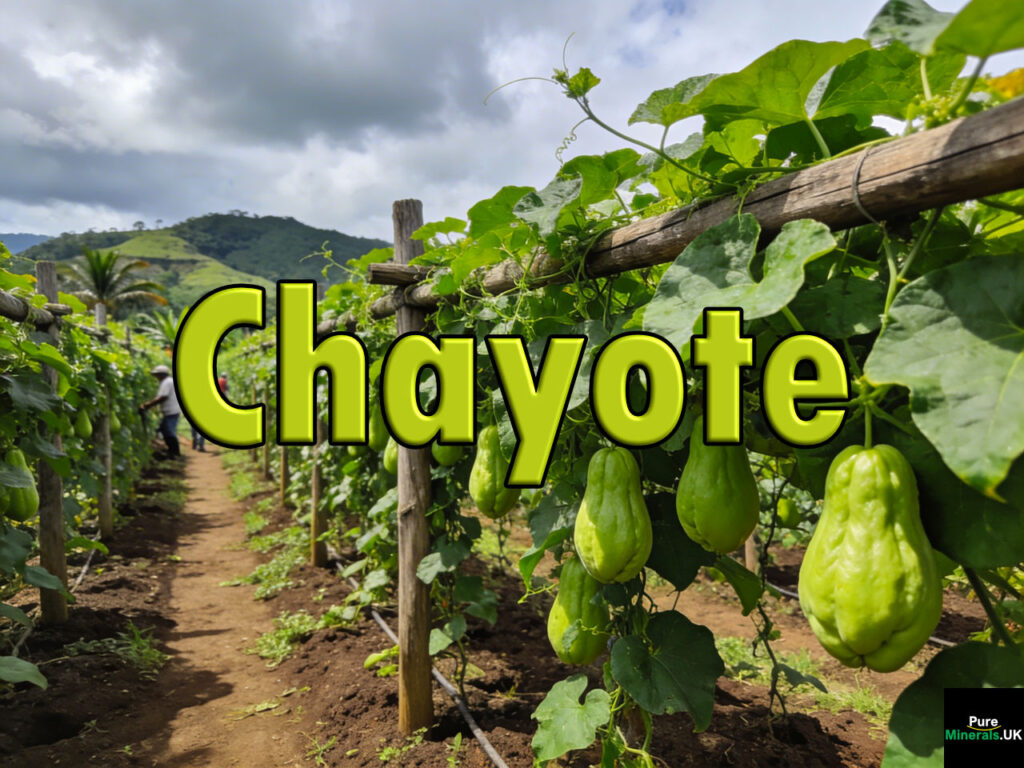
What Is Chayote?
Chayote is the edible fruit of Sechium edule, a climbing vine in the Cucurbitaceae family, cultivated for its mild-flavored, pear-shaped fruit. Although botanically a fruit, it is commonly classified and consumed as a vegetable due to its culinary uses and low sugar content.
Definition
Chayote is the edible fruit of Sechium edule, a tropical vine belonging to the Cucurbitaceae family, consumed as a vegetable. The plant is primarily grown in warm, tropical, and subtropical climates, with major commercial production in Costa Rica, Guatemala, Mexico, and the Dominican Republic. Native to Mesoamerica, these vining plants require a trellis and are cultivated worldwide in similar climates, including Florida and Louisiana.
Extended Definition
Chayote belongs to the Cucurbitaceae family, which includes cucumbers, squash, pumpkins, and melons. The plant grows as a vigorous climbing vine that produces light green, wrinkled fruits with a single large seed inside.
The fruit has a crisp texture and a mild, slightly sweet flavor that allows it to absorb surrounding flavors in culinary preparations. Unlike many cucurbit fruits, chayote is typically harvested while immature, when the flesh remains tender, and the skin is thin enough to be consumed.
Nutritionally, chayote provides dietary fiber, vitamin C, folate, and potassium. Its high water content and low energy density make it a common ingredient in dishes where light texture and hydration are desired.
Chayote also contains small amounts of flavonoids and other plant-derived phenolic compounds that contribute to the plant’s natural defense systems. These compounds are typical of many vegetables and contribute to the plant’s resilience against environmental stress.
In addition to the fruit, other parts of the chayote plant are edible. The young shoots, leaves, and roots are consumed in various culinary traditions, particularly in Central America and Southeast Asia.
Chayote is often prepared by steaming, sautéing, boiling, or adding it to soups and stews.
Key Facts
Botanical name: Sechium edule
Plant family: Cucurbitaceae
Common classification: Fruit vegetable
Origin: Mesoamerica, particularly Mexico and Central America
Edible part: Fruit (also young shoots and leaves in some cuisines)
Typical color: Light green to pale green
Primary nutrients: Fiber, vitamin C, folate, potassium
Key phytonutrients: Flavonoids, phenolic compounds
Energy density: Very low
Notable compounds: Polyphenols and plant antioxidants
Culinary uses: Steamed dishes, stir-fries, soups, salads, and stews
Article At A Glance
- Chayote is a low-calorie, nutrient-dense squash packed with folate, vitamin C, potassium, and fiber — making it a powerful addition to any health-focused diet.
- One chayote provides over 31% of your daily folate needs, a critical nutrient for pregnancy, cell repair, and cardiovascular health.
- Chayote contains four specific antioxidant compounds — quercetin, myricetin, morin, and kaempferol — that actively fight oxidative stress at the cellular level.
- Research suggests chayote may support blood pressure regulation, improve HbA1c levels, and raise HDL (good) cholesterol.
- Chayote’s rarely-discussed plant compounds may protect cells from aging.
This unassuming green squash quietly outperforms most vegetables on the nutritional scoreboard, and most people have never even tried it.
Chayote (Sechium edule) is technically a fruit, though it’s eaten like a vegetable in kitchens across Latin America, Asia, and the Caribbean. It’s pear-shaped, pale green, and covered in ridges, with a mild, crisp flesh that tastes somewhere between cucumber and zucchini. What it lacks in bold flavor, it more than makes up for in nutritional depth. For those exploring natural ways to support their health through whole foods, chayote is one of the most underrated options available.
Chayote Is More Nutritious Than It Looks
At first glance, chayote seems like a plain, watery vegetable with not much going on. But once you break down the actual nutrient content, a very different picture emerges. It delivers a meaningful dose of vitamins, minerals, and antioxidants — all within a package that contains very few calories and a solid amount of dietary fiber. That combination is rare, and it’s exactly what makes chayote worth understanding.
Every part of the chayote plant is edible, including the skin, flesh, seeds, leaves, and flowers. This is not common for most produce, and it dramatically increases how much nutritional value you can extract from a single plant. The leaves are used to brew tea, the squash can be juiced, and the flesh can be eaten raw or cooked, depending on the dish.
Chayote Nutritional Profile: What One Squash Delivers
The numbers behind chayote’s nutrition tell a compelling story. A one-cup serving (approximately 160 grams) of raw chayote provides a clean spread of macronutrients and micronutrients without loading your diet with excess calories or sugar. It fits naturally into low-carb, high-fiber, and whole-food eating patterns without any special preparation.
Calories, Carbohydrates, and Fiber
One cup of raw chayote contains roughly 25 calories, about 6 grams of carbohydrates, and close to 2.5 grams of dietary fiber. That fiber content supports healthy digestion and helps regulate blood sugar by slowing glucose absorption. For anyone managing their weight or blood sugar naturally, these numbers make chayote an easy, guilt-free staple.
Vitamins: Folate, Vitamin C, Vitamin K, and B6
Chayote’s vitamin lineup is where it genuinely stands out. A single whole chayote provides approximately 31.5% of the daily value (DV) for folate, which is critical for DNA synthesis, red blood cell formation, and fetal neural tube development. It also delivers a solid dose of vitamin C — a water-soluble antioxidant that supports immune function, collagen synthesis, and skin repair. Vitamin K and B6 round out the profile, supporting bone metabolism and neurotransmitter production, respectively. To learn more about the health benefits of chayote, visit WebMD.
Minerals: Potassium, Manganese, Copper, and Zinc
On the mineral side, chayote provides potassium for blood pressure regulation, manganese for enzyme function and bone formation, copper for iron metabolism, and zinc for immune defense and wound healing. Smaller amounts of calcium, iron, selenium, and choline are also present. This breadth of mineral content — all from a 25-calorie serving — is what separates chayote from more commonly celebrated vegetables.
Plant Compounds in Chayote
Beyond vitamins and minerals, chayote contains a class of biologically active compounds that don’t show up on a standard nutrition label. These plant-based molecules are where a lot of chayote’s deeper health benefits originate, and they’re getting increasing attention in nutritional research.
Polyphenols and Flavonoids
Chayote squash provides four specific antioxidant polyphenols: quercetin, myricetin, morin, and kaempferol. Each of these flavonoids has been studied independently for anti-inflammatory, anticancer, and cardioprotective properties. Together, they form a phytochemical network that works to neutralize free radicals, reduce chronic inflammation, and protect cellular integrity. Quercetin alone has been linked to reduced blood pressure and improved immune modulation in multiple studies.
Antioxidant Enzymes and Nrf2 Activation
Chayote also stimulates the body’s own internal antioxidant defenses. Its compounds have been shown to activate the Nrf2 pathway — a master regulator of cellular antioxidant response that triggers the production of protective enzymes like superoxide dismutase and glutathione peroxidase. This means chayote doesn’t just deliver antioxidants directly; it signals your body to produce more of its own. That’s a meaningful distinction from most foods, and it’s a key reason chayote keeps appearing in research on metabolic syndrome and aging.
What Chayote Actually Does for Your Health
The nutritional profile is impressive on paper, but what does eating chayote actually do inside your body? Quite a lot, it turns out — and the effects span everything from cardiovascular function to how quickly your cells age. The research is still growing, but what’s already documented points to a food that earns its place as a genuine functional ingredient, not just a filler vegetable.
Folate and Pregnancy Support
Folate is one of the most critical nutrients during pregnancy, and chayote delivers it in meaningful amounts. Adequate folate intake during the early weeks of pregnancy significantly reduces the risk of neural tube defects like spina bifida. One whole chayote covering over 31% of the daily folate requirement makes it a practical, food-based way to meet those elevated needs — especially for people who prefer to get their nutrients from whole foods rather than supplements. It also supports healthy cell division and DNA repair outside of pregnancy, making it valuable for everyone.
Oxidative Stress Reduction in Metabolic Syndrome
Metabolic syndrome — a cluster of conditions including high blood sugar, excess abdominal fat, and abnormal cholesterol levels — is closely linked to chronic oxidative stress. Research published in PMC suggests chayote’s antioxidant compounds actively combat this oxidative burden. Its ability to activate the Nrf2 pathway means it helps the body mount a sustained antioxidant defense, not just a brief spike from a single nutrient. For people managing metabolic conditions through diet, this makes chayote a particularly strategic food choice.
Blood Pressure, HbA1c, and HDL Cholesterol
Studies suggest chayote’s nutrient profile — specifically its potassium content and flavonoid compounds — may help regulate blood pressure by supporting healthy vessel tone and reducing arterial stiffness. Beyond blood pressure, research points to improvements in HbA1c levels (a long-term marker of blood sugar control) and increases in HDL cholesterol, the protective form that helps clear arterial buildup. These three effects together make chayote relevant for anyone focused on cardiovascular and metabolic health through natural dietary means.
Liver Health and Digestive Support
Chayote has traditionally been used in folk medicine to support liver function, and there is emerging scientific interest in this application. Its fiber content supports healthy gut motility and feeds beneficial gut bacteria, which indirectly support liver detoxification pathways. The antioxidant compounds in chayote also appear to offer some hepatoprotective effects, though more human studies are needed to fully establish the mechanisms. What’s clear is that its combination of fiber and polyphenols creates conditions favorable to both digestive and liver health.
Cellular Aging and Telomere Protection
One of the more fascinating areas of chayote research involves its potential role in slowing cellular aging. Telomeres — the protective caps at the ends of chromosomes — shorten over time as cells divide, and this shortening is associated with aging and age-related disease.
The antioxidant compounds in chayote, particularly its flavonoids and vitamin C, help reduce the oxidative stress that accelerates telomere degradation. By lowering the oxidative load on cells, chayote may help preserve telomere length and slow the biological aging process at the cellular level.
This is still an emerging area of nutritional science, but the connection between dietary antioxidants and telomere protection is well-supported in broader research. Chayote’s specific phytochemical profile makes it a logical candidate for further investigation in this space.
Anticancer Potential of Sechium Edule
Chayote’s flavonoids — particularly quercetin and kaempferol — have been studied for their ability to interfere with cancer cell proliferation and trigger apoptosis (programmed cell death) in abnormal cells. These compounds work by modulating specific signaling pathways that cancer cells rely on to grow and evade immune detection. While chayote is not a cancer treatment, including foods rich in these specific polyphenols as part of a broader whole-food diet is a well-supported strategy for long-term cellular protection. The research on Sechium edule in this area is promising, particularly in the context of colorectal and liver cancer cell lines.
How Vitamin C in Chayote Supports Skin Health
Vitamin C is the single most important nutrient for collagen synthesis — the structural protein that keeps skin firm, elastic, and resilient. Chayote’s vitamin C content contributes directly to this process by acting as a cofactor for the enzymes that build and stabilize collagen fibers. Beyond collagen, vitamin C neutralizes UV-induced free radicals that break down existing skin structure and accelerate visible aging. For anyone approaching skin health from a dietary angle rather than a topical one, consistently eating vitamin C-rich foods like chayote provides a foundation that skincare products simply cannot replicate on their own.
How to Eat Chayote Every Day
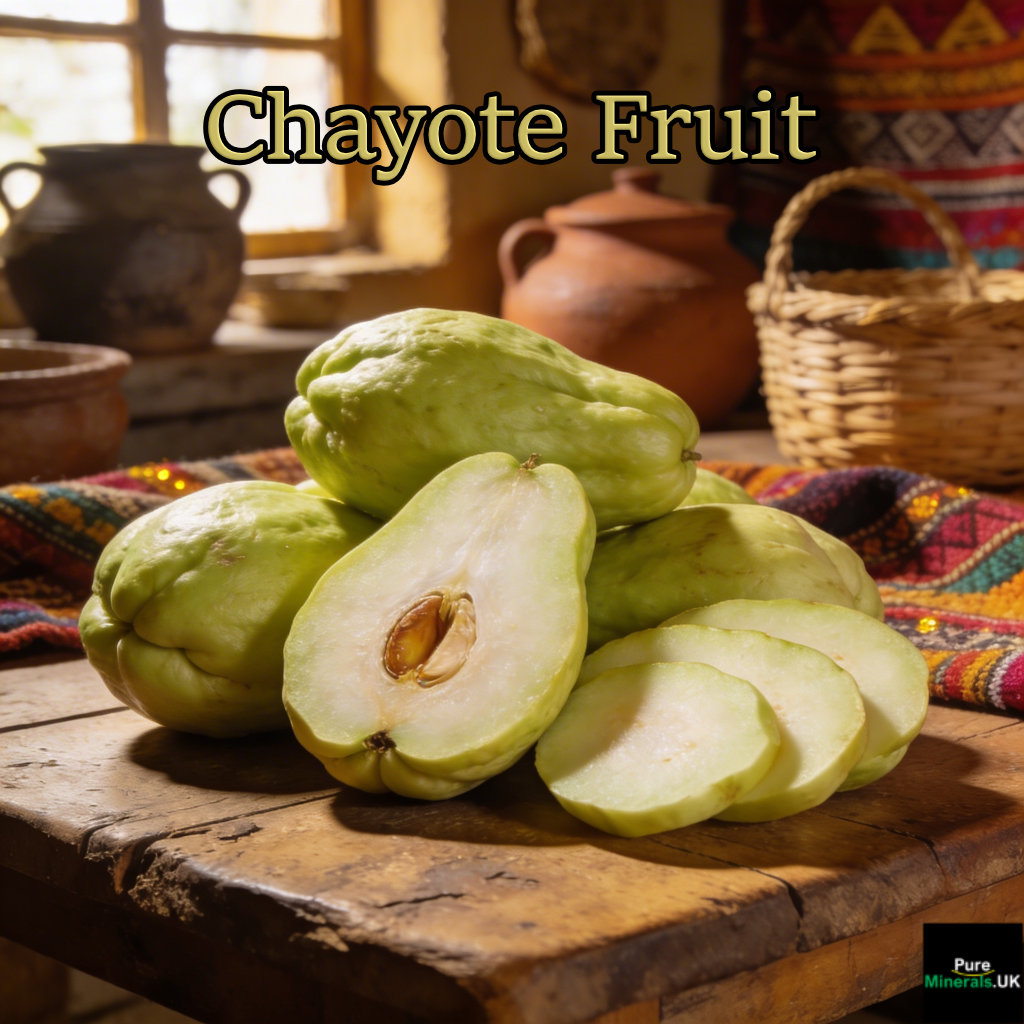
Chayote is genuinely one of the most versatile whole foods available — it adapts to almost any cooking method and absorbs surrounding flavors well, making it easy to work into existing meals without overhauling your diet. Whether you eat it raw in salads, sautéed with garlic and olive oil, added to soups and stews, or even sliced and roasted, the preparation barrier is low. Its mild, slightly sweet flavor sits somewhere between cucumber and zucchini, meaning it pairs with both savory and lightly sweet dishes without clashing.
Raw vs. Cooked: What Changes Nutritionally
Eating chayote raw preserves its full vitamin C content, since heat degrades this water-soluble vitamin over time. Raw chayote also retains its natural enzyme activity and delivers a satisfying crunch that works well in slaws, salads, and fresh salsas. That said, cooking chayote is not a nutritional loss — it softens the fiber into a more digestible form, which can be beneficial for people with sensitive digestive systems, and the fat-soluble compounds like carotenoids actually become more bioavailable with light cooking. The practical answer is to rotate between both — raw for vitamin C preservation, cooked for digestibility and versatility.
Using Chayote Leaves and Juice
The leaves of the chayote plant are edible and have been used in traditional medicine across Central America and Southeast Asia for generations. Brewed as a tea, chayote leaves are used to support kidney function, reduce blood pressure, and ease digestive discomfort. They contain many of the same antioxidant compounds found in the fruit, making the tea a concentrated way to access those benefits without eating the squash itself.
Juicing chayote is another option that’s grown in popularity among health-focused communities. The juice is mild, hydrating, and delivers a quick dose of folate, potassium, and vitamin C in liquid form. It blends well with ginger, lemon, or cucumber for a clean, functional drink that supports hydration and micronutrient intake simultaneously. For more information on the benefits of chayote, check out this Healthline article.
Chayote Belongs in Your Weekly Rotation
Few vegetables deliver the combination of high folate, meaningful vitamin C, four distinct antioxidant flavonoids, broad mineral coverage, and low calorie density that chayote does. It’s not a trendy superfood with an inflated price tag — it’s a quietly powerful whole food that has sustained communities across Latin America and Asia for centuries, and the nutritional science is steadily catching up to what traditional food cultures already knew.
Adding chayote to your weekly meals is one of the simplest, most cost-effective ways to broaden your micronutrient intake, support cardiovascular health, and reduce the oxidative load on your cells — all without supplements or complicated routines. Start with one or two servings a week, raw or cooked, and build from there.
Important note: Chayote
Chayote is widely recognized as safe for consumption. This article is provided for educational purposes only and does not constitute medical advice. Individuals with specific dietary conditions or allergies should consult a qualified healthcare professional before making significant dietary changes.
Frequently Asked Questions
- Is chayote a fruit or a vegetable? — Botanically a fruit, culinarily a vegetable.
- How much folate is in one chayote? — Approximately 31.5% of the daily value.
- Can chayote help with weight loss? — Yes, through its low-calorie and high fiber content.
- Is chayote safe during pregnancy? — Yes, and its folate content makes it particularly beneficial.
- What does chayote taste like? — Mild, slightly sweet, similar to cucumber or zucchini.
Is Chayote a Fruit or a Vegetable?
Chayote is botanically classified as a fruit because it develops from the flower of the plant and contains a single seed. However, in culinary practice, it is universally treated as a vegetable — prepared in savory dishes, cooked alongside proteins, and used as a starchy side or soup ingredient. This distinction matters less in the kitchen and more in the garden, where chayote grows as a climbing vine that produces fruit prolifically throughout the growing season.
How Much Folate Does One Chayote Contain?
One whole chayote provides approximately 31.5% of the daily value for folate, based on USDA nutritional data. This makes it one of the more significant whole-food sources of folate available, particularly relevant for pregnant individuals, those with MTHFR gene variants that affect folate metabolism, and anyone focused on cardiovascular health, since folate helps regulate homocysteine levels in the blood.
Can Chayote Help With Weight Loss?
Chayote supports healthy weight management through two primary mechanisms: its very low calorie density and its meaningful fiber content. At roughly 25 calories per cup, you can eat a generous serving without creating a significant caloric surplus. The fiber slows digestion, extends satiety, and helps prevent the blood sugar spikes that drive cravings and overeating.
It also has a high water content, which adds volume to meals without adding calories — a principle known as volumetrics that is well-supported in weight management research. Foods with high water and fiber content consistently outperform low-fiber alternatives in satiety studies.
Chayote at a Glance for Weight Management:
🟢 ~25 calories per cup (160g)
🟢 ~2.5g dietary fiber per serving
🟢 High water content for volume and satiety
🟢 Low glycemic impact — supports stable blood sugar
🟢 Versatile enough to replace higher-calorie ingredients in soups, stews, and stir-fries
Replacing higher-calorie starchy vegetables like potatoes with chayote in everyday cooking is one of the most practical and painless ways to reduce overall caloric intake without reducing portion sizes or sacrificing satisfaction.
Is Chayote Safe to Eat During Pregnancy?
Chayote is not only safe during pregnancy — it’s genuinely beneficial. Its folate content directly supports fetal neural tube development during the critical early weeks of pregnancy, and its vitamin C, potassium, and fiber content address common nutritional needs during gestation. It is a low-risk, nutrient-dense food with no known contraindications during pregnancy when consumed as part of a normal diet. For more information on the health benefits of chayote, consult a healthcare provider for personalized prenatal nutrition guidance.
What Does Chayote Taste Like?
Chayote has a mild, clean flavor with a slight sweetness and a crisp texture when raw that softens considerably when cooked. Most people compare it to a cross between cucumber and zucchini, with none of the bitterness that some squashes carry. Its neutrality is actually one of its greatest culinary strengths — it absorbs the flavors of whatever it’s cooked with, making it adaptable to spicy, savory, or lightly sweet preparations.
Raw chayote works beautifully in fresh slaws and salads where its crunch adds texture. Cooked, it becomes tender and creamy, fitting naturally into curries, soups, stews, and stir-fries. The seed at the center is also edible and carries a slightly nutty flavor when cooked — a small bonus that most people discard without realizing it’s worth eating.
If you’ve been looking for a low-effort way to expand your whole-food repertoire with something that genuinely delivers on the nutritional side, chayote is a strong starting point.
Chayote is a versatile vegetable that is often used in a variety of dishes. It is rich in vitamins and minerals, making it a nutritious addition to any meal. Similar to other vegetables like bitter melon, chayote is low in calories and high in fiber, which can aid in digestion and weight management. Its mild flavor allows it to be easily incorporated into both savory and sweet recipes, making it a popular choice among health-conscious individuals.