

Published: 2 February 2026
Last Updated: 25 February 2026
This article is periodically reviewed and updated to reflect current scientific understanding by Vic George.
What Is Red Onion and Why Is It Considered a Superfood?
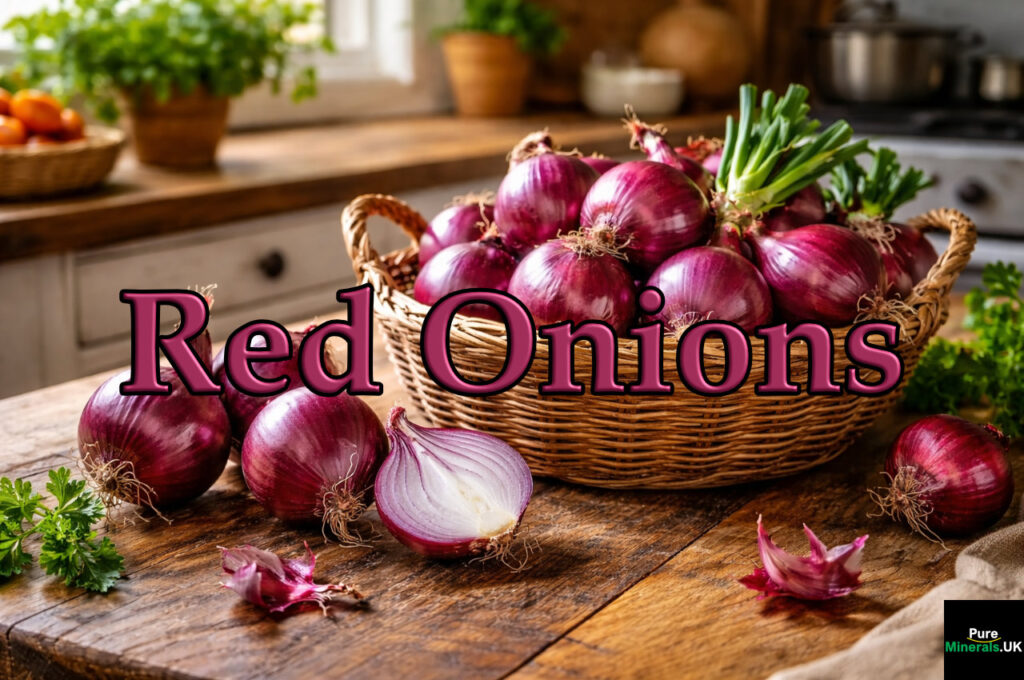
Red onions (Allium cepa) are widely used vegetables valued for their distinctive colour, flavour, and nutritional content. They are often described as a superfood because they provide dietary fiber, vitamin C, vitamin B6, potassium, and a range of naturally occurring plant compounds, particularly flavonoids such as quercetin and anthocyanins.
From a nutritional perspective, red onions contribute to overall diet quality by supplying micronutrients and bioactive plant compounds that support normal cellular, immune, and metabolic functions. Their value lies not in a single specific effect, but in their ability to enhance flavour and nutritional diversity when included regularly as part of a balanced whole-food diet.
Red onions can be eaten raw in salads and sandwiches, cooked in stir-fries and sauces, or lightly pickled for use as a garnish. Cooking softens their flavour and texture, while raw onions retain higher levels of certain antioxidants. As with all foods commonly labelled as superfoods, red onions offer the greatest benefit when consumed consistently and in sensible portions as part of long-term healthy dietary habits.
Key Takeaways
- Red onions contain higher levels of antioxidants than white onions, particularly quercetin and anthocyanins, which help fight inflammation and protect against chronic diseases.
- Regular consumption of red onions has been linked to improved heart health, with potential benefits for blood pressure and cholesterol levels.
- The quercetin in red onions may help inhibit cancer cell growth and provide protection against certain types of cancer.
- Despite their powerful flavor, red onions are surprisingly low in calories while providing valuable nutrients like vitamin C, potassium, and fiber.
- Adding raw red onions to salads and sandwiches maximizes their nutritional benefits, as some compounds are partially diminished during cooking.
Red onions might make you tear up when cutting them, but their impressive health benefits are worth the momentary discomfort. These vibrant purple bulbs are more than just a flavorful addition to your meals — they’re packed with compounds that actively work to improve your health. Incorporating red onions regularly into your diet is one of the simplest ways to boost your antioxidant intake and support overall wellness.
What makes red onions special is their unique combination of flavonoids and sulfur compounds that work synergistically in the body. According to research published in Frontiers in Nutrition, red onions contain significantly higher levels of anthocyanins and quercetin compared to their white counterparts. These powerful plant compounds have been linked to everything from heart health to cancer prevention, making red onions a worthy addition to your shopping list.
Prevention Magazine notes that while both red and white onions provide health benefits, “white onions tend to be easier to digest, but red onions have higher amounts of antioxidants, specifically quercetin and anthocyanins,” making them particularly valuable for those looking to maximize nutritional density in their meals. Let’s dive deeper into why these purple gems deserve a prominent place in your kitchen.
Why Red Onions Are Nature’s Antioxidant Powerhouse

The distinctive purple-reddish hue of red onions isn’t just visually appealing — it’s a direct indication of their exceptional antioxidant content. These colorful compounds, called anthocyanins, belong to the flavonoid family and are the same beneficial pigments found in blueberries, red wine, and purple cabbage. Unlike white onions, which contain fewer colored compounds, red onions offer a concentrated dose of these protective plant chemicals that help neutralize harmful free radicals in the body.
Free radical damage has been implicated in everything from premature aging to chronic disease development. The antioxidants in red onions effectively combat oxidative stress, with research showing that they have among the highest antioxidant activity among common vegetables. One medium red onion provides a significant amount of your daily antioxidant needs, making it an efficient nutritional choice. For a variety of antioxidant-rich vegetables, consider adding red bell peppers to your diet as well.
What’s particularly impressive about red onions is that they deliver these benefits in a low-calorie, versatile package that can be incorporated into countless dishes. Whether raw in salads, caramelized as a topping, or diced into salsas, these flavor-packed bulbs enhance both the taste and nutritional profile of your meals without adding significant calories or unwanted ingredients.
The Impressive Nutritional Profile of Red Onions
Beyond their antioxidant content, red onions offer an impressive array of essential nutrients. According to USDA data, a 100-gram serving (about 1 cup sliced) of raw red onion contains just 36 calories, provides approximately 1 gram of protein, negligible fat, and about 8 grams of carbohydrates, with 1 gram of dietary fiber. This makes them an excellent addition to meals without significantly impacting your caloric intake.
Key Vitamins and Minerals Found in Red Onions
Red onions are particularly rich in vitamin C, providing immune support and enhancing iron absorption from other foods. They also contain respectable amounts of vitamin B6, which supports brain development and function, along with folate, important for cell division and DNA synthesis. The mineral content of red onions is equally impressive, with potassium leading the way. This essential mineral helps regulate blood pressure and fluid balance while supporting proper muscle and nerve function.
Red onions also provide smaller but valuable amounts of calcium, iron, magnesium, and phosphorus. These minerals work together to support bone health, oxygen transport, energy production, and countless enzymatic reactions throughout the body. What makes red onions particularly special is that they deliver these nutrients in a form that’s readily available for absorption, especially when consumed raw or lightly cooked.
Anthocyanins: The Compounds Behind the Purple Color
The vivid purple-red color that distinguishes red onions from their paler counterparts comes from anthocyanins, water-soluble vacuolar pigments that belong to the phenolic group. These compounds aren’t just responsible for the onion’s appealing color – they’re potent antioxidants with significant health-promoting properties. Research published in multiple nutrition journals has demonstrated that anthocyanins may help protect against various chronic diseases, including cardiovascular disease, certain cancers, and neurodegenerative conditions.
What makes red onions special is their particularly high concentration of these beneficial compounds compared to many other vegetables. The anthocyanin content is highest in the outermost layers of the onion, which is why the color intensity fades toward the center. To maximize your intake of these beneficial compounds, be sure to use the entire onion, including the deeper-colored outer layers (after removing the papery skin, of course).
Interestingly, the anthocyanin content in red onions can vary based on growing conditions, with factors like soil composition, climate, and even stress levels during growth affecting the final concentration. Generally, onions grown in mineral-rich soil with moderate stress (such as slightly limited water) tend to produce higher levels of protective compounds as a natural defense mechanism.
- Anthocyanins act as powerful antioxidants that neutralize free radicals
- These compounds may help reduce inflammation throughout the body
- Red onion anthocyanins have been shown to have antimicrobial properties
- The concentration is highest in the outer layers of the onion
- Cooking partially reduces anthocyanin content, making raw consumption ideal for maximum benefits
Quercetin Content: Higher Than Most Common Foods
Red onions are one of the richest dietary sources of quercetin, a flavonoid with remarkable anti-inflammatory and antioxidant properties. This powerful compound has been extensively studied for its ability to combat free radical damage and reduce inflammation at the cellular level. In fact, red onions contain significantly more quercetin than most common foods, with concentrations that can exceed those found in apples, berries, and even green tea.
The quercetin content in red onions is particularly concentrated just beneath the outer skin, so avoid over-peeling when preparing them. Research indicates that this compound may help inhibit histamine release, potentially providing relief for allergy sufferers. Additionally, quercetin has demonstrated promising effects in laboratory studies for inhibiting the growth of cancer cells, particularly those associated with colon, breast, and prostate cancers.
What makes quercetin in red onions especially valuable is its bioavailability. When consumed with healthy fats, the absorption of quercetin can increase substantially, making a red onion garnish on an avocado salad or olive oil-dressed vegetables an excellent nutritional strategy. Regular consumption of quercetin-rich foods like red onions may provide cumulative benefits over time, especially for those dealing with chronic inflammation or oxidative stress.
5 Major Health Benefits of Eating Red Onions Regularly
Incorporating red onions into your regular diet can yield impressive health benefits that extend far beyond their culinary uses. From supporting heart health to potentially preventing serious diseases, these vibrant vegetables offer a wide range of protective effects. The combination of flavonoids, sulfur compounds, and essential nutrients works synergistically to promote wellness throughout the body in ways that few other foods can match.
1. Heart Disease Prevention and Blood Pressure Control
Red onions contain compounds that actively support cardiovascular health through multiple mechanisms. The high quercetin content helps reduce inflammation in blood vessels while also inhibiting platelet aggregation, potentially reducing the risk of dangerous blood clots. Studies have shown that regular consumption of quercetin-rich foods like red onions may help lower blood pressure levels, particularly in individuals with hypertension.
The sulfur compounds in red onions also contribute to heart health by helping reduce cholesterol production in the liver. Additionally, red onions are a good source of potassium, an essential mineral that helps counterbalance sodium’s effects on blood pressure. Just one medium red onion provides approximately 10% of your daily potassium needs, making it a heart-smart addition to meals.
Research published in the Journal of Functional Foods suggests that anthocyanins from red onions may help prevent the oxidation of LDL cholesterol, a critical step in the development of atherosclerosis. By incorporating red onions regularly into your diet, you’re providing your cardiovascular system with multiple protective compounds that work together to maintain healthy blood vessels and optimal heart function.
2. Cancer-Fighting Properties
The anticancer potential of red onions has garnered significant attention from researchers worldwide. Multiple studies have demonstrated that the combination of flavonoids, especially quercetin, and sulfur compounds in red onions may help inhibit the growth and spread of cancer cells. These compounds appear to work through several mechanisms, including reducing oxidative DNA damage, inducing apoptosis (programmed cell death) in abnormal cells, and inhibiting the formation of new blood vessels that tumors need to grow.
Particularly promising research has focused on red onions’ potential protective effects against colorectal, stomach, and breast cancers. The organosulfur compounds in red onions appear to be especially effective against gastrointestinal cancers, possibly due to their direct contact with digestive tissues when consumed. These compounds can help detoxify potential carcinogens and suppress the inflammatory processes that contribute to cancer development.
While no single food can prevent cancer, incorporating red onions as part of a varied, plant-rich diet may contribute to an overall reduced cancer risk. The protective effects are likely strongest when red onions are consumed regularly over time, suggesting that consistency matters more than occasional consumption.
3. Reduced Inflammation Throughout the Body
Chronic inflammation underlies many modern diseases, from arthritis to heart disease to diabetes. Red onions contain a powerful combination of anti-inflammatory compounds that can help modulate the body’s inflammatory response. The quercetin in red onions is particularly effective at inhibiting pro-inflammatory cytokines and reducing oxidative stress, two key drivers of chronic inflammation. For more information on anti-inflammatory foods, check out red bell peppers as another great option.
Studies have shown that regular consumption of quercetin-rich foods like red onions may help alleviate symptoms of inflammatory conditions such as arthritis. The sulfur compounds in onions further contribute to their anti-inflammatory effects by helping to regulate immune system responses and reducing the production of inflammatory molecules. This multi-faceted approach to fighting inflammation makes red onions a valuable addition to an anti-inflammatory diet.
For those experiencing joint pain or other inflammatory conditions, incorporating raw or lightly cooked red onions into meals several times per week may provide noticeable benefits over time. The effects are likely cumulative, with greater benefits seen with consistent consumption rather than occasional intake. Additionally, pairing red onions with other anti-inflammatory foods like sweet potatoes may enhance their beneficial effects.
4. Blood Sugar Regulation
For those concerned about blood sugar management, red onions offer promising benefits. Several compounds in red onions appear to influence glucose metabolism and insulin sensitivity in beneficial ways. Quercetin has been shown to inhibit certain enzymes involved in carbohydrate digestion, potentially resulting in a more gradual rise in blood sugar after meals containing carbohydrates.
Additionally, the sulfur compounds in red onions may help improve insulin sensitivity, allowing cells to more efficiently take up glucose from the bloodstream. This dual action makes red onions particularly valuable for those with pre-diabetes, insulin resistance, or type 2 diabetes. Studies have indicated that regular consumption of onions is associated with lower fasting blood glucose levels and improved glycemic control in people with diabetes.
5. Bone Health Support
The mineral content of red onions makes them a surprisingly effective ally for maintaining strong, healthy bones. While not typically thought of as a bone-supporting food, red onions contain a combination of calcium, magnesium, and phosphorus—all essential minerals involved in bone formation and maintenance. Additionally, they provide vitamin C, which is crucial for collagen synthesis, the protein that provides structure and flexibility to bones. For more bone-supporting foods, consider adding sardines to your diet.
Research suggests that the antioxidants in red onions may help protect against oxidative stress that can contribute to bone density loss. The anti-inflammatory properties of quercetin and other flavonoids may help reduce the inflammation associated with conditions like osteoarthritis, potentially easing discomfort and improving mobility. For those concerned about bone health, red onions make an excellent addition to a balanced diet that includes other bone-supporting nutrients.
What makes red onions particularly valuable for bone health is their alkalizing effect on the body. Many modern diets tend to be acid-forming, which can lead to calcium being leached from bones to help neutralize this acidity. Red onions, despite their acidic taste, actually have an alkalizing effect after digestion, potentially helping to preserve bone mineral density over time. For more insights on bone-friendly foods, you might want to explore the benefits of shepherd’s purse.
Red vs. White Onions: Why Color Matters for Your Health

The vibrant purple-red hue of red onions isn’t just for show—it’s a visual indicator of their enhanced nutritional profile compared to their paler counterparts. While all onions offer health benefits, the additional pigmentation in red onions directly correlates with higher levels of anthocyanins and other beneficial phytochemicals. This color difference represents a significant nutritional advantage that makes red onions particularly valuable for health-conscious consumers.
White onions certainly have their place in a healthy diet, offering a milder flavor that works well in certain dishes. However, when it comes to antioxidant content, red onions take the clear lead. According to research published in Frontiers in Nutrition, red onions contain substantially higher levels of quercetin and anthocyanins than white varieties, giving them superior antioxidant capacity and anti-inflammatory potential.
Antioxidant Comparison Between Onion Varieties
The antioxidant profile between onion varieties varies significantly, with red onions containing up to 50% more total antioxidants than white onions. This difference is primarily due to the anthocyanins present in red onions, which are largely absent in white varieties. Red onions also contain higher concentrations of quercetin, with some studies showing nearly twice the amount found in white onions.
These differences translate to practical health benefits. The higher antioxidant content in red onions provides enhanced protection against oxidative stress and inflammation, potentially offering greater support for heart health, cancer prevention, and immune function. While white onions still provide valuable sulfur compounds and some flavonoids, they simply can’t match the antioxidant power of their colorful relatives.
When White Onions Might Be the Better Choice
Despite the nutritional advantages of red onions, there are certain situations where white onions might be preferable. For individuals with sensitive digestive systems, white onions often prove easier to digest, as noted by registered dietitian Jordan Hill. The lower concentration of certain sulfur compounds and flavonoids in white onions may make them less likely to trigger digestive discomfort in sensitive individuals.
White onions also offer a milder, sweeter flavor that works better in certain culinary applications, particularly where a subtle onion presence is desired. For those who find the stronger, spicier flavor of red onions overwhelming, white onions can be a more palatable way to incorporate some onion benefits into the diet. The key is recognizing that both varieties have their place in a well-rounded nutritional approach.
Cooking method considerations also come into play when choosing between red and white onions. White onions typically hold up better to high-heat cooking methods like sautéing and caramelizing, while red onions often shine in raw applications like salads and salsas, where their vibrant color and higher antioxidant content remain intact. Ideally, incorporating both varieties into your meal planning allows you to maximize the unique benefits of each.
How to Add More Red Onions to Your Daily Diet

Incorporating red onions into your diet doesn’t have to be complicated or unpleasant, even if you’re not typically an onion enthusiast. The key is finding preparation methods that highlight their flavor while minimizing any aspects you find challenging. With their versatility, red onions can easily become a regular feature in numerous dishes, allowing you to consistently benefit from their impressive nutritional profile.
For those concerned about onion breath or strong flavors, there are several tricks to mellow the intensity while preserving the health benefits. Soaking sliced red onions in cold water for 10-15 minutes can significantly reduce their pungency while keeping their nutritional value largely intact. This simple step makes them more palatable for those who find raw onions overpowering, while still providing the antioxidant benefits that make red onions so valuable.
Raw Red Onion Ideas That Maximize Nutritional Benefits
To get the maximum nutritional impact from red onions, consuming them raw is ideal. Raw red onions retain all their antioxidants, enzymes, and beneficial compounds that might otherwise be diminished during cooking. Adding thinly sliced raw red onions to salads provides both a flavor boost and a significant antioxidant enhancement, with the acid in most dressings helping to mellow the onion’s sharpness. For a colorful twist, consider pairing them with red bell peppers to enhance the nutritional value of your dish.
Quick-pickled red onions offer another excellent way to enjoy them raw while transforming their flavor profile. Simply soaking sliced red onions in a mixture of apple cider vinegar, a touch of honey or maple syrup, and a pinch of salt creates a delicious condiment that can elevate sandwiches, tacos, grain bowls, and countless other dishes. The pickling process actually preserves many of the beneficial compounds while making the onions more palatable.
For a simple yet effective daily health boost, try adding a few rings of raw red onion to your sandwich or wrap. Even this small addition provides beneficial compounds that support overall health. Combining red onions with healthy fats like avocado or olive oil enhances the absorption of fat-soluble nutrients, making this pairing particularly effective from a nutritional standpoint.
Cooking Methods That Preserve Antioxidant Content
While raw consumption maximizes benefits, there are cooking methods that preserve a significant portion of red onions’ antioxidant content. Light sautéing at lower temperatures tends to retain more beneficial compounds than high-heat methods like frying or roasting. Adding red onions toward the end of the cooking process rather than at the beginning can also help preserve more of their nutritional value, similar to how spinach should be cooked to retain its nutrients.
Incorporating red onions into soups and stews is particularly effective, as many of the water-soluble nutrients leach into the cooking liquid, which is then consumed as part of the dish. This method ensures you’re still getting the beneficial compounds even if they’ve transferred from the onion pieces themselves into the surrounding liquid. Adding a portion of raw red onion as a garnish to these cooked dishes provides the best of both worlds—cooked flavor with a boost of raw nutrients.
Quick Pickle Recipe for Digestive Benefits
Quick-pickled red onions not only taste delicious but may also offer digestive benefits. The fermentation process, even in a quick pickle, begins to break down some of the complex compounds in onions, potentially making them easier to digest while preserving their beneficial properties. This preparation method is particularly valuable for those who find raw onions challenging on their digestive system but still want to enjoy their health benefits.
Simple Quick-Pickled Red Onions
Ingredients: For a delicious twist, consider adding some red bell peppers to your pickled onions for extra flavor and nutrition.
- 1 large red onion, thinly sliced
- 3/4 cup apple cider vinegar
- 1/4 cup water
- 1 tablespoon honey or maple syrup
- 1 teaspoon sea salt
- Optional additions: 1 garlic clove, 1/2 teaspoon peppercorns, 1 bay leaf
Directions: Combine all ingredients except onions in a jar, stirring to dissolve honey and salt. Add sliced onions, ensuring they’re submerged. Cover and refrigerate for at least 1 hour before using. These will keep for up to 2 weeks refrigerated.
Potential Side Effects and Who Should Be Cautious
While red onions offer impressive health benefits for most people, they’re not without potential downsides for certain individuals. Being aware of these considerations can help you determine whether red onions deserve a prominent place in your diet or if some caution might be warranted based on your individual circumstances and sensitivities.
It’s worth noting that many of the compounds that give red onions their health-promoting properties are also responsible for potential digestive discomfort in sensitive individuals. Finding the right balance and preparation methods is key to enjoying the benefits while minimizing any unwanted effects.
Digestive Considerations for IBS and Sensitive Stomachs
Red onions contain fermentable carbohydrates known as FODMAPs (Fermentable Oligosaccharides, Disaccharides, Monosaccharides, and Polyols), which can trigger digestive symptoms in people with irritable bowel syndrome (IBS) or sensitive digestive systems. These compounds, particularly fructans, may cause bloating, gas, and abdominal pain in susceptible individuals. For those following a low-FODMAP diet, red onions are typically restricted, especially in their raw form.
If you have known digestive sensitivities but still want to enjoy the benefits of red onions, there are several approaches to consider. Cooking red onions thoroughly can break down some of the problematic compounds, potentially making them more tolerable. Starting with very small amounts and gradually increasing portion size can also help determine your personal tolerance level. Alternatively, infusing cooking oils with red onion flavor before removing the onion pieces allows you to enjoy some of the flavor and beneficial compounds without consuming the actual onion.
For those with serious onion sensitivities who still want the health benefits, supplements containing quercetin (the primary beneficial flavonoid in red onions) are available. While these don’t provide the complete nutritional profile of whole red onions, they do offer access to one of their most powerful beneficial compounds without the digestive challenges.
Tips to Reduce Onion Aftertaste and Breath Issues
The sulfur compounds that give onions their health benefits are also responsible for their lingering aftertaste and potential breath issues. Fortunately, there are several effective strategies to minimize these unwanted side effects while still enjoying the nutritional benefits of red onions.
Chewing fresh parsley, mint leaves, or fennel seeds after consuming onions can help neutralize odor-causing compounds. These natural breath fresheners contain compounds that bind with and neutralize the sulfur molecules responsible for onion breath. Drinking green tea after an onion-rich meal can also help, as its polyphenols work to neutralize sulfur compounds. For those who regularly consume red onions, keeping sugar-free mint gum on hand can provide quick breath freshening when needed.
To reduce the lingering taste of onions, rinsing your mouth with a solution of equal parts water and hydrogen peroxide (the type approved for oral use) can be effective. Brushing teeth, tongue, and gums thoroughly after consuming onions also helps remove residual compounds. For particularly persistent onion breath, specialty oral care products designed specifically to neutralize sulfur compounds are available and can be more effective than regular toothpaste or mouthwash.
Best Ways to Select and Store Red Onions for Maximum Benefits
Getting the most nutritional value from red onions starts with selecting the best specimens and storing them properly to preserve their beneficial compounds. The way you handle these vibrant vegetables from purchase to plate can significantly impact their flavor, texture, and health-promoting properties. With proper selection and storage, you can ensure your red onions deliver maximum nutritional benefits whenever you’re ready to use them.
Remember that the nutritional content of onions is influenced by many factors, including growing conditions, maturity at harvest, and post-harvest handling. By learning to select optimal specimens and store them appropriately, you can maximize the health benefits you receive from including red onions in your diet.
Selection Guide: What to Look for at the Store
When selecting red onions, look for firm, heavy specimens with dry, papery outer skins that show no signs of moisture or soft spots. The ideal red onion should feel substantial for its size, indicating good moisture content and freshness. Avoid onions that show signs of sprouting or have green shoots emerging, as this indicates they’re past their prime and have begun converting their stored nutrients into new growth.
The color intensity of red onions can vary considerably, from deep purple to lighter reddish hues. Generally, deeper-colored varieties contain higher concentrations of beneficial anthocyanins, so choosing the most vibrantly colored onions available can maximize your intake of these powerful antioxidants. Inspect the neck of the onion as well – it should be tight and dry rather than soft or showing signs of mold.
Storage Methods That Extend Shelf Life Without Nutrient Loss
Proper storage is crucial for maintaining both the flavor and nutritional value of red onions. Store whole, uncut red onions in a cool, dry, well-ventilated place away from direct sunlight. A traditional mesh bag, open basket, or even clean pantyhose hung in a cool location provides ideal airflow that prevents moisture accumulation and premature spoilage. Properly stored whole red onions can maintain their quality for 1-2 months under optimal conditions.
Once cut, red onions should be stored in an airtight container in the refrigerator to prevent oxidation and moisture loss. To maximize retention of beneficial compounds, place cut onions in glass rather than plastic containers, as some compounds in onions can react with certain plastics. For the longest shelf life and nutrient preservation, store cut onions in the vegetable drawer where temperature fluctuations are minimized. Used within 5-7 days, refrigerated cut onions will maintain most of their nutritional benefits. For an added boost of nutrients, consider pairing your onions with red bell peppers, which are also rich in antioxidants.
If you find yourself with more red onions than you can use before they spoil, consider freezing them. While freezing does alter the texture, making them best suited for cooked applications after thawing, it preserves most of the beneficial compounds. To freeze, chop onions to your preferred size, spread them on a baking sheet to flash freeze, then transfer to airtight containers or freezer bags. Frozen red onions will maintain good quality for up to 8 months. For more tips on preserving vegetables, you might want to explore the benefits of spinach as a nutritious addition to your meals.
Red Onions: A Powerful Addition to Your Wellness Routine
Incorporating red onions into your regular dietary pattern represents one of the simplest yet most effective nutritional upgrades you can make. These accessible, affordable vegetables offer an impressive array of health-promoting compounds that work synergistically to support multiple body systems. From cardiovascular protection to immune support to potential cancer-fighting properties, red onions deliver remarkable benefits in a flavorful, versatile package that can enhance countless meals.
The true power of red onions lies in consistency. Rather than viewing them as an occasional ingredient, consider making them a foundational component of your wellness routine. Even modest amounts consumed regularly—whether raw in salads, pickled as condiments, or cooked into main dishes—can contribute to cumulative health benefits over time. The combination of antioxidants, sulfur compounds, vitamins, and minerals in red onions works most effectively when these vegetables become a regular feature in your dietary pattern, contributing to whole-body wellness through multiple pathways.
This article is for informational purposes only and is not intended as medical advice. Nutritional needs vary between individuals. Always consult a qualified healthcare professional before making significant dietary changes, especially if you have a medical condition or take prescription medications.
Frequently Asked Questions
Red onions stand out in the allium family for their exceptional content of anthocyanins and quercetin, making them nutritional powerhouses compared to most other common vegetables. Their distinctive purple-red color signals their high antioxidant content, while their sulfur compounds provide unique health-protecting properties. Unlike many “superfoods” that are expensive or difficult to find, red onions are affordable, widely available, and versatile enough to incorporate into countless dishes, making them one of the most accessible nutrition boosters available.
As interest in natural health solutions continues to grow, red onions have emerged as a subject of increased scientific attention. Research consistently confirms what traditional medicine systems have long suggested—that these common vegetables offer uncommon health benefits. From supporting heart health to potentially inhibiting cancer cell growth, red onions’ bioactive compounds work through multiple mechanisms to protect and enhance wellbeing.
While no single food can be a miracle cure, the evidence supporting red onions’ health-promoting properties is substantial and growing. Their combination of powerful antioxidants, anti-inflammatory compounds, and essential nutrients makes them a valuable addition to any diet focused on long-term health and disease prevention, similar to other superfoods like red bell peppers.
Below are answers to some of the most common questions about incorporating red onions into a health-conscious lifestyle.
Can you eat red onions every day?
Yes, most people can safely consume red onions daily and may benefit from doing so. Daily consumption provides consistent exposure to beneficial compounds like quercetin and anthocyanins, potentially offering cumulative health benefits over time. For those with no digestive sensitivities to onions, incorporating a quarter to half of a medium red onion daily can be an excellent nutritional strategy. If you have IBS or FODMAP sensitivities, you may need to limit your intake or prepare onions in ways that reduce their FODMAP content, such as making infused oils.
Do red onions lose their nutrients when cooked?
Cooking does reduce some nutrient content in red onions, particularly water-soluble vitamins and certain antioxidants. Heat can break down some of the quercetin and anthocyanins, with longer cooking times causing greater nutrient loss. However, cooking isn’t all negative—it can actually increase the bioavailability of certain compounds by breaking down cell walls and making nutrients more accessible.
To minimize nutrient loss while cooking red onions, opt for shorter cooking times at lower temperatures when possible. Methods like quick sautéing or adding red onions toward the end of the cooking process help preserve more of their beneficial compounds. For maximum nutritional benefit, consider using a combination of both raw and cooked red onions in your diet to get the full spectrum of their health-promoting properties.
Are organic red onions more nutritious than conventional ones?
Research on the nutritional differences between organic and conventional red onions shows mixed results, with some studies indicating higher levels of certain antioxidants in organic varieties, while others show minimal differences. The primary advantage of organic red onions may be the reduced exposure to synthetic pesticides and fertilizers, which some people prefer to avoid. Environmental growing conditions like soil quality, climate, and stress factors often have a more significant impact on nutrient content than whether the onions are grown organically or conventionally.
If you’re concerned about pesticide exposure, it’s worth noting that conventional onions generally have lower pesticide residues than many other fruits and vegetables due to their protective outer layers. The Environmental Working Group consistently ranks onions among the “Clean Fifteen” produce items with the lowest pesticide residues.
The most important factor for nutritional quality is freshness and proper storage, regardless of growing method. A fresh, properly stored conventional red onion likely offers more nutritional benefits than an older, improperly stored organic one. Choose whichever option fits your budget and personal preferences, focusing on quality indicators like firmness and vibrant color.
How can I reduce tears when cutting red onions?
The sulfur compounds released when cutting onions react with the moisture in your eyes to form sulfuric acid, causing the familiar stinging sensation and tears. To minimize this effect, try chilling red onions in the refrigerator or freezer for 15-30 minutes before cutting them. Cold temperatures slow down the release of the volatile compounds that cause eye irritation. Other effective strategies include cutting onions under running water, using a sharp knife to minimize cell damage, or wearing onion goggles specifically designed to protect eyes during preparation.
What’s the difference between red onions and shallots?
While both red onions and shallots belong to the allium family, they differ in size, flavor profile, and some nutritional aspects. Shallots are generally smaller and grow in clusters similar to garlic, with a milder, sweeter flavor that contains hints of garlic. They tend to have a higher natural sugar content and lower sulfur compound concentration than red onions, making them less likely to cause eye irritation when cut.
Nutritionally, both are beneficial, but red onions generally contain higher levels of anthocyanins and quercetin due to their deeper pigmentation. Shallots, however, may have slightly higher concentrations of certain minerals, including iron and copper. From a culinary perspective, shallots are often preferred in delicate dishes where their subtler flavor won’t overwhelm other ingredients, while red onions shine in applications where their bold flavor and color make a statement.
For health-conscious cooks, having both red onions and shallots in your culinary arsenal allows you to maximize both flavor versatility and nutritional benefits across different types of dishes. While red onions may edge out shallots in terms of antioxidant content, both offer valuable health benefits and deserve places in a varied, nutrient-dense diet.