

Published: 30 January 2026
Last Updated: 25 February 2026
This article is periodically reviewed and updated to reflect current scientific understanding by Vic George.

What Is Shepherd’s Purse and Why Is It Used for Bleeding Control and Circulatory Support?
Shepherd’s purse is a traditional medicinal herb best known for its historical use in supporting normal blood clotting and controlling minor bleeding. It is valued for its astringent and haemostatic properties and has been used both externally and internally in folk herbal practice. Shepherd’s purse is most commonly taken as a tea, tincture, or topical preparation for minor wound support.
Definition:
Shepherd’s purse refers to Capsella bursa-pastoris, a widespread flowering plant traditionally used in Western herbal medicine for bleeding-related support and circulatory balance.
Extended Definition:
Shepherd’s purse derives its name from the distinctive heart-shaped seed pods that resemble old shepherds’ pouches. It has been used for centuries in European and Asian herbal traditions as a haemostatic herb—meaning it was believed to support the body’s natural ability to slow minor bleeding.
The plant contains tannins, flavonoids, organic acids, and other plant compounds that contribute to its astringent and tissue-toning effects. These properties explain its traditional use for nosebleeds, minor wounds, excessive menstrual flow, and postpartum bleeding in historical contexts.
In modern herbal practice, shepherd’s purse is primarily used for mild, short-term support and is not intended to replace medical treatment for serious bleeding conditions. It may also offer mild circulatory and blood pressure support, although this varies between individuals.
Shepherd’s purse has also been eaten historically as a wild green when young, but it is mainly valued today for its medicinal properties rather than culinary use.
Key Facts:
- Herb type: Traditional haemostatic and astringent herb
- Botanical name: Capsella bursa-pastoris
- Key compounds: Tannins, flavonoids, organic acids, potassium salts
- Primary roles: Bleeding control support, tissue toning, circulatory support
- Systems supported: Circulatory, reproductive (traditional), integumentary (wound support)
- Best forms: Tea, tincture, capsules, topical compress
- Use considerations: Short-term use for minor issues; not for severe bleeding
- Typical pairing: Often paired with yarrow, raspberry leaf, witch hazel, or nettle
Key Takeaways
- Shepherd’s purse contains powerful hemostatic compounds, including flavonoids and tannins, that effectively stop bleeding by promoting blood coagulation.
- This versatile herb has been used across cultures for centuries to address conditions from heavy menstrual bleeding to postpartum hemorrhage and minor wounds.
- You can prepare shepherd’s purse as a tea, tincture, or topical application, depending on the type and severity of bleeding being treated.
- Beyond its hemostatic properties, shepherd’s purse offers anti-inflammatory benefits and supports kidney health through its diuretic effects.
- Those taking blood-thinning medications should consult healthcare providers before using shepherd’s purse due to potential interactions.
Shepherd’s Purse: Nature’s Powerful Hemostatic Herb
Bleeding stops remarkably fast with the right natural remedies at hand. Shepherd’s purse (Capsella bursa-pastoris) stands out among herbal hemostatics for its ability to quickly and effectively control bleeding. This unassuming plant with heart-shaped seed pods has earned its reputation through centuries of successful application across diverse healing traditions.
Despite its humble appearance, shepherd’s purse contains a powerful arsenal of compounds that work together to halt bleeding through natural coagulation processes. For natural remedy enthusiasts seeking effective alternatives to conventional treatments, exploring traditional herbs like shepherd’s purse offers both historical wisdom and practical solutions for managing various bleeding conditions. The plant’s versatility extends beyond medicinal applications into culinary uses, making it a valuable addition to any holistic health approach.
What Makes Shepherd’s Purse Stop Bleeding
The hemostatic power of shepherd’s purse comes from its unique biochemical composition. When applied to bleeding tissues or consumed internally, the plant’s active compounds trigger a cascade of physiological responses that accelerate blood clotting. This mechanism works similarly to how your body naturally stops bleeding but with enhanced speed and efficiency.
What sets shepherd’s purse apart from other hemostatic herbs is its balanced approach. Unlike some pharmaceutical hemostatics that can potentially cause excessive clotting, shepherd’s purse tends to normalize bleeding without over-thickening the blood. This remarkable plant contains specialized compounds called fumaric acid derivatives that specifically target bleeding tissues while generally leaving normal circulation undisturbed.
Traditional herbalists recognized this targeted action long before modern science could explain it. They observed that shepherd’s purse could simultaneously stop excessive bleeding while improving circulation in other areas—a seemingly contradictory effect that modern research has begun to validate through studies on its complex bioactive profile.
- Contains potent hemostatic compounds that accelerate coagulation
- Offers balanced blood regulation without excessive clotting
- Works quickly when applied topically or consumed internally
- Provides targeted action at bleeding sites
- Contains natural vitamin K that supports healthy clotting processes
Traditional Use in Cultures Worldwide
Shepherd’s purse has an impressive global footprint in traditional medicine systems. In Chinese medicine, it’s known as “ji cai” and has been documented in texts dating back nearly 2,000 years as a remedy for “abnormal uterine bleeding.” European herbalists have long valued it for similar purposes, with medieval texts describing its use for wounds, nosebleeds, and “women’s issues” – a common euphemism for menstrual difficulties.
Native American healing traditions incorporated shepherd’s purse soon after European settlers introduced it to North America. Many tribes recognized its value for treating wounds sustained during hunting or conflict. In Japan, the young leaves are not only medicinal but feature prominently in traditional cuisine, particularly in springtime dishes that celebrate seasonal renewal and health.
This cross-cultural appreciation speaks to the reliable efficacy of shepherd’s purse. When multiple healing traditions independently discover and maintain the same applications for a plant across centuries, it often indicates genuine therapeutic value that transcends cultural boundaries or placebo effects.
Active Compounds Behind the Blood-Clotting Power
The hemostatic magic of shepherd’s purse emerges from a sophisticated biochemical profile. Modern scientific analysis has identified several key compounds responsible for its blood-clotting properties. These include a complex mixture of flavonoids, tannins, polypeptides, and organic acids that work synergistically to promote coagulation and strengthen capillary walls.
Flavonoids and Tannins: The Key Hemostatic Components
Flavonoids in shepherd’s purse, particularly rutin and quercetin, strengthen blood vessel walls and reduce their permeability. This action helps prevent blood from leaking through capillaries while simultaneously supporting the integrity of the entire vascular system. The astringent tannins present in high concentrations throughout the plant create an immediate contracting effect on tissues, physically helping to close wounds and reduce blood flow.
Research has shown that these compounds influence platelets – the tiny blood cells responsible for forming clots. Shepherd’s purse extracts appear to gently stimulate platelet aggregation at bleeding sites without triggering the kind of systemic platelet activation that could lead to dangerous clotting elsewhere in the body. This selective action explains why traditional healers found it safe to use regularly, even for chronic bleeding conditions.
How These Compounds Trigger Coagulation
The hemostatic action of shepherd’s purse involves a fascinating cascade of biological processes. When bleeding occurs, compounds in the herb bind to damaged tissue and activate factors in the blood’s coagulation pathway. This promotes the conversion of fibrinogen to fibrin, which forms the mesh-like structure of blood clots, effectively sealing wounds and stopping blood loss.
Additionally, the herb contains natural vitamin K, a crucial component in the body’s own blood-clotting mechanisms. This vitamin activates several proteins involved in coagulation, including prothrombin and factors VII, IX, and X. By supporting these natural pathways, shepherd’s purse enhances the body’s inherent healing processes rather than overriding them, which explains its long history of safe use.
Laboratory studies have demonstrated that extracts of shepherd’s purse can reduce clotting time by up to 40% compared to controls, providing scientific validation for its traditional applications. This effect occurs through multiple pathways, creating a robust hemostatic response that works quickly yet gently.
Other Beneficial Compounds in Shepherd’s Purse
Beyond its hemostatic properties, shepherd’s purse contains an impressive array of beneficial substances that contribute to its overall therapeutic profile. These include fumaric acid derivatives that support tissue repair, isothiocyanates with antimicrobial properties that help prevent infection in wounds, and polysaccharides that modulate immune response to promote healing.
The plant also contains appreciable amounts of calcium, potassium, and trace minerals that support overall vascular health and function. These nutrients work synergistically with the herb’s bioactive compounds to create a comprehensive healing effect that addresses both the immediate need to stop bleeding and the longer-term requirements for tissue repair and regeneration. For more on how these nutrients contribute to health, explore the benefits of sardines, which are also rich in calcium and potassium.
5 Common Bleeding Conditions Shepherd’s Purse Treats
The versatility of shepherd’s purse as a hemostatic remedy makes it suitable for addressing a wide range of bleeding conditions. From ancient times to the present day, healers have relied on this plant to manage everything from minor cuts to serious hemorrhages. Its gentle yet effective action makes it appropriate for both acute and chronic bleeding issues when used properly.
1. Heavy Menstrual Bleeding
For centuries, women have turned to shepherd’s purse to address menorrhagia (excessive menstrual bleeding). The herb works by toning the uterine tissues and reducing blood flow without disrupting the normal menstrual cycle. Unlike hormonal treatments that can cause systemic effects, shepherd’s purse acts primarily on the uterine blood vessels themselves.
To use shepherd’s purse for menstrual bleeding, many herbalists recommend starting treatment a few days before expected menstruation and continuing throughout the period. This proactive approach helps prevent excessive bleeding rather than merely responding to it once it’s underway. A tincture taken three times daily often produces noticeable improvements within the first cycle, with increasingly normalized flow in subsequent months.
2. Postpartum Hemorrhage
In traditional midwifery, shepherd’s purse has been a crucial ally in managing postpartum bleeding. Its rapid action and relative safety made it invaluable in times and places where medical interventions were limited. The herb helps the uterus contract after childbirth, closing blood vessels and reducing the risk of dangerous hemorrhage.
While modern obstetrical care has rightfully replaced herbal remedies for acute, life-threatening hemorrhage, shepherd’s purse remains useful for managing normal to moderately heavy postpartum bleeding under appropriate supervision. Many midwives keep tinctures on hand specifically for this purpose, using them as part of a holistic approach to postpartum care that supports the body’s natural recovery processes.
Contemporary research from countries where traditional birth practices remain common has documented successful outcomes when shepherd’s purse is used appropriately alongside standard care. These observations help validate centuries of empirical knowledge among traditional birth attendants worldwide.
3. Nosebleeds
The immediate hemostatic action of shepherd’s purse makes it particularly effective for nosebleeds (epistaxis). Applied directly to the nasal passages as a spray or on cotton, the herb quickly constricts blood vessels and promotes clotting at the site of bleeding. For recurrent nosebleeds, internal use can strengthen capillaries over time, reducing the frequency and severity of episodes.
Parents particularly appreciate this gentle remedy for children prone to nosebleeds, as it works without the burning sensation or irritation that chemical astringents can cause. A simple nasal spray made with shepherd’s purse tincture diluted in saline solution can be kept refrigerated for immediate use when needed, providing quick relief for this common and sometimes distressing condition.
4. Minor Cuts and Wounds
For everyday injuries like cuts, scrapes, and small puncture wounds, shepherd’s purse provides rapid bleeding control while supporting the healing process. Fresh leaf poultices applied directly to wounds not only stop bleeding but also deliver antimicrobial compounds that help prevent infection. This dual action made shepherd’s purse a staple in traditional first aid kits long before modern antiseptics were available. For additional natural remedies, consider exploring the benefits of plantain as well.
Modern herbalists often prepare infused oils or salves containing shepherd’s purse for wound care. These preparations combine the herb’s hemostatic properties with the protective barrier of oils or waxes, creating an effective treatment that both stops bleeding and shields the wound from external contaminants. For those practicing wilderness first aid or seeking self-reliance, these preparations offer valuable alternatives when conventional supplies aren’t available.
5. Internal Bleeding Issues
Under appropriate supervision, shepherd’s purse has been used to address certain types of internal bleeding, including bleeding ulcers, hemorrhoids, and bladder hemorrhage. The herb’s compounds are absorbed into the bloodstream when taken internally and can help reduce minor internal bleeding through their systemic effects on blood vessels and clotting mechanisms. Learn more about salad burnet, another herb traditionally used for similar purposes.
For hemorrhoids specifically, shepherd’s purse can be used both internally as a tea and externally as a sitz bath or compress, providing dual-action relief for this uncomfortable condition. A study published in the Journal of Traditional and Complementary Medicine found that shepherd’s purse herbal tea preparations significantly improved symptoms and reduced bleeding in patients with hemorrhoidal disease compared to control groups.
It’s crucial to emphasize that suspected internal bleeding requires proper medical evaluation, as it can indicate serious underlying conditions. Shepherd’s purse should be considered a complementary approach used under healthcare supervision, not a replacement for necessary medical intervention in cases of significant internal hemorrhage.
How to Prepare Shepherd’s Purse for Bleeding Control
Transforming shepherd’s purse from a simple plant into an effective hemostatic remedy requires proper preparation. The methods you choose depend on both the nature of the bleeding condition and how quickly relief is needed. Whether you’re preparing for immediate use or creating preparations to keep on hand, understanding these traditional techniques ensures you’ll harness the plant’s full potential.
Making a Simple Hemostatic Tea
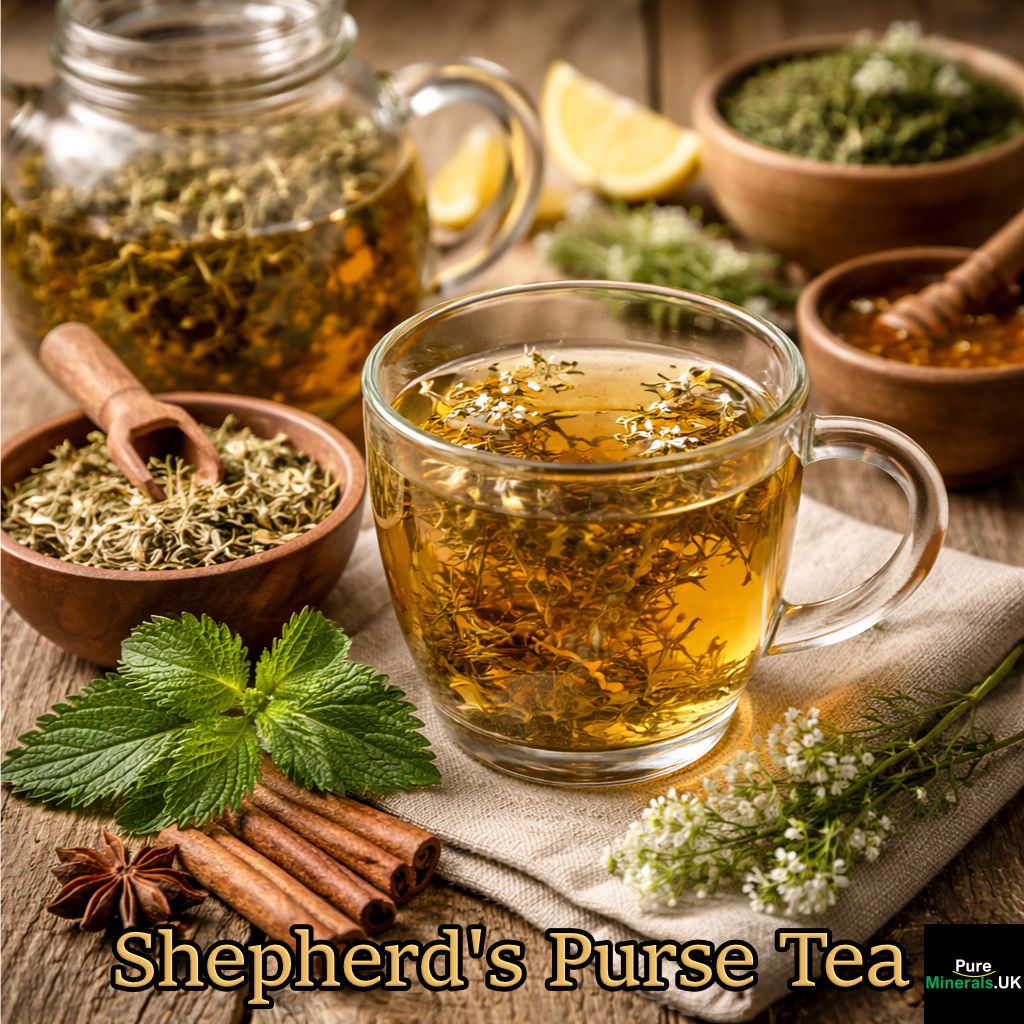
Tea is the most accessible way to use shepherd’s purse internally and works well for addressing heavy menstruation, mild internal bleeding, or as a preventative measure. To prepare an effective hemostatic tea, use 1-2 teaspoons of dried shepherd’s purse herb per cup of boiling water. Cover and steep for 10-15 minutes to extract the medicinal compounds fully before straining. The resulting infusion can be consumed up to three times daily during active bleeding episodes.
For improved flavor and enhanced effectiveness, consider combining shepherd’s purse with complementary herbs. Cinnamon adds a pleasant taste while supporting peripheral circulation, and nettle provides additional iron to help rebuild blood. This balanced approach addresses both the immediate need to stop bleeding and the longer-term requirement to restore what’s been lost.
Tincture Preparation for Stronger Effects
Tinctures offer a more concentrated form of shepherd’s purse that acts quickly and can be stored for extended periods. To create a potent hemostatic tincture, fill a glass jar halfway with freshly chopped shepherd’s purse (including flowers and seed pods when available), then cover completely with 100-proof alcohol. Seal tightly and store in a cool, dark place for 4-6 weeks, shaking daily to promote extraction. After straining through cheesecloth, the resulting tincture can be stored in amber dropper bottles for up to 5 years.
The standard dosage ranges from 20-40 drops taken in a small amount of water three times daily for acute bleeding situations, though this can vary based on individual needs and sensitivity. Tinctures act more rapidly than teas because the alcohol helps the medicinal compounds enter the bloodstream quickly, making them particularly valuable for urgent situations like nosebleeds or unexpectedly heavy menstrual flow.
For those who prefer to avoid alcohol, glycerites can be prepared using the same method but substituting vegetable glycerin for alcohol. While slightly less potent and with a shorter shelf life (typically 1-2 years), glycerites provide an effective alternative for children, recovering alcoholics, or those with religious or personal objections to alcohol-based preparations.
Topical Applications for Wounds
For external bleeding from cuts, scrapes, or wounds, direct application of shepherd’s purse provides immediate hemostatic action. Fresh leaves can be crushed to release their juices and applied directly to bleeding areas, where they help form a natural protective seal while delivering clotting agents directly to the injury site. In field situations, this simple technique can serve as crucial first aid until more comprehensive care is available. For additional natural remedies, consider the benefits of plantain for wound healing.
Shepherd’s purse-infused oils offer another effective topical option. To prepare this, fill a clean, dry jar with wilted shepherd’s purse leaves and cover completely with olive oil or another stable carrier oil. The traditional solar infusion method involves placing this jar in a sunny window for 4-6 weeks, while a quicker option utilizes gentle heat from a double boiler for several hours. After straining, the resulting oil can be applied directly to wounds or incorporated into salves by adding beeswax (approximately 1 ounce of beeswax per 8 ounces of infused oil) for a firmer texture that adheres better to wounds.
Proper Dosage Guidelines
Finding the right dosage of shepherd’s purse requires balancing effectiveness with safety. For most adults, a general guideline for tea consumption is 1-3 cups daily during active bleeding episodes, reducing to once daily for preventative purposes. Tinctures typically range from 20-40 drops taken 3-4 times daily during acute situations, adjusting downward as bleeding subsides.
Children’s dosages should be calculated using Clark’s Rule, which takes into account their weight relative to adults. As a general guideline, children ages 2-12 might take 1/4 to 1/2 of the adult dose, depending on size and specific condition. Elderly individuals or those with compromised liver function may also require reduced dosages, typically starting with half the standard adult recommendation and adjusting based on response.
For all preparations, it’s wise to start with lower doses and increase gradually while monitoring effects. The goal is to find the minimum effective dose that controls bleeding adequately without causing unnecessary system-wide effects on blood coagulation.
Identifying and Harvesting Shepherd’s Purse
Successfully utilizing shepherd’s purse begins with proper identification and harvesting. This common plant grows in disturbed soils worldwide, making it accessible to many herbalists, but careful identification ensures you’re harvesting the correct species with optimal medicinal properties.
Distinctive Heart-Shaped Seed Pods
The most recognizable feature of shepherd’s purse is its distinctive heart-shaped seed pods, which give the plant both its common name and its scientific designation (Capsella bursa-pastoris, where “capsella” refers to the small pods). These flat, triangular seed pods develop after the small white flowers bloom and remain the plant’s most reliable identification marker. When viewed up close, each pod resembles a tiny purse or pouch, historically likened to the leather pouches carried by shepherds in medieval Europe. For those interested in exploring similar plants, you might also want to learn about cress, which shares some botanical characteristics.
Before flowering, shepherd’s purse can be identified by its basal rosette of deeply lobed leaves that resemble dandelion but typically lay flatter against the ground. The leaves’ pattern can vary somewhat based on growing conditions, but they generally display jagged, sometimes deeply indented edges with a central vein. Once the plant bolts, a slender stem rises 6-18 inches high, bearing tiny white flowers with four petals arranged in a cross pattern—characteristic of the Brassicaceae family to which it belongs.
Best Harvesting Seasons and Techniques
For maximum hemostatic properties, harvest shepherd’s purse during its flowering and seed-setting stages, typically from late spring through summer in most temperate climates. Early morning collection after dew has dried but before the day’s heat intensifies yields the highest concentration of active compounds. The entire aboveground portion of the plant can be harvested by cutting stems a few inches above the soil level, allowing potential regrowth if conditions remain favorable.
The most potent medicinal preparations include both the aerial portions (stems, leaves, flowers) and the distinctive seed pods, as each part contains slightly different concentrations of the plant’s beneficial compounds. For culinary purposes, younger leaves harvested before flowering offer the mildest flavor, while more mature plants provide stronger hemostatic properties but may taste more bitter.
Processing should begin promptly after harvesting to preserve volatile compounds. For immediate use, fresh plant material can be used directly; for storage, careful drying in a well-ventilated space away from direct sunlight helps maintain medicinal potency. Properly dried shepherd’s purse should retain a greenish color rather than turning brown, indicating careful handling that preserves its bioactive components.
Sustainable Gathering Practices
Though abundant in many regions, shepherd’s purse deserves respectful harvesting practices to ensure continued availability. Never harvest all plants from a single location; instead, collect no more than one-third of the specimens in any area, focusing on plants that have already produced some seed pods to allow for natural reproduction. Avoid harvesting from areas treated with pesticides, herbicides, or subjected to urban runoff, as these contaminants can concentrate in plant tissues.
Dedicated herbalists often establish small cultivation areas for shepherd’s purse, which thrives in garden settings with minimal care. The plant self-seeds readily once established, creating a renewable resource for medicinal use. Since shepherd’s purse is considered a weed in many agricultural contexts, obtaining permission to harvest from farmers’ field edges can create a mutually beneficial relationship while providing access to chemical-free plants. For those interested in exploring other beneficial plants, plantain is another versatile option worth considering.
Nutritional Benefits Beyond Bleeding Control
While shepherd’s purse shines as a hemostatic remedy, its nutritional profile offers substantial additional benefits. This unassuming plant packs an impressive array of vitamins, minerals, and phytonutrients that support overall health beyond its specialized role in controlling bleeding.
Vitamin and Mineral Content
Shepherd’s purse contains remarkable levels of vitamin K, providing over 300% of the daily recommended intake in just a half-cup serving of the fresh greens. This vitamin is not only crucial for blood coagulation but also plays essential roles in bone health and calcium regulation. The plant also provides significant amounts of vitamin C, which supports immune function and collagen formation—beneficial for wound healing beyond the direct hemostatic effects.
Mineral content includes appreciable quantities of calcium, potassium, and iron, making shepherd’s purse particularly valuable for individuals recovering from blood loss. The iron helps rebuild hemoglobin levels, while potassium supports proper fluid balance and cardiovascular function. Trace minerals, including manganese, zinc, and copper in shepherd’s purse, contribute to enzyme functions involved in tissue repair and antioxidant defense systems.
Anti-inflammatory Properties
Beyond its hemostatic capabilities, shepherd’s purse contains compounds with significant anti-inflammatory activity. Flavonoids, including quercetin and rutin, help modulate inflammatory responses, potentially benefiting conditions ranging from arthritis to allergic reactions. These compounds work by inhibiting pro-inflammatory signaling pathways and reducing the production of inflammatory cytokines.
For those dealing with inflammatory conditions alongside bleeding issues, shepherd’s purse offers a dual benefit that addresses both symptoms simultaneously. This anti-inflammatory action may explain why traditional healers often recommended the herb for painful menstruation, as it can both reduce excessive flow and alleviate cramping through different but complementary mechanisms. For more herbal remedies, you might explore the benefits of mullein for respiratory health.
Diuretic Effects and Kidney Health
Shepherd’s purse possesses natural diuretic properties that support kidney function and help the body eliminate excess fluid. This action can reduce edema (swelling) and lower blood pressure in some individuals, providing cardiovascular benefits beyond its direct effects on bleeding. Traditional Chinese Medicine has long utilized shepherd’s purse for conditions involving fluid retention, particularly when accompanied by minor bleeding.
The plant’s gentle diuretic effect works without depleting potassium, unlike some pharmaceutical diuretics. This balanced approach helps maintain electrolyte equilibrium while still encouraging the elimination of excess fluids and waste products. For individuals with mild urinary tract infections, shepherd’s purse may offer additional benefits through increased urine flow that helps flush bacteria from the urinary system.
Safety Precautions and Contraindications
Despite its long history of safe use, shepherd’s purse requires appropriate caution and awareness of potential contraindications. Understanding when to use—and when to avoid—this powerful herb ensures you’ll receive its benefits without unwanted complications.
When to Avoid Shepherd’s Purse
Individuals with certain health conditions should exercise caution with shepherd’s purse. Those with a history of blood clots, thrombophilia, or other hypercoagulation disorders should generally avoid this herb due to its blood-thickening properties. Similarly, people with known thyroid conditions should consult healthcare providers before use, as shepherd’s purse contains compounds that may influence thyroid function when consumed in large amounts or over extended periods.
Anyone experiencing unusual or severe bleeding should seek immediate medical attention rather than relying solely on herbal remedies. While shepherd’s purse can effectively address many routine bleeding situations, it is not appropriate as the sole intervention for traumatic injuries, suspected internal hemorrhage, or bleeding of unknown origin that could indicate serious underlying conditions. In these cases, shepherd’s purse might complement conventional care but should never replace proper medical evaluation and treatment.
Interactions with Blood-Thinning Medications
The most significant concern with shepherd’s purse involves its potential interactions with anticoagulant and antiplatelet medications. The herb’s hemostatic properties directly counteract the intended effects of drugs like warfarin, heparin, aspirin, and newer direct oral anticoagulants (DOACs). This opposition can potentially create dangerous situations where blood becomes either too prone to clotting if shepherd’s purse overwhelms medication effects, or continues bleeding if medications prevent the herb from working effectively.
Pregnancy and Breastfeeding Considerations
While shepherd’s purse has historically been used to address postpartum hemorrhage, modern herbalists generally advise against its use during pregnancy due to its stimulating effect on uterine tissue. The herb contains compounds that may promote uterine contractions, potentially increasing the risk of miscarriage, particularly in the first trimester. After delivery, shepherd’s purse may help manage excessive bleeding, but should be used under qualified supervision that integrates both traditional knowledge and modern medical understanding. For more insights into herbal remedies, you might be interested in learning about plantain, another versatile herb with a rich history of use.
Modern Research Supporting Traditional Uses
Scientific investigation increasingly validates what traditional healers have known for centuries about shepherd’s purse. Modern research methods have begun identifying specific compounds and mechanisms responsible for the plant’s hemostatic effects, creating a bridge between historical wisdom and contemporary understanding.
Recent Clinical Studies on Hemostatic Effects
A 2022 clinical trial published in the Journal of Traditional and Complementary Medicine demonstrated that shepherd’s purse herbal tea preparations significantly reduced bleeding in patients with hemorrhoidal disease compared to control groups. Participants receiving shepherd’s purse experienced both decreased bleeding severity and duration, with measurable improvements in comfort and quality of life. These findings provide important clinical validation for one of the herb’s traditional applications.
Laboratory research has identified specific mechanisms through which shepherd’s purse affects blood coagulation. A 2019 study published in BMC Complementary Medicine and Therapies demonstrated that extracts of the plant significantly enhanced platelet aggregation and accelerated the formation of fibrin networks—key processes in stopping blood flow from damaged vessels. This research helps explain the herb’s observed effectiveness across various bleeding conditions by illuminating its fundamental actions at the cellular and molecular levels.
Emerging Medical Applications
- Development of standardized hemostatic agents for surgical applications
- Investigation of shepherd’s purse compounds as templates for new pharmaceutical hemostatics
- Exploration of potential applications in combat and emergency medicine
- Research into shepherd’s purse flavonoids for vascular health beyond direct hemostatic effects
- Studies examining potential applications in managing bleeding disorders with fewer side effects than current treatments
Researchers at several university medical centers are currently investigating concentrated extracts of shepherd’s purse as potential hemostatic agents for surgical applications. These standardized preparations could offer advantages over synthetic alternatives, including lower allergenic potential and reduced risk of excessive clotting. Early results from animal studies suggest particular promise for applications in gynecological and urological surgeries where controlled, localized hemostasis is essential.
Beyond direct bleeding control, ongoing research examines shepherd’s purse compounds for their potential in preventing and treating various vascular disorders. The plant’s complex mixture of flavonoids appears to support overall vascular integrity while simultaneously modulating inflammation in blood vessel walls. This dual action could eventually lead to new approaches for managing conditions ranging from varicose veins to certain types of vascular fragility that contribute to easy bruising.
As interest in integrative medicine grows, collaborations between herbalists and conventional medical researchers are yielding new insights into how traditional preparations of shepherd’s purse might complement modern treatments. This represents a significant shift from earlier research paradigms that sought to isolate single active compounds, instead acknowledging the potential benefits of whole-plant preparations that preserve natural synergies between constituents.
Where to Find Shepherd’s Purse Products
Accessing quality shepherd’s purse products requires knowing where to look and how to evaluate what you find. Whether you prefer ready-made preparations or creating your own from raw materials, understanding your options ensures you’ll obtain effective products suitable for your specific needs.
Reliable Commercial Sources
Reputable herbal suppliers and natural product manufacturers offer shepherd’s purse in various forms, including dried herb for tea, tinctures, and sometimes capsules or extracts. Look for companies that specialize in medicinal herbs and provide detailed information about their sourcing practices. The best suppliers will specify whether their shepherd’s purse is wildcrafted (harvested from natural settings) or cultivated, along with the region of origin and harvesting season—all factors that can influence the plant’s medicinal properties.
Online specialty herb retailers often provide higher quality options than general marketplaces or local health food stores, as they typically focus exclusively on medicinal plants and maintain appropriate storage conditions. Many traditional herbalists and small-scale producers also offer handcrafted shepherd’s purse preparations through farmers’ markets, herb fairs, or direct sales. These artisanal products often benefit from careful harvesting at peak potency and small-batch processing that preserves delicate compounds.
How to Evaluate Quality
Quality shepherd’s purse should retain its natural green color rather than appearing brown or gray, which indicates improper drying or extended storage. The distinctive seed pods should be visible among the plant material, as these contain concentrated levels of active compounds. When purchasing tinctures, look for amber glass bottles that protect light-sensitive components and check for information about the extraction method and herb-to-menstruum ratio—with 1:2 or 1:5 ratios generally providing appropriate potency for medicinal use.
Growing Your Own Supply
Cultivating personal shepherd’s purse patches provides the freshest possible supply while connecting you directly to the plant’s growth cycle. This annual readily self-seeds in most gardens once established, preferring full sun to partial shade and moderate water. Begin by scattering seeds on prepared soil in early spring or fall, pressing lightly into the surface without covering deeply, as the tiny seeds require light for germination. The plant’s adaptable nature means it will grow in most soil types, though it prefers slightly alkaline conditions.
Harvest your homegrown shepherd’s purse when the characteristic heart-shaped seed pods develop, cutting the entire aerial portion of the plant for immediate use or careful drying. To ensure a continuous supply, allow some plants to complete their life cycle and drop seeds naturally, establishing a self-perpetuating garden patch that requires minimal maintenance. Many gardeners find that shepherd’s purse becomes a welcome volunteer throughout their growing spaces, providing ready access to this valuable medicinal plant whenever needed.
This Ancient Remedy Deserves a Place in Your Natural Medicine Cabinet
Shepherd’s purse stands as a testament to the enduring wisdom found in traditional plant medicine. Its remarkable ability to control bleeding effectively and safely across a wide range of conditions makes it an invaluable addition to any natural medicine collection. Whether prepared as a tea for heavy menstrual periods, a tincture for emergency bleeding control, or a poultice for wounds, this versatile herb offers solutions grounded in centuries of successful use and increasingly supported by modern research. For those seeking to build self-reliance in health care while honoring time-tested botanical knowledge, shepherd’s purse represents one of nature’s most reliable and accessible hemostatic remedies.
Important note: Shepherd’s Purse
Shepherd’s purse should be used cautiously due to its traditional effects on circulation and uterine tissue. It is not recommended during pregnancy, as it has been historically associated with uterine activity. Individuals using anticoagulant or antiplatelet medication should consult a healthcare professional before using shepherd’s purse.
People with thyroid disorders, kidney conditions, or blood pressure issues should also seek medical advice before using concentrated extracts. Persistent or heavy bleeding, unexplained bruising, or signs of internal bleeding require immediate medical evaluation and should not be managed with herbal remedies alone.
Frequently Asked Questions
As interest in traditional plant remedies grows, many people have questions about using shepherd’s purse effectively and safely. These frequently asked questions address common concerns and provide practical guidance for those new to this powerful hemostatic herb.
Understanding the practical aspects of using shepherd’s purse helps ensure you’ll achieve optimal results while avoiding potential pitfalls. These answers reflect both traditional knowledge and current scientific understanding of this remarkable medicinal plant.
“In my forty years of herbal practice, few plants have proven as consistently reliable for bleeding control as shepherd’s purse. When properly prepared and appropriately applied, it represents one of herbalism’s true gifts—effective, accessible, and remarkably safe when used with knowledge and respect.”
— Dr. Marjorie Wellington, Ethnobotanist and Clinical Herbalist
This perspective from an experienced practitioner highlights the high regard in which shepherd’s purse is held within professional herbal circles. Such endorsements reflect not merely anecdotal evidence but decades of observed clinical outcomes across diverse patient populations.
How quickly does shepherd’s purse work to stop bleeding?
Shepherd’s purse typically begins working within 20-30 minutes when taken internally as a tea or tincture, though individual response times vary based on the bleeding condition, preparation strength, and personal physiology. For direct applications to wounds, effects can be noticed in as little as 5-10 minutes as the herb’s astringent compounds immediately begin contracting tissues and stimulating local clotting mechanisms. Maximum effectiveness often requires consistent use over several hours for acute situations or several days for chronic bleeding conditions.
The speed of action depends significantly on the preparation method. Tinctures generally work faster than teas due to their concentrated nature and rapid absorption, making them preferable for urgent situations. For preventive use, such as managing anticipated heavy menstrual periods, beginning shepherd’s purse treatment 2-3 days before expected bleeding provides the most effective results by allowing the herb’s compounds to build up in the system.
Can I use shepherd’s purse alongside conventional medications?
Shepherd’s purse should be used with particular caution alongside medications that affect blood coagulation, including anticoagulants (like warfarin), antiplatelet drugs (like aspirin), and certain NSAIDs. The herb’s hemostatic properties may counteract these medications’ intended effects or create unpredictable interactions. Always consult with healthcare providers familiar with both your medication regimen and herbal medicine before combining approaches, especially for conditions where precise blood coagulation control is critical.
Is wild-harvested shepherd’s purse better than cultivated varieties?
Wild-harvested shepherd’s purse often contains higher concentrations of active compounds when collected from appropriate environments under optimal conditions. Plants growing in slightly stressful conditions typically produce more protective secondary metabolites—the very compounds responsible for medicinal effects. However, cultivated shepherd’s purse grown without chemical inputs and harvested at peak potency can be equally effective while offering advantages in purity and sustainability, eliminating concerns about environmental contaminants or overharvesting of wild populations. For example, cress is another plant known for its beneficial properties and sustainable cultivation methods.
How long can I store dried shepherd’s purse before it loses potency?
Properly dried and stored, shepherd’s purse maintains most of its medicinal properties for 12-18 months. Store in airtight, opaque containers away from heat, light, and moisture to preserve the volatile compounds responsible for its hemostatic effects. Vacuum sealing and freezing can extend potency for up to 3 years, while tinctures properly prepared with at least 25% alcohol content remain effective for 3-5 years. Visual cues of diminished potency include fading from green to gray or brown and loss of the characteristic mild peppery scent.
Are there any look-alike plants I should be careful not to confuse with shepherd’s purse?
Several plants in the mustard family (Brassicaceae) share similar rosette growth patterns and small white flowers that could be confused with shepherd’s purse, particularly before seed pods develop. Field pennycress (Thlaspi arvense) has rounded seed pods versus shepherd’s purse’s distinctive heart shape, while peppergrass species (Lepidium spp.) have small, round seed pods that grow in clusters. None of these look-alikes are particularly toxic, but they lack shepherd’s purse’s potent hemostatic properties, potentially leading to ineffective treatment if confused. Always confirm identification by checking for the characteristic heart-shaped seed pods that give shepherd’s purse its name and medicinal reputation.
Remember that sustainable harvesting practices ensure this valuable medicinal plant remains available for future generations. Take only what you need, learn to cultivate your own when possible, and share knowledge respectfully with others interested in traditional plant medicines.
Incorporating shepherd’s purse into your wellness practices connects you to generations of traditional healers who recognized this plant’s remarkable ability to stop bleeding safely and effectively. As modern research continues to validate what our ancestors knew through observation and experience, we gain an even deeper appreciation for the sophisticated healing potential contained in this humble but powerful herb.
Shepherd’s Purse has been traditionally used for its ability to control bleeding. This herb, often found in fields and gardens, is also appreciated for its culinary uses, adding a peppery flavor to dishes. Like Salad Burnet, it can be used to enhance salads and other fresh meals with its distinct taste.