

Published: 26 January 2026
Last Updated: 25 February 2026
This article is periodically reviewed and updated to reflect current scientific understanding by Vic George.
Fact-Checked: 1 other authoritative medical/scientific reference. See our Editorial Policy.

What Is Myrtle and Why Is It Used for Respiratory Comfort, Digestion, and Aromatic Wellness?
Myrtle is an aromatic evergreen shrub traditionally used for respiratory comfort, digestive support, and ceremonial purposes. It is valued for its fragrant leaves and berries, which contain essential oils and polyphenols associated with antimicrobial and antioxidant activity. Myrtle is most commonly consumed as a tea, used as a flavouring herb in Mediterranean cuisine, or applied in diluted essential oil preparations.
Definition:
Myrtle refers to Myrtus communis, a Mediterranean evergreen shrub used traditionally in herbal medicine, cookery, and perfumery. Its leaves and berries contain aromatic oils and plant compounds that support respiratory and digestive wellness.
Extended Definition:
Myrtle has been valued since antiquity in Mediterranean cultures for both practical and symbolic reasons. In herbal practice, myrtle leaves have traditionally been used as an infusion to support respiratory comfort, especially during seasonal congestion or throat irritation. Its mild astringent and aromatic properties also make it useful in digestive and oral-care preparations.
Myrtle berries have been used as a flavouring agent in foods and liqueurs, most notably in parts of Italy and Sardinia, where they are used to produce myrtle liqueur (mirto). The leaves are sometimes used to flavour meats and roasted dishes in traditional cooking, though always in small quantities due to their strong aroma.
The essential oil of myrtle contains compounds such as cineole, myrtenyl acetate, and alpha-pinene, which contribute to its fresh, camphor-like fragrance and traditional respiratory associations. Myrtle oil is used in aromatherapy blends aimed at clear breathing and calm focus, but it must be properly diluted.
Myrtle is best understood as a mild aromatic and functional herb, offering gentle support through culinary, tea, and aromatic use rather than strong medicinal action.
Key Facts:
- Herb type: Aromatic evergreen shrub / functional herbal tea plant
- Botanical name: Myrtus communis
- Key compounds: Cineole, myrtenyl acetate, alpha-pinene, polyphenols
- Primary roles: Respiratory comfort, digestive support, antioxidant protection
- Systems supported: Respiratory, digestive, nervous system (aromatic effects)
- Best forms: Leaf tea, culinary flavouring, diluted essential oil, berry preparations
- Use considerations: Strong aroma; essential oil must be diluted
- Typical pairing: Often paired with eucalyptus, rosemary, thyme, bay leaf, or lemon
Key Takeaways
- Myrtle contains powerful anti-inflammatory and antimicrobial compounds that effectively treat respiratory conditions, including bronchitis, sinusitis, and asthma.
- Research shows myrtle’s antioxidant properties are particularly concentrated in its leaves, which contain high levels of flavonoids and phenolic compounds.
- Traditional Mediterranean cuisines have utilized myrtle berries and leaves for centuries as flavor enhancers in meat dishes, sauces, and specialized beverages.
- Recent studies suggest myrtle may help reduce symptoms associated with influenza due to its anti-inflammatory effects on the respiratory system.
- When using myrtle for respiratory support, tea preparations and essential oil applications deliver the most effective therapeutic benefits.
When it comes to natural remedies with centuries of proven use, few plants offer the versatility and effectiveness of myrtle. This Mediterranean shrub doesn’t just smell wonderful – it contains a powerful arsenal of compounds that can transform your respiratory health while adding unique flavor to your cooking. Let’s explore why this ancient remedy deserves a place in your modern wellness routine.
Myrtle (Myrtus communis L.) has been valued since ancient Greece for its remarkable healing properties and pleasant aroma. This evergreen shrub belongs to the Myrtaceae family and grows abundantly throughout Mediterranean regions. Its medicinal history spans thousands of years, with traditional healers prescribing it for everything from respiratory ailments to digestive disorders. What makes this unassuming plant so special? Modern research reveals it’s packed with bioactive compounds that deliver impressive therapeutic benefits, particularly for respiratory health.
Nature’s Respiratory Remedy: Why Myrtle Has Endured for Centuries
Long before modern medicine, healers across Mediterranean cultures recognized myrtle’s exceptional ability to ease breathing difficulties. Ancient texts describe its use for treating “pulmonary disorders,” a term that encompassed everything from persistent coughs to more serious respiratory infections. What’s fascinating is that contemporary research now validates what traditional practitioners instinctively knew – myrtle contains powerful compounds that specifically target respiratory inflammation and infection.
The respiratory benefits of myrtle aren’t just folklore. Studies have documented its effectiveness against common respiratory complaints, including bronchitis, sinusitis, and even asthma. These benefits stem from myrtle’s unique composition of essential oils, flavonoids, and tannins that work synergistically to open airways, reduce inflammation, and fight infection. The plant’s antimicrobial properties make it particularly valuable against respiratory infections, while its anti-inflammatory effects help calm irritated airways and reduce mucus production.
The Science Behind Myrtle’s Healing Power
Modern research has illuminated the mechanisms behind myrtle’s therapeutic effects. Scientists have identified numerous bioactive compounds that contribute to the plant’s medicinal properties, including alpha-pinene, 1,8-cineole, myrtenol, and various flavonoids. These compounds don’t just mask symptoms – they address the underlying causes of respiratory distress by targeting inflammation pathways and disrupting microbial growth.
Botanical Profile and Active Compounds
Myrtus communis is an evergreen shrub characterized by its aromatic leaves, white flowers, and dark berries. The plant’s therapeutic potential comes from its rich phytochemical profile. The most significant active compounds include terpenoids (like alpha-pinene and 1,8-cineole), flavonoids (quercetin, catechin, and myricetin derivatives), phenolic acids, and tannins. Each part of the plant offers different concentrations of these compounds – the leaves contain more phenolic compounds and flavonoids, while the berries and stems have varying profiles of essential oils and tannins.
Myrtle’s Key Bioactive Compounds
Terpenoids: Alpha-pinene, 1,8-cineole, myrtenol, linalool
Flavonoids: Quercetin, catechin, myricetin derivatives
Other compounds: Tannins, phenolic acids, fatty acids
Primary benefits: Anti-inflammatory, antimicrobial, antioxidant
The synergistic action of these compounds explains why whole-plant preparations often provide more comprehensive benefits than isolated components. When you consume myrtle as a tea or use its essential oil, you’re getting the full spectrum of its therapeutic compounds working together to address multiple aspects of respiratory health.
How Myrtle Fights Inflammation
Inflammation lies at the heart of most respiratory conditions, from common colds to chronic bronchitis. Myrtle’s anti-inflammatory properties have been well-documented in multiple studies. The plant’s flavonoids and essential oil components work by inhibiting inflammatory cytokines and reducing the production of pro-inflammatory chemicals in the body. This action helps calm irritated airways, decrease mucus production, and ease breathing difficulties.
The Antioxidant Advantage
One of myrtle’s most significant contributions to respiratory health comes from its powerful antioxidant properties. Studies have shown that myrtle extracts demonstrate exceptional ability to neutralize free radicals, the unstable molecules that damage cells and contribute to chronic inflammation. This antioxidant capacity is particularly concentrated in myrtle leaves, which contain higher levels of polyphenols and flavonoids than other parts of the plant.
Research published in Food Frontiers revealed that myrtle’s antioxidant profile rivals that of many better-known superfoods. The plant’s ability to combat oxidative stress makes it particularly valuable for protecting delicate lung tissue, which is constantly exposed to environmental toxins and pollutants. Regular consumption of myrtle in tea form or as a supplement may help maintain healthy respiratory function even in challenging environments.
5 Proven Respiratory Benefits of Myrtle
1. Bronchitis and Cough Relief
Myrtle’s effectiveness against bronchitis stems from its dual action as both an expectorant and antimicrobial agent. The essential oils in myrtle help liquefy mucus, making it easier to expel while simultaneously fighting the bacteria that often cause bronchitis. Traditional preparations of myrtle tea have been used for centuries to soothe persistent coughs and clear congestion.
2. Sinus Infection Support
The antimicrobial properties of myrtle make it particularly effective against sinus infections. Research has shown that compounds in myrtle can inhibit the growth of bacteria commonly associated with sinusitis, while its anti-inflammatory effects help reduce swelling in the nasal passages. Steam inhalation with myrtle essential oil provides direct delivery of these beneficial compounds to infected sinus cavities, similar to the benefits of mullein for respiratory health.
3. Asthma Symptom Reduction
For those with asthma, myrtle offers natural bronchodilation effects that may help ease breathing difficulties. Several studies have demonstrated that myrtle compounds can relax smooth muscle tissue in the airways, potentially reducing the frequency and severity of asthma attacks. While not a replacement for prescribed medications, myrtle may serve as a complementary approach to managing asthma symptoms.
4. Influenza Symptom Management
Recent research has explored myrtle’s potential in managing respiratory symptoms associated with influenza. One study found that certain compounds in myrtle may help reduce the inflammatory cascade that leads to severe respiratory complications. While still preliminary, these findings suggest that myrtle might offer supportive benefits for those recovering from influenza infections, particularly in addressing lingering respiratory symptoms.
5. General Lung Health Improvement
Beyond addressing specific conditions, regular use of myrtle may contribute to overall lung health maintenance. A notable study demonstrated that standardized myrtle extract provided significant protection against experimentally induced pulmonary fibrosis in laboratory models. This suggests potential applications for long-term respiratory health support, especially for those exposed to environmental factors that may compromise lung function.
Myrtle as a Daily Antioxidant Powerhouse
Free Radical Protection
Myrtle’s exceptional antioxidant capacity stems from its rich array of polyphenolic compounds. These natural chemicals neutralize free radicals before they can damage cellular structures, effectively preventing oxidative stress at its source. The plant’s leaves contain particularly high concentrations of these protective compounds, making leaf preparations especially valuable for antioxidant benefits.
What sets myrtle apart from many other antioxidant sources is the diversity of its protective compounds. While some plants offer primarily one class of antioxidants, myrtle provides a broad spectrum of free-radical scavengers, including flavonoids, phenolic acids, and terpenes. This diversity allows myrtle to neutralize multiple types of free radicals through different biochemical mechanisms. Learn more about other antioxidant-rich sources like pomegranate.
- Neutralizes harmful reactive oxygen species (ROS)
- Protects cellular membranes from oxidative damage
- Helps maintain a healthy inflammatory response
- Supports the body’s natural antioxidant enzymes
- May help prevent chronic oxidative stress-related conditions
The practical application of myrtle’s antioxidant properties extends beyond respiratory health to potential benefits for cardiovascular, neurological, and immune system function. Incorporating myrtle into your wellness routine provides whole-body protection against the oxidative damage that contributes to premature aging and chronic disease.
Cellular Damage Prevention
Myrtle’s protective effects extend to the cellular level, where its compounds help maintain healthy cell membranes and protect DNA from oxidative damage. This protective action is particularly important for lung tissue, which faces constant exposure to inhaled toxins. Regular consumption of myrtle preparations may help strengthen cellular defenses and promote longer-term respiratory health.
Studies have shown that myrtle extract can enhance the body’s natural antioxidant defense systems, including glutathione production and superoxide dismutase activity. These internal antioxidant mechanisms provide an additional layer of protection beyond the direct free-radical scavenging properties of myrtle compounds themselves.
Beyond Breathing: Other Health Benefits
Blood Sugar Regulation
Myrtle has demonstrated promising effects on blood sugar levels in animal studies. Research indicates that myrtle extracts may help improve insulin sensitivity and reduce blood glucose levels, potentially offering supportive benefits for those managing diabetes. While human studies are still limited, the traditional use of myrtle for “diabetes” in folk medicine aligns with these preliminary findings.
Digestive System Support
Traditional healers have long prescribed myrtle for various digestive complaints, including diarrhea, dysentery, and general gastrointestinal discomfort. Modern research confirms the plant’s antimicrobial effects against common intestinal pathogens, while its astringent properties may help reduce excessive secretions in the digestive tract. Myrtle tea has been used traditionally after meals to ease digestion and prevent bloating.
Antimicrobial Properties
Beyond respiratory infections, myrtle demonstrates broad-spectrum antimicrobial activity against numerous pathogens. Studies have confirmed its effectiveness against Staphylococcus aureus, Escherichia coli, and several other common bacterial strains. This antimicrobial action extends to certain fungi as well, making myrtle a versatile natural remedy for various infectious conditions.
Skin Healing Applications
The traditional use of myrtle for skin conditions has strong scientific support. Its combination of antimicrobial, anti-inflammatory, and astringent properties makes it particularly effective for wounds, dermatitis, and other skin irritations. Research has demonstrated that myrtle can accelerate wound healing and reduce inflammation when applied topically, with one study showing significant protection against burn-induced skin damage.
From Garden to Kitchen: Culinary Uses of Myrtle
Traditional Mediterranean Cooking with Myrtle

Lemon Myrtle Smoked Chicken: A 2-hour method using a rub of 1 tsp lemon myrtle, 1 tsp garlic powder, 1 tsp smoked paprika, salt, and pepper on a whole chicken, smoked at 105°C (220°F).
In Mediterranean cuisine, particularly on islands like Sardinia and Corsica, myrtle has been a culinary staple for generations. The berries and leaves add a distinctive flavor to traditional dishes, often described as a complex blend of juniper, rosemary, and citrus notes. Myrtle-smoked meats are a specialty in these regions, with the aromatic smoke imparting a unique flavor that cannot be replicated with other woods.
One of the most famous culinary applications is the Sardinian liqueur “Mirto,” made by infusing myrtle berries in alcohol. This sweet digestif has been produced for centuries and remains popular throughout the Mediterranean. The traditional preparation involves steeping ripe myrtle berries in grain alcohol or grappa for several weeks, then sweetening the resulting infusion.
Myrtle as a Unique Spice and Flavoring
Dried myrtle leaves can be used similarly to bay leaves in soups, stews, and marinades, adding an aromatic complexity that enhances both meat and vegetable dishes. The berries, either fresh or dried, make excellent additions to game dishes, particularly wild boar, venison, and other strong-flavored meats. Their slightly resinous, sweet-spicy profile helps cut through richness while adding depth of flavor.
Myrtle-Infused Beverages
Beyond the famous Mirto liqueur, myrtle can be used to create intriguing beverages with both culinary and medicinal benefits. A simple myrtle tea offers respiratory benefits while delivering a pleasant, aromatic flavor. More creative applications include myrtle-infused honey (excellent for soothing sore throats), myrtle syrup for cocktails and desserts, and even myrtle-infused vinegar for unique salad dressings with potential health benefits.
How to Prepare Myrtle for Maximum Benefits
Myrtle Tea for Respiratory Support
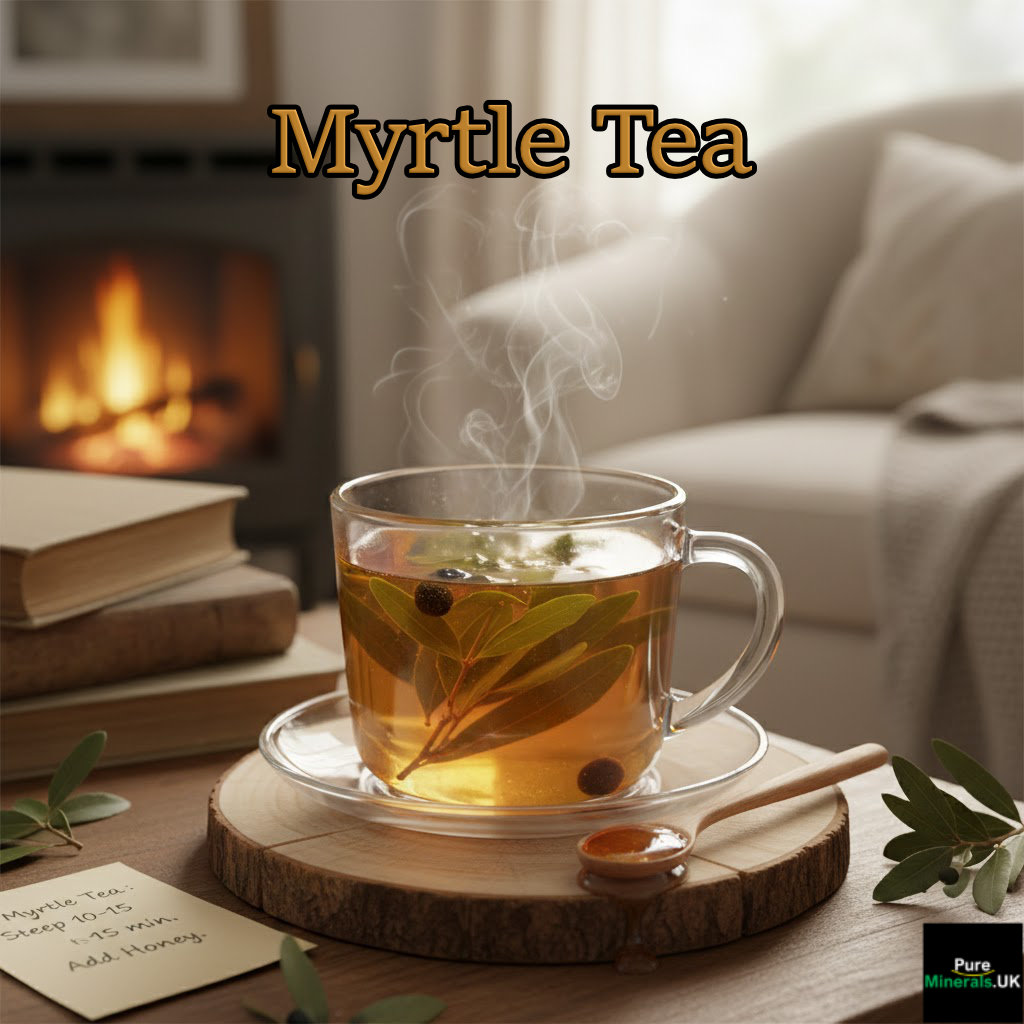
For respiratory ailments, myrtle tea remains one of the most effective and accessible preparations. To prepare a therapeutic myrtle tea, use 1-2 teaspoons of dried leaves (or 1 tablespoon of fresh leaves) per cup of hot water. Allow to steep for 10-15 minutes before straining. This longer steeping time ensures maximum extraction of the beneficial compounds. For enhanced effectiveness, consider adding a teaspoon of honey, which offers complementary antimicrobial properties and helps soothe irritated throats.
This preparation can be consumed 2-3 times daily during active respiratory infections or once daily as a preventive measure during cold and flu season. The tea works through multiple mechanisms: the steam helps open airways, the aromatic compounds reduce inflammation and fight pathogens, and the warm liquid helps thin mucus for easier expectoration.
Essential Oil Applications
Myrtle essential oil delivers concentrated respiratory benefits through several application methods. For steam inhalation, add 3-5 drops of pure myrtle essential oil to a bowl of hot water, cover your head with a towel, and breathe deeply for 5-10 minutes. This direct delivery method targets the respiratory passages immediately. Alternatively, use a diffuser with 5-7 drops of oil to purify air and create a respiratory-friendly environment, especially beneficial during sleep for those with breathing difficulties.
For topical applications, always dilute myrtle essential oil in a carrier oil like coconut or jojoba (typically 3-5 drops per tablespoon of carrier). This diluted preparation can be gently massaged onto the chest and throat area to ease congestion and support respiratory function. The aromatic compounds are absorbed through the skin and also inhaled during application, providing dual benefits.
Tinctures and Extracts
Myrtle tinctures provide a concentrated, shelf-stable form of the plant’s medicinal compounds. Typically prepared by steeping the leaves and/or berries in alcohol for several weeks, these preparations offer precise dosing and convenience. The standard dosage ranges from 20-40 drops (1-2 ml) taken 2-3 times daily, either directly under the tongue or diluted in water. Tinctures are particularly valuable for addressing acute respiratory symptoms due to their rapid absorption and potent effects.
Fresh vs. Dried: Which to Choose
Both fresh and dried myrtle have their place in therapeutic applications, with some differences worth noting. Fresh myrtle leaves contain higher concentrations of volatile compounds, making them ideal for immediate use in teas and poultices. However, properly dried myrtle retains most of its flavonoids and tannins, often with more concentrated levels than fresh material. For year-round accessibility, dried myrtle is more practical, while those with access to fresh plants may benefit from the fuller aromatic profile, particularly for respiratory applications where the volatile compounds play a significant role. Additionally, exploring other herbs like mugwort can complement the benefits of myrtle in therapeutic uses.
Safety Considerations and Proper Dosage
Despite its numerous benefits, myrtle should be used mindfully and with proper attention to appropriate dosages. Like many medicinal plants, myrtle is generally safe when used in traditional culinary amounts or standard therapeutic preparations, but exceeding recommended doses may lead to adverse effects. It’s also important to source high-quality myrtle from reputable suppliers to avoid contamination with other plants or environmental toxins.
Who Should Avoid Myrtle
While generally safe for most people, certain individuals should exercise caution or avoid myrtle entirely. People with known allergies to plants in the Myrtaceae family (which includes eucalyptus and clove) may experience cross-reactivity with myrtle. If you have a history of plant allergies, it’s advisable to try a small amount first and monitor for any adverse reactions.
Individuals with hormone-sensitive conditions should consult healthcare providers before using myrtle regularly, as some research suggests the plant may have mild hormonal effects. This includes people with estrogen-dependent cancers, endometriosis, or other conditions affected by hormonal fluctuations.
Those taking medications for diabetes or high blood pressure should use myrtle cautiously due to its potential blood sugar-lowering and antihypertensive effects, which could potentiate prescribed medications. Always inform your healthcare provider about all herbal supplements you’re taking to avoid potential interactions.
Caution Required: People with Myrtaceae allergies, hormone-sensitive conditions, diabetes medications, blood-thinning drugs, or scheduled surgery should consult healthcare providers before using myrtle therapeutically. Children under 12 and pregnant/nursing women should use only under professional guidance.
Potential Side Effects
When used appropriately, myrtle rarely causes significant side effects. However, some individuals may experience mild digestive discomfort, especially when first introducing myrtle preparations. This typically resolves as the body adjusts to the new compound. Starting with smaller doses and gradually increasing can help minimize this potential effect.
More rarely, sensitive individuals may experience allergic reactions characterized by skin rash, itching, or respiratory symptoms. If any of these occur, discontinue use immediately and seek appropriate medical attention. Extended use of very high doses might potentially affect liver function, though this is primarily a theoretical concern based on the plant’s chemical composition rather than documented cases.
Recommended Amounts for Different Uses
Dosage recommendations vary depending on the form and intended use of myrtle. Generally, herbalists recommend starting with lower doses and adjusting based on individual response and specific health needs. Working with a knowledgeable herbalist or healthcare provider can help determine the optimal approach for your particular situation.
- Tea: 1-2 teaspoons dried leaves per cup, steeped 10-15 minutes, 1-3 times daily
- Tincture: 20-40 drops (1-2 ml), 2-3 times daily
- Essential oil inhalation: 3-5 drops in hot water or diffuser
- Topical applications: 3-5 drops of essential oil per tablespoon of carrier oil
- Culinary use: No specific limitations for dried leaves as seasoning
For respiratory conditions, higher doses within the recommended range may be appropriate during acute phases, while lower maintenance doses can be used for prevention and general wellness. Duration of use also matters – acute respiratory conditions may benefit from more intensive short-term use (7-10 days), while chronic conditions might require longer-term but more moderate usage patterns.
Remember that individual responses vary based on factors including weight, overall health, and specific conditions being addressed. Starting conservatively and adjusting as needed is the wisest approach to finding your optimal dosage.
Your Myrtle Action Plan
Ready to incorporate myrtle into your wellness routine? Start with a simple myrtle tea during respiratory infection season, then explore culinary uses to make this beneficial herb a regular part of your diet. Consider keeping myrtle essential oil on hand for acute respiratory symptoms, and explore tinctures for a convenient, portable option. The combination of respiratory support, antioxidant protection, and unique flavor makes myrtle one of nature’s most versatile healing plants.
Frequently Asked Questions
Interest in traditional plant remedies like myrtle continues to grow as people seek natural approaches to common health challenges. Below are answers to some of the most common questions about this versatile plant.
These questions reflect the growing interest in natural approaches to respiratory health, especially as more people seek alternatives or complements to conventional treatments. Myrtle’s long history of safe use makes it an attractive option for those exploring plant-based wellness strategies.
Can I grow my own myrtle plant at home?
Yes, myrtle can be successfully grown in home gardens or containers in most temperate climates. The plant thrives in USDA zones 8-11 but can be grown in containers and brought indoors during winter in colder regions. Myrtle prefers well-drained soil with neutral to slightly acidic pH and requires regular but moderate watering. When planting, choose a location with full sun to partial shade, and allow sufficient space as mature plants can reach 5-15 feet in height. For more tips on cultivating plants, you might find this article on growing lemongrass helpful.
Propagation is typically done through semi-hardwood cuttings taken in late summer or early fall. These should be 4-6 inches long, with lower leaves removed, and placed in a rooting medium. Alternatively, you can purchase young plants from specialty nurseries. While myrtle is relatively low-maintenance once established, it benefits from light pruning to maintain shape and remove dead wood, ideally done after flowering.
How does myrtle compare to eucalyptus for respiratory issues?
Both myrtle and eucalyptus offer significant respiratory benefits, but with some notable differences in their effects and application. Eucalyptus tends to provide more immediate decongestant effects due to its higher concentration of 1,8-cineole, making it particularly effective for acute nasal and sinus congestion. Myrtle, while also containing this compound, offers a more balanced approach with additional anti-inflammatory and antimicrobial benefits that may address underlying causes of respiratory distress.
For sensitivity considerations, myrtle is often better tolerated by those who find eucalyptus too intense or irritating, particularly children and individuals with respiratory sensitivity. While eucalyptus is primarily used for symptom relief during acute conditions, myrtle’s broader range of bioactive compounds makes it suitable for both acute and chronic respiratory support. Many herbalists recommend using them complementarily – eucalyptus for immediate relief and myrtle for ongoing support and addressing underlying inflammation.
Is myrtle safe to use during pregnancy?
Pregnancy Safety Guidelines
First trimester: Generally avoid therapeutic doses
Second/third trimesters: Culinary amounts generally considered safe
Tea/inhalation: Consult healthcare provider first
Essential oil: Avoid therapeutic applications during pregnancy
Always discuss with prenatal care provider before use
Safety during pregnancy requires special consideration. While no specific adverse effects have been documented, myrtle has not been extensively studied in pregnant women. The traditional approach recommends caution, particularly with concentrated forms like essential oils and tinctures. Culinary amounts used as a seasoning are generally considered safe for most pregnant women, but therapeutic doses should only be used under professional guidance.
If you’re pregnant and interested in myrtle’s respiratory benefits, discuss this with your healthcare provider first. They can help evaluate your specific situation and health history to determine if and how myrtle might be appropriate for you. Often, milder preparations like weak tea may be suggested if deemed appropriate, while more concentrated forms are typically avoided during pregnancy, especially in the first trimester. For those interested in other natural remedies, you might also want to explore the benefits of mullein for respiratory health.
As with any herbal remedy during pregnancy, the key principle is informed caution. Work closely with healthcare providers who are knowledgeable about both conventional prenatal care and herbal medicine to make the safest choices for you and your developing baby. This collaborative approach ensures you receive the benefits of traditional wisdom while maintaining appropriate safety standards.
For those exploring natural remedies during pregnancy, remember that some common respiratory complaints during this time may respond well to simpler, well-established, safe options like steam inhalation with plain water, saline nasal rinses, or honey-lemon tea. These can provide relief without introducing additional herbal compounds during this sensitive period.
Herbally Evergreen offers expert guidance on plant-based wellness, including customized approaches for supporting respiratory health naturally with herbs like myrtle. Visit our website to learn more about harnessing the power of traditional plant remedies for modern health challenges.