

Published: 25 January 2026
Last Updated: 25 February 2026
This article is periodically reviewed and updated to reflect current scientific understanding by Vic George.
Fact-Checked: 1 other authoritative medical/scientific reference. See our Editorial Policy.
What Is Mullein, and Why Is It Used for Coughs, Lung Support, and Throat Comfort?
Mullein is a traditional herbal remedy best known for supporting respiratory comfort, easing coughs, and soothing irritated throat tissues. It is valued for its mucilage content and gentle demulcent properties, which help coat and protect mucous membranes. Mullein is most commonly consumed as a tea made from the dried leaves and flowers and is often included in lung-support herbal blends.
Definition:
Mullein refers to Verbascum thapsus and related Verbascum species used traditionally as respiratory-support herbs. The leaves and flowers contain mucilage and plant compounds associated with soothing and expectorant effects.
Extended Definition:
Mullein has a long history in European and North American herbalism as a primary “lung herb.” It has traditionally been used for dry or irritated coughs, hoarseness, chest tightness, and general respiratory discomfort. Its main value lies in its mucilage, a gel-forming plant substance that coats the throat and bronchial passages, helping reduce irritation.
In addition to mucilage, mullein contains saponins and flavonoids that may support gentle expectoration, helping loosen and clear mucus. This combination makes mullein useful for both dry and mildly productive coughs. It is often included in tea blends with marshmallow root, licorice root, thyme, or elecampane.
Mullein flowers have also been infused in oil for traditional ear comfort preparations, though modern guidance recommends medical evaluation for ear pain rather than self-treatment.
Mullein tea is mild in taste and generally well tolerated, making it suitable for short-term respiratory support during seasonal illness or environmental irritation.
Key Facts:
- Herb type: Traditional respiratory demulcent and expectorant
- Botanical name: Verbascum thapsus
- Key compounds: Mucilage, saponins, flavonoids, iridoid glycosides
- Primary roles: Cough relief support, throat soothing, gentle expectoration
- Systems supported: Respiratory, immune/seasonal wellbeing
- Best forms: Leaf/flower tea, tincture, capsules; flower-infused oil (external)
- Use considerations: Tea should be well strained to remove fine hairs
- Typical pairing: Often paired with marshmallow root, licorice, thyme, elecampane, honey
Key Takeaways
- Mullein contains powerful compounds with expectorant, anti-inflammatory, and antioxidant properties that specifically target respiratory issues.
- Traditional use of mullein for respiratory support dates back centuries across multiple cultures, particularly for bronchitis, coughs, and throat irritation.
- Mullein helps clear mucus from airways while simultaneously soothing irritated respiratory tissues.
- Scientific research, while still emerging, shows promising evidence for mullein’s effectiveness in treating various respiratory conditions.
- When prepared properly as a tea, tincture, or other formulation, mullein offers a natural alternative for respiratory health with minimal side effects.
Breathing easier might be as simple as adding a common garden herb to your natural wellness toolkit. Mullein, a plant with a long history of traditional use, stands out among herbal remedies for its exceptional benefits to lung and respiratory health. While modern medicine offers numerous solutions for respiratory issues, many people are turning to this time-tested botanical ally for its gentle yet effective properties.
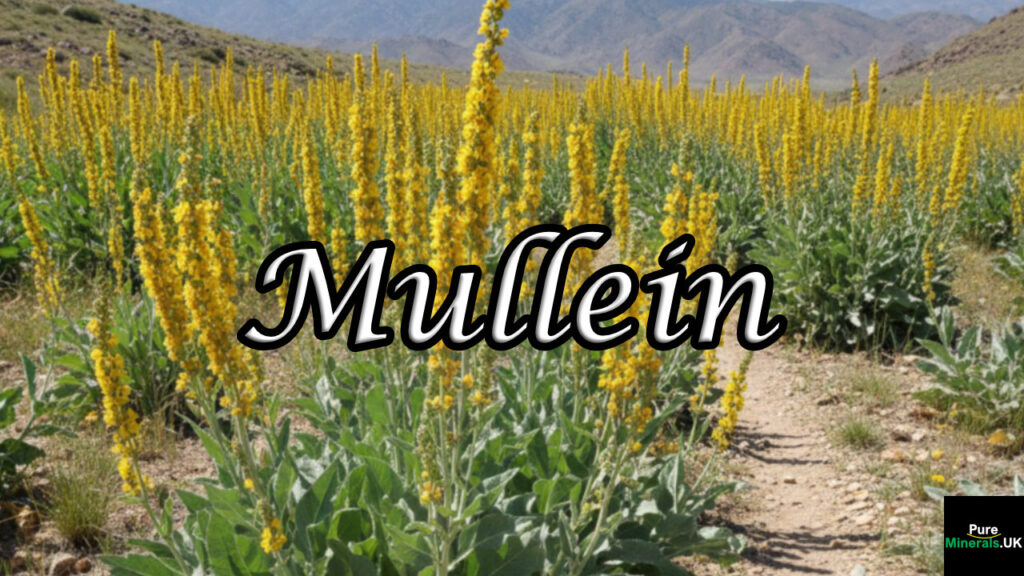
Found growing along roadsides and in open meadows, the tall, distinctive mullein plant (Verbascum thapsus) has been valued for centuries as a respiratory tonic.
Its yellow flowers and large, fuzzy leaves aren’t just visually striking—they contain compounds that work synergistically to support healthy lung function and soothe irritated respiratory passages. From ancient Greek physicians to Native American healers, mullein has remained a consistent presence in traditional medicine cabinets, specifically for its lung-supporting properties.
Mullein’s Powerful Support for Respiratory Health
When it comes to natural lung support, mullein stands in a class of its own. This remarkable plant works through multiple mechanisms to promote respiratory wellness. Its primary action involves loosening and removing excess mucus that can clog airways while simultaneously calming irritated tissues. This dual-action approach makes mullein particularly valuable for both acute and chronic respiratory conditions where both congestion and irritation are present.
What makes mullein especially valuable is its gentle nature. Unlike some pharmaceutical interventions that might cause drowsiness or other unwanted side effects, mullein typically provides relief without significantly impacting other bodily systems. Its soothing properties extend throughout the respiratory tract, from the throat to the deepest parts of the lungs, offering comprehensive support during seasonal challenges or ongoing respiratory concerns.
The versatility of mullein is another key advantage. Available in various forms—from dried leaves for tea to concentrated tinctures and even as a base for therapeutic oils—mullein can be adapted to individual preferences and specific respiratory needs. This accessibility has contributed to its enduring popularity as a home remedy across diverse cultures and healing traditions.
The Science Behind Mullein’s Respiratory Benefits
While traditional wisdom provides compelling evidence for mullein’s effectiveness, modern scientific research is beginning to validate these historical claims. Although human clinical trials remain limited, laboratory studies have identified several bioactive compounds in mullein that explain its beneficial effects on respiratory health. These findings help bridge the gap between traditional knowledge and contemporary understanding.
Key Active Compounds That Help Your Lungs
Mullein’s respiratory benefits stem from its rich phytochemical profile. The plant contains an impressive array of saponins, which act as natural expectorants, helping to liquefy and expel excess mucus from the lungs. Flavonoids present in mullein, including verbascoside and luteolin, demonstrate significant anti-inflammatory activity in respiratory tissues. Additionally, the plant contains mucilage, a gelatinous substance that coats and soothes irritated membranes, providing immediate comfort to raw, inflamed airways.
These compounds work synergistically to create mullein’s therapeutic effect. While pharmaceutical medications often isolate single active ingredients, the whole-plant approach of herbal medicine, like mullein, appears to enhance overall effectiveness through the complementary actions of multiple compounds. Research from a 2021 study published in the journal Biology indicated that mullein’s complex composition contributes to its broad spectrum of beneficial effects on respiratory tissues.
How Mullein Soothes Inflamed Airways
Inflammation lies at the heart of many respiratory conditions, from asthma to bronchitis. Mullein addresses this fundamental issue through multiple pathways. Its anti-inflammatory compounds help reduce the body’s inflammatory response in respiratory tissues, decreasing swelling and opening airways for easier breathing. The herb’s soothing mucilage creates a protective coating over irritated throat and bronchial tissues, reducing the triggering of cough reflexes and providing immediate relief.
“The traditional use of mullein leaf has been treatment of lung and respiratory conditions like bronchitis, colds, dry coughs, and sore throats. The leaves contain plant compounds with powerful antioxidant and anti-inflammatory properties that help to rid the body of mucus and soothe the raw, inflamed tracts of your system, like your throat.” — Journal of Ethnopharmacology review, 2020
Antioxidant and Anti-inflammatory Properties
Research indicates that mullein possesses impressive antioxidant capabilities that help protect lung tissue from oxidative damage. This protection is particularly valuable in environments with high pollution levels or for individuals with chronic respiratory conditions, where oxidative stress plays a significant role. A 2024 study found that kaempferol, a flavonoid present in mullein, demonstrated notable anti-inflammatory effects in respiratory tissues, supporting the plant’s traditional use for lung conditions.
These antioxidant properties extend beyond mere protection—they actively support the body’s natural healing processes. By neutralizing harmful free radicals in lung tissues, mullein helps create an environment where irritated and damaged cells can recover more efficiently. This regenerative support makes mullein valuable not just for acute respiratory issues but as part of long-term respiratory wellness strategies.
Expectorant Action: Clearing Mucus Naturally
One of mullein’s most valued properties is its natural expectorant action. Unlike some pharmaceutical expectorants that simply thin mucus, mullein helps the lungs naturally expel accumulated phlegm while simultaneously soothing the irritated passages. This dual action is attributed to the plant’s saponin content, which increases the production of more fluid mucus that’s easier to clear from the respiratory tract.
The expectorant effect makes mullein particularly beneficial for conditions like bronchitis, where both mucus accumulation and bronchial irritation create discomfort. By addressing both issues simultaneously, mullein often provides more comprehensive relief than remedies targeting only one aspect of respiratory distress. Users frequently report that mullein helps transition a dry, unproductive cough into a more productive one that actually clears the airways.
5 Common Respiratory Conditions Mullein May Help
While mullein has been traditionally used for numerous ailments, its benefits for respiratory conditions stand out as particularly significant. Based on both historical use and emerging research, several respiratory issues appear to respond well to mullein preparations. Each of these conditions benefits from mullein’s unique combination of expectorant, anti-inflammatory, and soothing properties.
1. Chronic Bronchitis Relief
Chronic bronchitis, characterized by persistent inflammation of the bronchial tubes, responds particularly well to mullein’s comprehensive properties. The herb’s expectorant action helps clear the excess mucus that characterizes this condition, while its anti-inflammatory compounds reduce the underlying inflammation of bronchial passages. Many individuals with chronic bronchitis report significant improvement in breathing comfort and reduced coughing frequency after incorporating mullein into their wellness routines.
Regular use of mullein tea or tincture appears to be most effective for chronic bronchitis, with benefits accumulating over time. The consistent application helps maintain clearer airways and reduces the frequency of acute flare-ups that can be particularly distressing. Some herbalists recommend combining mullein with other respiratory herbs like thyme or marshmallow root for enhanced effectiveness in managing chronic bronchitis symptoms.
2. Dry Cough and Throat Irritation
The soothing mucilage in mullein makes it an excellent remedy for dry, irritating coughs and throat discomfort. Unlike cough suppressants that simply block the cough reflex, mullein addresses the underlying irritation while helping transition to more productive coughing that actually clears the airways. This makes it particularly valuable for the persistent dry coughs that often linger after respiratory infections or result from environmental irritants.
Mullein tea with honey is a traditional preparation specifically for throat irritation and dry cough. The warm liquid carries the herb’s soothing compounds directly to irritated tissues, while the mucilage creates a protective coating that reduces further irritation. Many users report almost immediate relief from the scratchy, irritated feeling that triggers persistent coughing.
3. Common Cold Support
During common colds, mullein can help ease respiratory discomfort and support the body’s natural recovery processes. Its anti-inflammatory properties help reduce nasal and bronchial swelling, making breathing easier even during the most congested phases of a cold. Additionally, by supporting more efficient mucus clearance, mullein helps the body eliminate the viral particles trapped in respiratory mucus, potentially shortening the duration of symptoms.
For cold support, mullein is often paired with immune-supporting herbs like elderberry or echinacea for a more comprehensive approach. This combination addresses both the respiratory symptoms and the underlying immune challenge. Many herbal practitioners recommend starting mullein at the first sign of respiratory symptoms for the most effective support during colds.
4. Asthma Symptom Management
While mullein should never replace prescribed asthma medications, traditional use suggests it may offer complementary support for managing certain asthma symptoms. The anti-inflammatory properties may help reduce bronchial inflammation, while the soothing effects on respiratory tissues can help minimize irritation that might otherwise trigger asthma episodes. Some individuals with mild asthma report that regular mullein use helps reduce the frequency of minor flare-ups and improves overall breathing comfort.
It’s worth noting that mullein’s benefits for asthma are likely most relevant for preventing or reducing minor symptoms rather than addressing acute asthma attacks. Always consult with a healthcare provider before incorporating mullein or any herb into an asthma management plan, and never discontinue prescribed medications without medical supervision.
5. Sinus Congestion Clearing
Beyond the lower respiratory tract, mullein also demonstrates benefits for upper respiratory issues like sinus congestion. When used in steam inhalations or as a tea, mullein helps reduce inflammation in sinus passages while promoting drainage of accumulated mucus. This dual action helps restore comfortable breathing and reduces the pressure and pain associated with sinus congestion.
For sinus support, mullein is sometimes combined with herbs like peppermint or eucalyptus, which enhance its decongestant properties. This synergistic approach often provides more comprehensive relief than mullein alone, especially for stubborn sinus congestion that doesn’t respond to single-herb treatments.
Traditional Uses Through History
Mullein’s reputation as a respiratory remedy extends back thousands of years, with documented use across multiple civilizations. This historical lineage not only attests to the plant’s effectiveness but also provides valuable insights into its various applications and preparation methods. The consistent use of mullein across diverse cultures for similar respiratory complaints suggests a universality to its therapeutic actions.
Archaeological evidence indicates that ancient peoples recognized mullein’s value long before formal medical systems documented its use. The enduring presence of mullein in traditional pharmacopeias worldwide speaks to its reliable effects and relative safety compared to other medicinal plants of historical significance.
Ancient Greek and Roman Applications
Greek physician Dioscorides first documented mullein’s medicinal use in his De Materia Medica around 60 CE, specifically noting its benefits for “lung diseases.” This early reference established mullein as a respected respiratory remedy in classical medicine. The Romans subsequently adopted mullein into their medicinal practices, using it primarily for coughs, chest congestion, and inflammatory conditions of the throat and lungs.
Throughout the classical period, mullein was typically prepared as a decoction, with the leaves boiled in water or wine to extract their therapeutic compounds. Some Roman physicians combined mullein with honey to enhance its soothing effects on irritated throats and improve palatability, a practice that continues in modern herbal medicine.
Native American Healing Practices
When mullein was introduced to North America, indigenous peoples quickly recognized its medicinal value and incorporated it into their healing traditions. Various tribes, including the Cherokee, Iroquois, and Navajo, used mullein specifically for respiratory conditions. Native American healers often employed mullein smoke inhalation for asthma and bronchial congestion, a unique application that utilized the plant’s dried stalks and leaves.
Native healers also created poultices from mullein leaves for chest applications, believing this would draw congestion from the lungs and ease breathing difficulties. This external use complemented the internal consumption of mullein teas and demonstrates the holistic approach indigenous practitioners took with medicinal plants.
Folk Remedies in Appalachian Medicine
Appalachian folk medicine, with its rich tradition of herbal healing, embraced mullein as a primary remedy for respiratory ailments. Mountain communities relied on mullein for treating “lung fever” (pneumonia), whooping cough, and tuberculosis during times when medical care was limited or inaccessible. Appalachian healers developed numerous preparation methods, including mullein syrups preserved with honey or sugar for extended shelf life.
The Appalachian tradition also introduced the practice of combining mullein with other local herbs like horehound and wild cherry bark to create comprehensive respiratory formulas. These combinations addressed multiple aspects of respiratory illness simultaneously and remain influential in modern herbal blends designed for lung support.
How to Use Mullein for Best Results
The effectiveness of mullein for respiratory support depends significantly on proper preparation and administration. Different forms of the herb offer varying benefits and may be more suitable for specific conditions or individual preferences. Understanding these options helps ensure you receive the maximum therapeutic benefit from this versatile plant ally.
Mullein Tea Preparation
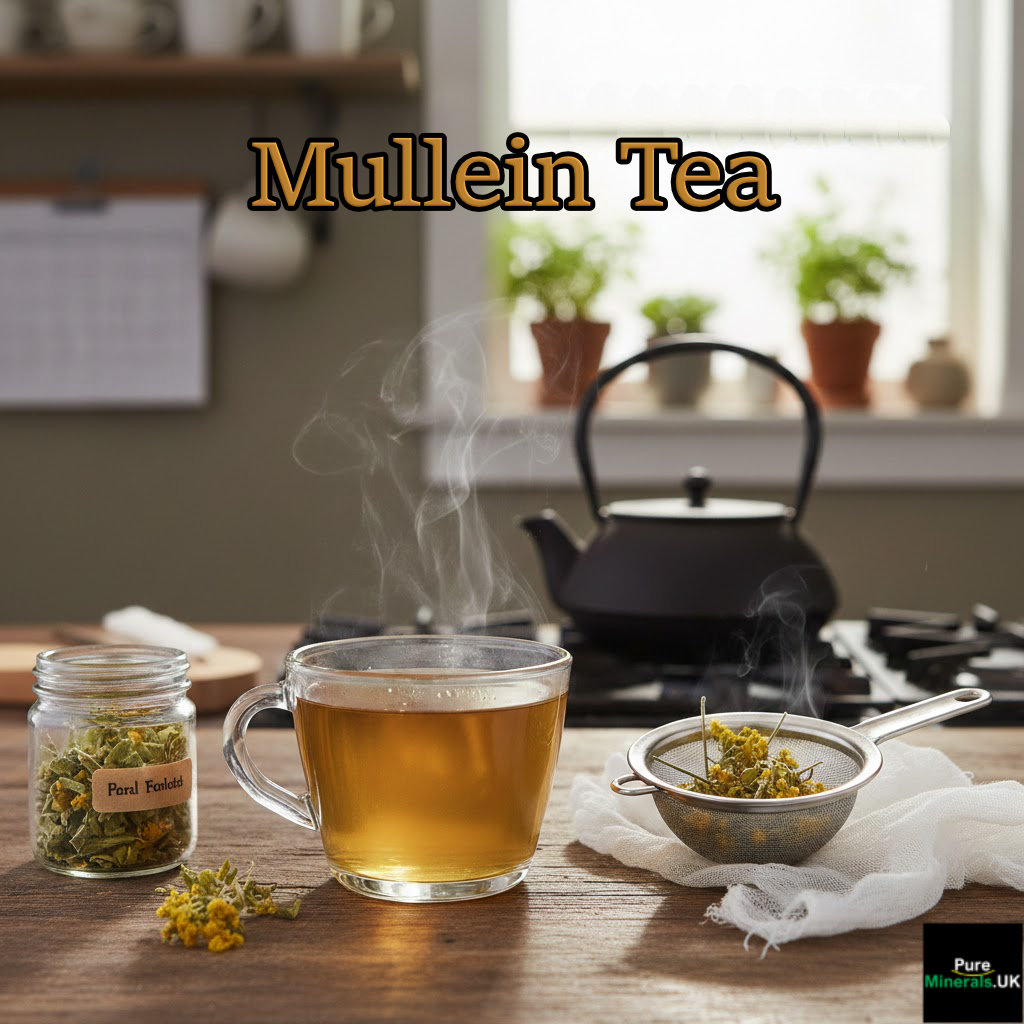
Mullein tea remains the most common and accessible way to use this herb for respiratory support. To prepare an effective infusion, use 1-2 teaspoons of dried mullein leaves per cup of boiling water. Allow the tea to steep for 10-15 minutes, then strain carefully through a fine cloth or paper filter to remove the tiny hairs that can irritate the throat, then drink 2-3 cups daily for active respiratory issues or one cup daily for maintenance.
For enhanced effectiveness, many herbalists recommend adding a teaspoon of honey and a squeeze of lemon to mullein tea. The honey provides additional soothing properties for irritated throats, while lemon contributes vitamin C and helps cut through the mild bitterness of the herb. For deeper lung support, mullein flowers can be included alongside the leaves, as they contain slightly different beneficial compounds.
Tinctures and Extracts Dosing
Mullein tinctures offer a more concentrated form of the herb’s beneficial compounds and provide a convenient alternative to tea. The standard adult dosage typically ranges from 2-4 milliliters (approximately 40-80 drops) taken 3 times daily, either in a small amount of water or directly under the tongue for faster absorption. Tinctures are particularly useful for addressing acute respiratory issues that require stronger intervention than tea provides.
Glycerites, which use vegetable glycerin rather than alcohol as the extracting medium, offer an alcohol-free alternative, particularly suitable for children and those who avoid alcohol. The typical glycerite dose is similar to tinctures, though some practitioners recommend slightly higher amounts to compensate for glycerin’s somewhat lower extraction efficiency compared to alcohol.
Topical Applications
Beyond internal use, mullein can be applied externally to support respiratory function. A traditional application involves making a strong mullein tea, soaking a clean cloth in the warm liquid, and applying it as a compress directly to the chest. This method helps deliver the herb’s beneficial compounds through the skin to the underlying lung tissue and can provide relief when breathing is particularly uncomfortable.
Mullein-infused oil, while more commonly used for ear complaints, can also be applied to the chest and throat areas as a soothing respiratory rub. To enhance its effectiveness for respiratory applications, the oil is sometimes blended with essential oils like eucalyptus or pine that complement mullein’s respiratory benefits.
Beyond Respiratory Support: Other Therapeutic Uses
While mullein’s respiratory benefits are its most celebrated qualities, the plant offers therapeutic value for several other health concerns. These additional applications highlight mullein’s versatility and may provide complementary benefits for individuals primarily using the herb for lung support.
Ear Infection Relief
Mullein flower oil has gained scientific recognition for its effectiveness against ear infections. Research indicates that the oil’s antibacterial and anti-inflammatory properties help address both the infectious agents and the painful inflammation they cause. Commercial mullein ear drops often combine the herb with garlic for enhanced antimicrobial action.
For ear applications, only properly prepared mullein oil should be used, and never if the eardrum is perforated. The standard protocol involves warming the oil slightly and placing 2-3 drops into the affected ear several times daily until symptoms resolve. This gentle approach is particularly valuable for children’s ear infections, where reducing antibiotic use is often desirable.
Skin Healing Properties
Mullein’s anti-inflammatory and soothing properties extend to skin applications, where it helps calm irritation and support healing. Traditional uses include mullein compresses for inflammatory skin conditions, minor burns, and hemorrhoids. The herb’s mucilage content provides a protective coating over damaged skin while its anti-inflammatory compounds reduce redness and discomfort.
Modern herbalists sometimes incorporate mullein into salves and creams for topical application to irritated skin. These preparations typically combine mullein with other skin-healing herbs like calendula or plantain for comprehensive support of the skin’s natural healing processes.
Digestive Support Benefits
Less commonly recognized are mullein’s benefits for digestive discomfort. The herb’s anti-inflammatory properties can help soothe irritated digestive tissues, while its mild astringency may benefit conditions involving excessive secretions. Some traditional practitioners recommend mullein tea for diarrhea and inflammatory bowel conditions, though these applications have received less scientific attention than its respiratory uses.
The gentle nature of mullein’s digestive support makes it suitable for sensitive individuals who might react adversely to stronger digestive herbs. As with its respiratory applications, mullein addresses both inflammation and excessive fluid production in digestive tissues, offering comprehensive support for gastrointestinal comfort.
Safety Considerations
While mullein boasts an excellent safety profile compared to many medicinal plants, responsible use requires awareness of potential concerns and appropriate precautions. Understanding these safety considerations helps ensure that mullein provides its benefits without unwanted effects.
Potential Side Effects to Watch For
Mullein is generally well-tolerated, with adverse reactions being relatively rare and typically mild. The most common side effect involves throat irritation from inadequately filtered tea, as the plant’s tiny hairs can cause mechanical irritation if not removed during straining. Using a fine cloth filter or a paper coffee filter effectively prevents this issue. Some individuals may experience mild digestive discomfort when beginning mullein, which typically resolves as the body adjusts to the herb.
Skin sensitivity to mullein occurs in a small percentage of people, particularly with direct application of the fresh plant. A simple patch test before extensive use can identify potential reactivity. If skin redness, itching, or irritation develops after topical application or handling mullein, discontinue use and consult with a healthcare provider experienced in botanical medicine.
Drug Interactions and Precautions
Compared to many herbs, mullein has few known drug interactions, contributing to its favorable safety profile. However, the herb’s mucilage content may theoretically slow the absorption of medications taken simultaneously. As a precaution, separating mullein consumption from other medications by at least two hours is advisable, particularly for medications where precise timing of absorption is critical.
Individuals taking diabetes medications should monitor blood glucose levels when beginning regular mullein use, as some research suggests the herb may have mild hypoglycemic effects. For more information on the potential benefits of mullein, including its hypoglycemic properties, visit this resource. While this action is generally modest, awareness and appropriate monitoring prevent unwanted blood sugar fluctuations.
Those taking anticoagulant or antiplatelet medications should consult healthcare providers before using concentrated mullein preparations, as some evidence suggests mullein may have mild blood-thinning properties. This interaction appears minimal with typical doses but warrants consideration for those on prescription blood thinners.
Who Should Avoid Mullein
“While generally safe for most individuals, mullein should be used with caution during pregnancy, by nursing mothers, individuals with severe respiratory conditions requiring medical intervention, and those with known allergies to plants in the Scrophulariaceae family. Always consult healthcare professionals before using any herbal remedy, particularly for chronic or serious health conditions.”
Pregnant and breastfeeding women should exercise caution with mullein due to insufficient safety data, though no specific adverse effects have been documented. The conservative approach involves avoiding concentrated forms like tinctures while limiting tea consumption to occasional rather than regular use during these sensitive periods.
Individuals with diagnosed but untreated respiratory conditions should seek proper medical assessment before relying on mullein as a primary intervention. While the herb may complement conventional care, it should not replace appropriate medical treatment for serious conditions like pneumonia, severe asthma, or suspected tuberculosis. For additional herbal remedies, consider exploring the benefits of lemongrass in supporting respiratory health.
Those with known allergies to plants in the Scrophulariaceae family (figworts) should approach mullein with caution, as cross-reactivity is possible. A supervised trial of a small amount can help determine individual tolerance before regular use.
Finding Quality Mullein Products
Form | Ideal Characteristics | Typical Uses |
|---|---|---|
Dried Leaf | Vibrant green, aromatic, minimal stem content | Tea, decoctions, smoking blends |
Tincture | Organic herbs, proper alcohol percentage (40-60%) | Acute respiratory issues, convenient dosing |
Capsules | No fillers, clear mg content, freshness-sealed | Travel, taste-sensitive individuals |
Mullein Oil | Flower-infused, cold-pressed base oil, amber bottle | Ear infections, topical applications |
The therapeutic value of mullein depends significantly on product quality. Unfortunately, the herbal supplement market varies widely in standards, making informed purchasing essential. High-quality mullein products preserve the plant’s beneficial compounds while minimizing potential contaminants or adulterants that might reduce effectiveness or introduce safety concerns, similar to the importance of quality in mugwort products.
Reputable suppliers prioritize appropriate harvesting, processing, and storage methods that maintain the herb’s integrity. This attention to quality ensures that the mullein you use contains optimal levels of the saponins, flavonoids, and mucilage responsible for its therapeutic effects.
Third-party testing provides additional assurance of product quality and purity. Look for companies that voluntarily submit their products for independent analysis and make these results available to consumers. This transparency demonstrates a commitment to quality and safety that distinguishes superior herbal products.
What to Look for in Supplements
When purchasing mullein supplements in capsule or tablet form, examine the ingredient list carefully. Quality products contain pure mullein leaf or a clearly specified extract, without unnecessary fillers, artificial colors, or preservatives. The label should indicate the specific amount of mullein per serving and, ideally, mention whether the herb is standardized to contain particular levels of active compounds.
Encapsulated supplements should specify whether they contain raw herb or extract, as this significantly affects potency. Extract forms typically require lower doses but provide more concentrated therapeutic compounds. Some manufacturers include information about the extract ratio (such as 4:1 or 5:1), which indicates how much raw herb was used to create the extract.
“Responsible supplement manufacturers provide transparency about sourcing, testing procedures, and quality control measures. Look for products that clearly state the plant part used, country of origin, whether it’s organic or wildcrafted, and any extraction methods employed. This level of detail indicates a company committed to quality and consumer education.”
Reputable companies readily provide information about their quality control processes when asked. This may include details about testing for heavy metals, pesticide residues, microbial contamination, and proper identification of plant species. A manufacturer’s willingness to share this information reflects their commitment to product integrity and consumer safety.
Identifying Pure Dried Herb
For those preparing their own mullein remedies, selecting high-quality dried herb is crucial. Visual inspection provides immediate clues about quality—premium dried mullein leaf should have a consistent green color without excessive browning, maintain some of its characteristic softness, and possess a mild, pleasant aroma. The presence of numerous small stems or other plant matter suggests poor processing and potentially reduced therapeutic value.
Properly dried mullein should crumble easily but not appear powdery or dusty, as excessive pulverization can accelerate the loss of volatile compounds. When steeped, quality mullein produces a clear to light amber liquid with a mild, slightly sweet taste that may have subtle bitter notes. Cloudy or unusually dark infusions might indicate improper drying, storage issues, or potential contamination.
Organic vs. Conventional Options
The choice between organic and conventional mullein merits careful consideration, particularly since the plant is directly consumed for therapeutic purposes. Organic certification ensures the herb was grown without synthetic pesticides and herbicides, which is especially important for mullein, given its fuzzy leaves that can trap and hold spray residues. For respiratory applications, minimizing exposure to these potential irritants is particularly relevant.
Beyond personal health considerations, organic mullein often represents more sustainable cultivation practices. Responsible wildcrafting (harvesting from wild plants) can be acceptable when done with proper identification skills and harvesting ethics, but certified organic remains the most reliable standard for ensuring both personal safety and environmental responsibility in commercially available mullein products.
Final Thoughts: Incorporating Mullein into Your Wellness Routine
Mullein offers a gentle yet effective approach to respiratory wellness that complements other healthy lifestyle practices. Whether used occasionally for seasonal respiratory challenges or as regular support for ongoing lung health, this traditional herb provides valuable benefits with minimal risk when properly sourced and prepared. As with any natural remedy, the best results come from informed use, quality products, and a holistic approach that addresses underlying factors affecting respiratory health. For those seeking natural respiratory support backed by both traditional wisdom and emerging science, mullein deserves consideration as a key component of the natural wellness toolkit.
Important note: Mullein
Mullein is generally considered safe when used appropriately, but its leaves contain fine hairs that may irritate the throat if the tea is not properly strained. For this reason, mullein tea should be filtered through fine cloth or paper.
Individuals with plant allergies should exercise caution, particularly those sensitive to plants in the figwort family. Mullein should be used conservatively during pregnancy and breastfeeding unless advised by a healthcare professional. Persistent cough, chest pain, shortness of breath, fever, or blood in mucus requires medical assessment rather than prolonged self-treatment.
Mullein seeds are toxic and should not be consumed.
Frequently Asked Questions
Below are answers to common questions about using mullein for respiratory health. While this information provides general guidance, individual health conditions may require personalized recommendations from qualified healthcare providers familiar with both herbal medicine and your specific health history.
Can I harvest mullein myself, and how do I identify it?
Yes, mullein can be ethically wildcrafted if you can identify it confidently. Look for a tall plant (often 6-8 feet in its second year) with a single stalk covered in yellow flowers and a rosette of large, fuzzy, pale green leaves at the base. The distinctive velvety texture of the leaves is unmistakable—they feel like thick flannel and are covered with tiny hairs. Harvest only from areas free of pesticides, road pollution, and industrial contamination.
For harvesting, collect the leaves during the first or second year before the plant flowers for maximum mucilage content. The yellow flowers can also be gathered for oil preparation, but require daily collection as they bloom sequentially up the stalk. Always practice sustainable harvesting by taking only what you need and leaving plenty of plants to reproduce and support local ecosystems.
How long should I use mullein before expecting results for respiratory issues?
For acute conditions like coughs or bronchial irritation, many people report noticeable improvement within 24-48 hours of beginning regular mullein use. For chronic respiratory conditions, consistent use over 2-4 weeks typically provides the most significant benefits as the herb’s anti-inflammatory and expectorant effects accumulate. Like many botanical remedies, mullein works best when used consistently rather than sporadically, allowing its gentle actions to build over time.
Is mullein safe for children with coughs and colds?
Mullein is generally considered one of the safer herbs for children when used in age-appropriate doses. For children over two years old, mullein tea in reduced amounts (typically 1/4 to 1/2 of the adult dose, depending on age and size) can provide gentle support for coughs and congestion. The tea should always be well-strained to remove all plant hairs that could cause throat irritation.
Parents should consult with healthcare providers before using mullein or any herb with children, particularly for those under two years of age or with underlying health conditions. For very young children, respiratory symptoms warrant professional medical evaluation before attempting home treatment with any remedy, herbal or otherwise.
Can mullein be combined with other herbs for respiratory support?
Mullein combines excellently with other respiratory herbs for enhanced effectiveness. Traditional combinations include mullein with thyme for its antimicrobial properties, marshmallow root for additional mucilage content and throat soothing, elecampane for deep lung support, and wild cherry bark for cough relief. These synergistic blends often provide more comprehensive support than mullein alone, addressing multiple aspects of respiratory discomfort simultaneously.
Many herbalists also recommend combining mullein with immune-supporting herbs like elderberry or echinacea when respiratory issues have infectious components. This dual approach supports both symptom relief and addresses underlying immune challenges. Start with simple two-herb combinations before creating more complex formulas to better understand how each herb affects your system.
When creating herbal combinations, maintain mullein as the primary ingredient (typically 50-60% of the formula) to preserve its core benefits while allowing complementary herbs to address specific aspects of your respiratory concerns. Commercial respiratory blends often follow this principle, using mullein as the foundation while adding targeted support from additional botanicals like lemongrass.
Remember that herbal medicine works best as part of a comprehensive approach to respiratory health that includes proper hydration, appropriate humidity levels, allergen reduction, and other lifestyle factors that support optimal breathing. Mullein and its herbal companions, such as mugwort, provide valuable support, but achieving lasting respiratory wellness typically requires addressing multiple factors affecting lung health.