

Published: 20 January 2026
Last Updated: 25 February 2026
This article is periodically reviewed and updated to reflect current scientific understanding by Vic George.
Fact-Checked: 1 other authoritative medical/scientific reference. See our Editorial Policy.

What Are Mushrooms and Why Are They Considered a Superfood?
Mushrooms are edible fungi consumed worldwide in a wide range of cuisines and dietary traditions. They are often described as a superfood because many varieties are low in calories yet rich in important nutrients, including B vitamins, selenium, copper, potassium, and naturally occurring antioxidant compounds. Some types of mushrooms also contain beta-glucans—fibers found in fungi and certain plants that contribute to normal immune and metabolic function.
From a nutritional perspective, mushrooms support overall diet quality by providing micronutrients and bioactive compounds that complement a balanced eating pattern. Their value lies not in a single specific effect, but in their ability to add nutrient diversity and plant-like compounds to meals with relatively low energy intake.
Common culinary mushrooms include button, chestnut, portobello, shiitake, and oyster mushrooms, while others, such as reishi and maitake, are often used in supplement or extract form. Only properly identified, food-grade mushrooms should be consumed, and wild mushrooms should never be eaten unless identified by qualified experts. As with all foods commonly labelled as superfoods, mushrooms provide the greatest benefit when consumed regularly as part of a varied, whole-food diet.
Key Takeaways
- Mushrooms are nutritional powerhouses packed with essential vitamins, minerals, and unique bioactive compounds that support immune function and overall health.
- There are over 7,000 edible mushroom varieties worldwide, each offering distinctive flavors, textures, and health benefits for your culinary adventures.
- Common varieties like cremini, shiitake, and portobello mushrooms provide versatile options for everyday cooking while delivering impressive nutritional profiles.
- Proper selection and storage techniques can significantly extend mushroom freshness and preserve their nutritional value.
- Simple cooking methods like sautéing and roasting can transform mushrooms into delicious, nutrient-rich additions to countless recipes.
Mushrooms are culinary chameleons that deliver an impressive nutritional punch in every bite. These fascinating fungi have been revered across cultures for centuries, not just for their distinctive umami flavor but for their remarkable health-promoting properties. Today’s home cooks are rediscovering what traditional healers have known for generations – mushrooms offer a unique combination of taste and nutrition that few other foods can match.
With nearly 7,000 varieties recognized for their excellent taste and nutritional profiles, mushrooms represent one of the most diverse food categories available to modern cooks. From the humble button mushroom to exotic varieties like lion’s mane, each type brings something special to your kitchen. MycoNutrition research shows that incorporating mushrooms into your weekly meal rotation can significantly boost your intake of essential nutrients while adding depth and complexity to everyday dishes.
The versatility of mushrooms makes them perfect for culinary exploration. Whether you’re creating a hearty stew, crafting a delicate pasta sauce, or looking for a meat substitute in plant-based cooking, mushrooms adapt to countless cooking techniques while retaining their nutritional integrity. Their unique cellular structure allows them to absorb flavors while contributing their own distinctive taste, making them a favorite among chefs and home cooks alike.
Why Mushrooms Are Nature’s Hidden Superfood

Unlike typical plants, mushrooms occupy a kingdom all their own, featuring unique structures and nutritional compositions that set them apart from both plants and animals. This biological uniqueness translates into an exceptional nutritional profile – mushrooms contain compounds rarely found in other foods. Their cell walls contain beta-glucans and chitin, complex carbohydrates that support immune function and digestive health in ways that plant fibers cannot.
What makes mushrooms truly remarkable is their ability to synthesize vitamin D when exposed to sunlight – a trait shared with humans but almost no other food sources. This makes certain mushroom varieties among the only natural, non-animal sources of this essential vitamin. Additionally, mushrooms contain ergothioneine, an amino acid with powerful antioxidant properties that may help protect cells from oxidative damage. For more nutrient-rich options, consider exploring other foods like kale.
The nutritional density of mushrooms is impressive when considering their caloric content. They provide substantial amounts of B vitamins, selenium, potassium, copper, and zinc while being naturally low in calories, sodium, and fat. This combination makes them ideal for those seeking nutrient-rich foods that support weight management goals without sacrificing flavor or satisfaction.
5 Nutritious Mushroom Varieties You Should Try
The world of edible mushrooms extends far beyond the white button varieties commonly found in supermarkets. Each type offers a unique flavor profile, texture, and nutritional composition that can transform ordinary dishes into extraordinary culinary experiences. From delicate oyster mushrooms to meaty portobellos, the diversity available to today’s cooks provides endless opportunities for creative, health-conscious cooking.
1. Cremini: The Everyday Powerhouse
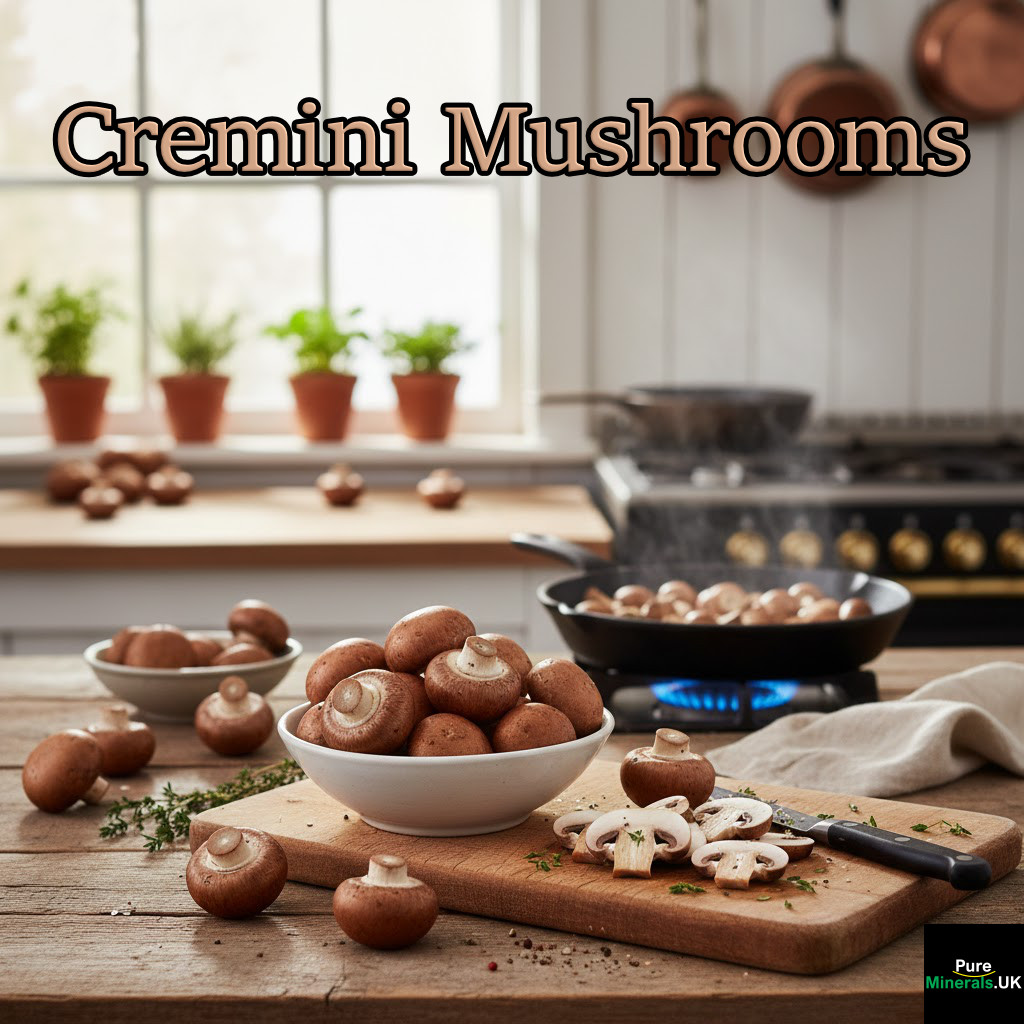
Cremini mushrooms, also known as baby bellas, are actually young portobello mushrooms with a firm texture and earthy flavor that intensifies with cooking. These versatile fungi contain more protein than many vegetables and are particularly rich in selenium, copper, and all five B vitamins. Their firm texture holds up well in stir-fries, soups, and pasta dishes, making them perfect for everyday cooking. One cup of cremini mushrooms provides nearly 20% of your daily riboflavin needs while containing just 15 calories.
2. Shiitake: Heart-Healthy Asian Favorite

Shiitake mushrooms have been prized in Asian cuisine for thousands of years, valued for both their rich, smoky flavor and medicinal properties. Research indicates that compounds in shiitakes may help lower cholesterol and support cardiovascular health. Their distinctive umbrella-shaped caps and tender texture make them ideal for stir-fries, soups, and grain bowls. Fresh shiitakes deliver an intensely savory flavor, while dried versions develop concentrated umami notes that can enhance stocks and sauces.
3. Portobello: Meaty Texture with Immune-Boosting Benefits

Portobello mushrooms are fully mature creminis that have expanded to form large, flat caps with exposed gills. Their substantial size and meaty texture have made them popular as vegetarian burger substitutes, but their culinary applications extend much further. Portobellos contain significant amounts of ergothioneine and glutathione, two antioxidants that may help protect cells from damage. These mushrooms shine when grilled, roasted, or stuffed, as their texture becomes even more meat-like with cooking while releasing flavorful juices.
“Portobellos contain more potassium than a banana and are one of the few natural food sources of vitamin D, especially when exposed to sunlight before cooking.” – Mushroom Council Nutritional Research
4. Oyster: Cholesterol-Fighting and Versatile

Oyster mushrooms grow in fan-shaped clusters with delicate, velvety caps that range in color from pale gray to pink or yellow, depending on the variety. These mushrooms contain compounds that may naturally help lower cholesterol levels and support immune function. Their mild, subtly sweet flavor intensifies with cooking, while their tender texture makes them perfect for quick-cooking methods like stir-frying. Oyster mushrooms also contain lovastatin, a natural compound similar to prescription medications used to lower cholesterol.
5. Lion’s Mane: The Brain-Boosting Mushroom

Lion’s Mane mushrooms stand out with their distinctive shaggy appearance that resembles a lion’s mane, hence the name. These unique fungi have gained attention for their potential cognitive benefits, with research suggesting they may support nerve growth and brain health. Their delicate, seafood-like flavor makes them perfect for light sautés or as a stunning addition to pasta dishes. When cooked properly, Lion’s Mane develops a tender, meaty texture that absorbs flavors beautifully.
The Impressive Health Benefits of Mushrooms
The health-promoting properties of mushrooms extend far beyond basic nutrition, offering a range of bioactive compounds that support overall wellness. These fungi contain beta-glucans that have been shown to modulate immune function and potentially enhance the body’s natural defense systems. The combination of antioxidants, vitamins, and minerals in mushrooms works synergistically to support various body systems.
Rich in Disease-Fighting Antioxidants
Mushrooms contain an impressive array of antioxidants that help combat oxidative stress in the body. Ergothioneine and glutathione, two powerful antioxidants found in mushrooms, may help protect cells from damage and reduce inflammation. Research suggests that mushrooms contain higher concentrations of these antioxidants than most other foods, making them an excellent addition to an anti-inflammatory diet. Regular consumption of antioxidant-rich foods like mushrooms has been associated with reduced risk of chronic diseases, including certain cancers and heart disease.
Vitamin D Source for Bone Health
Unlike most foods, certain mushroom varieties can synthesize vitamin D when exposed to ultraviolet light, similar to how human skin produces this essential nutrient in sunlight. This makes mushrooms one of the few natural, non-animal sources of vitamin D, which is crucial for calcium absorption and bone health. Some commercially available mushrooms are intentionally exposed to UV light to increase their vitamin D content, providing a valuable dietary source of this often-deficient nutrient. Just 3-4 mushrooms exposed to UV light can provide 100% of the recommended daily intake of vitamin D.
B Vitamins for Energy and Brain Function
Mushrooms are packed with B vitamins, including riboflavin, niacin, and pantothenic acid, which play key roles in energy production and brain function. These vitamins help convert food into energy and support the nervous system’s proper functioning. The B vitamin content in mushrooms makes them particularly valuable for vegetarians and vegans, who may have limited dietary sources of these nutrients. Regular consumption of B-vitamin-rich foods like mushrooms can help maintain energy levels and support cognitive function throughout the day.
“Mushrooms are nutritional powerhouses that provide many of the same nutritional benefits as vegetables, as well as attributes commonly found in meat, beans, and grains.” – Journal of Nutritional Science
Gut Health and Immune Support
The fiber content in mushrooms, particularly beta-glucans, acts as a prebiotic that feeds beneficial gut bacteria. This supports digestive health and helps maintain a balanced microbiome, which is increasingly recognized as fundamental to overall health. The unique polysaccharides found in mushroom cell walls have been studied for their immune-modulating effects, showing potential to enhance the body’s natural defenses. These compounds appear to interact with immune receptors, potentially “training” the immune system to respond more effectively to pathogens.
How to Select and Store Mushrooms for Maximum Freshness
Selecting fresh mushrooms is essential for both flavor and nutritional value. Learning to identify quality mushrooms and proper storage techniques can significantly extend their shelf life and preserve their beneficial compounds. With a few simple guidelines, you can ensure you’re getting the most from these remarkable fungi in your cooking adventures. For a different culinary experience, consider trying sauerkraut as a complementary dish.
What Fresh Mushrooms Look Like
Fresh mushrooms should appear plump and firm with a smooth, unblemished surface. Avoid specimens with dark, slimy spots or excessive wrinkles, as these indicate age and potential spoilage. The color should be consistent for the variety, whether it’s the creamy white of button mushrooms or the golden-brown of shiitakes. Fresh caps should be tightly closed for younger mushrooms, though some varieties like portobellos are sold with open caps revealing their gills. For more information on the nutritional benefits of mushrooms, check out this mushroom nutrition guide.
The aroma of fresh mushrooms should be pleasantly earthy and mild – never ammonia-like or fishy, which indicates decomposition. The stems should feel firm when gently squeezed, not spongy or mushy. For wild or specialty mushrooms, look for vibrant colors and intact features characteristic of the particular variety.
Mushroom Variety | Signs of Freshness | Warning Signs |
|---|---|---|
Button/Cremini | Firm, smooth caps; dry surface | Slimy texture; dark spots |
Portobello | Firm cap; fresh gills; moist but not wet | Dry, wrinkled cap; discolored gills |
Shiitake | Plump cap; white underside; springy stem | Soggy caps; yellow discoloration |
Oyster | Tender, velvety texture; even coloration | Slimy clusters; strong odor |
When shopping at farmers’ markets or specialty stores, don’t hesitate to ask vendors about harvest dates and handling recommendations for specific varieties. Many mushroom farmers can provide tips on preparation methods that best highlight the unique characteristics of their products. For wild mushrooms, always purchase from knowledgeable, reputable sources to ensure safety.
Storage Tips to Prevent Spoilage
Proper storage is crucial for maintaining mushroom freshness and nutritional value. Keep mushrooms in their original packaging or a paper bag in the refrigerator – never in sealed plastic containers, which trap moisture and accelerate spoilage. The ideal storage temperature is between 34-38°F (1-3°C) in a location with good air circulation. For longer storage, consider drying mushrooms or sautéing and freezing them for future use in soups and stews.
5 Easy Mushroom Cooking Techniques Anyone Can Master
Mushrooms are remarkably versatile in the kitchen, responding beautifully to various cooking methods that enhance their natural flavors and textures. Understanding the basic principles of mushroom cookery opens up endless possibilities for creating nutritious, delicious dishes. Each cooking technique brings out different qualities in mushrooms, from the deep caramelization of roasting to the tender juiciness of a quick sauté.
1. Sautéing: The Quick 5-Minute Method

Sautéing is perhaps the most common way to cook mushrooms, transforming them from raw to richly flavored in just minutes. The key to perfect sautéed mushrooms is high heat and not overcrowding the pan, which ensures they brown rather than steam. Start with a hot pan and a small amount of oil or butter, adding mushrooms in a single layer with enough space between pieces for moisture to evaporate.
Resist the urge to stir constantly – allowing mushrooms to sit undisturbed for 2-3 minutes develops beautiful caramelization and deepens flavor. Season only after mushrooms have released and reabsorbed their moisture to prevent them from becoming tough. A splash of wine, soy sauce, or balsamic vinegar added at the end of cooking creates a flavorful glaze that mushrooms readily absorb.
- Use a wide pan to allow proper moisture evaporation
- Cook over medium-high to high heat for proper browning
- Add aromatics like garlic and herbs toward the end to prevent burning
- Finish with acid (lemon juice, vinegar) to brighten flavors
Perfectly sautéed mushrooms can stand alone as a side dish, top crusty bread for an elegant appetizer, or add depth to pasta sauces and grain bowls. The technique preserves mushrooms’ nutritional value while concentrating their flavor, making it an excellent everyday cooking method.
2. Roasting: For Deep, Caramelized Flavors

Roasting mushrooms brings out their natural sweetness and creates an intense, concentrated flavor that’s different from any other cooking method. This hands-off technique is perfect for busy cooks, as it requires minimal attention once the mushrooms are in the oven. Toss cleaned, dry mushrooms with olive oil, salt, and any desired herbs on a baking sheet, ensuring they’re in a single layer with some space between pieces.
For optimal caramelization, roast at 425°F (220°C) for 20-25 minutes, stirring once halfway through cooking. The high heat causes the mushrooms’ natural sugars to caramelize, creating complex flavors and crispy edges while maintaining a juicy interior. This method works particularly well for heartier varieties like portobellos, creminis, and shiitakes that can withstand longer cooking times without becoming tough.
Roasted mushrooms make excellent side dishes, pizza toppings, or additions to grain bowls and salads. Their concentrated flavor means a small amount adds significant impact to any dish, making them economical as well as nutritious. For added dimension, try adding woody herbs like rosemary or thyme before roasting, which infuse the mushrooms with aromatic compounds that complement their earthy character.
3. Grilling: Summer’s Perfect Mushroom Technique

Grilling imparts a distinctive smoky flavor to mushrooms while creating a caramelized exterior and juicy interior that’s irresistible. Large, sturdy varieties like portobellos are ideal for direct grilling, while smaller mushrooms can be threaded onto skewers or cooked in a grill basket. Brush mushrooms lightly with oil before grilling to prevent sticking and help them develop beautiful grill marks.
For perfect grilled mushrooms, place them on a medium-hot grill and cook for 3-4 minutes per side for smaller varieties, or 5-7 minutes per side for large portobellos. Resist the urge to move them constantly; allowing them to develop char marks not only creates visual appeal but also enhances flavor through caramelization. A simple marinade of olive oil, garlic, and herbs before grilling adds depth without overwhelming the mushrooms’ natural taste.
Grilled mushrooms shine as burger substitutes, in summer salads, or as part of vegetable platters. Their meaty texture and ability to absorb smoky flavors make them favorites even among dedicated carnivores. The high heat of grilling also helps preserve mushrooms’ nutritional value while enhancing their natural umami qualities.
4. Stuffing: Create Impressive Appetizers
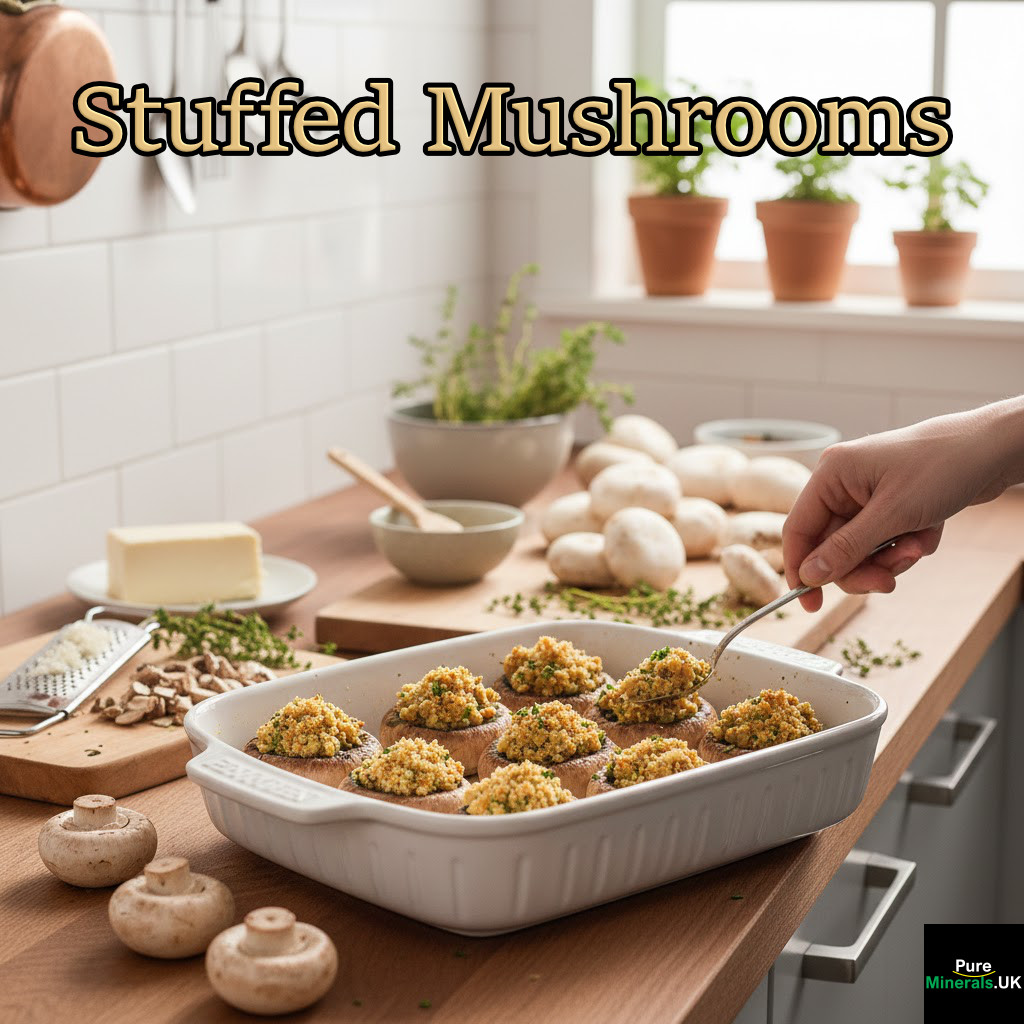
Stuffed mushrooms transform humble fungi into elegant appetizers or satisfying main courses with minimal effort. Medium to large mushrooms with cup-shaped caps, like creminis, portobellos, or shiitakes, work best for this technique. Remove the stems (saving them to chop and add to the filling) and gently clean the caps before filling with your choice of ingredients.
Classic stuffing combinations include cream cheese and herbs, breadcrumbs with garlic and parmesan, or quinoa with vegetables for a protein-rich vegetarian option. After filling, bake stuffed mushrooms at 375°F (190°C) for 15-20 minutes until the mushrooms are tender, and the filling is heated through and lightly browned. The mushroom caps not only serve as edible vessels but also infuse the filling with their rich flavor as they cook.
Stuffed mushrooms make perfect party appetizers, elegant first courses, or main dishes when using larger portobellos. They can be prepared in advance and baked just before serving, making them ideal for entertaining. The combination of the mushroom’s umami flavor with complementary filling ingredients creates a satisfying dish that showcases fungi’s versatility. For a unique twist, consider adding lentils to the filling for added texture and nutrition.
5. Adding to Soups and Stews

Incorporating mushrooms into soups and stews adds depth, texture, and nutritional value to one-pot meals. Different varieties contribute unique flavors and textures – creminis add earthiness, shiitakes provide richness, and oyster mushrooms offer delicate texture. For maximum flavor development, sauté mushrooms separately before adding them to your soup or stew base.
Dried mushrooms are particularly valuable for soups and stews, as their concentrated flavor infuses the entire dish during simmering. Rehydrate dried mushrooms in hot water for 20-30 minutes, then use both the mushrooms and their soaking liquid (strained to remove any grit) in your recipe. This technique adds remarkable depth to vegetable broths and creates umami-rich bases for countless dishes.
Mushroom soups range from light, brothy versions to rich, creamy classics like mushroom bisque. When adding mushrooms to stews, introduce them at different stages depending on variety – add heartier types earlier in cooking and delicate varieties in the last 15-20 minutes to maintain their texture. The ability of mushrooms to absorb and complement other flavors while adding their own earthy notes makes them invaluable ingredients in simmered dishes.
3 Nutritious Mushroom Recipes to Try This Week
Putting mushrooms’ versatility into practice, these three recipes showcase different cooking techniques and mushroom varieties while delivering maximum flavor and nutrition. Each recipe is designed to highlight mushrooms’ unique qualities while creating satisfying dishes suitable for everyday cooking.
Simple Garlic Mushroom Pasta
This weeknight-friendly pasta dish combines the earthy richness of sautéed mushrooms with the bright flavors of garlic, herbs, and lemon for a balanced meal that comes together in less than 30 minutes. Start by bringing a large pot of salted water to a boil for 8 ounces of your favorite pasta. While the pasta cooks, heat 2 tablespoons olive oil in a large skillet over medium-high heat and add 1 pound of sliced mixed mushrooms (cremini, shiitake, and oyster work beautifully together).
Allow the mushrooms to brown undisturbed for 3-4 minutes before stirring, then continue cooking until golden and most of the moisture has evaporated. Add 3 minced garlic cloves, 1 teaspoon fresh thyme leaves, and a pinch of red pepper flakes, cooking just until fragrant. Deglaze the pan with 1/4 cup white wine or broth, scraping up any flavorful browned bits. When the pasta is al dente, transfer it directly to the mushroom mixture along with 1/2 cup pasta cooking water, tossing to create a light sauce. Finish with a generous handful of grated Parmesan, freshly ground black pepper, and a squeeze of lemon juice for brightness.
Immune-Boosting Mushroom Soup
This nourishing soup combines several mushroom varieties with immune-supporting ingredients for a comforting meal that’s as good for your health as it is for your taste buds. Begin by rehydrating 1 ounce of dried porcini mushrooms in 2 cups of hot water for 30 minutes. Meanwhile, in a large pot, sauté 1 diced onion, 2 sliced carrots, and 2 sliced celery stalks in olive oil until softened. Add 1 pound of fresh sliced mushrooms (a mix of varieties provides the most complex flavor) and cook until they begin to brown.
Add 3 minced garlic cloves, 1 tablespoon grated fresh ginger, and 1 tablespoon fresh thyme, cooking just until fragrant. Pour in the rehydrated porcini mushrooms along with their strained soaking liquid, 4 cups of vegetable broth, and 1/4 cup of barley. Simmer for 30-35 minutes until the barley is tender. Just before serving, stir in 2 cups chopped kale and 1 tablespoon miso paste dissolved in a little warm water. The combination of varied mushrooms, ginger, miso, and vegetables creates a deeply satisfying soup with impressive nutritional credentials.
Stuffed Portobello Breakfast Caps
Transform your morning meal with these protein-rich stuffed mushrooms that make a satisfying breakfast or brunch. Start with 4 large portobello mushrooms, remove the stems, and gently scrape the gills. Brush with olive oil, season with salt and pepper, and roast gill-side down at 400°F (200°C) for 5 minutes to pre-cook slightly. Meanwhile, sauté 1 small diced bell pepper, 1/2 diced onion, and 2 cups fresh spinach until vegetables are tender and spinach is wilted.
Turn the mushroom caps gill-side up and divide the vegetable mixture among them. Carefully crack an egg into each mushroom cap, sprinkle with 1/4 cup shredded cheese of your choice, and bake for 12-15 minutes until the egg whites are set but yolks remain slightly runny. Garnish with chopped fresh herbs, avocado slices, and a dash of hot sauce if desired. These stuffed mushrooms deliver a complete nutritional package with protein, vegetables, and the rich vitamin content of the portobello caps themselves.
Common Mushroom Myths Debunked
Despite their popularity, mushrooms remain subject to persistent myths and misconceptions that can prevent cooks from getting the most out of these remarkable ingredients. Understanding the truth behind these common beliefs can help you better select, prepare, and enjoy mushrooms in your cooking.
Washing vs. Brushing: The Best Cleaning Method
One of the most enduring mushroom myths is that they should never be washed with water. While it’s true that mushrooms can absorb moisture, a quick rinse immediately before cooking won’t significantly affect their texture or cooking properties. The key is timing – don’t wash mushrooms until you’re ready to use them, and dry them quickly afterward with paper towels or a clean kitchen towel.
For mushrooms with crevices or gills that might trap dirt, a soft mushroom brush or damp paper towel can be used to remove debris. Commercial mushrooms are grown in sterilized compost and generally arrive quite clean, needing minimal preparation. Wild mushrooms, on the other hand, may require more thorough cleaning to remove soil and debris, making a brief wash more necessary.
White vs. Brown Mushrooms: Is There a Nutritional Difference?
White button mushrooms and brown cremini mushrooms are actually the same species (Agaricus bisporus) at different stages of maturity, leading many to assume their nutritional profiles are identical. However, research has shown that cremini mushrooms generally contain higher levels of certain nutrients compared to their younger white counterparts. Creminis typically provide more antioxidants, greater selenium content, and higher levels of vitamin D precursors.
The deeper color of cremini mushrooms indicates higher concentrations of beneficial compounds, similar to how darker leafy greens often contain more nutrients than lighter varieties. That said, both types offer excellent nutritional value and can be used interchangeably in most recipes. The choice between white and brown mushrooms can be made based on the visual appeal and slightly stronger flavor of creminis rather than significant nutritional differences, much like how curry leaves are chosen for their distinct flavor and health benefits.
Are Raw Mushrooms Safe to Eat?
Concerns about eating raw mushrooms stem from the presence of agaritine, a natural compound found in some varieties that has shown carcinogenic properties in some laboratory studies. However, this compound breaks down quickly during cooking and is present in such small amounts that most food safety experts consider raw mushrooms perfectly safe for most people. Button mushrooms and creminis contain the highest levels of agaritine, while other varieties like shiitakes and oyster mushrooms contain minimal amounts.
Raw mushrooms also contain chitin, a fibrous substance that makes their nutrients less bioavailable until broken down by heat. Cooking not only improves digestibility but also enhances flavor by releasing moisture and concentrating compounds that contribute to mushrooms’ distinctive taste. While small amounts of raw mushrooms in salads pose little concern for healthy individuals, cooking mushrooms generally maximizes both their safety and nutritional benefits.
Add Mushroom Power to Your Weekly Meals Starting Today
Incorporating mushrooms into your cooking routine doesn’t require elaborate techniques or specialty ingredients – even simple additions can significantly boost your meals’ nutritional profile and flavor complexity. Start by substituting mushrooms for part of the meat in favorite recipes like burgers, meatballs, or tacos, creating blended dishes that reduce meat consumption while adding nutrients and umami flavor. This approach is particularly effective with finely chopped cremini or portobello mushrooms, which mimic the texture of ground meat when cooked.
Keep a variety of mushrooms on hand to inspire creativity – fresh mushrooms for immediate use, dried varieties for pantry staples, and frozen sautéed mushrooms for quick additions to weeknight meals. Remember that different cooking techniques bring out different qualities in mushrooms, so experiment with methods from quick high-heat cooking to slow braising to discover your preferences. The remarkable versatility, nutritional benefits, and distinctive flavors of mushrooms make them worthy of a prominent place in your culinary repertoire.
Important Note: Mushrooms (Shiitake, Maitake, Reishi)
Only edible, properly identified mushroom varieties should be consumed. Wild mushrooms should never be eaten unless identified by qualified experts.
A Note on Superfoods, Minerals, Modern Diets, and Supplementation
While foods often described as superfoods, like mushrooms, can provide valuable nutrients and plant compounds, it is increasingly recognized that modern agricultural practices have reduced the natural mineral content of many soils. Intensive farming, repeated crop cycles, and the widespread use of agrichemicals mean that even high-quality whole foods may no longer contain the full range of naturally occurring, plant-derived trace minerals that were once more abundant in traditional diets.
For this reason, some people choose to complement a whole-food diet with mineral and vitamin supplementation. In particular, hydrophilic (water-soluble) plant-derived trace minerals differ in structure and bioavailability from many common rock-derived mineral supplements. These minerals occur naturally in plants and were historically consumed through mineral-rich soils and vegetation.
I have personally used a broad-spectrum plant-derived trace mineral supplement for over twenty years, alongside the recommended daily intake of essential vitamins. This approach has formed part of my long-term nutritional routine. My own experience, which I describe in detail elsewhere, reflects the potential value of addressing micronutrient gaps that diet alone may not fully cover in the modern food environment.
If you would like to explore this topic further, I have written an in-depth article describing my personal experience with plant-derived trace mineral supplementation, including background information and sourcing considerations:
The trace minerals and complementary vitamins discussed there are available through my web shop in several forms, including liquids, capsules, powders suitable for recipes, and formulations intended for pets. As with all supplements, individual needs vary, and readers are encouraged to make informed choices and seek professional guidance where appropriate.
Frequently Asked Questions
As mushrooms continue to gain popularity in health-conscious cooking, many questions arise about their selection, preparation, and nutritional properties. These frequently asked questions address common concerns and provide practical information for making the most of mushrooms in your kitchen.
White button mushrooms and cremini mushrooms are actually the same species (Agaricus bisporus), harvested at different stages of maturity. Button mushrooms are the youngest variety with a mild flavor and firm texture, while creminis (also called baby bellas) are allowed to mature slightly longer, developing a brown color, denser texture, and more pronounced earthy flavor. Portobellos are fully mature creminis with open caps and exposed gills. Despite being the same species, the nutritional content increases with maturity, making creminis slightly more nutrient-dense than white buttons.
Can mushrooms really replace meat in recipes?
Mushrooms, particularly varieties with dense, meaty textures like portobellos, king oysters, and shiitakes, can successfully replace meat in many recipes due to their umami flavor and satisfying texture. They provide the savory satisfaction associated with meat while offering different nutritional benefits – fewer calories, no cholesterol, and beneficial compounds not found in animal products. For the most convincing meat substitute, consider cooking techniques that concentrate mushrooms’ flavor and create caramelization, such as roasting or grilling. If you’re looking for other plant-based protein options, lentils are a great choice to explore.
Many chefs and home cooks use a “blended” approach, replacing a portion of ground meat with finely chopped mushrooms in recipes like burgers, meatballs, and tacos. This technique reduces meat consumption while adding moisture, flavor, and nutrients. Research shows most people cannot detect when up to 50% of meat is replaced with mushrooms in many recipes, making this an excellent strategy for increasing plant food intake without sacrificing familiar flavors.
Are mushrooms good for weight loss?
Mushrooms offer several properties that make them valuable for weight management strategies. They’re naturally low in calories (about 15-25 calories per cup, depending on variety) while providing satisfying texture and rich umami flavor that can reduce cravings for higher-calorie foods. The fiber content in mushrooms contributes to satiety and helps regulate blood sugar levels, potentially reducing between-meal hunger.
Research suggests that substituting mushrooms for meat in meals significantly reduces calorie and fat intake while maintaining satisfaction levels. One study found that participants who replaced meat with mushrooms consumed an average of 420 fewer calories per day without reporting increased hunger. Additionally, the diverse nutrients in mushrooms support overall metabolic health, which plays an important role in weight management beyond simple calorie counting. For instance, incorporating nutrient-rich vegetables like kale alongside mushrooms can further enhance dietary benefits.
How can I tell if a wild mushroom is safe to eat?
Wild mushroom identification requires specialized knowledge and should never rely on general rules or simple visual comparisons. Some toxic mushrooms closely resemble edible varieties, and consuming misidentified wild mushrooms can cause serious illness or even death. The only reliable way to ensure wild mushrooms are safe is to learn from experienced foragers or mycologists who can provide proper identification based on multiple characteristics, including cap shape, gill structure, stem features, spore color, growth habitat, and season.
Do dried mushrooms have the same nutritional value as fresh ones?
Dried mushrooms retain most of the nutrients found in fresh varieties and may actually contain more concentrated levels of certain compounds due to the removal of water content. The drying process preserves proteins, fiber, and most vitamins and minerals while potentially increasing the concentration of certain antioxidants. Vitamin C may decrease somewhat during drying, but most B vitamins, vitamin D (if present in the fresh mushroom), and minerals remain intact.
When rehydrated, dried mushrooms provide intense flavor that can enhance dishes even in small quantities. Their extended shelf life makes them practical pantry staples that deliver both culinary and nutritional benefits. For maximum nutrition from either fresh or dried mushrooms, combine them with a small amount of fat during cooking to help absorb fat-soluble nutrients and enhance flavor development.
The versatility, nutritional density, and unique flavor profile of mushrooms make them invaluable ingredients for health-conscious cooking. By understanding how to select, store, and prepare these remarkable fungi, you can enhance countless dishes while supporting overall wellness.