

Published: 19 January 2026
Last Updated: 25 February 2026
This article is periodically reviewed and updated to reflect current scientific understanding by Vic George.

What Are Lentils and Why Are They Considered a Superfood?
Lentils (Lens culinaris) are edible legumes that have been a staple food in many traditional diets for thousands of years. They are often described as a superfood because they are nutrient-dense and provide a strong balance of plant-based protein, dietary fiber, complex carbohydrates, and essential micronutrients such as iron, folate, potassium, and magnesium.
From a nutritional perspective, lentils contribute to overall diet quality by helping meet daily protein and fiber needs while supporting normal digestive and metabolic function. Their value lies in improving dietary balance and nutrient intake rather than delivering a single specific health effect, making them a reliable and affordable whole-food option for long-term healthy eating patterns.
Lentils are versatile and commonly used in soups, stews, curries, salads, and plant-based meals. As with many high-fiber foods, introducing lentils gradually may help reduce digestive discomfort for those who are not accustomed to a fiber-rich diet. Overall, lentils are most beneficial when included regularly as part of a varied and balanced whole-food diet.
Key Takeaways
- Lentils provide approximately 18 grams of protein per cooked cup, making them one of the most protein-rich plant foods available for vegans and vegetarians.
- Regular consumption of lentils supports heart health, weight management, and blood sugar control due to their unique combination of protein, fiber, and low glycemic index.
- With various types, including red, green, brown, and black, lentils offer versatile culinary options across global cuisines while requiring minimal water and resources to produce.
- Lentils contain essential nutrients, including folate, iron, potassium, and antioxidants that contribute to overall health and disease prevention.
- Beyond nutritional benefits, lentils represent a sustainable food choice with a significantly lower carbon footprint compared to animal-based protein sources.
If you’re looking to boost your protein intake without animal products, look no further than lentils. These tiny powerhouses are nutritional giants in the plant-based world, offering an impressive protein profile that rivals many animal sources while delivering additional health benefits that meat simply cannot provide.
Lentils have been nourishing humans for over 9,000 years, making them one of our oldest cultivated crops. Today, they’re experiencing a renaissance as more people recognize their exceptional nutritional value and versatility in the kitchen. Not only are they an excellent source of plant-based protein, but they’re also budget-friendly, environmentally sustainable, and incredibly adaptable to countless dishes across global cuisines. Our nutritional experts continuously recommend lentils as a foundational food for those seeking optimal health through plant-based eating.
Why Lentils Are The Ultimate Plant-Based Protein Source
Lentils stand out in the plant protein world for several compelling reasons. With approximately 18 grams of protein per cooked cup, they offer one of the highest protein concentrations among plant foods. Unlike many other plant proteins, lentils provide a well-rounded amino acid profile, containing significant amounts of all essential amino acids except methionine, which can easily be complemented by consuming whole grains. This makes lentils an exceptional foundation for meeting protein needs on plant-based diets.
Beyond their impressive protein content, lentils deliver this nutrition without the saturated fat and cholesterol found in animal proteins. They’re also remarkably affordable compared to both animal proteins and many processed plant protein alternatives, making high-quality nutrition accessible to virtually everyone. For those concerned about environmental impact, lentils require minimal water and fertilizer to grow while actually improving soil health through nitrogen fixation—creating a truly sustainable protein source that benefits both personal and planetary health.
Nutritional Profile That Makes Lentils A True Superfood
The nutritional density of lentils places them firmly in superfood territory. Beyond their protein content, these legumes deliver an extraordinary array of nutrients that support overall health and well-being. A single cup of cooked lentils provides approximately 15 grams of fiber (both soluble and insoluble), 90% of your daily folate needs, 37% of iron requirements, and significant amounts of potassium, manganese, copper, zinc, and various B vitamins—all for under 230 calories.
Protein Content: How Lentils Compare To Other Plant Foods
When comparing protein content across plant foods, lentils consistently rank among the top performers. With approximately 18 grams of protein per cooked cup, they significantly outperform many other plant-based options. For perspective, the same volume of quinoa provides about 8 grams, rice offers roughly 5 grams, and most vegetables contain less than 5 grams per cup.
What makes lentil protein particularly valuable is its amino acid composition. While no single plant food provides all essential amino acids in perfect proportions (making them “incomplete” proteins by strict definition), lentils come remarkably close. They’re especially rich in lysine—an amino acid often limited in grain-based diets—making them an excellent complementary protein when paired with grains like rice or wheat. This complementary protein approach creates complete protein combinations that efficiently meet all amino acid requirements without requiring animal products.
Plant Food (1 cup cooked) | Protein Content (grams) | Notable Nutritional Benefits |
|---|---|---|
Lentils | 18g | High in fiber, iron, folate, and potassium |
Chickpeas | 15g | Good source of manganese, folate, and copper |
Black Beans | 15g | Rich in antioxidants, magnesium, and phosphorus |
Quinoa | 8g | Contains all essential amino acids |
Brown Rice | 5g | Provides manganese, selenium |
Essential Vitamins And Minerals In Lentils
The micronutrient profile of lentils is particularly impressive, addressing several common nutritional gaps in modern diets. Folate, which plays a crucial role in DNA synthesis and repair, is abundantly present in lentils with one cup providing nearly 90% of daily requirements. This makes lentils especially beneficial for pregnant women, as adequate folate intake is essential for preventing neural tube defects in developing babies.
Iron content in lentils deserves special attention, especially for those following plant-based diets. While plant iron (non-heme) is typically less bioavailable than animal-sourced iron (heme), the vitamin C content in lentils enhances iron absorption. Additionally, pairing lentil dishes with vitamin C-rich foods like tomatoes, bell peppers, or a squeeze of lemon juice can further improve iron utilization. For women of reproductive age and athletes who have higher iron requirements, regular lentil consumption provides significant support for maintaining optimal iron status.
The potassium content in lentils (approximately 730mg per cup) supports healthy blood pressure regulation by balancing sodium levels in the body—a critical factor in cardiovascular health. Meanwhile, the B vitamins in lentils, including thiamine, riboflavin, niacin, B6, and pantothenic acid, play essential roles in energy metabolism, nervous system function, and cell development. This comprehensive vitamin and mineral profile makes lentils not just a protein source but a multifaceted nutritional tool for overall health optimization.
Fiber Content And Digestive Benefits
Lentils shine as one of the most fiber-rich foods available, delivering approximately 15 grams per cooked cup—that’s over half the daily recommended intake for most adults. This remarkable fiber content includes both soluble fiber, which forms a gel-like substance in the digestive tract, and insoluble fiber, which adds bulk to stool. Together, these fiber types create a powerful digestive health combo that promotes regular bowel movements, prevents constipation, and supports a healthy gut microbiome.
Research increasingly shows that the specific fibers in lentils act as prebiotics, nourishing beneficial gut bacteria that produce short-chain fatty acids. These compounds have anti-inflammatory effects throughout the body and strengthen the intestinal barrier, potentially reducing the risk of leaky gut syndrome and associated inflammatory conditions. Many nutrition professionals now recommend lentils as a cornerstone food for those looking to improve digestive health naturally through diet.
Low Glycemic Index And Blood Sugar Control
The glycemic index (GI) of lentils ranges between 20 and 30, placing them among the lowest GI foods available. This exceptionally low rating means lentils cause only minimal blood sugar spikes after consumption, making them ideal for people with diabetes or insulin resistance. The combination of high fiber and protein with complex carbohydrates creates a slow, steady release of energy that helps maintain stable blood sugar levels for hours after eating. For those interested in other low-GI foods, Greek yogurt is another excellent option.
Clinical studies have demonstrated that replacing high-GI foods with lentils can significantly improve glycemic control in both diabetic and non-diabetic individuals. One fascinating study found that simply adding a half cup of lentils to rice reduced the overall glycemic response of the meal by nearly 20%. For those concerned about blood sugar management, lentils provide a nutritional strategy that’s both effective and delicious.
5 Major Health Benefits Of Eating Lentils Regularly
The consistent inclusion of lentils in your dietary pattern offers profound health benefits that extend well beyond basic nutrition. Modern research continues to uncover mechanisms through which these humble legumes support vital bodily functions and protect against chronic disease. From cardiovascular protection to cancer prevention, lentils deliver multi-system benefits that few other single foods can match. Let’s explore the five most significant evidence-based health benefits of making lentils a regular part of your meal plan, similar to other nutrient-rich foods like kale.
1. Heart Health Improvement
Lentils offer remarkable cardiovascular protection through multiple pathways. Their soluble fiber effectively binds to cholesterol in the digestive tract, preventing its absorption and facilitating its elimination from the body. Regular consumption has been shown to lower total and LDL (“bad”) cholesterol levels by 5-10% in clinical studies. Additionally, the potassium, magnesium, and folate in lentils work synergistically to regulate blood pressure and reduce homocysteine levels—a risk factor for heart disease.
The polyphenols in lentils, particularly in darker varieties, demonstrate powerful antioxidant and anti-inflammatory properties that protect blood vessels from oxidative damage. One long-term study following over 16,000 people found that those consuming legumes (including lentils) four or more times weekly had a 22% lower risk of heart disease compared to those eating them less than once weekly. For heart-conscious eaters, few foods offer the comprehensive cardiovascular benefits that lentils provide.
2. Weight Management Support
Lentils emerge as a weight management ally through their unique combination of protein, fiber, and complex carbohydrates. This nutritional trifecta creates exceptional satiety—the feeling of fullness and satisfaction after eating. Studies show that meals containing lentils increase satiety hormones while decreasing hunger hormones, helping control appetite for hours afterward. Despite their nutrient density, lentils remain relatively low in calories, providing about 230 calories per cup while delivering substantial nutritional value.
Research examining weight management patterns consistently finds that regular legume consumers maintain healthier body weights and experience more successful weight loss when dieting. The slow-digesting carbohydrates in lentils help stabilize blood sugar levels, preventing the insulin spikes that can trigger fat storage and food cravings. For those seeking sustainable weight management strategies, lentils offer a satisfying solution that addresses the biological drivers of overeating without requiring extreme dietary restrictions.
3. Diabetes Prevention And Management
The relationship between lentil consumption and improved diabetes outcomes is particularly noteworthy. Beyond their low glycemic index, lentils contain specific compounds that appear to enhance insulin sensitivity and glucose metabolism. The resistant starch in lentils passes undigested to the large intestine, where it ferments and produces beneficial compounds that improve how cells respond to insulin, potentially reducing insulin resistance—a key factor in type 2 diabetes.
Population studies consistently show an inverse relationship between legume consumption and diabetes risk, with some research suggesting up to a 35% reduced risk among those consuming legumes regularly. For people already managing diabetes, incorporating lentils into meals can reduce post-meal blood glucose spikes by 20-35% compared to starchy foods like white rice or potatoes. This blood sugar-stabilizing effect makes lentils a powerful nutritional tool for both preventing and managing diabetes. Additionally, adding leafy greens like kale to your diet can further enhance your nutritional intake.
4. Cancer-Fighting Properties
Emerging research highlights lentils’ potential in cancer prevention, attributable to their impressive array of bioactive compounds. The polyphenols, resistant starch, and various phytochemicals in lentils demonstrate anti-cancer properties in laboratory studies, including the ability to reduce inflammation, prevent DNA damage, and inhibit cancer cell growth. Epidemiological studies consistently link higher legume intake with reduced risk of several cancer types, particularly colorectal cancer.
The fiber in lentils supports cancer prevention through multiple mechanisms. Promoting regular bowel movements, it reduces the colon’s exposure time to potential carcinogens. The fermentation of fiber in the gut produces short-chain fatty acids like butyrate, which has documented anti-cancer effects on colon cells. While no single food can completely prevent cancer, incorporating lentils into a varied, plant-rich diet represents a science-backed strategy for reducing cancer risk through everyday food choices.
5. Gut Health Enhancement
The relationship between lentils and gut health extends beyond basic digestive function to influence whole-body wellness. The prebiotic fibers in lentils selectively feed beneficial bacteria like Bifidobacteria and Lactobacilli, helping these health-promoting microbes thrive while crowding out potentially harmful bacteria. This microbial balance contributes to a stronger gut barrier, reduced intestinal inflammation, and improved nutrient absorption.
Research on the gut-brain axis suggests that the metabolites produced when gut bacteria ferment lentil fibers may influence mood, cognitive function, and stress response. Some studies indicate that people consuming more legumes report fewer symptoms of depression and anxiety, though more research is needed to fully understand these connections. By supporting a diverse and balanced gut microbiome, lentils may contribute to both physical and mental well-being through pathways we’re only beginning to understand.
Lentil Varieties From Around The World
The global cultivation of lentils has produced a remarkable diversity of varieties, each with distinct characteristics, culinary applications, and nutritional nuances. From the quick-cooking red lentils of the Middle East to the caviar-like black lentils of the Mediterranean, this family of legumes offers something for every palate and cooking need. Understanding the unique properties of each lentil variety can transform your culinary approach and help you select the perfect type for specific dishes and health goals.
Each of the four main lentil varieties—Brown, Green, Red, and Black—occupies a specific “culinary niche” based on how they react to heat and their unique flavor profiles. Think of them as a spectrum ranging from Red (which dissolves) to Black (which stays very firm).
Red Lentils: Quick-Cooking And Versatile
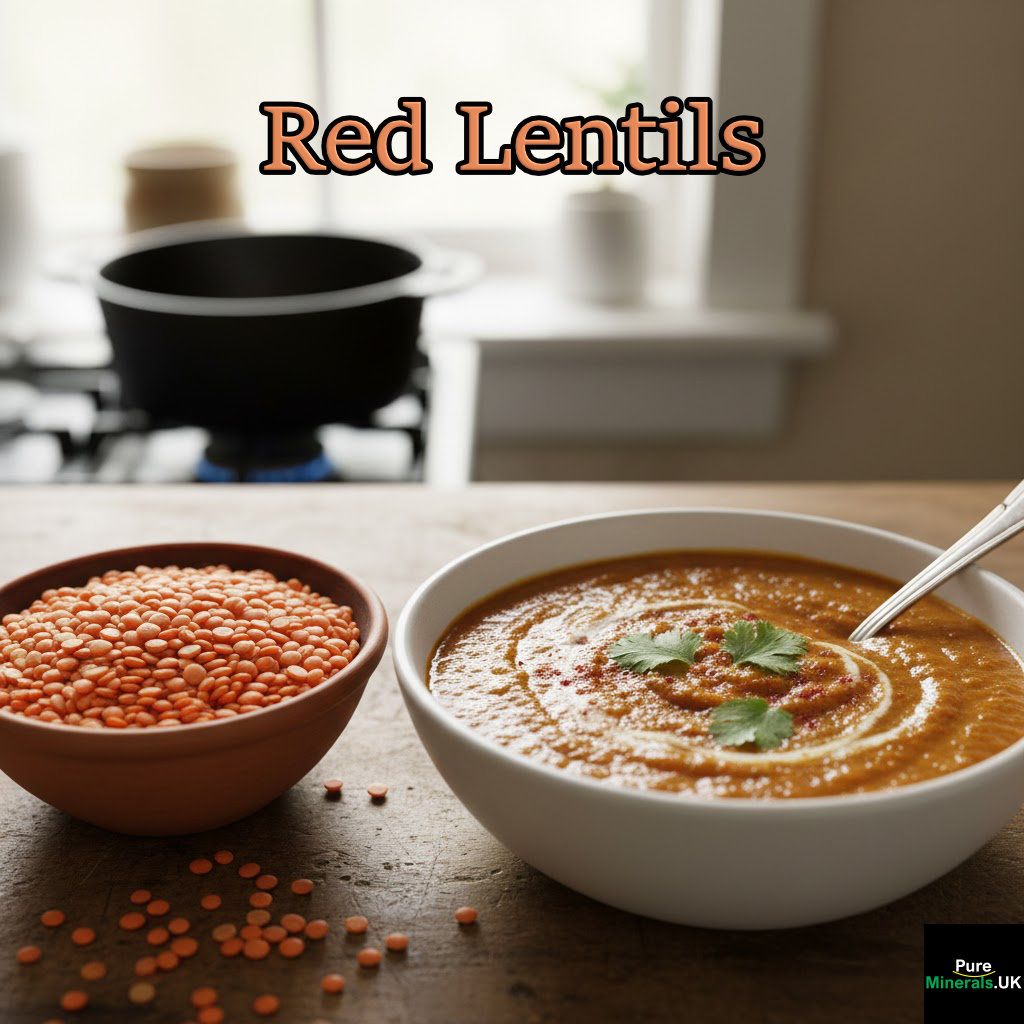
Red lentils stand out for their rapid cooking time and beautiful salmon color that transforms to golden yellow when cooked. Unlike other varieties, red lentils are sold split and hulled, explaining why they cook in just 15-20 minutes and naturally break down into a creamy consistency. This self-thickening quality makes them ideal for soups, curries, and purées where a smooth, hearty texture is desired. They’re particularly popular in Indian cuisine for dals and in Middle Eastern cooking for dishes like Egyptian koshari and Turkish mercimek çorbası.
Green Lentils

Green lentils range from pale green to a mottled slate-grey. This category includes the famous Puy lentils from France. They have a distinctly peppery and robust “greener,” more vegetal taste than brown lentils. They have the thickest skin of the bunch, meaning they rarely turn to mush, and stay firm and distinct even after 45 minutes of simmering. Green lentils are best for salads, side dishes, and French bistro-style recipes. Because they hold their shape, they are the best choice for Mujadara.
Black (Beluga) Lentils

Also called the “Caviar” lentil, these are tiny, shiny, and jet-black. They are often considered the most “premium” variety. These have a rich and deeply earthy flavor, almost like a black bean but smaller and more delicate. Like green lentils, they hold their shape perfectly. They have a thin, tender skin and a “buttery” interior. Black lentils are best for elegant appetizers, grain bowls, or as a bed for roasted fish. Their dark color provides a striking visual contrast on the plate.
Brown Lentils

Brown lentils (the “workhorse”) are the most common variety found in grocery stores. They are inexpensive and highly versatile. They have a mild and earthy flavor, and are like a blank canvas absorbing the flavors of the liquids they are cooked in. They have a relatively thin skin. If cooked for 20–25 minutes, they hold their shape; if cooked for 35+ minutes, they begin to soften and thicken the dish. They are best for all-purpose soups, vegetarian chili, and veggie burgers, where you want some mashability to act as a binder.
Pardina lentils are a specific variety of brown lentil, but they aren’t the same thing as the “standard” brown lentils you usually see in large bags at the supermarket. Think of it like apples: a “brown lentil” is the category (like a red apple), while a “Pardina” is the specific cultivar (like a Gala or Fuji). Standard brown lentils are often larger and have a thinner skin that can get mushy quite quickly. Pardina lentils (originally from Spain) are much smaller than common brown lentils, and they hold their shape remarkably well during cooking, similar to a French Green lentil.
Cooking Lentils Perfectly Every Time
Basic Stovetop Method
Mastering the basic stovetop method for cooking lentils provides the foundation for countless nutritious meals. Begin by rinsing your lentils thoroughly under cool water, removing any debris or shriveled lentils. For most varieties, combine 1 cup of dried lentils with 3 cups of water or broth in a medium saucepan. Bring to a boil, then reduce the heat to a gentle simmer, partially covering the pot.
Cooking times vary significantly by variety: red lentils cook in 15-20 minutes, while green and brown varieties require 20-30 minutes, and black lentils may need 25-35 minutes. The ideal texture depends on your intended use—slightly firm for salads and fully tender for soups and purees. For enhanced flavor, consider adding aromatics like garlic, onion, bay leaves, or a strip of kombu seaweed, which also improves digestibility and adds minerals. Always salt after cooking to prevent the lentils from toughening during the cooking process.
Pressure Cooker And Instant Pot Techniques
Pressure cooking revolutionizes lentil preparation by reducing cooking time by up to 70% while preserving more nutrients than conventional methods. For an Instant Pot or electric pressure cooker, combine 1 cup dried lentils with 2 cups liquid (slightly less than stovetop cooking), as less evaporation occurs. Green or brown lentils cook perfectly in just 9 minutes at high pressure with a natural release, while red lentils need only 3-4 minutes with a quick release to prevent overcooking.
The pressure cooking method also allows for convenient one-pot meals by adding vegetables, spices, and even grains with similar cooking times. This technique particularly benefits those with busy schedules who still prioritize homemade, nutritious meals. When using a pressure cooker for lentils, always fill the pot no more than halfway to allow for expansion and prevent valve clogging—a small amount of oil added to the cooking liquid can further reduce foaming during the cooking process. For a tangy twist, consider adding sauerkraut to your dish, which can enhance flavor and nutritional value.
Common Cooking Mistakes To Avoid
Even experienced cooks sometimes fall prey to common lentil cooking errors that can diminish both texture and nutritional value. Adding salt or acidic ingredients (like tomatoes, vinegar, or lemon juice) too early in the cooking process prevents lentils from softening properly—instead, incorporate these elements during the final 5-10 minutes of cooking. Another frequent mistake is overcooking, particularly with red lentils, which can quickly transform from perfectly tender to mushy within minutes. Always check lentils frequently toward the end of their cooking time, and remember that they continue cooking slightly after removal from heat due to residual heat.
How Different Cultures Use Lentils In Traditional Cuisine
Middle Eastern Majadra And Mujadara

In Middle Eastern cuisine, Majadra (or Mejadra) and Mujadara are actually different names and regional variations for the same ancient dish—a savory combination of lentils, a grain (rice or bulgur), and caramelized onions. While the ingredients are humble, the way lentils are used varies significantly across the Levant (Lebanon, Syria, Palestine, Jordan) and Iraq.
Lentils are the “heart” of the dish. The name Mujadara comes from the Arabic word for “pockmarked,” a literal description of how the dark lentils appear when scattered throughout the white rice or golden bulgur. Most traditional recipes use brown or green lentils because they hold their shape during the simmering process. Unlike soups where lentils are boiled until they fall apart, for a classic Mujadara pilaf, the lentils are par-cooked first. They are boiled until “al dente” before the rice and onions are added to the pot to finish cooking together. This ensures the lentils remain distinct and firm.
Lentils were historically known as “the poor man’s meat.” Because lentils are a complete protein when paired with grains like rice or wheat, this dish has been a nutritional staple in the Middle East for over 800 years. It is traditionally served with Laban (yogurt) or a fresh Fattoush salad to balance the earthy, heavy flavors of the lentils.
Indian Dal Varieties
In Indian cuisine, the term Dal refers to both the ingredient (split pulses) and the final dish (a spiced stew or puree). Unlike the Middle Eastern Mujadara, which focuses on whole lentils paired with grains, Indian cuisine utilizes lentils in a staggering variety of states—whole, split, skinned, or even ground into flour.
The Three Forms of Lentils
The way a lentil is processed dictates its texture and the dish it’s used for:
- Sabut (Whole): The lentil is intact with its skin. These require long soaking and slow cooking. They hold their shape and provide an earthy, robust flavor (e.g., Dal Makhani).
- Chilka (Split with Skin): These cook faster than whole lentils but still offer some texture and fiber.
- Dhuli (Split and Skinned): These lentils break down completely into a creamy, porridge-like consistency. They are the most common choice for everyday “Yellow Dal.”
Common Lentil Varieties & Their Uses
Each variety of “dal” has a specific culinary personality:
| Lentil Name | Indian Name | Character & Traditional Use |
| Pigeon Pea | Toor / Arhar | The most common “everyday” dal. Mild and nutty; it’s the backbone of South Indian Sambar and North Indian Dal Tadka. |
| Red Lentil | Masoor | Salmon-colored when dry, turns golden when cooked. It is one of the fastest-cooking lentils and becomes very smooth and creamy. |
| Mung Bean | Moong | The most digestible dal. Used for Khichdi (comfort food for the sick) and Moong Dal Halwa (a rich dessert). |
| Black Gram | Urad | Unique for its “mucilaginous” or sticky texture. Whole, it creates the famous Dal Makhani; skinned and ground, it is the fermenting agent for Idli and Dosa batters. |
| Bengal Gram | Chana | Actually split baby chickpeas. It remains firm and “nutty” even after cooking. Often used in Bengali Cholar Dal with coconut and raisins. |
Key Traditional Techniques
Lentils in India are rarely just boiled; they are transformed through specific methods:
- The Tadka (Tempering): This is the soul of the dish. After the lentils are boiled with turmeric and salt, whole spices (cumin, mustard seeds, chilies) and aromatics (garlic, ginger, onions) are sizzled in hot ghee or oil and poured over the dal just before serving.
- Slow-Cooking: For dishes like Dal Makhani, lentils are traditionally simmered overnight on a tandoor (clay oven) to achieve a naturally buttery, thick texture without the need for cream.
- Dry-Roasting: In Bengali and South Indian cooking, lentils like Moong are often dry-roasted in a pan until fragrant before being boiled, which adds a deep, smoky aroma to the final dish.
- Sprouting: Whole moong and moth beans are frequently sprouted and then sautéed with spices to create a high-protein breakfast or salad.
Regional Differences
- North India: Favors thick, creamy dals often tempered with cumin, onions, and tomatoes.
- South India: Dals (called Paruppu) are often thinner and use tamarind for sourness and curry leaves/mustard seeds for tempering.
- West (Gujarat/Maharashtra): Dals are often sweet and sour, incorporating jaggery (unrefined sugar) and kokum or lemon.
Mediterranean Lentil Soups

In Mediterranean cuisine, lentil soups are more than just a starter; they are a centuries-old dietary anchor. While the Middle Eastern Mujadara focuses on the lentil as a distinct grain-like element in a pilaf, Mediterranean soups use them to create texture, body, and varying levels of creaminess.
The “personality” of the soup is usually determined by which lentil variety is chosen:
1. The Creamy “Melting” Style (Red/Yellow Lentils)
In the Eastern Mediterranean and North Africa, split red or yellow lentils are used because they lack a skin and disintegrate quickly when boiled.

- Turkish Mercimek Çorbası: This is perhaps the most famous example. The lentils are boiled with aromatics (onions, carrots, sometimes potatoes) and then pureed until silky smooth. It is traditionally served with a wedge of lemon and a drizzle of hot butter infused with Aleppo pepper or paprika.
- Egyptian Shorbat Adas: Often used to break the fast during Ramadan, this version is also pureed. It frequently includes cumin and turmeric for a golden hue and is sometimes thickened further with toasted vermicelli noodles (sha’iriyya).
2. The Hearty “Intact” Style (Brown/Green Lentils)
In Greece, Italy, and Spain, brown or green lentils are preferred. These have their skins intact, allowing them to hold their shape and provide a “chewy” contrast to the broth.

- Greek Fakes (pronounced fah-kehs): This is a rustic, earthy soup. The lentils are simmered with garlic, onions, bay leaves, and often tomatoes. The “secret” ingredient is vinegar (red wine or balsamic) added at the very end to brighten the earthy lentils. It is almost always served with a side of feta cheese and olives.
- Italian Zuppa di Lenticchie: Similar to the Greek version but often starts with a soffritto (finely diced celery, carrots, and onions). In some regions, small pasta shapes like ditalini are added to the pot, making it a “Pasta e Lenticchie.”
| Feature | Eastern Mediterranean (Turkey/Levant/Egypt) | Southern Europe (Greece/Italy/Spain) |
| Lentil Type | Red or Yellow Split (quick-cooking) | Brown or Green Whole (firm texture) |
| Consistency | Smooth, pureed, and “velvety” | Chunky, broth-based, and rustic |
| Key Acid | Fresh Lemon Juice | Red Wine Vinegar |
| Fat Source | Olive Oil or Butter/Ghee | Primarily Extra Virgin Olive Oil |
| Finishing Touch | Toasted vermicelli or fried pita chips | Feta cheese or a drizzle of raw olive oil |
A universal rule across all Mediterranean lentil soups is the use of acidity. Because lentils are incredibly earthy and protein-dense, they can feel “heavy” on the palate. Mediterranean cooks always balance this by adding a sharp acid (lemon or vinegar) just before serving. This chemical reaction “wakes up” the flavors of the legumes.
Ethiopian Misir Wat
In Ethiopian cuisine, Misir Wat (or Yemisir Wot) is a cornerstone spicy lentil stew. Unlike Middle Eastern or Mediterranean styles that often keep lentils whole, Ethiopian tradition typically uses lentils to create a rich, thick, and almost puree-like consistency.
The Choice of Lentil
Ethiopian cuisine almost exclusively uses red split lentils (Keye Misir) for this dish.
- Texture: Red lentils are preferred because they break down quickly during the simmering process, creating a “velvety” or “paste-like” texture.
- Scooping Ability: This soft consistency is essential because the dish is traditionally eaten without utensils; instead, it is scooped up using pieces of Injera, a tangy, fermented sourdough flatbread.
Traditional Cooking Techniques
The preparation of Misir Wat relies on two foundational elements that define its flavor profile:
- Slow-Caramelized Onions: The process begins with finely diced onions sautéed slowly—sometimes even without oil initially—until they break down into a sweet, deep-golden base.
- Layering Spices: The “soul” of the dish is Berbere, a complex spice blend containing chili peppers, garlic, ginger, basil, and fenugreek. The spices are “bloomed” in the onions before the lentils are added, ensuring the heat is deeply integrated into the legume.
- Niter Kibbeh: Authentic versions use a spiced clarified butter called Niter Kibbeh to sauté the aromatics and finish the dish, adding a rich, nutty depth.
Lentils are vital to the Ethiopian culinary calendar due to traditional fasting periods in the Ethiopian Orthodox Church. During these meat-free days, Misir Wat serves as a primary source of protein. It is a staple of the Beyaynetu, a colorful vegetarian combination platter served on a large shared tray of Injera.
Easy Ways To Add More Lentils To Your Diet
Lentil Soups And Stews
Lentil soups and stews are global culinary staples, prized for their affordability, shelf-life, and high nutritional value. While the terms are often used interchangeably, they differ primarily in texture and the type of lentil used. Lentil Soup typically has a higher liquid-to-solid ratio. It is often made with red or yellow split lentils that disintegrate into a smooth, creamy base, or it is blended (as in Turkish Mercimek) into a silky puree. Lentil Stew features a thicker, heartier consistency intended to be “scoopable.” It usually employs brown or green lentils (like Puy or Pardina), which have a tougher skin and stay intact after long simmering, often alongside chunky vegetables like potatoes and carrots.
Lentil Salads For Quick Meals
Lentil salads are a staple of “fast-fresh” cooking because they transition seamlessly from a high-protein pantry ingredient to a complete meal with very little prep. Unlike soups or stews, which rely on the lentils breaking down, salads require varieties that hold their shape and offer a firm, “al dente” bite.
The success of a lentil salad depends entirely on using the right variety. You need lentils with thick skins that won’t turn to mush:
- French Green (Puy) Lentils: The gold standard for salads. They are small, peppery, and remain distinct and firm even when fully cooked.
- Beluga (Black) Lentils: Small and shiny like caviar. They have delicate skin and a robust, earthy flavor that pairs well with bright vinaigrettes.
- Brown Pardina Lentils: A common Spanish variety that is slightly softer but still holds its structure better than standard supermarket brown lentils.
Lentil-Based Veggie Burgers

Lentil-based veggie burgers are a popular plant-based alternative to beef patties, using cooked lentils as the structural “meat” of the burger. Unlike highly processed commercial meat substitutes, lentil burgers are often “whole-food” based, relying on the natural texture and protein of legumes. The challenge with any veggie burger is getting it to hold together without meat proteins. Lentil burgers achieve this through a specific three-part formula:
- The Base: Usually brown or green lentils because they hold their shape better than red lentils. They are typically cooked until soft, then partially mashed to create a “sticky” paste while leaving some whole for texture.
- The Binders: To prevent the burger from crumbling on the grill or pan, cooks add ingredients like rolled oats, breadcrumbs, flour (chickpea or oat), or “flax eggs” (ground flaxseeds mixed with water).
- The Umami Boost: Since lentils have a mild, earthy taste, “meaty” flavors are added using mushrooms, soy sauce, tomato paste, smoked paprika, or Worcestershire sauce.
Lentil Pasta Alternatives
Lentil pasta is a modern, nutrient-dense alternative to traditional wheat-based pasta. It is primarily made from finely milled lentil flour (usually red or yellow lentils) and water. While it looks like regular pasta, it behaves and tastes quite differently due to its unique composition.
Most high-quality brands use 100% lentil flour. Some variations may include a small amount of binder, like xanthan gum or tapioca starch, to improve the texture, or they may be blended with other legumes like chickpeas. The lentil flour is mixed with water to form a dough, then extruded through dies into familiar shapes like fusilli, penne, or spaghetti. Because it lacks gluten—the “glue” in wheat pasta—the dough is more fragile and requires careful drying at low temperatures.
Lentil pasta is high in protein and fiber. It is a “complete meal” in itself. The high fiber content results in a much lower glycemic index, meaning it won’t cause the sharp blood sugar spikes often associated with white pasta. Since it is made entirely from legumes, it is a safe staple for those with Celiac disease or gluten sensitivities. And, because of the protein and fiber combo, you’ll likely feel full much faster and stay satisfied longer than you would with regular pasta.
Sprouted Lentils For Maximum Nutrition

Sprouted lentils are whole lentils that have been soaked in water and allowed to germinate until they grow tiny, white shoots. This process transforms the lentil from a dormant seed into a “living” vegetable, significantly changing its nutritional profile and culinary use. Unlike cooking, which uses heat to soften the lentil, sprouting uses moisture, air, and time.
Whole lentils (brown, green, or black) are soaked overnight, drained, and then kept in a jar or sieve at room temperature. They are rinsed twice daily for 2–4 days until the “tail” is about the length of the lentil itself. The result is that the lentil becomes crunchy, juicy, and slightly sweet—reminiscent of fresh garden peas rather than the earthy, soft texture of boiled lentils.
Sprouting is often called “pre-digestion” because it breaks down complex compounds before you even eat them. Sprouting neutralizes phytic acid, an “anti-nutrient” that normally blocks your body from absorbing the iron, zinc, and calcium in lentils.
Sprouting can increase levels of vitamin C by up to 500 percent during germination, and B-vitamins (especially Folate) also rise significantly. The sugars responsible for intestinal gas are broken down, making sprouted lentils much easier on the stomach than cooked ones. While the total protein in sprouted lentils stays similar, it becomes more digestible as complex proteins are broken into simpler amino acids.
Because sprouts grow in warm, humid conditions, there is a small risk of bacterial growth. To minimize this, rinse them thoroughly every 12 hours. Tip: Buy “Sprouting Grade” seeds if you plan to eat them raw, as these are tested for pathogens. And, lightly steam them if you have a compromised immune system or are pregnant.
Cooking Lentils Perfectly Every Time
Basic Stovetop Method
The basic stovetop method for lentils is much simpler than for other beans because lentils do not require soaking. The process is more similar to cooking pasta than cooking dried chickpeas or kidney beans.
Preparation
- Pick and Rinse: Spread the lentils on a light-colored plate or in your palm to check for small stones or debris (which are rare but can happen). Rinse them thoroughly in a fine-mesh strainer under cold water.
- Ratio: Use a 3:1 ratio of liquid to lentils (e.g., 3 cups of water for 1 cup of dry lentils). If you are making a soup, you can add more; if you want firm lentils for a salad, you can use the “pasta method” with plenty of water and drain the excess at the end.
The Cooking Process
- Boil: Place the lentils and liquid (water or broth) in a saucepan. Bring the mixture to a rapid boil.
- Simmer: Once boiling, reduce the heat to low or medium-low so the liquid is just barely simmering. A vigorous boil will cause the lentils to bounce against each other and burst, leading to mushy results.
- Cover: Place a lid on the pot. This helps them cook evenly and prevents too much liquid from evaporating.
- Test for Doneness: Start tasting a few minutes before the timer is up. They should be tender but still have a slight “bite” (al dente).
Pressure Cooker Technique
The pressure cooker (or Instant Pot) technique is a favorite for lentil lovers because it is hands-off and significantly faster than the stovetop method. While the stovetop is better for control, the pressure cooker is king for achieving a creamy, consistent texture. Because no steam escapes a sealed pressure cooker, you need less liquid than you do on the stove. Using too much water is the #1 reason for “soupy” pressure-cooked lentils.
- For Firm Lentils (Salads/Sides): 1.5 to 1.75 cups of liquid per 1 cup of lentils.
- For Softer Lentils (Soups/Dals): 2 cups of liquid per 1 cup of lentils.
Lentils vary wildly in cook time based on their variety. Note: These times are for unsoaked lentils:
- Red / Yellow (Split): 1–3 minutes
- Brown / Green (Whole): 6–9 minutes
- French Green (Puy): 10–12 minutes
- Black Beluga: 7–9 minutes
Key Pressure Cooker Steps
- Sauté First (Optional): Use the “Sauté” function to cook onions, garlic, and spices in oil before adding the lentils. This builds a base of flavor that the pressure cooker will “infuse” into the lentils.
- Add Liquid & Deglaze: Pour in your broth or water. Scrape the bottom of the pot to ensure no bits of onion are stuck (this prevents the “Burn” warning).
- Seal and Cook: Lock the lid and set to High Pressure.
- The Release: * Quick Release: Manually turning the valve to “Venting” as soon as the timer ends. Use this for salads to stop the cooking immediately.
- Natural Release: Letting the pot sit for 10–15 minutes until the pin drops. This allows the lentils to finish softening gently and is best for dals and soups.
Important Tips
- The Foam Factor: Lentils produce a natural foam when cooking. Never fill your pressure cooker more than halfway when cooking legumes to prevent the foam from clogging the pressure valve.
- Skip the Salt? While many suggest salting at the end, in a pressure cooker, adding salt at the start helps the lentils hold their shape and seasons them all the way through.
- Old Lentils: If your lentils have been in the pantry for over a year, add 1–2 minutes to the pressure cook time, as they lose moisture over time.
Critical Rules for Lentil Success
The “Salt Rule”: Do not add salt or acidic ingredients (like vinegar or lemon juice) to the pot at the beginning. These can toughen the skins and significantly increase the cooking time. Always season with salt AFTER the lentils are tender.
The “Aromatics” Hack: To make plain lentils taste amazing, add a bay leaf, a smashed garlic clove, or half an onion to the water while they simmer. Discard them before serving.
Environmental Impact: Why Lentils Are A Sustainable Food Choice
In an era of increasing environmental consciousness, lentils emerge as a beacon of sustainability in our food system. These remarkable legumes require minimal resources to produce substantial nutrition, positioning them as a solution to multiple environmental challenges. While animal agriculture typically demands extensive land, water, and energy inputs while generating significant greenhouse gas emissions, lentils offer a stark contrast—providing high-quality protein with a fraction of the environmental footprint.
“If we were to replace even 50% of animal-based proteins with lentils and other pulses in Western diets, we could reduce agricultural greenhouse gas emissions by nearly 25% while simultaneously improving public health outcomes.” — Journal of Cleaner Production, 2019 Environmental Impact Assessment
Lentil production contributes to agricultural resilience through drought tolerance and minimal fertilizer requirements. Unlike many crops that deplete soil nutrients, lentils actually enrich the soil through nitrogen fixation, reducing the need for synthetic fertilizers and creating more sustainable farming systems. This regenerative quality makes lentils particularly valuable in crop rotation systems, where they can help restore soil health between more demanding crops.
Beyond production benefits, lentils also excel in storage efficiency and food waste reduction. With a shelf life of up to two years when stored properly, dried lentils resist spoilage that plagues many fresh protein sources. Their long-lasting nature means less food waste throughout the supply chain and in households—an important consideration given that approximately one-third of all food produced globally goes to waste. For those interested in other nutrient-rich foods, kale is another excellent option to consider.
Water Footprint Comparison
The water efficiency of lentils represents one of their most compelling environmental advantages. Producing one pound of lentils requires approximately 500 gallons of water—an impressive figure when compared to beef (1,800 gallons), pork (720 gallons), or chicken (520 gallons) per pound. Even among plant proteins, lentils demonstrate excellent water efficiency, using significantly less water than almonds, walnuts, or some soy products. This water conservation aspect becomes increasingly critical as global climate change threatens water security in many agricultural regions, making lentils a prudent choice for environmentally conscious eating.
Carbon Emission Reduction
The carbon footprint of lentils—measured as CO2 equivalent emissions per kilogram of protein—stands at just 0.9kg, compared to 45-640kg for beef, 20kg for pork, and 10kg for poultry. This dramatic difference stems from multiple factors: lentils don’t produce methane emissions (unlike ruminant animals), require minimal processing, and need less transportation-related energy as they store well without refrigeration. The nitrogen-fixing capacity of lentil plants also reduces the need for synthetic fertilizers, whose production and application constitute major sources of agricultural carbon emissions.
Research from the University of Copenhagen found that replacing just 20% of beef consumption with legumes like lentils could reduce an individual’s food-related carbon footprint by up to 30%. For a planet facing urgent climate challenges, the widespread adoption of lentils and other pulses represents a practical, immediate action that individuals can take to reduce their environmental impact while improving their nutrition.
Soil Health Benefits
Lentils contribute to soil health through a remarkable symbiotic relationship with soil bacteria. The roots of lentil plants form nodules hosting Rhizobium bacteria that convert atmospheric nitrogen into forms plants can use—a process called nitrogen fixation. This natural fertilization can add 30-40 pounds of nitrogen per acre to the soil, benefiting both the current crop and subsequent plantings. By reducing dependence on synthetic nitrogen fertilizers, lentil production helps prevent the water pollution, energy consumption, and greenhouse gas emissions associated with conventional fertilizer use.
The deep root systems of lentil plants also enhance soil structure by creating channels for water infiltration and reducing compaction. This improved soil porosity increases water retention capacity, making agricultural systems more resilient to both drought and flooding events. As climate change increases weather volatility, these soil-building properties of lentils provide valuable ecosystem services beyond just food production. Forward-thinking farmers increasingly incorporate lentils into crop rotations not just for their marketable value but for their long-term benefits to soil ecology and farm sustainability.
The Future Of Lentils In Global Nutrition
As global nutritional challenges evolve, lentils are positioned to play an increasingly central role in food security and health promotion strategies. International organizations, including the FAO and WHO, have highlighted pulses like lentils as critical components in addressing the dual challenges of malnutrition and environmental sustainability. Research institutions are now developing more resilient, higher-yielding lentil varieties adapted to various growing conditions, potentially expanding production into new regions as climate patterns shift. These innovations could help bring lentils’ nutritional benefits to more communities worldwide.
The food industry is also recognizing lentils’ potential beyond traditional preparations. Lentil-based pasta alternatives, protein powders, snack foods, and even meat analogs are entering mainstream markets, making this nutritional powerhouse accessible in convenient forms that fit modern lifestyles. Culinary innovation continues to introduce lentils to new audiences through fusion cuisine and creative applications. As both nutritional awareness and environmental concerns continue to shape food choices, lentils stand at the intersection of personal and planetary health—a truly future-focused food that addresses multiple dimensions of sustainable eating.
Frequently Asked Questions
Whether you’re new to plant-based eating or a seasoned vegan looking to optimize your nutrition, questions about lentils often arise. Understanding the practical aspects of incorporating lentils into your regular diet can help overcome common barriers to consumption. Here are evidence-based answers to the most frequently asked questions about lentils as a plant-based protein source, addressing both nutritional concerns and practical cooking considerations.
These answers represent current nutritional understanding, though research continues to evolve. Individual responses to foods can vary, and personalized approaches sometimes require adaptation of general recommendations. For those with specific health conditions or specialized dietary needs, consulting with a nutrition professional can provide tailored guidance for incorporating lentils optimally into your unique eating pattern.
Always listen to your body’s responses when introducing any new food more frequently into your diet, and adjust serving sizes and preparation methods as needed to maximize both enjoyment and nutritional benefits.
Are Lentils Complete Proteins?
Lentils are not technically complete proteins on their own, as they contain limited amounts of the essential amino acids methionine and cysteine. However, this distinction has little practical importance in the context of varied diets. The old belief that plant proteins must be carefully combined at each meal has been debunked by modern nutritional science, which shows that the body maintains an amino acid pool that balances intake throughout the day. Simply including a diverse range of plant foods like kale, whole grains, nuts, or seeds in your daily eating pattern—not necessarily at the same meal—ensures you receive all essential amino acids, effectively making lentils part of a complete protein solution in real-world eating.
Do I Need To Soak Lentils Before Cooking?
- Unlike beans, most lentils do not require soaking before cooking
- Soaking can reduce cooking time by about 25% if you’re in a hurry
- Brief soaking (30 minutes) may improve digestibility for sensitive individuals
- Sprouting lentils (soaking then rinsing for 2-5 days) increases nutrient availability
- Red lentils should never be soaked as they’ll become mushy when cooked
The no-soak convenience of lentils represents one of their greatest practical advantages over other legumes. This time-saving characteristic makes lentils particularly suitable for weeknight cooking when meal preparation time is limited. If you do choose to soak lentils, drain and rinse them thoroughly before cooking with fresh water to remove any compounds released during soaking. For more insights on the benefits of lentils, visit this guide on lentil protein and vegan diet benefits.
For those interested in maximizing nutritional value, sprouted lentils offer enhanced levels of certain vitamins and improved protein digestibility. The sprouting process deactivates some antinutrients naturally present in lentils that can inhibit mineral absorption. To sprout lentils, soak them for 8-12 hours, drain completely, then rinse and drain twice daily until tiny sprouts appear (usually 2-5 days, depending on temperature and conditions).
While most lentil varieties cook relatively quickly without soaking, French green lentils and black beluga lentils have slightly thicker skins and can benefit from a brief soak if you’re particularly concerned about achieving perfect texture. However, this remains optional rather than necessary as with larger beans that absolutely require soaking for proper cooking. For a healthy addition to your meal, consider incorporating kale, which complements lentils well.
Some traditional cooking methods do incorporate soaking as part of cultural practice, particularly in Indian cuisine, where certain dal preparations call for soaked lentils. These traditional approaches were often developed to optimize both cooking efficiency with limited fuel resources and the digestibility of the final dish.
Can Lentils Cause Digestive Issues?
Lentils contain oligosaccharides—complex sugars that humans cannot fully digest but that intestinal bacteria ferment, potentially causing gas and bloating in sensitive individuals. However, lentils typically cause fewer digestive issues than larger beans due to their smaller size and lower levels of these compounds. Gradually introducing lentils to your diet allows your gut microbiome to adapt, often reducing symptoms over time. Cooking techniques that can improve digestibility include adding digestive spices like cumin, fennel, ginger, or asafoetida; using pressure cooking methods; adding a strip of kombu seaweed during cooking; or thoroughly rinsing canned lentils if using those instead of dried.
How Long Do Dried And Cooked Lentils Last?
Dried lentils are remarkably shelf-stable, lasting 1-2 years when stored in airtight containers in a cool, dark place. While older lentils remain safe to eat indefinitely, their cooking time increases, and their nutritional value gradually diminishes after the two-year mark. For maximum quality and nutrition, purchasing smaller quantities more frequently is preferable to long-term storage. If you notice any moisture, mold, or unusual odor in stored lentils, or if insects are present, discard them immediately.
Cooked lentils should be refrigerated in airtight containers and consumed within 3-5 days for optimal safety and quality. They also freeze exceptionally well, maintaining good texture and flavor for up to 6 months when properly stored in freezer-safe containers with minimal air exposure. Freezing cooked lentils in portion-sized containers creates convenient ready-to-use protein components for quick meals—simply thaw overnight in the refrigerator or use the defrost setting on your microwave for immediate use in salads, soups, or grain bowls.
Can I Eat Lentils On A Low-Carb Diet?
Lentils contain approximately 20 grams of net carbohydrates per half-cup serving (after subtracting fiber), placing them in a moderate carbohydrate category. While traditional ketogenic diets typically limit carbs to 20-50 grams daily—potentially excluding lentils—modified low-carb approaches like paleo, Mediterranean-keto hybrids, or cyclical low-carb diets often incorporate limited portions of lentils due to their exceptional nutritional density. The high fiber content (approximately 8 grams per half-cup) significantly blunts blood sugar impact, making lentils a considerably better choice than refined carbohydrates even when carb intake is being moderated.
For those following low-carb diets for blood sugar management rather than ketosis, lentils often prove beneficial despite their carbohydrate content. Research shows that replacing high-glycemic foods with lentils improves blood glucose response even when total carbohydrate intake remains similar. The specific fiber types and resistant starch in lentils actually enhance insulin sensitivity over time, potentially supporting rather than hindering metabolic goals common to many low-carb approaches.
The nutritional completeness of lentils—providing substantial protein, fiber, and micronutrients—makes them worthy of consideration even within carbohydrate-restricted eating patterns. Rather than eliminating lentils, many nutrition professionals recommend incorporating controlled portions (¼ to ⅓ cup cooked) within daily carbohydrate allowances, particularly for those following moderate low-carb rather than strict ketogenic approaches. For sustainable nutrition that supports long-term health, the quality of carbohydrates often matters as much as the quantity, making nutrient-dense options like lentils valuable additions to balanced eating patterns across the dietary spectrum.
Lentils are a versatile and nutritious food that has been a staple in many cultures for centuries. They are rich in protein, fiber, and essential nutrients, making them an excellent choice for a balanced diet. Additionally, lentils are a key ingredient in various dishes, including soups, stews, and salads. For those interested in exploring more plant-based options, incorporating vegetables like kale can enhance the nutritional value of your meals.