

Published: 4 January 2026
Last Updated: 25 February 2026
This article is periodically reviewed and updated to reflect current scientific understanding by Vic George.
Fact-Checked: 1 other authoritative medical/scientific reference. See our Editorial Policy.
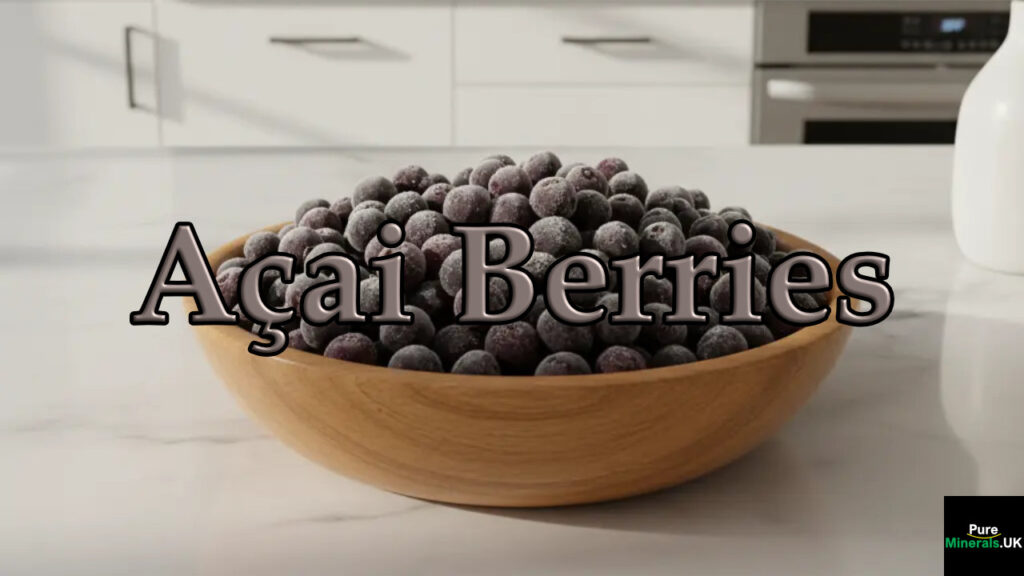
What Are Açai Berries and Why Are They Considered a Superfood?
Açai berries are small, dark purple fruits harvested from the acai palm tree (Euterpe oleracea), native to the Amazon region. They are often described as a superfood because they are nutrient-dense and contain a combination of antioxidants, dietary fiber, and healthy fats.
From a nutritional standpoint, acai berries contribute naturally occurring compounds such as anthocyanins, which act as antioxidants, along with small amounts of vitamins, minerals, and plant-based fats. Rather than offering a specific health effect on their own, acai berries support overall dietary quality when included regularly as part of a balanced and varied eating pattern.
Açai berries are most commonly consumed in processed forms such as frozen purée, powder, or juice, and their nutritional value depends on preparation methods and added ingredients. As with all foods described as superfoods, their benefits are best understood in the context of long-term eating habits rather than individual consumption.
Key Takeaways
- Açaí berries contain more antioxidants than cranberries, raspberries, blackberries, strawberries, and blueberries, making them one of the most potent natural sources of cell-protecting compounds.
- Indigenous Amazon communities have used açai berries for centuries as both food and medicine, benefiting from their impressive nutrient profile.
- The purple superfood contains essential fatty acids, fiber, amino acids, and vitamins that support heart health, digestion, and potential anti-inflammatory benefits.
- Pure Harvest Organics offers premium-quality açaí products that maintain the berries’ nutritional integrity from harvest to your table.
- While açaí has been marketed for weight loss and anti-aging, the science behind these specific claims requires further research to fully validate their effectiveness.
The deep purple berries that grow on palm trees in the Amazon rainforest have made their way into smoothie bowls and health food stores worldwide. But what makes açaí (pronounced ah-sigh-EE) so special?
Açai Berries: Amazonian Superfood Powerhouses

At the heart of the Amazon rainforest grows a remarkable palm tree bearing small, round berries with a deep purple hue and a unique nutritional profile that has captured the attention of health enthusiasts worldwide. Açaí berries have earned their superfood status not through marketing alone, but through their extraordinary concentration of antioxidants, healthy fats, fiber, and essential nutrients that support overall well-being. These powerful little fruits have been a staple for indigenous Amazonians for generations before becoming a global sensation.
What sets açaí apart from other fruits is its unusual nutritional composition. Unlike most fruits that are primarily made up of carbohydrates, açaí berries contain healthy fats, protein, and a relatively low sugar content. This unique profile makes açaí especially valuable in our modern dietary landscape, where finding nutrient-dense, low-sugar foods can be challenging. Some companies have pioneered sustainable harvesting of these remarkable berries, ensuring their nutritional properties remain intact from the Amazon to your breakfast bowl.
Research continues to unveil the potential health benefits of these remarkable berries. Studies have shown that açaí pulp is extraordinarily rich in antioxidants – even more so than cranberries, raspberries, blackberries, strawberries, or blueberries. This antioxidant power comes primarily from anthocyanins, the same compounds that give the berries their distinctive purple color and help protect cells from oxidative damage.
Why Your Body Needs More Nutrient-Dense Foods
In our fast-paced world, nutrient density has become more critical than ever. Nutrient density refers to the concentration of beneficial nutrients relative to the caloric content of a food. The higher the nutrient-to-calorie ratio, the more valuable that food becomes for nourishing your body without contributing to excessive calorie intake. Açaí berries represent the gold standard of nutrient density, packing an impressive array of vitamins, minerals, antioxidants, and beneficial compounds into relatively few calories.
Our bodies require more than 40 different nutrients to function optimally, and no single food contains them all in perfect proportions. This makes incorporating a variety of nutrient-dense foods essential for maintaining health and preventing deficiencies that can lead to chronic conditions. When you prioritize nutrient-dense options like açaí berries, you’re essentially giving your body more nutritional “bang for its buck,” supporting everything from immune function to cellular repair with every bite.
The challenge many of us face is that our food supply has become increasingly dominated by calorie-dense but nutrient-poor options. Processed foods, refined carbohydrates, and added sugars have displaced many traditional nutrient-rich foods in the typical diet, creating a situation where it’s possible to be simultaneously overfed and undernourished. This nutritional paradox makes superfoods like açaí even more valuable as concentrated sources of the compounds our bodies need to thrive.
Modern Diet Deficiencies That Affect Your Health
Despite living in an era of food abundance, nutritional deficiencies remain surprisingly common. Many modern diets lack sufficient quantities of essential vitamins, minerals, fiber, and phytonutrients—the very compounds that help protect against chronic disease and support optimal cellular function. These “hidden hungers” can manifest in subtle ways: persistent fatigue, weakened immunity, slow recovery, and accelerated aging are all potential signs that your body isn’t getting the full spectrum of nutrients it requires. For more information on how specific foods can impact your health, explore the health benefits of acai berries.
Particularly concerning is the widespread deficiency in antioxidants, compounds that neutralize harmful free radicals produced during normal metabolism and increase during stress or illness. Without adequate antioxidant protection, cells sustain damage that can accelerate aging and increase disease risk. Açaí berries offer exceptional antioxidant capacity, with research showing their ORAC (Oxygen Radical Absorbance Capacity) value significantly exceeds that of most common fruits.
Another critical deficiency relates to essential fatty acids, particularly omega-3s, which play vital roles in brain function, inflammation regulation, and cardiovascular health. Unlike most fruits, açaí berries contain healthy fats that contribute to their unique nutritional profile and make them especially valuable in addressing this common deficiency. Their natural fatty acid content also enhances the absorption of fat-soluble vitamins and phytochemicals, maximizing the nutritional benefit of everything consumed alongside them.
The Rise of Processed Foods and Nutritional Gaps
The dramatic shift toward ultra-processed foods represents one of the most significant nutritional challenges of our time. These convenient, shelf-stable products now constitute more than 50% of calories consumed in many developed nations, displacing whole foods that have sustained human health for generations. Processing strips away fiber, antioxidants, and numerous micronutrients while often adding sugar, salt, and artificial ingredients that provide calories without nutritional value.
This dietary transformation has created widespread nutritional gaps that contribute to rising rates of chronic disease. Studies consistently show that higher consumption of ultra-processed foods correlates with increased risk of obesity, type 2 diabetes, cardiovascular disease, and certain cancers. The loss of dietary diversity is equally concerning, as traditional diets once contained thousands of plant compounds with potential health benefits, many of which are absent from modern processed foods.
How Superfoods Help Bridge Nutritional Gaps
Superfoods like açaí berries offer a concentrated solution to modern nutritional challenges. These nutrient-rich foods deliver exceptional amounts of beneficial compounds per serving, helping to offset deficiencies that have become common in contemporary diets. Rather than viewing them as miracle cures, it’s more accurate to see superfoods as powerful tools for nutritional course correction—foods that can help restore balance to diets that have strayed far from traditional patterns of consumption.
What makes açaí particularly valuable is its multifunctional nutritional profile. Unlike supplements that typically address single nutrients, açaí provides a complex array of antioxidants, fatty acids, fiber, and micronutrients that work synergistically. This “food as medicine” approach reflects traditional wisdom that whole foods offer benefits greater than the sum of their individual components, providing comprehensive nutritional support rather than isolated interventions.
When incorporated into a varied diet, superfoods create what nutritionists call a “nutrient insurance policy”—an extra layer of protection against the gaps that might otherwise exist in our daily intake. By regularly including nutrient-dense options like açaí, you’re not just enjoying their delicious flavor; you’re actively fortifying your diet against the nutritional challenges inherent in modern food environments.
The Amazon’s Purple Gold: What Makes Acai Special
Deep within the lush Amazon rainforest grows the açaí palm tree (Euterpe oleracea), reaching heights of over 80 feet and producing clusters of small, deep purple berries that local inhabitants have treasured for centuries. These berries, no larger than a grape, have become known as “purple gold” due to their extraordinary nutritional value and growing global demand. Unlike many commercially popular fruits, açaí cannot be easily cultivated outside its native habitat, making it a truly special gift from one of the world’s most biodiverse ecosystems. Learn more about another unique plant, the saw palmetto, which also thrives in specific environments.
What truly distinguishes açaí from other berries is its unusual nutritional composition. While most fruits primarily contain carbohydrates and water, açaí berries feature a unique profile of approximately 70% fat, 25% carbohydrates, and 5% protein. This atypical composition more closely resembles that of an avocado than traditional berries, making açaí an exceptional source of plant-based healthy fats, particularly omega-3, omega-6, and omega-9 fatty acids that support brain and heart health.
The berries also contain a remarkably concentrated amount of antioxidants, particularly anthocyanins – the compounds responsible for their deep purple color. These powerful phytochemicals help neutralize harmful free radicals in the body, potentially reducing oxidative stress and inflammation that contribute to numerous chronic diseases. Scientists believe this exceptional antioxidant content explains many of açaí’s reported health benefits.
Ancient Roots: Traditional Uses by Indigenous Tribes
For indigenous Amazon communities, açaí berries have been a dietary cornerstone for countless generations. Archaeological evidence suggests that these tribes have harvested and consumed açaí for over two thousand years, incorporating the berries into their daily sustenance and traditional medicinal practices. These communities traditionally prepare açaí by soaking the berries to soften the thin layer of edible pulp surrounding each seed, then mashing them into a thick, purple paste that serves as a staple food.
Beyond basic nutrition, native Amazonians have long recognized açaí’s medicinal properties. Tribal healers traditionally used different parts of the açaí palm to treat various ailments – the crushed berries for skin conditions, root extracts for fevers, and berry preparations for digestive issues. This traditional wisdom aligns with modern research findings about açaí’s anti-inflammatory and antioxidant properties, demonstrating how indigenous knowledge often predates scientific discovery by centuries.
In these traditional settings, açaí was typically consumed unsweetened, often accompanied by cassava flour or fish – a stark contrast to the sweetened açaí bowls popular in contemporary health food culture. This traditional consumption pattern highlights açaí’s versatility as both a sweet and savory food ingredient, as well as its historical role in providing sustainable nourishment in challenging rainforest environments.
From Rainforest to Global Sensation
Açaí’s journey from Amazonian staple to global superfood phenomenon began in the late 1990s when Brazilian jiu-jitsu practitioners introduced these nutritious berries to Southern California. What was initially embraced by a small community of athletes quickly gained wider popularity as early adopters reported improved energy, recovery, and overall well-being. By the early 2000s, açaí had caught the attention of nutritional researchers who began documenting its exceptional antioxidant content and potential health benefits.
The berries’ transition to mainstream awareness faced significant challenges, particularly due to their highly perishable nature. Fresh açaí begins to lose its nutritional value within 24 hours of harvest, making it virtually impossible to transport internationally without processing. Innovation in freezing and freeze-drying techniques eventually solved this problem, allowing açaí’s nutritional benefits to be preserved while extending shelf life. Today, açaí is available worldwide in various forms, from frozen pulp and freeze-dried powder to juices and supplements.
As açaí’s popularity continues to grow, so does research into its health benefits. Studies have confirmed many traditional uses while discovering new potential applications in areas like cognitive health, athletic performance, and healthy aging. What was once a regional food source has transformed into a globally recognized superfood, demonstrating how traditional wisdom can eventually gain scientific validation and widespread appreciation. For example, nettle is another traditional plant that has gained recognition for its health benefits.
Sustainable Harvesting Practices
The rising global demand for açaí presents both economic opportunities and environmental challenges for the Amazon region. Sustainable harvesting of açaí berries has become increasingly important to preserve the delicate rainforest ecosystem while supporting local communities. Traditional harvesting methods involve climbing the tall açaí palms and carefully cutting the berry clusters without damaging the tree – a skill that has been passed down through generations of rainforest inhabitants.
Responsible açaí production provides vital income for thousands of families living in remote Amazonian communities, creating economic incentives to maintain the standing forest rather than clear it for other purposes. When properly managed, açaí harvesting represents a form of sustainable agroforestry that can help protect the rainforest while providing nutritious food and economic opportunity. Companies like Pure Harvest Organics work directly with indigenous harvesters to ensure fair compensation while maintaining traditional harvesting methods that preserve forest biodiversity.
The environmental footprint of açaí varies significantly depending on production practices. Wild-harvested açaí from existing forest stands has minimal environmental impact and can actually support forest conservation, while plantation cultivation may involve land clearing and increased resource use. Consumers can support sustainable practices by choosing açaí products from companies that prioritize wild-harvested berries, fair trade certification, and transparent supply chains that benefit local communities.
Acai’s Impressive Nutritional Profile
A single serving of açaí pulp delivers an exceptional array of nutrients rarely found in such concentration in other fruits. Each 100-gram portion provides approximately 70 calories, 5 grams of healthy fats, 4 grams of fiber, and 1 gram of protein – a unique macronutrient distribution that makes açaí particularly satiating compared to other berries. This balanced profile helps maintain steady energy levels without the blood sugar spikes often associated with higher-sugar fruits.
Beyond macronutrients, açaí contains an impressive spectrum of vitamins and minerals essential for optimal health. These include vitamin A for vision and immune function, calcium for bone health, iron for oxygen transport, and potassium for blood pressure regulation. The berries also provide smaller amounts of zinc, copper, manganese, magnesium, and phosphorus – minerals that act as cofactors for numerous biochemical processes throughout the body. For instance, nettle is another source rich in essential minerals that support these processes.
What truly distinguishes açaí nutritionally, however, is its phytochemical content. The berries contain exceptionally high levels of anthocyanins, proanthocyanidins, and other polyphenols that contribute to their antioxidant capacity. Research has found that açaí contains more polyphenols than red wine and significantly higher antioxidant activity than blueberries, strawberries, and other commonly consumed fruits. This remarkable concentration of beneficial plant compounds may explain many of açaí’s observed health effects.
Essential Vitamins and Minerals
The vitamin content of açai berries complements its mineral and phytochemical profile to support comprehensive nutrition. While not exceptionally high in any single vitamin, açai provides useful amounts of several important vitamins, particularly vitamin A in the form of beta-carotene, vitamin E, and small amounts of vitamins C, B1, B2, and B3. This diverse vitamin profile supports immune function, skin health, energy production, and protection against oxidative damage. Learn more about açai berries and their health benefits.
Minerals in açaí contribute to numerous biological functions, from oxygen transport to cellular signaling. The berries contain noteworthy amounts of calcium and iron – nutrients often lacking in plant-based diets – along with trace minerals rarely highlighted in nutritional discussions but essential for optimal health. These include copper and manganese, which play critical roles in antioxidant enzyme systems that help neutralize free radicals and reduce cellular damage.
Fatty Acid Content That Benefits Your Heart
Unlike most fruits, açaí berries contain significant amounts of heart-healthy monounsaturated and polyunsaturated fats, particularly oleic acid (omega-9), the same beneficial fat found in olive oil. These healthy fats help reduce LDL cholesterol levels while maintaining or increasing HDL cholesterol, potentially lowering cardiovascular disease risk. The berries also contain modest amounts of omega-3 and omega-6 fatty acids, which support brain function, reduce inflammation, and help maintain healthy cell membranes throughout the body.
Research suggests that açaí’s unique fatty acid profile may contribute to its anti-inflammatory effects, as these healthy fats help produce anti-inflammatory compounds that counteract chronic inflammation associated with heart disease, diabetes, and other conditions. The presence of plant sterols in açaí pulp provides additional cardiovascular benefits, as these compounds can block cholesterol absorption in the intestines, potentially reducing serum cholesterol levels and further protecting heart health.
The fat content in açaí also enhances the absorption of fat-soluble nutrients and phytochemicals, both from the berries themselves and from foods consumed alongside them. This nutritional synergy means that açaí’s benefits extend beyond its own nutrient content, potentially increasing the bioavailability of beneficial compounds from other foods in your diet. This makes açaí particularly valuable as part of a varied, plant-rich eating pattern.
Fiber Content and Digestive Health
With approximately 4 grams of fiber per 100-gram serving, açaí provides significant digestive benefits rarely associated with fruit consumption. This fiber content includes both soluble and insoluble forms, supporting digestive regularity, healthy gut bacteria, and steady blood sugar levels. The soluble fiber in açaí acts as a prebiotic, nourishing beneficial gut bacteria that produce short-chain fatty acids with anti-inflammatory and metabolic benefits.
Beyond basic digestive function, açaí’s fiber content may contribute to its reported satiety effects. Many consumers report feeling fuller after consuming açaí compared to other fruits, potentially due to its combination of fiber, healthy fats, and protein. This satiety benefit makes açaí particularly valuable for those looking to maintain a healthy weight while ensuring optimal nutrition. For those interested in exploring more nutrient-rich options, açaí is often included in superfood lists due to its impressive health benefits.
Protein and Amino Acids
While açaí isn’t typically categorized as a protein-rich food, it contains all nine essential amino acids, making it a complete protein source rarely found in fruits. Each serving provides approximately 2-3% protein by weight, which contributes to muscle maintenance, enzyme production, and cellular repair throughout the body. This protein content, though modest, adds to açaí’s nutritional completeness and distinguishes it from most other berries.
The amino acid profile of açaí includes notable amounts of aspartic acid and glutamic acid, compounds that play key roles in neurotransmitter function and cellular energy production. These amino acids support cognitive performance and may contribute to açaí’s reported energy-enhancing effects. Additionally, the presence of branched-chain amino acids (BCAAs) in açaí may provide modest benefits for muscle recovery after exercise, particularly when consumed as part of a post-workout meal or smoothie.
Antioxidant Power: Why Acai Outshines Other Berries
The extraordinary antioxidant capacity of açaí berries sets them apart from virtually all other fruits. Laboratory analysis using the Oxygen Radical Absorbance Capacity (ORAC) scale has shown that açaí pulp contains up to 30 times the anthocyanins of red wine and demonstrates antioxidant activity several times higher than blueberries, strawberries, and other antioxidant-rich fruits. This exceptional capacity to neutralize free radicals places açaí among the most powerful natural antioxidant sources available.
Antioxidants function as cellular protectors, neutralizing harmful molecules called free radicals that can damage cells and contribute to aging and disease development. Our bodies produce free radicals naturally during metabolism, but environmental factors like pollution, processed foods, and stress can dramatically increase their production. Without adequate antioxidant protection, this oxidative stress can damage DNA, proteins, and cell membranes, potentially accelerating aging and increasing disease risk.
Anthocyanins and Their Cell-Protecting Effects
Anthocyanins, the pigments that give açaí its deep purple color, represent one of the berry’s most valuable nutritional assets. These powerful compounds belong to a class of antioxidants called flavonoids and have demonstrated significant protective effects in numerous research studies. Beyond their antioxidant function, anthocyanins appear to influence cell signaling pathways, gene expression, and inflammatory responses in ways that promote overall health and resilience.
Research has linked anthocyanin consumption to improved cardiovascular health through multiple mechanisms. These compounds help relax blood vessels, improve circulation, reduce inflammatory markers, and protect LDL cholesterol from oxidation—a key step in preventing atherosclerosis. The anthocyanins in açaí may also support neurological health, with studies suggesting potential benefits for cognitive function, memory, and protection against age-related neurodegeneration.
What makes açaí particularly valuable is not just the quantity of anthocyanins it contains, but also their exceptional stability. The specific forms of anthocyanins in açaí—primarily cyanidin-3-glucoside and cyanidin-3-rutinoside—appear to resist degradation better than those in many other fruits. This stability means that even after processing, storage, and digestion, açaí’s anthocyanins may remain more bioavailable and active in the body compared to those from other sources.
How Acai’s ORAC Value Compares to Other Foods
The ORAC (Oxygen Radical Absorbance Capacity) scale provides a standardized method for measuring the antioxidant capacity of different foods. On this scale, freeze-dried açaí berry powder scores an extraordinary 102,700 units per 100 grams—far exceeding other antioxidant-rich foods like dark chocolate (20,823), blueberries (9,621), and strawberries (4,302). Even accounting for typical serving sizes, açaí delivers exceptional antioxidant value compared to virtually any other food source.
ORAC Values Per 100g:
Açaí Berry Powder: 102,700
Dark Chocolate: 20,823
Blueberries: 9,621
Pomegranate: 4,479
Strawberries: 4,302
Red Wine: 3,873
Green Tea: 1,253
While the ORAC scale provides valuable comparative information, it’s important to note that it measures antioxidant capacity in a laboratory setting rather than in the human body. Factors like digestion, absorption, and metabolism influence how effectively these antioxidants function after consumption. Nevertheless, açaí’s extraordinarily high ORAC value suggests significant potential for neutralizing harmful free radicals and supporting cellular health.
Beyond anthocyanins, açaí contains numerous other antioxidant compounds that contribute to its total ORAC value. These include other flavonoids, phenolic acids, lignans, and proanthocyanidins—each with unique biological effects that complement açaí’s overall nutritional profile. This diverse array of antioxidants may explain why açaí appears to offer broader health benefits than supplements containing isolated antioxidant compounds.
Fighting Free Radical Damage in Your Body
Free radicals are unstable molecules that can damage cells through a process called oxidation. They form naturally during metabolism but increase dramatically due to environmental factors like pollution, UV radiation, smoking, and consumption of processed foods. Left unchecked, these reactive molecules can damage DNA, proteins, and cell membranes, potentially accelerating aging and contributing to numerous chronic diseases.
Açaí’s potent antioxidant compounds help neutralize these free radicals before they can cause cellular damage. Research suggests that regular consumption of antioxidant-rich foods like açaí may help reduce oxidative stress throughout the body, potentially slowing age-related cellular changes and supporting long-term health. This protective effect appears particularly important for tissues with high metabolic activity, such as the brain, heart, and eyes.
Beyond simply neutralizing free radicals, some of açaí’s bioactive compounds appear to activate the body’s internal antioxidant defenses. Studies suggest that certain phytochemicals in açaí may stimulate production of enzymes like superoxide dismutase and glutathione peroxidase—powerful antioxidant systems that provide additional protection against oxidative damage. This dual approach to fighting oxidative stress—directly neutralizing free radicals while enhancing the body’s natural defenses—may help explain açaí’s reputation for promoting vitality and supporting healthy aging.
7 Proven Health Benefits of Acai Berries
Scientific research continues to validate many traditional uses of açaí while uncovering new potential benefits. The berry’s unique nutritional composition—combining healthy fats, fiber, antioxidants, and numerous micronutrients—creates a synergistic effect that appears to support health through multiple mechanisms. While some claimed benefits require additional research, several health effects have been substantiated through clinical studies and are supported by our understanding of açaí’s bioactive compounds.
1. Boosts Immune Function
Açaí berries provide multiple compounds that support immune system function. Their high antioxidant content helps reduce oxidative stress that can compromise immunity, while specific polyphenols appear to modulate immune responses in beneficial ways. The anthocyanins in açaí have demonstrated antimicrobial properties in laboratory studies, potentially helping the body resist certain types of infections.
The vitamin C content in açaí, though modest compared to citrus fruits, contributes to immune cell production and function. Additionally, the berries contain plant sterols and other compounds that may help regulate inflammation—a critical factor in proper immune response. Early research suggests that regular açaí consumption might help balance immune activity, potentially reducing excessive inflammatory responses while supporting appropriate immune reactions to genuine threats.
2. Supports Heart Health
Several clinical studies have demonstrated açaí’s potential cardiovascular benefits. Research published in the Journal of Agricultural and Food Chemistry found that overweight adults who consumed açaí smoothies twice daily for one month showed improvements in several heart disease risk factors, including reduced total cholesterol, lower LDL (bad) cholesterol, and better blood lipid profiles. These effects likely stem from açaí’s combination of anthocyanins, plant sterols, and heart-healthy monounsaturated fats.
Açaí also appears to support vascular function through multiple mechanisms. The berries’ polyphenols help relax blood vessels by increasing nitric oxide production, potentially improving circulation and reducing blood pressure. Additional research suggests that açaí consumption may reduce markers of vascular inflammation and oxidative stress, further protecting against atherosclerosis and other cardiovascular conditions. These combined effects make açaí particularly valuable for maintaining heart health, especially when consumed as part of an overall heart-healthy eating pattern.
3. Improves Cognitive Performance
Emerging research suggests that açaí’s antioxidant compounds may provide neuroprotective benefits and support cognitive function. The brain is particularly vulnerable to oxidative stress due to its high oxygen consumption and relatively limited antioxidant defenses. Açaí’s polyphenols appear to help counteract this vulnerability by neutralizing free radicals and reducing inflammation that can damage neural tissue.
Animal studies have shown that açaí supplementation can improve memory and learning, possibly by enhancing signaling between brain cells and protecting against age-related neurodegeneration. While human studies remain preliminary, they suggest similar potential for supporting brain health. Some research indicates that açaí’s anthocyanins can cross the blood-brain barrier, allowing them to directly protect neurons from oxidative damage and support mitochondrial function in brain cells.
4. Enhances Athletic Recovery
Açaí has gained popularity among athletes for its potential to enhance recovery and performance. The berries’ anti-inflammatory properties may help reduce exercise-induced muscle damage and soreness, potentially shortening recovery time between training sessions. Their antioxidant content also helps neutralize the increased free radicals produced during intense physical activity, potentially reducing oxidative stress that can impair recovery and adaptation.
The natural carbohydrate and healthy fat content in açaí provide balanced energy that may support endurance activities without causing the blood sugar fluctuations associated with high-glycemic foods. Additionally, the berries’ modest protein content, including branched-chain amino acids (BCAAs), offers some support for muscle repair when consumed as part of a recovery meal. While more research is needed to fully understand açaí’s effects on athletic performance, many athletes report improved energy, reduced soreness, and enhanced recovery when incorporating açaí into their nutrition regimen.
5. Promotes Healthy Skin
The exceptional antioxidant content in açaí may provide significant benefits for skin health and appearance. Free radical damage plays a major role in premature skin aging, contributing to wrinkle formation, loss of elasticity, and other visible signs of aging. By neutralizing these free radicals, açai’s polyphenols may help protect skin cells from oxidative damage caused by UV exposure, pollution, and other environmental factors.
Beyond basic protection, some research suggests that açai’s compounds may actively support skin regeneration and repair. The berries contain vitamin C, which is essential for collagen production, along with various phytochemicals that appear to support skin cell renewal and maintain skin structure. While topical application of açaí extract has shown some benefits in cosmetic studies, consuming the berries may provide more comprehensive skin support by nourishing skin from within and addressing the systemic factors that influence skin health.
6. Aids Digestive Health
Açaí’s fiber content provides valuable support for digestive health and gut function. Each serving contains both soluble and insoluble fiber, which work together to support regular elimination, feed beneficial gut bacteria, and help remove toxins from the digestive tract. The prebiotic effects of açaí’s fiber may help cultivate a healthier gut microbiome, potentially improving digestion and nutrient absorption while supporting immune function.
Traditional Amazonian medicine has long used açaí to treat digestive ailments, and modern research suggests these applications may have merit. Some studies indicate that açaí’s polyphenols may help protect the digestive tract from inflammation and oxidative damage, potentially reducing the risk of digestive disorders and supporting mucosal health. Additionally, açaí’s natural enzymes may aid in the digestion of proteins and fats, further contributing to its digestive benefits.
7. Helps Maintain Healthy Blood Sugar Levels
Unlike many fruits that can cause significant blood sugar spikes, açaí has a relatively low glycemic impact that makes it suitable for those concerned with blood sugar management. This moderate glycemic response appears to result from açaí’s balanced macronutrient profile, with healthy fats and fiber that slow carbohydrate absorption and help prevent rapid blood glucose fluctuations.
Beyond its favorable macronutrient composition, research suggests that certain compounds in açaí may actively support metabolic health. Studies have found that açaí consumption can improve insulin sensitivity and glucose handling in some individuals, potentially reducing risk factors for type 2 diabetes. The berries’ anthocyanins appear to influence several pathways involved in glucose metabolism, including activation of AMPK—a key enzyme that helps cells take up glucose from the bloodstream and use it for energy production.
How to Add Acai to Your Daily Diet
Incorporating açaí into your daily nutrition offers a delicious way to boost your antioxidant intake and benefit from this Amazonian superfood’s unique nutritional profile. Due to their high perishability, fresh açaí berries are rarely available outside the Amazon region, but several convenient alternatives make regular consumption possible regardless of your location. The most common forms include frozen pulp, freeze-dried powder, ready-to-eat smoothie packs, and juice products—each offering different benefits and best uses.
Acai Bowls: The Perfect Breakfast Upgrade
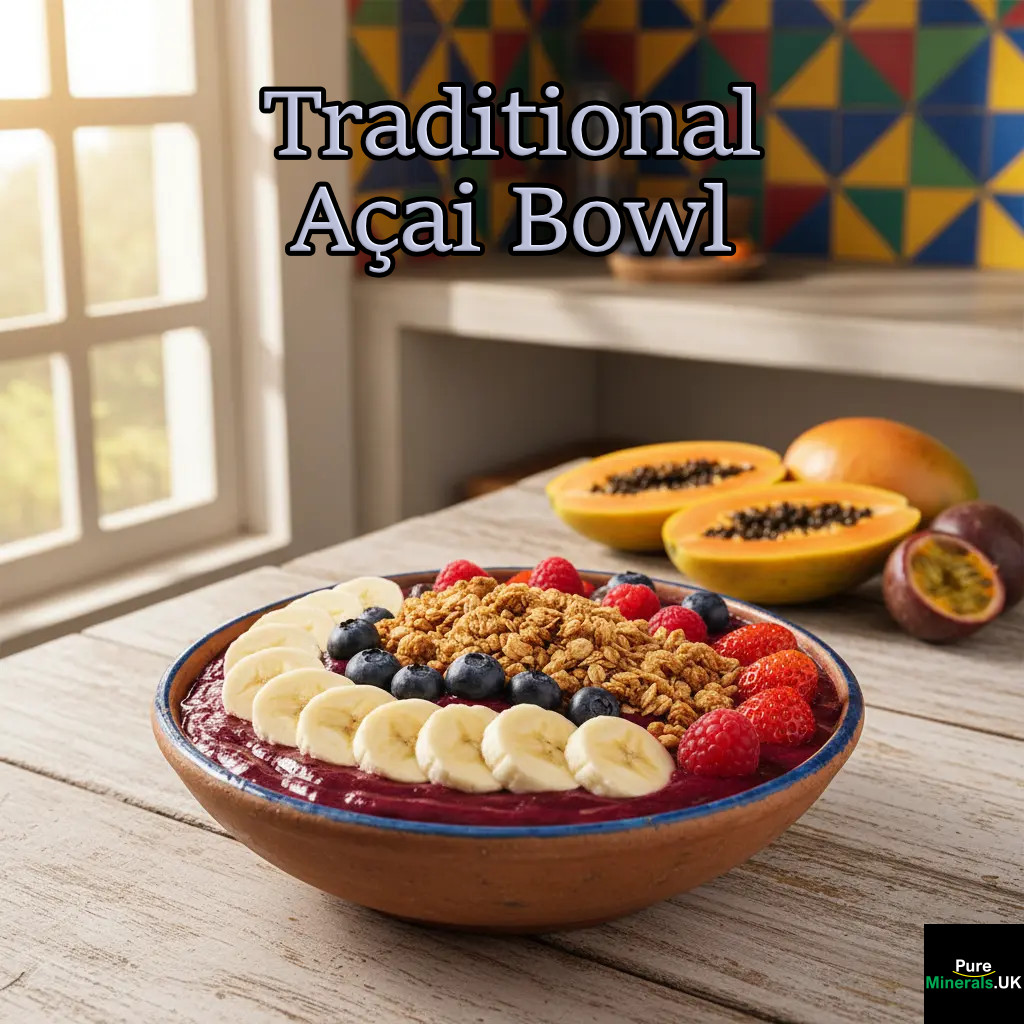
The açaí bowl has become the most popular way to enjoy this superfood, offering a nutritious and customizable breakfast or snack option. Traditional açaí bowls begin with a base of blended açaí pulp (usually from frozen packs), combined with a small amount of liquid and sometimes frozen banana to create a thick, sorbet-like consistency. This purple base is then topped with a variety of nutrient-dense ingredients like fresh fruits, granola, nuts, seeds, and occasionally a drizzle of honey or other natural sweetener.
Creating the perfect açaí bowl at home starts with high-quality açaí pulp or powder. For the most authentic experience and nutritional benefits, look for pure, unsweetened açaí products without added sugars or fillers. Blend the açaí with just enough liquid to achieve your desired consistency—typically 1/4 to 1/2 cup of almond milk, coconut water, or fruit juice per serving. For additional creaminess and natural sweetness, add half a frozen banana or a few frozen berries to the base mixture.
The true nutritional magic of açaí bowls comes from thoughtful topping choices. Aim for a balance of textures and nutrient groups: sliced fresh fruits for additional vitamins and fiber, nuts or seeds for healthy fats and protein, and perhaps a small amount of granola for satisfying crunch. By controlling your ingredients, you can create açaí bowls that align perfectly with your nutritional goals, whether you’re focused on post-workout recovery, sustained energy, or simply maximizing micronutrient intake.
Smoothies and Juices
For a quicker açaí option, smoothies offer similar nutritional benefits in a more convenient form. Açaí smoothies typically combine açaí pulp or powder with other fruits, a liquid base, and optional ingredients like protein powder, nut butter, or superfoods. This versatile format allows for endless customization while making it easy to incorporate açaí into your routine. For maximum nutritional benefit, blend açaí with other antioxidant-rich berries, a source of healthy fat like avocado or nut butter, and a clean protein source.
While pure açaí juice is less common, many commercial beverages contain açaí blended with other fruit juices. These products offer convenience but typically contain less fiber and sometimes more sugar than whole-fruit preparations. If choosing açaí juices, look for options with minimal added sweeteners and check the percentage of actual açaí in the product—higher percentages generally provide more of the berry’s beneficial compounds. Consider diluting açaí juice with water or using it as a flavor accent rather than a primary beverage to reduce sugar intake while still enjoying açaí’s benefits.
Supplements: Powders, Pills, and Extracts
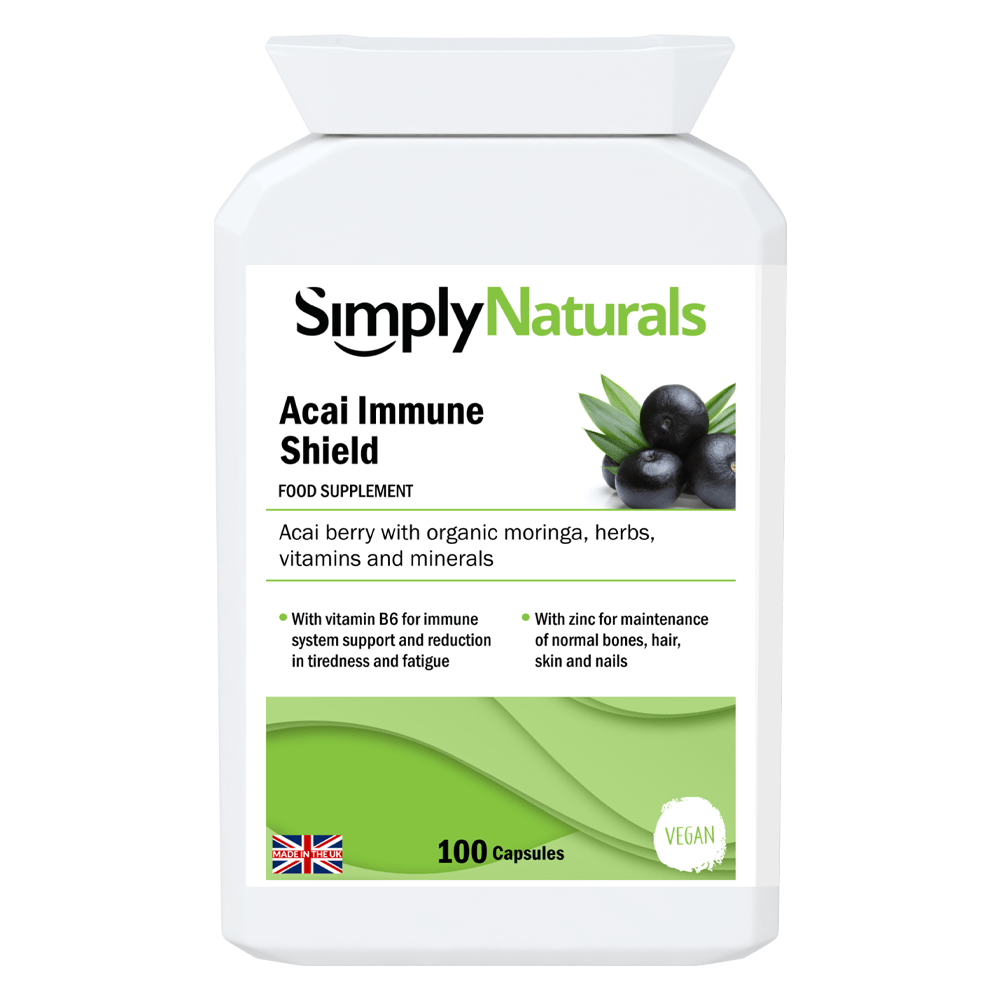
For those seeking concentrated açai benefits in the most convenient form, various supplements are available. Freeze-dried açai powder offers perhaps the best balance of convenience and nutritional completeness, retaining most of the whole fruit’s beneficial compounds in a shelf-stable form. This versatile powder can be added to smoothies, oatmeal, yogurt, or even baked goods to boost their nutritional value. Look for pure, organic açai powder without fillers or additives for maximum benefit.
Açaí capsules and extracts represent the most concentrated forms, typically standardized for specific compounds like anthocyanins or polyphenols. While these products offer convenience and precise dosing, they typically lack the fiber, healthy fats, and complete phytochemical profile of whole açai. These supplements may be appropriate for specific therapeutic goals or when traveling, but whole-food forms generally provide more comprehensive benefits for daily use.
- Frozen pulp packets: Best for açaí bowls and smoothies; most similar to fresh açaí
- Freeze-dried powder: Most versatile; can be added to multiple foods; excellent shelf life
- Ready-to-drink beverages: Most convenient but often contain less açaí and more sugar
- Capsules/extracts: Highest concentration of specific compounds; lack whole-food benefits
- Energy bars and snacks: Convenient but typically contain smaller amounts of açaí
Recommended Daily Intake for Maximum Benefits
Research on optimal açaí dosage remains limited, but benefits have been observed in studies using approximately 100-200g of açaí pulp daily (equivalent to one typical açaí bowl or large smoothie). This amount provides significant antioxidants and other beneficial compounds without excessive calories or cost. For freeze-dried powder, 1-2 tablespoons daily (approximately 5-10g) appears to provide meaningful benefits while remaining practical for most people.
As with many nutritional approaches, consistency may be more important than quantity when it comes to açaí consumption. Regular, moderate intake likely provides greater benefits than occasional large portions, as it maintains steadier levels of beneficial compounds in the body. Consider incorporating smaller amounts of açaí into your daily routine rather than larger, less frequent servings. Pure Harvest Organics recommends starting with a single daily serving and adjusting based on your personal response and nutritional goals.
Potential Side Effects and Considerations
Despite its impressive nutritional profile, açaí isn’t appropriate for everyone, and certain considerations should guide its use. Most people tolerate açaí well, but some individuals may experience digestive discomfort, especially when first incorporating it into their diet or consuming large amounts. Starting with smaller portions and gradually increasing can help minimize this potential issue. Additionally, some commercial açaí products contain common allergens like soy or tree nuts as additives or processing agents, so label reading remains important for those with food sensitivities.
Who Should Avoid Acai Berries
Individuals with specific berry allergies or sensitivities to salicylates (compounds found in many fruits) may need to approach açaí with caution. While açaí allergies are rare, cross-reactivity can occur in those with allergies to other berries or related fruits. If you have existing food allergies, consider trying a small amount of açaí initially and monitoring for any adverse reactions before incorporating it regularly into your diet.
People taking blood-thinning medications like warfarin (Coumadin) should consult their healthcare provider before consuming açaí regularly. The berry’s natural vitamin K content, while not exceptionally high, could potentially influence blood clotting in sensitive individuals or those on carefully balanced anticoagulant therapy. Similarly, those scheduled for surgery are typically advised to avoid açaí for at least two weeks before the procedure due to its potential mild blood-thinning effects.
Medication Interactions to Watch For
Açaí’s antioxidant compounds may potentially interact with certain medications by affecting how they’re metabolized in the body. Particularly relevant are drugs processed by the cytochrome P450 enzyme system in the liver, which includes many common medications. While no specific contraindications have been established, those taking medications for heart conditions, blood pressure, diabetes, or autoimmune disorders should discuss açaí consumption with their healthcare provider to ensure it won’t interfere with their treatment.
Anthocyanins and other compounds in açaí may also influence the absorption of certain nutrients and medications. For maximum safety, consider separating açaí consumption from medication administration by at least two hours, particularly for critical medications where precise absorption timing matters. This precautionary approach ensures that açaí’s beneficial compounds don’t inadvertently interfere with necessary medical treatment while still allowing you to enjoy its nutritional benefits.
Finding Quality Acai Products
The quality of açaí products varies dramatically, with significant differences in nutritional content, purity, and environmental impact. Because açaí has become increasingly popular, the market includes everything from premium, minimally processed options to heavily diluted products with minimal actual açaí content. Learning to distinguish quality açaí can help ensure you receive the nutritional benefits you’re seeking while supporting sustainable harvesting practices that benefit both the Amazon ecosystem and its indigenous communities.
Fresh vs. Frozen vs. Dried
Each form of açaí offers different advantages and limitations for consumers. Fresh açaí berries are extremely perishable, losing their nutritional value within 24 hours after harvest, which makes them virtually impossible to find outside the Amazon region. For most consumers worldwide, the choice comes down to frozen açaí pulp, freeze-dried powder, or processed products like juices and supplements.
Comparing Açaí Forms:
Frozen Pulp: Highest retention of fresh açaí properties; requires freezer storage; best for açaí bowls and smoothies
Freeze-Dried Powder: Excellent nutrient preservation; convenient storage; versatile applications; concentrated form
Juices: Most convenient; generally lower in antioxidants; often contains added sugars; minimal fiber content
Supplements: Most concentrated specific compounds; lacks whole-food benefits; convenient for travel; discover more about superfoods and their benefits.
Frozen açaí pulp most closely resembles fresh berries in taste and nutritional profile. Quality frozen açaí undergoes minimal processing—typically just pulping and flash-freezing shortly after harvest. This process preserves most of the anthocyanins, healthy fats, and other beneficial compounds. Look for pure frozen açaí without added sweeteners or fillers for the most authentic experience and greatest health benefits.
Freeze-dried açaí powder offers exceptional convenience and concentration. The freeze-drying process removes water while preserving most of the berries’ nutritional compounds, resulting in a shelf-stable powder with concentrated antioxidants and other beneficial components. High-quality açaí powder should have a vibrant purple color and contain 100% pure açaí without fillers, additives, or sweeteners. This form provides the most versatility for incorporating açaí into various foods and beverages.
Reading Labels: What to Look For
Navigating açaí product labels requires attention to several key factors. First, check the ingredients list—pure açaí should appear as the first ingredient, ideally with few or no additional ingredients. Be particularly wary of products listing sugar, glucose syrup, or fruit juice concentrates ahead of açaí, as these likely contain more sweetener than actual berry. For maximum nutritional benefit, choose unsweetened products and add your own sweetness if desired.
Certification labels provide additional quality assurance. Look for organic certification to ensure your açaí was grown without synthetic pesticides or fertilizers, which is better for both your health and the Amazon ecosystem. Fair trade or direct trade certifications indicate ethical sourcing practices that support indigenous harvesters with fair compensation. Some premium products also carry rainforest sustainability certifications, verifying that harvesting practices protect the forest’s biodiversity rather than depleting it.
Avoiding Low-Quality Imitations
The açaí market includes numerous products that capitalize on the berry’s popularity while providing minimal actual açaí content or benefits. These low-quality options often use small amounts of açaí primarily for marketing purposes, diluted with cheaper ingredients like apple juice, grape juice, or artificial flavors. Beyond checking ingredient lists, examine the product’s color—authentic açaí products should have a deep purple hue rather than the reddish tone typical of products diluted with other berry juices. Our Açai Immune Shield supplier maintains rigorous quality standards to ensure their açaí products deliver authentic nutrition from sustainable Amazon rainforest sources.
Beyond the Hype: What Science Actually Says
While açaí berries offer legitimate nutritional benefits, separating scientific evidence from marketing claims requires critical evaluation. The superfood marketplace often races ahead of scientific consensus, making extraordinary claims based on preliminary research or traditional use rather than conclusive clinical evidence. Understanding what research actually demonstrates about açaí helps consumers make informed decisions and maintain realistic expectations about this nutritious Amazonian fruit.
Separating Fact from Marketing Claims
Marketing often portrays açaí as a miracle food with capabilities beyond what current research supports. Weight loss claims represent one of the most common exaggerations—while açaí’s nutritional profile may support healthy weight management as part of a balanced diet, no convincing evidence shows that it directly causes weight loss or specifically targets belly fat. Similarly, claims about açaí “detoxifying” the body oversimplify complex physiological processes and extend beyond current scientific understanding.
Anti-aging claims deserve particular scrutiny. While açaí’s antioxidants may help protect cells from oxidative damage (one factor in aging), no single food can reverse the complex biological processes of aging. Research confirms that açaí contains compounds that may support healthy aging through various mechanisms, but these effects represent supportive influences rather than age reversal. Responsible companies like Pure Harvest Organics focus on açaí’s evidence-based benefits rather than making exaggerated anti-aging claims.
Disease prevention and treatment claims require the most careful evaluation. While preliminary research suggests açaí may influence various pathways related to cancer, heart disease, and neurodegenerative conditions, these studies primarily involve laboratory and animal models rather than human clinical trials. No current evidence supports using açaí as a replacement for conventional medical treatment or prevention strategies, though it may complement evidence-based approaches to health maintenance.
Recent Research Findings
Recent studies have expanded our understanding of açaí’s potential health benefits, with several noteworthy findings emerging from both laboratory and clinical research. A 2021 clinical trial published in the Journal of Nutrition found that participants consuming açaí for six weeks showed significant reductions in oxidative stress markers and improved vascular function compared to the control group. These findings support açaí’s potential role in cardiovascular health maintenance, particularly through its effects on endothelial function and oxidative balance.
Metabolic health represents another promising area of recent açaí research. A study in the journal Metabolism demonstrated that açaí consumption improved insulin sensitivity and glucose metabolism in overweight adults, potentially by activating AMPK pathways that facilitate glucose uptake by cells. While these results require larger-scale validation, they suggest that açaí may help support healthy blood sugar regulation as part of a comprehensive nutritional approach.
Emerging neurological research offers perhaps the most intriguing new direction for açaí investigation. Recent animal studies have found that specific compounds in açaí can cross the blood-brain barrier and may help protect neurons from oxidative damage and inflammation. These neuroprotective effects appear particularly relevant to age-related cognitive decline and neurodegenerative conditions, though human studies remain preliminary. This research area represents an exciting frontier for understanding açaí’s potential benefits beyond its established antioxidant properties.
Areas Where More Studies Are Needed
Despite growing research interest, significant knowledge gaps remain regarding açaí’s health effects. Most notably, large-scale human clinical trials are needed to confirm and quantify the benefits observed in smaller studies and laboratory research. Questions about optimal dosage, timing, form (whole berry versus extracts), and individual variation in response require more rigorous investigation before definitive recommendations can be established. Additionally, long-term consumption studies would help clarify whether açaí’s benefits accumulate over time or reach a plateau after a certain duration.
Make Acai Part of Your Healthier Lifestyle
Incorporating açaí into your nutrition represents just one aspect of a comprehensive approach to health and vitality. For maximum benefit, consider açaí as part of a broader pattern of nutrient-dense food choices, regular physical activity, adequate sleep, stress management, and other lifestyle factors that support overall well-being. The true power of açaí emerges not as an isolated superfood but as one component of a thoughtfully designed lifestyle that nourishes your body and mind in multiple complementary ways. Pure Harvest Organics provides premium açaí products that support your journey toward optimal health through the extraordinary nutritional gifts of the Amazon rainforest.
Important Note: Acai Berries
Acai berries are generally consumed as food products such as powders, purées, or juices. Individuals with allergies or sensitivities should review ingredient labels carefully, particularly for processed products.
A Note on Superfoods, Minerals, Modern Diets, and Supplementation
While foods often described as superfoods, like acai berries, can provide valuable nutrients and plant compounds, it is increasingly recognized that modern agricultural practices have reduced the natural mineral content of many soils. Intensive farming, repeated crop cycles, and the widespread use of agrichemicals mean that even high-quality whole foods may no longer contain the full range of naturally occurring, plant-derived trace minerals that were once more abundant in traditional diets.
For this reason, some people choose to complement a whole-food diet with mineral and vitamin supplementation. In particular, hydrophilic (water-soluble) plant-derived trace minerals differ in structure and bioavailability from many common rock-derived mineral supplements. These minerals occur naturally in plants and were historically consumed through mineral-rich soils and vegetation.
I have personally used a broad-spectrum plant-derived trace mineral supplement for over twenty years, alongside the recommended daily intake of essential vitamins. This approach has formed part of my long-term nutritional routine. My own experience, which I describe in detail elsewhere, reflects the potential value of addressing micronutrient gaps that diet alone may not fully cover in the modern food environment.
If you would like to explore this topic further, I have written an in-depth article describing my personal experience with plant-derived trace mineral supplementation, including background information and sourcing considerations:
The trace minerals and complementary vitamins discussed there are available through my web shop in several forms, including liquids, capsules, powders suitable for recipes, and formulations intended for pets. As with all supplements, individual needs vary, and readers are encouraged to make informed choices and seek professional guidance where appropriate.
Frequently Asked Questions
As açaí continues gaining popularity worldwide, many consumers have questions about its benefits, uses, and potential limitations. These frequently asked questions address common concerns and misconceptions about açaí berries, providing evidence-based information to help you incorporate this Amazonian superfood into your nutrition in the most beneficial way.
From practical considerations like storage and preparation to deeper questions about health benefits and scientific evidence, these answers aim to provide clear, accurate guidance based on current research and traditional knowledge. Remember that individual responses to any food may vary, and consulting with healthcare providers remains important for those with specific health concerns or conditions.
Can acai berries help with weight loss?
Despite popular marketing claims, research doesn’t support açai as a specific weight loss aid. No evidence suggests that açai directly burns fat or accelerates metabolism in ways that lead to significant weight reduction. However, açai can support healthy weight management in several indirect ways when incorporated into an overall balanced diet. Its fiber content promotes satiety, potentially reducing overall calorie consumption, while its healthy fats and modest protein content provide sustained energy that may help prevent blood sugar fluctuations that trigger hunger.
Some preliminary research suggests that açaí’s polyphenols might influence fat metabolism and reduce fat accumulation in tissues, but these effects remain small compared to the impact of overall diet, physical activity, and other lifestyle factors. For those seeking weight management support, açaí can be a nutritious component of a calorie-appropriate diet, particularly when consumed in unsweetened forms and combined with other nutrient-dense foods. The berry’s rich nutrient profile makes it a more beneficial choice than many processed snacks or sweetened beverages, potentially improving overall diet quality while supporting gradual, sustainable weight management.
Are açai berries safe during pregnancy?
Limited research exists specifically examining açai consumption during pregnancy, creating some uncertainty about recommendations. While açai’s nutrient profile includes many components beneficial during pregnancy—including folate, iron, calcium, and antioxidants—the concentrated nature of some açai products raises questions about potential effects on uterine blood flow and other pregnancy-specific concerns. As with many foods with strong bioactive properties, moderation represents the most prudent approach for pregnant women interested in açaí’s benefits.
Women considering açaí during pregnancy should consult their healthcare provider, particularly if consuming concentrated forms like supplements or extracts. Traditional food forms like modest portions of açaí bowls or smoothies made with pure, unsweetened açaí are generally considered safer than concentrated supplements. Additionally, pregnant women should ensure any açaí products they consume have been properly handled and pasteurized to eliminate potential microbial contamination, which presents heightened risks during pregnancy.
- Choose pasteurized açaí products during pregnancy to eliminate pathogen risks
- Avoid concentrated açaí supplements without a healthcare provider’s approval
- Consider whole-food forms in moderate amounts rather than extracts
- Ensure açaí products come from reputable sources with good safety practices
- Discuss açaí consumption with your prenatal care provider, particularly if you have a high-risk pregnancy
Remember that pregnancy dietary needs are highly individual, and recommendations may vary based on specific health conditions, pregnancy complications, and other factors unique to each woman’s situation. A qualified healthcare provider familiar with your specific circumstances can offer the most appropriate guidance regarding açaí consumption during pregnancy.
How long do açai products last once opened?
Storage requirements and shelf life vary significantly among açai product types. Frozen açai pulp or smoothie packs should remain in the freezer until use and, once thawed, should be consumed within 12 hours as the berries’ beneficial compounds begin degrading rapidly at room temperature. Partially used frozen packs can be refrozen once, though some nutritional value may be lost with repeated freezing and thawing. For maximum benefit, prepare only the amount you plan to consume immediately.
Freeze-dried açai powder offers much greater stability, typically maintaining its nutritional properties for 12-24 months when properly stored. However, once opened, powder should be kept in an airtight container away from heat, light, and moisture, ideally in a cool, dark pantry or refrigerator. Even with proper storage, open açaí powder gradually loses potency over time as exposure to air degrades its antioxidant compounds. For best results, open açaí powder within 3-6 months and check for any changes in color, smell, or texture that might indicate degradation.
Why are açai products more expensive than other berries?
Factors Contributing to Açaí Pricing:
• Limited growing region (primarily the Amazon rainforest)
• Challenging harvest conditions requiring manual labor
• Extreme perishability necessitating rapid processing
• Complex international supply chain with refrigeration requirements
• Sustainable harvesting practices that limit production volume
• Growing global demand exceeding available supply
Açai’s higher price reflects several unique supply chain challenges. Unlike commercially cultivated berries grown worldwide, açai primarily comes from wild-harvested palms in the Amazon rainforest, requiring skilled climbers to manually harvest berry clusters from trees reaching up to 80 feet tall. Once harvested, açaí berries remain viable for less than 24 hours before fermentation begins, necessitating immediate processing in remote locations with limited infrastructure. This combination of manual harvesting, geographic limitation, and extreme perishability creates production costs significantly higher than those for conventional berries.
Transportation and preservation add further costs to açai products. Frozen açai pulp requires continuous refrigeration throughout its journey from the Amazon to global markets—a complex logistical challenge involving specialized equipment and energy-intensive processes. Even freeze-dried açaí powder, while more stable, requires sophisticated processing technology rarely available near harvesting sites. These factors, combined with growing international demand that sometimes exceeds available supply, contribute to açaí’s premium pricing compared to more widely available fruits.
When evaluating açaí’s cost, consider its exceptional nutrient density relative to many less expensive foods. The concentrated antioxidants, healthy fats, fiber, and phytochemicals in açaí may provide nutritional value that justifies its higher price point for many consumers, particularly those seeking specific health benefits. Additionally, choosing products from companies committed to sustainable harvesting and fair trade practices, though sometimes more expensive, supports both environmental protection and economic opportunities for indigenous Amazonian communities.
Can children eat açai berries?
Açaí berries can be a nutritious addition to children’s diets when introduced appropriately and in age-suitable forms. For most healthy children, moderate consumption of açaí as part of a varied diet offers benefits without significant concerns. The berries’ nutrients support growth and development, while their antioxidants help protect against oxidative stress that begins even in childhood. However, as with introducing any new food, parents should consider several factors when offering açaí to children.
- Start with small amounts to monitor for any potential allergic reactions
- Choose unsweetened açaí products to avoid unnecessary added sugars
- Consider diluted forms for younger children (mixed into yogurt, oatmeal, or smoothies)
- Avoid concentrated supplements or extracts without a pediatrician’s approval
- Be mindful of potential choking hazards in açaí bowls with nuts or large fruit pieces
Parents should be particularly cautious about commercial açaí products marketed for children, as these often contain significant added sugars that can contribute to dental issues and unhealthy eating patterns. Creating homemade açaí preparations allows better control over ingredients and sweetness levels. Consider blending a small amount of açaí with naturally sweet fruits like banana or mango to create child-friendly flavors without added sugars. As with any nutrient-dense food, açaí should be part of a varied diet that exposes children to diverse flavors, textures, and nutrients.
For infants and very young children, consult with a pediatrician before introducing açaí, particularly in concentrated forms. While no specific contraindications exist for açaí in pediatric populations, individual children may have conditions or sensitivities that warrant caution. As with adults, children taking medications should have potential interactions evaluated by healthcare providers before regular açaí consumption begins.